Holness and Ayoade’s spoof of a lost 1980s horror serial gets every detail of bad television right, and six half-hours is exactly the right dose. It is one joke, but the joke has been built to last, and it has.
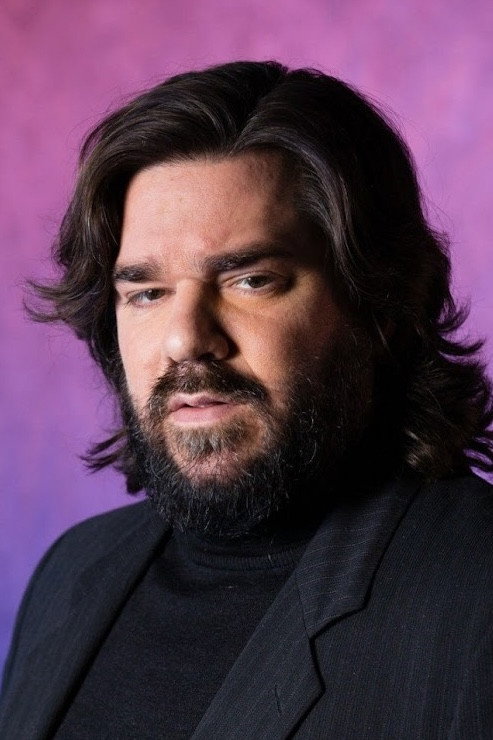
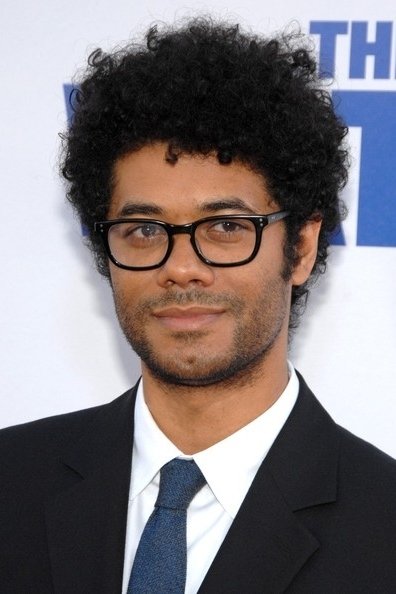
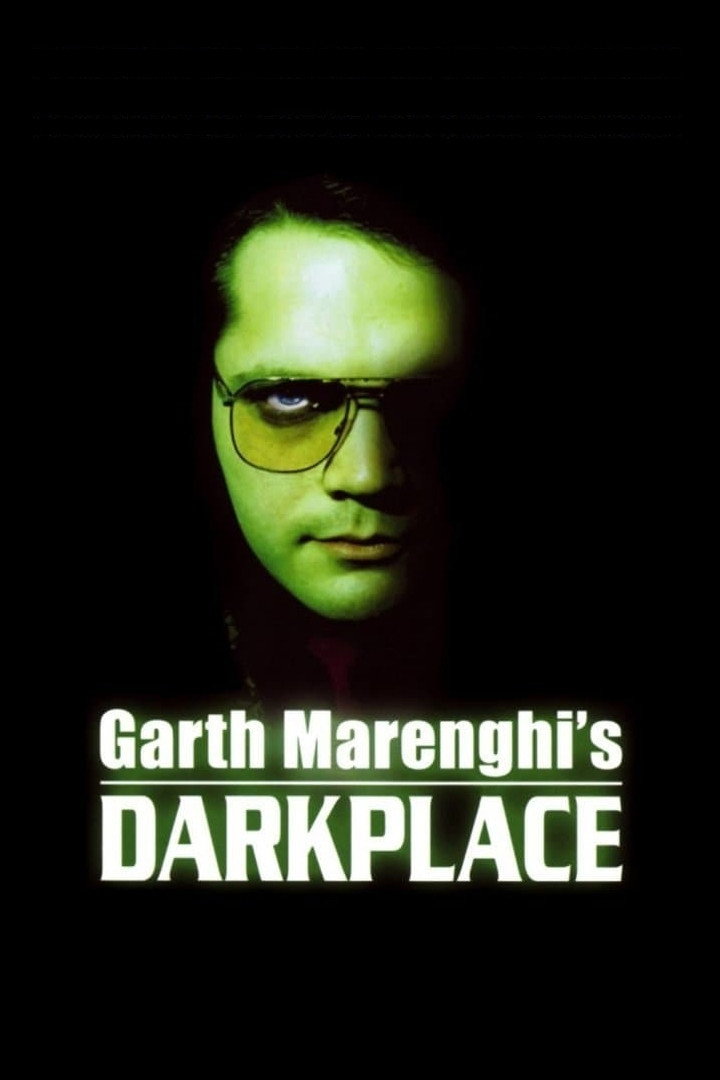
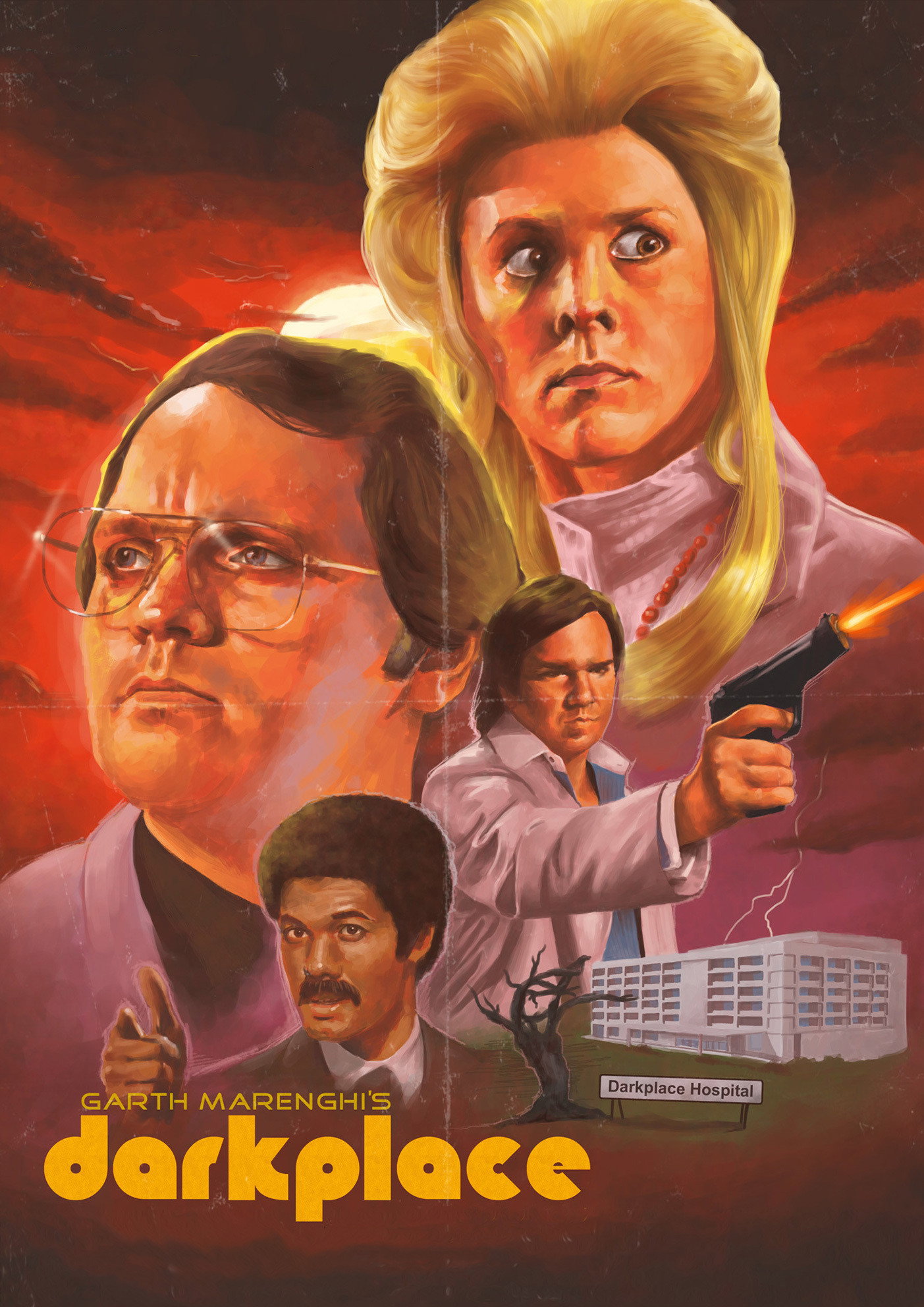
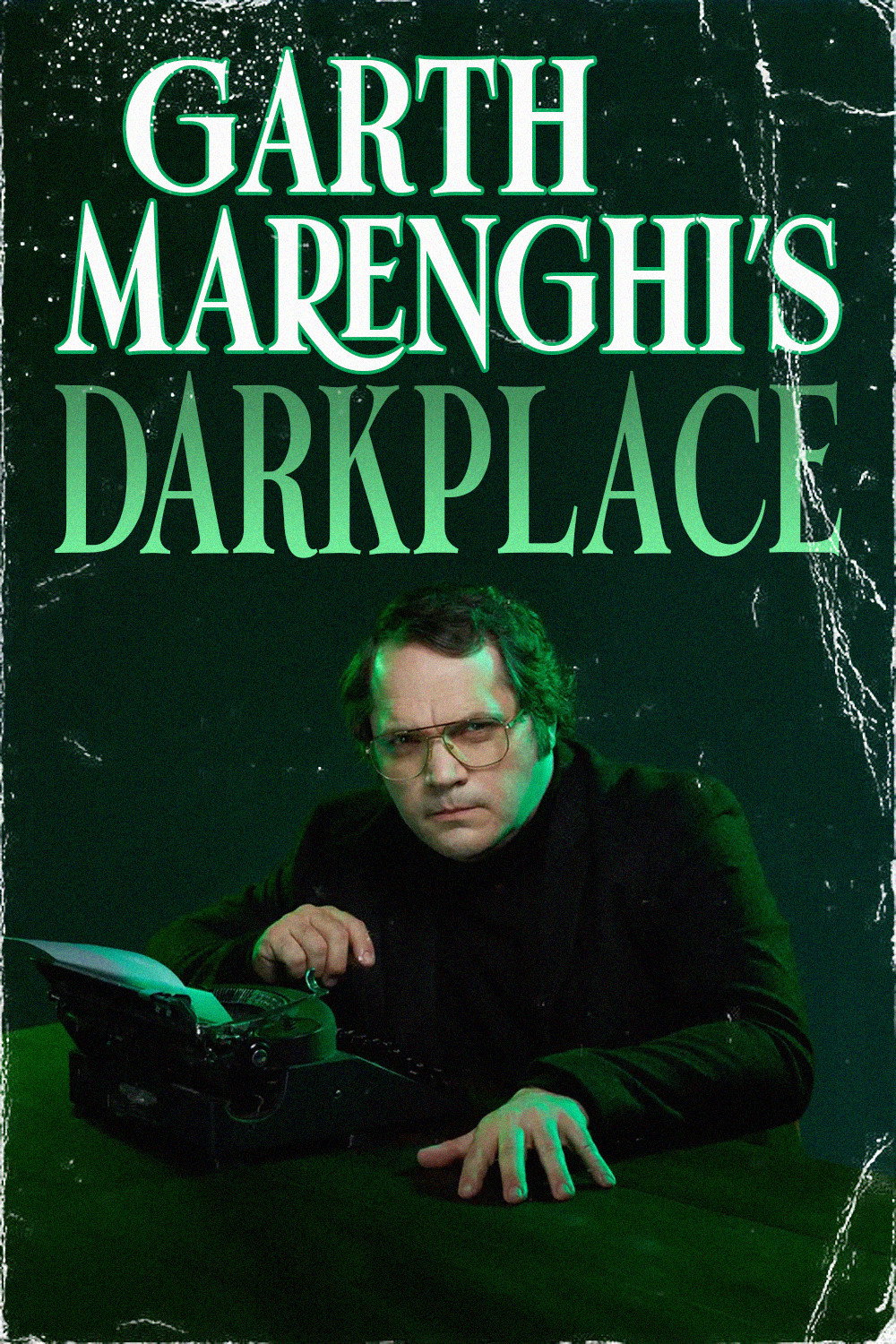
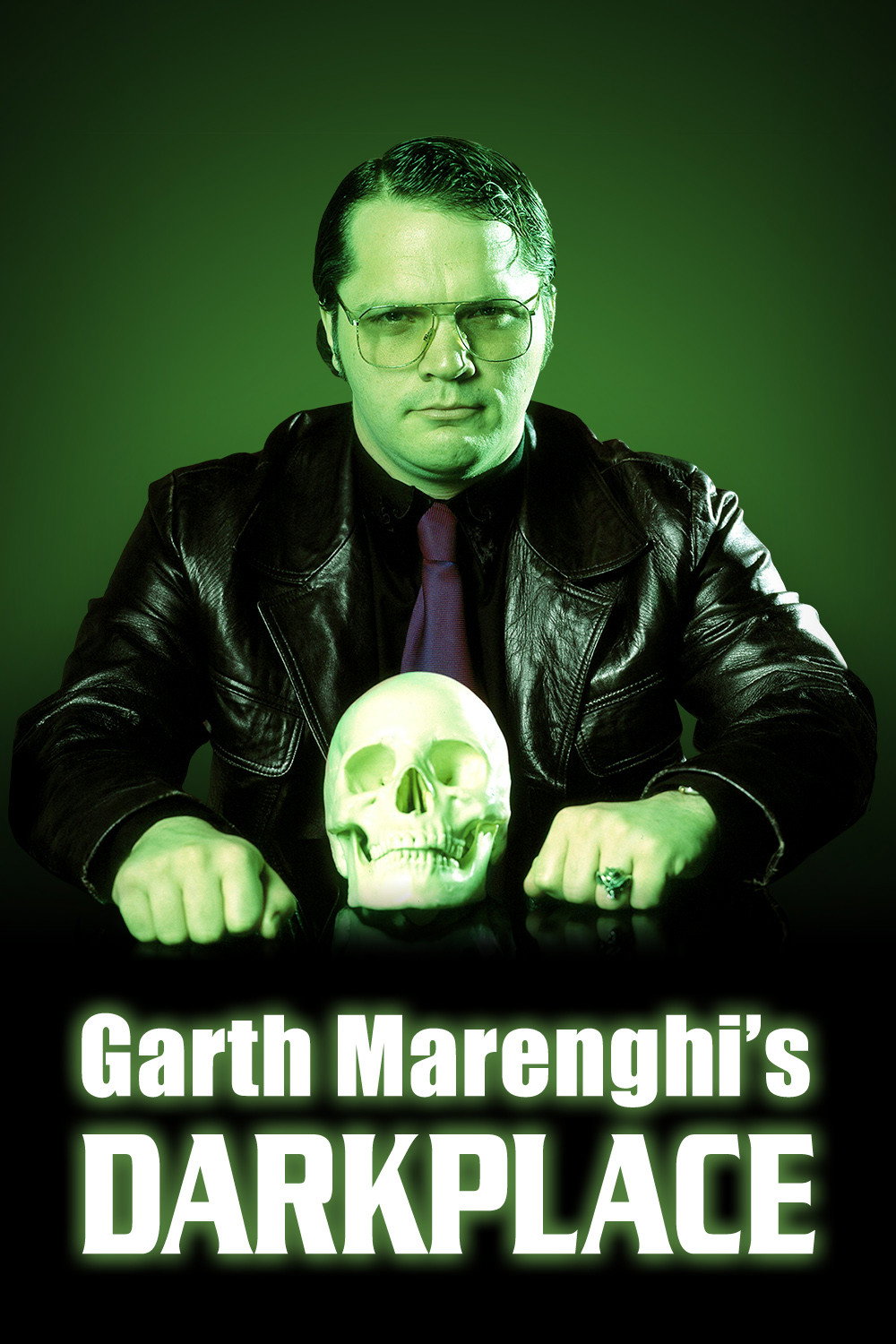
Garth Marenghi is a horror novelist who, by his own account, has written more books than he has read. In the 1980s, he tells us, he made a television series so dangerous that nobody would show it. Darkplace is that series, six half-hours of it, with Marenghi’s own commentary. None of this is true. Matthew Holness plays Marenghi, and with Richard Ayoade and Billy Brown he has built a spoof of bad 1980s horror television that gets every detail right; Ayoade directs. It is one joke, told for three hours, and it is one of the funniest things British television made in its decade. Our caveat is that you should not watch it all at once.
The craft is in being bad accurately. Martin Hawkins shoots it to look like videotape left in a warm car: the whites bleed, faces run to orange, and the corridors of Dennis De Groot’s hospital are lit flat from above so that nothing casts a shadow. The gates of hell are a doorway with dry ice behind it. Adam Windmill cuts every scene a beat late, holds on actors who have finished speaking, and reaches for slow motion whenever a chair is knocked over. Andrew Hewitt’s synthesiser score swells at the wrong moments and stops dead at the right ones. Every one of these is a mistake somebody chose.
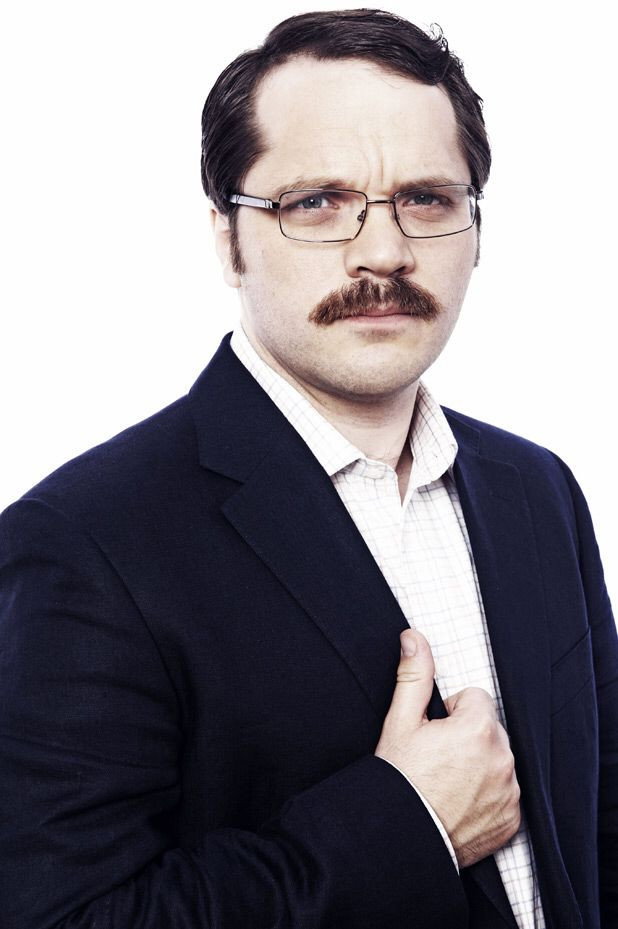
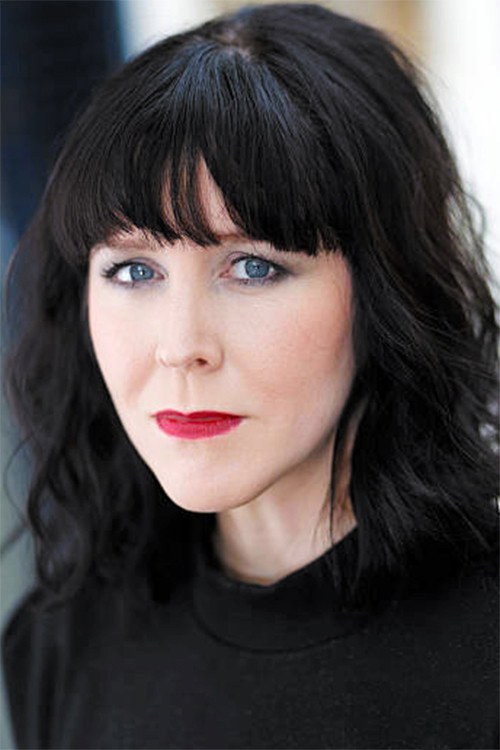
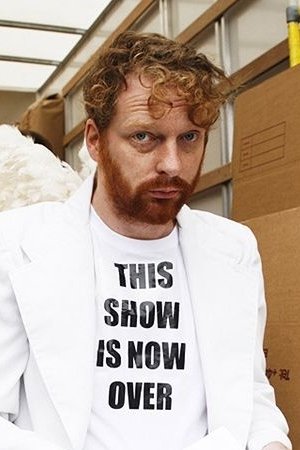
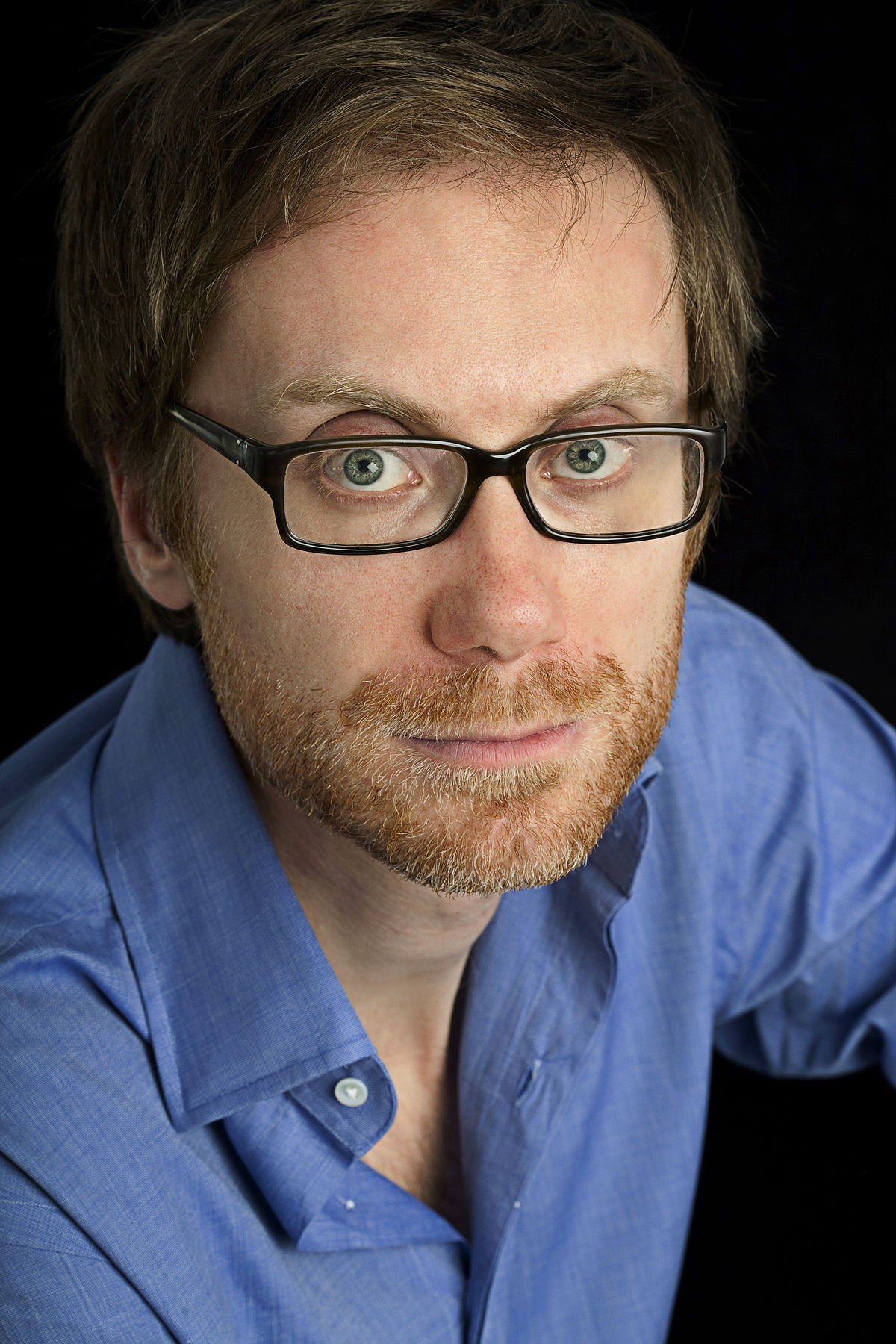
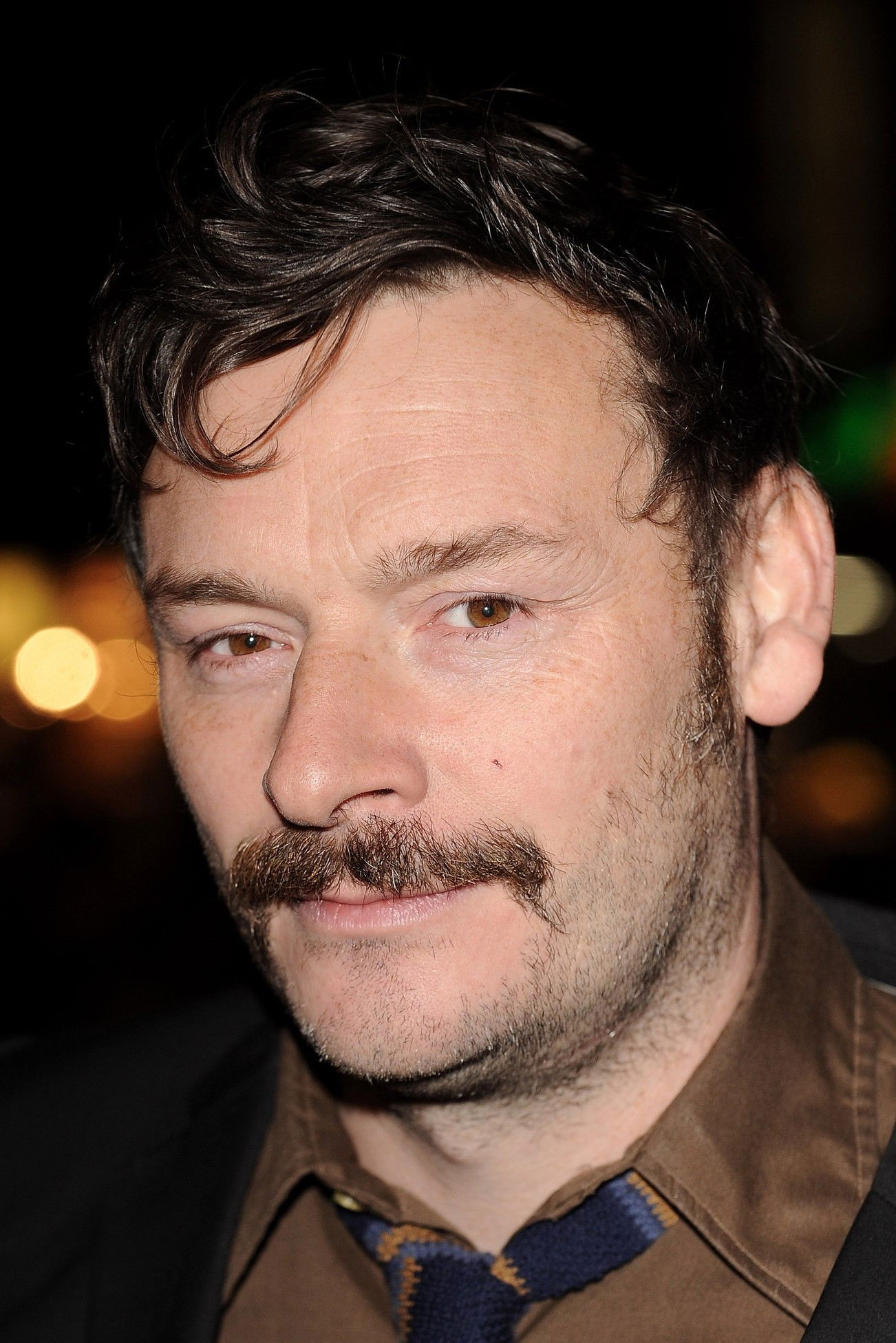
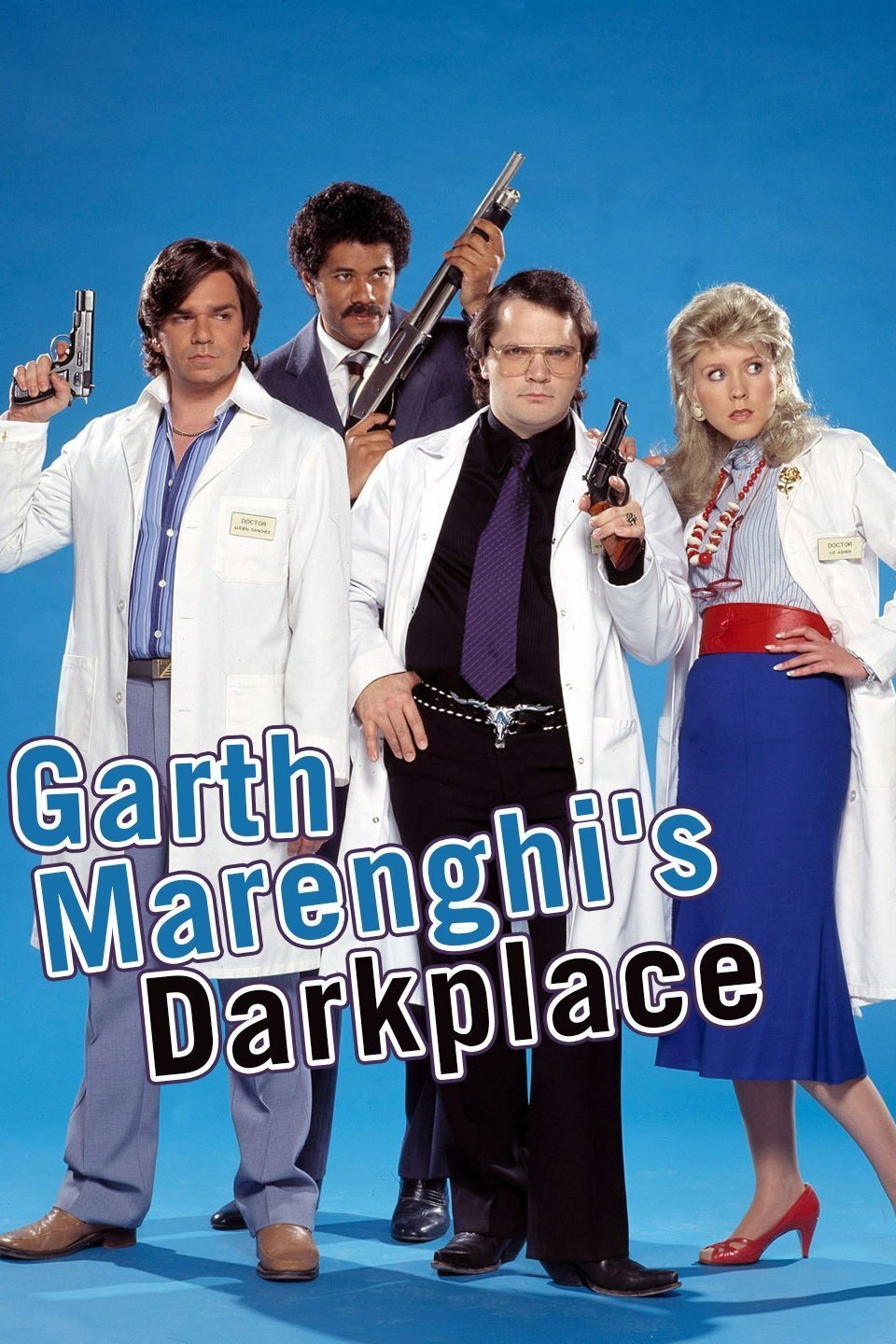
The acting has been tuned the same way. Holness plays Dr Rick Dagless in a whisper, staring at a point just past the camera, a man who has read that heroes are quiet. Matt Berry’s Dr Lucien Sanchez booms, stresses the wrong word in every sentence, and delivers medical information as if announcing a raffle. Ayoade’s Thornton Reed carries a shotgun through a hospital and nobody comments. Alice Lowe’s Liz Asher has the hardest brief: the character exists to be patronised by the men, and Lowe plays her sincerity without a flicker. Bad acting is only funny when the actor knows what the good version would be, and all four do.
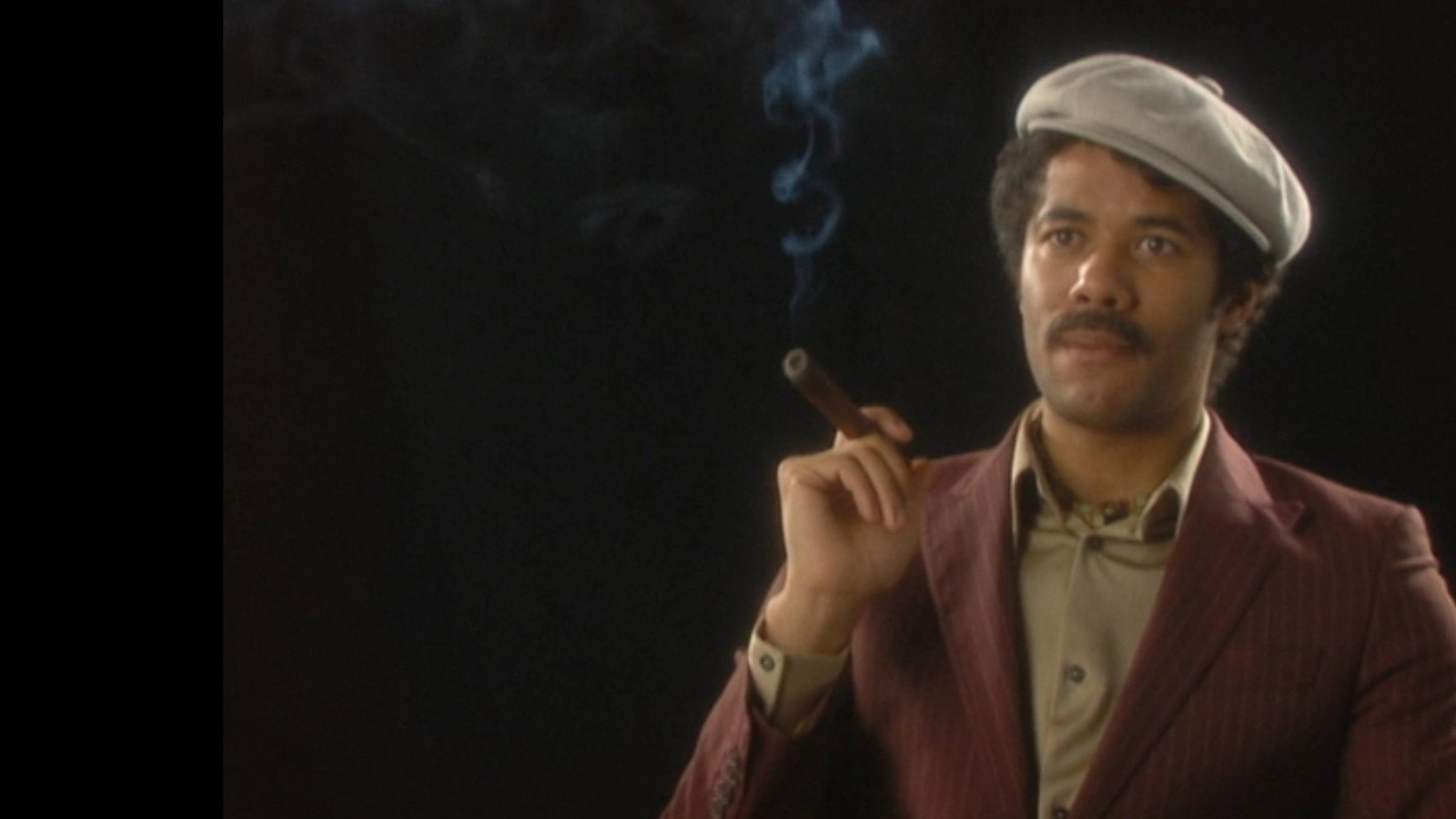
Then there are the interviews. Marenghi, his publisher Dean Learner (Ayoade again) and the actor Todd Rivers (Berry again) sit in armchairs and talk about what they made. Learner answers every question as if a lawyer were listening. Marenghi explains his subtext, which turns out to be the same as his text. Rivers appears to have had a drink. These scenes are shot properly, in colour that stays where it is put, and they keep reminding you that the mess in between is a performance.
We laughed until it hurt at Sanchez’s musical number, a power ballad staged as a pop video with a wind machine and smoke, sung by Berry with the seriousness of a man who believes he is a fine singer. It works because nothing in it winks. The same goes for the first episode, in which a colleague of Dagless’s is turned into something we will not describe and the hospital carries on as if this happened most Tuesdays. The show never once lets on that it knows.
The limit is built in. A spoof of bad television has to be bad television for stretches at a time, and there are passages in the middle episodes where the joke is waiting for the next joke. The interviews start to slow the later episodes rather than lift them. And a good deal of it depends on your having sat through the real thing, the cheap anthology shows and video-shop horrors it copies. A viewer who never saw those will still laugh, but will miss about a third of what is being aimed at. Six episodes is the right number.
It sits with the best British spoofs, alongside Look Around You. Most critics rate it about where we do. There was only ever this one series, and it has been quoted ever since, which is longer than most of what it was copying managed.
Watch two episodes at a sitting and no more, late, with the lights down and someone beside you who was alive for the originals. Taken slowly it stays funny. Taken in one go, you begin to see the bad television it is copying rather than the joke about it, and that is a long evening.