Popper and Serafinowicz’s spoof of the schools science programme is as exact a parody as British television has made: the film stock, the synthesiser, the pauses. The second series, with presenters on screen, is funny too, but the first is the one to show people.
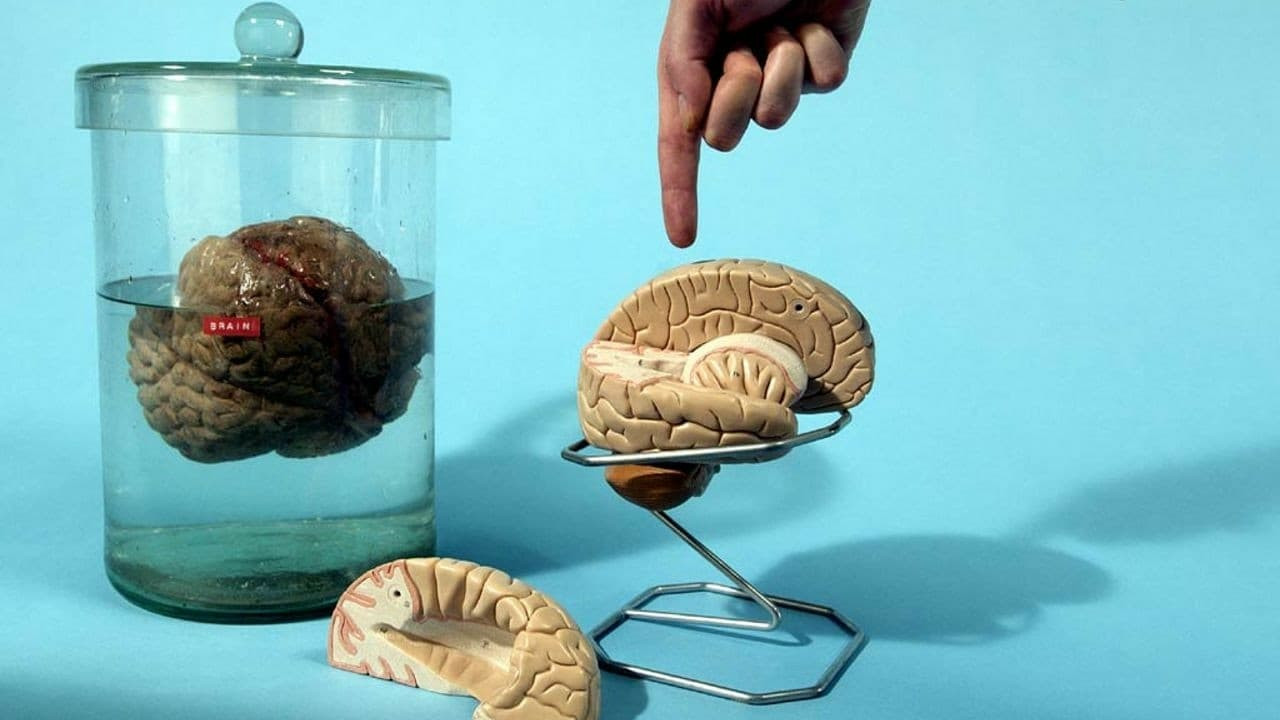
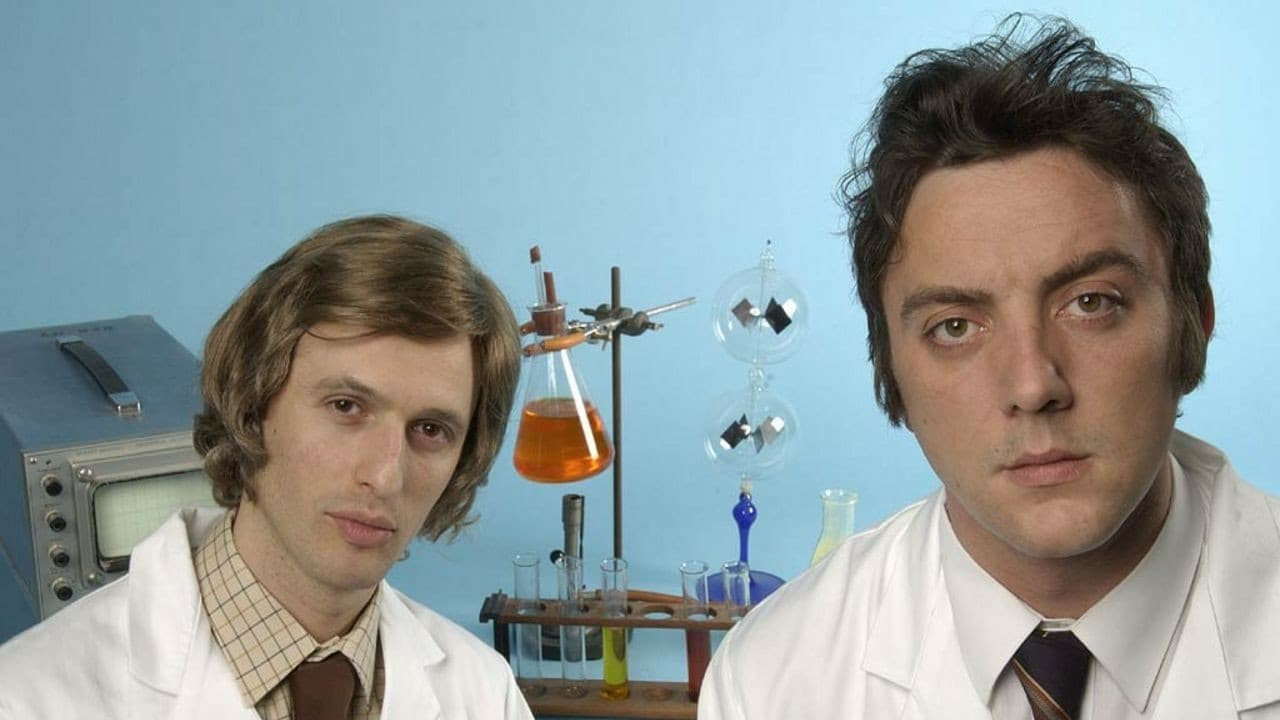
Robert Popper and Peter Serafinowicz have remembered something most of us worked hard to forget: the schools science programme, shown to classrooms in the 1970s and 80s on a television wheeled in on a trolley, in which a calm man explained a subject over film of beakers and nobody in the classroom learned anything. Look Around You is that programme, remade shot for shot, with every fact taken out and something wrong put in its place. Tim Kirkby directs. The first series went out on 10 October 2002 in eight parts; a second, in six, followed on 31 January 2005. It is among the most exact parodies British television has produced, and one of the funniest, with a reservation about the second series that we will come to.
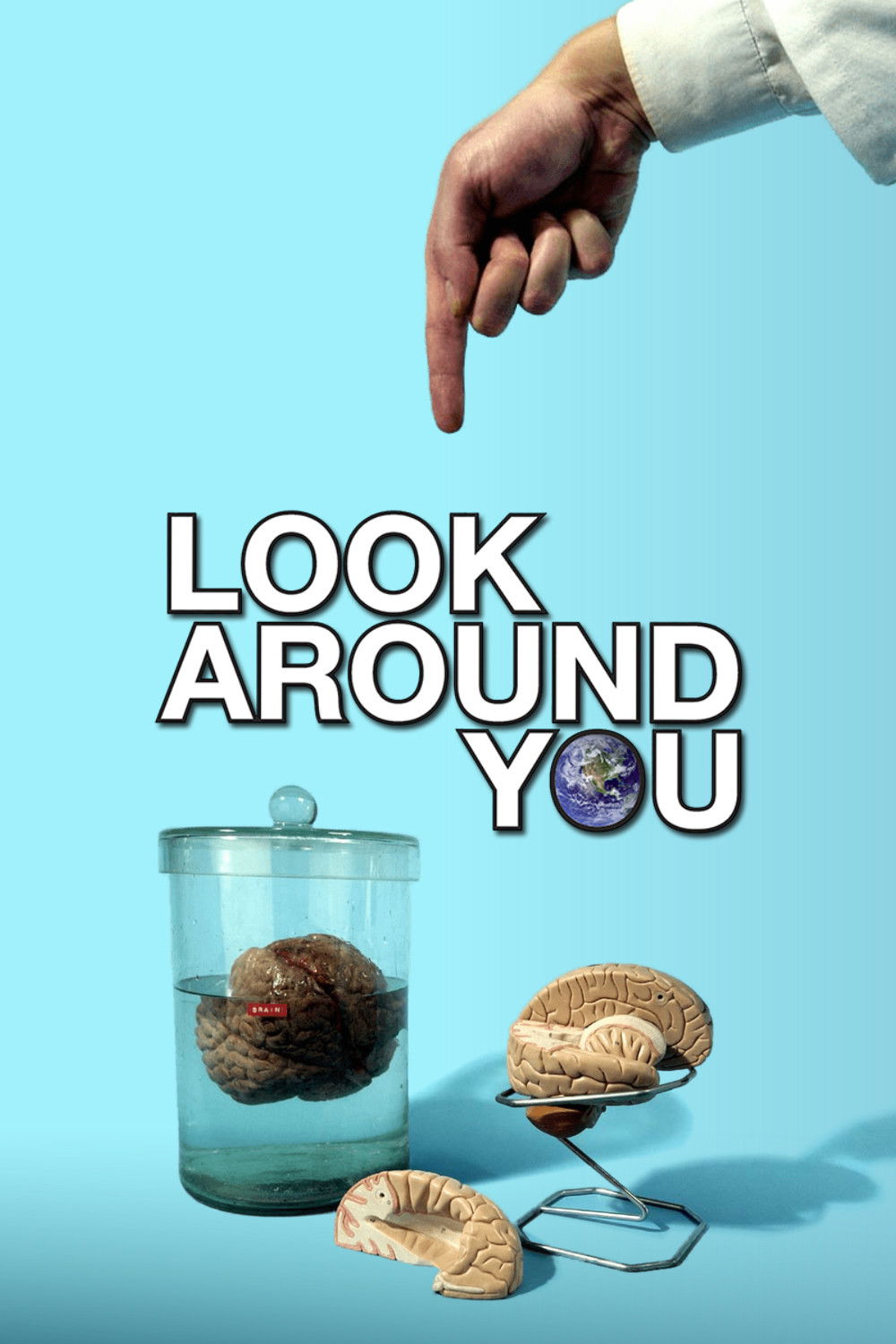
The exactness is the joke. The film stock is grainy and slightly orange. The title cards use the fat rounded lettering of the period and sit on screen a beat too long. Under everything runs a synthesiser, humming and burbling the way those programmes did when they had nothing to say and needed a noise. Kirkby keeps the camera still, lets a hand in a white cuff enter frame to pick up a test tube, and holds the shot until the pause itself is funny. Nothing on screen tells you it is a comedy. The whole thing depends on that.
Nigel Lambert narrates, and is the lead in all but billing. He has the voice of every teacher who ever asked you to be quiet, patient and wholly certain, and he never lets on. Each module takes a subject and explains it with total confidence and no accuracy whatever, then pauses so you can take it in. There is a moment, which we will leave you to find, when Lambert states something that cannot possibly be true in the exact tone he would use for the boiling point of water, and we laughed until we could not see the screen. It was the seriousness that did it: nothing about the sentence was delivered as a joke, so it landed as one. Then he moved on to the next fact as if nothing had happened, and we were gone again.
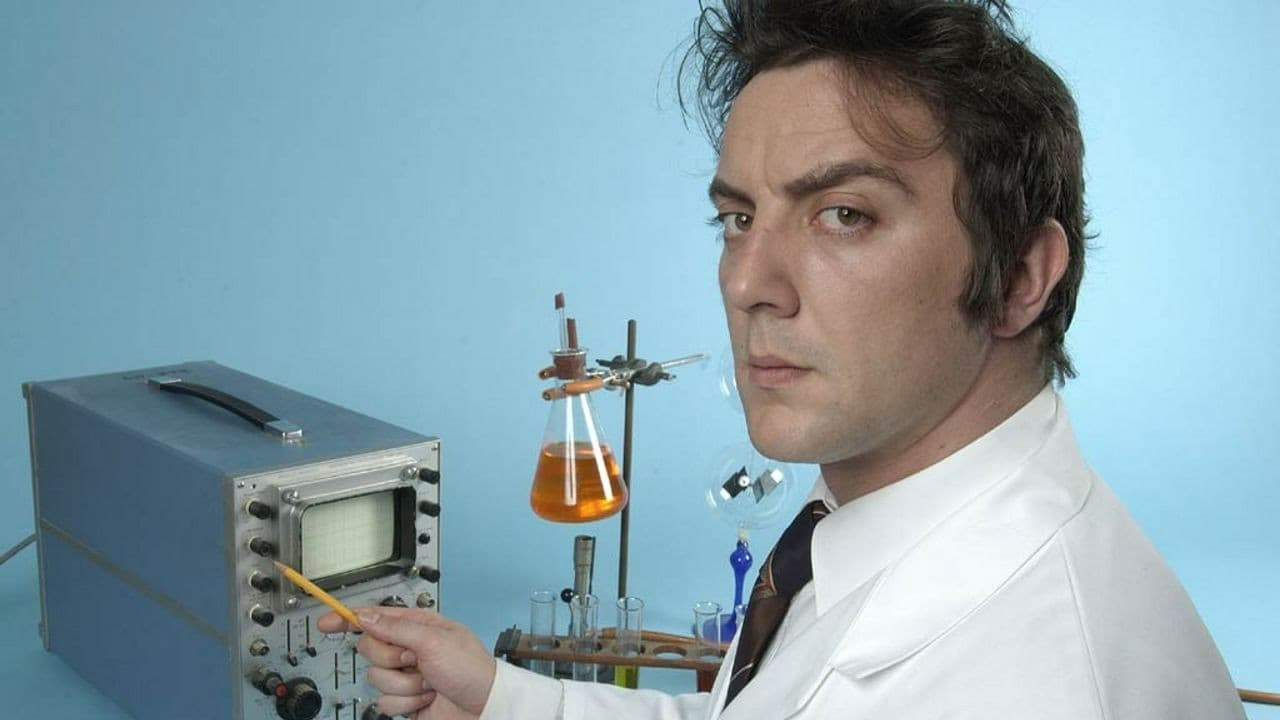
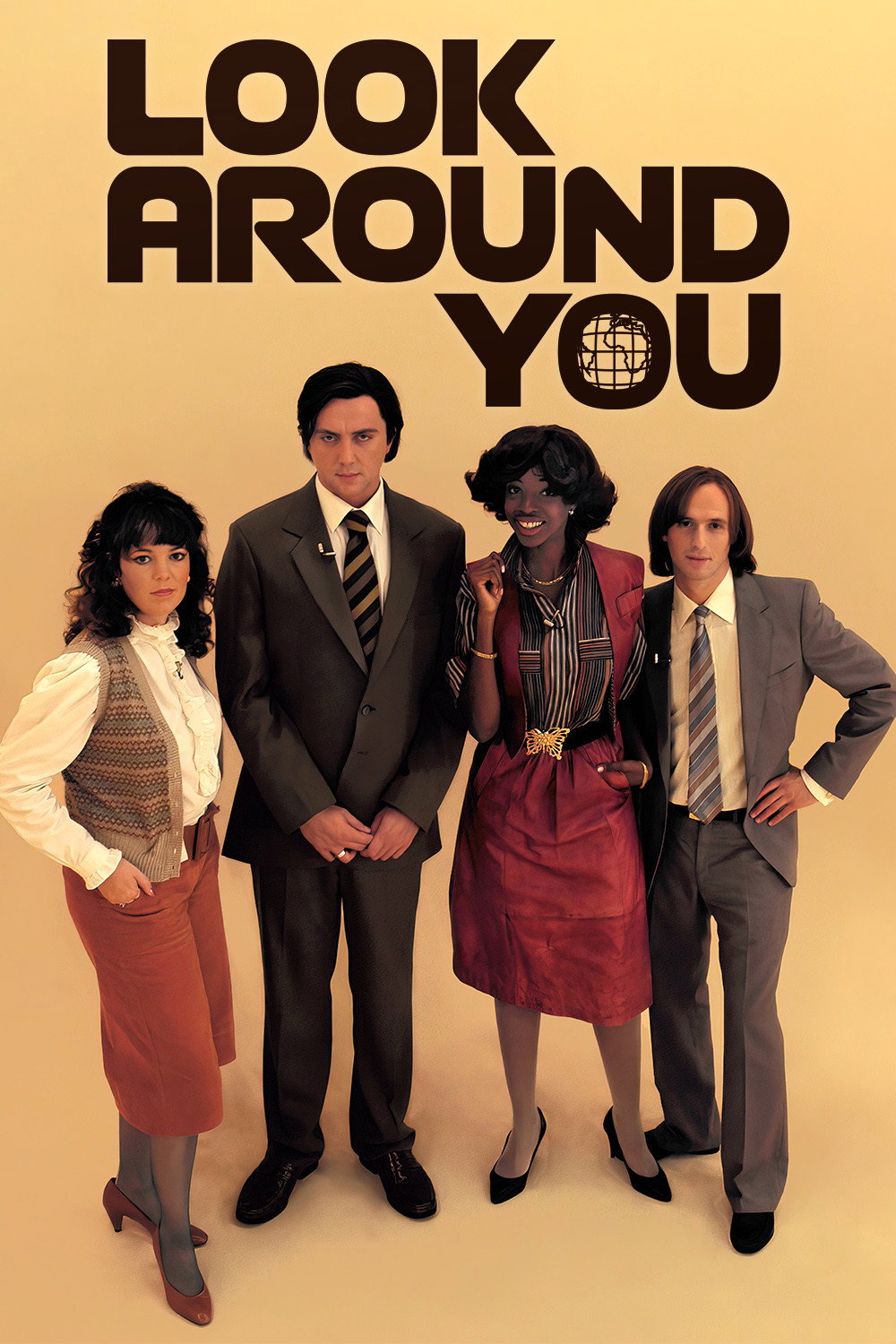
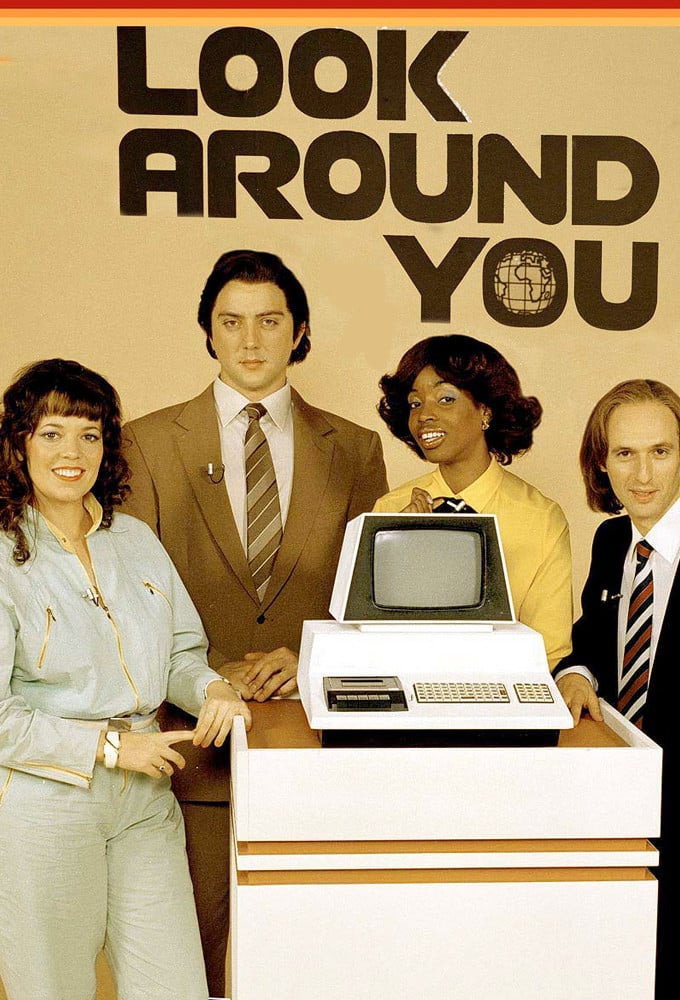
The second series gives the programme faces. Jack Morgan (Popper), Pam Bachelor (Olivia Colman), Peter Packard (Serafinowicz) and Pealy Maghti (Josie D’Arby) are on screen and speaking to us, rather than heard over film of beakers. Colman is the best thing in it; she plays a presenter of unshakeable brightness whose smile does not move when the item in front of her goes wrong. D’Arby matches her. Popper and Serafinowicz, playing men who believe they are at the cutting edge, are content to look foolish, which is the right instinct.
Our reservation is that the second series is funny in a different and slightly lesser way. The first works because nobody on screen knows anything is wrong; the format itself is the straight man. Once there are presenters, the jokes are told by people who plainly know they are jokes, and the calm that made the first series so strange is harder to keep up. A few of the running gags are asked to run further than they can. It is still a good comedy. It is a less unusual one.
There is a second caveat, and it applies to both. If you never sat in a classroom while a man on a trolley explained the properties of iron, some of this will be a precise recreation of something you have never seen, and for a while it will play as noise. Give it two episodes. It comes.
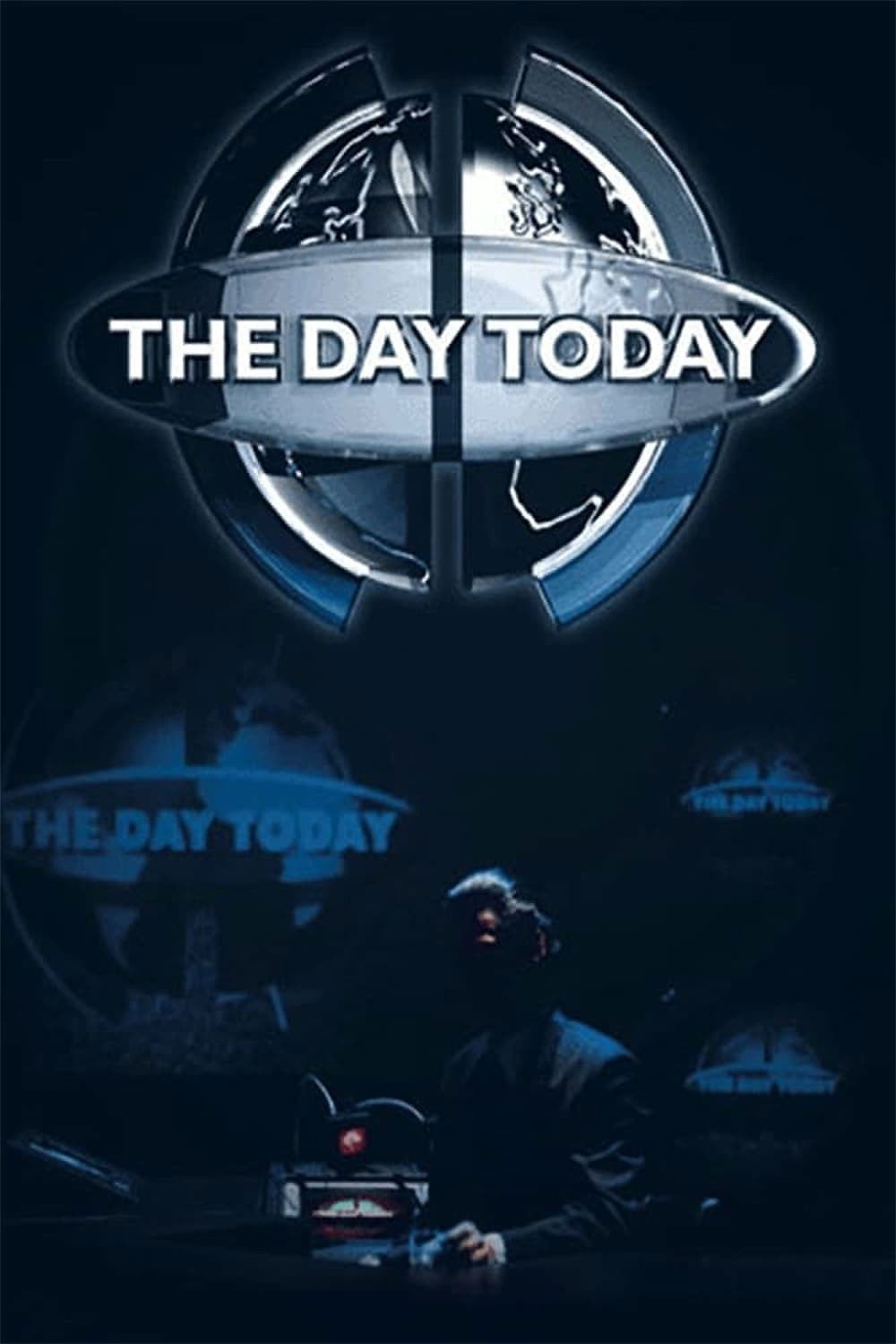
Set against the British tradition of the straight-faced spoof, this stands close to The Day Today, which most critics have already noticed and which is the right comparison. Its ambitions are smaller, its targets less important, and its hit rate, in the first series at least, is higher.
Watch it one module at a time, with the lights low, and resist the urge to start the next. You will fail, as we did.