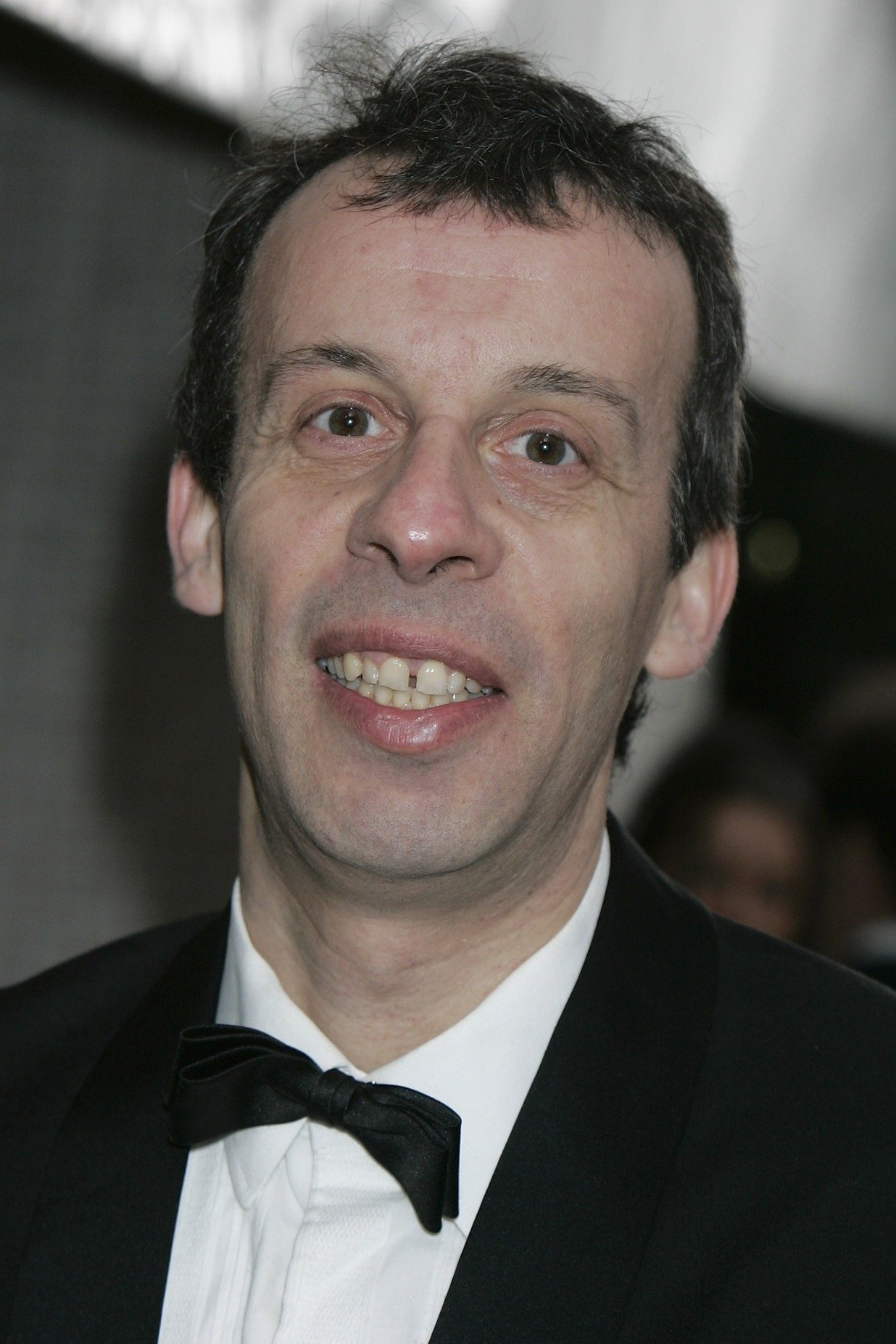
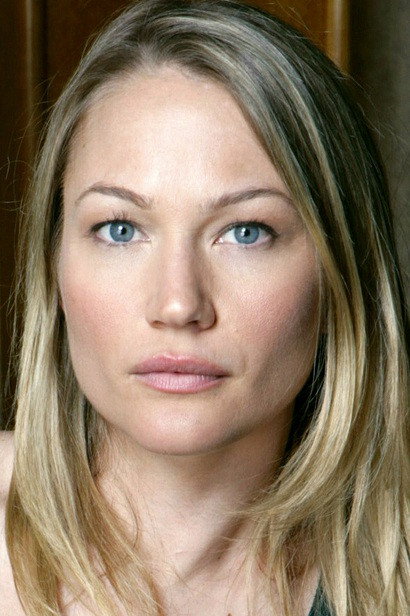
Chris Morris and Armando Iannucci’s spoof bulletin gets every detail of the real thing right and then fills it with lunacy. It is as funny as anything British television made in its decade, and slightly slower whenever it leaves the studio desk.
The Day Today is a news programme that never happened, made by people who had watched the real ones closely. It ran for six half-hour episodes from 19 January 1994, created by Chris Morris and Armando Iannucci. The idea has been copied ever since: take the studio, the graphics, the theme music and the presenters of a serious bulletin, keep every one of them exactly right, and change only what the words mean. It is as funny as anything British television made in that decade, and it has a nastiness that stops it being cosy. We recommend it warmly, with the caveat that it is weaker away from the desk.
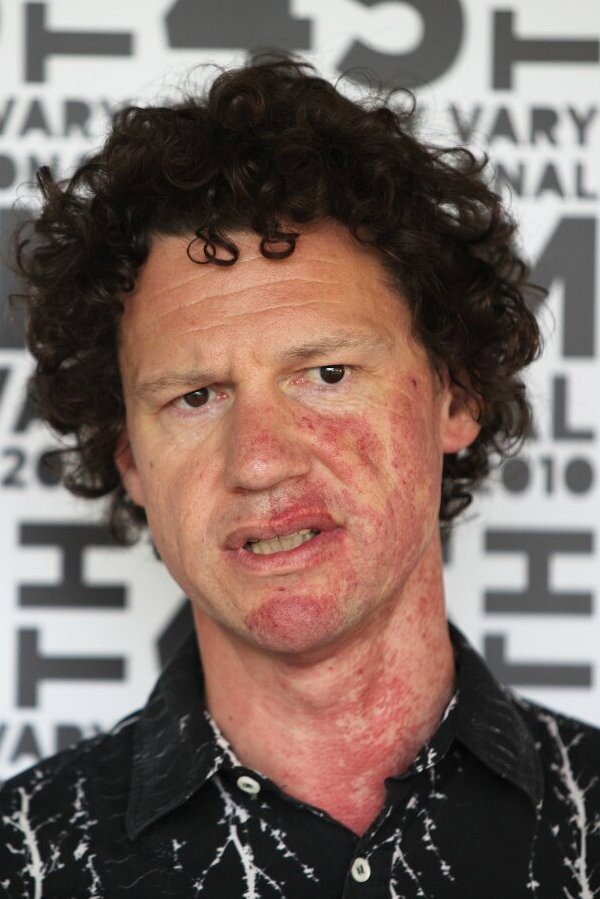
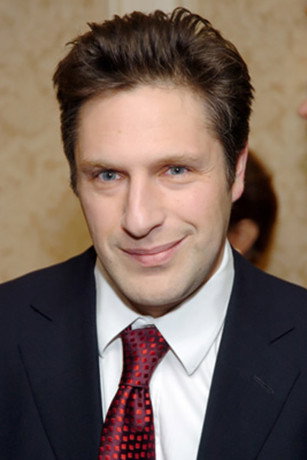
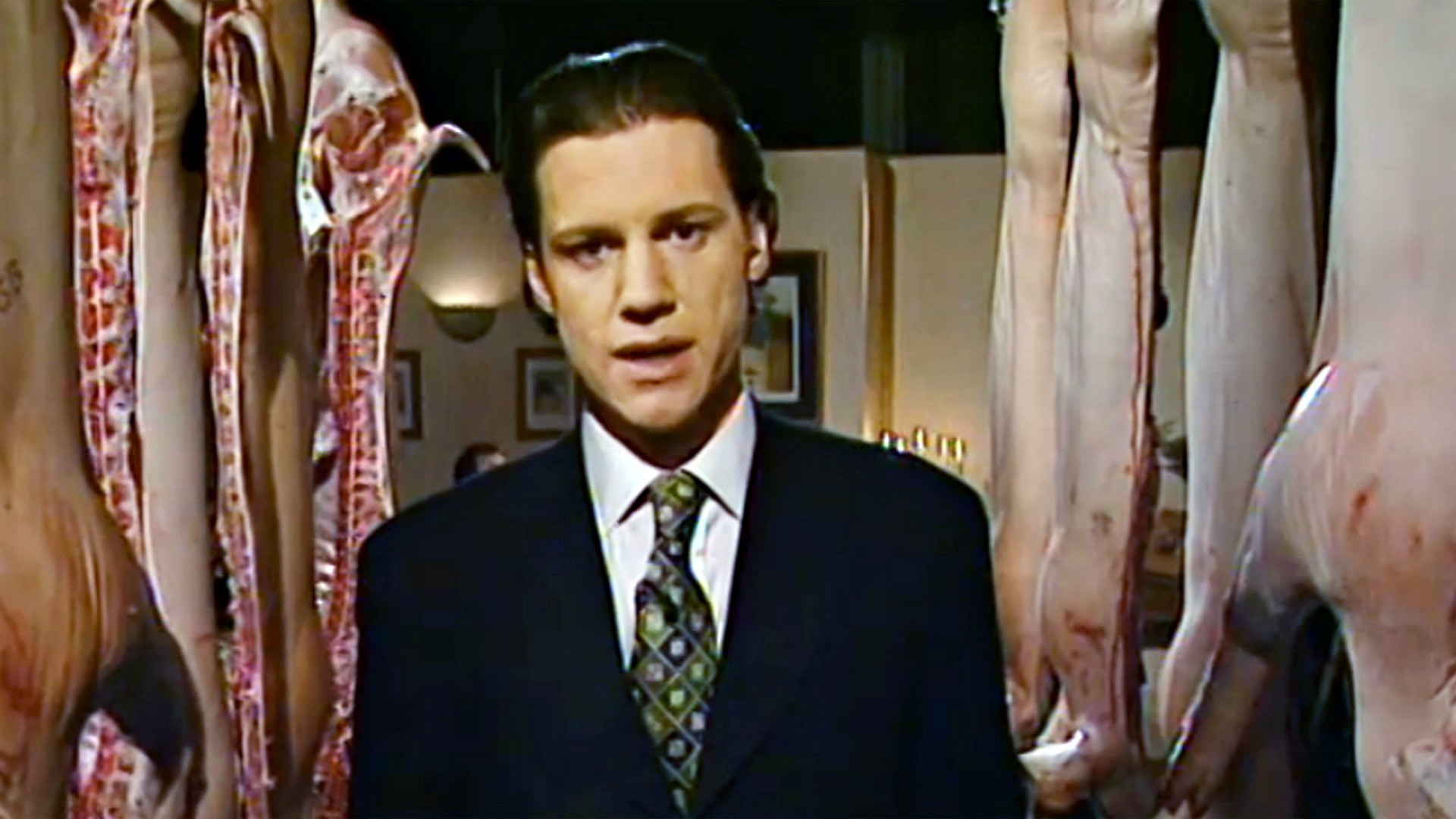
Morris anchors as Christopher Morris, a man who treats the news as something he owns and the audience as people who have wandered into his house. He barks the headlines, sneers at his correspondents and, in one sequence, talks two countries into declaring war live on air because the story plays better that way. The scene we keep returning to is smaller: Patrick Marber’s economics correspondent, Peter O’Hanraha-hanrahan, has not read the report he is meant to be explaining, and Morris makes him admit it, item by item, to camera. We winced. We have seen real presenters do a gentler version of this to real reporters, and the sketch knows it.
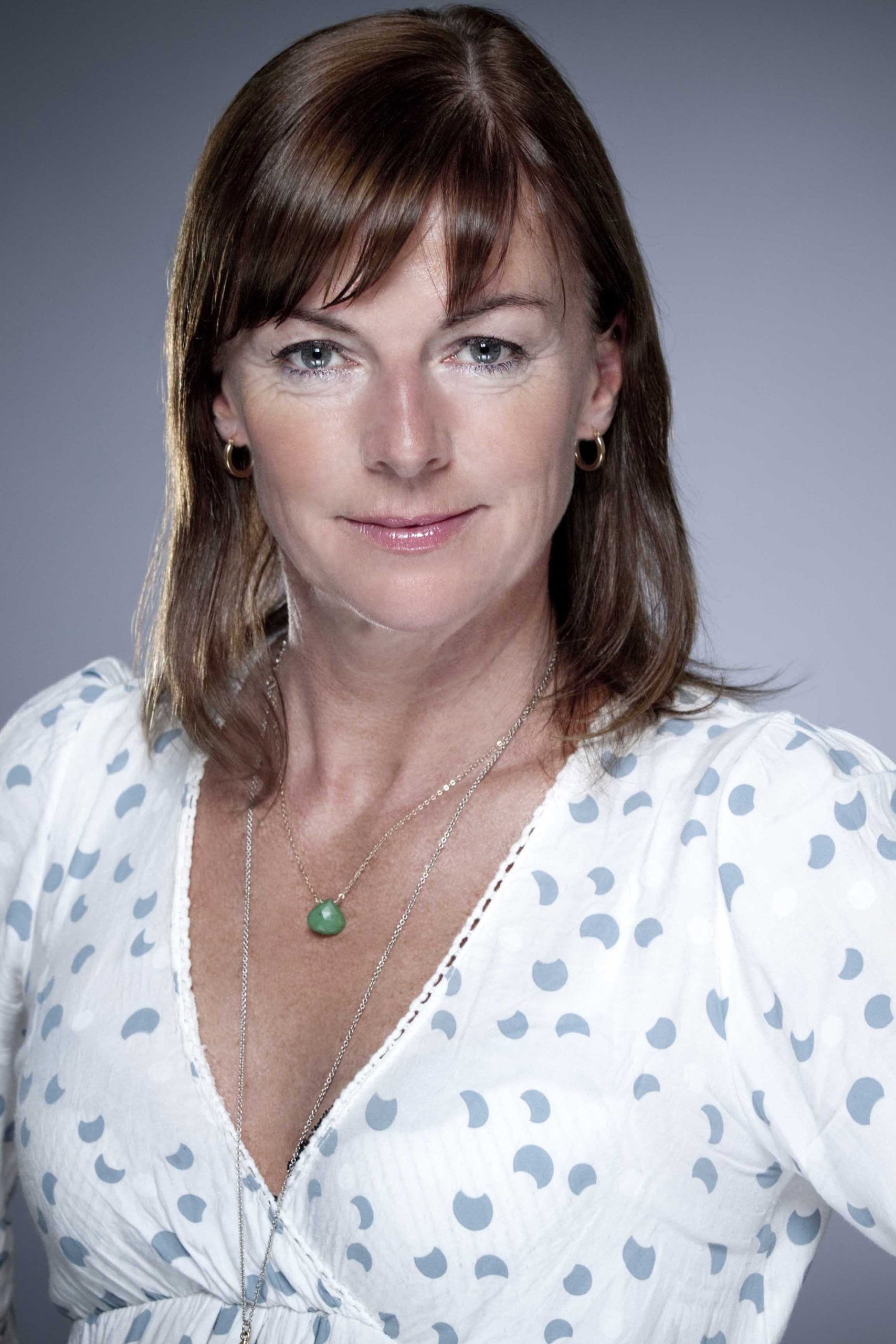
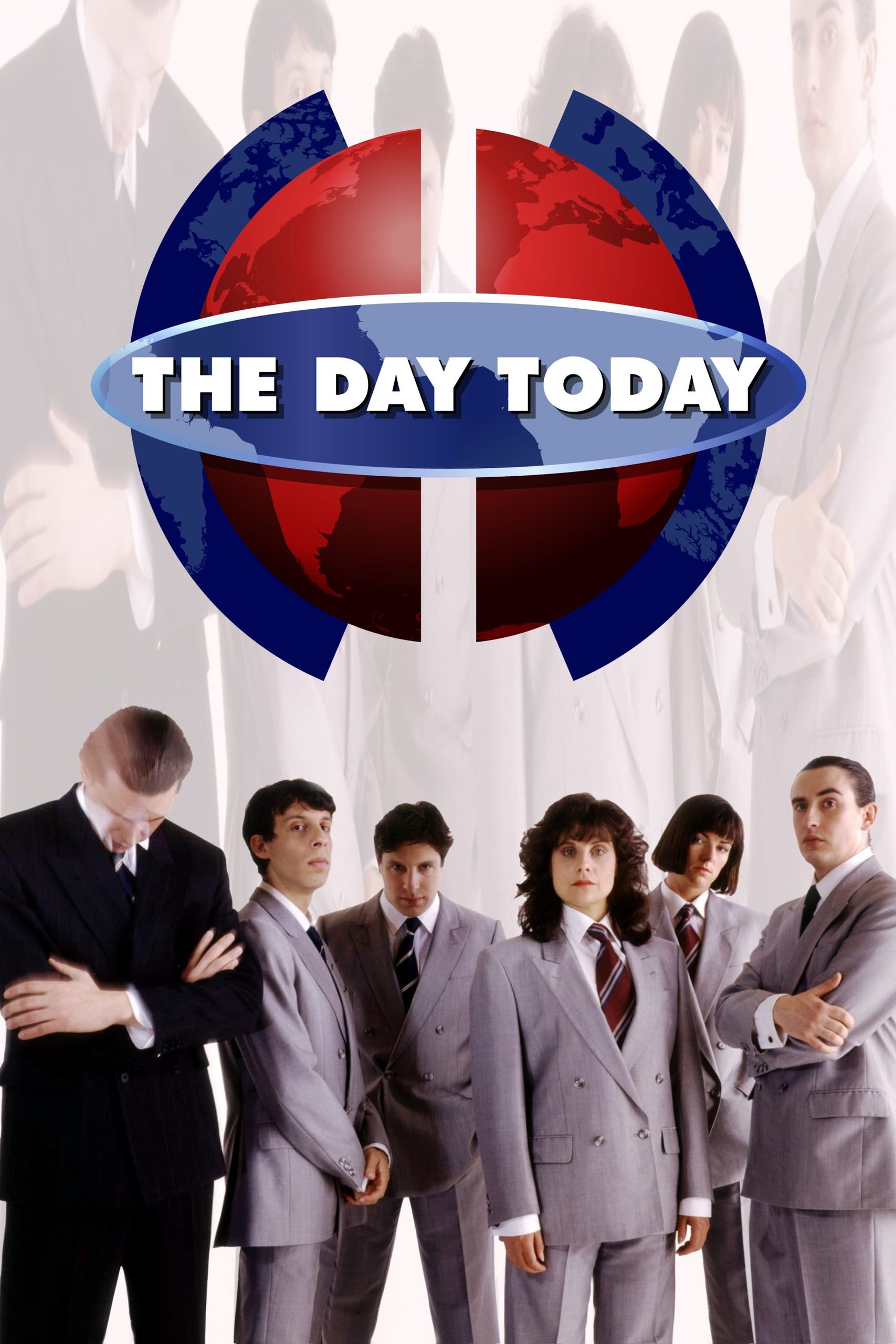
Doon Mackichan’s Collaterlie Sisters reads the markets in front of animated charts that mean nothing, calm as a woman who has never been asked what they mean. Rebecca Front’s Barbara Wintergreen files soft-focus American reports on the grimmest subjects with a small bright smile. David Schneider’s Sylvester Stuart does the weather as if it were a personal achievement. Michael Alexander St John, as the announcer, ties it together in a voice that could sell you a war. And there is Steve Coogan’s Alan Partridge, the sports presenter who knows nothing about sport: a man at a desk, out of his depth, refusing to notice.
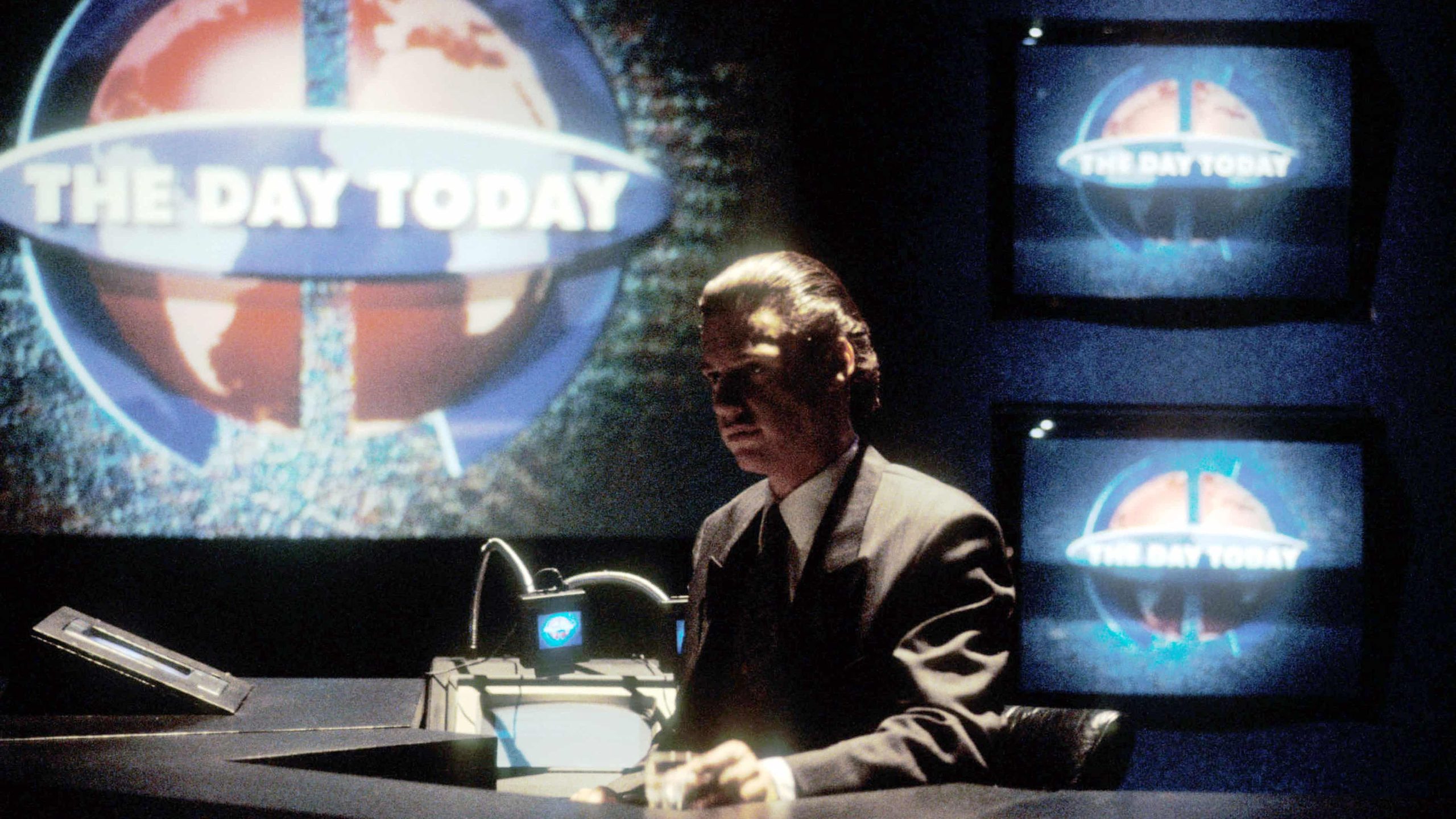
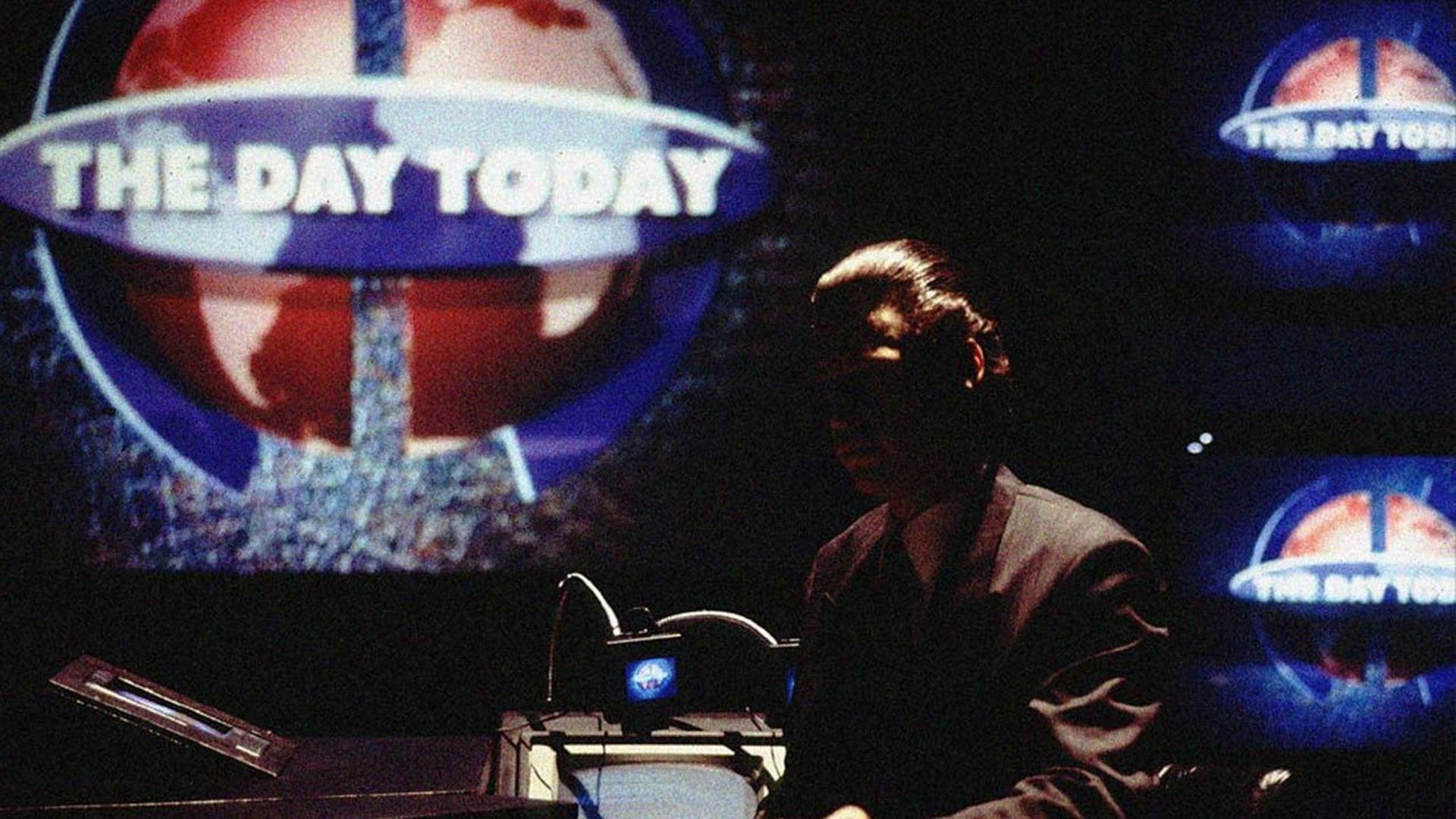
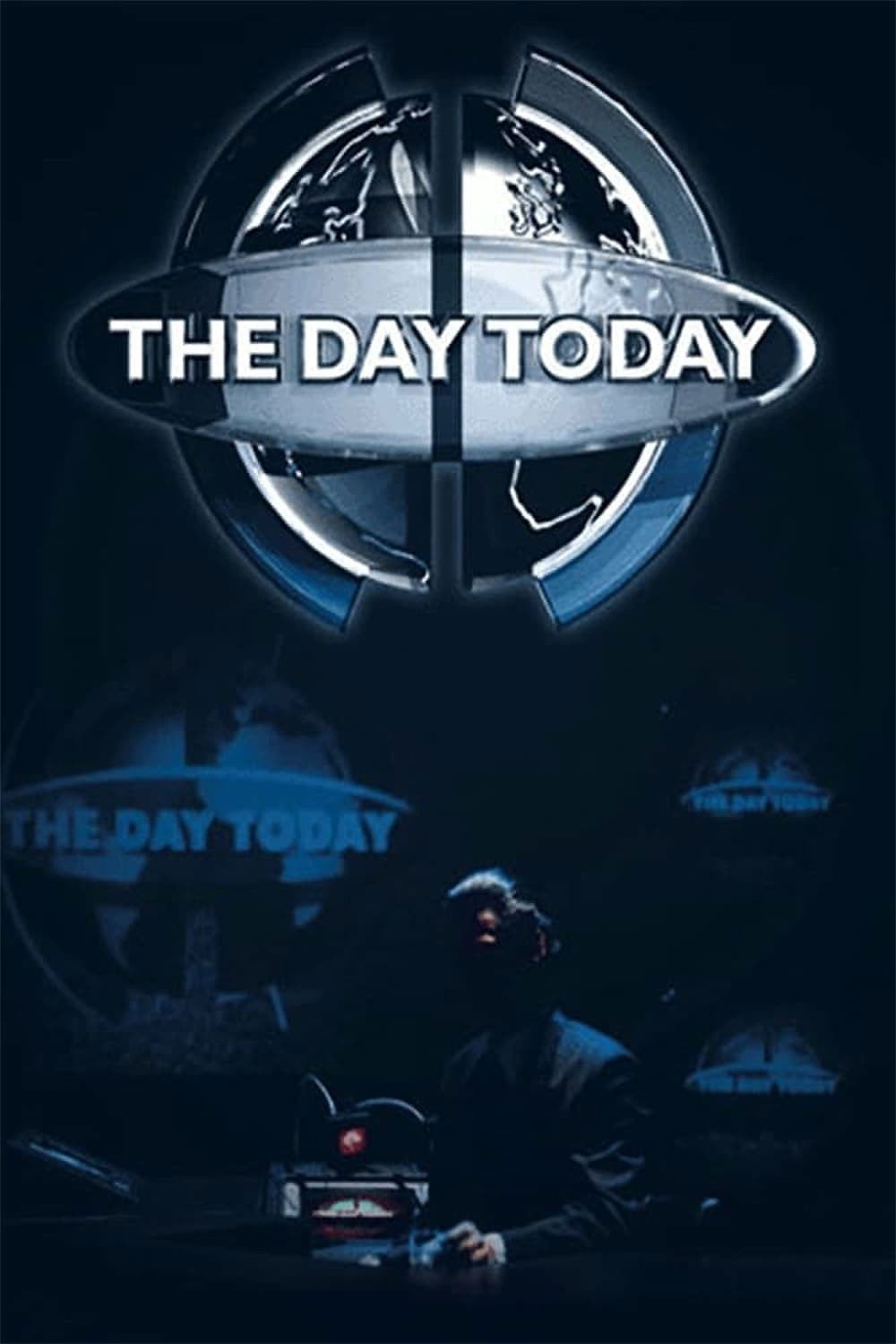
None of this would work if the programme looked cheap, and it does not. Dennis De Groot and Jo Sutherland’s studio has the blue light, the raised desk and the wall of screens of a real mid-nineties newsroom. The title sequence, all swooping globes, is scored by Morris and Jonathan Whitehead with the sort of drums and brass that announce a state funeral. Steve Gandolfi and David Fairhead cut at the speed of an actual bulletin, so that captions and tickers go past before you can check them, and Andrew Gillman directs it dead straight. Lindsey McLean and Marcia Stanton put everyone in shoulders and ties wide enough to be broadcast from.
We laughed until it hurt at a headline about a headmaster suspended for using a big-faced child as a satellite dish, and that is the level the writing sustains for most of its running time: a sentence with the exact rhythm of a news item and none of its sense. Eight writers are credited, Morris, Iannucci, Marber, Front, Schneider, Coogan, Peter Baynham and Ludo Rabl, and the density shows. A first viewing will miss a third of the jokes because they are in the corner of the screen.
The weaker material is where it leaves the desk. A fly-on-the-wall spoof about a municipal swimming pool runs at the pace of the programmes it mocks, which is the point and the problem; it is accurate and slow. A few of the location pieces outlast their single idea. And six editions of the same structure means that by the fifth the format has stopped surprising you, even if the lines have not.
Earlier newsroom comedies were sitcoms with jokes about the news; this is the news with the jokes hidden inside. Watch it one episode at a time, twenty-nine minutes each, and not immediately before the actual news, which will look worse afterwards.