Film review

Broadcast News

1987 · Directed by James L. Brooks · 2h 13m · MPA R

In a sentenceEveryone in this newsroom can ask a difficult question, provided it has nothing to do with their own love life

ComedyRomance

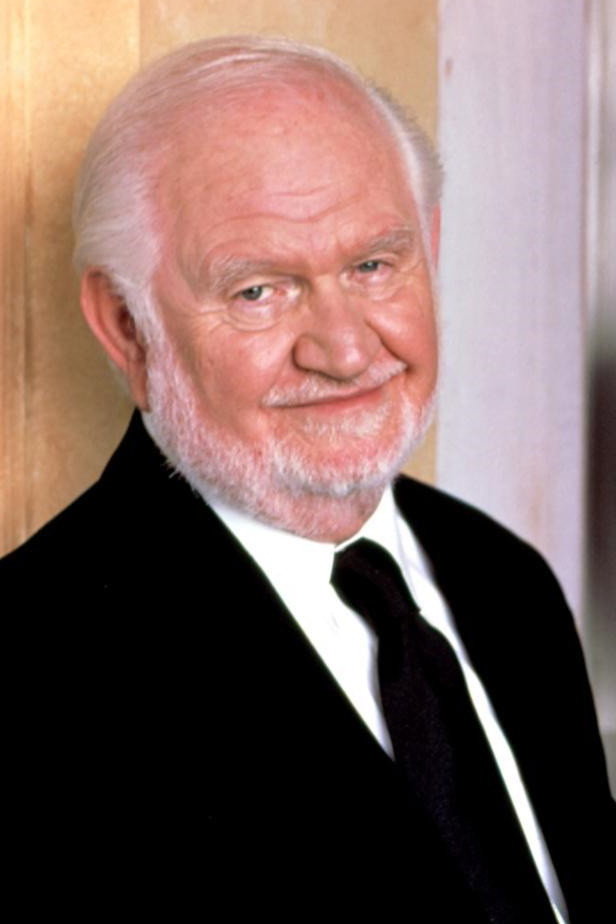
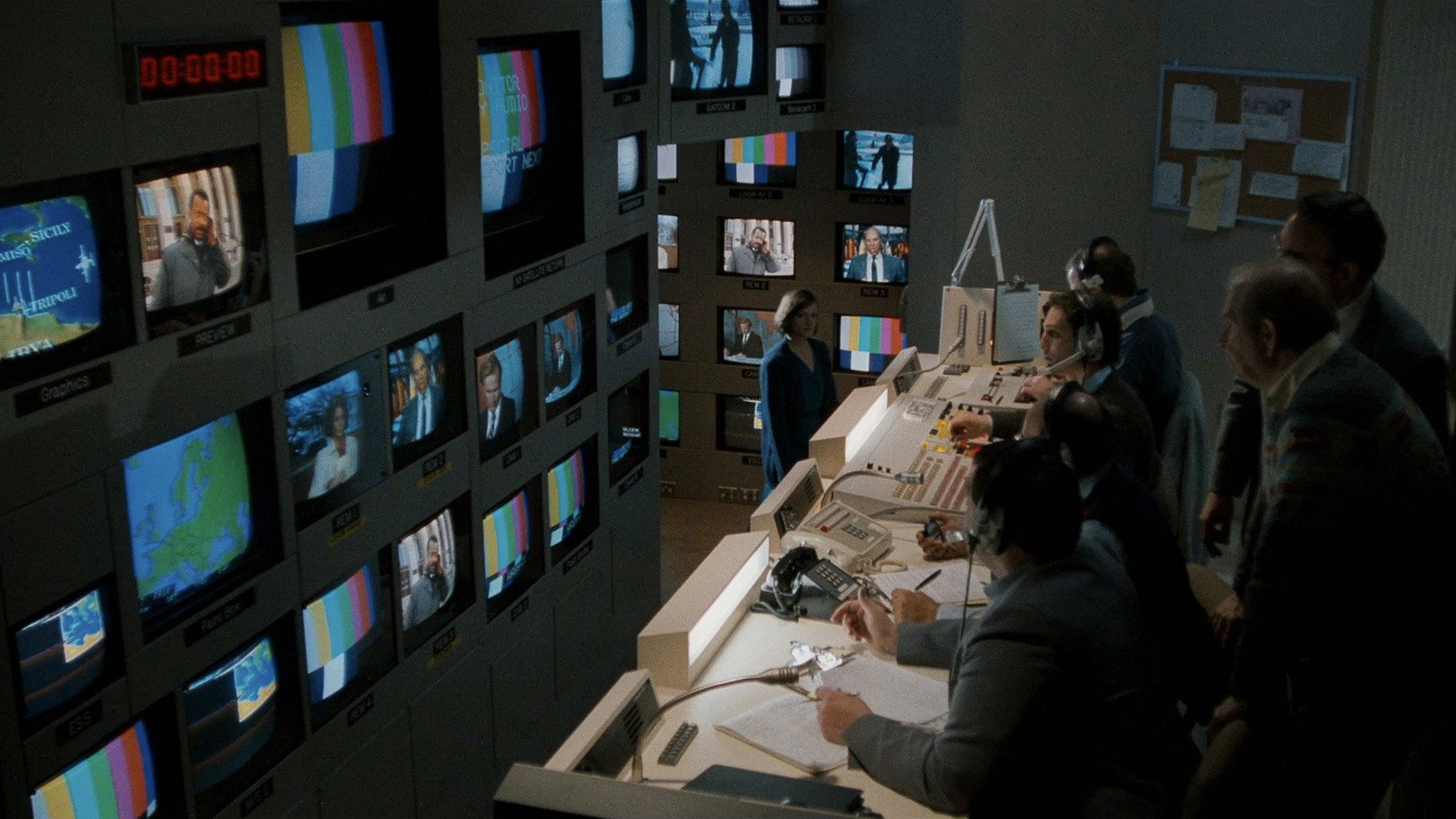
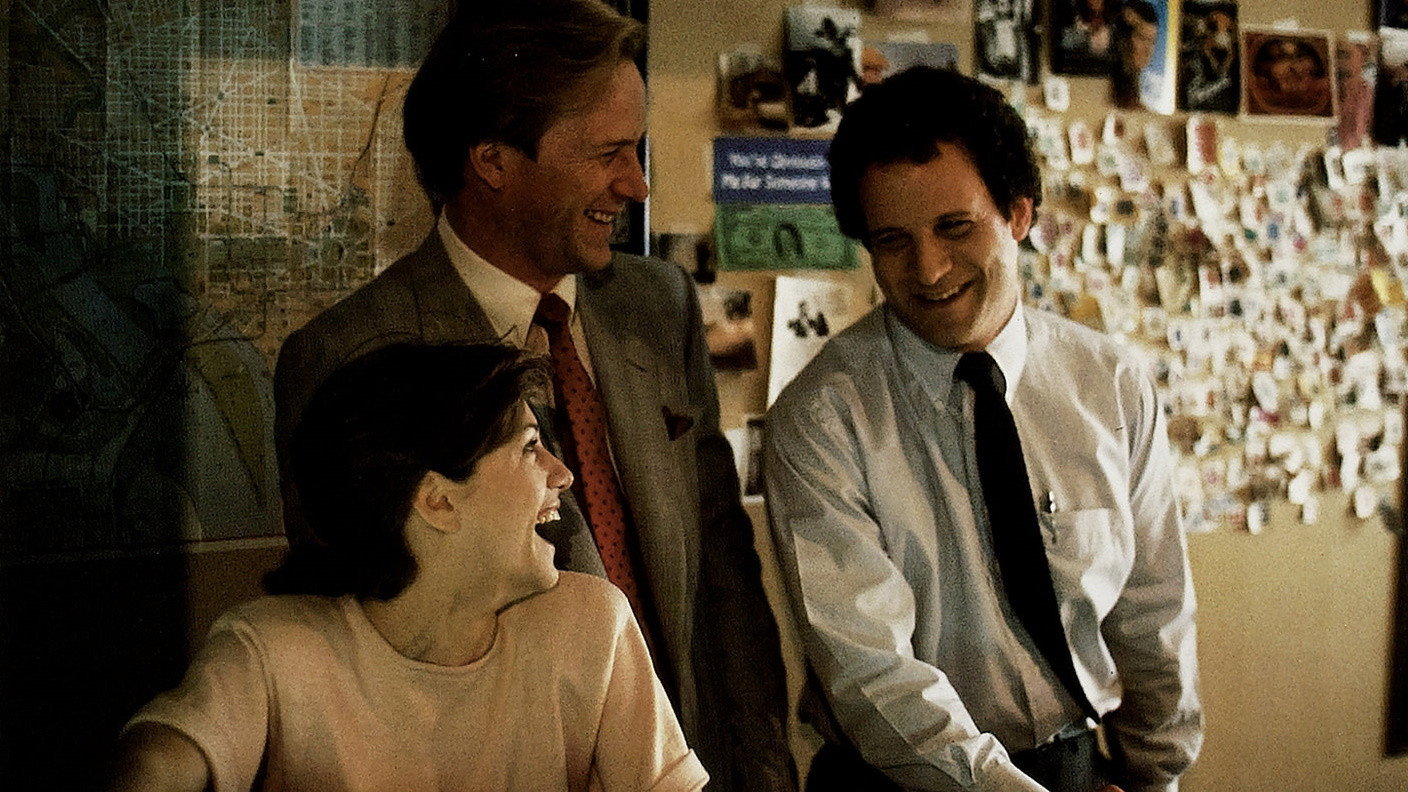
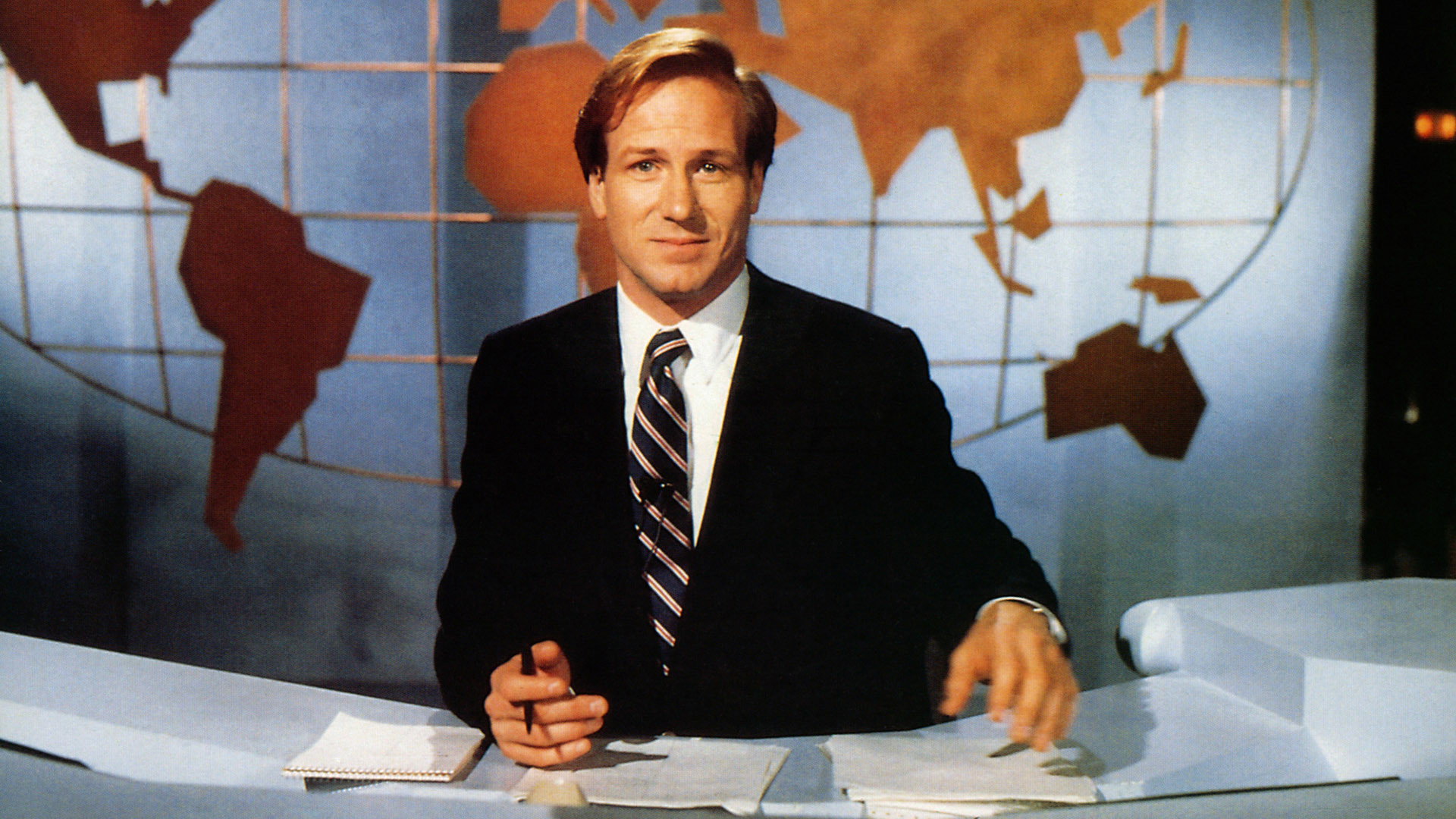
In a Washington television news bureau, producer Jane Craig (Holly Hunter) works alongside Tom Grunick (William Hurt) and Aaron Altman (Albert Brooks). Their working lives become entangled in a romantic triangle, with professional loyalties complicating personal attraction. The pressure to get news on air leaves little room for anyone to consider what they want away from the job. As ambition and affection pull the three colleagues in different directions, the bureau remains the centre of their lives. James L. Brooks writes and directs this comedy about romance, careers and the business of television news.

Fi1m review

James L. Brooks makes a funny, perceptive romance about people who would rather discuss work than themselves. It gets too forgiving of their faults, but Holly Hunter, William Hurt and Albert Brooks make them worth caring about.

Broadcast News is a funny, observant romantic comedy whose people have made work their main excuse for neglecting themselves. James L. Brooks writes and directs with enough affection to make their company pleasurable, even when their behaviour is not. We recommend it warmly, with a reservation about the gentle treatment these colleagues sometimes receive. The Washington television news bureau matters because a professional disagreement can become personal before anybody has admitted there is a personal problem.

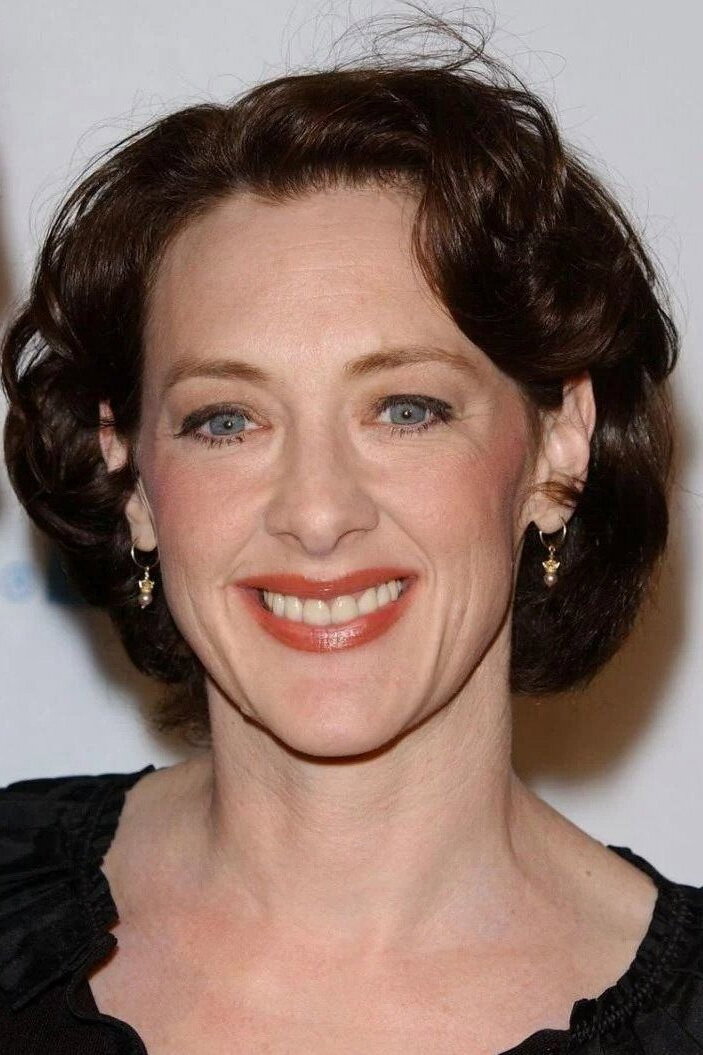
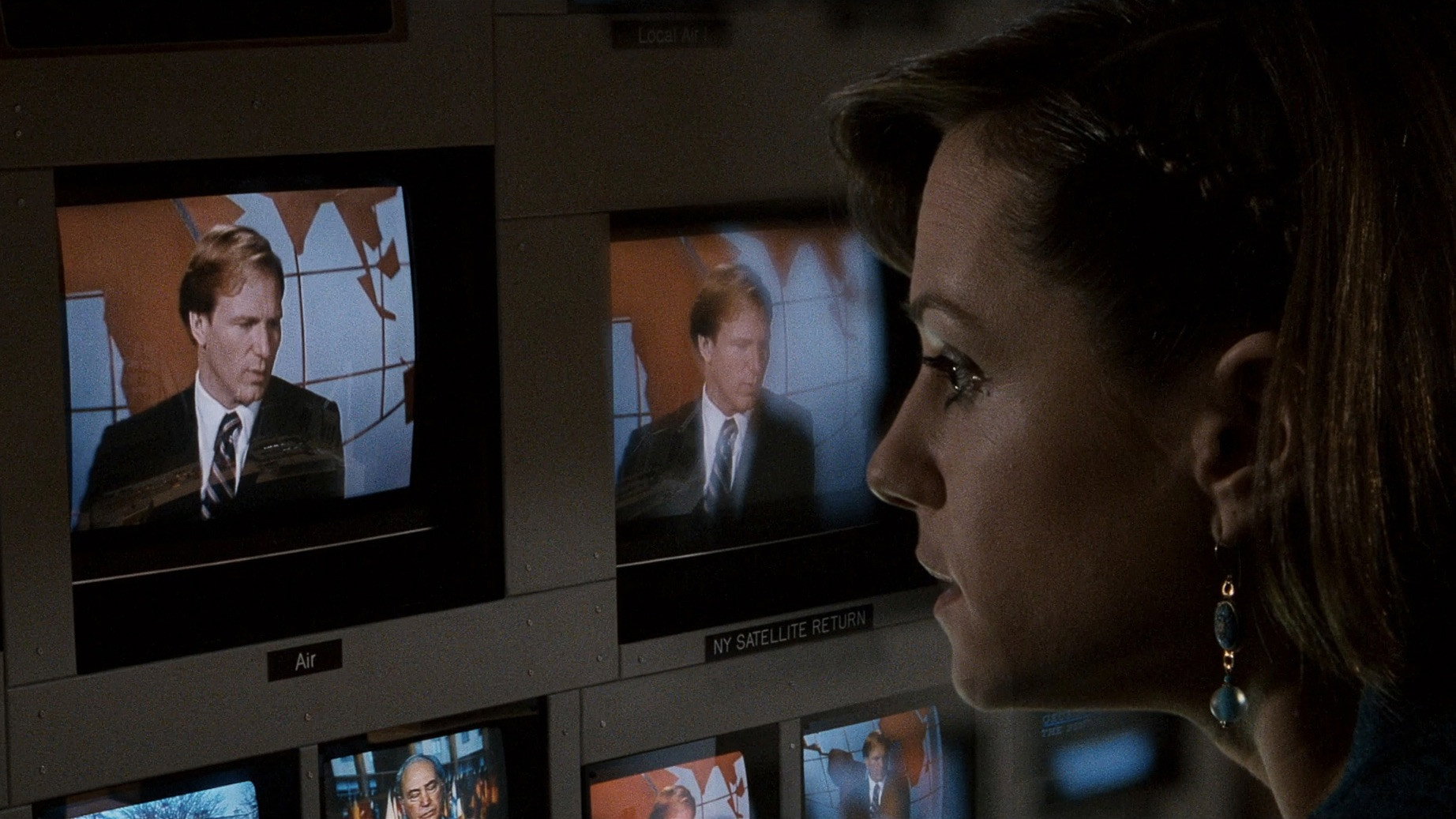
Holly Hunter’s Jane Craig is the reason that mixture works. Her anxiety as a producer gives the workplace scenes urgency, but Hunter also makes it tiring to be around someone for whom the job is always so important. She does not ask us to mistake that intensity for an uncomplicated virtue. She makes dedication look exhausting, particularly when Jane cannot seem to put any distance between herself and the work.

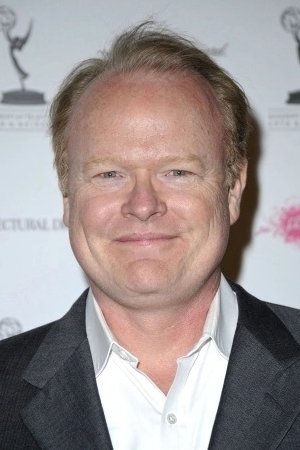
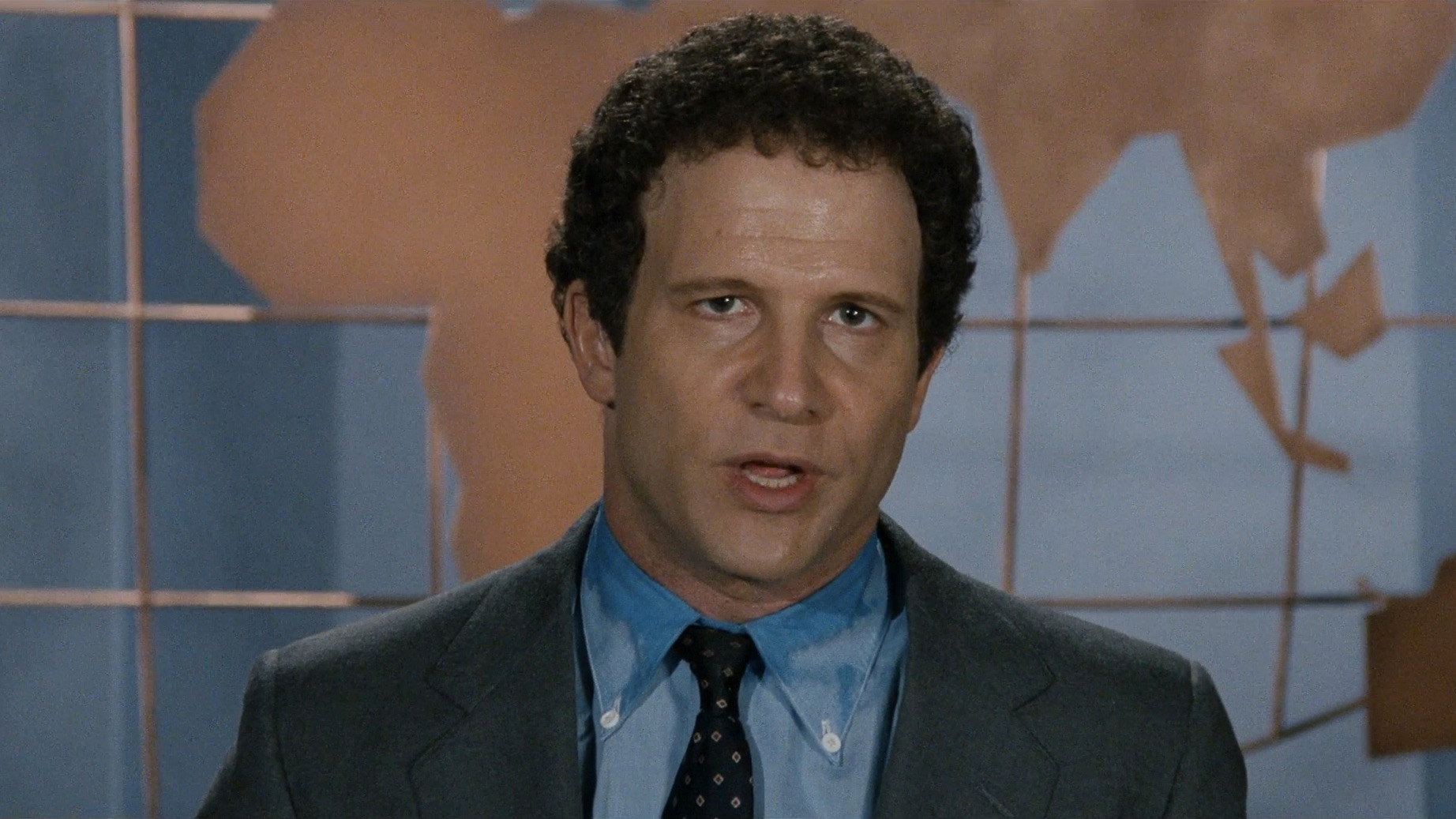
William Hurt’s Tom Grunick and Albert Brooks’s Aaron Altman give her two different kinds of company, and neither performance settles for filling a corner of the triangle. Hurt makes it possible to like Tom without having to agree with him. Albert Brooks gives Aaron’s wit an edge that makes him funny without making him automatically right. We laughed at the newsroom wisecracks, then felt uncomfortable about how readily we had enjoyed their malice. The script allows a clever line to hurt somebody, rather than treating every joke as harmless.

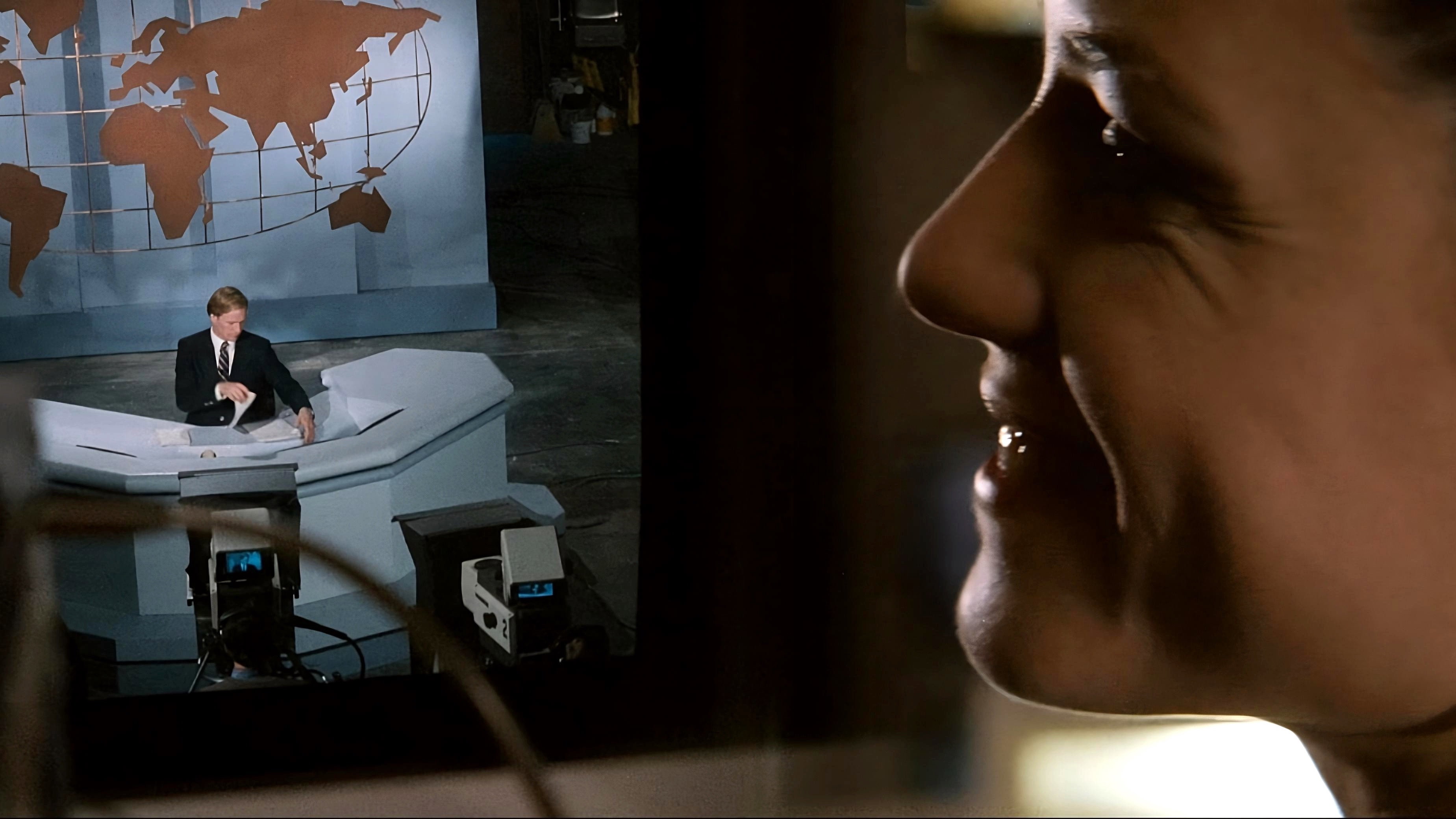
Michael Ballhaus’s cinematography keeps our interest in the faces, which is sensible in a film where so much depends on how a remark is received. Charles Rosen’s production design makes the bureau convincing as the centre of these people’s lives. Neither contribution makes the workplace feel incidental to the romance. The professional setting gives the actors reasons to be near each other, judge each other and avoid saying what is bothering them.

Richard Marks’s editing is especially effective at keeping the newsroom exchanges brisk without losing their personal sting. The pace is less assured when the film gives its people more time to consider their feelings, and at 133 minutes there is room for a firmer cut. Bill Conti’s score is an amiable companion to the romance, although its encouragement towards tenderness can feel unnecessary. Brooks has already given his actors enough to make us care; the music need not insist.

Our main reservation is that Brooks forgives too much. He understands the back-stabbing and the temptation to treat television news as entertainment, then lets the romance take some of the discomfort away. Still, compared with a romantic comedy in which work is merely an obstacle to finding the right person, this has a welcome interest in why people enjoy their jobs. Attraction has to compete with the pleasure of being useful, being admired and being right.

There is no requirement to like all three people equally, and the film is better company if we resist picking a favourite too quickly. Hunter, Hurt and Albert Brooks keep changing how much sympathy each deserves. Their self-absorption can be funny and painful within the same exchange. Watch it with someone prepared to disagree about all three of them.

Critical consensus AI synthesised

4 of 6
Positive
4
Mixed
0
Negative
0
The Hollywood Reporter
16 December 2018 · Duane Byrge
85*

The critic calls the film a wonderfully funny yet trenchantly sober look at modern romance in a high-pressure TV news bureau, crediting James L. Brooks' brilliant screenplay for blending romance and workplace satire effectively. It singles out the strong performances, especially Holly Hunter's as the anxious producer and the insightful take on workaholics navigating professional and personal tensions.

Read the full review →
Empire
1 January 2000 · William Thomas
80*

The critic describes the film as a funny and provocative examination of the professional and emotional conflicts within a TV news team. They single out James L. Brooks's insightful writing and direction, along with the strong ensemble cast, for particular praise while noting a minor flaw in the epilogue.

Read the full review →
Radio Times
★★★★ · Tom Hutchinson
80

It's Drop the Dead Donkey stateside in this sweet-and-sour satirical comedy. A romantic triangle develops between three self-serving Washington TV journalists, with Holly Hunter provoking the sorrow and pity of lives at the mercy of their careers.

Read the full review →
Time Out
10 September 2012 · SGr
75*

Brooks is knowing about the wisecracks, back-stabbings and political shifts of the media game, underpinning a charming love-triangle with a serious statement about television news. The script has superb set pieces and crackles with furious one-liners, though it is a little soft-centred.

Read the full review →
Los Angeles Times
20 December 1987 · Sheila Benson

Brooks' original screenplay captures the backstage world of television news at peak panic with delicious specificity and powers of observation. It offers eavesdropper pleasures on real newsroom dynamics through sharp dialogue and character revelations.

Read the full review →
RogerEbert.com
16 December 1987 · Roger Ebert

The film is as knowledgeable about TV news as any movie but also examines how people use high-pressure jobs to avoid personal introspection. It centers on three characters in a romantic triangle who are ultimately more obsessed with work than love.

Read the full review →

Cast

Stills

Awards

Academy Awards, 1988

Nominated
Best Actor
Nominated
Best Actress
Nominated
Best Cinematography
Nominated
Best Film Editing
Nominated
Best Picture
Nominated
Best Supporting Actor

If you liked this, try…

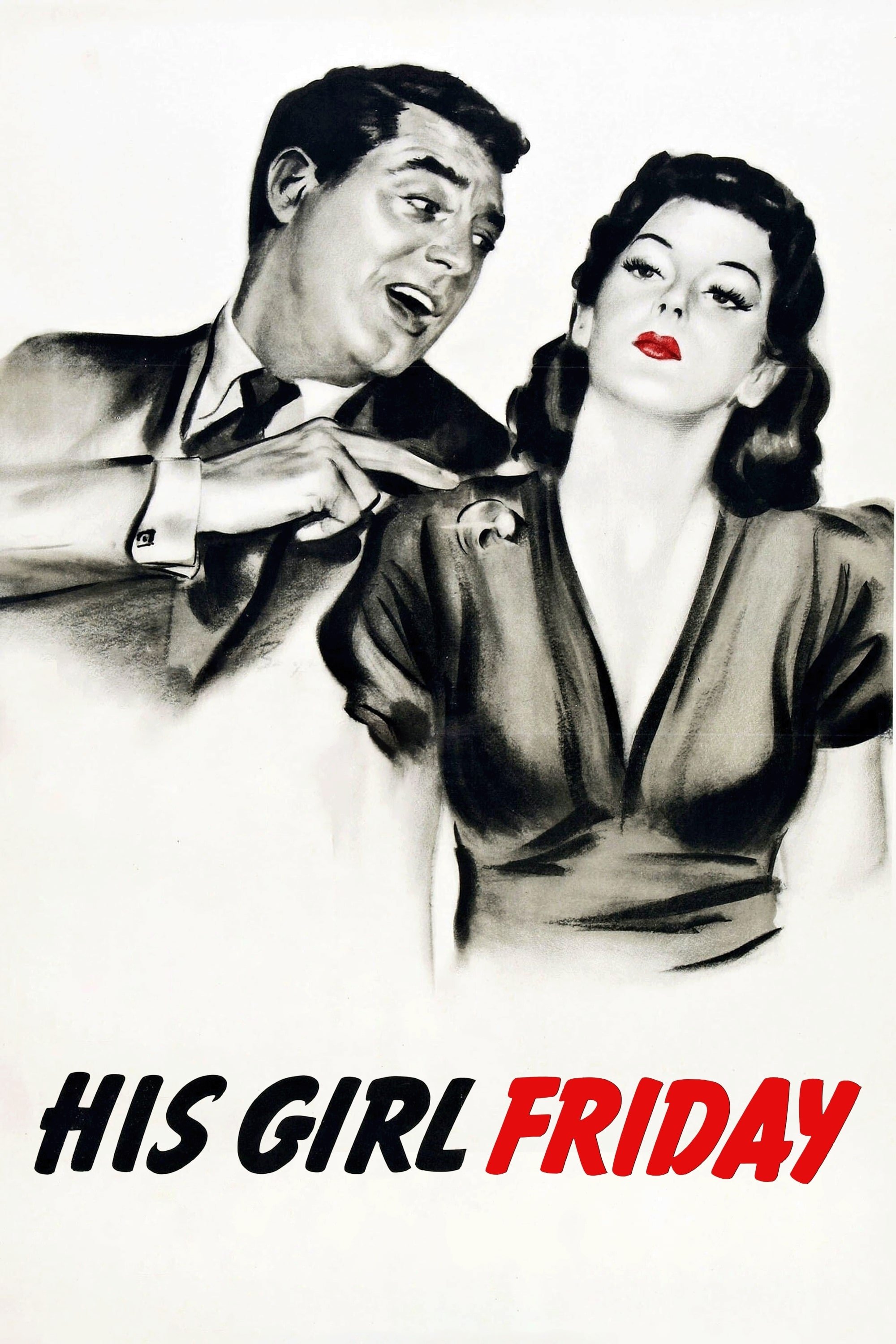
His Girl Friday poster

His Girl Friday

1940 · For newsroom speed and a romance conducted as a professional dispute

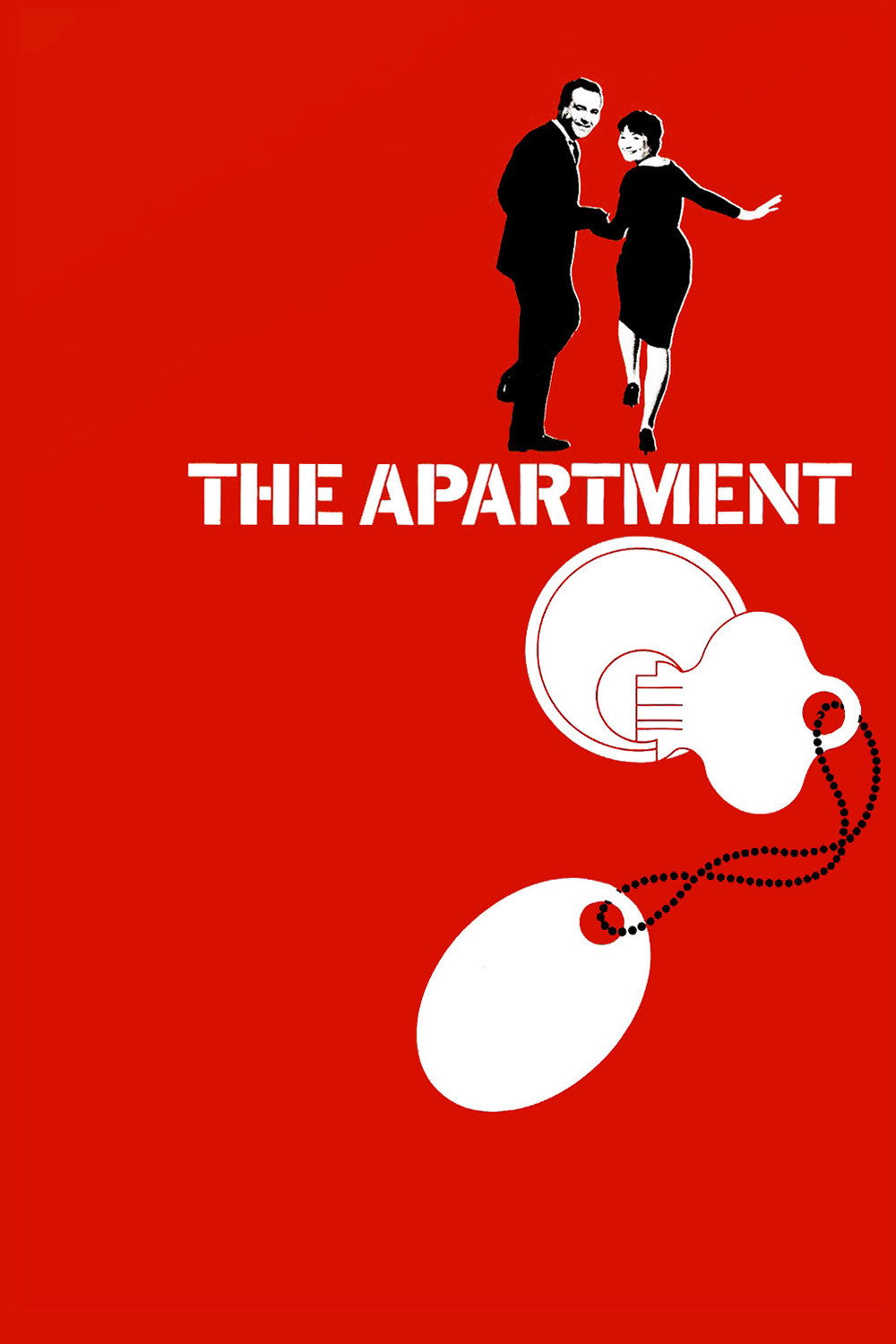
The Apartment poster91

The Apartment

1960 · For office ambition, compromised affection and jokes that do not excuse the damage

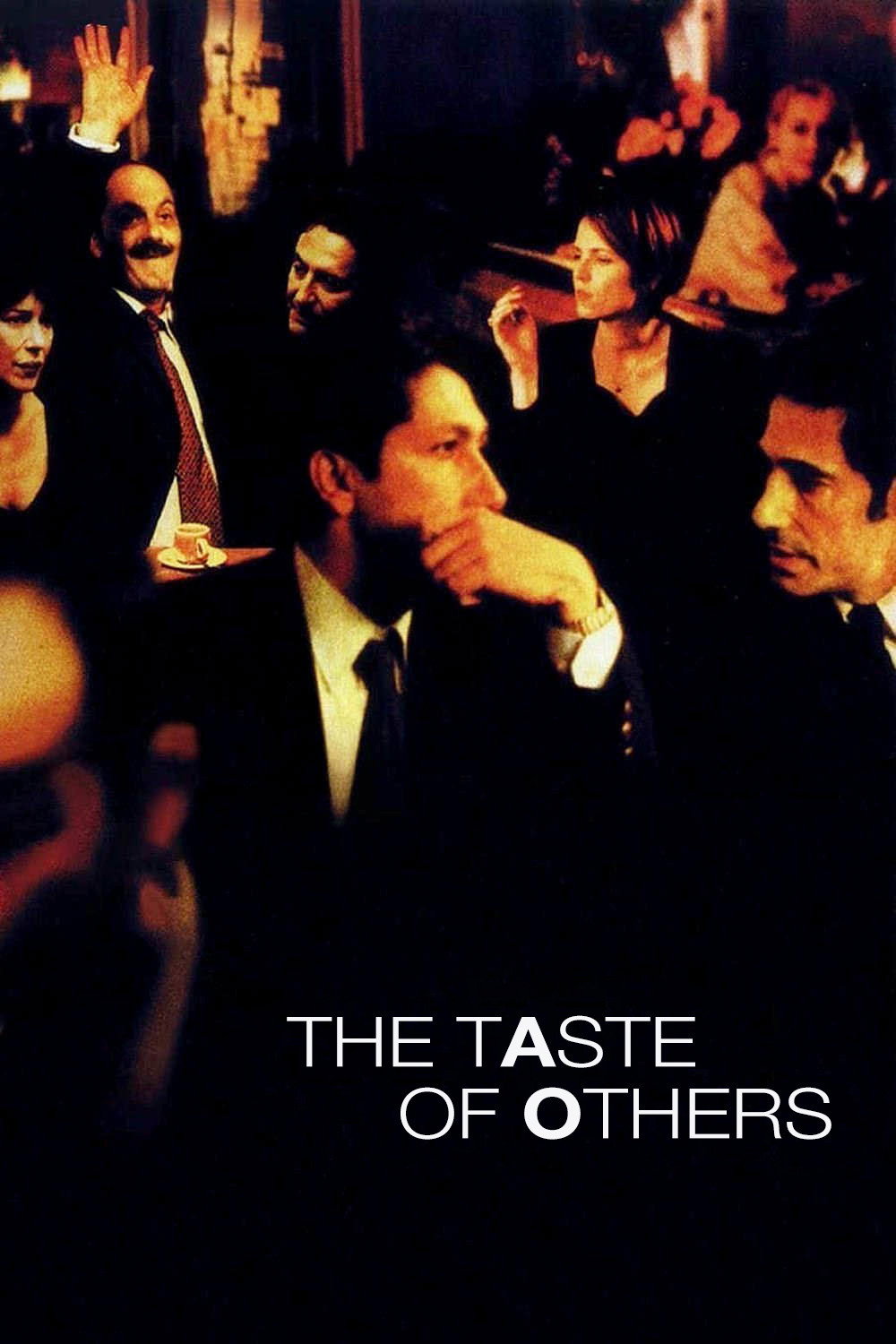
The Taste of Others poster

The Taste of Others

2000 · For adults mistaking good manners and social confidence for understanding one another

The Hour poster

The Hour

2011 · For television news made by people whose private loyalties complicate the work

Toni Erdmann poster

Toni Erdmann

2016 · For another woman whose professional discipline offers little protection from personal embarrassment