Albert Brooks makes insecurity funny without assuming it deserves our sympathy. We rate him for that distance from the men he plays, and for the menace he can bring when comedy is no longer required.
Fi1m perspective
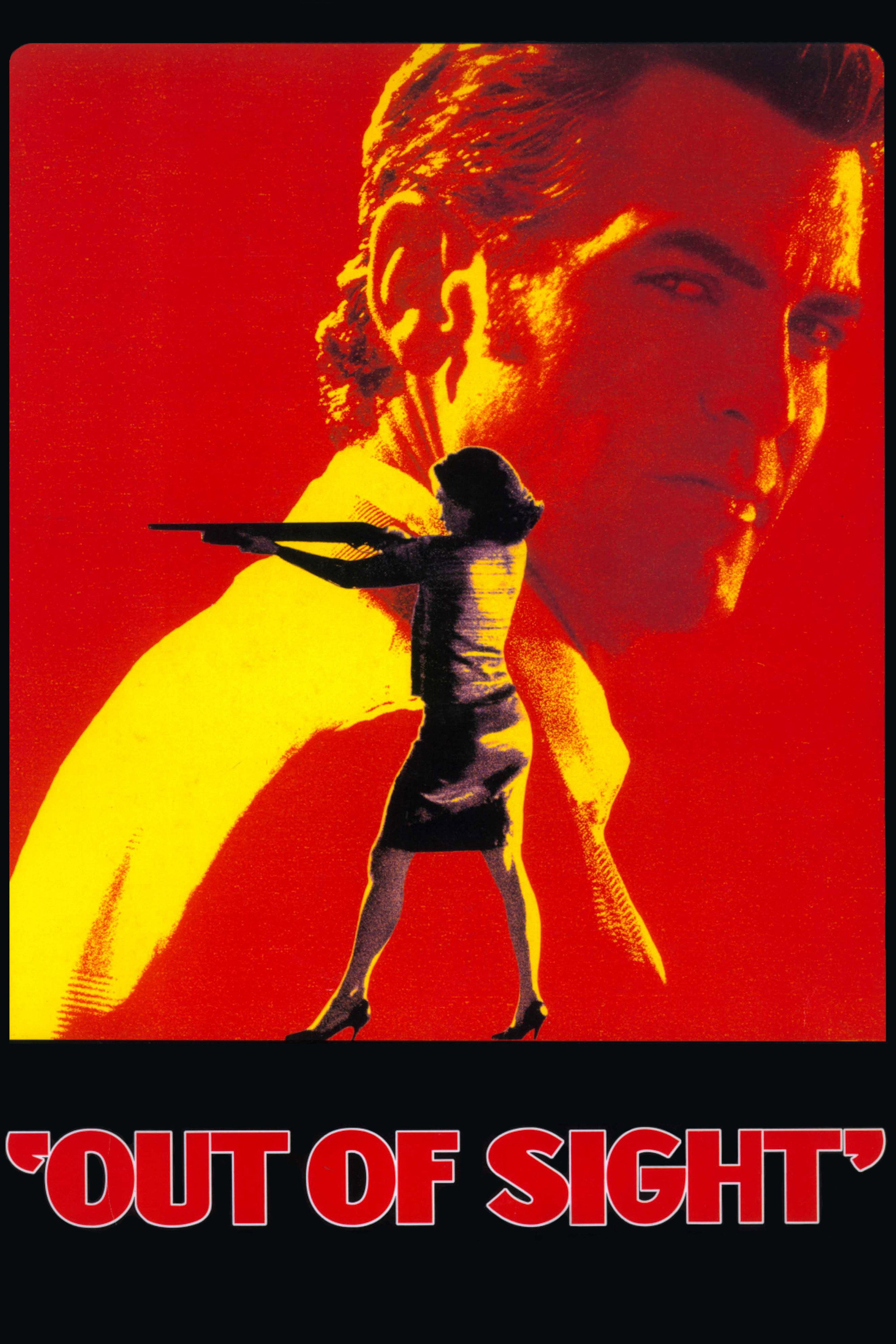
In Out of Sight (1998), Albert Brooks’s Richard Ripley has a Detroit mansion full of things nobody uses. We laughed at the waste; production designer Gary Frutkoff makes this rich man look foolish before he speaks. It is a useful setting for Brooks, who so often plays men too absorbed in their own concerns to notice how they look. Soderbergh’s relaxed, funny film is a particularly agreeable place to encounter him, without requiring him to carry the evening. We rate Brooks most when a film lets that self-absorption be funny without asking us to find it endearing.
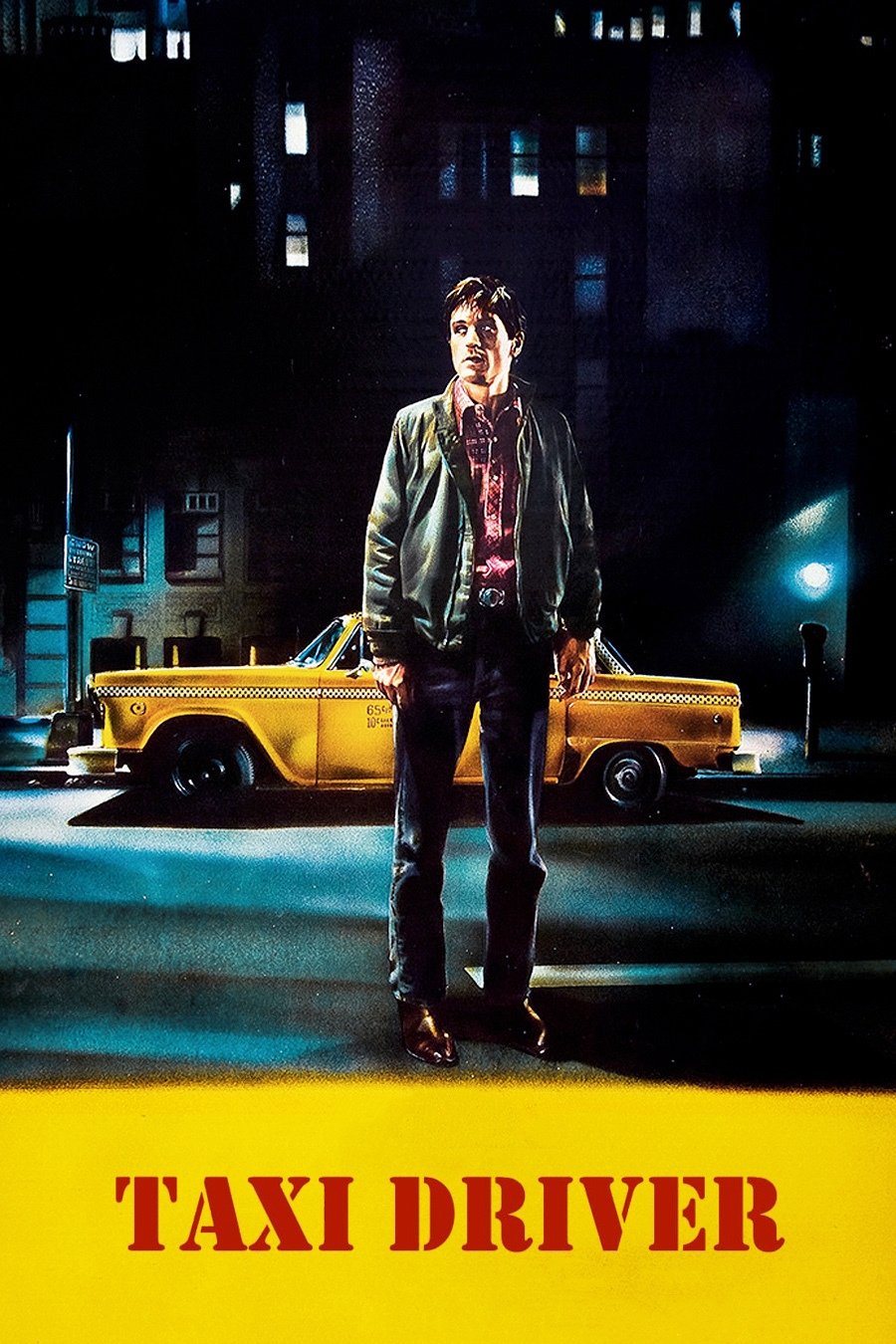
His film acting debut came as Tom in Taxi Driver (1976), with Martin Scorsese allowing him to improvise much of the dialogue. Even here, though, there is a limit to what a supporting actor can contribute when the film is so firmly fixed on one man. We strongly recommend it for the frightening company of Travis, but find too little room for those around him. For a clearer sense of Brooks’s comic thinking, we would turn to the films he wrote, directed and starred in.
Real Life (1979), his feature directing debut, takes aim at documentary filmmaking, with Harry Shearer among its co-writers. By Lost in America (1985), the subject is yuppie disillusionment, part of a continuing interest in middle-class anxieties and everyday disappointment. Monica Johnson co-wrote five films with him, an important collaboration to remember when discussing such a recognisable comic personality. The recurring self-absorption can grow tiring: there is only so long we want to spend listening to someone’s dissatisfaction. His willingness to make these men look foolish is what keeps us interested.
James L. Brooks gives that insecurity a more sympathetic setting in Broadcast News (1987), with Brooks playing the ethical reporter Aaron Altman. His later supporting and voice work includes Marlin in Finding Nemo (2003) and the vicious gangster Bernie Rose in Drive (2011). Those parts are worth remembering before reducing him to the anxious men of his own comedies. Start with Out of Sight for the pleasures of the ensemble, then try Broadcast News for a character whose worries deserve more of our patience.
Biography
Albert Brooks is an American actor, comedian, director and screenwriter. Born Albert Lawrence Einstein on 22 July 1947 in Beverly Hills, California, he began performing stand-up comedy in the late 1960s and appeared in short films for Saturday Night Live in 1975. He made his feature-film acting debut in Taxi Driver (1976).
Brooks received an Academy Award nomination for Best Supporting Actor for his performance in Broadcast News (1987). He appeared as Richard Ripley in Out of Sight (1998) and as Bernie Rose in Drive (2011). His voice credits include Marlin in Finding Nemo (2003) and Finding Dory (2016), and several characters in The Simpsons.
Brooks has written, directed and starred in comedy features including Real Life (1979), Modern Romance (1981), Lost in America (1985) and Defending Your Life (1991).