Drive is a tense, carefully made crime thriller, with Ryan Gosling making silence count and Nicolas Winding Refn making violence hurt. The romance needs more from its writing, but the driving and the unease earn our recommendation.
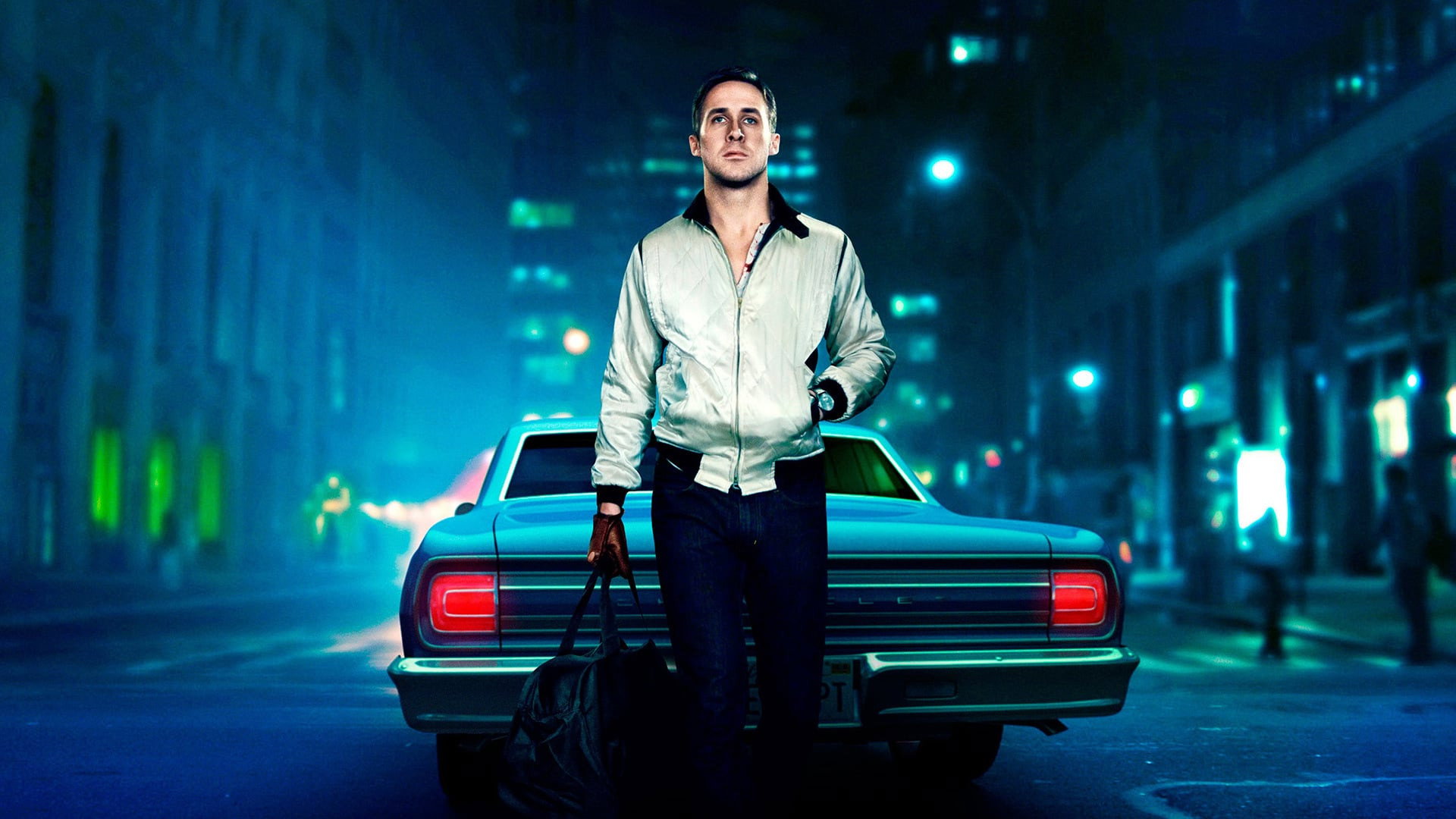
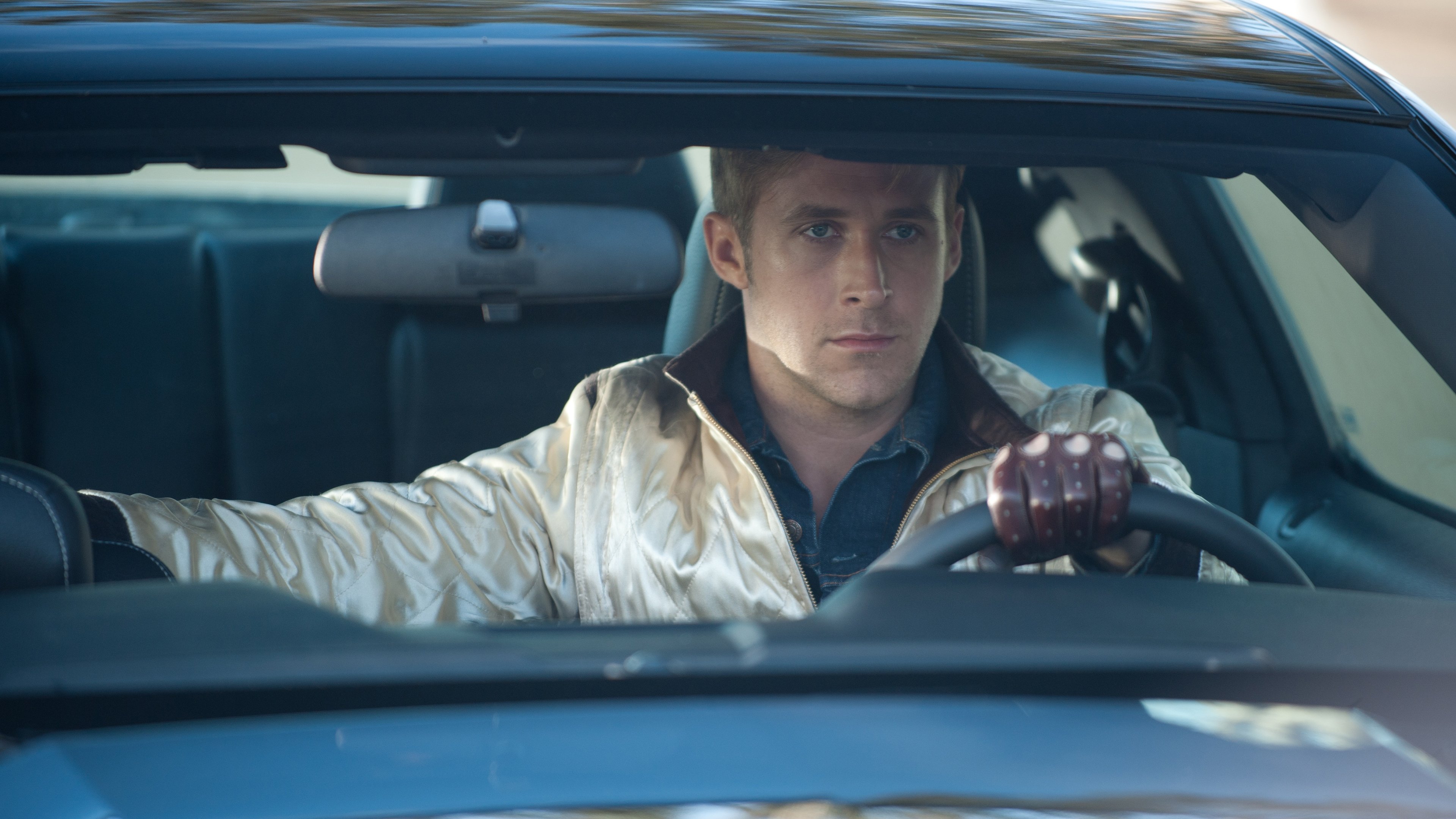
Drive is a crime thriller we recommend, though its romance needs more than the screenplay gives it. Nicolas Winding Refn builds the film around a getaway driver whose skill at the wheel is never in doubt. Ryan Gosling barely speaks, and the film lets his stillness hold our attention without supplying much explanation. Refn is interested in how reassuring that control can look. He also wants us to notice the danger in trusting it.
We held our breath during the opening getaway, because Matthew Newman’s cutting keeps the driving clear without making the escape feel safe. There is pleasure in being able to follow an action sequence this closely. Each change of pace matters, and the editing gives us time to register it. Gosling’s restraint helps: his composure makes us watch harder for trouble. The film establishes its attraction to a man who seems to know exactly what he is doing.
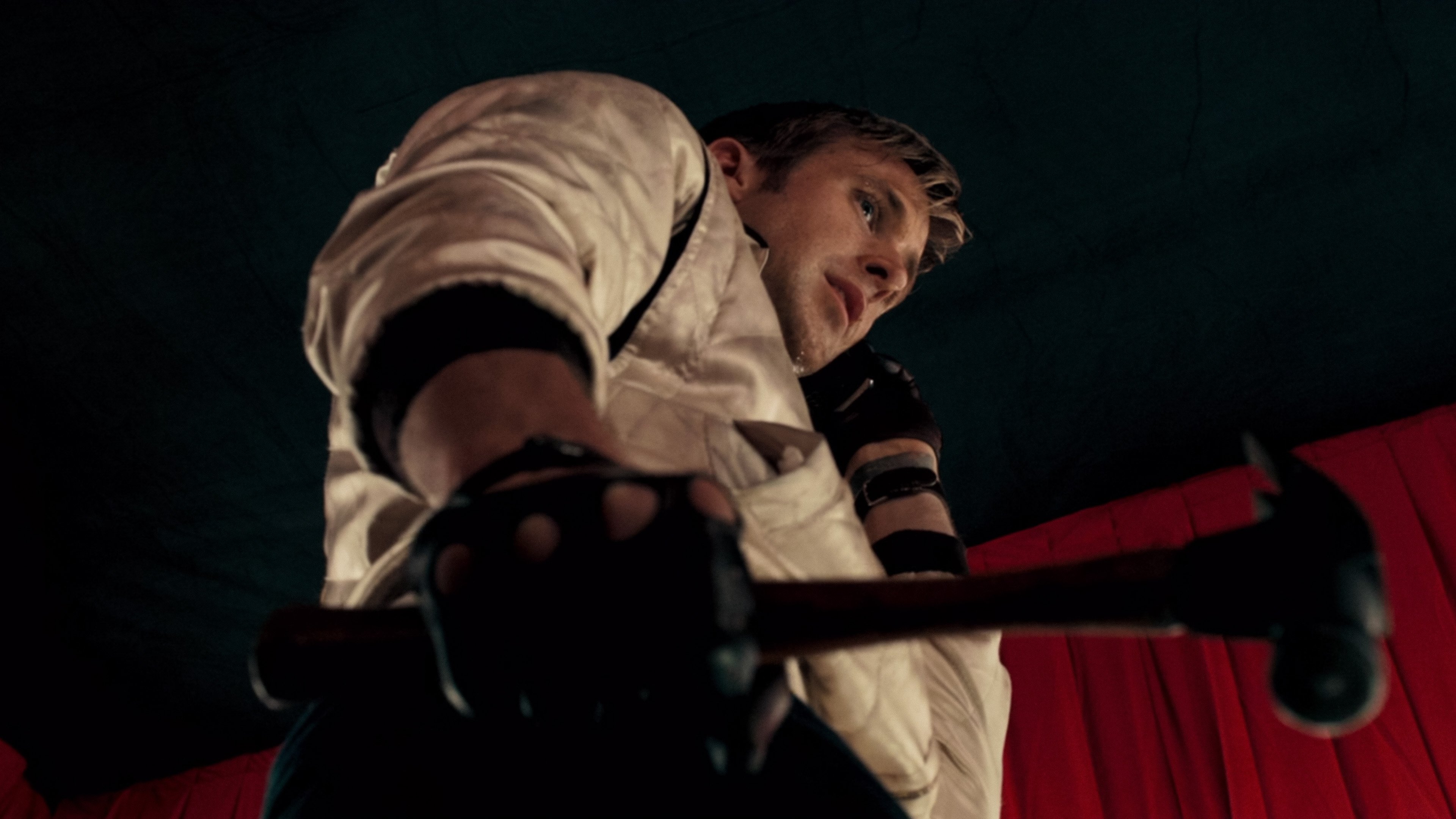
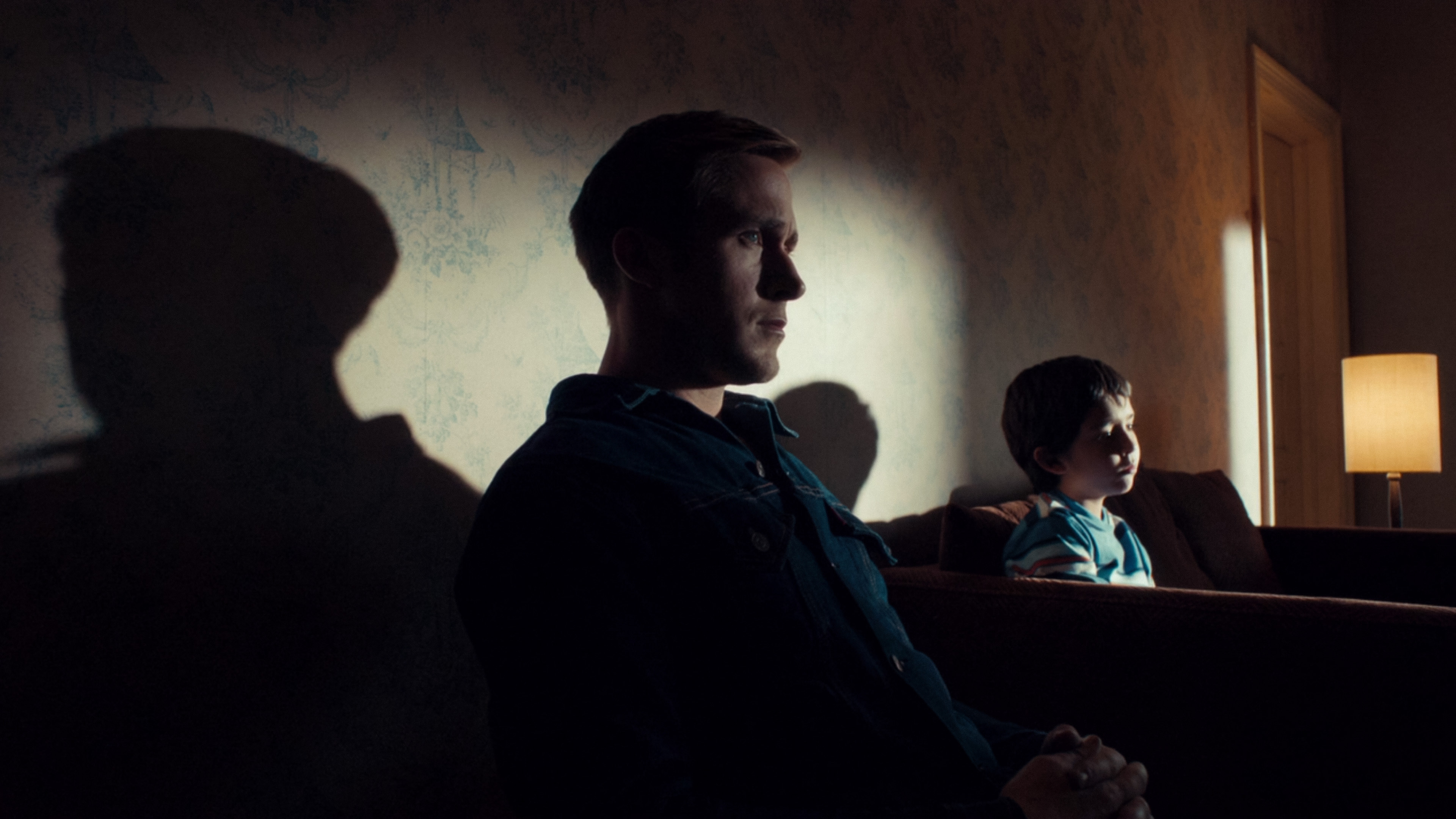
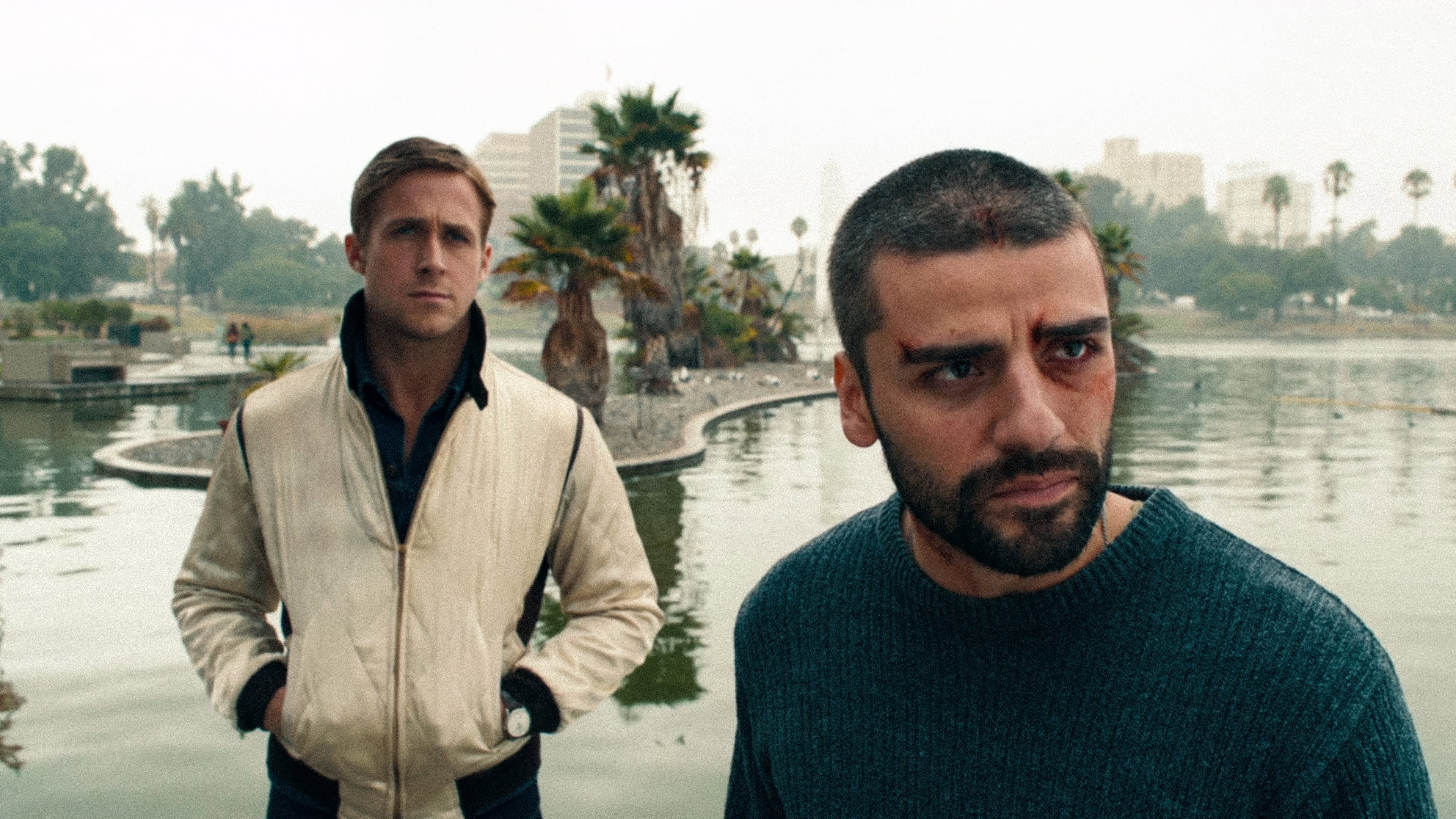
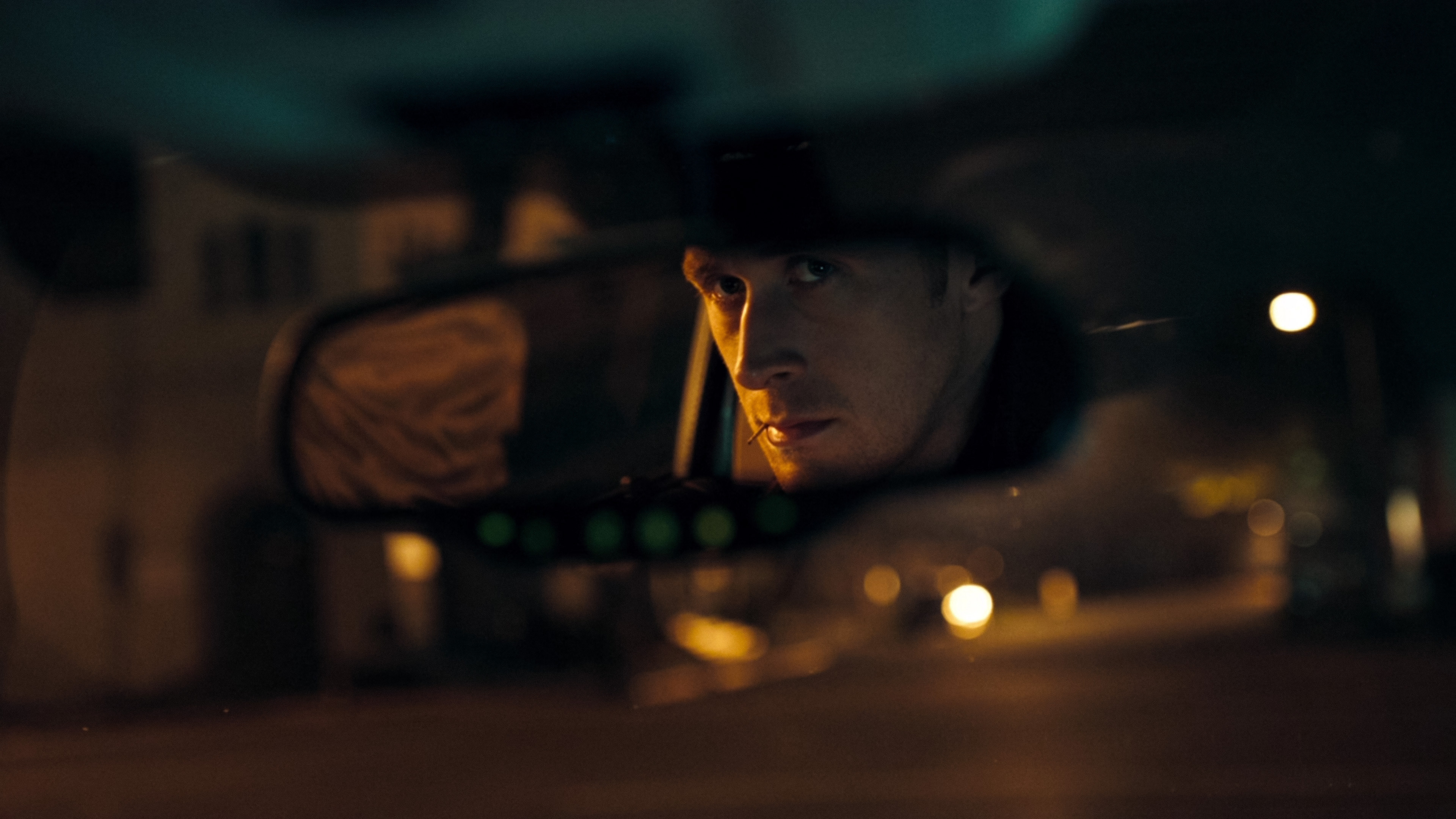
Newton Thomas Sigel photographs Los Angeles in crisp digital images, using neon light to give the city an inviting sheen. It does not make the place feel friendly. Beth Mickle’s production design shares that retro polish, and the surroundings suit characters who have been stripped down to a few strong traits. Occasionally the look is so insistent that we start attending to it at the expense of the people. Mostly, though, these images make the quiet passages worth looking at.
Cliff Martinez’s synthesiser score gives those pauses a warmth that Gosling often withholds. Its electronic sound belongs with the retro imagery, but it also gives the quieter scenes some tenderness. This matters in a film whose central performance keeps so much to itself. Refn allows little comfort when the violence arrives. The abruptness hurts, and the graphic detail makes the handsome presentation difficult to enjoy without reservation.
Carey Mulligan’s Irene is where Hossein Amini’s screenplay most needs another pass. Mulligan gives the neighbour a gentleness that makes the attraction understandable, but she has too little room to become interesting in her own right. We can believe that Driver wants to be near her. It is harder to feel that we know her beyond what she offers him. The quiet between them sometimes feels intimate, and sometimes feels like dialogue nobody has written.
Albert Brooks, as the criminal Bernie Rose, makes the simplified characterisation work in his favour. He is menacing without needing to advertise it constantly, and his presence gives the film a threat beyond its leading man’s capacity for violence. In this kind of crime story, familiar types can be enough when the casting gives them weight. Brooks does that, while Gosling makes the driver’s reserve intriguing even when the script leaves it unexplored.
At 100 minutes, Drive has enough discipline not to wear out its welcome. It understands the appeal of watching someone do a difficult job well, and it delivers the tension that such a thriller owes us. The thin romance remains a real limitation. Watch it for the driving, the music and Gosling’s concentration, with fair warning that the violence is graphic.