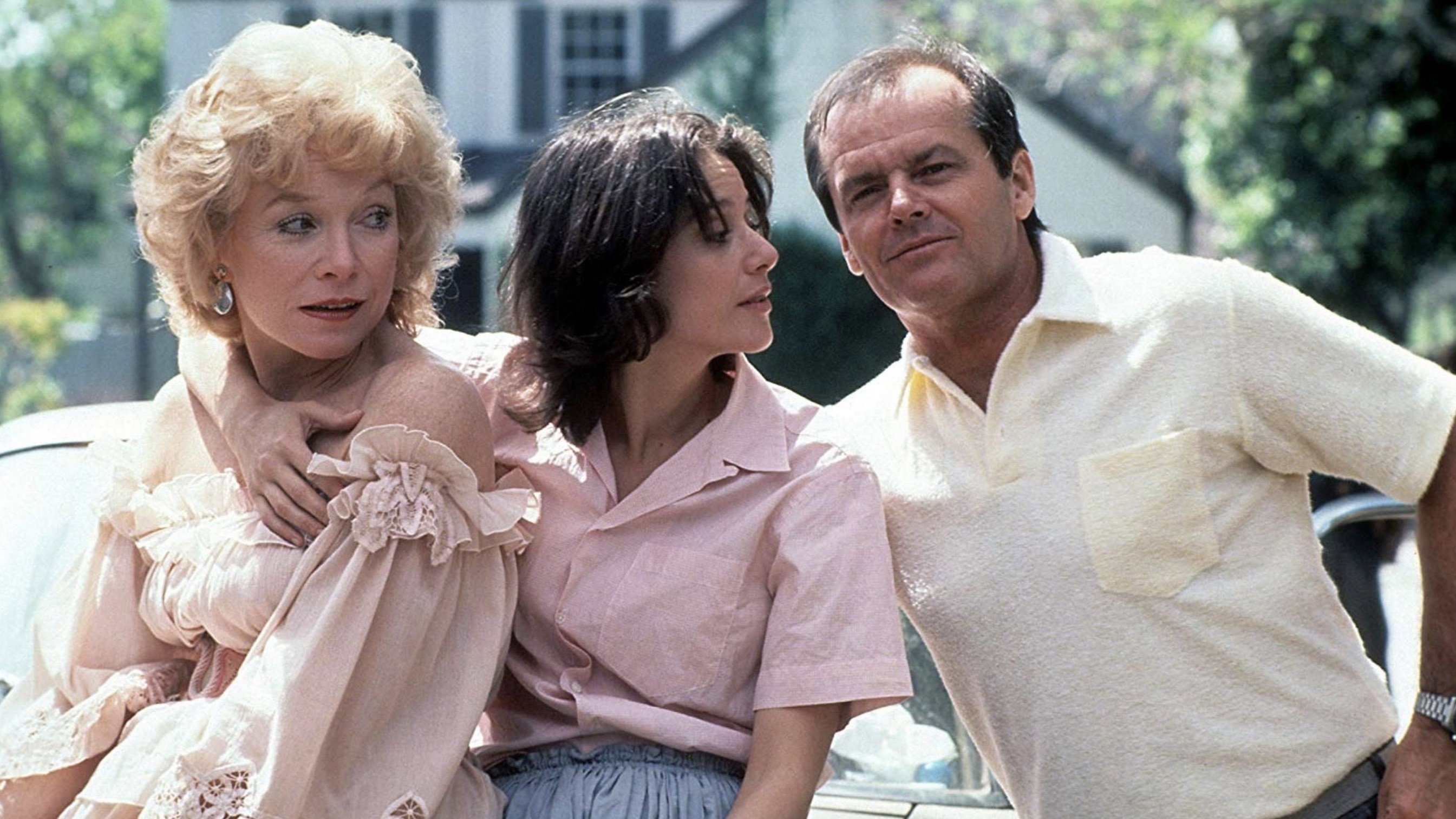
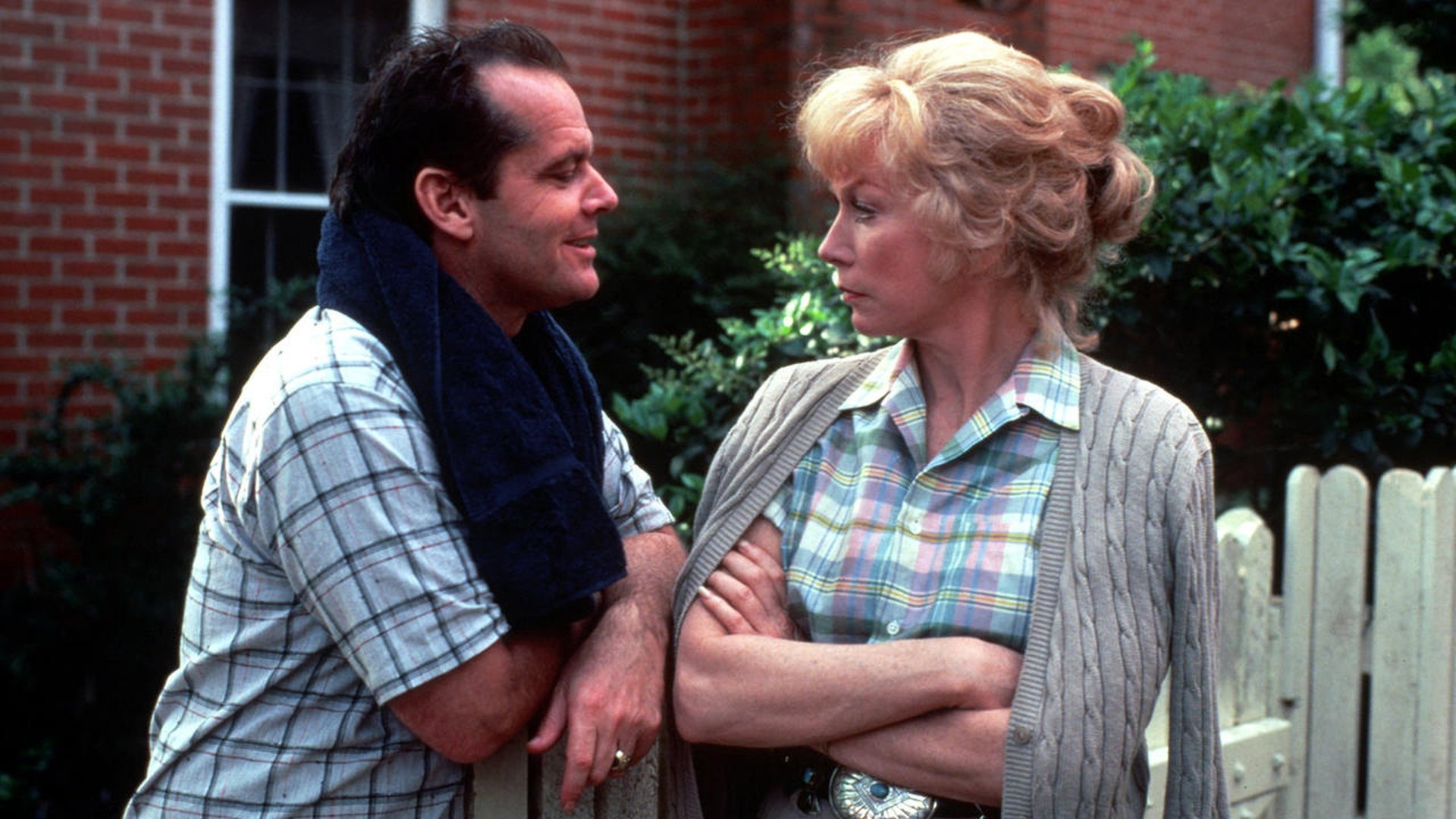
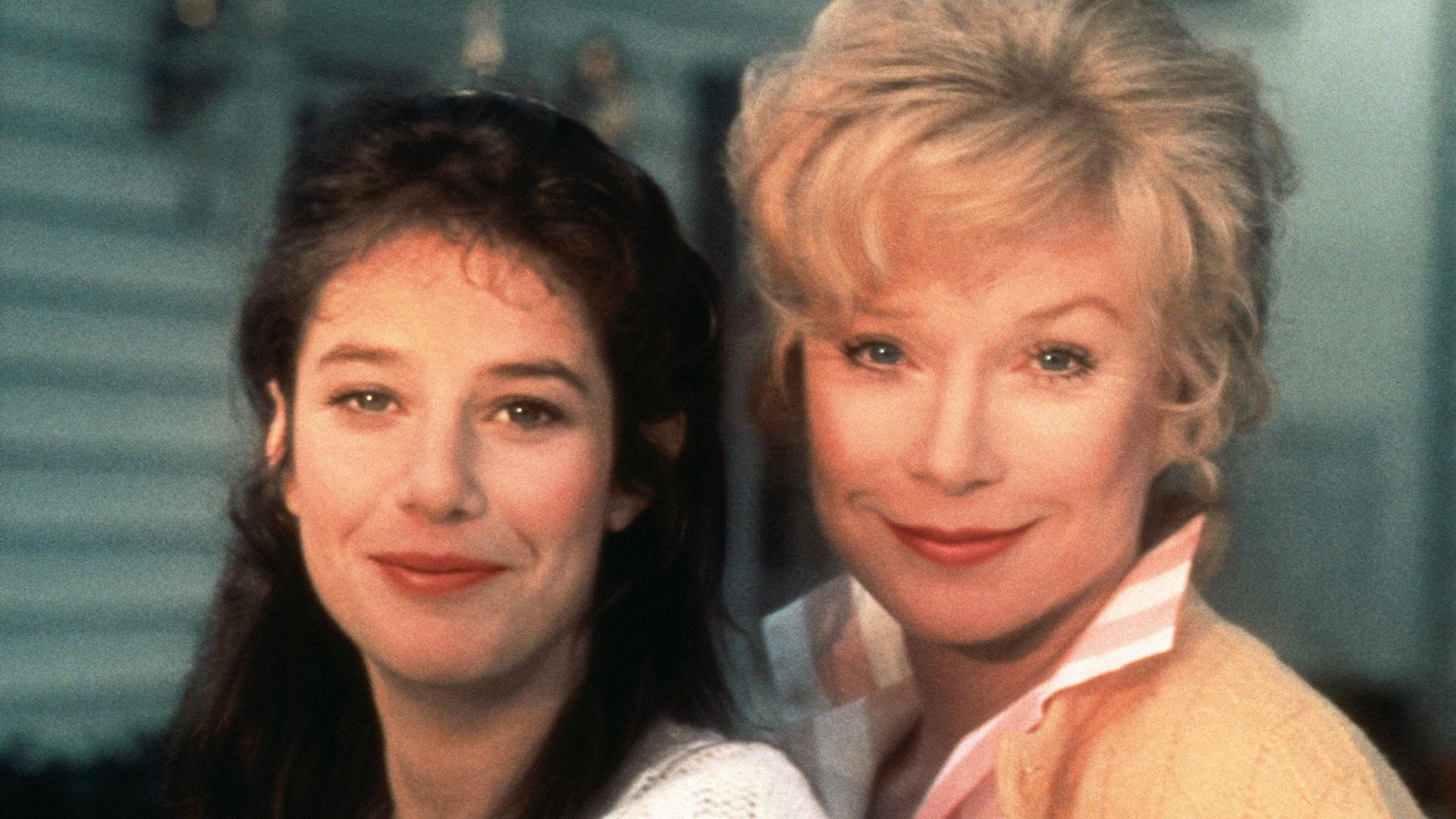
Shirley MacLaine, Debra Winger and Jack Nicholson make James L. Brooks’s family drama funny and moving without making its people easy to like. We recommend it warmly, despite the uneven pace of its thirty-year story.
Terms of Endearment is a funny, affecting family drama that survives some untidy storytelling. James L. Brooks, writing and directing from Larry McMurtry’s novel, gives the relationship between Aurora Greenway and her daughter Emma room to be difficult. These women do not become agreeable simply because we are meant to care about them. That makes the comedy sharper and gives the emotion a chance of being believed. We recommend it, with the warning that its 132 minutes sometimes feel loosely assembled.
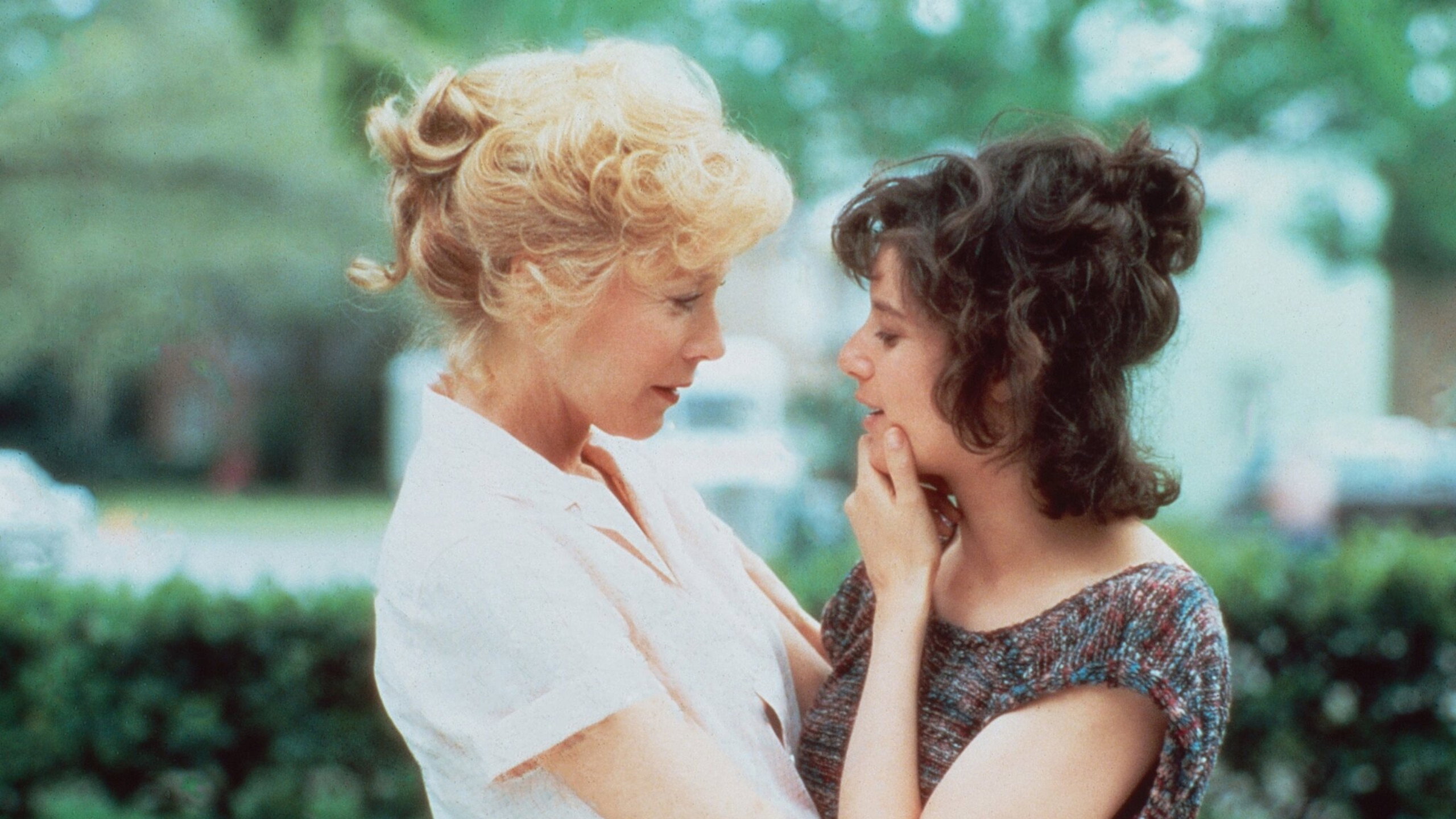
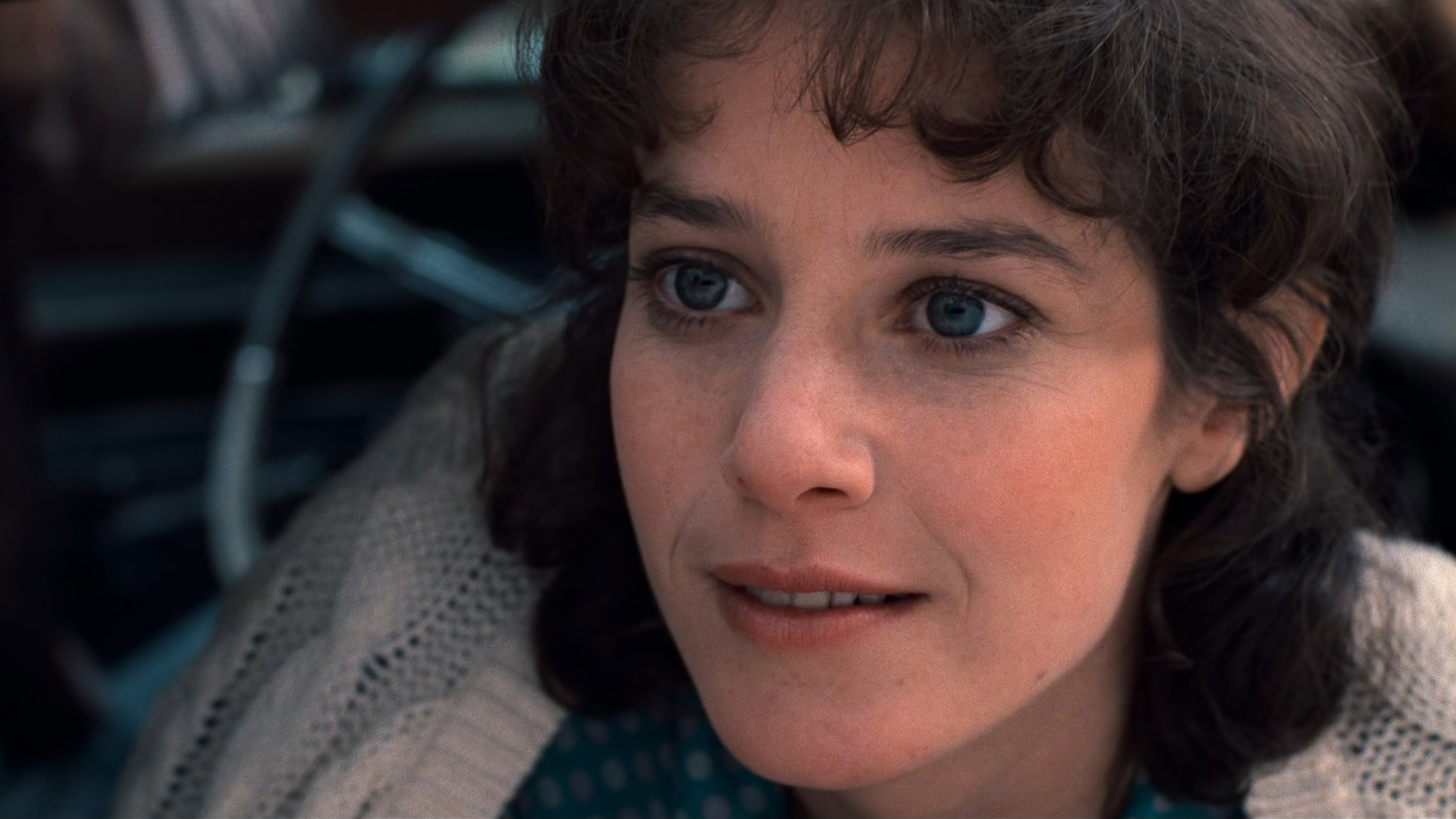
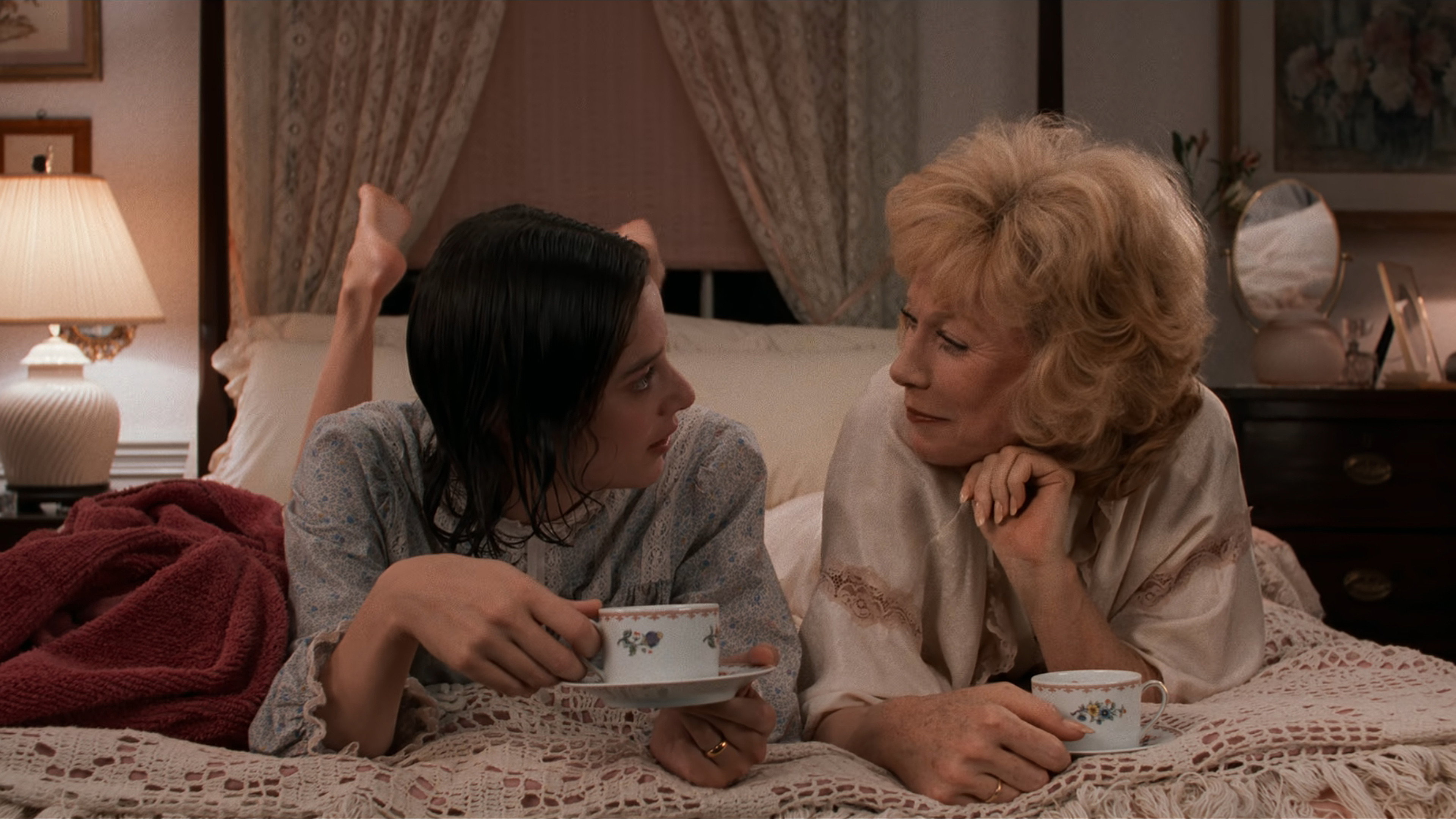
Shirley MacLaine’s Aurora can be a lot to take, and MacLaine seems entirely comfortable with that risk. Debra Winger’s Emma makes the daughter’s side of the relationship feel equally deserving of attention. It matters that she can hold our interest when MacLaine is the more conspicuous presence. We like the friction between their performances, and the unwillingness to make affection look consistently pleasant. Brooks’s dialogue allows irritation and humour to belong in the same conversation, without either woman having to apologise for being difficult.
Jack Nicholson, as retired astronaut Garrett Breedlove, gives MacLaine someone who can match her for sheer insistence on being noticed. We laughed at their exchanges because neither performer seems willing to let the other have the last word. Nicholson’s expansiveness is funny in this company, where it meets something equally forceful. He also gives the film a useful rest from the strain of the central family relationship. There is a cost: whenever the pairing disappears, Brooks has to work harder to hold our attention.
We like Andrzej Bartkowiak’s cinematography most for making the actors so easy to watch. With MacLaine and Winger, there is plenty to notice without a busy image competing for attention. Polly Platt’s production design gives the family life a convincing everyday setting, which helps when the performances grow large. Michael Gore’s score is the contribution we would turn down: the music’s emotional prompting sometimes makes us notice how hard Brooks is trying. There is enough feeling in the acting already.
Richard Marks has the difficult editing job of helping Brooks fit thirty years into a single film, and the joins are not always comfortable. Individual passages have an easy conversational pace, but the larger movement can feel abrupt. We sometimes want another few minutes with a relationship before the story moves on. Then a less compelling passage is allowed to linger, and the length becomes noticeable. Brooks has given the MacLaine–Nicholson partnership an appeal that the rest of the writing cannot consistently match.
The second half takes a turn we will not describe, and Brooks asks for a stronger emotional response than the earlier comedy might suggest. The acting earns much of it, though we are less persuaded by how the story gets there. His confidence with performers is clearer than his control of the film’s changing pace. That unevenness matters in a drama that depends on our feeling we have lived alongside these people.
Even so, this is the kind of family melodrama that benefits from letting people be funny before asking us to worry about them. Brooks understands how exhausting close relatives can be, and his actors make that exhaustion entertaining without making the affection look foolish. It trusts us to recognise affection even when the people expressing it are behaving badly. Give it the evening, but allow Brooks a little more time than he strictly needs.