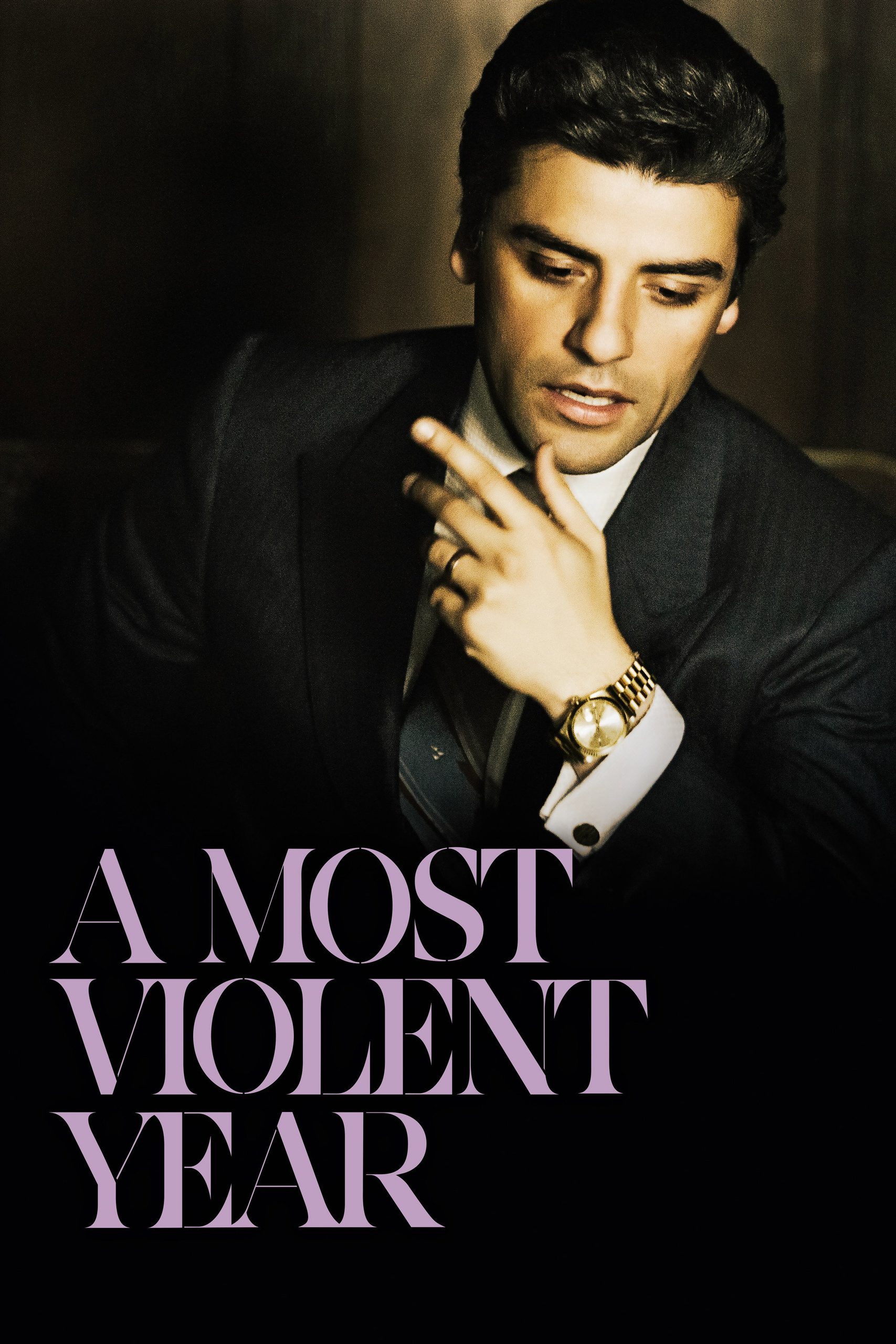
J.C. Chandor’s 1981 New York crime story keeps the gun in the drawer for nearly all of its 125 minutes, and Oscar Isaac makes the restraint riveting. It is handsome, patient and a little airless, and Jessica Chastain deserved more of it.
J.C. Chandor’s first two films were a night in a bank (Margin Call) and a man alone on a boat (All Is Lost). His third is a crime film set in New York in the winter of 1981, and its title is a piece of misdirection. Abel Morales (Oscar Isaac) sells heating oil and wants to buy a terminal on the river, and for 125 minutes the film watches him refuse to do the thing every other crime film would have him do by the end of the first reel. It is good, patient and handsomely made, and it is worth your evening if you have the temperament for a thriller in which the hero’s chief weapon is a firm handshake.
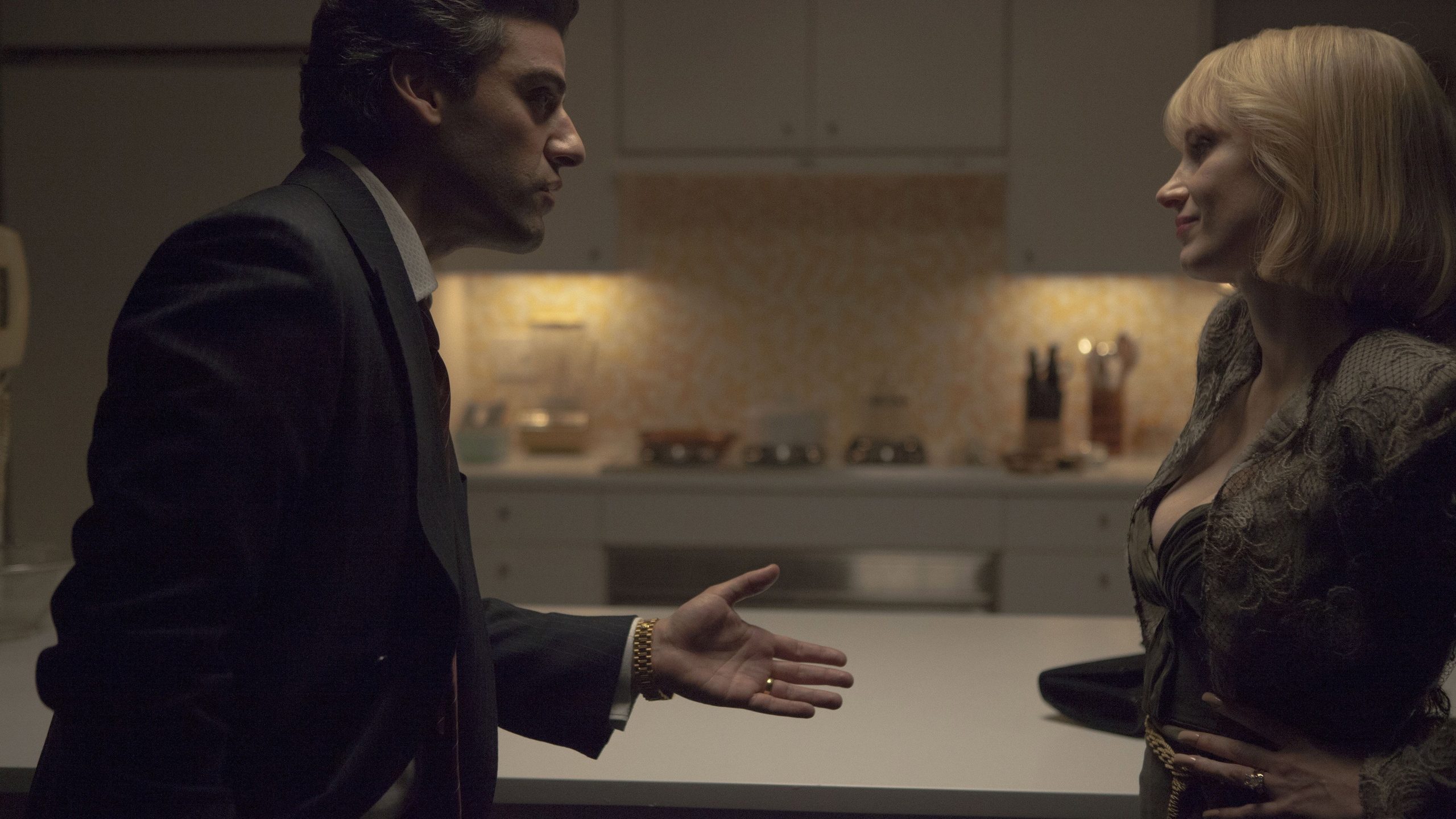
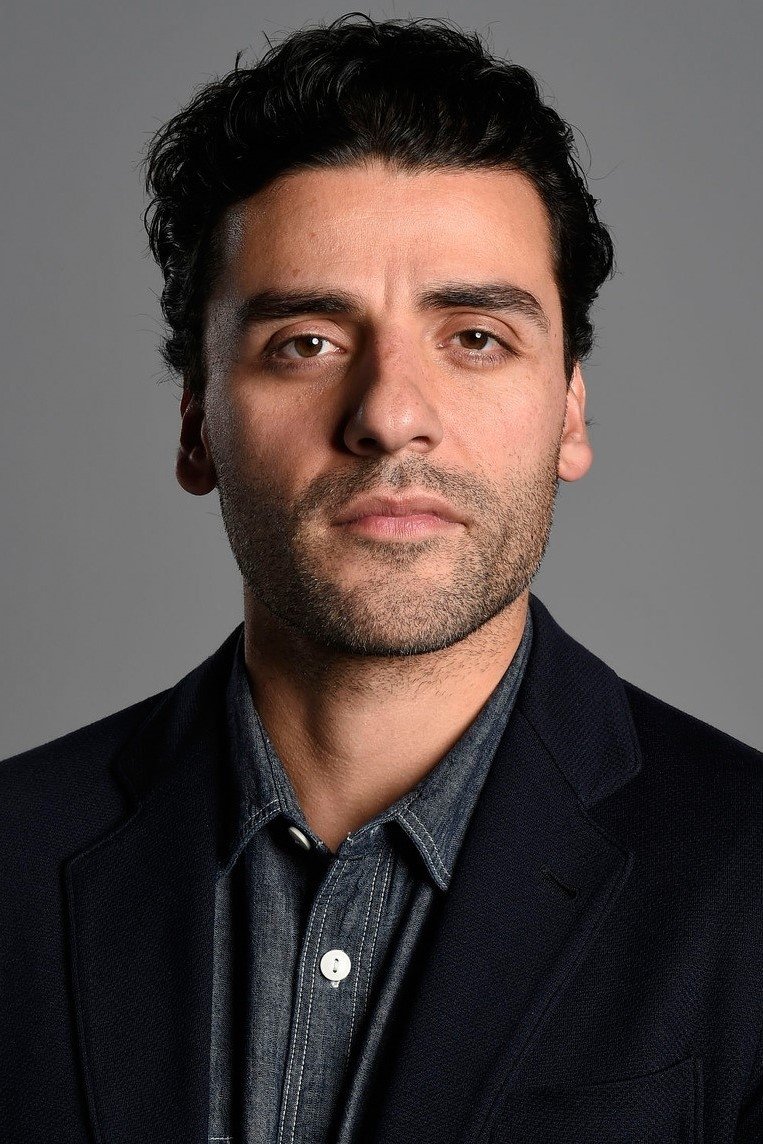
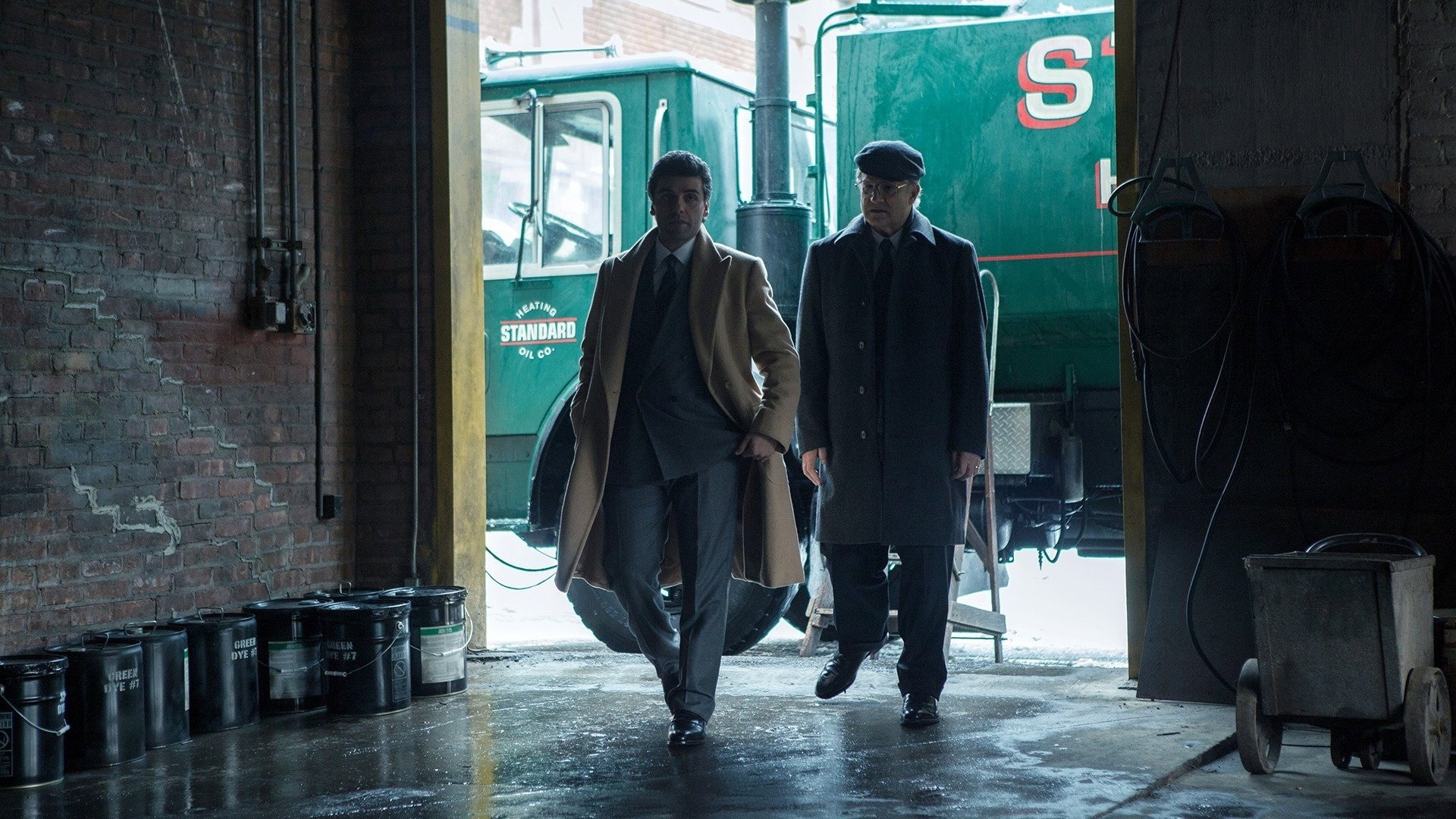
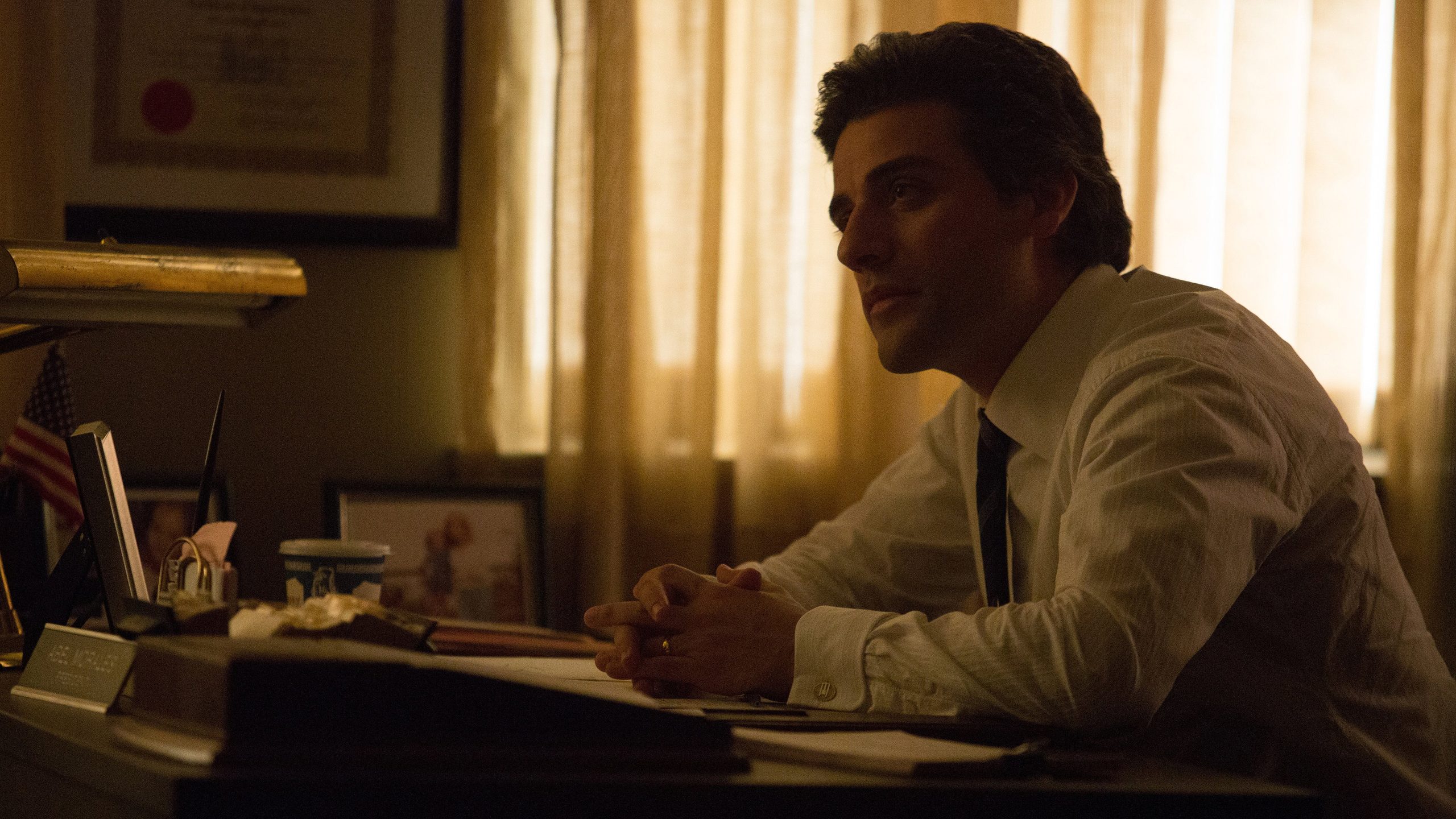
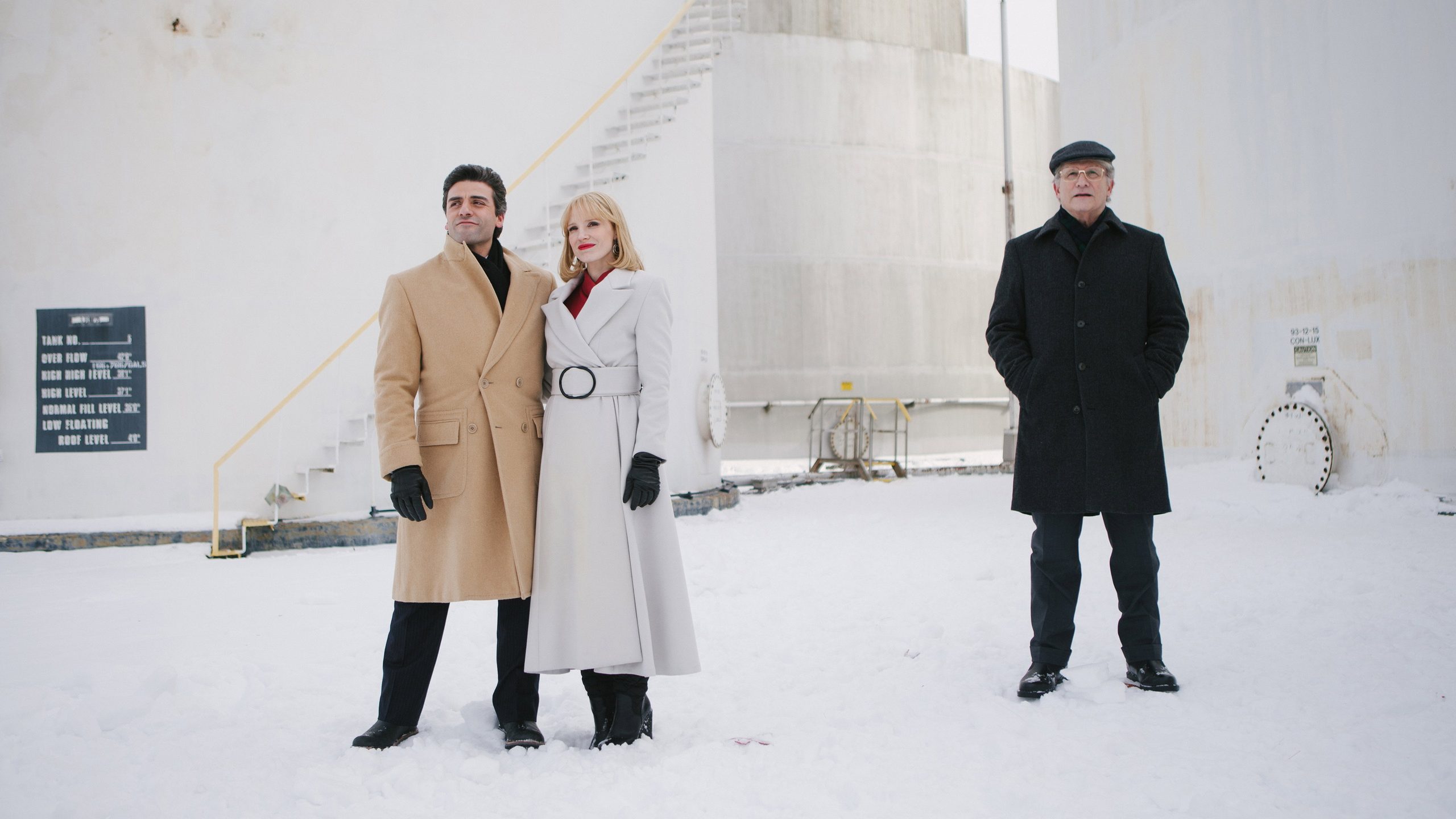
Isaac is the reason it works. He plays Abel as a man who has trained himself into stillness: he stands straight, speaks low and holds a stare a beat longer than is polite, and he teaches his sales staff to do the same in a scene we could have watched for another ten minutes. Kasia Walicka Maimone puts him in a camel coat that stays clean through hijackings, snow and a scramble along a railway line, and the coat does a good deal of the acting. Abel believes that if he looks like a legitimate man for long enough he will become one. Isaac lets us see how much work it takes to look that calm.
Bradford Young shoots the city in a light that looks as if it has been left in a drawer: yellow-grey, low sun, snow gone brown at the edges. The oil yards, the empty riverside lots and the bare rooms John P. Goldsmith gives the Moraleses, all long sightlines and hardly any furniture, make a New York that feels bankrupt and cold and true. Alex Ebert’s score is a low electronic hum that rarely resolves into a tune, and it keeps the film on edge even when nobody on screen is saying anything dangerous. Ron Patane cuts the meetings and the money talk at an even pace, which is the right choice, though it means there are stretches where we are watching men in offices decide not to decide.
Then the trucks get hit. The one real set piece, a chase that starts on the road and ends on foot, had us sitting forward and kept us there, and it did it without music and without a shot fired by our man. Patane holds the images long enough that we always know where Abel is and how far away the other man is, and Chandor lets the ordinary noise of the city do the work. We were more frightened for a man carrying no gun than we have been for a good many carrying two.
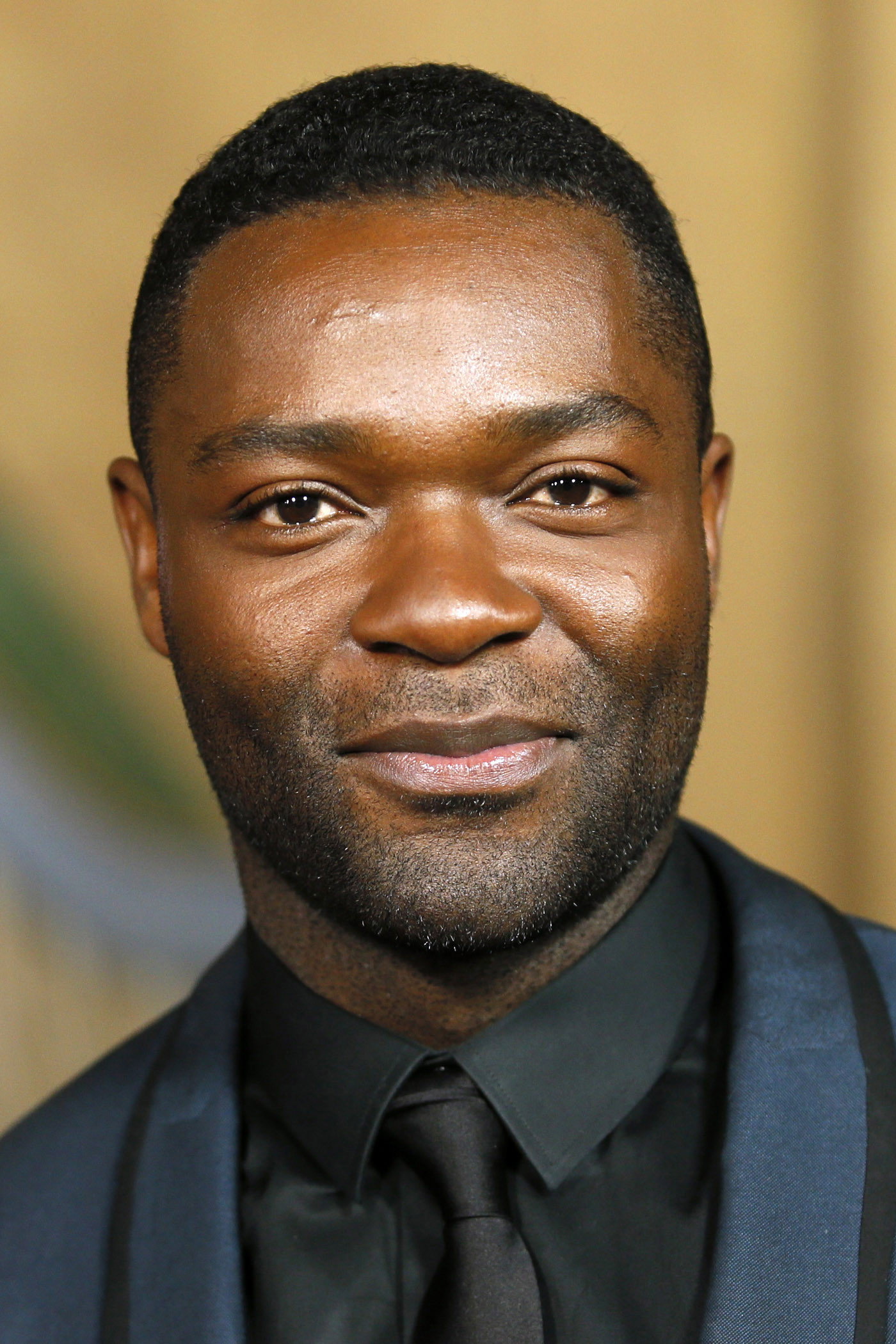
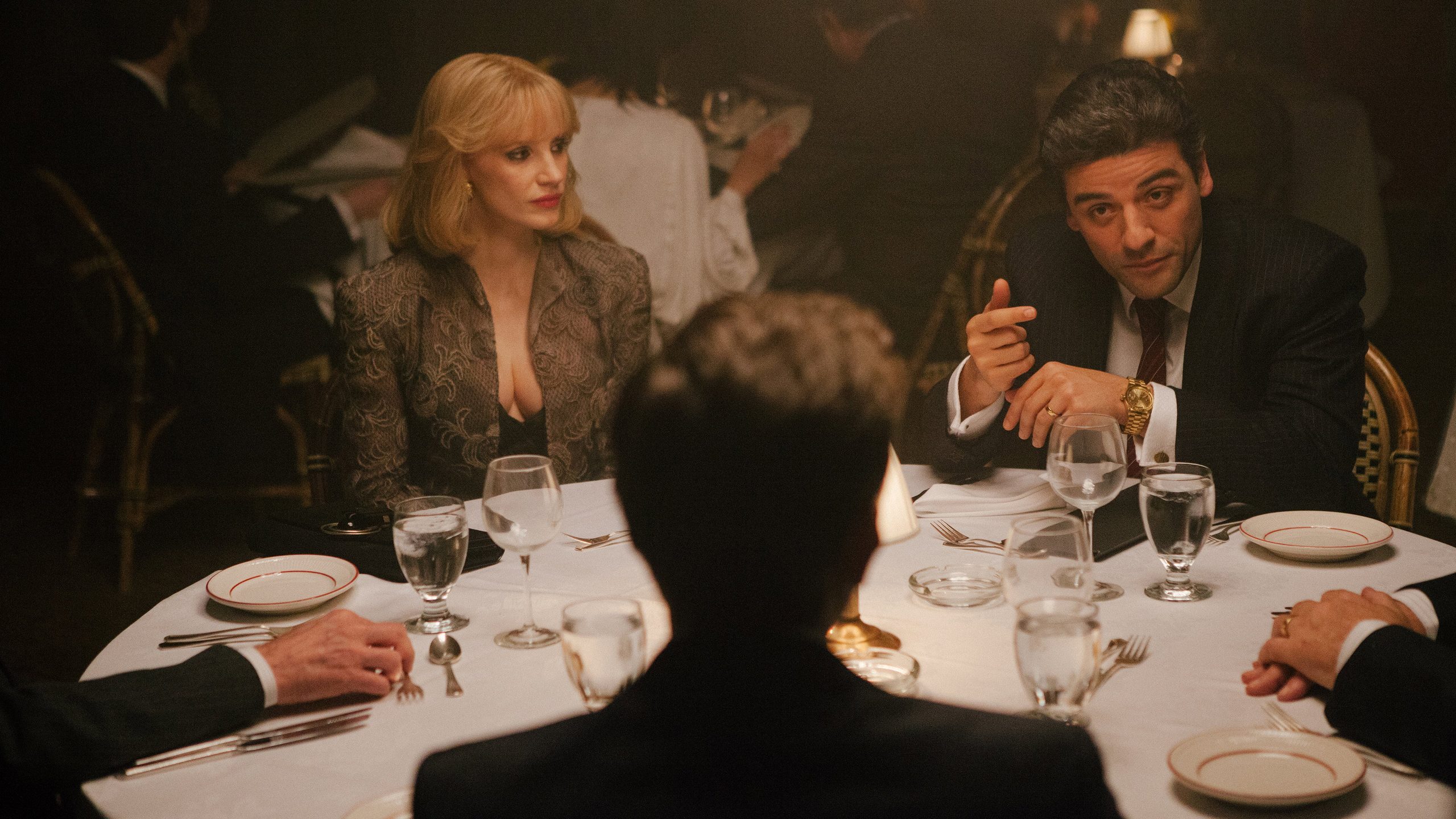
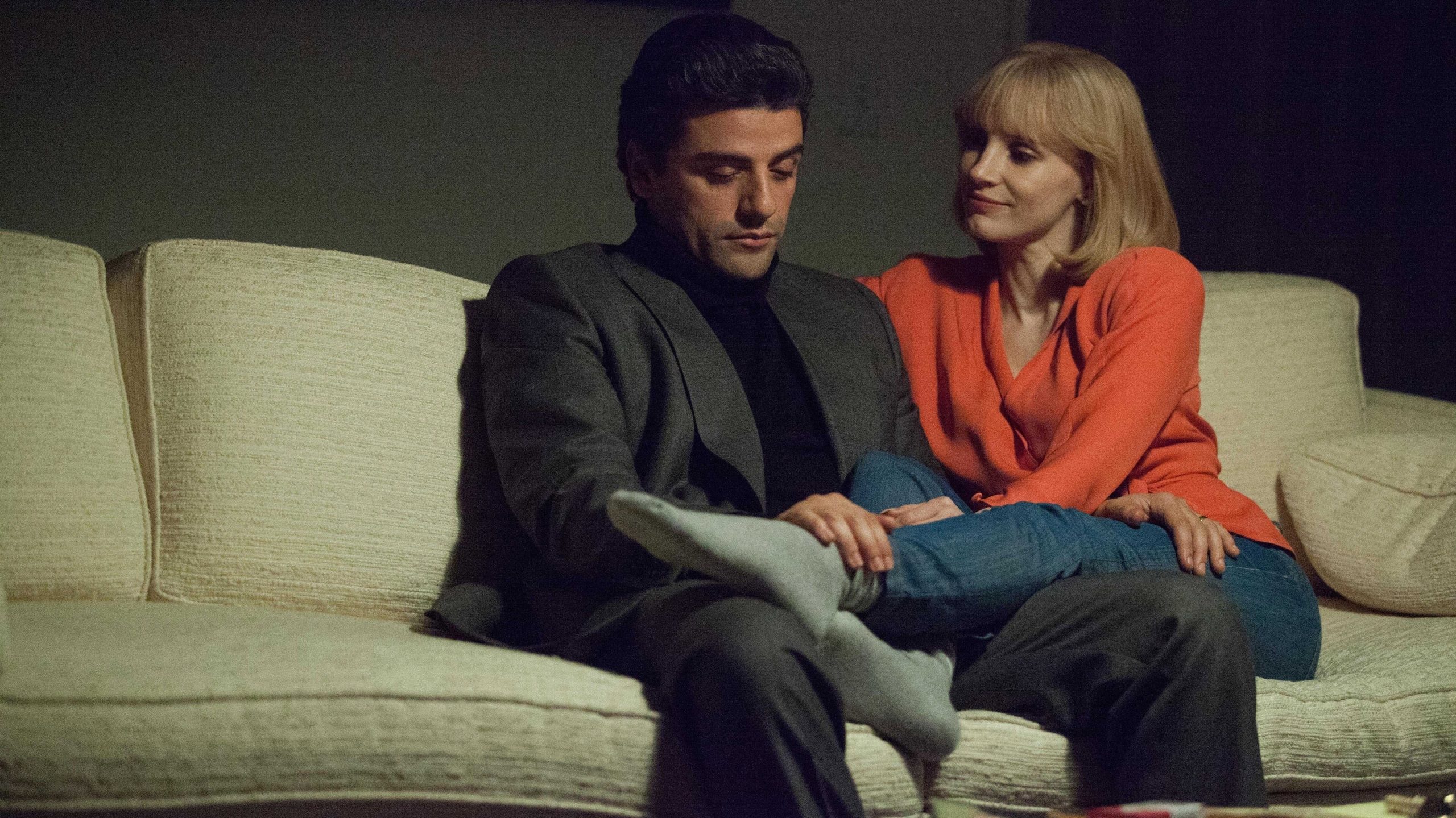
What does not work is Anna. Jessica Chastain plays Abel’s wife, Anna, with red nails, a fur and a Brooklyn vowel, and she is sharp and funny in every scene she gets. But Chandor has written her as one thing, the wife who wants her husband to be harder than he is, and he leaves her there until a late turn we will not describe. That turn is neat and we did not believe a word of it. David Oyelowo’s district attorney, Lawrence, has the same problem in smaller form: he is an obstacle with a briefcase, and Oyelowo has to supply the man himself. Albert Brooks, as the lawyer Andrew Walsh, gets more from a bad hairpiece and a weary shrug than the script gave him.
The film Chandor is measuring himself against is plainly Sidney Lumet’s, the New York of Prince of the City, where the corruption is municipal and everyone knows the going rate. He gets the city right, and the question the film asks is a real one: whether it is possible to do business there without doing what everybody else does. But Lumet’s people talked because they were frightened, and Chandor’s talk because the film needs them to explain the deal again. We were absorbed for most of it and slightly worn by the end, and 125 minutes is about a quarter of an hour more than the story has in it.
Most critics have been warm, a few have called it a slog, and the truth is in between. See it if you like your crime films quiet and your heroes buttoned to the neck, and see it on a cold night with the heating up, so you can appreciate what Abel is selling.