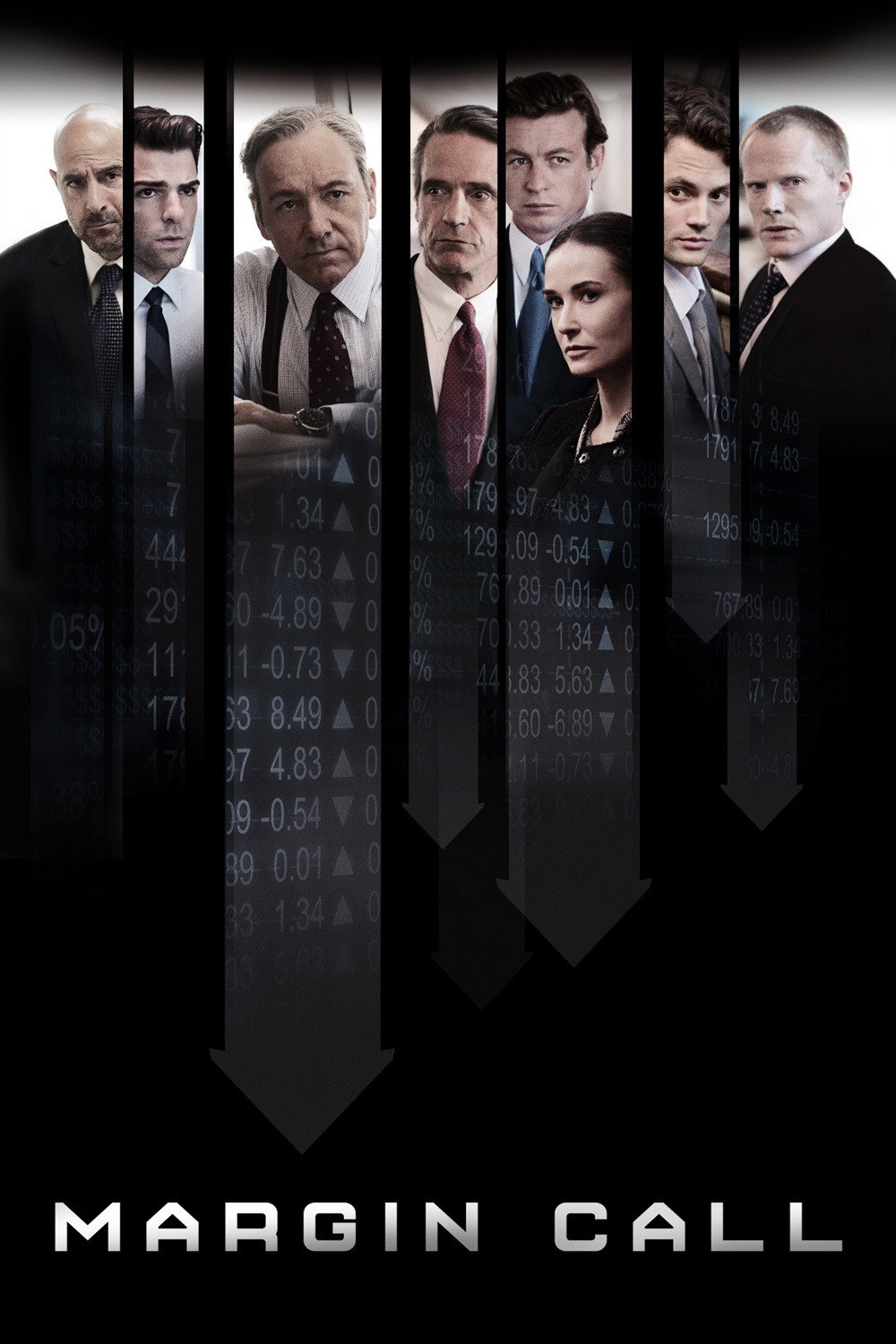
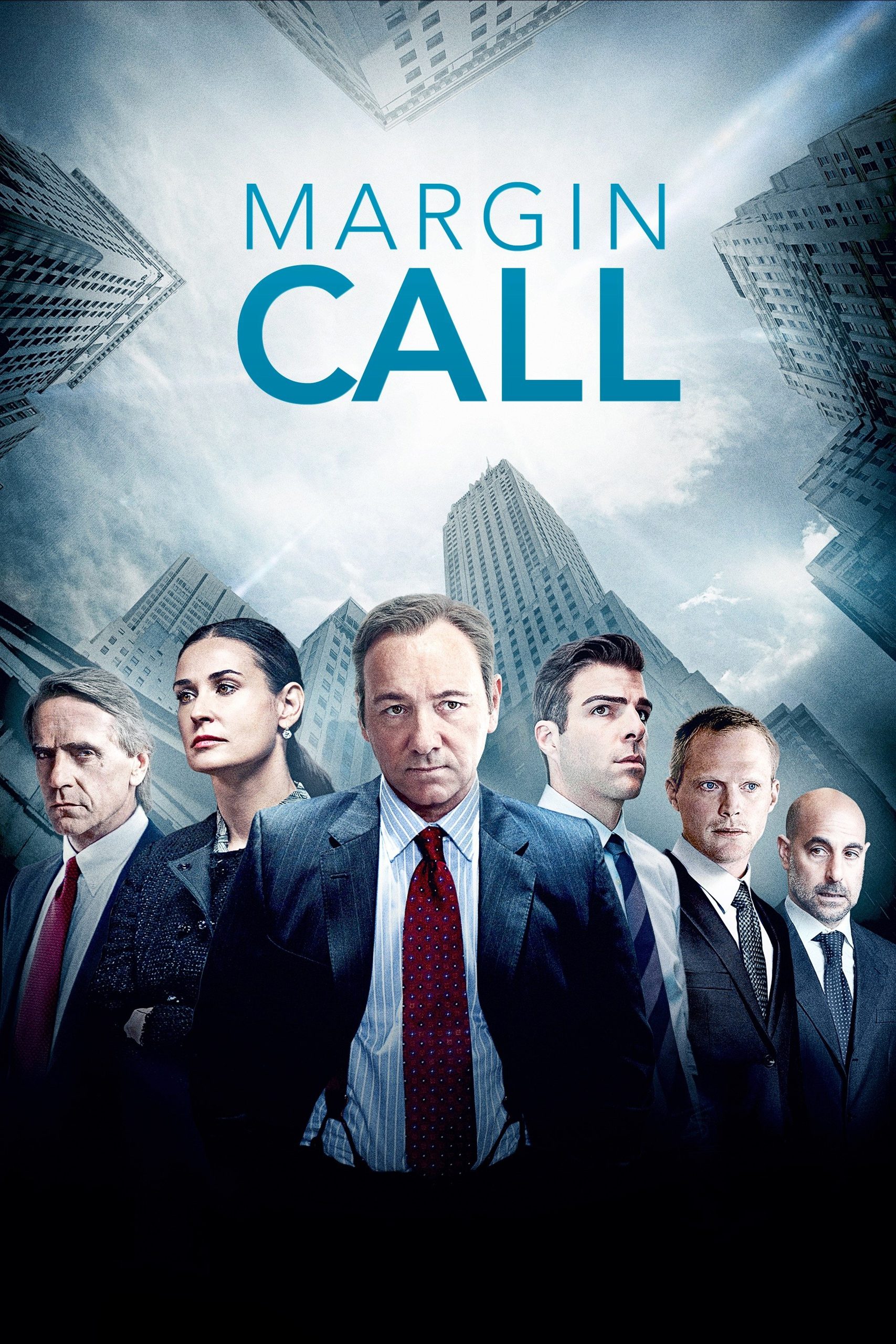
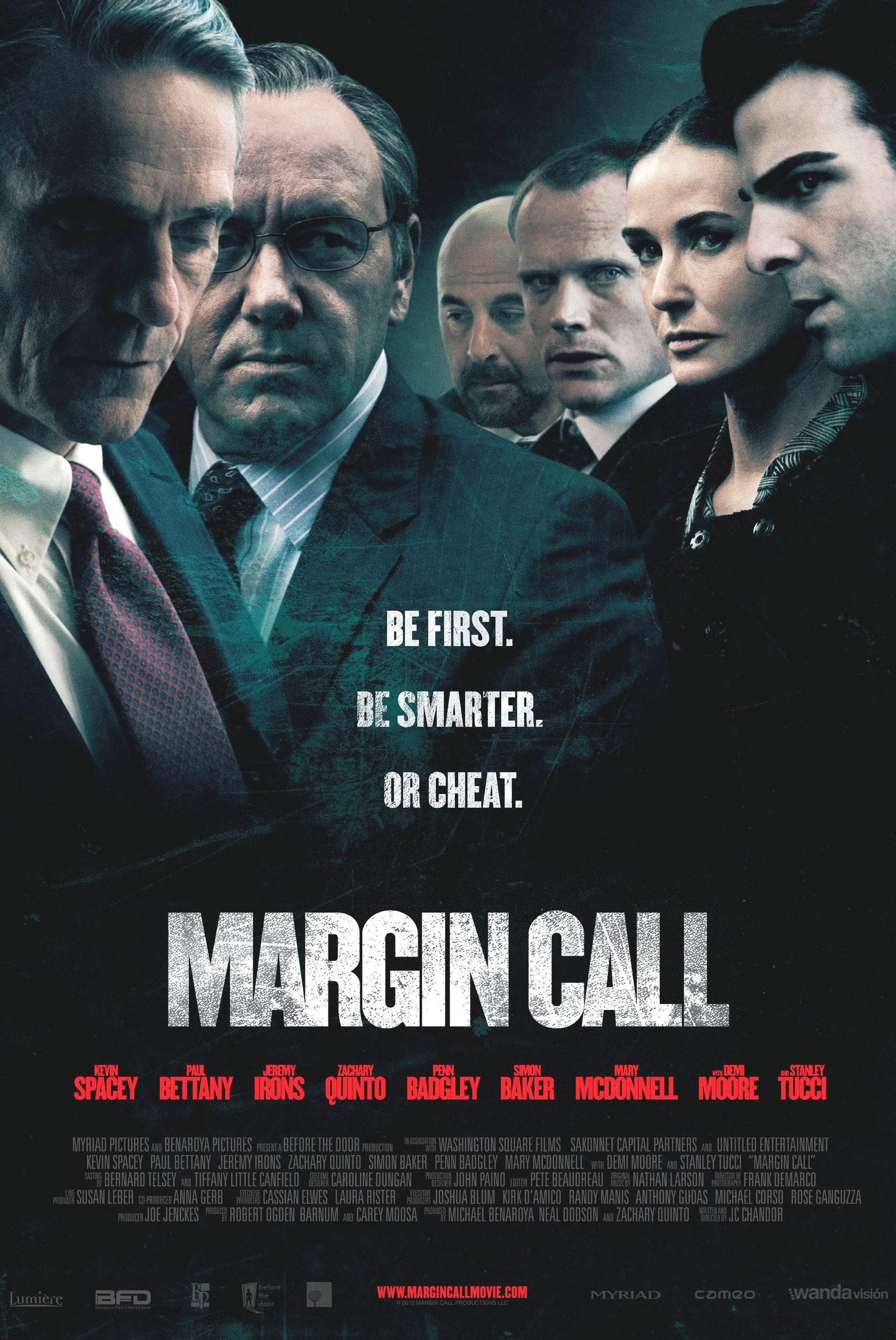
J.C. Chandor’s first film puts the 2008 crash in one building over one night and lets a dozen frightened, well-paid people talk their way to a decision. It is tense, exact and beautifully acted, and it declines to tell you who to blame.
J.C. Chandor wrote and directed Margin Call, his first film, and he has set almost all of its 107 minutes inside one investment bank between a Thursday afternoon and the following morning. The firm is never named. The year is never stated, and does not need to be. Nobody trades anything on screen; people sit in rooms and work out what a number means and what it will cost to act on it. It is the best film we know about the crash because it is not about the crash at all. It is about a meeting.
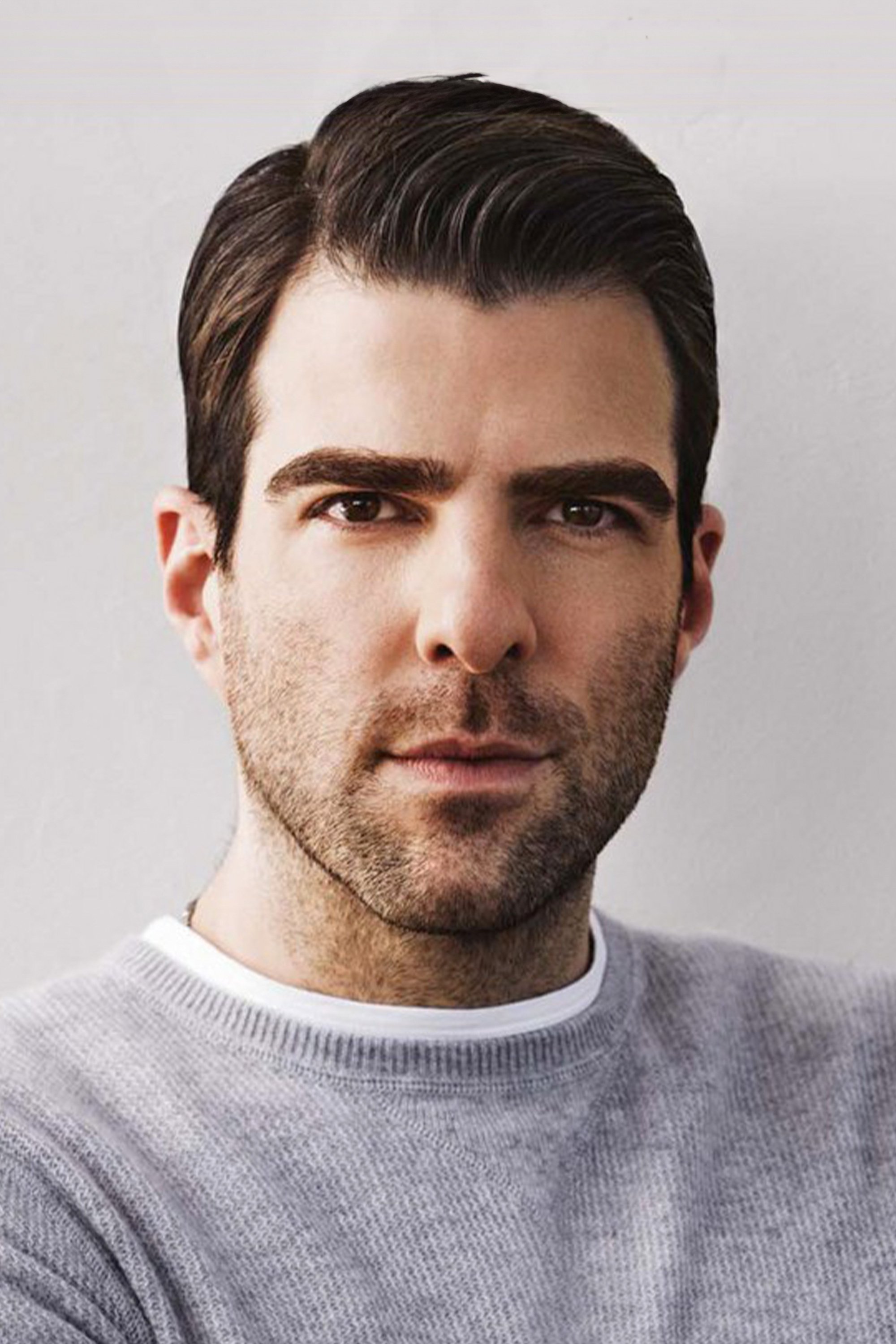
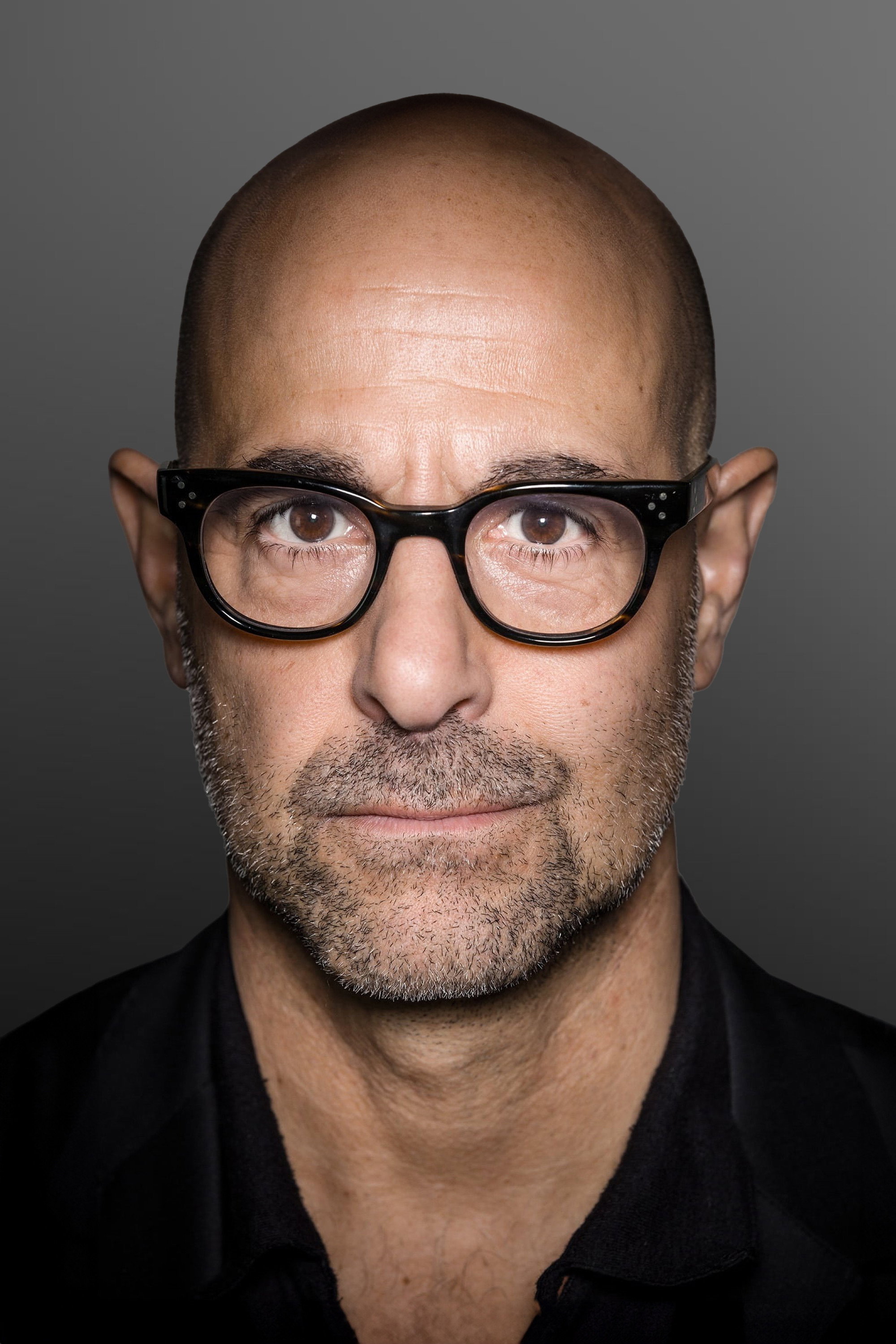
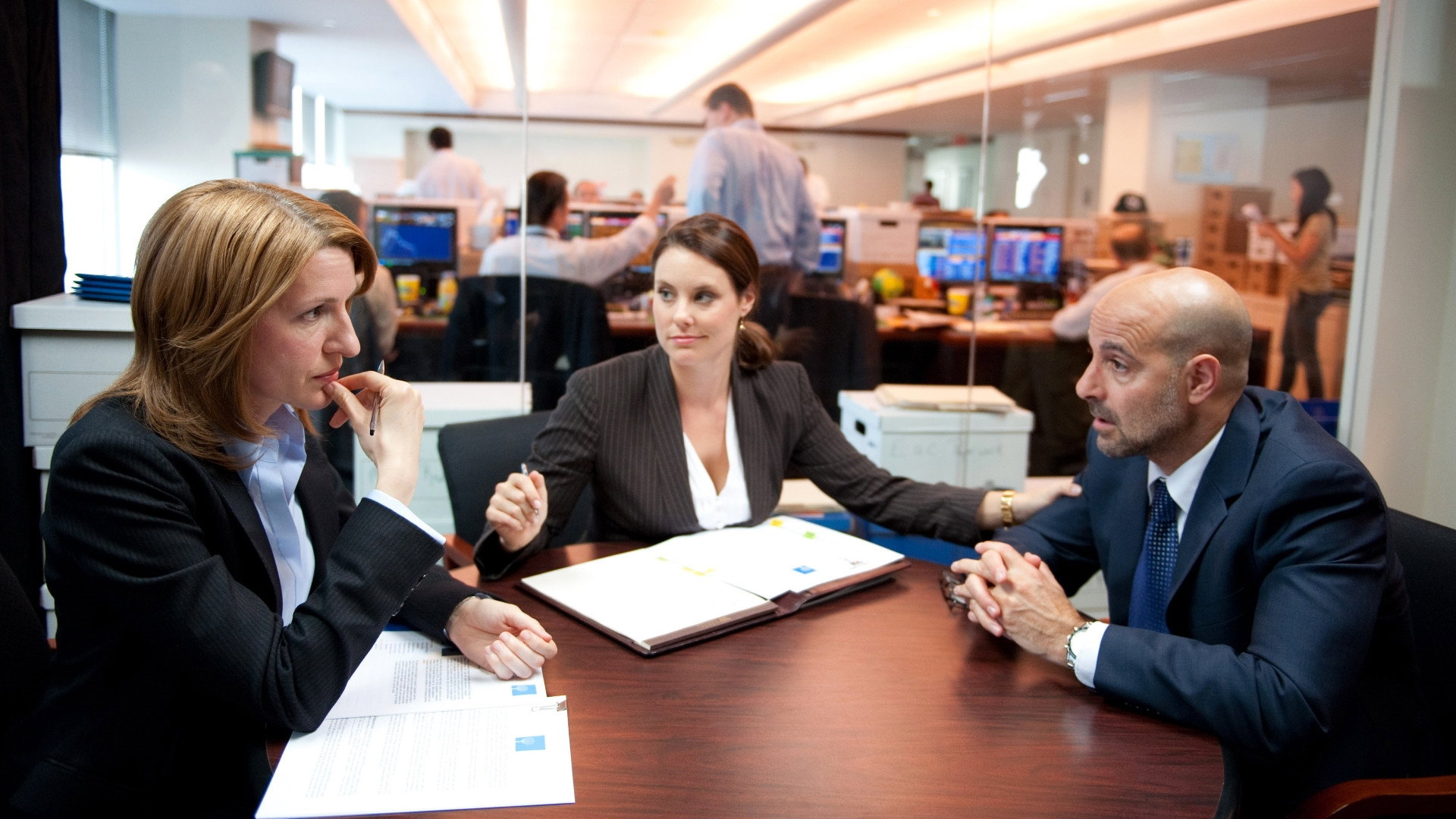
The first twenty minutes set it up with real economy. Human resources arrive on the floor and start taking people into glass offices. Eric Dale (Stanley Tucci), the head of risk, is given a box and an escort to the lift, and his phone is cut off before he reaches the pavement. He leaves a USB stick with Peter Sullivan (Zachary Quinto), who trained as a rocket scientist and now builds models for a bank because the money is better. Peter opens the file after everyone has gone home, and the film’s engine starts: he has found something, he is not senior enough to be believed, and each person he tells has to decide whether to wake the next one up.
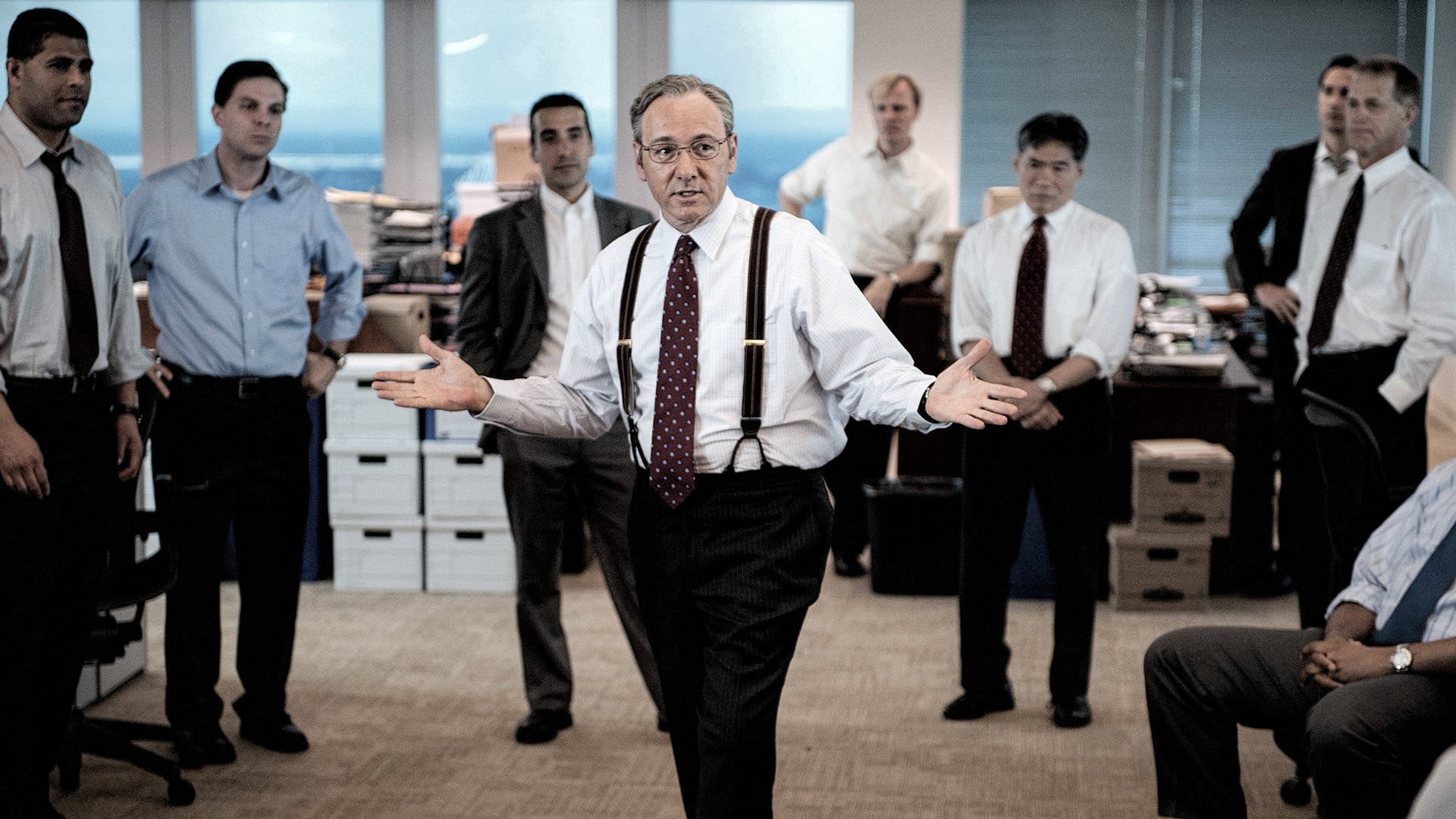
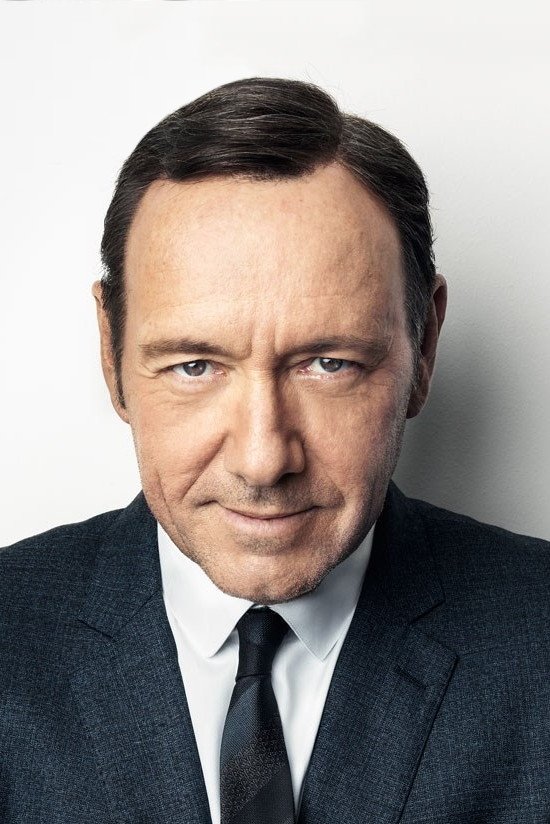
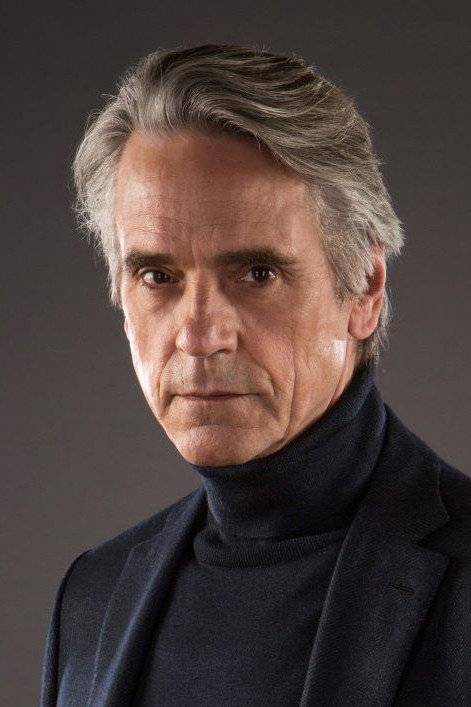
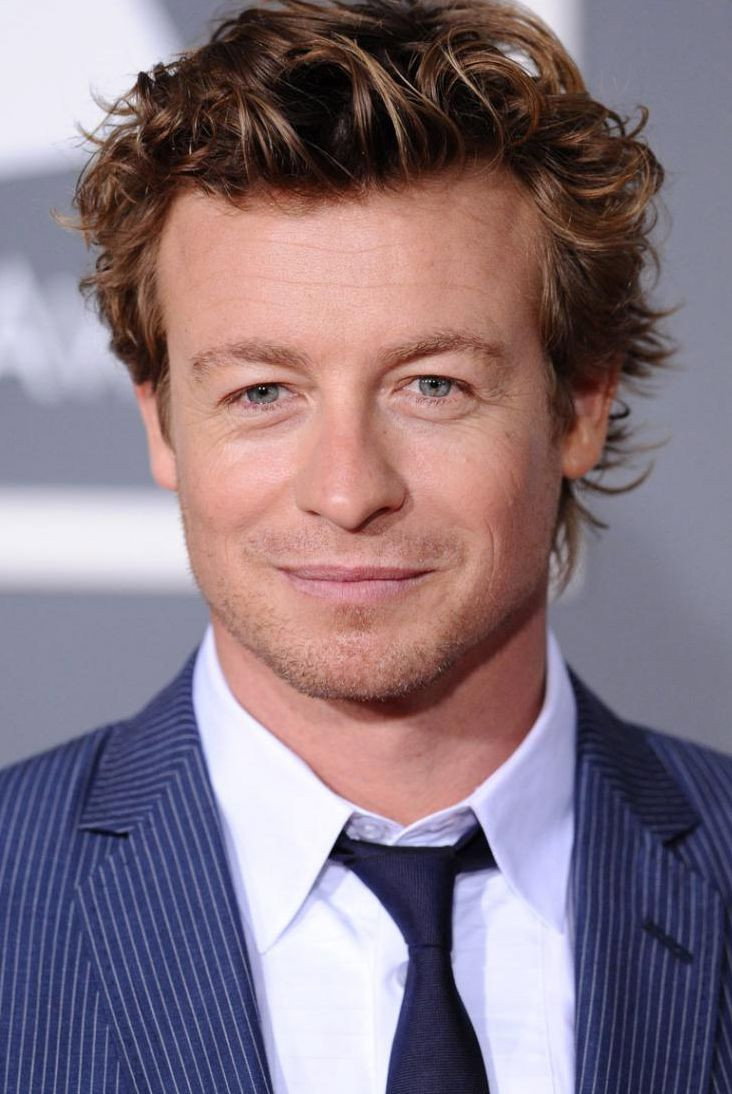
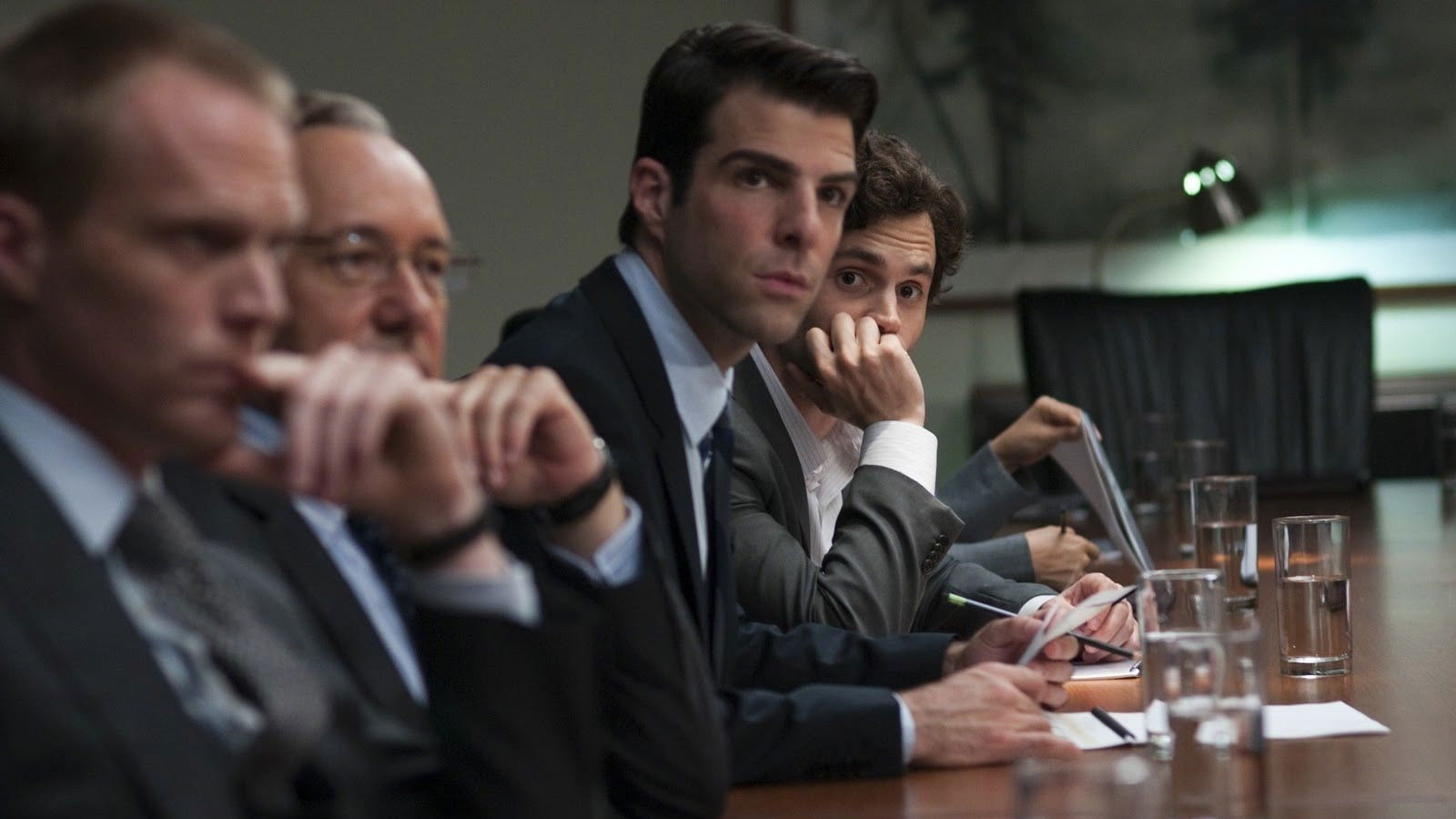
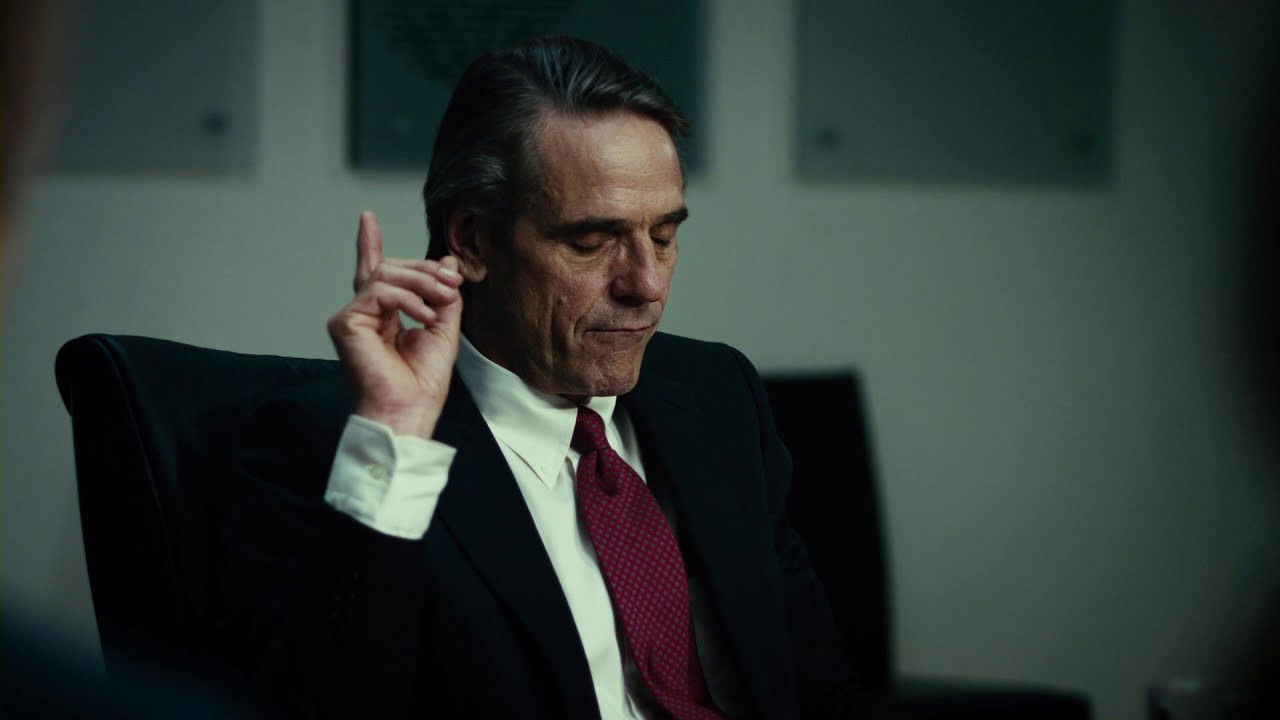
The cast then arrive in order of salary, and each has a different way of being frightened. Kevin Spacey’s Sam Rogers, who runs the floor, is tired in a way that has nothing to do with the hour. Paul Bettany’s Will Emerson, the English trader, has spent two and a half million dollars in a year and can account for every one of them, and Bettany delivers the list as a man defending himself to a jury he cannot see. Simon Baker’s Jared Cohen is the young executive who has already decided and is waiting to be asked. Then Jeremy Irons walks in as John Tuld, the chief executive, asks Peter to explain the position to him as he would to a small child or a dog, and listens to the answer with a stillness that is far worse than shouting.
We were moved, more than we expected, by Tucci. Late in the film Dale describes a bridge he helped build as a young engineer and does the sum, out loud, of how many hours of other people’s lives it has saved. It is a man reckoning what he has done with his own. Tucci plays it flat and quiet, sitting in a car, and it is the one time the film puts a real object next to the imaginary ones on the screens.
Frankie DeMarco shoots the offices after dark so the windows go black and the city lights sit behind the actors like a second set of screens. John Paino’s trading floor is rows of dead monitors and one lit corner, and his boardroom is all glass, so that the people deciding the fate of thousands can be watched doing it by anyone who happens to be passing with a vacuum cleaner. Pete Beaudreau lets scenes run; a conversation is allowed to reach its end before he cuts. Nathan Larson’s score is sparse and low and mostly keeps out of the way. Caroline Duncan tells you who is winning by the state of their collars at four in the morning.
The flaws are real. Chandor’s people talk in finished paragraphs, and after the second hour of the night the speeches start to sound like speeches. Demi Moore’s Sarah Robertson is given a fate and very little else. Penn Badgley’s Seth exists to ask how much everyone earns, which is useful and not quite a character. The film has no outsider, no customer, no one from the other end of the phone, and its refusal to say whose fault any of this was is either a serious moral choice or a failure of nerve. We have watched it several times and still cannot decide.
Wall Street (1987) gave the trade a villain and a slogan. The Big Short (2015) would later explain the same instruments with celebrities and a bubble bath. Chandor gives it a procedure, and trusts us to follow the faces. Watch it at home, late, with nobody else in the building. It is a film about rooms, and it is better seen from one.