Michael Douglas makes Gordon Gekko persuasive enough to trouble us, and Oliver Stone keeps the financial dealings brisk. We recommend Wall Street for that performance, though the script explains its morals long after we have understood them.
Oliver Stone’s Wall Street is a good crime drama, worth seeing for Michael Douglas even when the writing grows blunt. It wants to show how a young broker can learn to treat making money as permission to do almost anything. Stone makes that temptation persuasive, then keeps interrupting to explain why we should resist it. The pace helps, and Douglas is such an enjoyable presence that the lectures remain a tolerable fault.
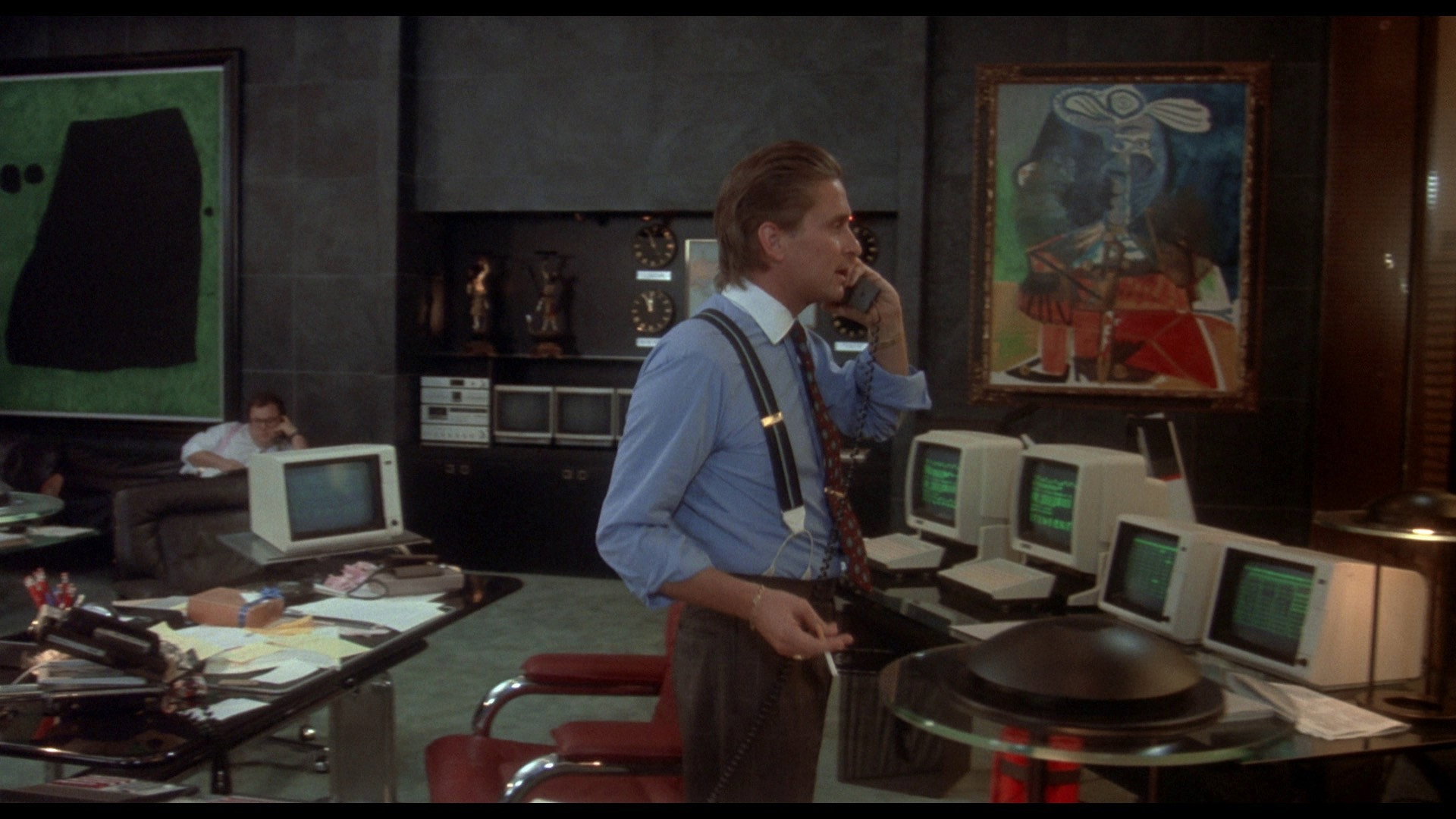
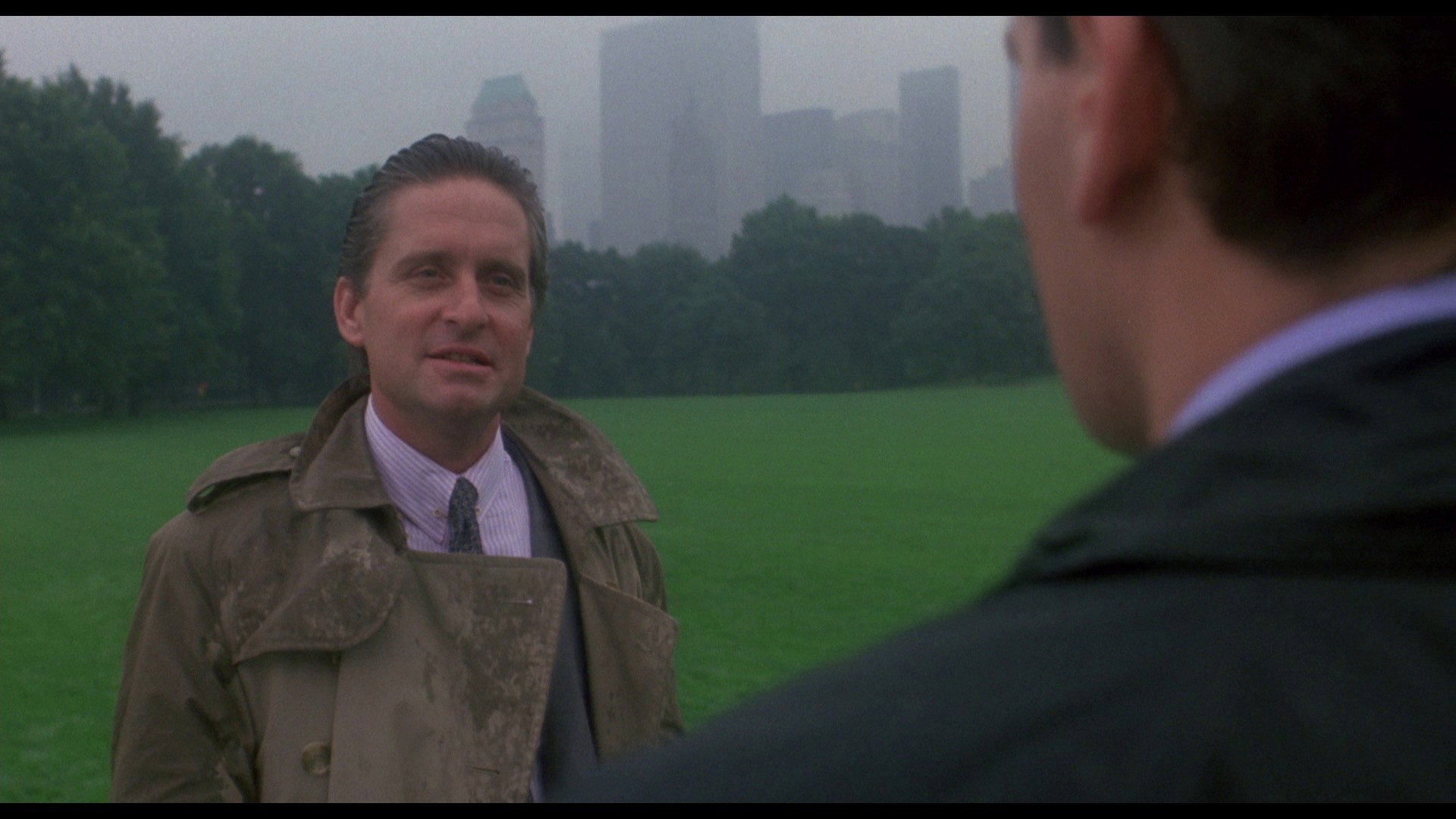
As Gordon Gekko, Douglas gives ruthlessness the ease of a man who no longer expects to be challenged. His charm matters as much as his aggression: we can understand why somebody might mistake his confidence for wisdom. We were more persuaded than we wanted to be when Gekko speaks in defence of greed. Douglas makes his certainty enjoyable to listen to, which leaves us with the uncomfortable job of checking what we have just accepted. His performance gives us enough to recognise the danger without further explanation.
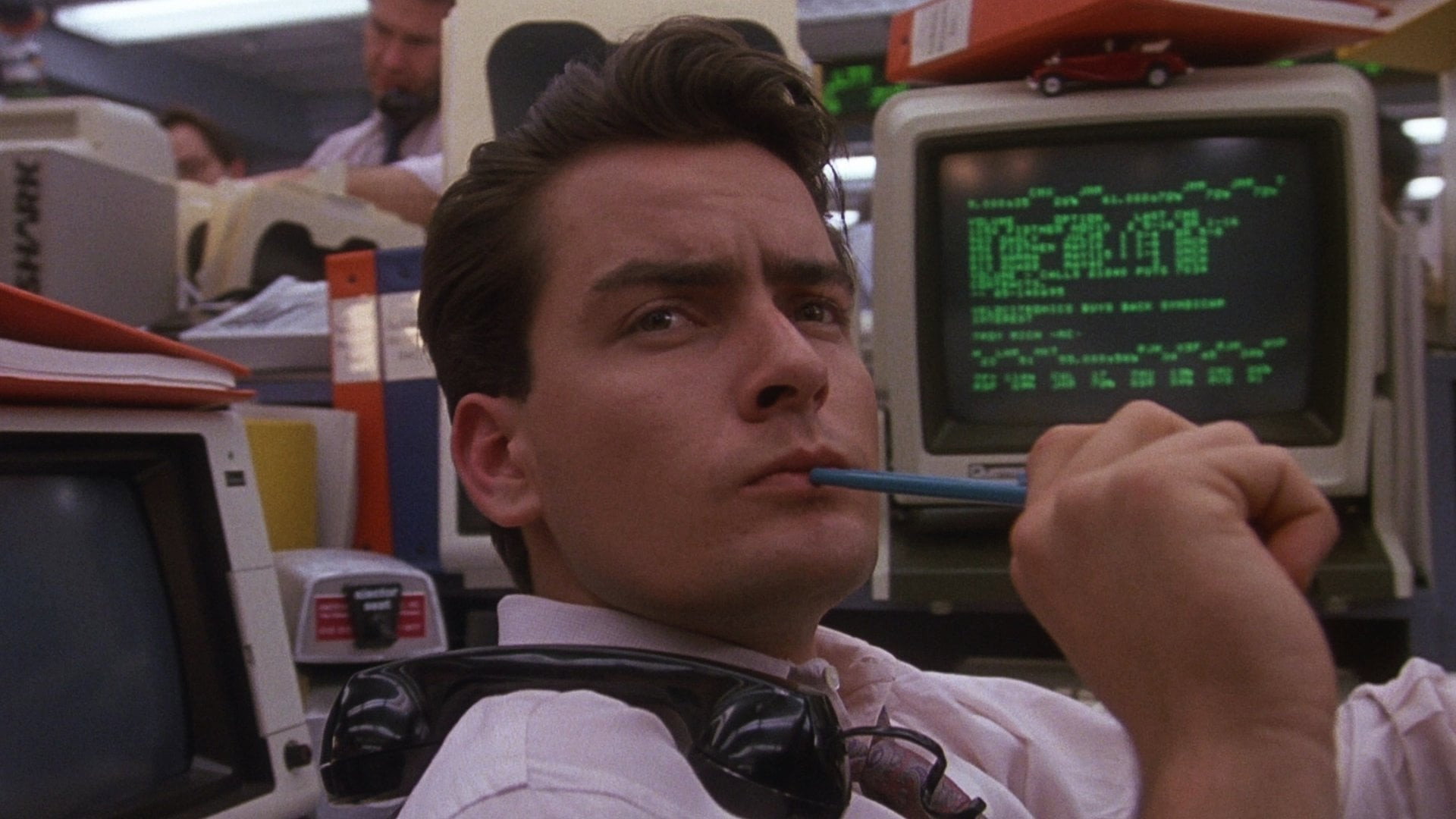
Charlie Sheen has a harder task as Bud Fox, the young broker whose ambition supplies the story. He makes the wanting legible, but Stone and co-writer Stanley Weiser give him too little to think about beyond the moral choice in front of him. Beside Gekko, he can seem like somebody waiting for his next instruction from the screenplay. Martin Sheen’s Carl Fox brings a welcome steadiness to a film that is otherwise keen to keep pushing.
Robert Richardson’s moving camera suits people who seem unable to stop measuring their progress. Its restlessness gives the financial talk physical urgency, and helps make trading feel like dramatic action rather than a subject requiring a diagram. Claire Simpson’s editing sustains that pace, keeping the verbal exchanges from becoming exhausting. We need not understand every term to follow the competition, because the desire to get ahead is always comprehensible.
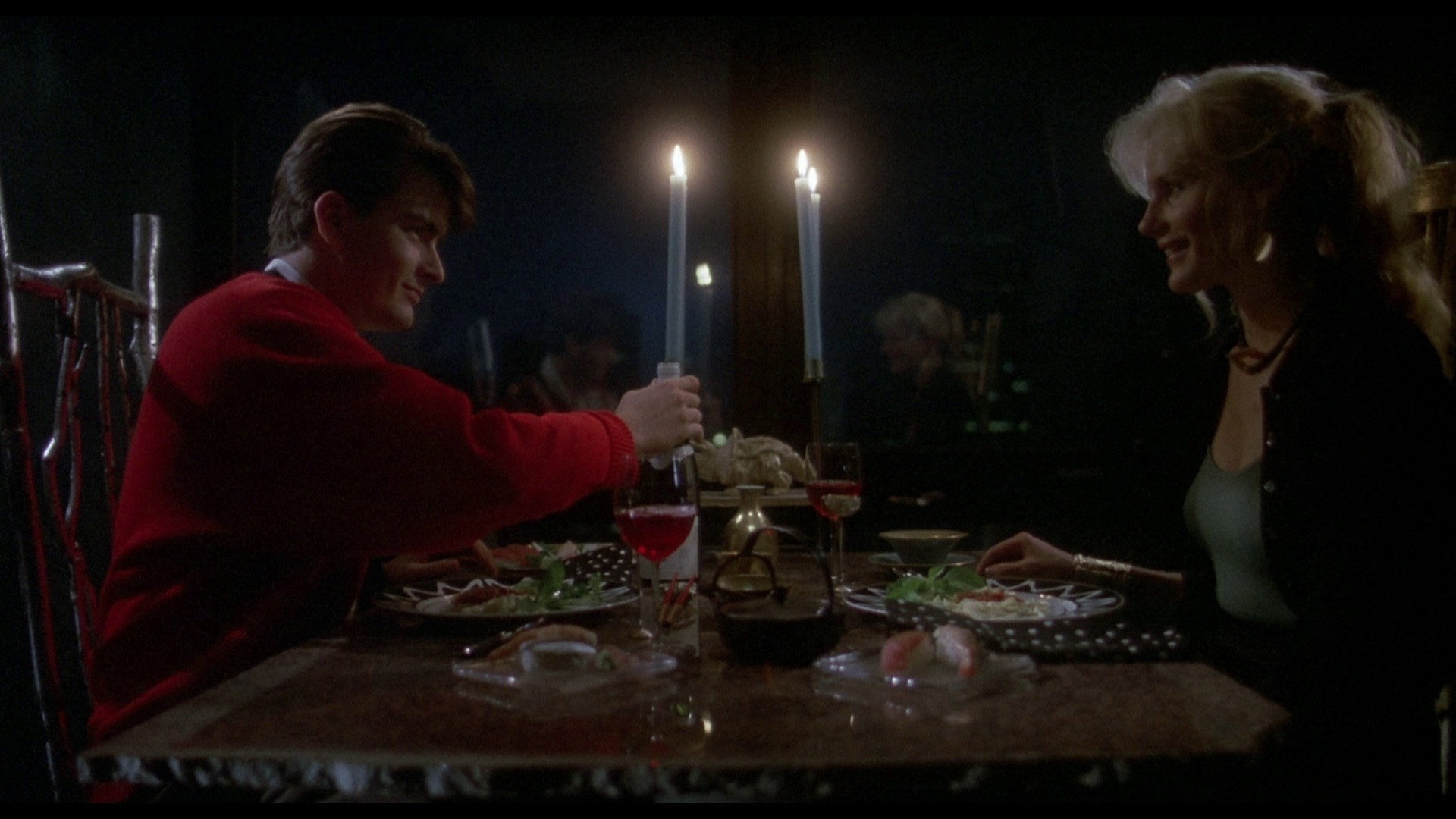
Stephen Hendrickson’s production design makes the expensive surroundings tempting enough to explain some of Bud’s hunger. We need to believe that this comfort is desirable, and the film allows us to look before asking us to disapprove. Stewart Copeland’s score adds to the impatience, helping the financial business hold our attention. The combined effect is persuasive: the pursuit of wealth looks exciting, and the people doing the pursuing have plenty of encouragement to keep going.
The weakness is Stone and Weiser’s lack of confidence in what the audience can infer. Their longer statements about money leave less space for the characters to surprise us, and the broader dramatic writing can make a difficult decision seem prearranged. The objections to Gekko deserve to be as interesting as Gekko himself. Instead, we too often hear the film setting out the correct position, after Douglas has made the wrong one sound far more inviting.
Crime dramas need to make wrongdoing attractive if they want us to understand why anybody bothers with it. On that measure, Wall Street works: Douglas makes the invitation credible, and Stone gives the business enough energy to sustain our attention. The lack of subtlety is a real limitation, but it does not cancel out the pleasure of watching an actor control a film so completely. Choose it for Douglas; patience with the lectures is the price.