Film review

The Big Short

2015 · Directed by Adam McKay · 2h 11m · MPA R

In a sentenceA funny finance lesson with a Jenga tower and nobody we would trust with our savings

ComedyDrama

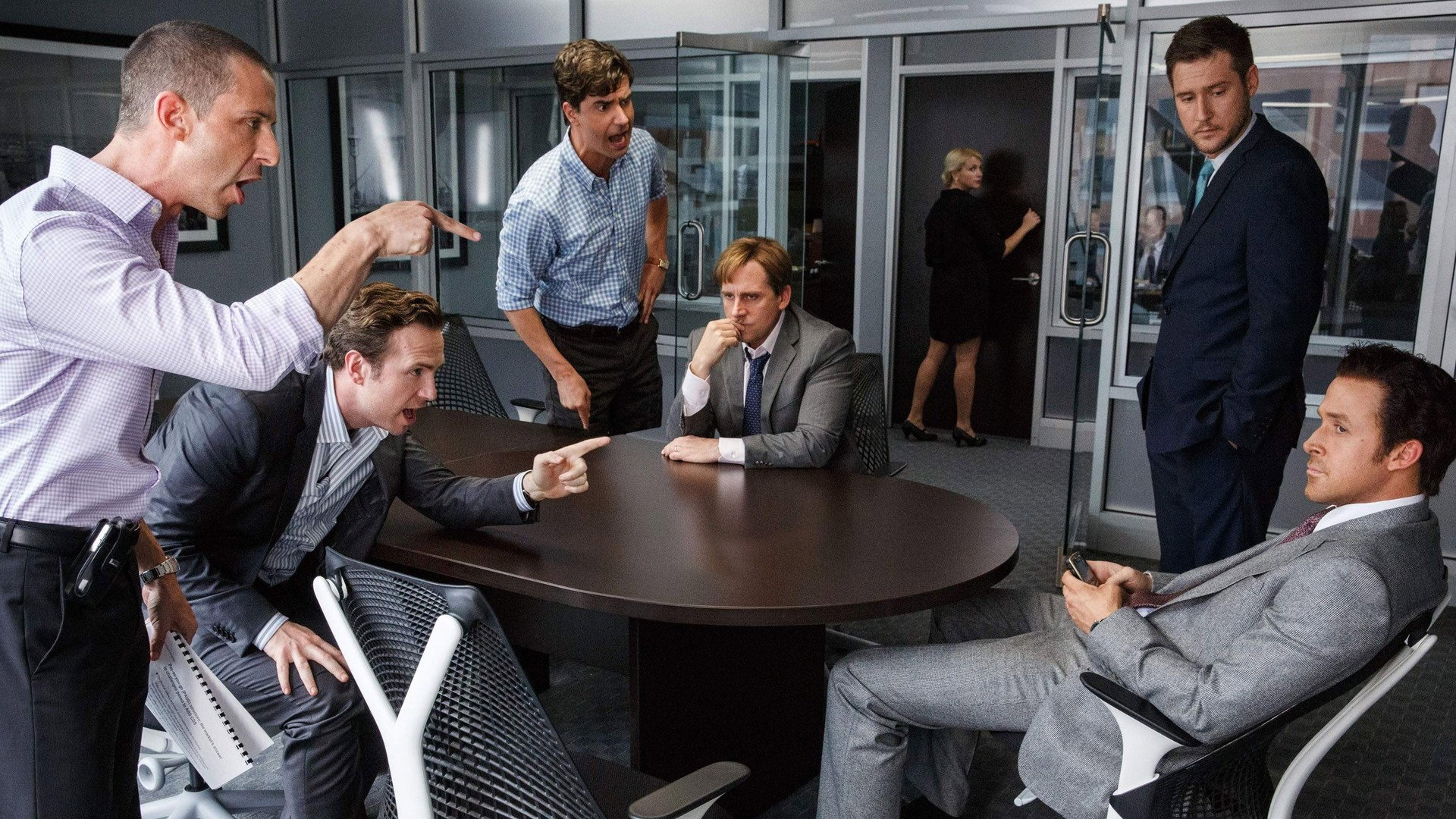
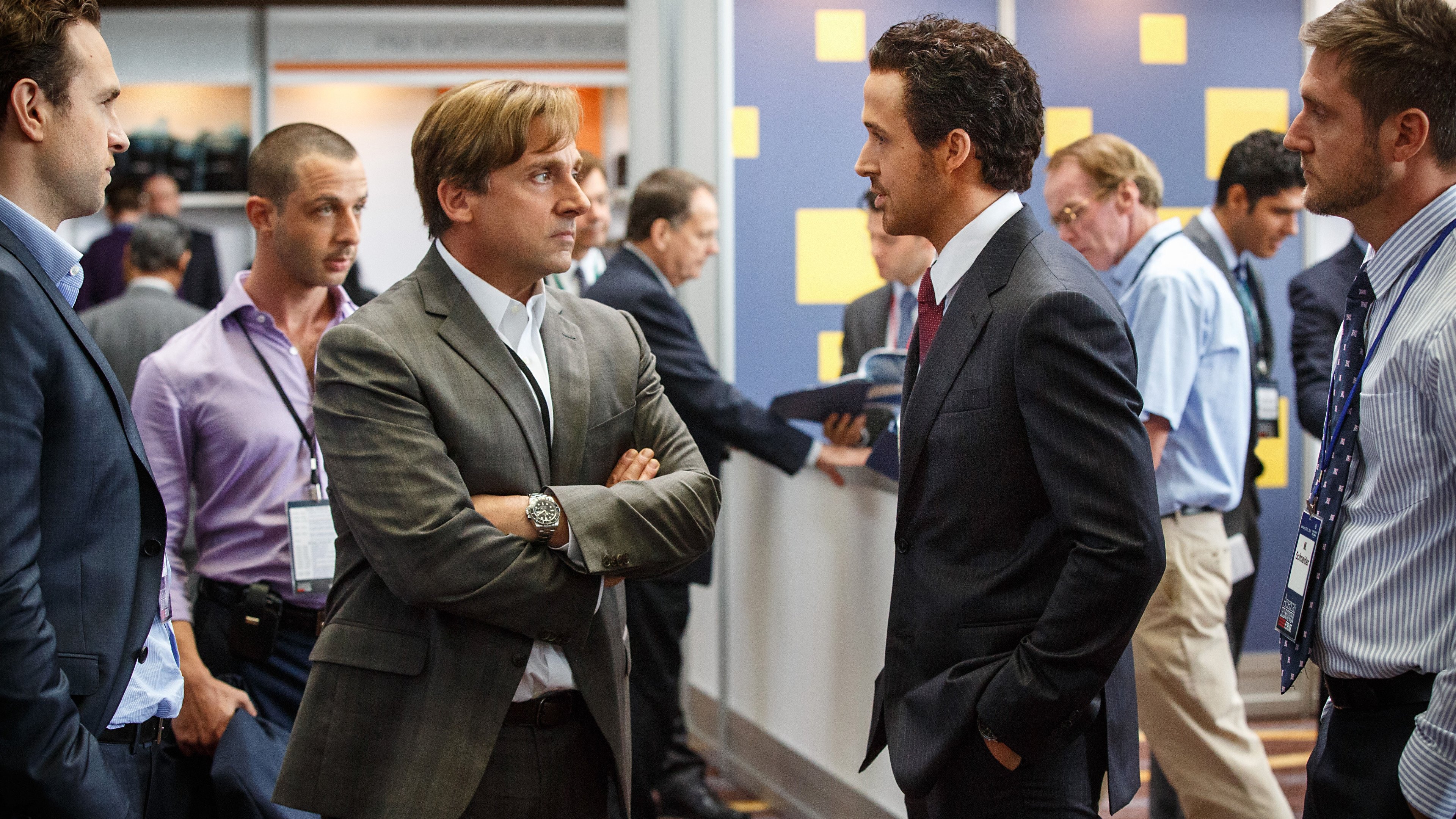
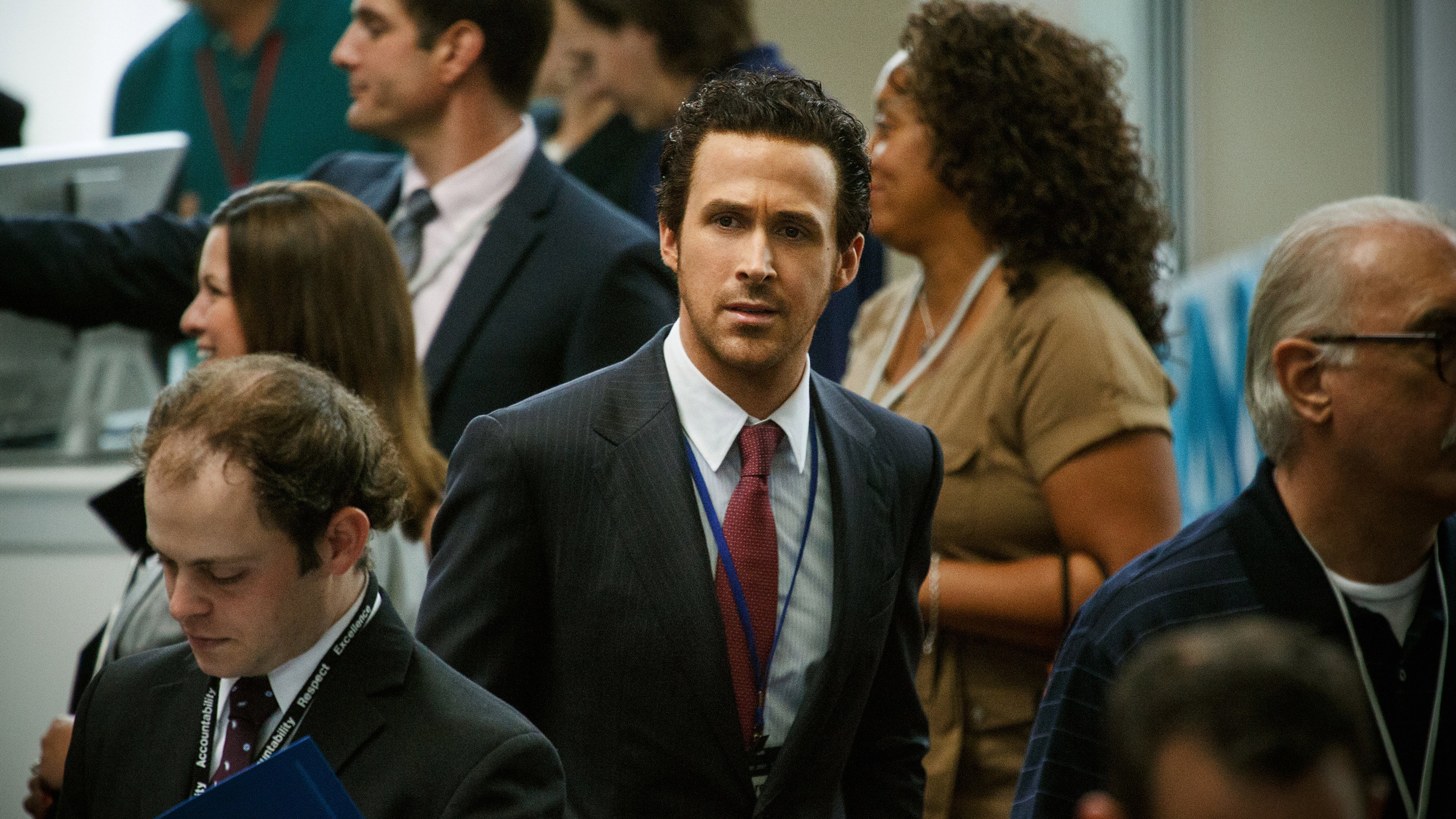
In the run-up to the 2008 financial crisis, Michael Burry (Christian Bale), Mark Baum (Steve Carell) and Jared Vennett (Ryan Gosling) see an opportunity in Wall Street’s credit bubble. They want to make money by betting against a market whose confidence makes their wager look absurd. As they pursue the bet, financial terminology gives way to direct addresses to the camera, celebrity explanations and a Jenga tower. The mechanics become clearer, along with the question of what has to go wrong for these men to be right.

Plays from YouTube when you press play; nothing loads from them until then.

Fi1m review

Adam McKay makes financial jargon funny without making the greed behind it harmless. The Big Short is an angry, absorbing comedy, though its constant interruptions occasionally suggest it trusts the audience less than it should.

Adam McKay makes a financial-crisis comedy in which understanding the deal is part of the entertainment. The people betting against the market give us somebody to follow, although their wager makes uncomplicated cheering difficult. The Big Short is funny, absorbing and worth the effort its terminology demands, with a nagging habit of explaining something and then checking that we have understood. Its anger usually earns its place because the script takes the trouble to explain what these people stand to gain.

Screenwriters Adam McKay and Charles Randolph treat the financial vocabulary as something a comedy can use, rather than an obstacle to be hurried past. Characters address the camera, celebrities supply explanations, and a Jenga tower helps explain the risk. We laughed at that demonstration, then felt uneasy about how much we enjoyed it. Reducing the wager to a tabletop game makes it graspable. It also makes it easy to forget, for a moment, that the stakes extend beyond the men placing the bet.

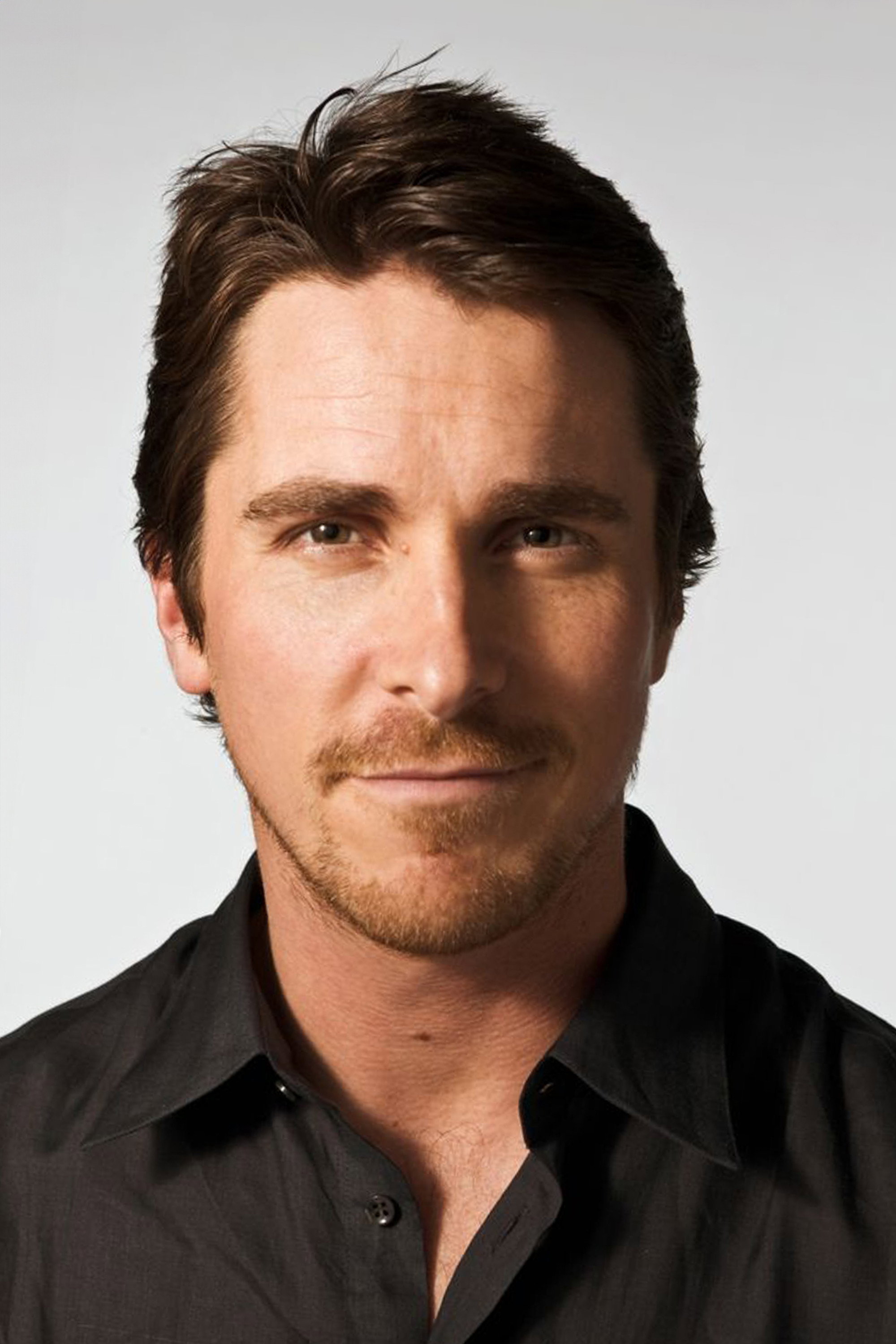
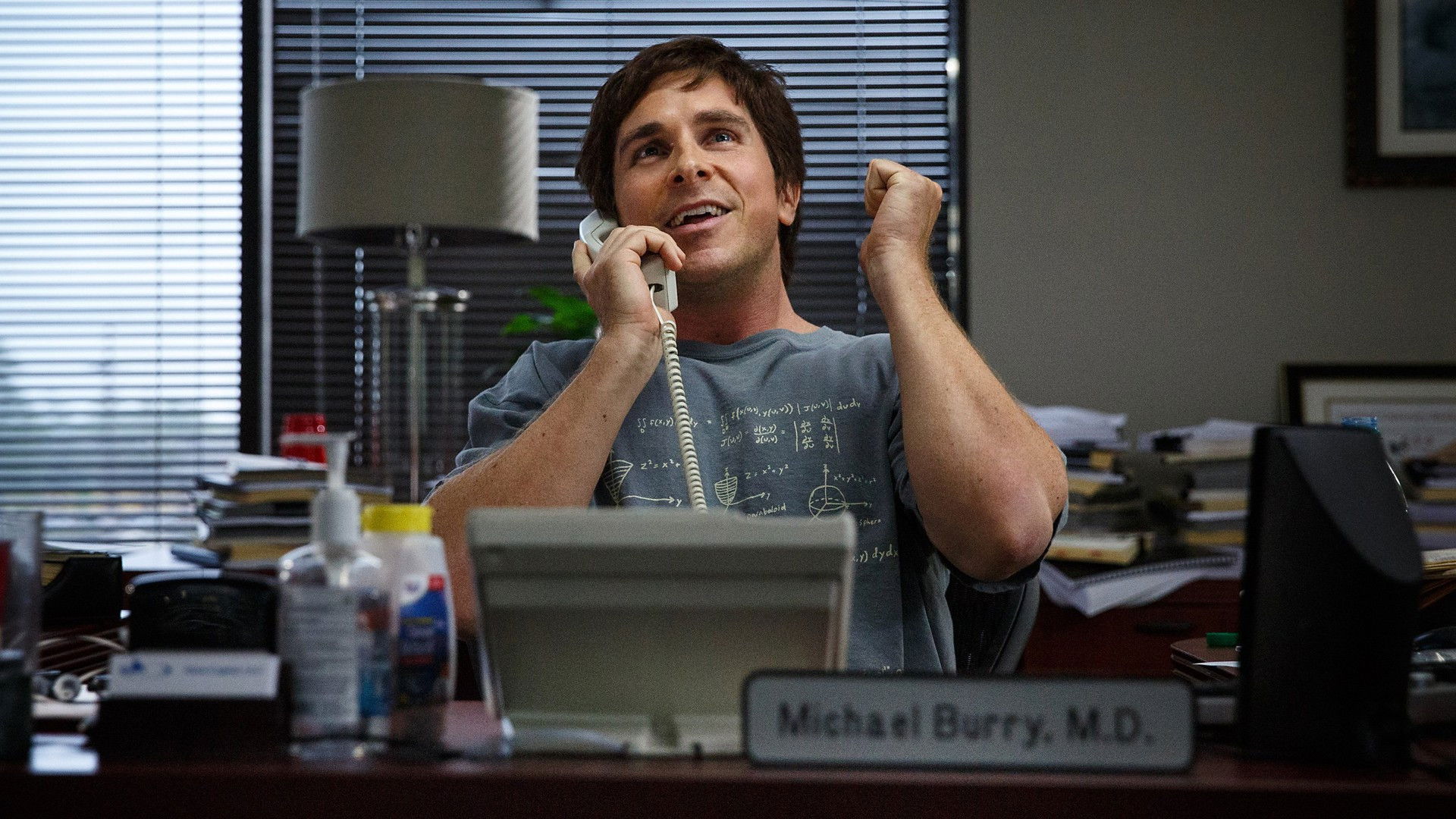
Christian Bale gives Michael Burry a fragility that helps the character survive the film’s fondness for eccentricity. We can follow his concentration without being asked to admire every oddity, and the performance holds our attention even when the film is busy showing off elsewhere. Steve Carell’s Mark Baum provides a more combustible presence, giving the anger a human source instead of leaving it all to the script. Ryan Gosling’s Jared Vennett supplies some welcome comic ease amid the more strenuous performances. None needs to be made admirable for the scenes to work.

Barry Ackroyd’s restless cinematography keeps the exchanges from settling into a comfortable procession of explanations. The camera’s agitation suits people who think faster than they listen, though there are times when a steadier look would make a complicated point easier to follow. Hank Corwin’s editing works in the same impatient spirit, cutting the lectures into a comedy rhythm. The jolts are often funny, but their frequency can start to feel automatic, as if a quiet passage might be mistaken for a failure.

Clayton Hartley’s production design is sensibly unobtrusive, leaving the actors plenty of room to make these financial dealings look absurd. The setting feels credible without demanding the attention that the camera movements and interruptions do. Nicholas Britell’s music offers some relief from the more insistent comic rhythms. That restraint helps, because the film already has enough people competing to tell us how extraordinary all this is.

The irritation is that the film sometimes mistakes our need for information for an inability to pay attention. A fourth-wall interruption can clarify a transaction; several in succession can make us feel that we are being hurried through it. The broad character quirks also mean that a few people register more quickly than they deepen. At 131 minutes, the repetition takes some of the force out of a technique that works well when used selectively.

A financial satire needs to make the business interesting enough for the jokes to matter, and this one does. We are allowed to understand why a bet is tempting, and to feel the discomfort of finding it tempting ourselves. That is enough to forgive some overemphatic teaching. Watch it with someone who will want to argue about the men placing those bets.

Critical consensus AI synthesised

75
Positive
16
Mixed
3
Negative
1

Most critics find The Big Short an energetic, angry comedy that makes the financial crisis understandable without making it comfortable. Praise centres on McKay’s irreverent direction, the celebrity explanations and fourth-wall breaks that turn financial jargon into accessible entertainment. The ensemble also draws broad approval, with Christian Bale and Steve Carell singled out, while many reviews value the uneasy humour of following people who stand to profit from collapse.

The spread is wide despite the positive majority, and the explanatory devices are a particular dividing point. Slant Magazine finds the direct address condescending and the camerawork distracting; The Hollywood Reporter finds the comedy strained and the repeated discussions of finance wearying. Other reservations concern uneven pacing and the balance between comedy and suffering, while Sight and Sound offers a more specific objection: the film gives economists and regulators too little attention when assigning responsibility.

Vulture
29 November 2015 · Bilge Ebiri
90*

The critic calls it a rollicking bad time that turns the meltdown into a heist comedy while elucidating fraud with rigor. It singles out the inventive syntax, celebrity explainers, and brilliant paradox of rooting for economic collapse.

Read the full review →
IndieWire
13 November 2015 · B+
83

The review praises the film's energetic and absorbing take on the financial crisis through McKay's surreal vision. It highlights inventive explanations of jargon and irreverence but notes it becomes incensing in the third act.

Read the full review →
Radio Times
★★★★ · Emma Simmonds
80

The critic praises the film's masterful swing between irreverence and incredulity, its energetic style that apes high finance, fun explanations of concepts and uniformly superb cast. It highlights how the film remains entertaining and accessible while exposing moral compromises and injustices.

Read the full review →
Screen Daily
13 November 2015 · festival review
80*

The review describes the film as a cleansing blast of outrage and scorn, a wildly entertaining satire that makes dry economic terminology engrossing with a strong cast and prescient thesis about unpunished Wall Street crooks. It notes it can be uneven or strident but finds it rollicking and cathartically funny.

Read the full review →
The Guardian
24 January 2016 · Peter Bradshaw
80*

The critic praises the film as a riveting and engrossing tragicomic drama about the 2008 financial crisis, highlighting its blend of insight and satirical bite in depicting misfits who profited from the crash.

Read the full review →
The Telegraph
21 January 2016 · ★★★★
80

The critic calls it an uproarious satire that makes complex financial concepts funny while exposing the scumbags of Wall Street, noting its appeal to awards voters.

Read the full review →

Cast

Stills

Awards

Academy Awards, 2016

Nominated
Best Director
Nominated
Best Film Editing
Nominated
Best Picture
Nominated
Best Supporting Actor
Won
Best Writing, Adapted Screenplay

If you liked this, try…

Margin Call poster

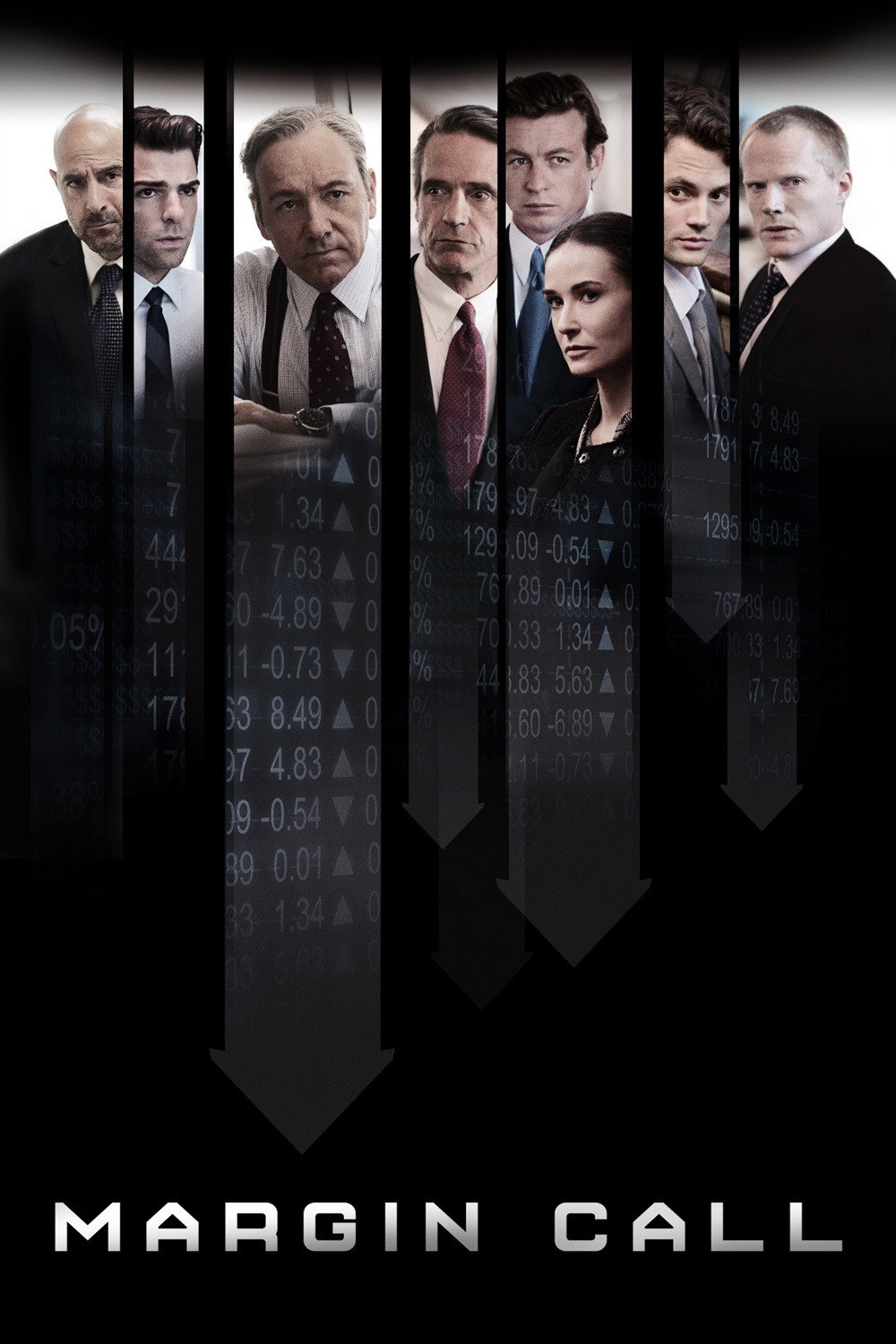
Margin Call

2011 · A quieter account of financial panic, with closer attention to individual complicity.

Inside Job poster

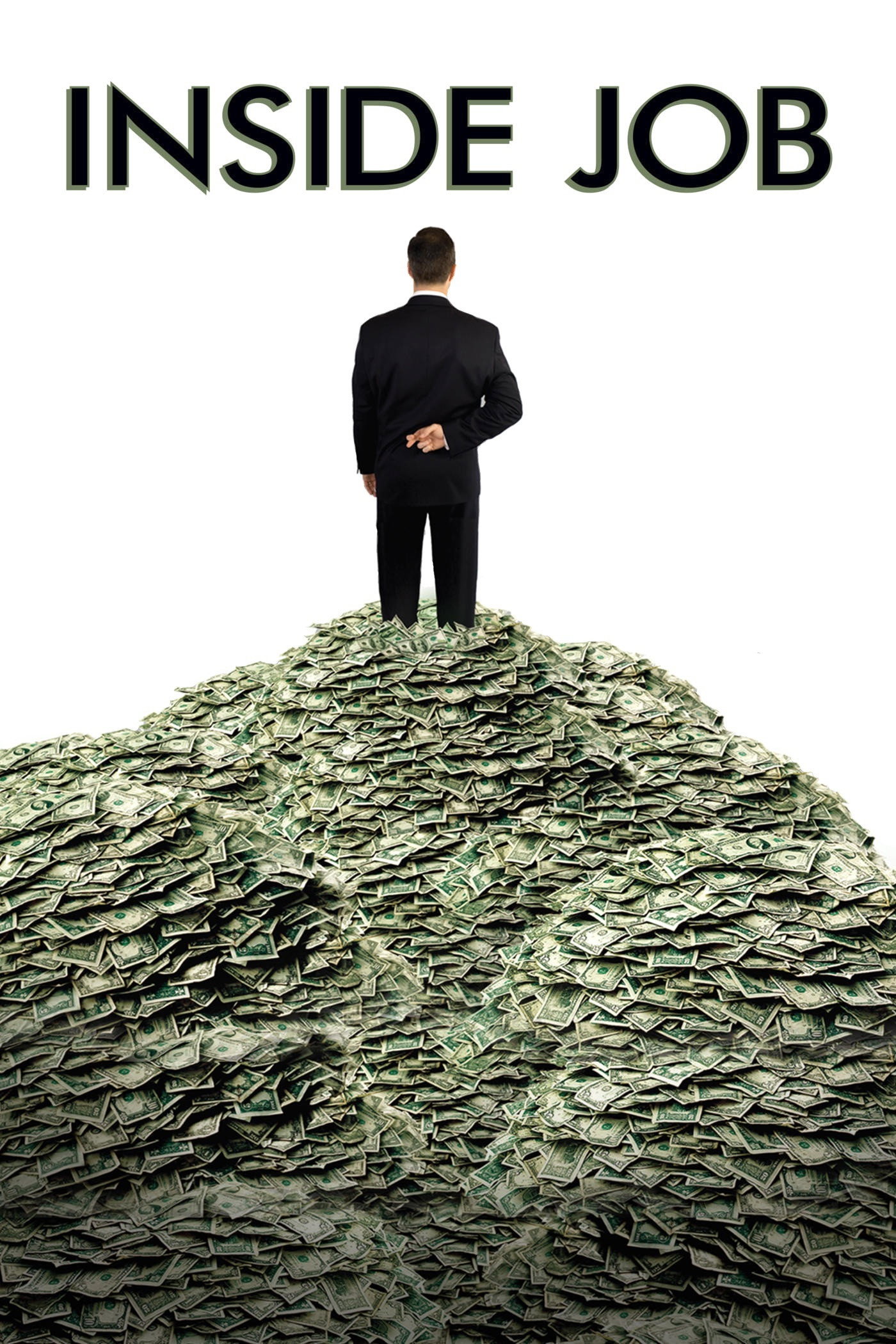
Inside Job

2010 · For a documentary’s broader examination of the institutions behind the financial crisis.

Trading Places poster80

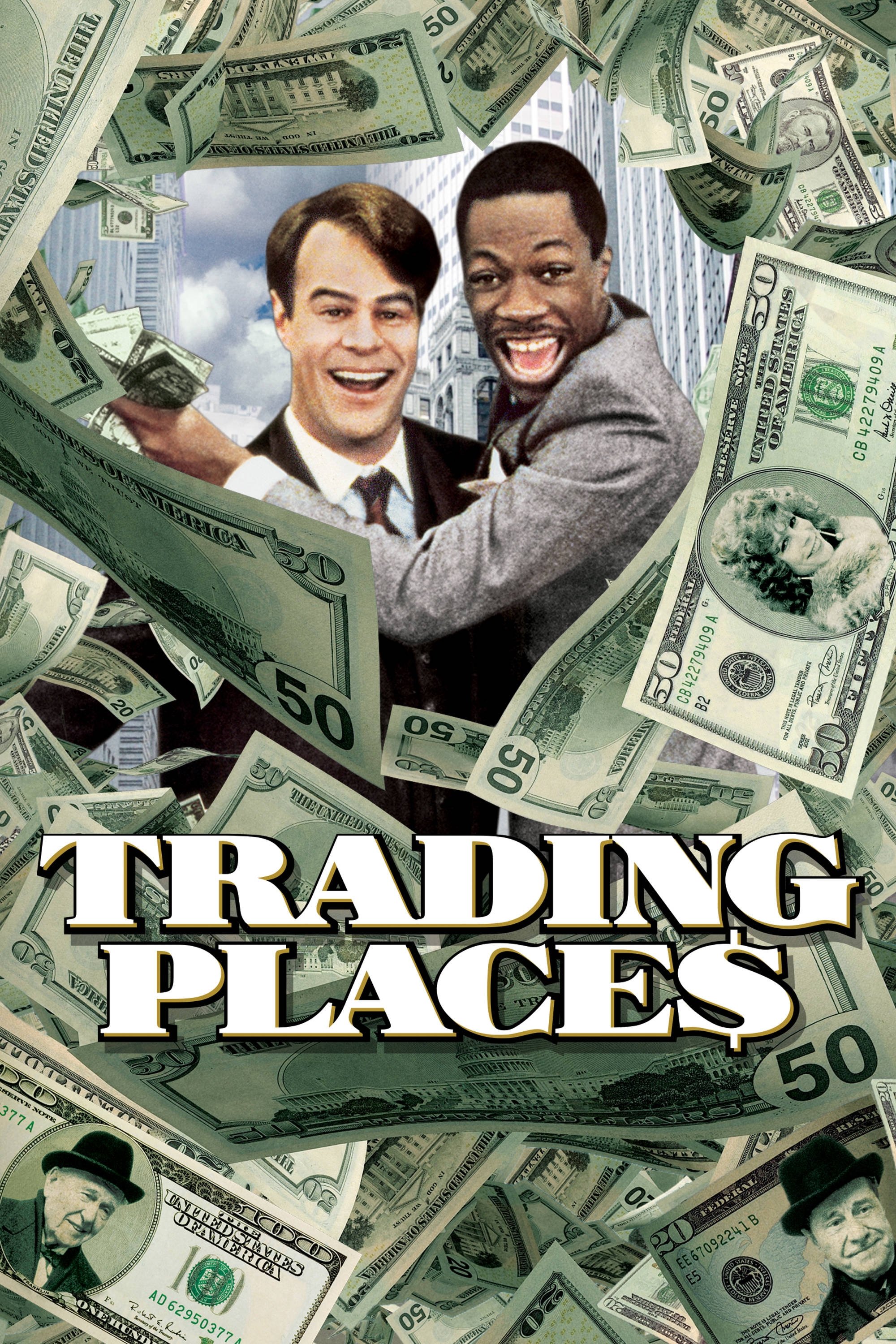
Trading Places

1983 · Financial scheming becomes broad comedy, with greed kept firmly in view.

L'Argent poster

L'Argent

1983 · A colder account of money’s damage, following consequences far beyond the initial transaction.

The Great McGinty poster

The Great McGinty

1940 · Political corruption made funny without much faith in the men profiting from it.