Film review

Glengarry Glen Ross

1992 · Directed by James Foley · 1h 40m · MPA R

In a sentenceA sales office where even asking for a little kindness requires a sales pitch

CrimeDramaMystery

Real-estate salesmen Shelley Levene (Jack Lemmon) and Ricky Roma (Al Pacino) work in a business where persuasion determines who gets to keep earning. Under pressure, the men struggle to maintain their confidence and standing among colleagues. Dave Moss (Ed Harris), George Aaronow (Alan Arkin), John Williamson (Kevin Spacey) and Blake (Alec Baldwin) share their cramped professional world. Conversations become contests, with fear and resentment surfacing in arguments about work and success. James Foley directs David Mamet’s adaptation of his own play, following men who spend their working lives talking and cannot afford to be ignored.

Plays from YouTube when you press play; nothing loads from them until then.

Fi1m review

James Foley makes a gripping drama from David Mamet’s salesmen and their exhausting talk. Jack Lemmon makes their desperation painful to watch, though the script sometimes repeats what the actors have already made clear.

James Foley’s Glengarry Glen Ross is a gripping, often painfully funny film about men who cannot stop selling, even to one another. David Mamet’s real-estate salesmen bring the same pressure to conversations with colleagues that they bring to their work, measuring every exchange for signs of weakness. That could become exhausting, and occasionally does. What makes it worth the punishment is the care with which the actors distinguish one man’s fear from another’s, even when they appear to be shouting much the same thing.

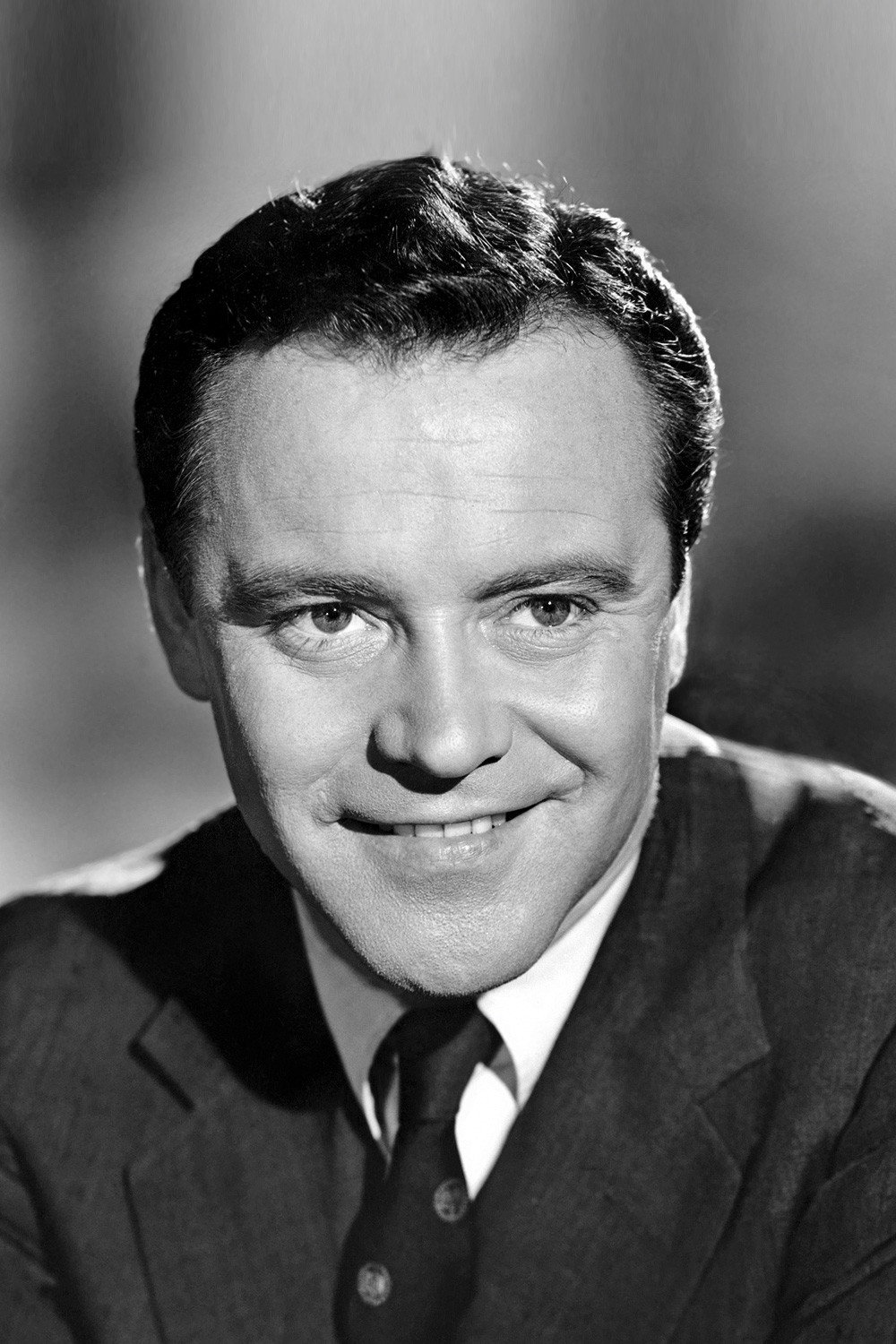
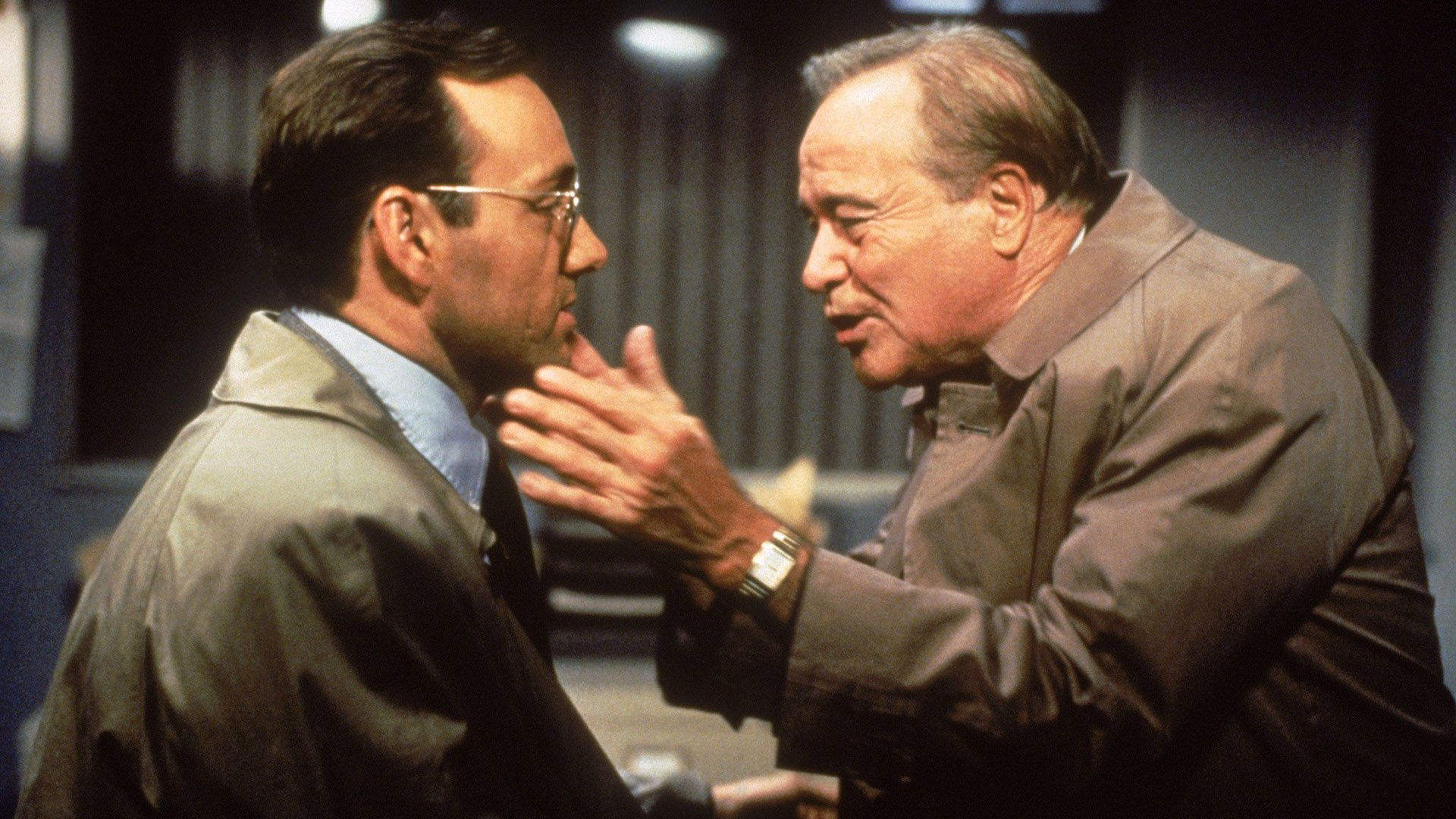
Jack Lemmon’s Shelley Levene gives that fear its most painful form. He makes the effort of sounding persuasive apparent in the repeated phrases, as though saying something again might recover the confidence that failed him the first time. We winced at his attempts to sound in command, because Lemmon keeps making the desperation audible beneath them. He also allows us to understand why Levene might exhaust everyone around him. We do not have to find the man endearing to care about his distress.

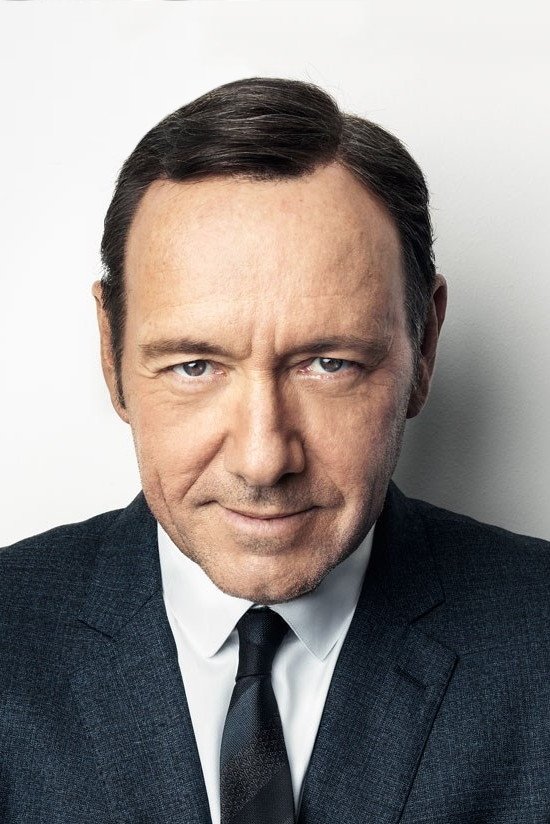
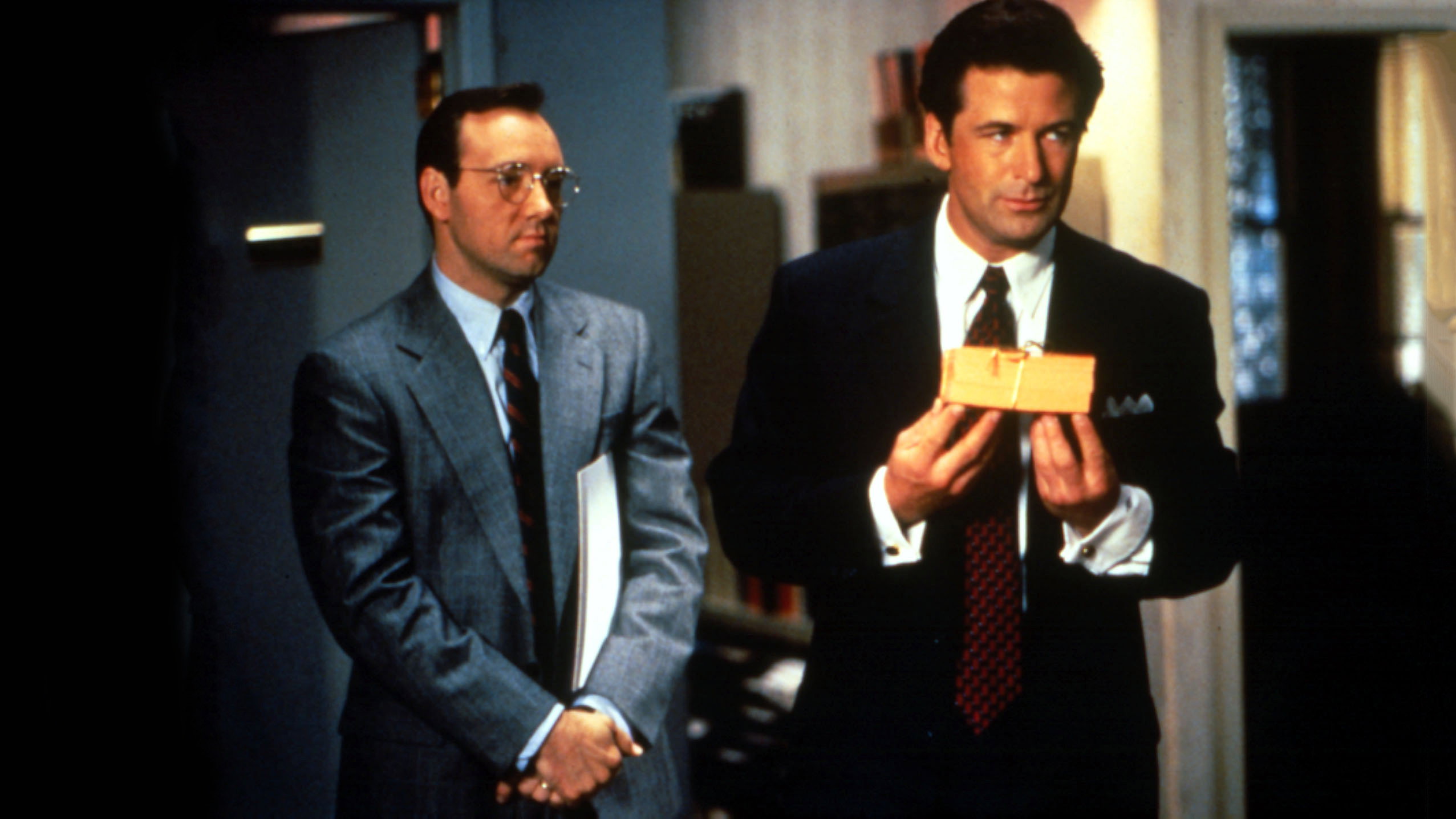
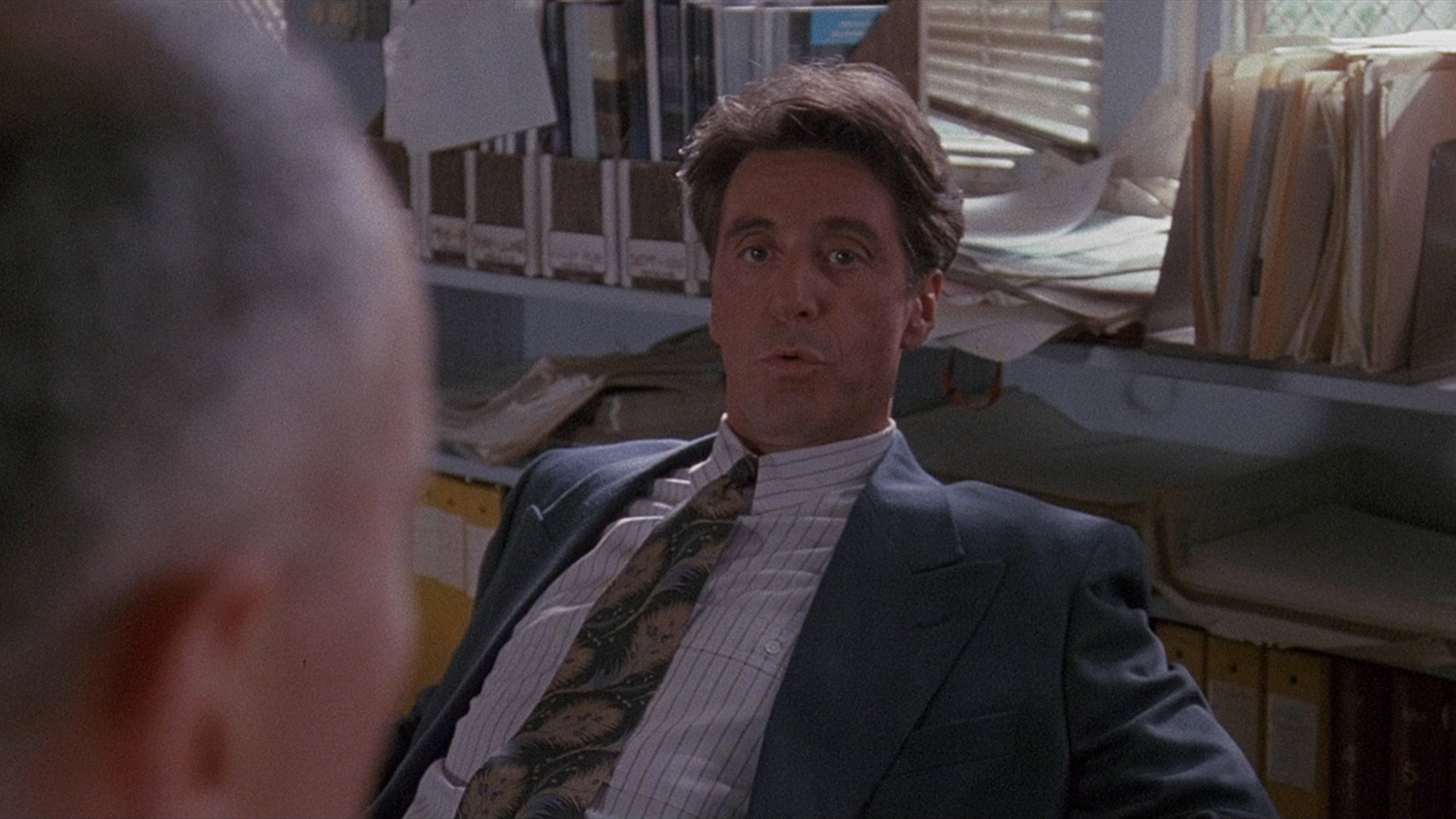
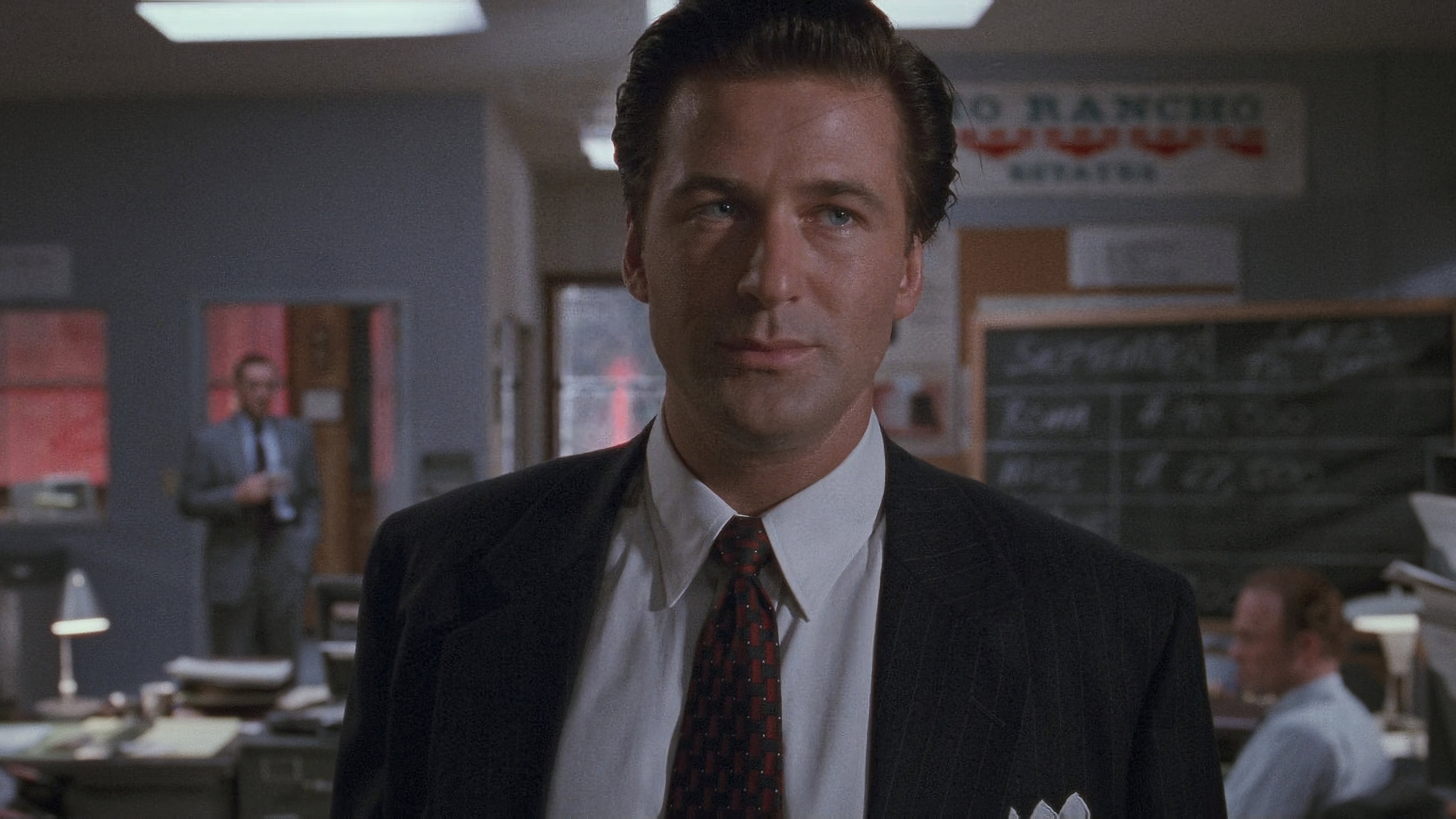
Al Pacino’s Ricky Roma is more assured, and the ease with which Pacino handles Mamet’s elaborate talk makes that assurance faintly alarming. We can understand why somebody might keep listening against their better judgement. Ed Harris makes Dave Moss’s anger feel practised, while Alan Arkin gives George Aaronow a hesitancy that changes the pace around him. Kevin Spacey’s John Williamson brings a useful chill to the exchanges. Alec Baldwin’s Blake supplies blunt intimidation in a brief appearance.

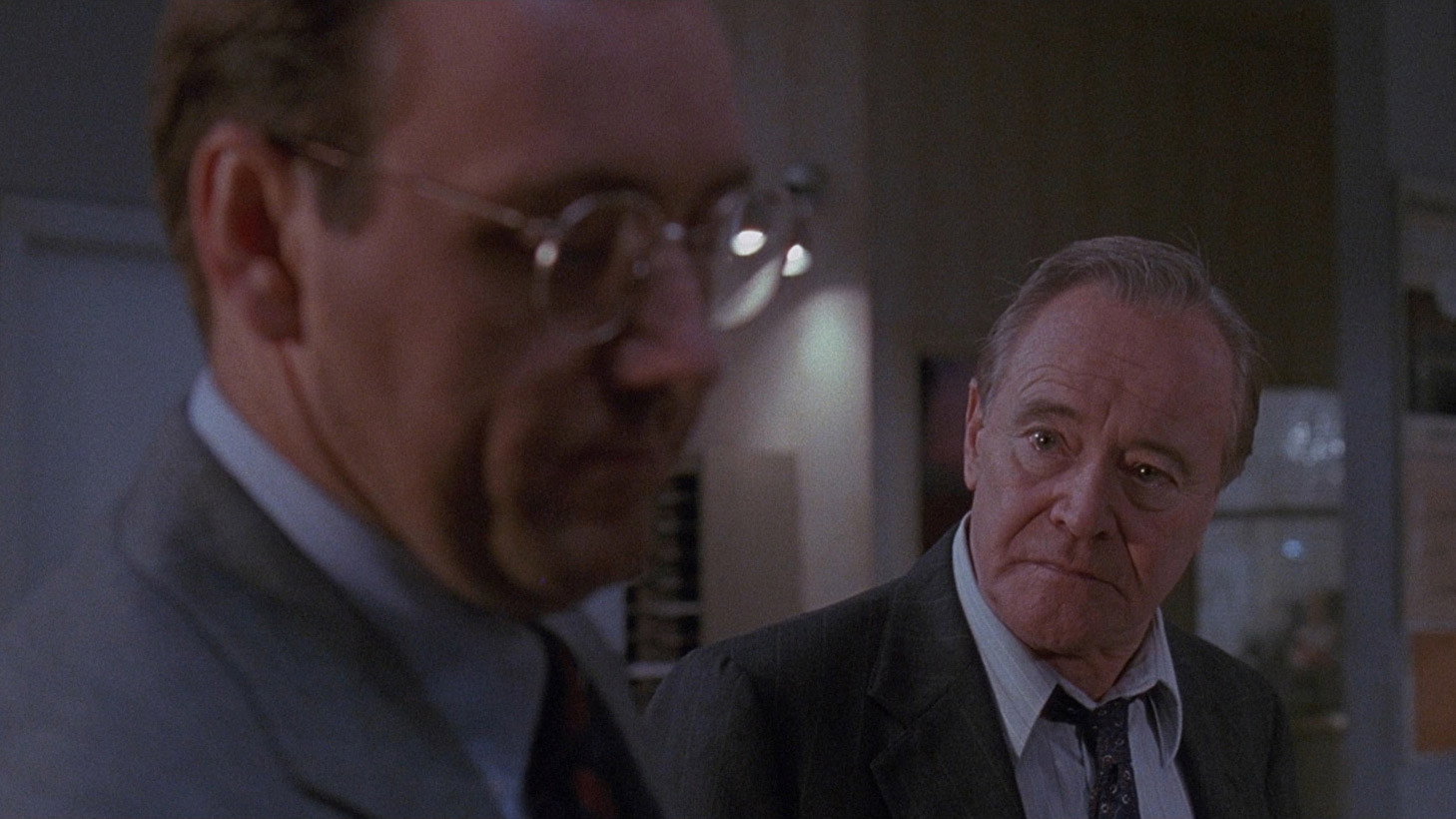
Foley’s close-ups are crucial, giving the listeners as much of our attention as the speakers. Cinematographer Juan Ruiz Anchía keeps the men feeling boxed in, so the images never offer much relief from their arguments. Jane Musky’s dark, cramped production design gives the office a plausible everyday unpleasantness. It feels like somewhere these men have spent too much of their lives.

Howard E. Smith’s editing makes it possible to follow who has the advantage as an exchange becomes more aggressive. The repetitions remain uncomfortable, but we are not left wondering why a conversation matters to the people having it. James Newton Howard’s music helps sustain the unease without competing with the dialogue for our attention. That restraint works here, because the actors supply so many changes of pace and emphasis themselves.

Mamet does sometimes press the misery harder than necessary, repeating a point that a performance has already made. The consensus is cooler than we are, with objections to that insistence and to how little the film gains by leaving the stage. We think the latter complaint undervalues Foley’s close-ups. For a chamber drama, watching someone absorb a remark before deciding how to answer is enough to justify bringing the camera closer.

These are demanding companions for 100 minutes, and the profanity can be as tiring as the pressure. Give the film your full attention, since a hesitation here matters as much as an insult. Choose an evening when work has treated you kindly.

Critical consensus AI synthesised

4 of 6
Positive
2
Mixed
1
Negative
1
Time Out
10 September 2012 · BC
65*

The film adaptation of David Mamet's play about real-estate salesmen features strong performances from a stellar cast but adds little to the stage version by moving outside the office. It remains a claustrophobic tale of men under pressure, with Mamet's dialogue fitting the accents perfectly.

Read the full review →
The New Yorker
28 September 1992 · Michael Sragow
40*

The movie hammers the plot too relentlessly and spells out despair too explicitly, failing as a recession parable, though strong performances from Harris, Arkin, Pacino, and Spacey provide relief.

Read the full review →
Empire
1 January 2014 · Barry McIlheney

The film works even better on the small screen, recapturing the claustrophobia and intensity of Mamet's stage work through its foul-mouthed, realistic dialogue and ensemble performances. Jack Lemmon stands out as the desperate Shelley Levene, supported by strong turns from Pacino, Baldwin and others in this searing indictment of American dreams.

Read the full review →
Los Angeles Times
30 September 1992 · Kenneth Turan

Mamet's profane, poetic dialogue drives this ferocious portrait of desperate real-estate salesmen, brought to vivid life by a flawless high-profile cast under Foley's discreet direction, with Lemmon's performance standing out.

Read the full review →
The Hollywood Reporter
30 September 1992 · Henry Sheehan

The film adaptation turns David Mamet's harsh drama about desperate real estate salesmen into an actors' showcase with a conventional whodunit plot. The strong cast, particularly Jack Lemmon and Al Pacino, individualizes the brutal dialogue, while director James Foley uses close-ups effectively and the production design creates a dark, cramped world.

Read the full review →
The New York Times
30 September 1992 · Vincent Canby

The film is a splendid adaptation of Mamet's play, with an ensemble cast delivering career-best work in a mordantly funny take on salesmen and capitalism.

Read the full review →

Cast

Stills

Awards

Academy Awards, 1993

Nominated
Best Supporting Actor

If you liked this, try…

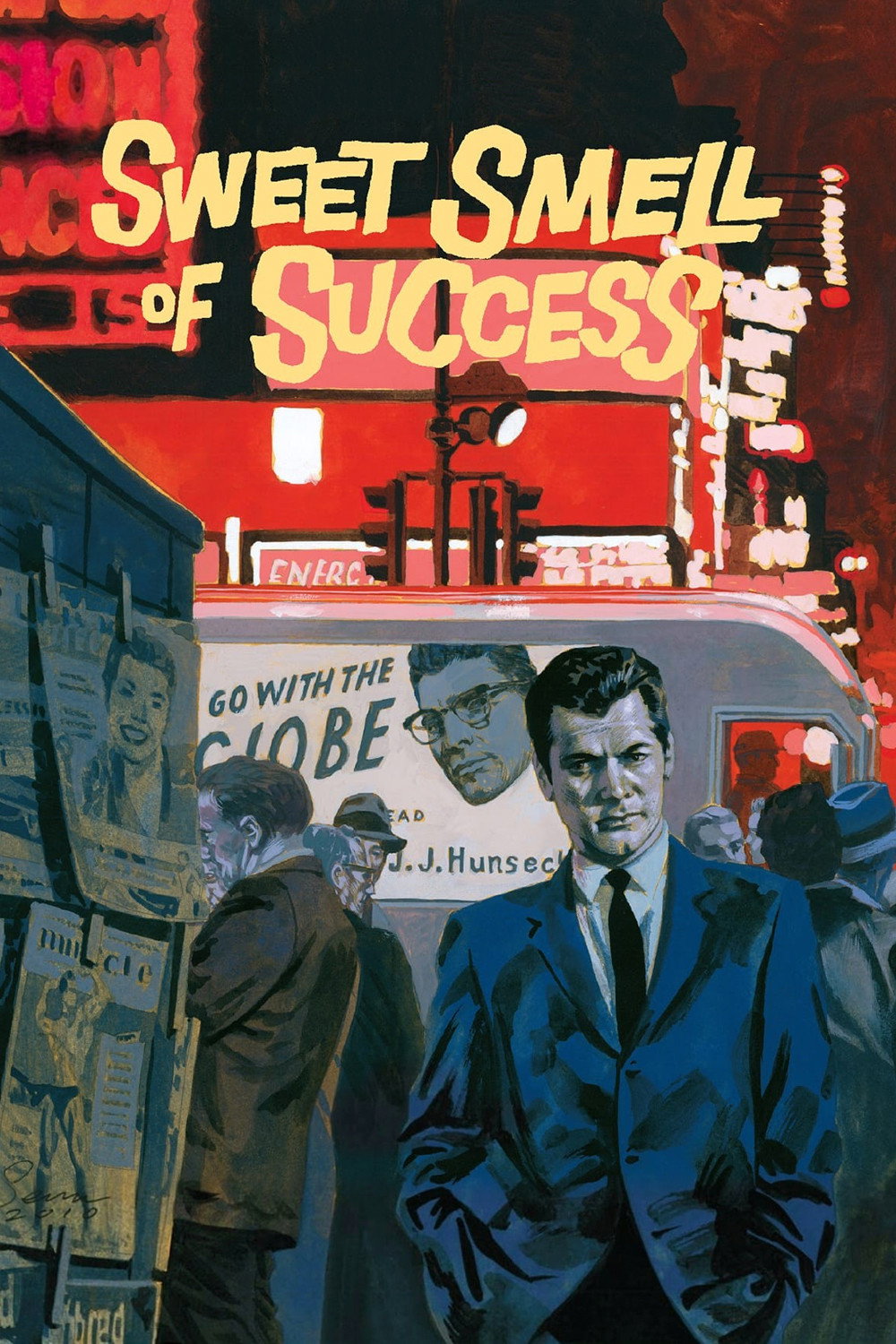
Sweet Smell of Success poster

Sweet Smell of Success

1957 · More poisonous persuasion, with every conversation threatening to ruin somebody’s livelihood

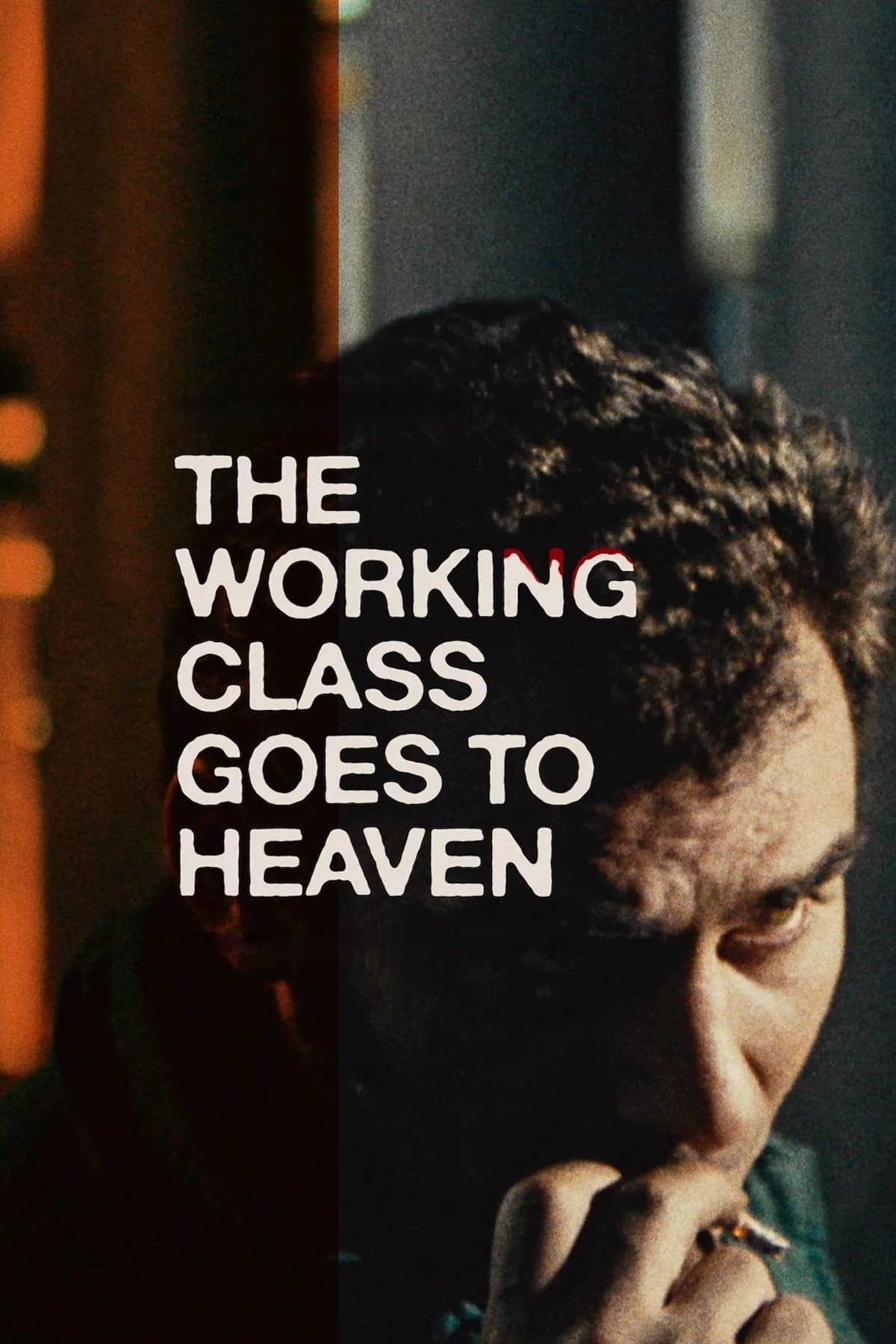
The Working Class Goes to Heaven poster

The Working Class Goes to Heaven

1971 · Factory labour supplies a different setting for work that wears people down

Death of a Salesman poster

Death of a Salesman

1985 · For more salesmanship, family strain and the terror of becoming professionally disposable

The Measure of a Man poster

The Measure of a Man

2015 · A quieter account of work that makes ordinary decency difficult to afford

The Assistant poster

The Assistant

2019 · Office cruelty delivered through small requests and the things nobody will say