The Maysles brothers and Charlotte Zwerin follow four Bible salesmen from Boston kitchens to Florida motels and never tell you what to think. The best film we know about selling, and one of the saddest; the camera is not quite as invisible as it pretends.
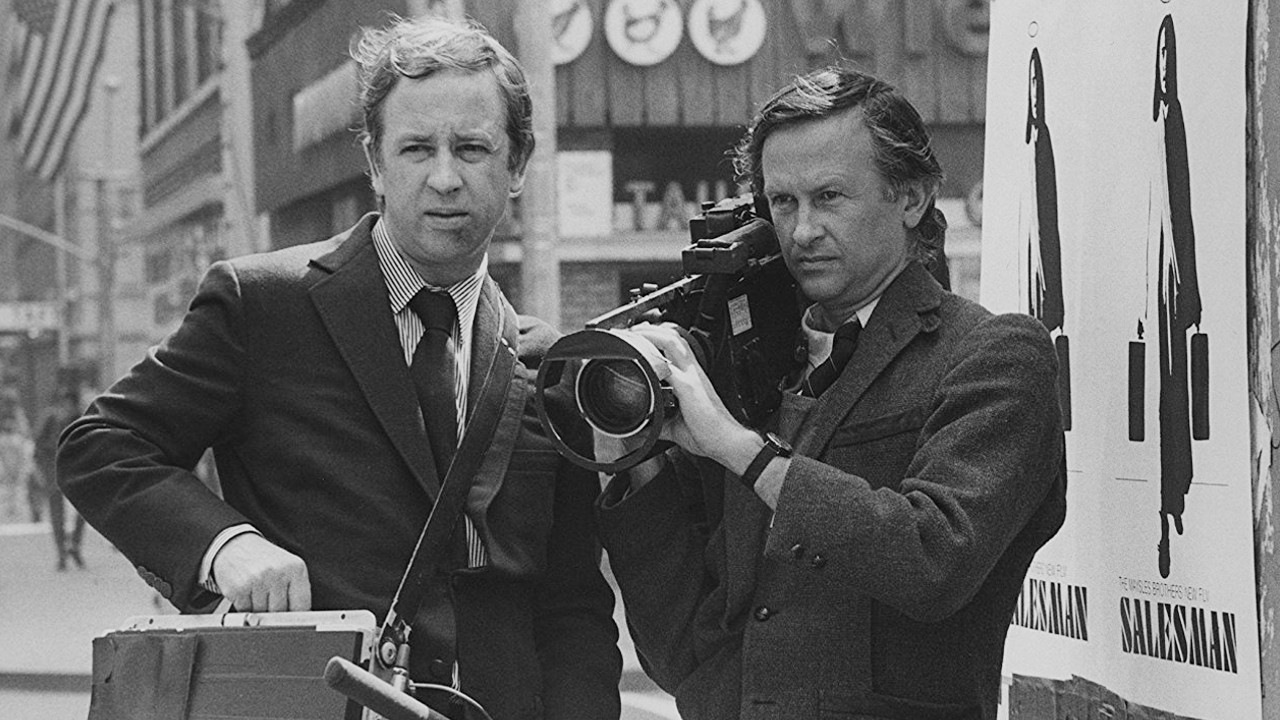
Albert and David Maysles, with Charlotte Zwerin sharing the directing and the editing, made a film with no narrator, no interviews, no score and no argument they were prepared to say out loud. Its subject is four men who sell Bibles door to door. Its method is to follow them and keep quiet. It is 90 minutes long and it wastes none of them. More than fifty years on, it is still the best film we know about the job of selling, and one of the saddest films about work we have seen.
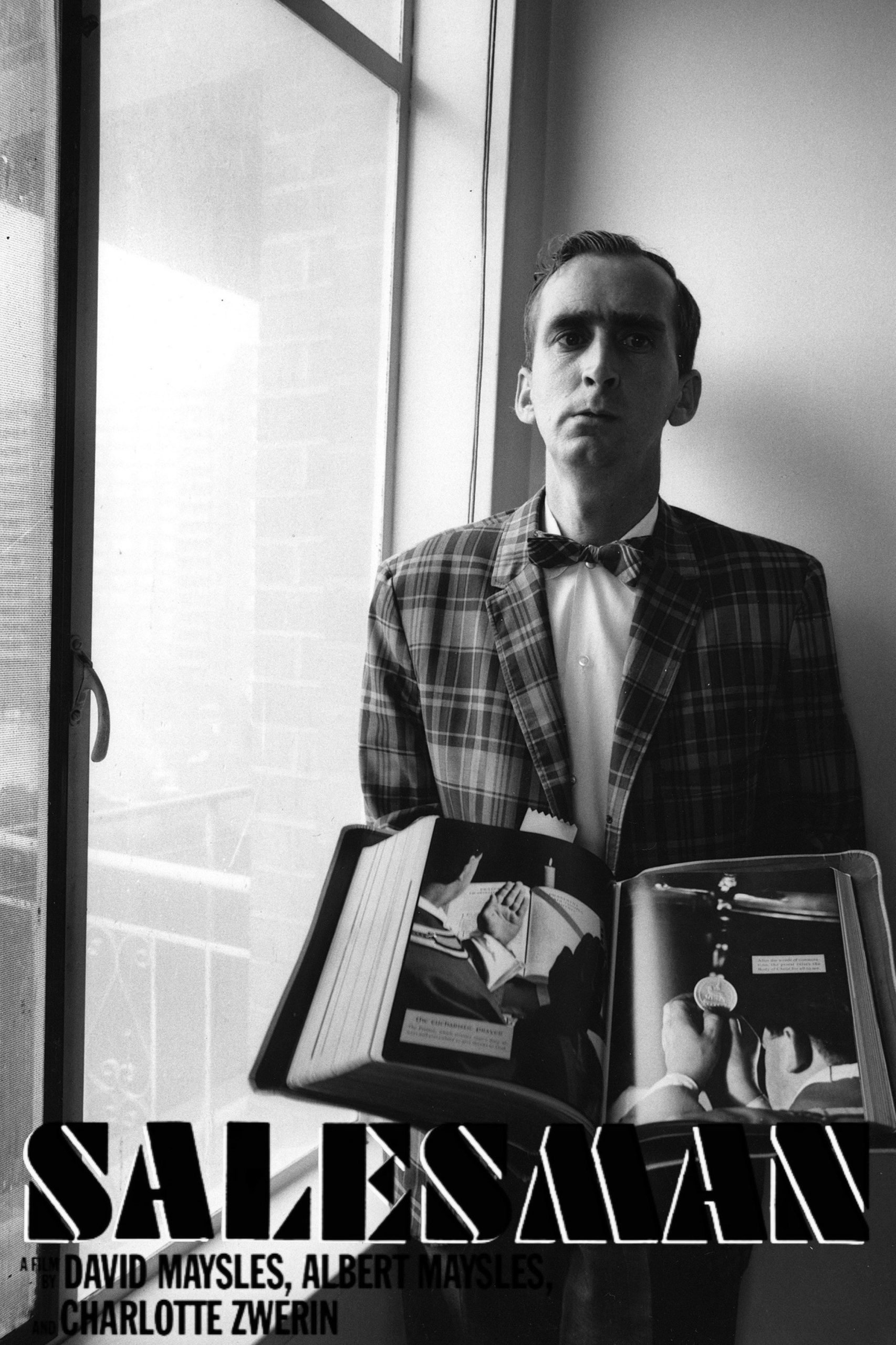
The product is a large illustrated Bible, payable in instalments, and the men have an answer for every reason a household might have for not wanting one. Their leads come from the parish; they arrive on the doorstep already knowing the name of the priest. Paul Brennan, called ‘The Badger’, has the best patter and the worst luck. Early on, in a Boston kitchen, a woman keeps trying to say no and is talked past every time, and we were embarrassed for her, then for him, then for ourselves, because we had been laughing. Nothing in the framing tells us how to take it. Albert Maysles simply stays in the corner of the kitchen with his camera and waits.
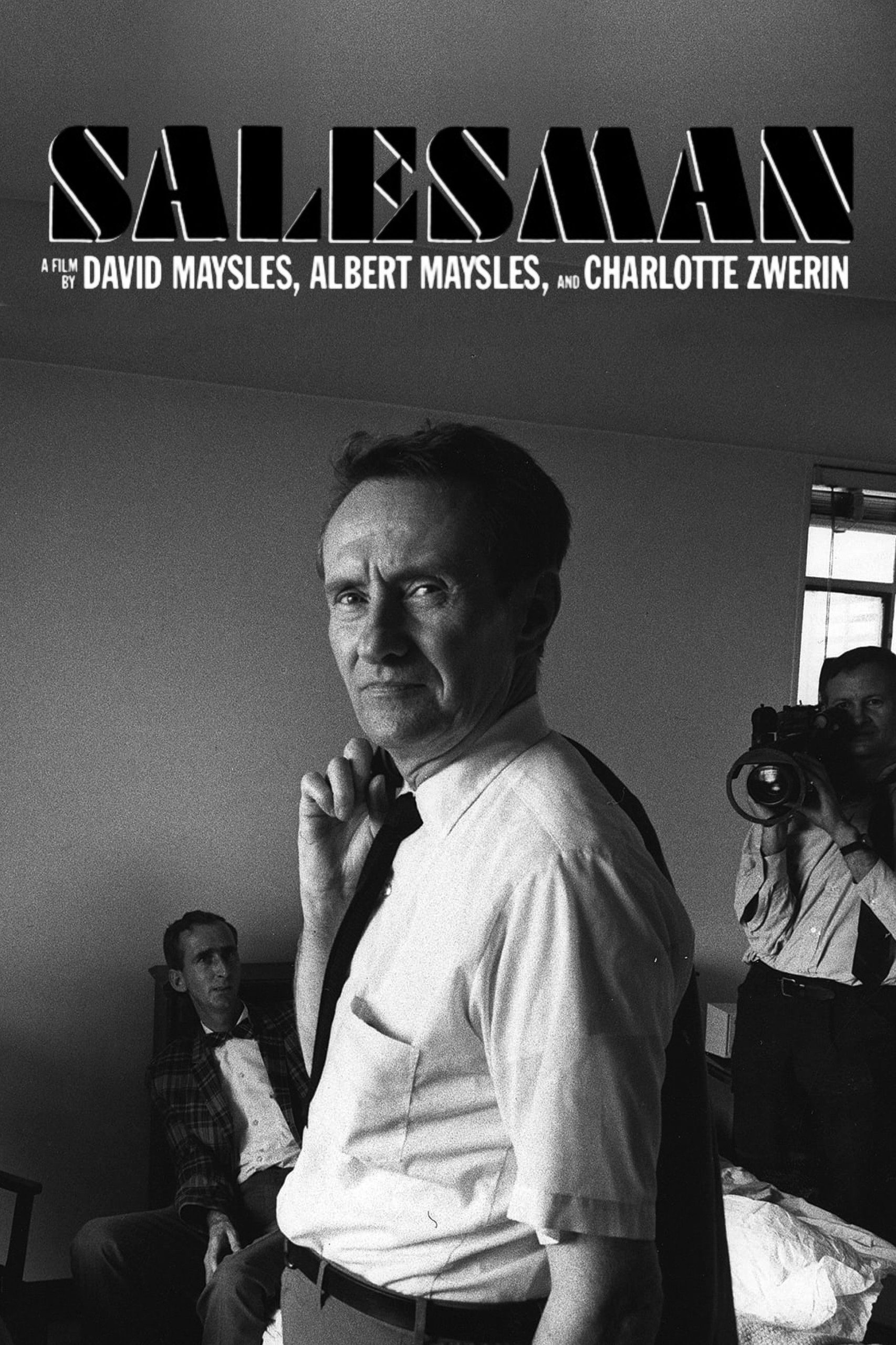
That camera is the film’s real instrument. Maysles shoots handheld, in black and white, in whatever light there is, and he has a habit of finding the face that is not talking: the husband in the doorway, the child under the table. The sound is as rough as the picture. Televisions mutter next door, traffic passes, a kettle goes, and none of it is cleaned up. You feel you have been let into strangers’ houses on a wet weeknight, which is where these men spend their lives.
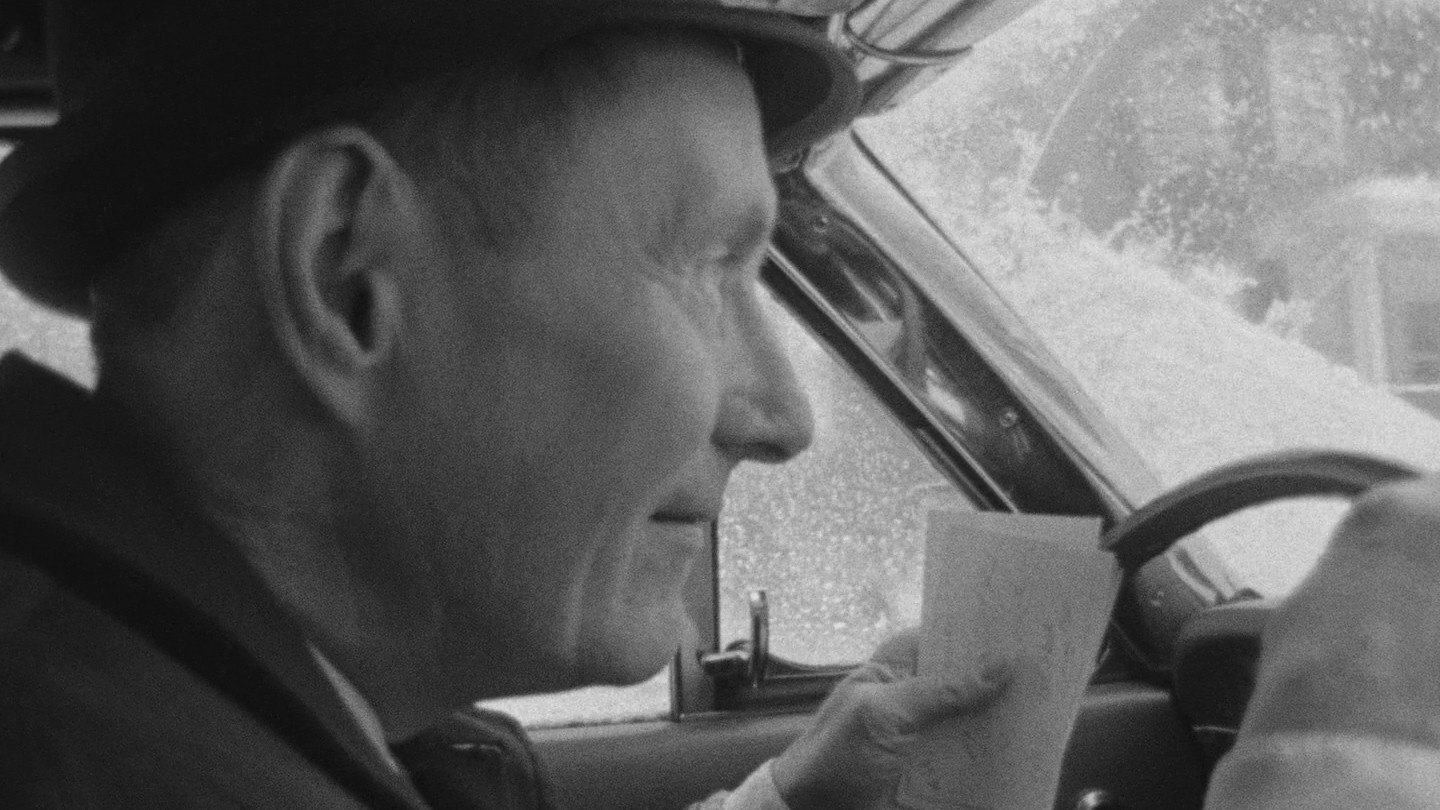
The shape belongs to the editors. David Maysles and Zwerin cut the footage into something close to a story: Boston in winter, then a sales meeting in Chicago, where the men are told from a platform that the Bible is a product with a market like any other, then Florida, where they are sent for fresh territory and find the doors no easier. There is a scene of Brennan in the car between calls, singing to himself, and the editors let it run long enough to stop being funny. The plot, such as it is, is Brennan’s slow slide, and they build it from glances and sales totals rather than from anything anyone says about it.
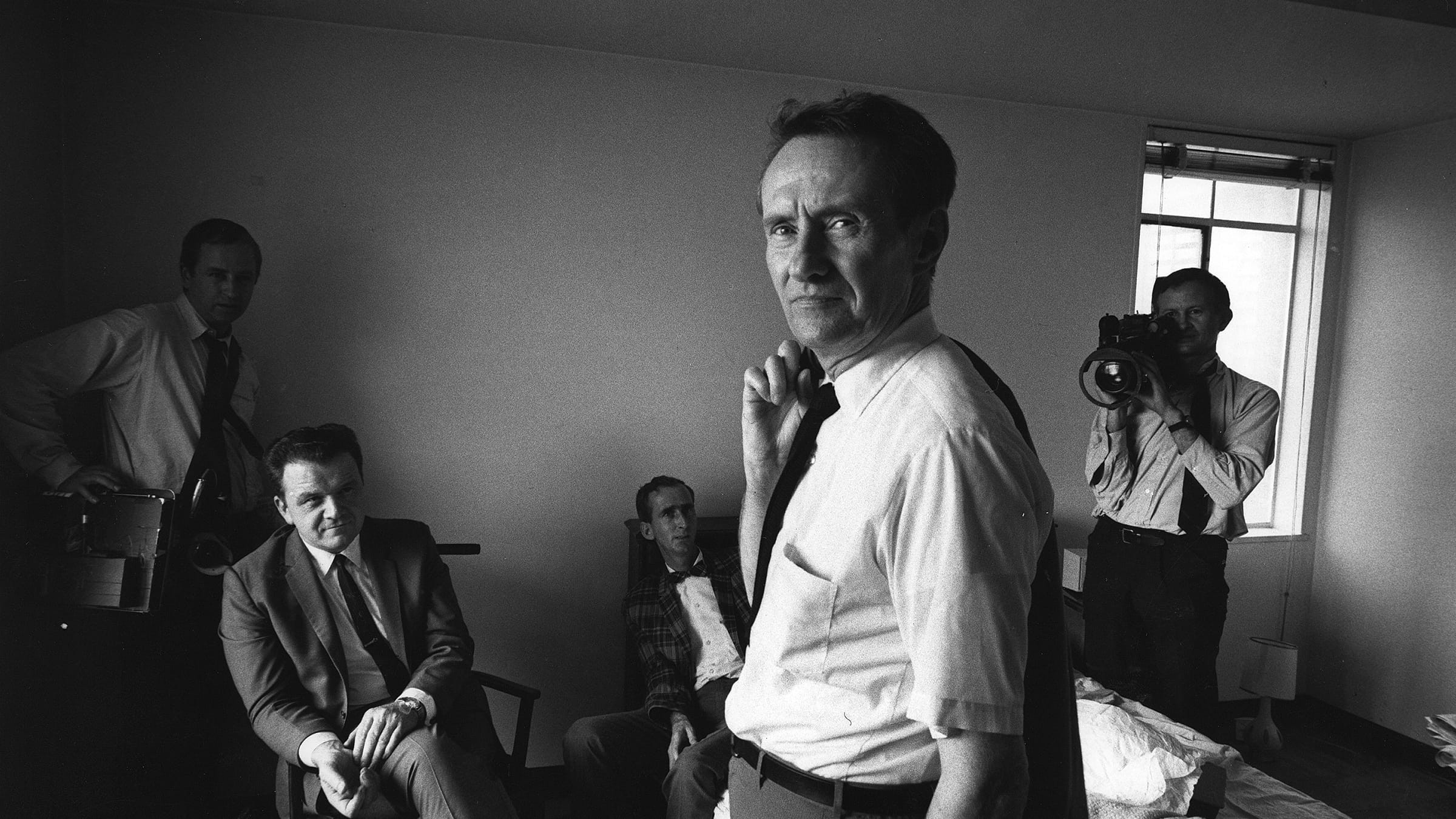
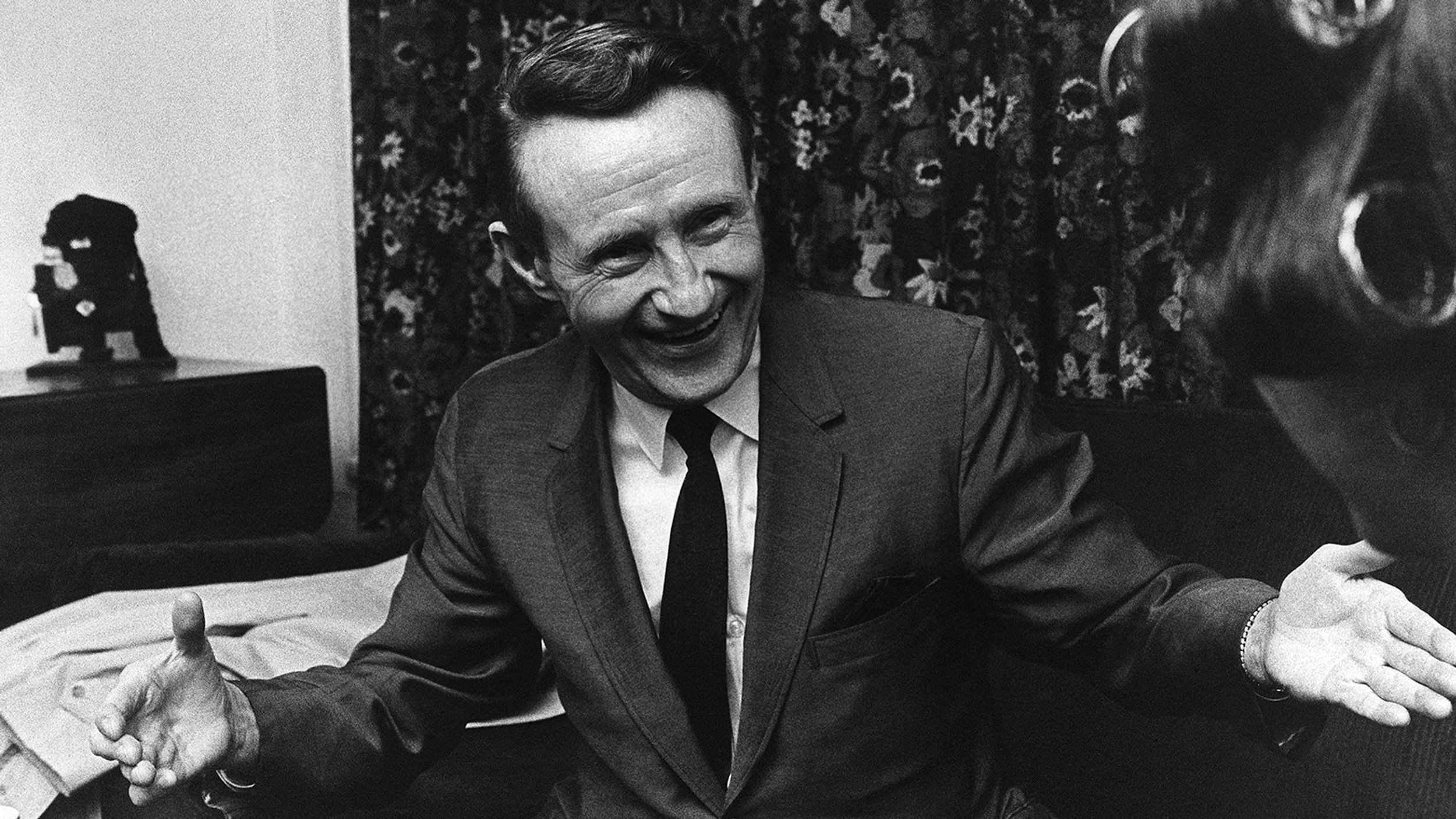
Brennan is the reason the film is remembered. In the motel at night he is a storyteller, doing accents and needling the others; on the doorstep he is a different man, one who can hear that the words that used to work have stopped working. Watching him try to close a sale is like watching someone try to start a car in the cold. Charles McDevitt (‘The Gipper’), James Baker (‘The Rabbit’) and Raymond Martos (‘The Bull’) are drawn more thinly. The nicknames promise four characters and the film delivers one and a half. Baker closes sales with an ease the film never explains, and we would have liked ten more minutes with him.
The method has limits, and the film does not always admit them. People know the camera is there. Some of the customers are plainly performing their own decency for it, and one or two of the motel confessions have the polish of things said before. The Chicago speech is cut to be damning, and it is, but a film that claims only to watch has here decided what we should see. The Florida stretch, pitch after pitch in the same kinds of front rooms, sags for ten minutes before it finds its footing.
Set against the Maysles’ later films, the festival of Gimme Shelter (1970) and the two women of Grey Gardens (1975), this is the plainest and the most controlled. Nothing here is dramatic except what the men carry to the door. It is not a comfortable evening. Watch it with the curtains drawn, and if the bell goes halfway through, do not answer it.