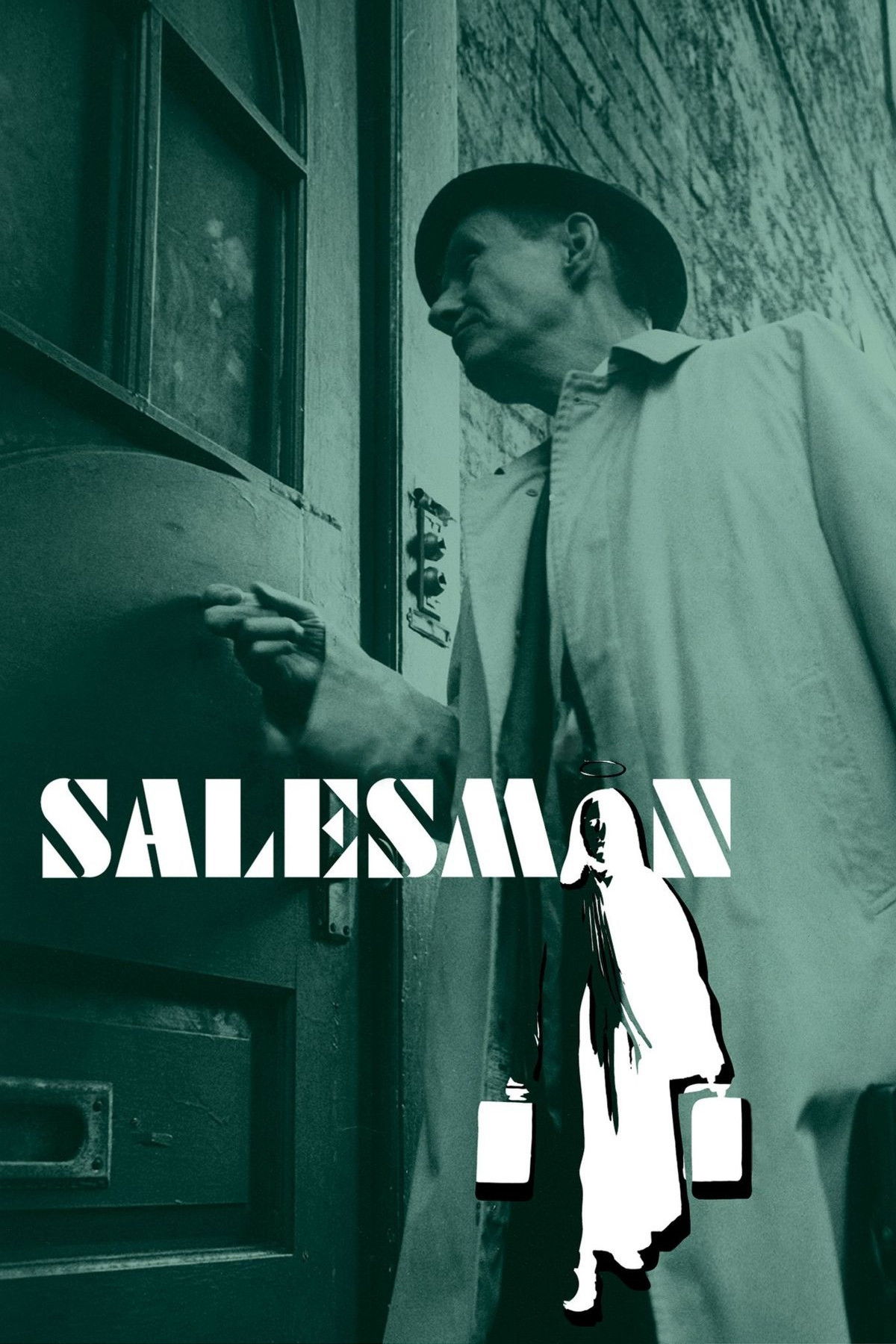
Most critics admire the Maysles brothers’ film, and the praise clusters on its direct cinema method: no narration, fly-on-the-wall observation of four Bible salesmen, and long stretches of their patter as they pitch to customers who plainly cannot afford the product. Paul Brennan, known as The Badger, is singled out again and again as the film’s centre, a tragicomic figure whose mounting anxiety and eventual defeat carry the picture. Several reviews read it as a portrait of American capitalism and the selling of faith, with the salesmen cast as both predators and prey.
The spread is narrow. The one mixed notice comes from The New Yorker, whose critic questions whether the technique can fully reveal human nuance and finds it awkward in places, while crediting the filmmakers with charity towards their subjects. The New York Times is warm but measured, treating the film as a social document rather than a drama. Later reviews are more enthusiastic, and more than one argues it has grown in stature.