Rouch and Morin’s experiment in filming Parisians talking about their own lives is still bracing sixty years on, and one woman’s walk through an empty square is as strong as anything in documentary. The seminar scenes around it are a slog.
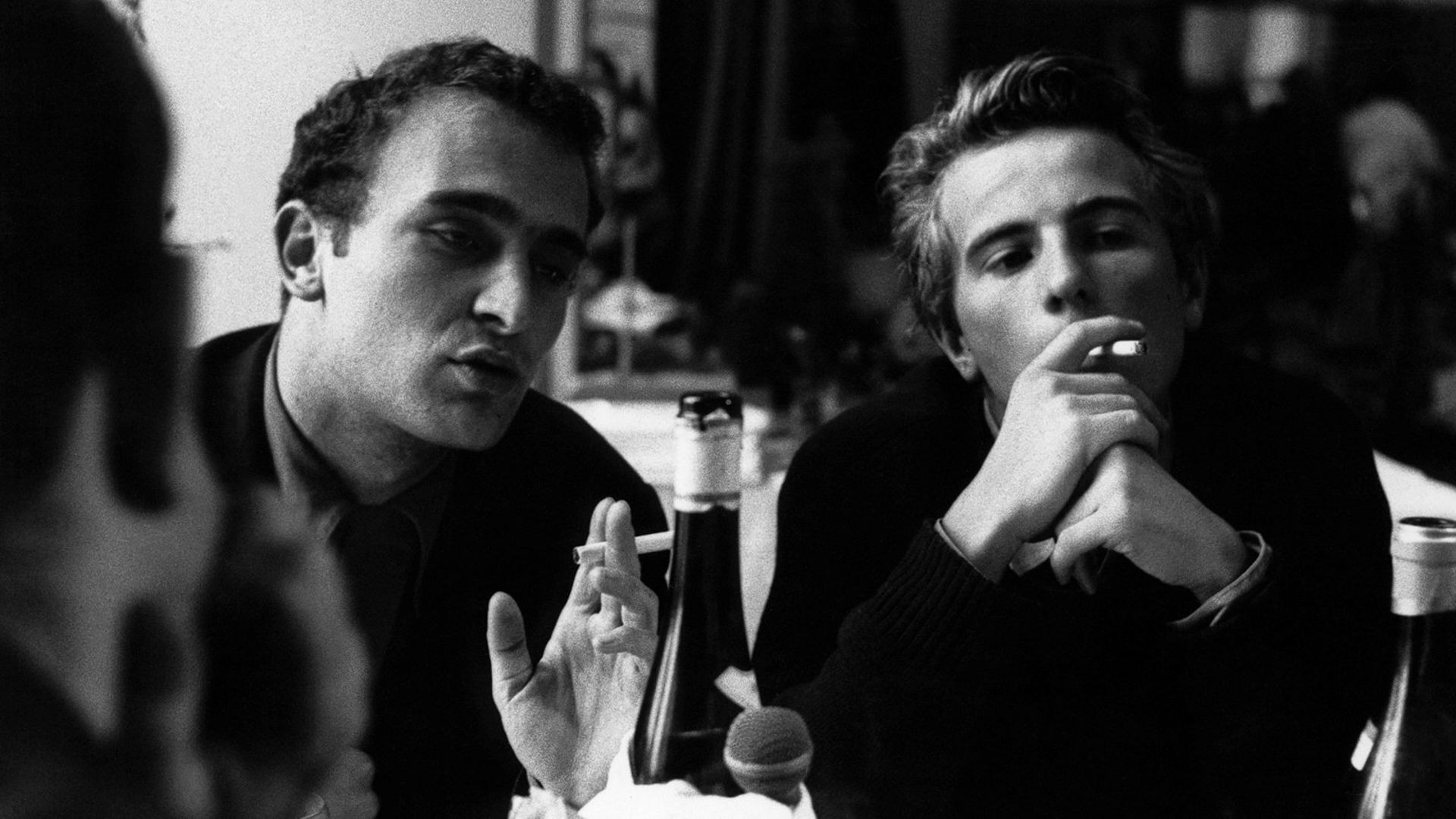
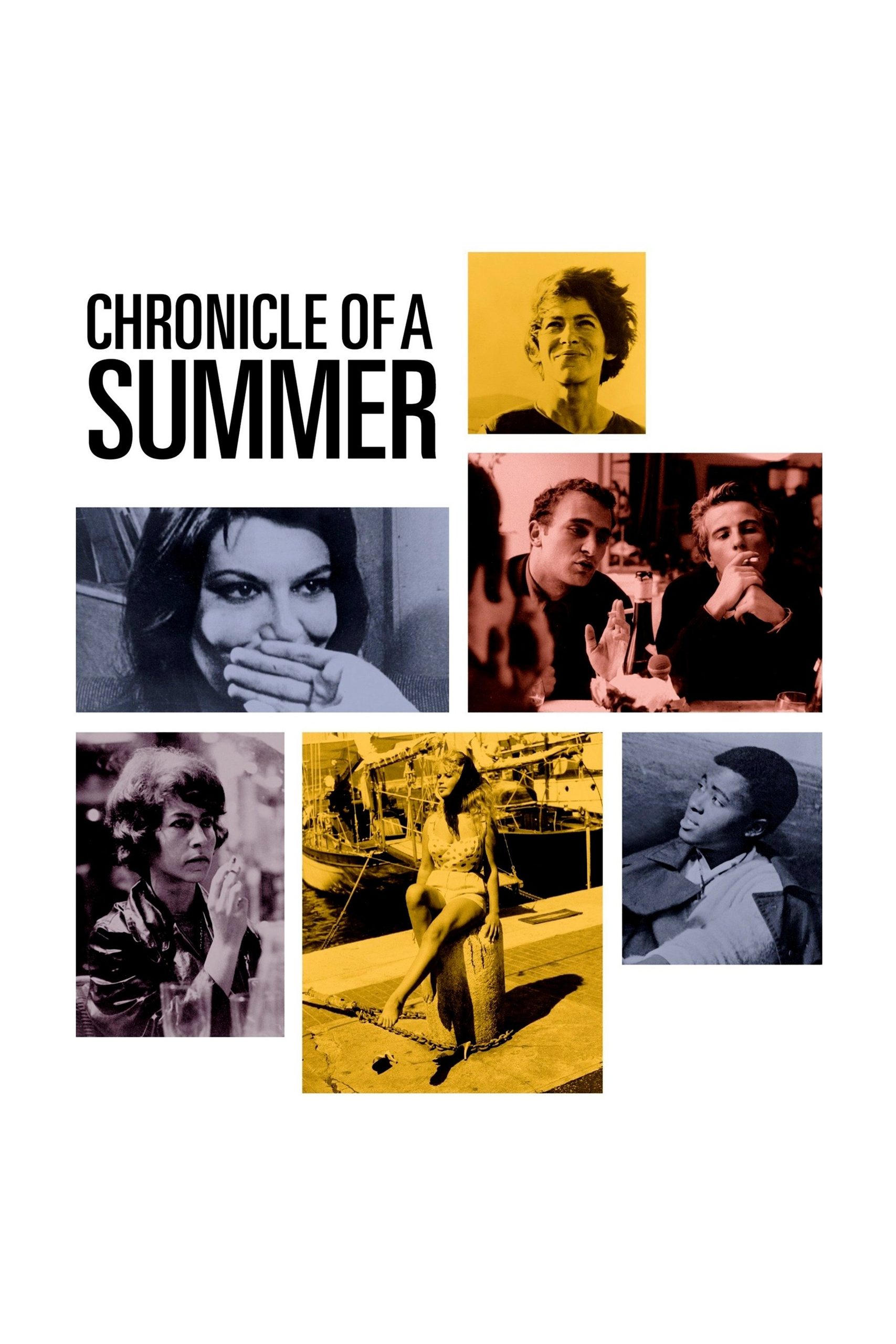
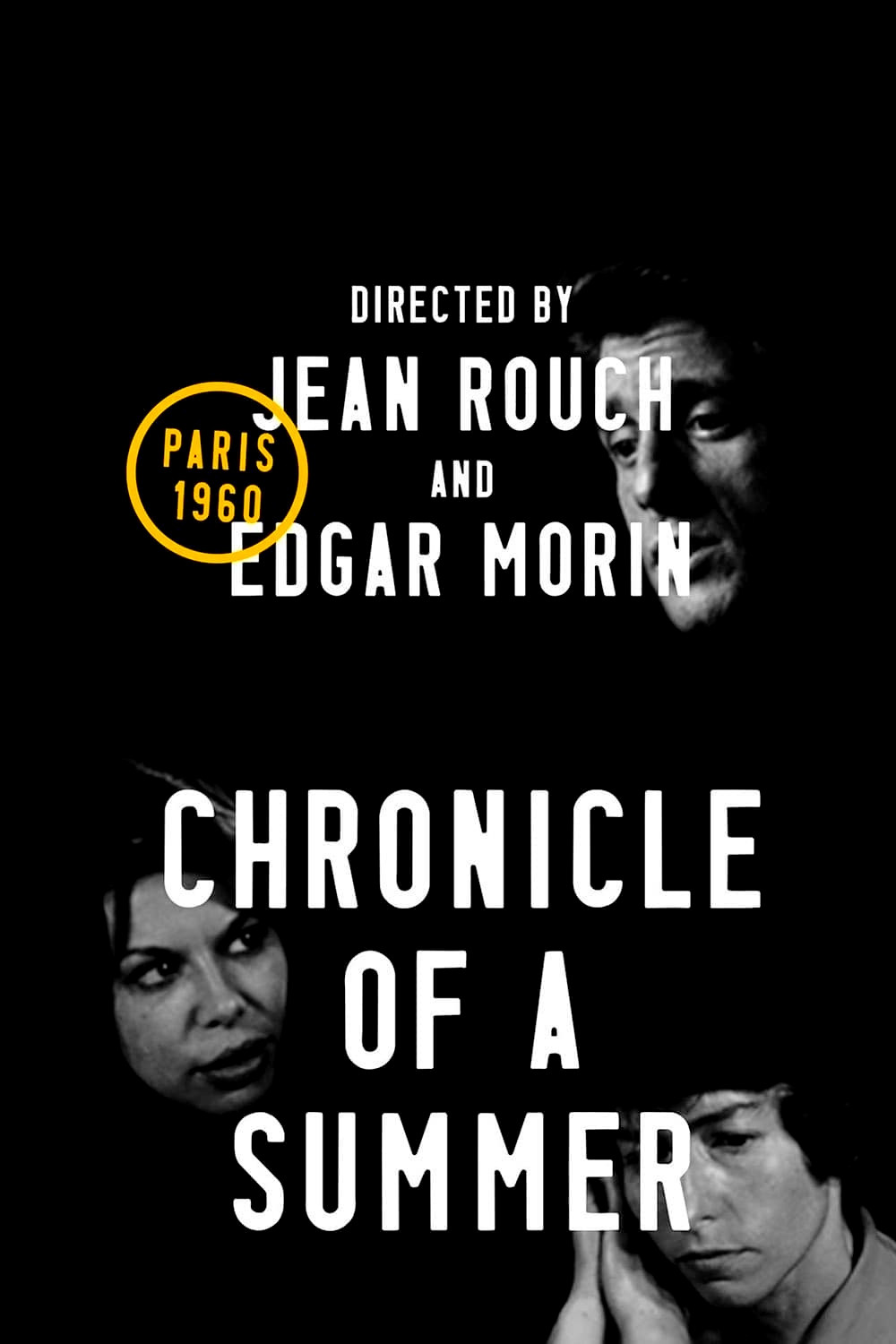
In the summer of 1960 a sociologist and an ethnographic filmmaker took a microphone into the streets of Paris and asked passers-by whether they were happy. Edgar Morin was the sociologist. Jean Rouch was the filmmaker, who had spent the previous decade shooting in West Africa and now turned the same curiosity on his own city. The question was the start of a film about how a handful of Parisians live, work and worry, and the two men put themselves on camera alongside them rather than hiding behind it. It runs 91 minutes and it changed what documentaries were allowed to do. It is also, in places, exactly as awkward as two academics filming a dinner party sounds.
The camera is the reason it worked at all. Rouch and Morin used equipment light enough to carry and a sound recorder that could run in step with it, so that for the first time people could be filmed walking and talking in the street and you could hear what they said. Four cinematographers are credited, Raoul Coutard, Jean-Jacques Tarbès, Roger Morillière and Michel Brault, the last brought over from Canada, and between them they follow their subjects into cafés, up staircases and across pavements without ever asking anyone to stand still. The image is rough, the light is whatever was there, and faces are frequently half out of frame. None of it looks like a film made in 1960 and all of it looks like 1960.
The sequence people remember belongs to Marceline Loridan-Ivens, and they are right to remember it. She is the one who first stops strangers with the happiness question, brisk and amused, and then Rouch gives her the street to herself. She walks alone through a wide, empty square with a microphone hidden on her, talking quietly to her father, who was deported with her and did not come back, and the camera moves away ahead of her so that she grows smaller as she speaks. We knew the scene by reputation and it still silenced us. It is the plainness that does it: no music, no cutaways, a woman speaking to someone who is not there. Later, at a table, she asks Modeste Landry whether he knows what the number tattooed on her arm means, and he does not, and the film simply lets that sit.
The rest is talk. A factory worker describes his day, students talk about what they are for, and the war in Algeria comes up as the thing everyone is thinking about and few want to say aloud. Régis Debray and Jean-Pierre Sergent argue politics; Nadine Ballot and Marilù Parolini are asked about work and love and answer with more patience than the questions deserve. Morin is the problem here. He steers, he prompts, he explains what people have just said back to them, and there is a stretch in the middle when the film feels like a seminar with the windows shut. We grew restless and then annoyed at ourselves, because the people at the table are interesting; it is the chairing that is not.
Editors Jean Ravel, Françoise Collin and Néna Baratier cut all this down to 91 minutes, and their best decision is to let the street sequences breathe while the table scenes run just long enough to embarrass everyone at them. The last stretch of the film takes a turn we will not describe. It is the part that made the film famous, and we found it both brave and a hedge, which the film itself seems to know.
The tagline calls it the first film of cinéma vérité, and every talking-heads programme, every confessional documentary and a good deal of television that would rather not admit it owes the method here. That is not the same as saying the film is easy company. Marceline’s walk and the street interviews are still sharp. The dinner tables have dated in the way that clever people’s conversations do.
Watch it with someone who will argue about it afterwards, which is what the film wants. Watch it alone and you will find yourself doing the arguing on the participants’ behalf, and Morin will still get the last word.