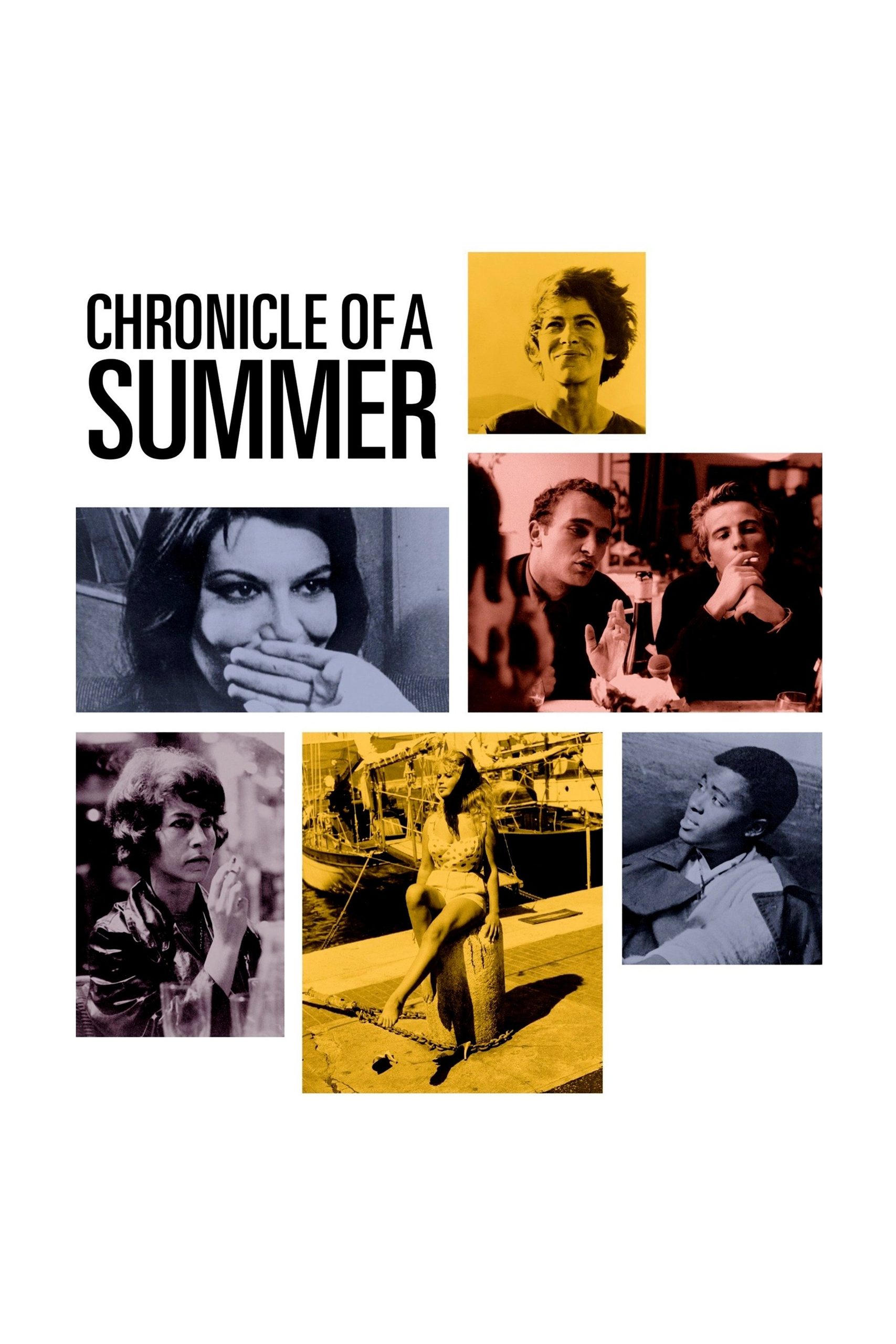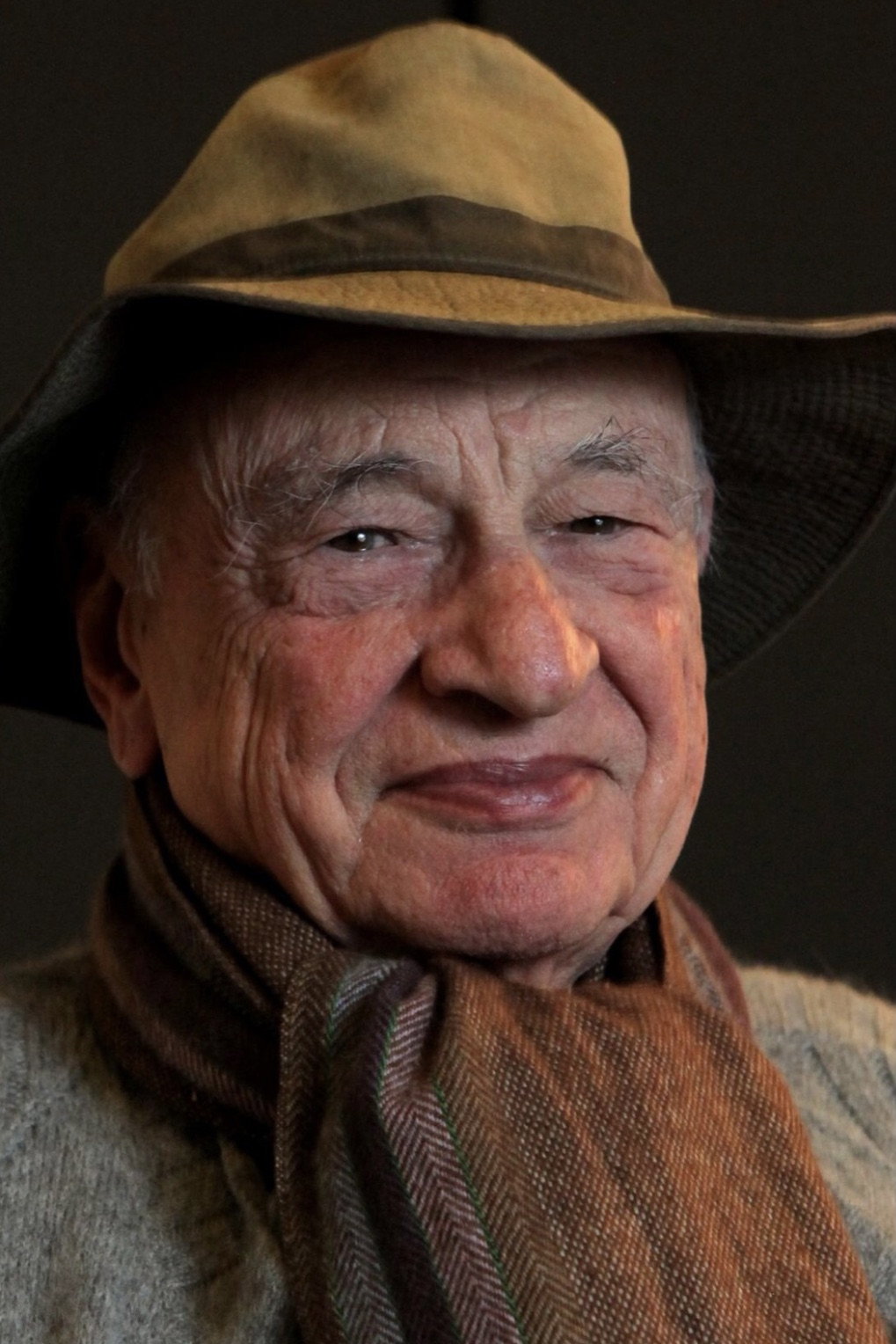
Edgar Morin made one film that mattered, and in it he is both the man who thought of asking Parisians whether they were happy and the man who would not let them answer in peace. The idea was better than the chairing.
Fi1m perspective
A man with a microphone stops a stranger on a Paris pavement and asks whether she is happy. That is Edgar Morin's contribution to cinema in a single shot, and it is a large one. He was a sociologist at the CNRS who had written about film in the mid-1950s without making any, and in 1960 he proposed to Jean Rouch, who had spent the previous decade filming in West Africa, that they turn a camera on their own city and see what people said. Chronicle of a Summer (1961) is the result, and Morin gave the method a name that stuck: cinéma vérité.
His screen career is essentially that film. He contributed adaptation and dialogue to The Hour of Truth (1965) and turned up in a segment of the omnibus Lest We Forget (1991), and otherwise he went back to books, which he wrote for the rest of a long life. So this is really a view of one work and of the man's part in it, and the part has two sides.
What works is the idea. Morin and Rouch used a camera light enough to carry and a sound recorder that ran in step with it, so that Raoul Coutard, Michel Brault and the others could follow people into cafés and up staircases and you could hear what they said. Morin held that the camera should not watch quietly but provoke, that a question asked on film gets an answer nobody would give over coffee, and he put himself and Rouch in front of the lens so that no one could pretend the filmmakers were standing safely behind it. One woman's walk through an empty square is as strong as anything in documentary, and it is there because Morin believed the machine could bring it out of her.
What does not work is Morin at the table. In the dinner and seminar scenes he steers, he prompts, he repeats back to people what they have just said with a gloss added, and the film slows to a tutorial. We sat through that middle stretch restless and then cross with ourselves, because Régis Debray and Nadine Ballot and the rest are worth hearing, and it was the chairing, not the company, that we wanted to get away from. The complaint made at the time, that the word vérité dressed up the filmmakers' interventions as objectivity, is fair, and the film's best minutes are the ones in which Morin has stepped back.
He knew it. "I thought that we would start from a basis of truth and that an even greater truth would develop," he said afterwards, and went on to admit that if they had achieved anything, it was to present the problem of the truth. That is a more honest account of the film than the name he gave it, and it is the reason to watch. Go for the streets, put up with the seminar, and note that the man who coined the term was among the first to say it promised too much.
Biography
Edgar Morin (born Edgar Nahoum) was a French sociologist, philosopher and filmmaker. He co-directed the documentary Chronicle of a Summer (1961) with Jean Rouch and appeared in it as himself.
Born in Paris on 8 July 1921, Morin trained in history, geography and law before working as a sociologist. He joined the French Resistance during the Second World War and later collaborated on films exploring cinéma vérité. He died in Paris on 29 May 2026.