Film review

Sans Soleil

1983 · Directed by Chris Marker · 1h 40m · MPA NR

In a sentenceWe came for Tokyo’s festivals and robots and stayed to worry about our memories

Documentary

A narrator, voiced by Florence Delay or Alexandra Stewart, reads imaginary letters from a travelling cameraman. His journeys take him through Japan and Africa, with Tokyo’s neighbourhood festivals and robots among the things that catch his eye. He tries to understand how filmed images relate to memory, and why preserving a sight need not mean preserving an experience. Chris Marker links the correspondence to documentary footage, moving between countries and observations rather than tracing a continuous route. The traveller’s attention moves from people and customs to his own recollections, as each place prompts further questions about time and perception.

Fi1m review

Chris Marker’s wandering film about travel and memory rewards close attention with curiosity and warmth. The commentary sometimes grows tiresome, but the images keep making the journey worthwhile.

Chris Marker uses a cameraman’s imaginary letters to ask what survives of a journey once we try to remember it. Sans Soleil is absorbing, curious and occasionally wearisome when the commentary mistakes a large question for an interesting one. We recommend it for the attention it pays to people and places, especially Tokyo, rather than for any answers it might supply. The journeys between Japan and Africa do not add up to a straightforward itinerary. Following the traveller’s thoughts takes precedence over knowing where we are going next.

Chris Marker’s photography is most inviting in Tokyo, where neighbourhood festivals and robots receive an attention that never feels hurried. There is pleasure in looking at these things before working out what the letters want to say about them. We felt unexpectedly fond of the city during the festival passages, because the camera gives ordinary communal enjoyment room to matter. For a film so concerned with memory, it can be remarkably good at letting us enjoy what is happening now.

The voice, credited to Florence Delay or Alexandra Stewart, reads correspondence rather than offering a conventional documentary explanation. That small distance between the person speaking and the person travelling is useful: observations arrive as things someone has chosen to tell someone else. It makes room for doubt, and for the possibility that a vivid recollection might be unreliable. The trouble comes when a thought is asked to carry too much weight; an intimate letter can begin to sound like a lecture without changing its tone.

Chris Marker also edits the film and supplies its music, and the joining of pictures and sounds is often more persuasive than the prose. Cuts across distant places interrupt the comfortable habit of treating travel footage as a tour with a destination. The accompanying sound feels oddly remote from the scenes being shown, which makes it harder to settle into passive sightseeing. These choices work because they leave us doing some of the remembering and connecting ourselves, although the wandering can occasionally feel longer than its 100 minutes.

Chris Marker’s writing can generalise about people faster than his camera can introduce them. A reflective voice does not make every observation profound, and some of the commentary asks for respect it has not quite earned. When this happens, the people being filmed seem to become evidence for the traveller’s thoughts about himself. We wanted more time with what was in front of the lens and fewer instructions about its significance. Those stretches are tiresome, though the next curious image usually restores our patience.

The essay-film form suits this wandering better than the usual travel documentary’s promise to explain a place. It allows a thought to remain unfinished and a picture to be interesting without becoming proof of anything. That freedom is worth the occasional bout of over-explanation, though it asks for an evening when we are willing to give the film our full attention. Choose it for the festivals, the faces and the strange connections; bring some tolerance for a correspondent who seldom writes briefly.

Critical consensus AI synthesised

78
Positive
8
Mixed
1
Negative
1

Most critics admire Sans Soleil as an essay film whose wandering structure gives its thoughts on memory, time and filmed images unusual freedom. Praise centres on Chris Marker’s visual collage, the unexpected connections between distant places, and his curiosity about everyday life. The Tokyo passages draw particular approval, while the letters read over the footage give the journeys an intimate shape. For its strongest supporters, the lack of a conventional narrative is part of what makes the film absorbing.

The spread is wide, with narration and philosophical reflection dividing the reviews most sharply. Some find the commentary illuminating; others find it slow, redundant or prone to generalisations. The Independent admires the dreamlike imagery and emotional resonance despite finding much pretentious. The New York Times is the clear dissenter, judging the narration uninformative and the perspective patronising, more concerned with the filmmaker’s reactions than the lives before his camera.

Empire
1 January 2000 · David Parkinson
90*

The film is an extraordinary, quicksilver investigation into memory, the limits of the filmed image, and human experience that challenges the viewer with its non-narrative barrage of ideas across global locations.

Read the full review →
Sight and Sound
· Tim Lucas
90*

The review positions Sans Soleil as one of Marker’s two best-known films, an essay of disconnected documentary footage from Japan and Africa tied together by a narrator reading probing correspondence. It highlights the film’s mysterious non-linearity and its exploration of time and memory, comparing it favourably to La Jetée.

Read the full review →
Slant Magazine
7 February 2012 · Jaime N. Christley
90*

The review hails Sans Soleil as a 1983 masterpiece whose distinctive images, non-intuitive cutting across time and space, and otherworldly sound field make it immediately recognizable and influential on later essay films. It praises the film's collage of ideas, philosophical musing without pretension, and the Criterion release's faithful presentation of Marker's low-tech genius.

Read the full review →
The AV Club
23 August 2013 · A.A. Dowd
90*

The critic calls Sans Soleil a glorious, grandest work of the essay-film form by Chris Marker, a rambling yet ambitious meditation on memory structured as imaginary letters from a globe-trotting cameraman. The piece singles out its boundless curiosity about people, places, and cinema history, including memorable passages on Tokyo and Vertigo locations, as a standout strength over its political hints.

Read the full review →
Time Out
10 September 2012 · TR
90*

The critic describes the film as the work of cinema’s greatest essayist, in which Marker sums up a lifetime of travels, speculations and passions through letters read over footage from his journeys. It singles out the intimate portrait of Tokyo, from neighbourhood festivals to robots.

Read the full review →
The Times
14 November 2002
75*

Sans Soleil is a typically ruminative travelogue offering idiosyncratic thoughts on time, memory and perception through a globetrotting jigsaw of images from various cultures. Despite its narration, it is often riveting as an absorbing piece of non-narrative cinema.

Read the full review →

Cast

Stills

If you liked this, try…

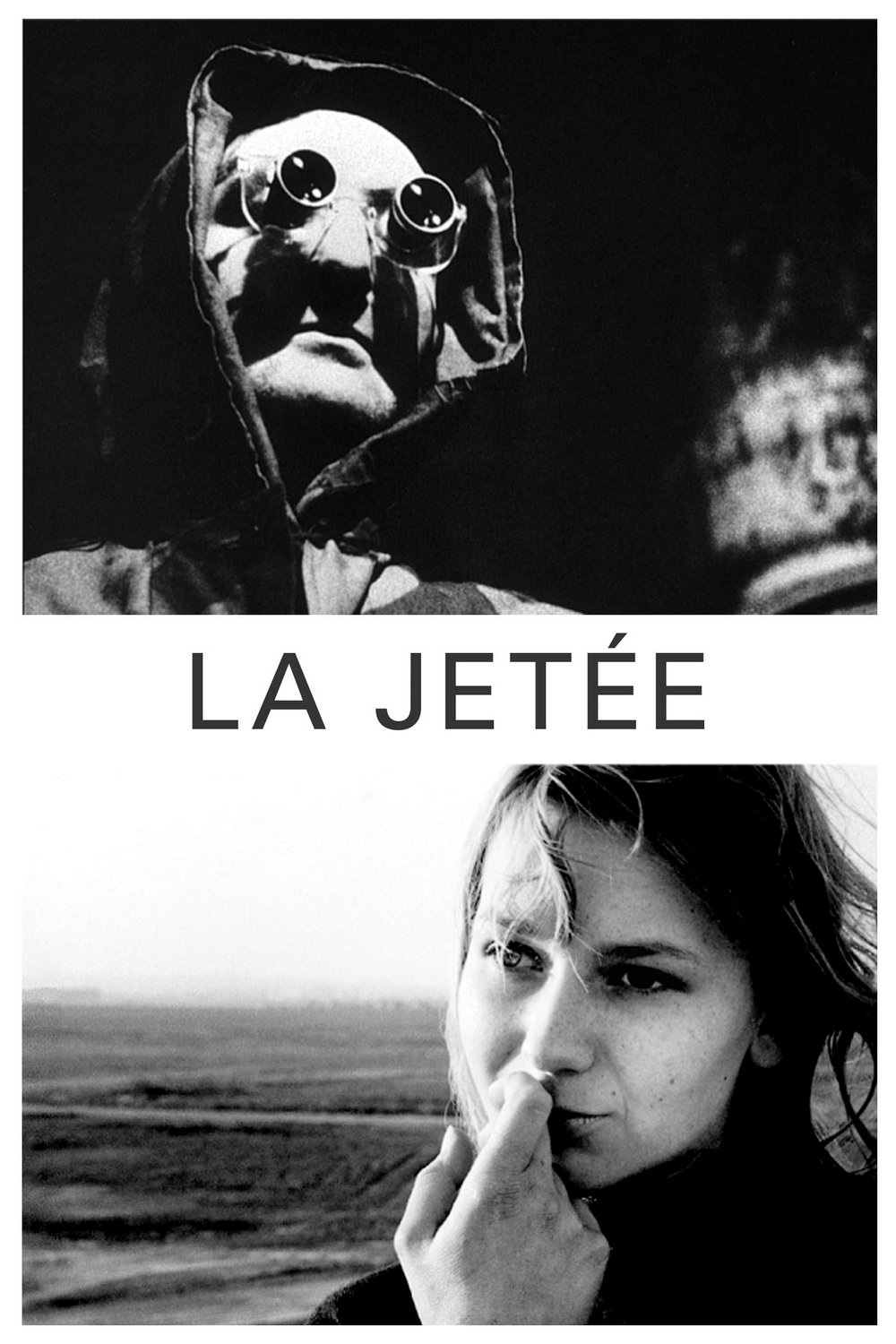
La Jetée poster

La Jetée

1962 · Memory and longing give still photographs an unsettling sense of movement.

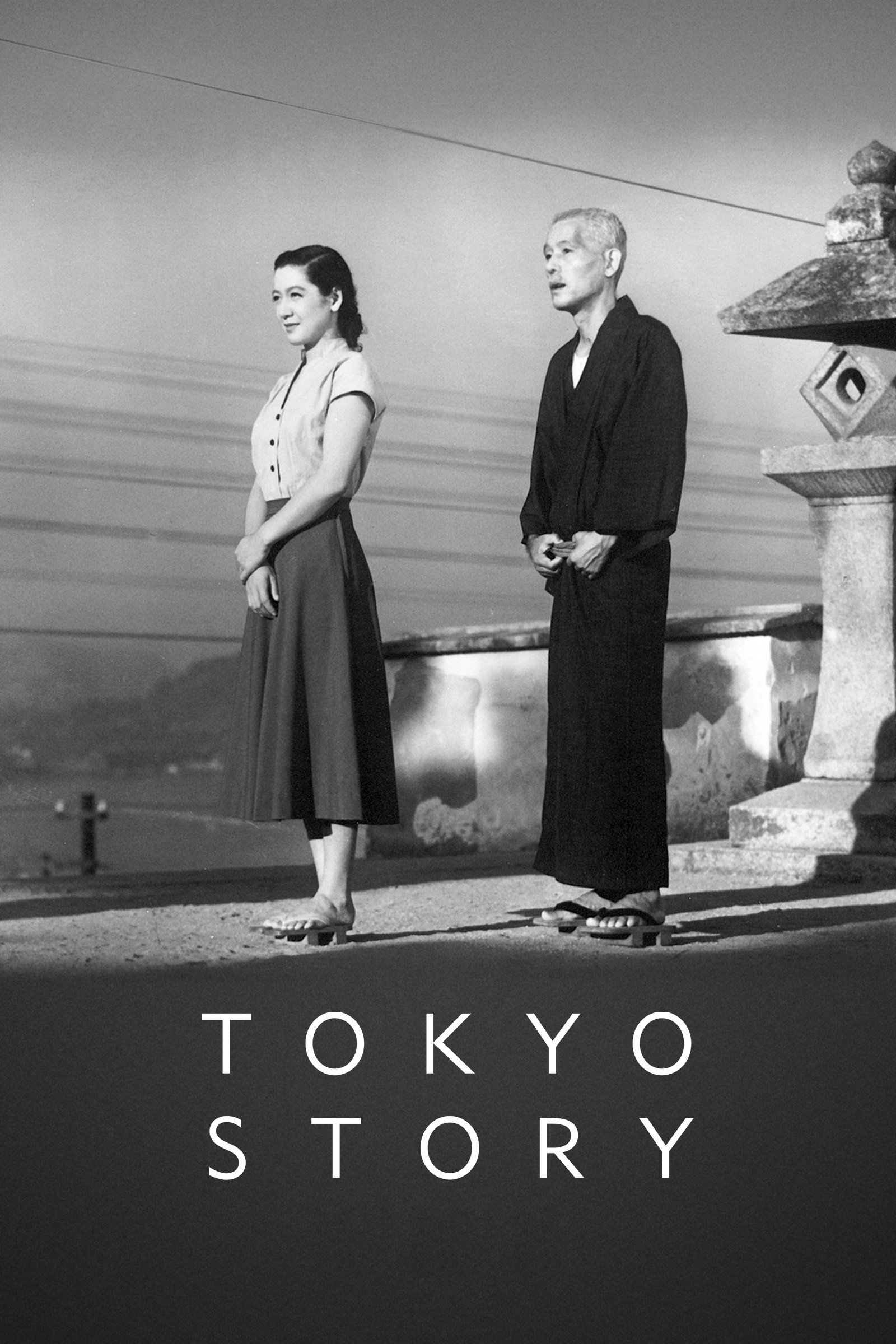
Tokyo Story poster92

Tokyo Story

1953 · Patient observation finds family feeling in small exchanges and unremarkable rooms.

News from Home poster

News from Home

1977 · Letters and city streets make distance from home feel quietly difficult to bear.

Wings of Desire poster88

Wings of Desire

1987 · Another city’s passing faces reward a patient, affectionate and occasionally philosophical gaze.

The Gleaners and I poster

The Gleaners and I

2000 · An inquisitive camera follows discarded things and the people who find uses for them.