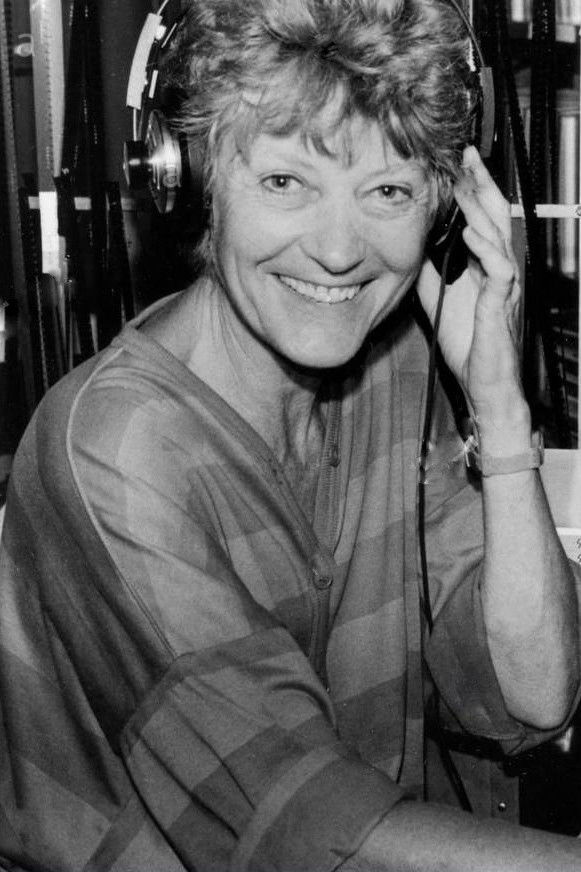
Charlotte Zwerin's work happened in the cutting room, where she gave the Maysles brothers' patient footage a shape it did not have on the day. Salesman is the proof: four men, a story built from glances and sales totals.
Fi1m perspective
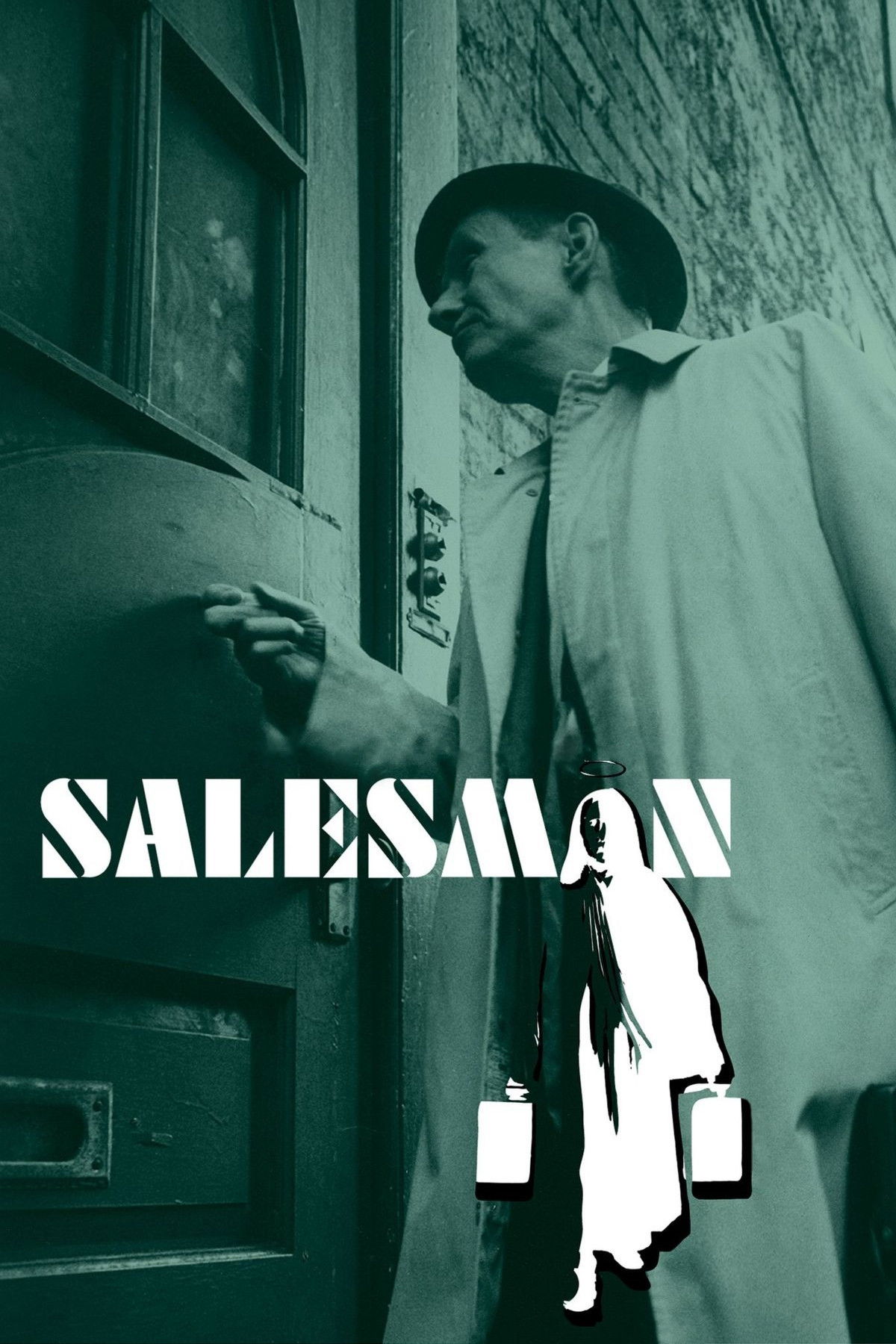
Paul Brennan sits in his car between calls, singing to himself. In most documentaries the shot would last five seconds, a little character before the next door. In Salesman (1969) it runs on until the joke has gone and something sadder has taken its place, and that decision was made not on the road but at the editing bench, where Charlotte Zwerin sat with David Maysles and turned months of following four Bible salesmen into something close to a story. There is no narrator, no interview, no score. The shape is all the film has, and the shape is hers as much as anyone's.
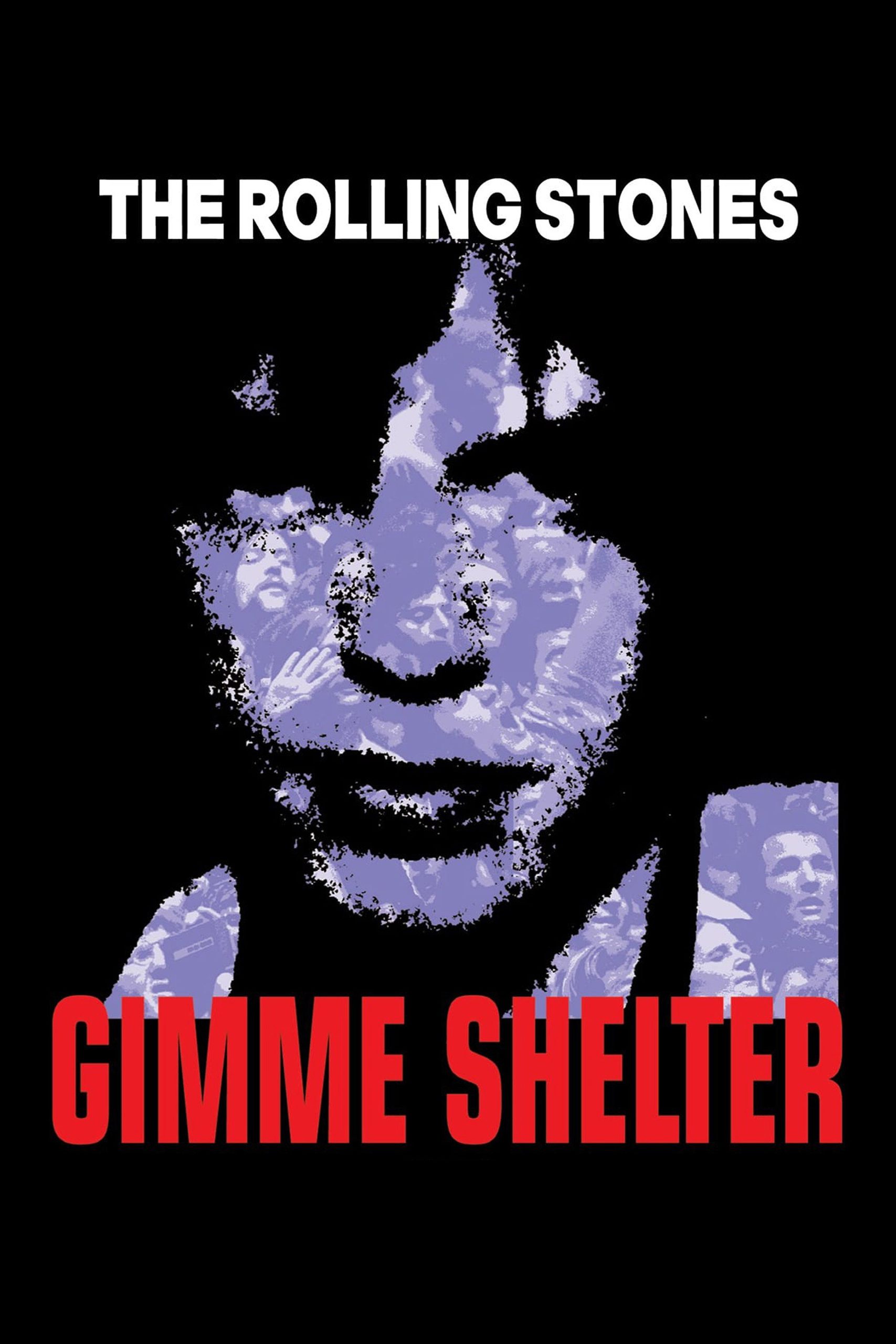
She came to the Maysles by way of Drew Associates in New York, where direct cinema was being worked out, and stayed for four films as editor and co-director. Salesman was the first. Gimme Shelter (1970) followed the Rolling Stones through their 1969 tour to Altamont, and Zwerin's idea was to frame the concert footage with shots of the band reacting to it, so that nobody could mistake what they were watching. She put it plainly: "It gave us a way to let the audience know right away that what they were about to see was something very disturbing and not just a music documentary." Running Fence (1978), on Christo, was another Maysles collaboration. Then she went her own way, into portraits of painters and musicians: de Kooning, Gorky, Noguchi, Thelonious Monk: Straight, No Chaser (1989), assembled from rediscovered archive footage, and late on Ella Fitzgerald: Something to Live For (1999).
What she was good at is the thing hardest to see and easiest to undervalue. Albert Maysles's camera waited, and Zwerin honoured the waiting, but she also knew when a scene should end and, more unusually, when it should not. The plot of Salesman is Brennan's slow slide, and it is never said aloud. It is built from the order of the scenes: Boston in winter, a sales meeting in Chicago where the men are told from a platform that the Bible is a product with a market like any other, then Florida, where the doors open no more easily. We felt for Brennan in that car more than we have felt for most invented characters, and it was the cutting that did it; ten seconds longer than we expected, and the laugh had turned into something we were not ready for. The film is not flawless. The camera is less invisible than it pretends and some of the men plainly know it is there. It is still the best film we know about selling.
The complaint that follows her is not about the work but about the credit. Hers is the third name on films where the Maysles are first and second, and the reputation of direct cinema has mostly gone to the men holding the cameras. That is a poor way to remember an editor, since without the cutting the footage is only footage. Start with Salesman, and watch the Brennan scene twice. The second time, count the seconds; that is where the film was made.
Biography
Charlotte Zwerin was an American documentary film director and editor. Born Charlotte Mitchell on 15 August 1931 in Detroit, Michigan, she studied at Wayne State University, where she founded a film club. She later moved to New York and worked at Drew Associates, where she met Albert and David Maysles.
Zwerin edited and received co-director credit on two landmark direct cinema films with the Maysles brothers: Salesman (1969), which follows door-to-door Bible salesmen, and Gimme Shelter (1970), which documents the Rolling Stones’ 1969 American tour. She went on to direct solo documentaries on artists and musicians, including Thelonious Monk: Straight, No Chaser (1988). She died on 22 January 2004 in Manhattan.