Andrew Stanton makes a funny, moving ocean adventure out of a father’s fear for his son. The voices are excellent and the underwater world is full of life, though the parenting advice can get insistent.
Finding Nemo is a funny, affecting family adventure with a clear understanding of how tiring an anxious parent can be. Andrew Stanton takes that worry seriously without requiring us to agree with every attempt to keep a child safe. Both generations have a fair complaint: the father sees danger, while the son wants room to live. We recommend it warmly, with a small reservation about how firmly the parenting lesson is spelt out.
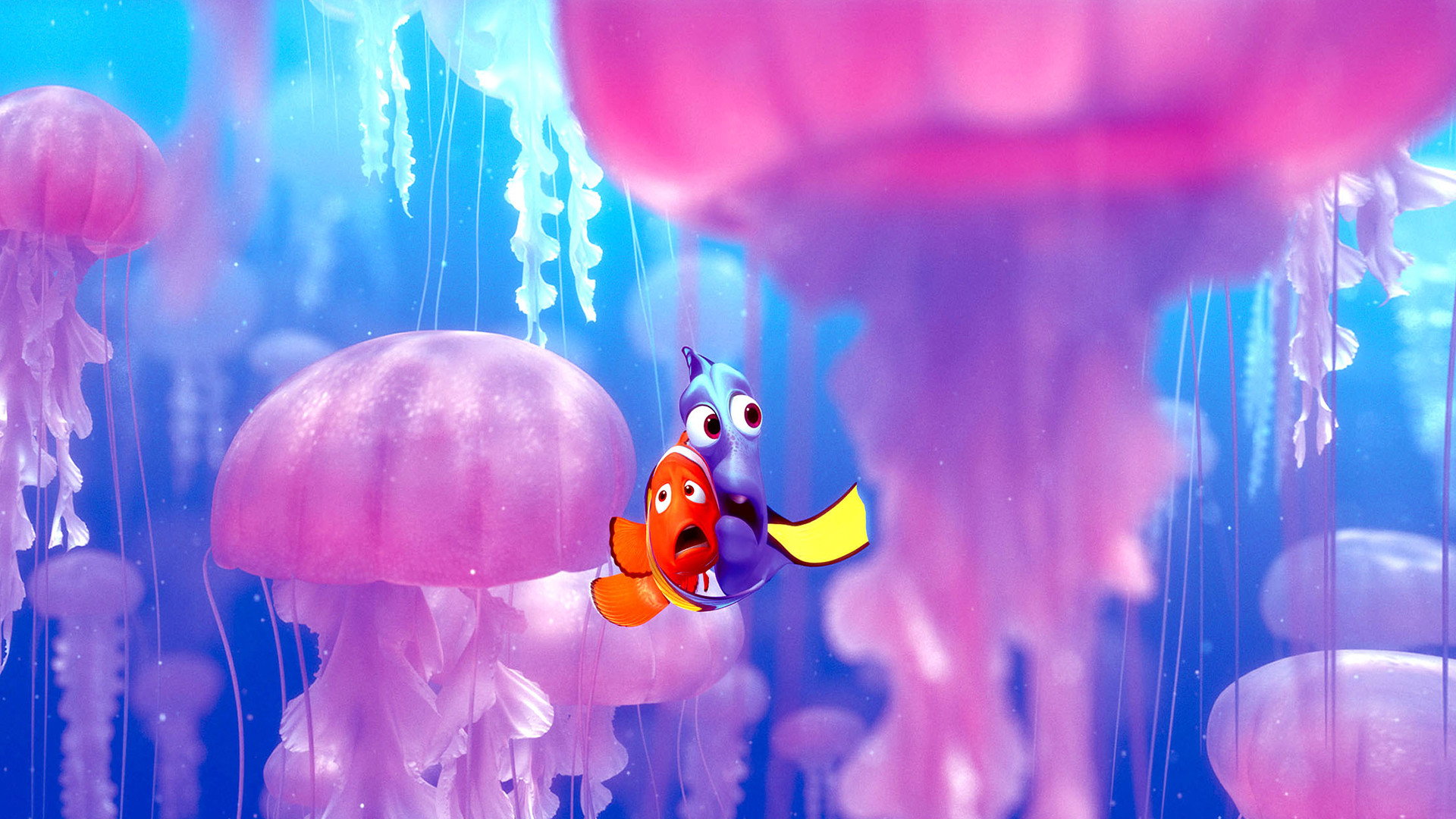
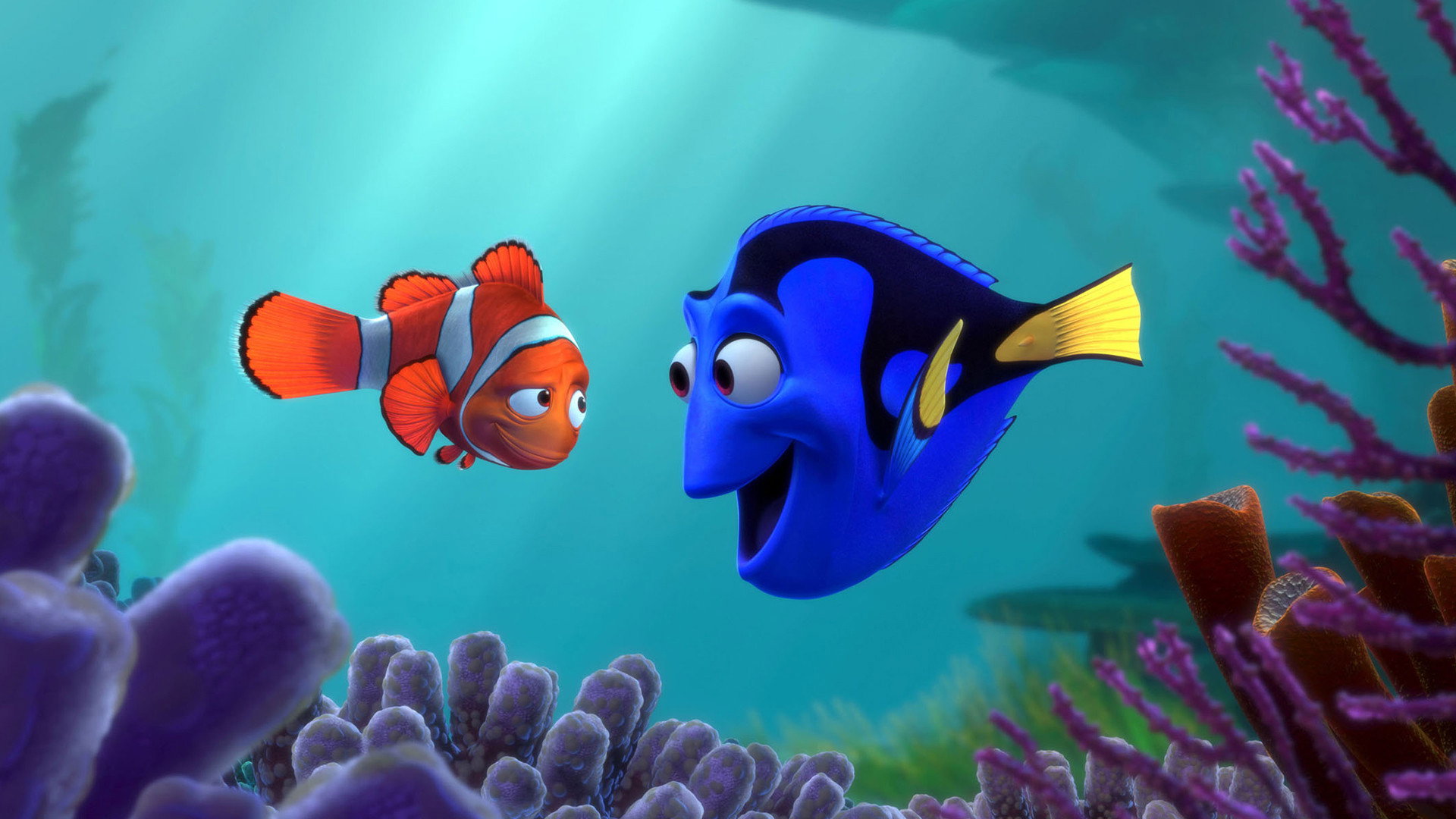
Albert Brooks gives Marlin the strained voice of someone who regards relaxing as a lapse in responsibility. We were moved by his fear for Nemo, because Brooks lets the affection remain audible beneath the fuss. The voice can be wearing, and that is useful up to a point: here is a father whose concern might make a child desperate to get away. Alexander Gould gives Nemo enough resistance to make that wish for independence seem reasonable.
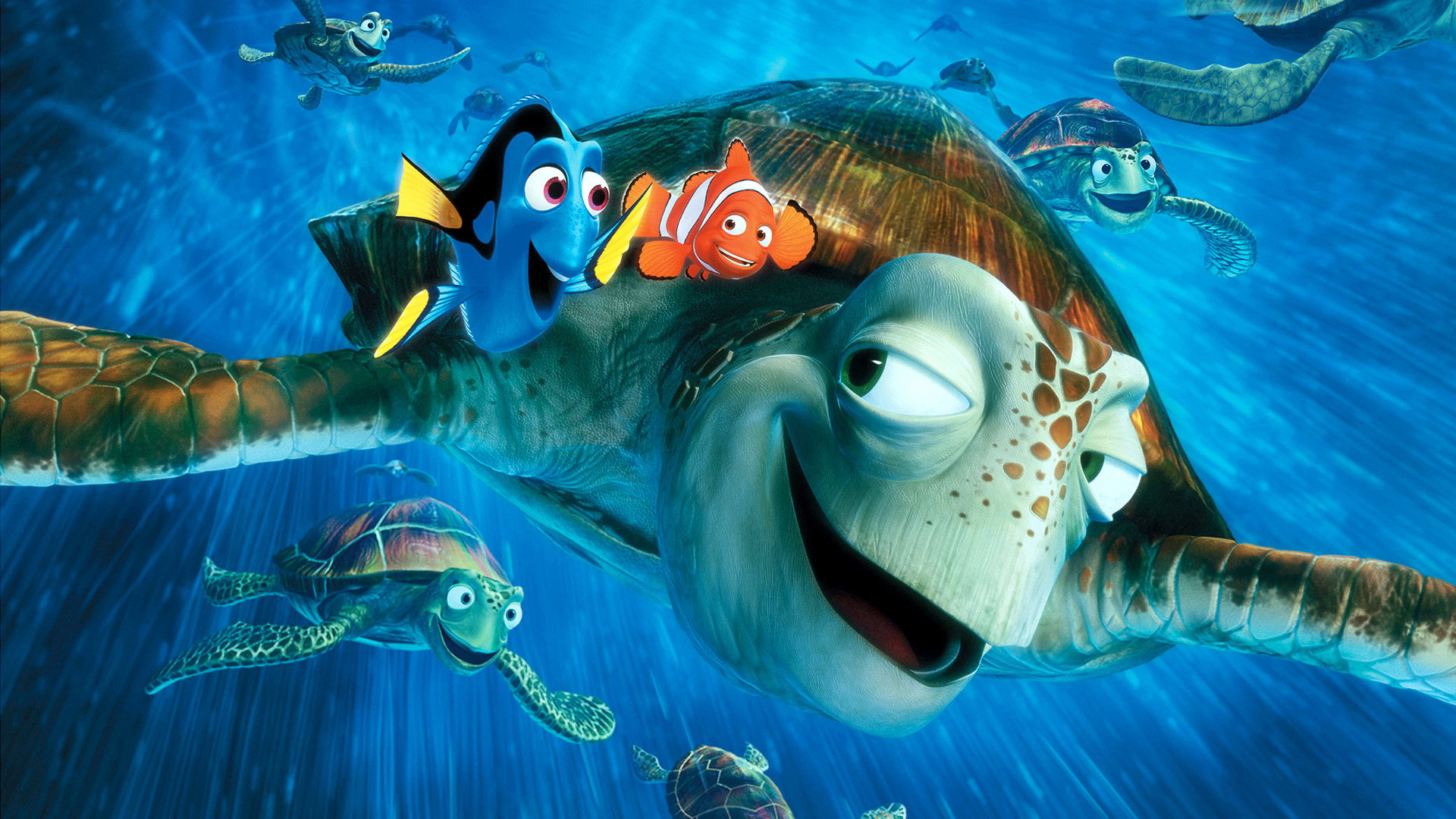
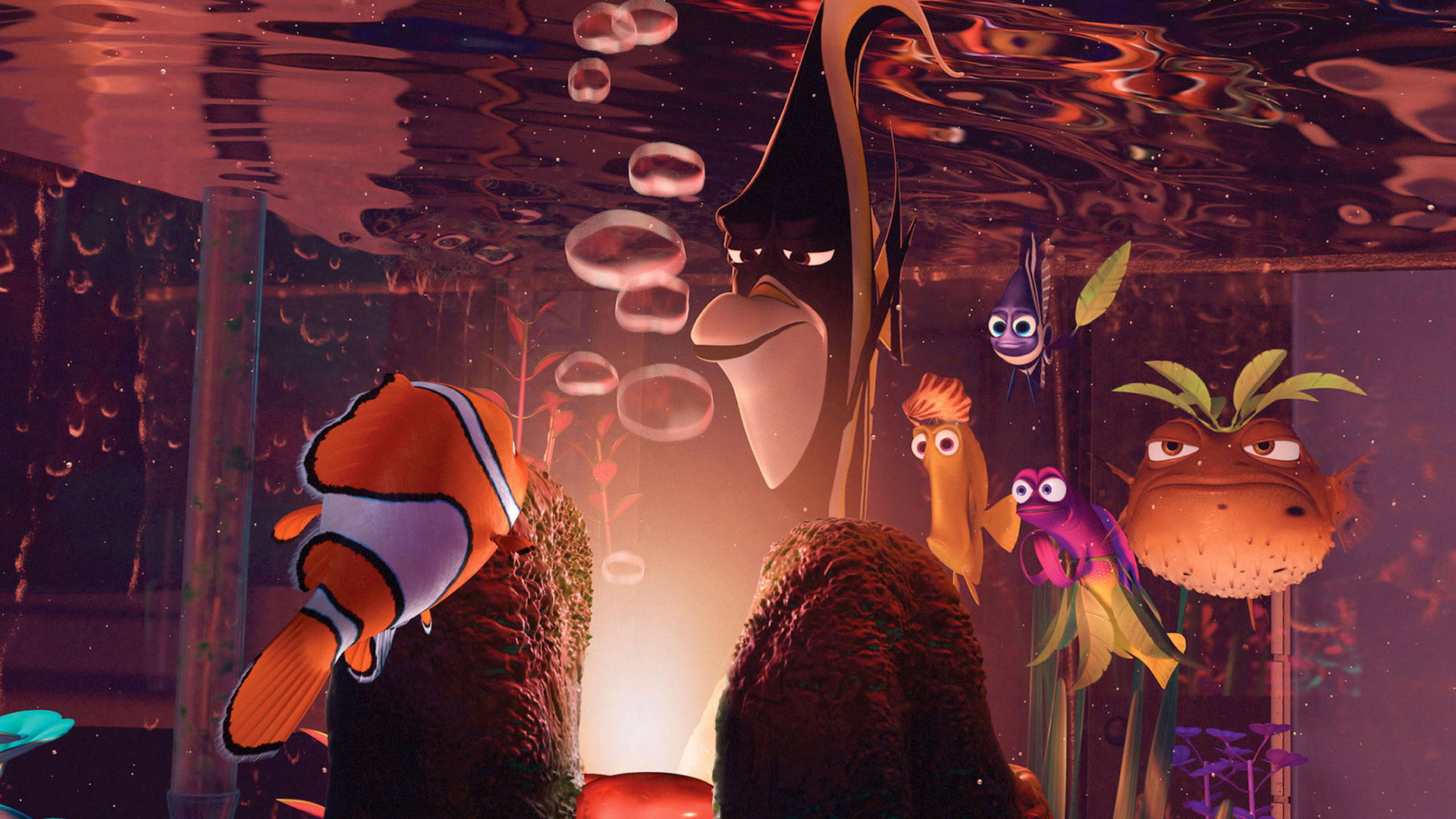
Ellen DeGeneres gives Dory a welcome conversational ease. Her exchanges with Brooks have a loose, companionable rhythm that allows the jokes to feel discovered during conversation. The screenplay, credited to Stanton, Bob Peterson and David Reynolds, also finds room for the sharks’ attempts at reform, a joke that is funny before the adults have finished recognising it. The sea creatures have enough individual worries to keep the journey from feeling like a succession of introductions.
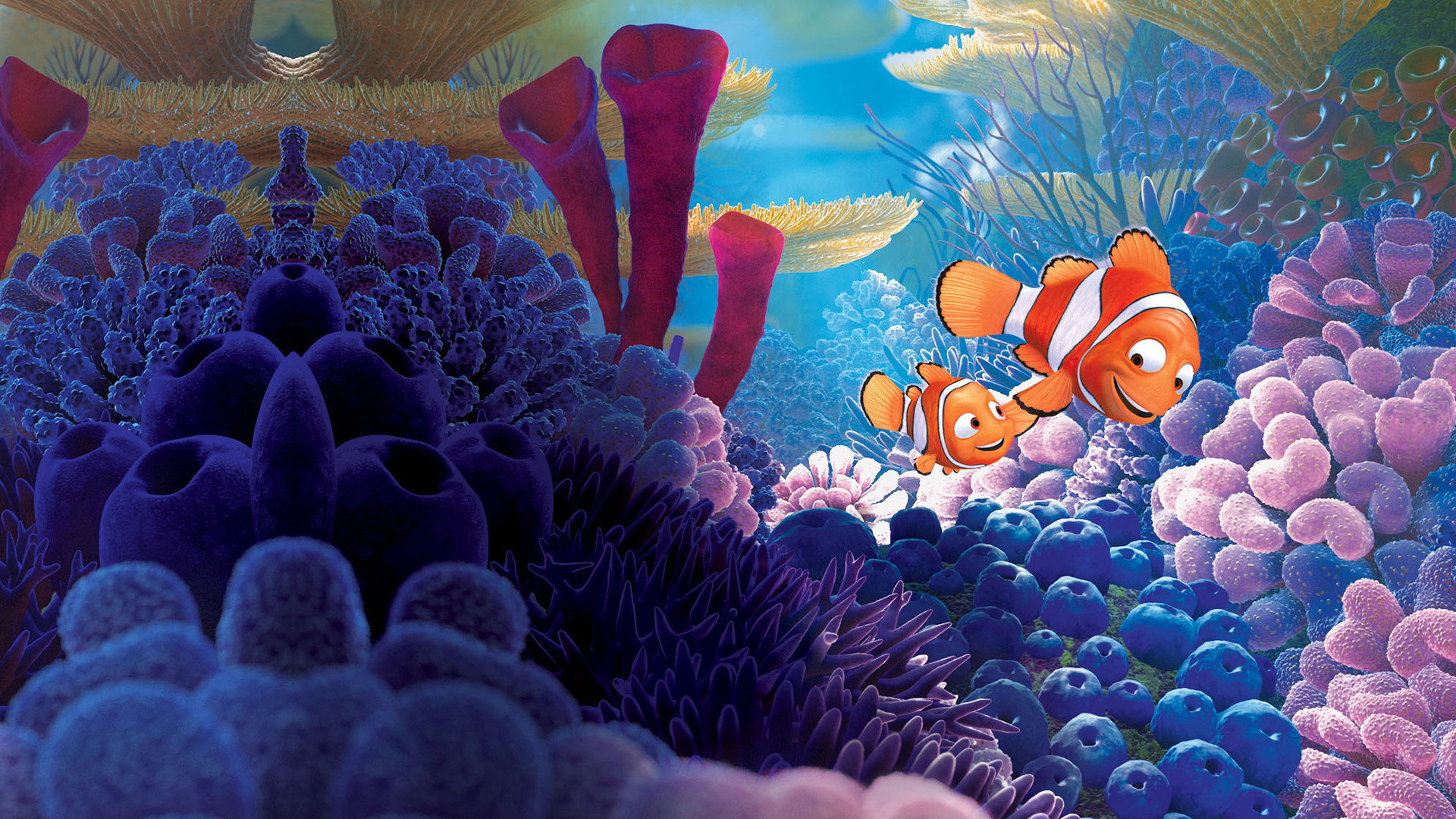
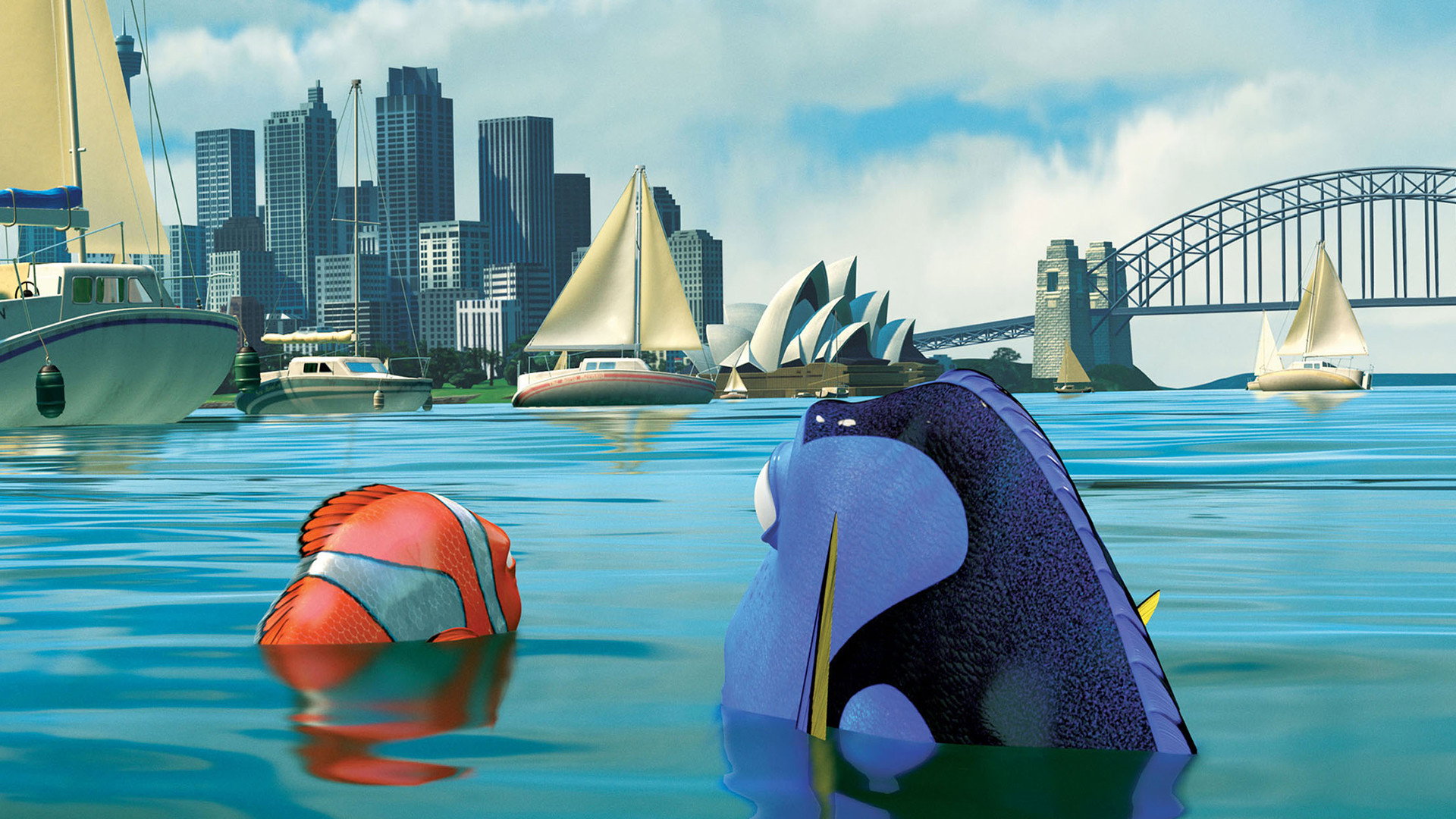
Cinematographers Jeremy Lasky and Sharon Calahan keep the characters readable amid the underwater colour and movement. The Great Barrier Reef is busy and expansive enough to make a small fish’s vigilance seem understandable. Ralph Eggleston’s production design keeps the habitat convincing even when the sharks behave like people attending a recovery meeting. There is pleasure in the scenery, but it never makes the creatures seem like an interruption.
David Ian Salter’s editing keeps the adventure moving while leaving enough room for Brooks and DeGeneres to find their comic rhythm. That matters in a film with so many creatures asking for attention. Thomas Newman’s score gives the underwater world a sense of space, allowing the images to feel larger than the immediate business of the search. His music works best when it leaves the voices room; these performances need little help making us care.
Stanton and his fellow writers are sometimes too keen to tell us what the parent should learn. The family tensions are plain enough in the performances, and the insistence on a lesson makes an otherwise nimble film feel briefly instructional. A little more trust in the audience would help, especially when Brooks has already made both the love and the exasperation clear.
As a family adventure, it gives adults and children a good reason to pay attention to the same characters. The creatures are entertaining company even when their problems are familiar. At 100 minutes, it offers plenty without wearing out its welcome. Watch it together, and resist explaining the lesson afterwards.