Chris Morris makes a painfully funny comedy about men whose incompetence does not make them harmless. Riz Ahmed and Nigel Lindsay keep it unsettling, though the middle repeats jokes that have already done their work.
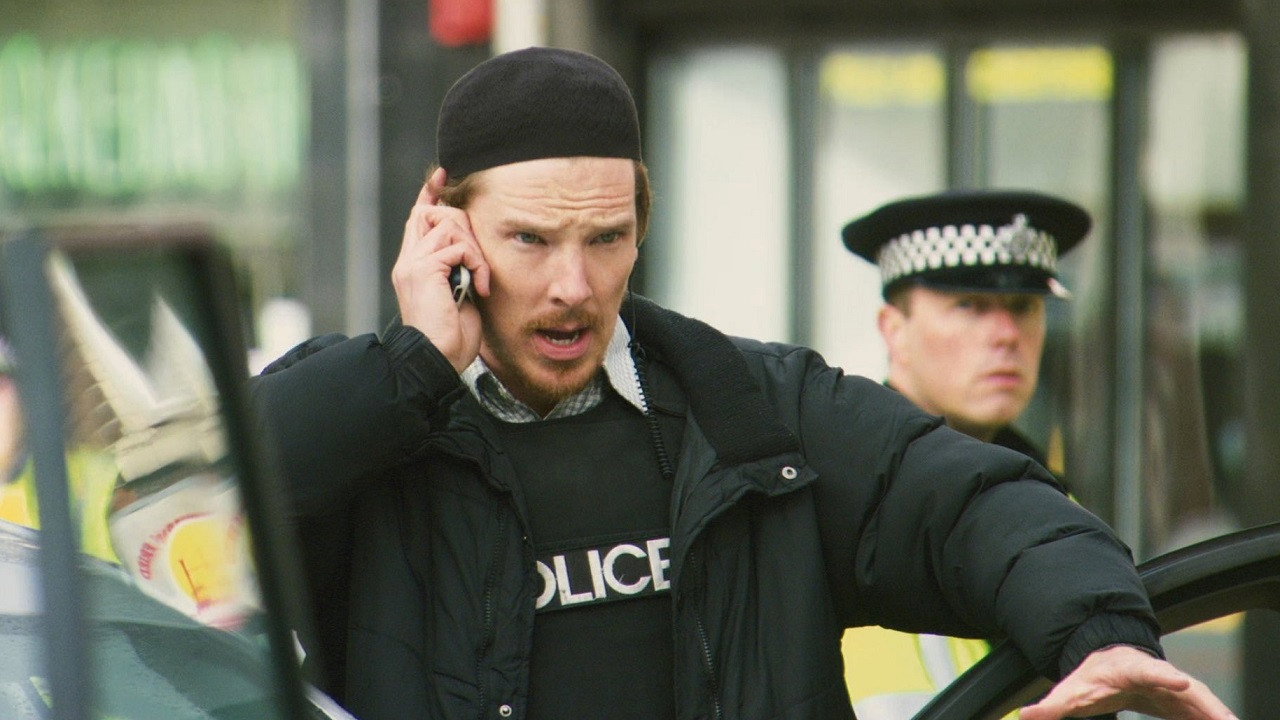
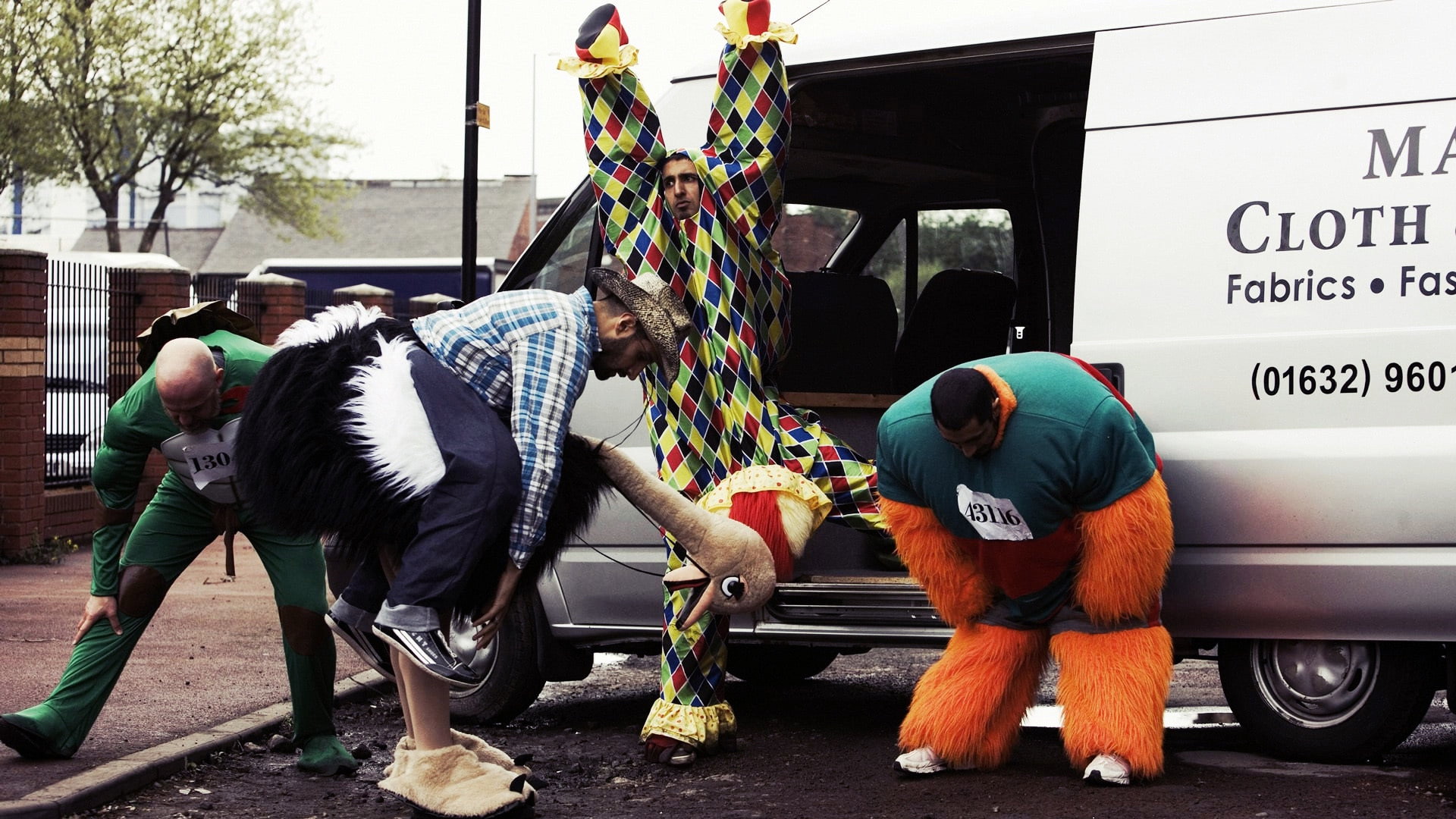
Chris Morris asks us to spend Four Lions in the company of aspiring suicide bombers and to laugh at them before we have worked out how we feel about that. It is a sharp, often painfully funny film, worth seeing even though its middle stretch starts repeating itself. The men are British, their plans murderous, and their capacity to agree on anything limited. Morris finds comedy in the business of getting them to cooperate, without suggesting that incompetence makes them safe.
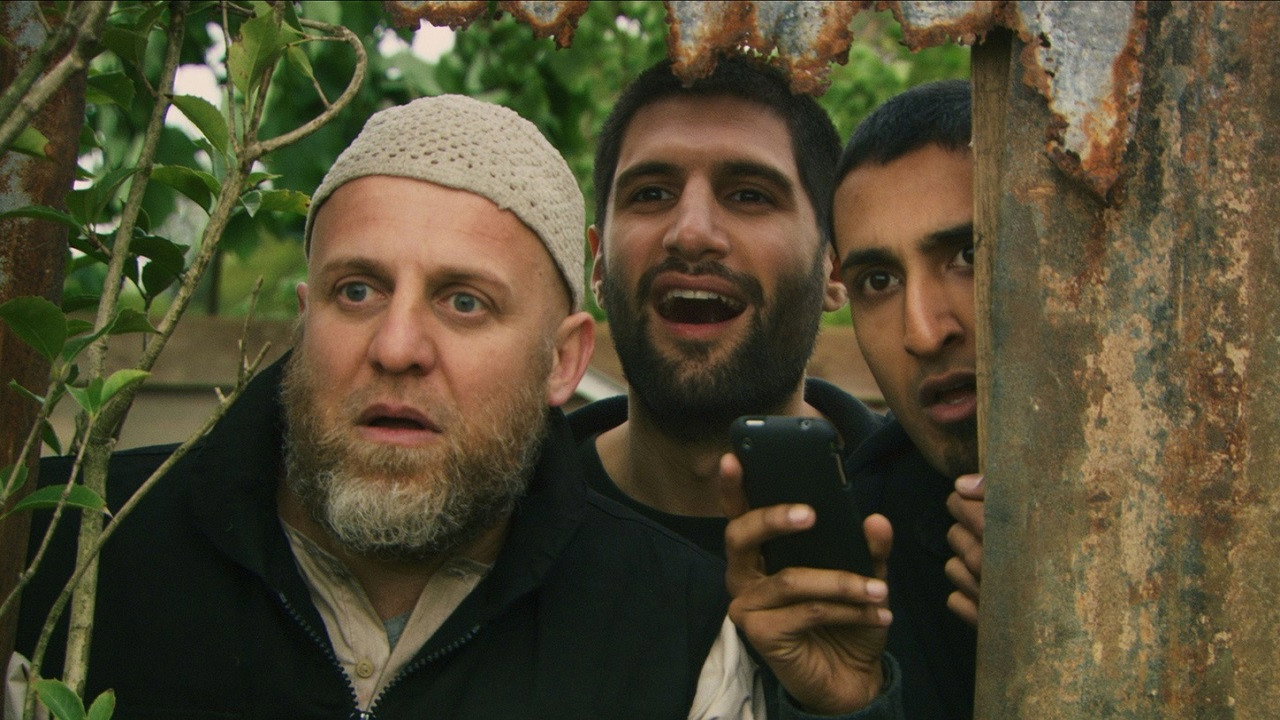
Morris and fellow writers Simon Blackwell, Sam Bain and Jesse Armstrong give these men the familiar failings of people who spend too much time together. They bicker, misunderstand and submit to pressure from one another, turning preparations for an attack into a succession of petty disputes. The jokes depend on who gives way, who insists and who is prepared to follow. That gives even the broader exchanges a recognisable cause: the men want approval from each other, and their need to belong makes them susceptible to some terrible ideas.
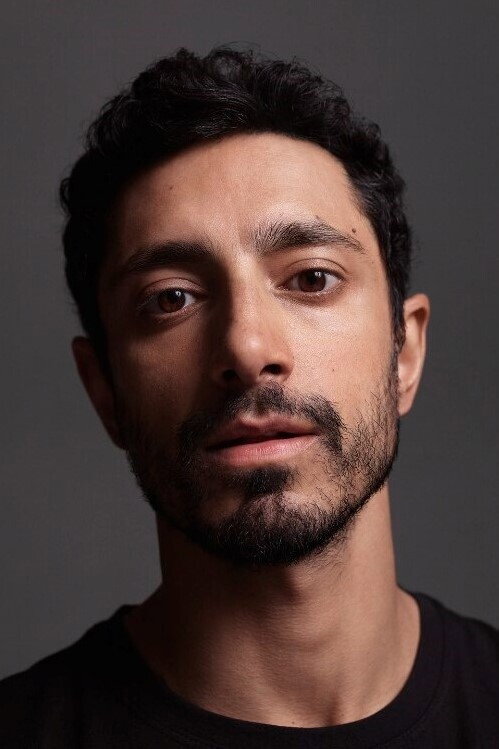
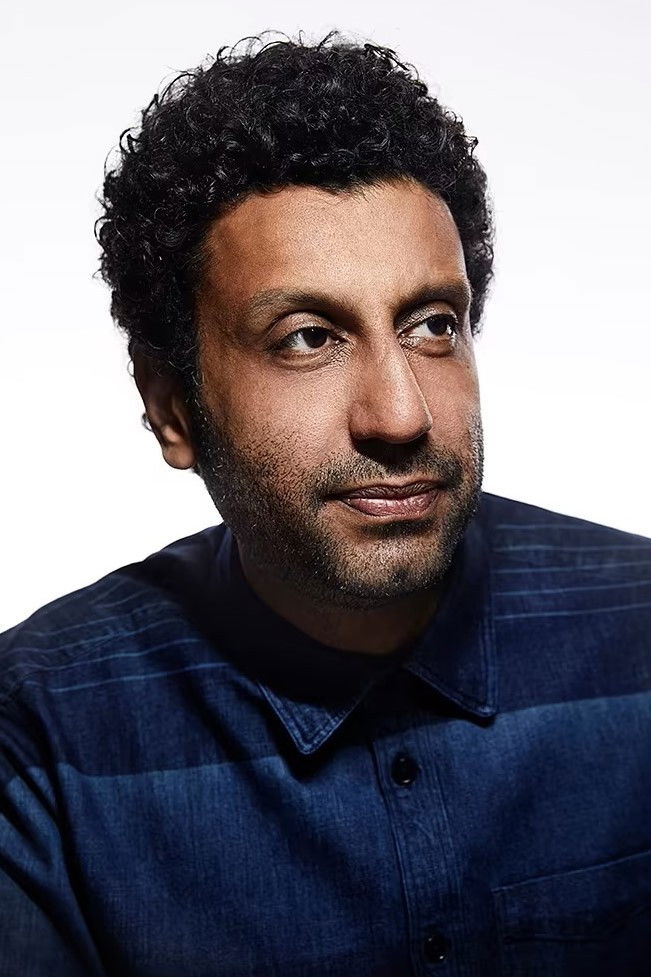
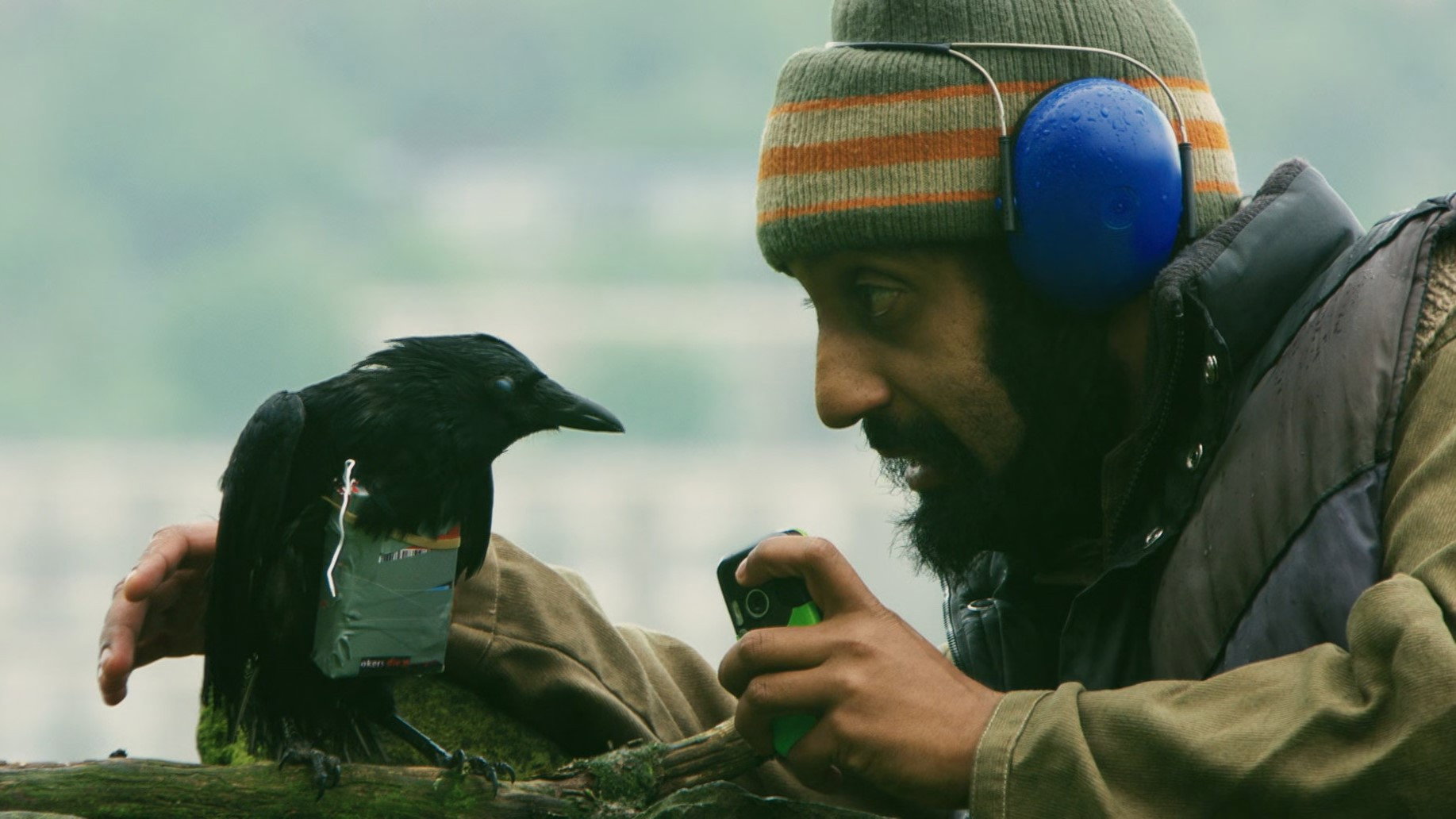
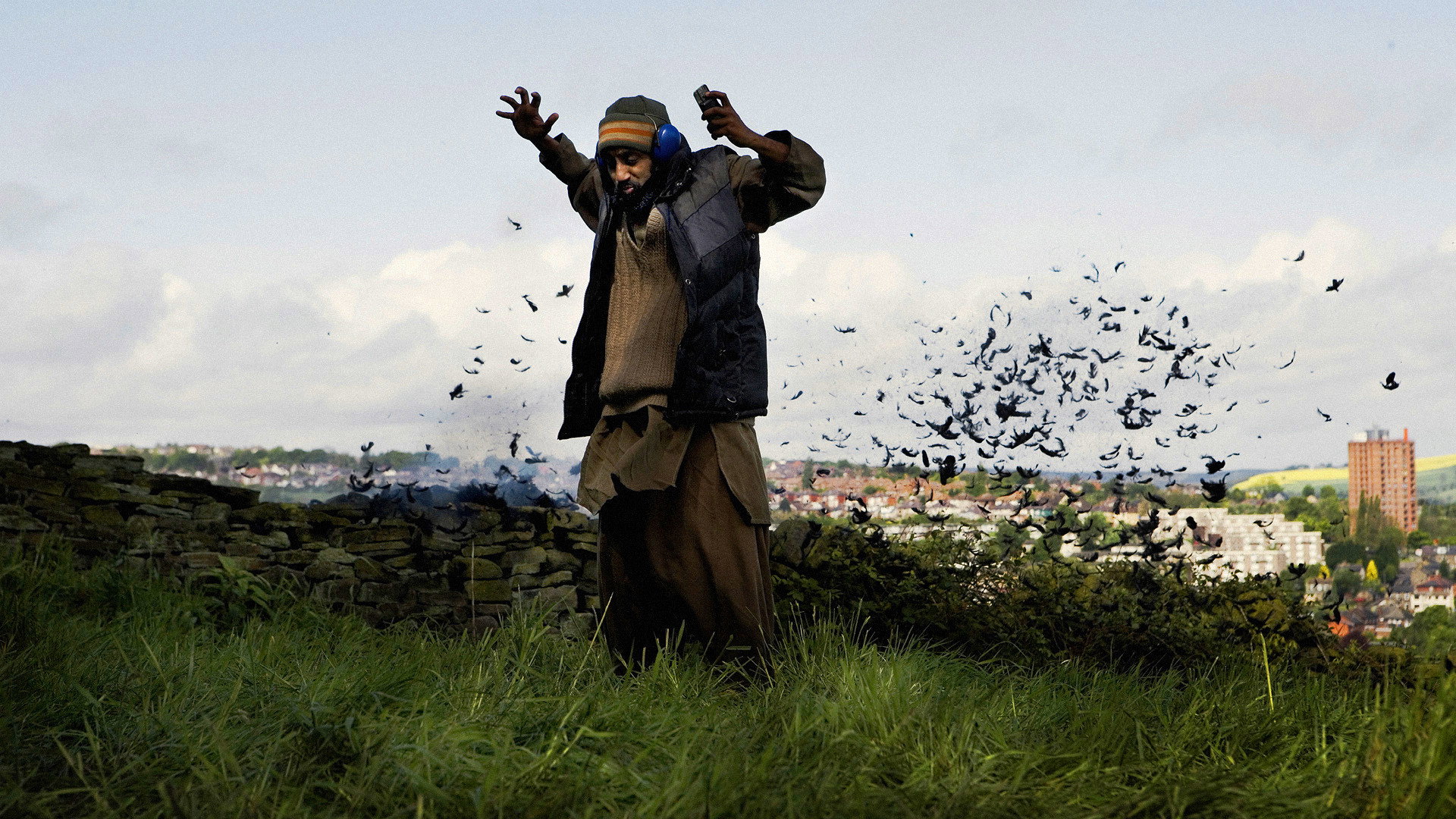
Riz Ahmed’s Omar gives the film someone capable of recognising stupidity without being free of it himself. Ahmed resists making him merely the sensible man waiting for the others to catch up. We were unsettled by the ease of Omar’s happy family life: the domestic contentment does nothing to interrupt his preparations for violence. Nigel Lindsay’s Barry supplies a harsher comic energy, with the belligerence of someone who regards any disagreement as a personal insult.
Lol Crawley’s cinematography keeps us close to the men’s confusion, using a loose, observational style that suits the bickering. It is an effective choice for people who already take their own importance far too seriously. Dick Lunn’s production design is similarly unshowy around Omar’s family, making the domestic life credible without distracting from the people. Those surroundings deny us the easy reassurance that someone planning an atrocity must look different from everyone else.
Billy Sneddon’s editing gives the bickering room to become funny, so that we can follow how one misunderstanding leads to another. Jonathan Whitehead’s music sensibly takes second place to those voices, which do most of the comic work. There is no need to underline every absurdity when the cast can sound so convinced. The trouble comes when another round of confusion tells us little that the previous one did.
At 97 minutes, the film is not long, but it has an episodic middle that feels longer than it should. Morris and the writers sometimes accept another demonstration of foolishness where we need a change in the relationships. This is also where the satire risks becoming comfortable: it is easy to feel clever while watching people get things wrong. A few broader passages ask less of us than the uneasy affection established elsewhere.
Yet by the standards of political farce, Four Lions is unusually willing to let its ridiculous people become people we care about. Morris does not need to redeem them to make that care disquieting, and Ahmed in particular prevents the film settling into simple mockery. The violence they contemplate remains a choice, however foolishly they discuss it. Choose company willing to laugh and then argue about what they have laughed at.