Series review

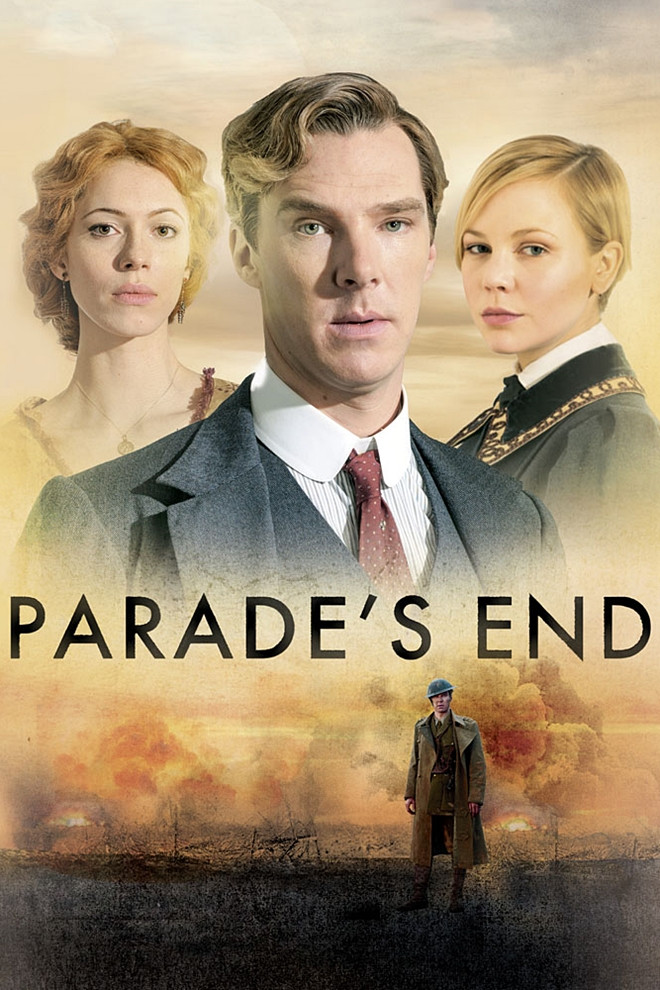
Parade's End

2012 · Series · 58m · MPA TV-MA

In a sentenceRebecca Hall makes bad manners worth paying close attention to

DramaWar & Politics

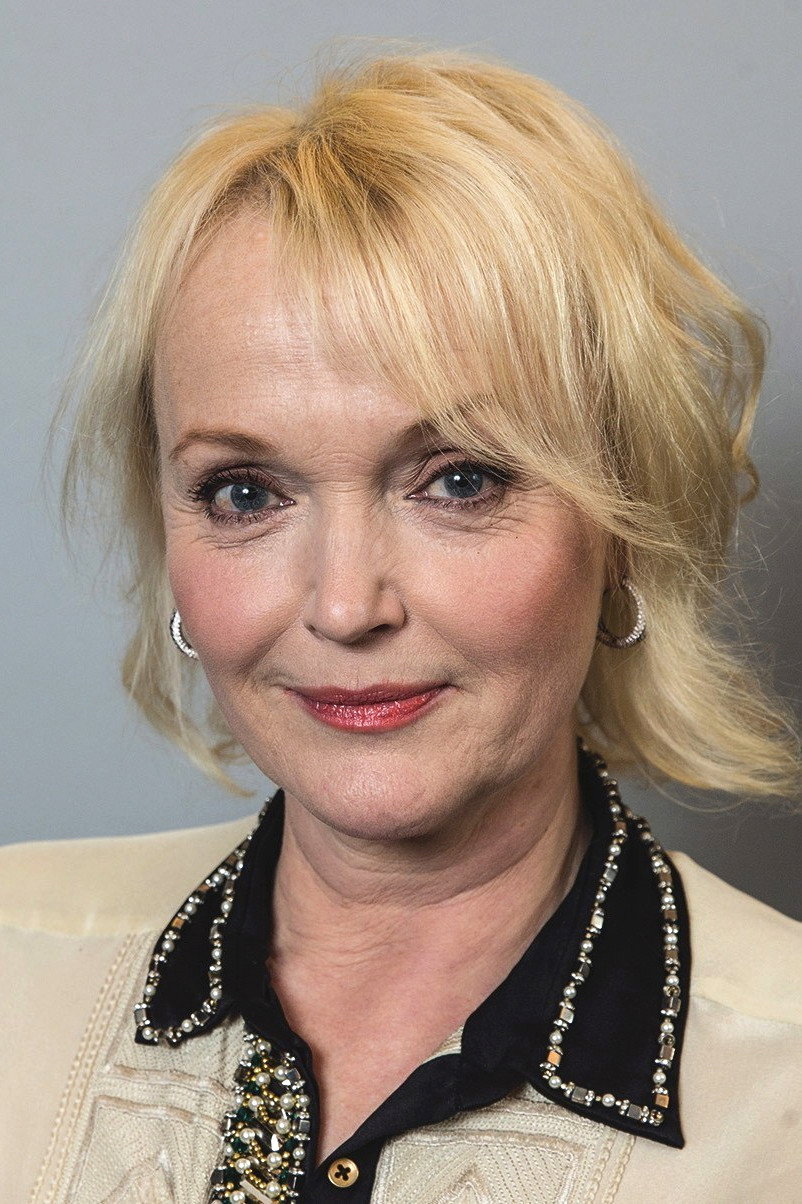
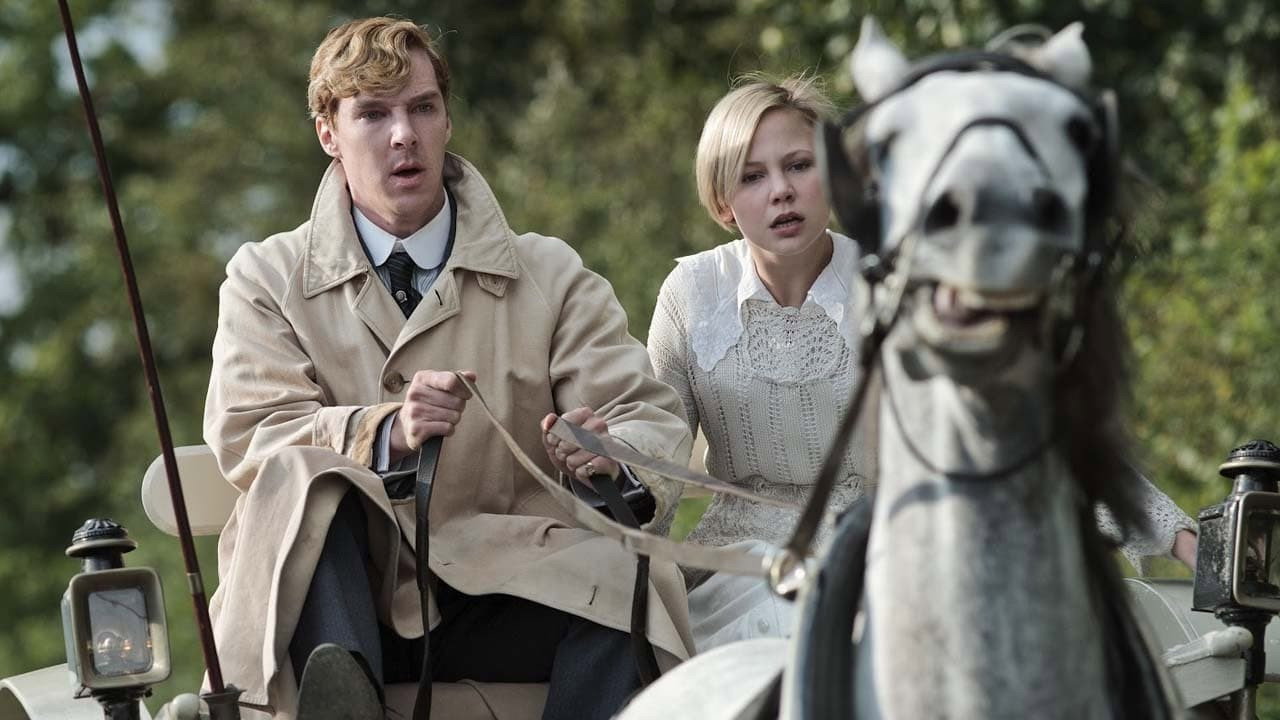
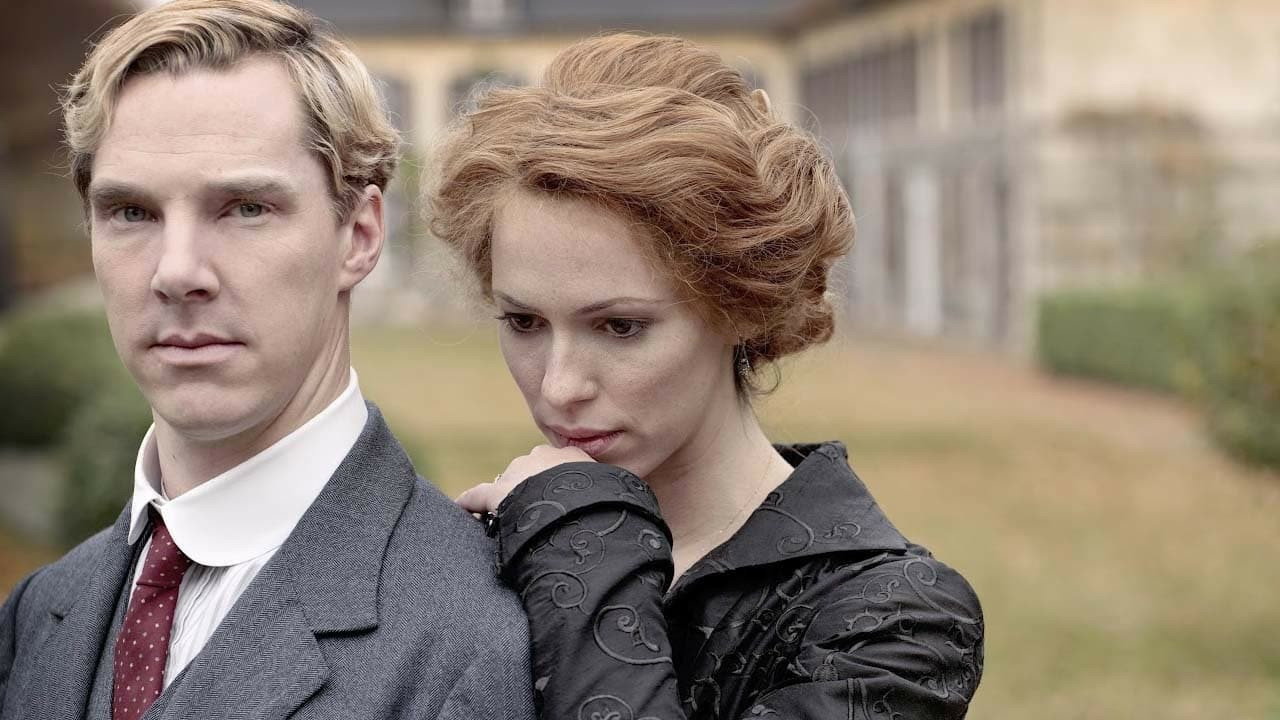
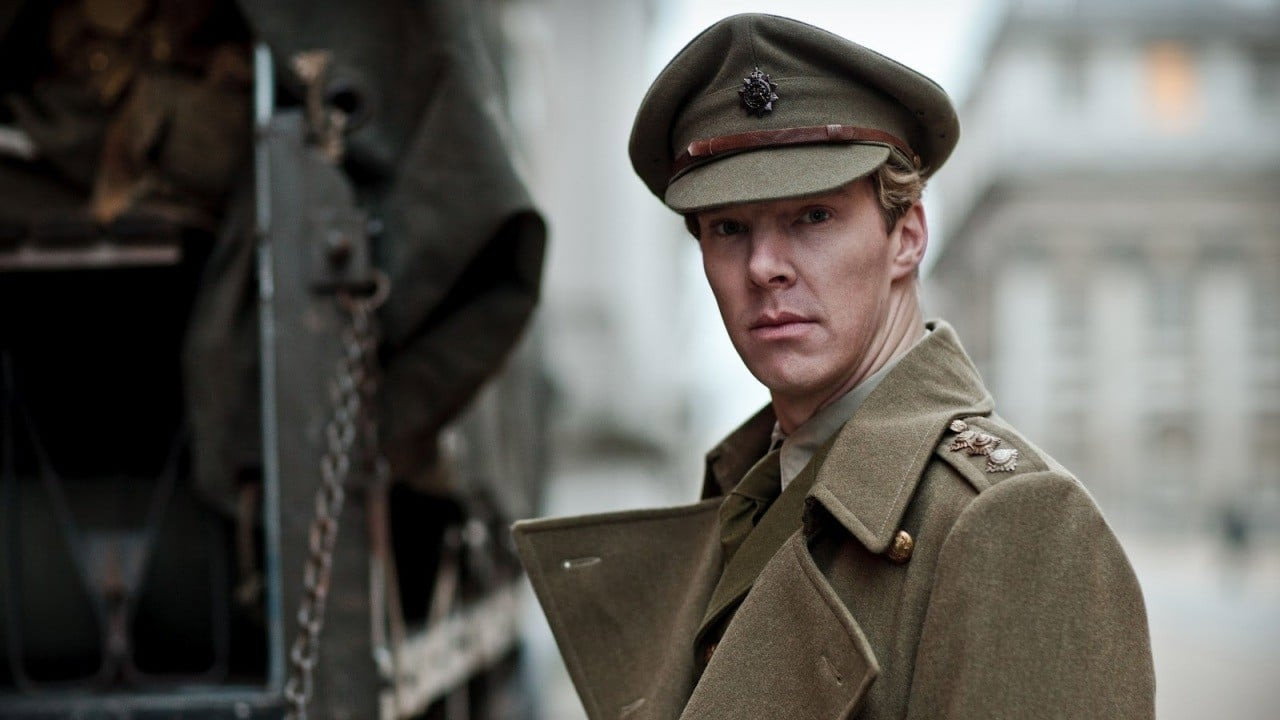
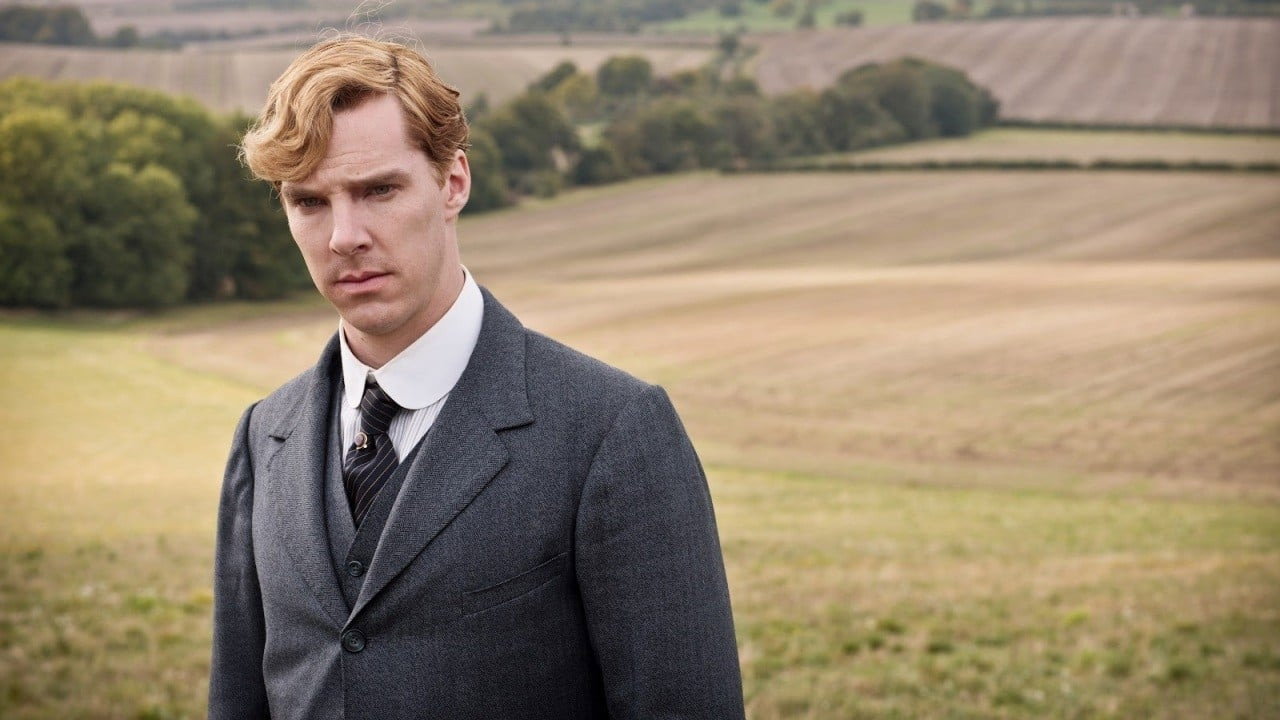
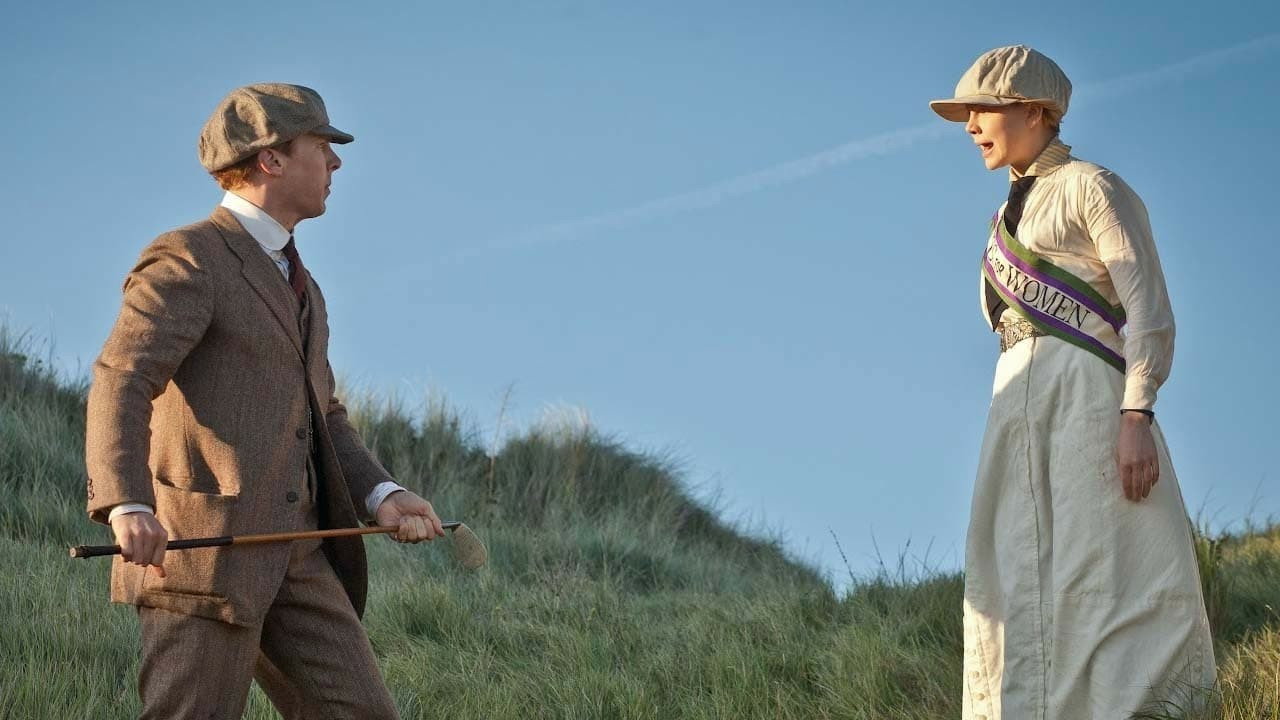
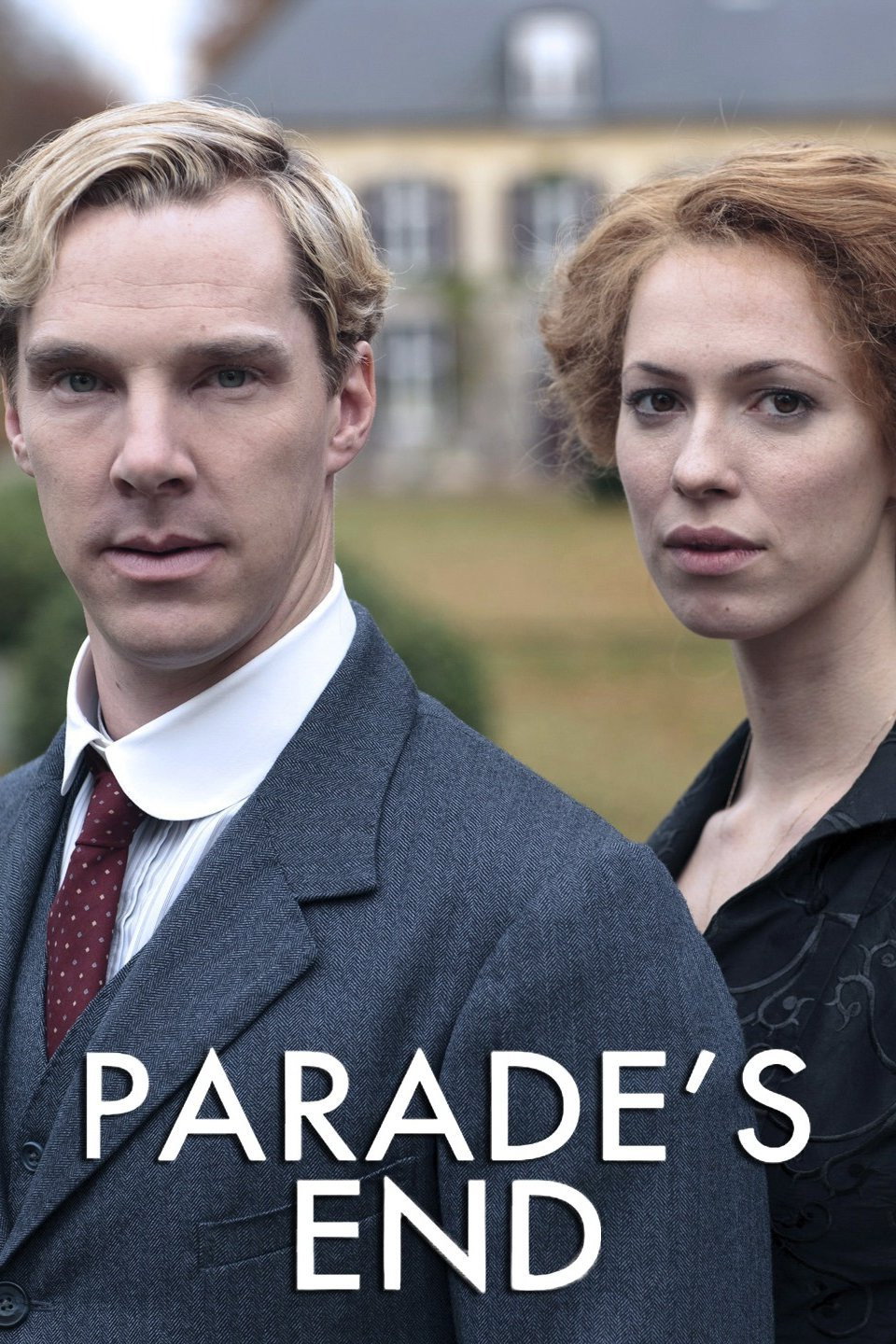
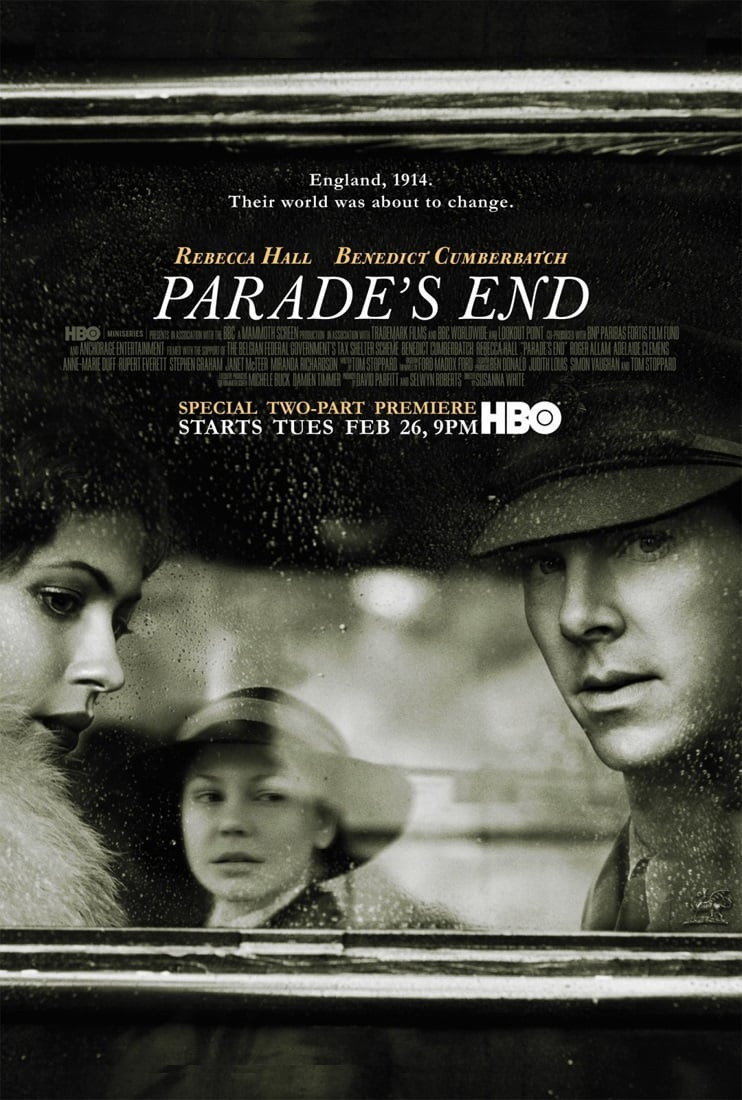
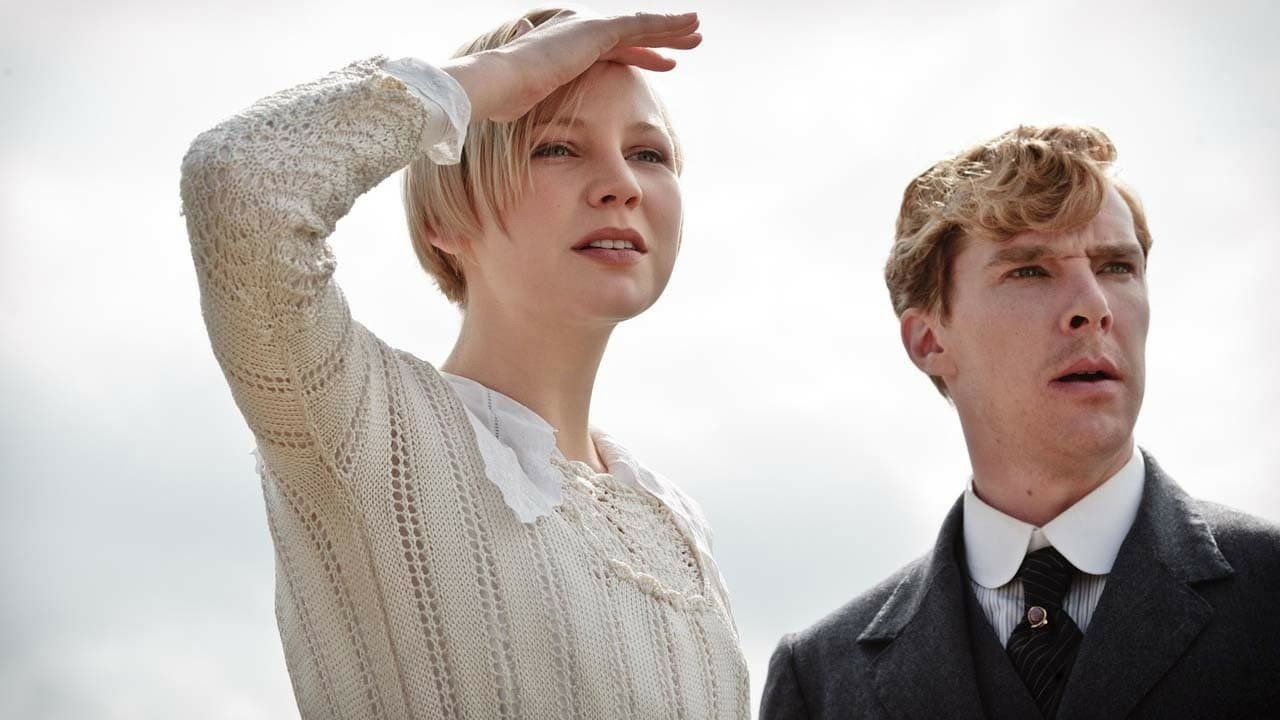
Christopher Tietjens (Benedict Cumberbatch), Sylvia Tietjens (Rebecca Hall) and Valentine Wannop (Adelaide Clemens) are at the centre of a romance set against the First World War. Their story brings private feelings into conflict with social expectations, as people struggle to understand one another and make themselves understood. Around them are Mrs. Wannop (Miranda Richardson), General Campion (Roger Allam), Mark Tietjens (Rupert Everett) and Vincent MacMaster (Stephen Graham). Adapted from Ford Madox Ford by Tom Stoppard, the five-part drama follows the emotional complications of lives caught up in war.

Plays from YouTube when you press play; nothing loads from them until then.

Fi1m review

Benedict Cumberbatch and Rebecca Hall make Parade’s End worth the effort. Tom Stoppard’s demanding adaptation is funny, bruising and sometimes needlessly difficult to follow, with performances that keep its intelligence from becoming a barrier.

Parade’s End is worth the concentration it demands, though it sometimes makes us work harder than the drama requires. Tom Stoppard adapts Ford Madox Ford across five episodes, with Susanna White directing a cast capable of making a difficult exchange feel urgent. The pleasure is in watching intelligent people misunderstand one another, or understand perfectly and behave badly anyway. This is period drama with little interest in reassuring us that good manners indicate good character.

Benedict Cumberbatch gives Christopher Tietjens a weight that can initially look like stiffness. His reserve asks for patience, and the performance rewards it by making small changes in feeling register without announcing themselves. We came to care about him more than we expected, because that restraint makes his difficulty expressing himself painful to watch. It also presents a practical problem: the series cannot always rely on its central figure to make a crowded exchange easier to follow.

Rebecca Hall, as Sylvia Tietjens, supplies the sharpest counterweight. We laughed at her cutting remarks, then felt uneasy about how quickly we had forgiven the cruelty. She gives Sylvia such pleasure in being clever that the damage can register a beat after the joke. The performance stops the writing’s wit becoming merely decorative: there is usually someone on the receiving end. Even when the conversation is difficult to follow, she makes us attend to every word.

Adelaide Clemens’s Valentine Wannop provides welcome directness alongside those two heavily defended performances. She is particularly valuable when the dialogue threatens to become an exhibition of cleverness. Stoppard is alert to the ways a conversation can be entertaining and hurtful at once, but less dependable about making clear which information we need to retain. Some exchanges demand more reconstruction than their emotional importance warrants, and the work can interrupt our involvement just when it ought to be deepening.

Mike Eley’s cinematography and Martin Childs’s production design give the series a polish that is pleasurable without making these lives seem especially inviting. The visual formality suits characters so concerned with how they appear to others. Susanna White is most persuasive when the performances make that composure feel precarious, allowing an uncomfortable exchange to disturb our enjoyment of the period detail. Occasionally the finish is too immaculate, and people who ought to trouble us become rather comfortable to look at.

The editing by Tim Murrell, Jason Krasucki and Kristina Hetherington gives the drama some welcome jolts. Its less conventional transitions demand attention, although they can leave us sorting out connections after the actors have moved on. Dirk Brossé’s score supplies warmth when the conversation grows forbidding, helping us stay with feelings that the characters themselves find difficult to acknowledge. There is care in these choices, even when the combination of dense dialogue and uneven pace makes an episode feel longer than it should.

Compared with more reassuring period television, Parade’s End places considerable trust in our willingness to listen. Its humour matters because it makes difficult people entertaining company without requiring us to approve of them. The confusion is real, and we would not recommend treating every difficulty as proof of depth. Start it when neither of you intends to keep checking a phone; Rebecca Hall deserves to finish her sentences.
Critical consensus AI synthesised

73
Positive
6
Mixed
0
Negative
2

Most critics welcome Parade’s End as an intelligent, demanding period drama, with praise clustering around its performances and refusal to make its characters easy company. Benedict Cumberbatch and Rebecca Hall receive particular attention, with Hall’s sharp-witted Sylvia standing out even in less favourable reviews. Susanna White’s direction earns praise for visual flair, while the writing is admired for its irony, strong dialogue and complex characterisation. Admirers find the drama intellectually rewarding without sacrificing emotional weight.

The spread is wide, however, and the chief disagreement concerns pace and clarity. The Hollywood Reporter admires the acting and direction but finds the storytelling confusing and insular. The two negative reviews still credit the cast: The AV Club finds the adaptation flat despite some effective editing, while Variety calls its slow-moving romance unengaging. What most critics value as a demand for close attention, the dissenters experience as a struggle to stay involved.

The Guardian
25 August 2012 · Sam Wollaston
90*

The critic calls it thoughtful, thought-provoking, intelligent drama far superior to Downton Abbey. He singles out the strong performances, especially Rebecca Hall as Sylvia and Benedict Cumberbatch as Tietjens, along with Susanna White's direction.

Read the full review →
The Independent
6 September 2012 · Grace Dent
90*

Parade's End is one of the finest things the BBC has ever made, a cerebral period drama with a massive brain that is Downton Abbey's smarter sibling. It excels in its portrayal of complex characters like the razor-witted Sylvia and its non-macho approach to the era's end.

Read the full review →
The Telegraph
24 August 2012 · ★★★★½ · James Walton
90

The opening episode demanded and rewarded full attention as a thoughtful, ambitious adaptation that avoided easy concessions to the audience. It was immaculately acted with visual flair from director Susanna White and praised for its originality and irony.

Read the full review →
The Times
25 August 2012
85*

The series is a triumph thanks to its stellar cast, high-class sauce and intelligent direction that feels original rather than cosy. Stoppard's script delivers entertainment that is also intellectually satisfying.

Read the full review →
The Hollywood Reporter
22 February 2013 · Tim Goodman
70*

The critic praises the stellar acting from Cumberbatch and Hall, lush direction by White, and high-art qualities, but notes it is confusing, less structured than Downton Abbey, and insular with an odd rhythm that may limit appeal.

Read the full review →
The AV Club
26 February 2013 · Brandon Nowalk
40*

The miniseries moves like a still-life, rendered smooth and flat on screen despite the source material's storm-like energy, resulting in a drizzly viewing experience one must endure. It singles out the strong central performances, particularly Rebecca Hall's witty and singular Sylvia, alongside some effective modernist editing moments from director Susanna White.

Read the full review →

Cast

If you liked this, try…

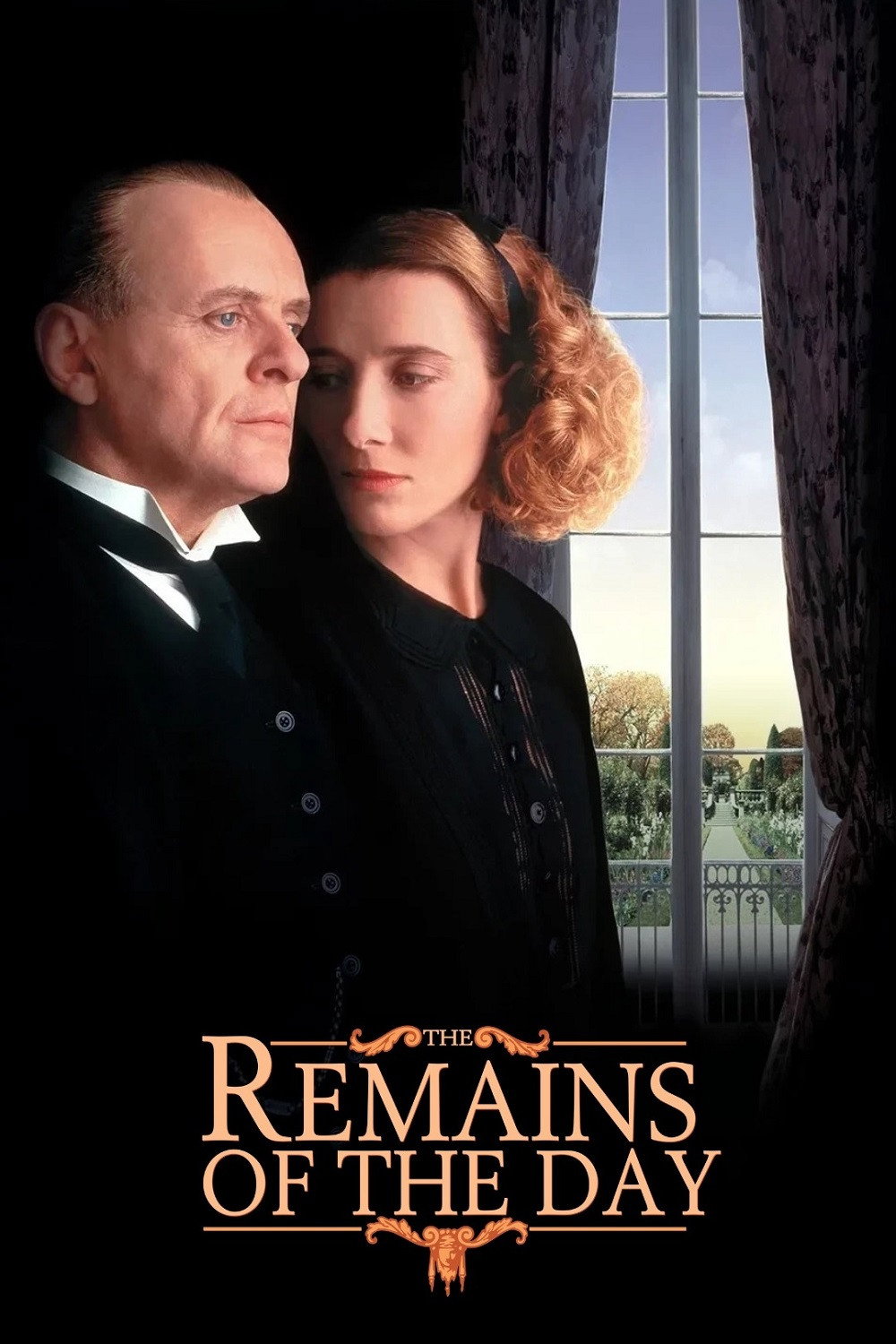
The Remains of the Day poster88

The Remains of the Day

1993 · Another restrained man discovers how much damage can hide behind proper behaviour.

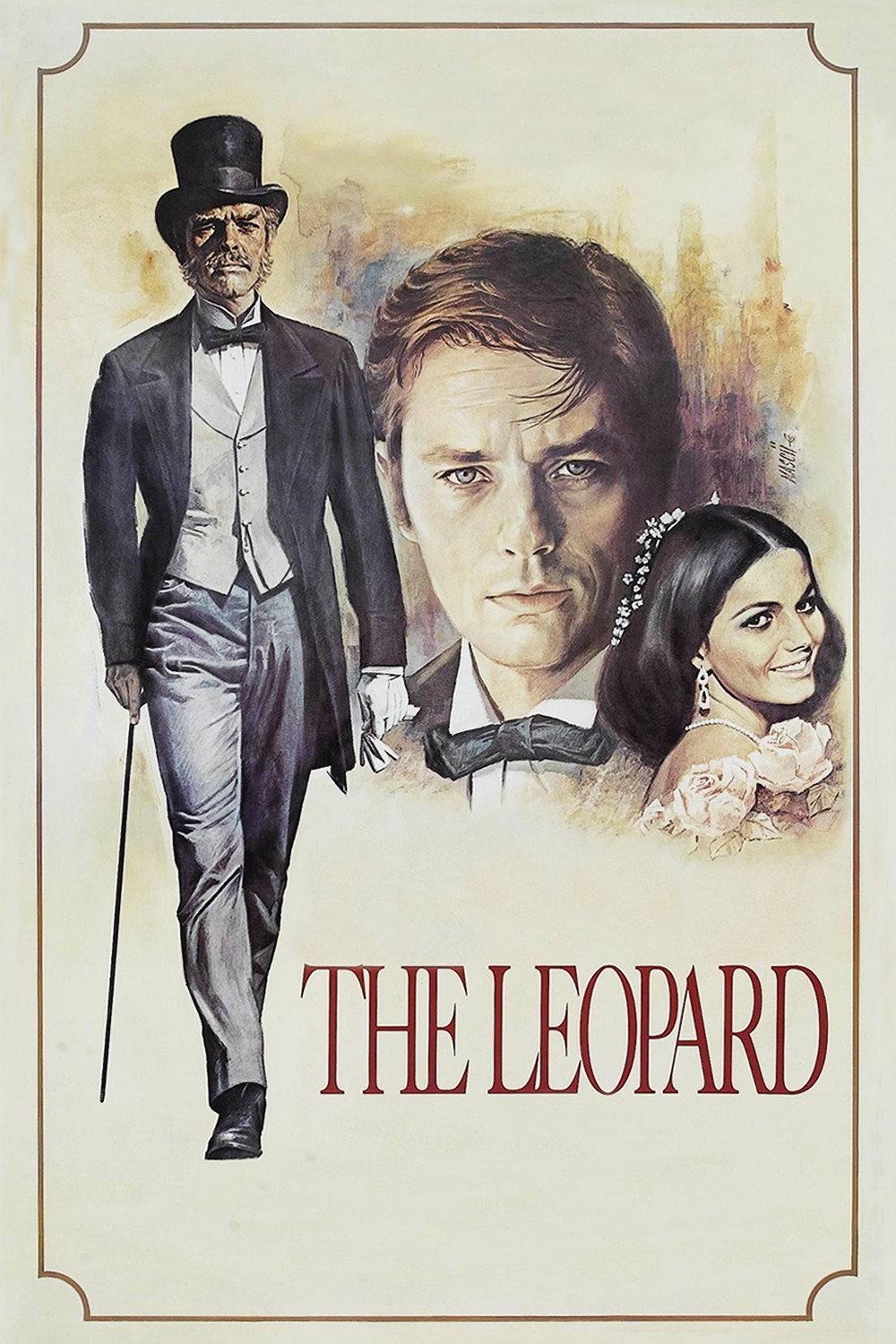
The Leopard poster

The Leopard

1963 · An aristocratic society confronts change, with exquisite manners offering little practical help.

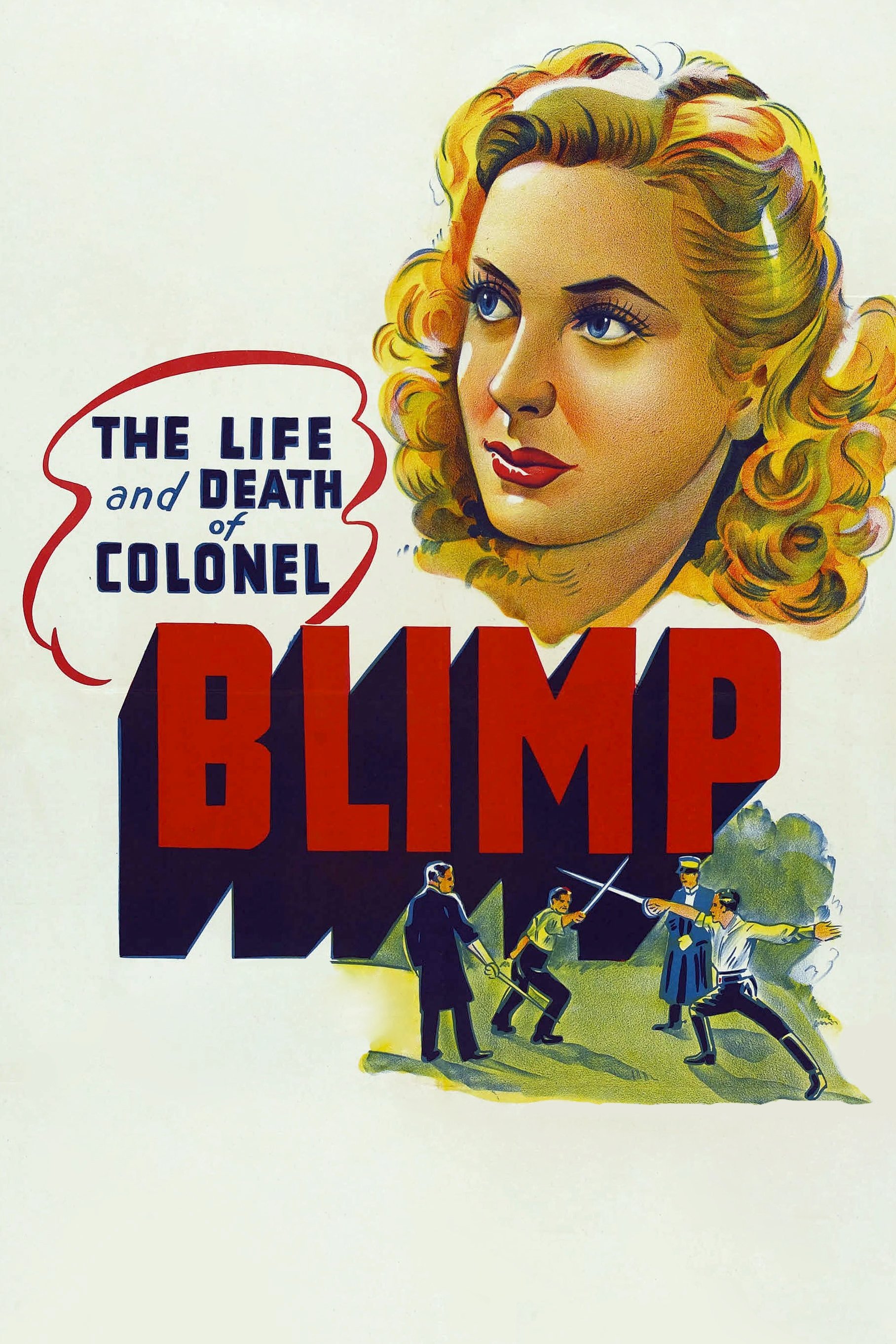
The Life and Death of Colonel Blimp poster

The Life and Death of Colonel Blimp

1943 · A generous examination of military honour and the difficulty of changing one’s mind.

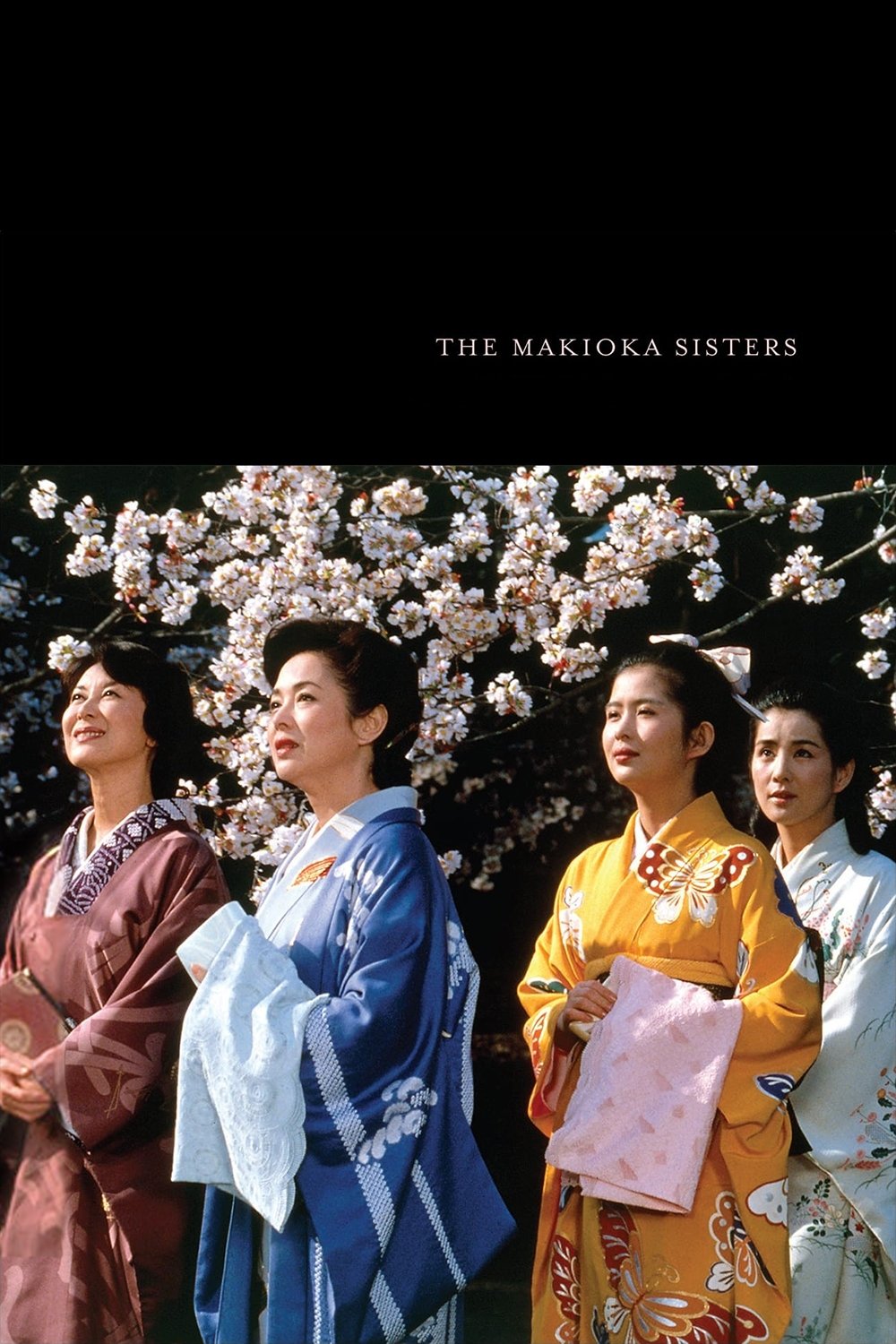
The Makioka Sisters poster

The Makioka Sisters

1983 · Family obligations and marriage negotiations reveal a society struggling to preserve its habits.

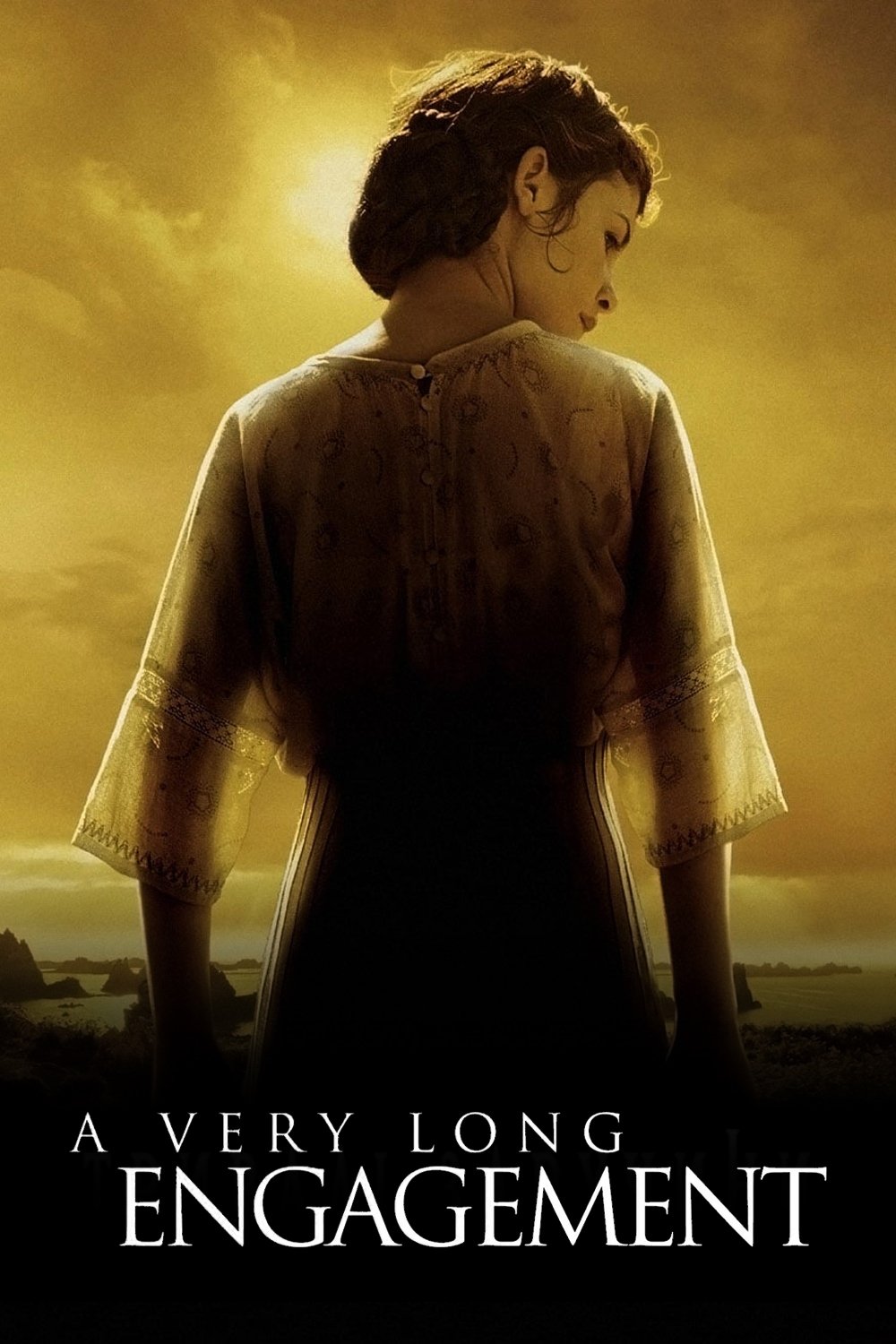
A Very Long Engagement poster

A Very Long Engagement

2004 · For another wartime romance that gives stubborn hope its proper complications.