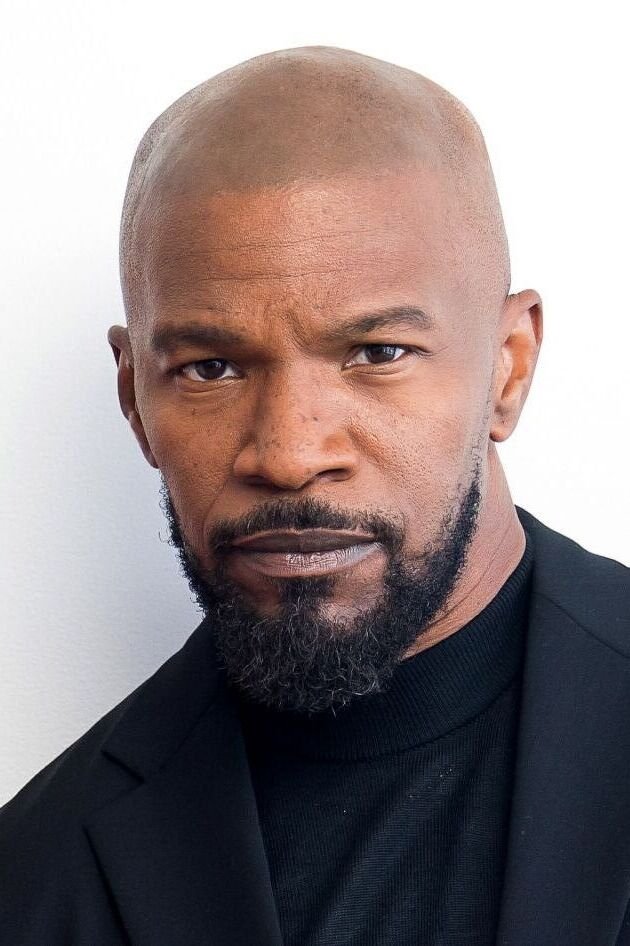
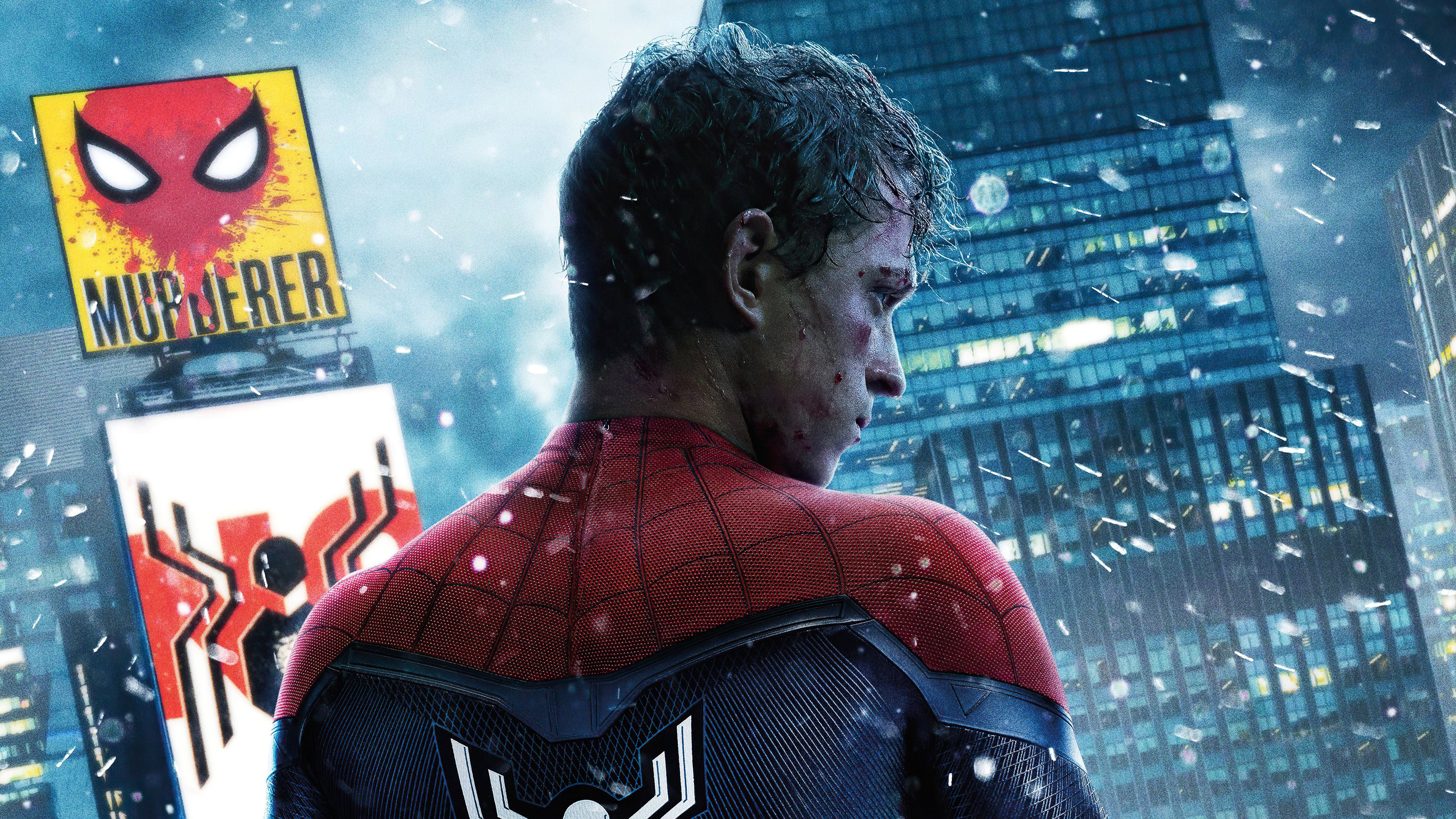
Tom Holland gives this crowded Spider-Man reunion enough feeling to justify the return visits. Jon Watts handles the people better than the spectacle, and the dependence on earlier films makes this a qualified recommendation for the already acquainted.
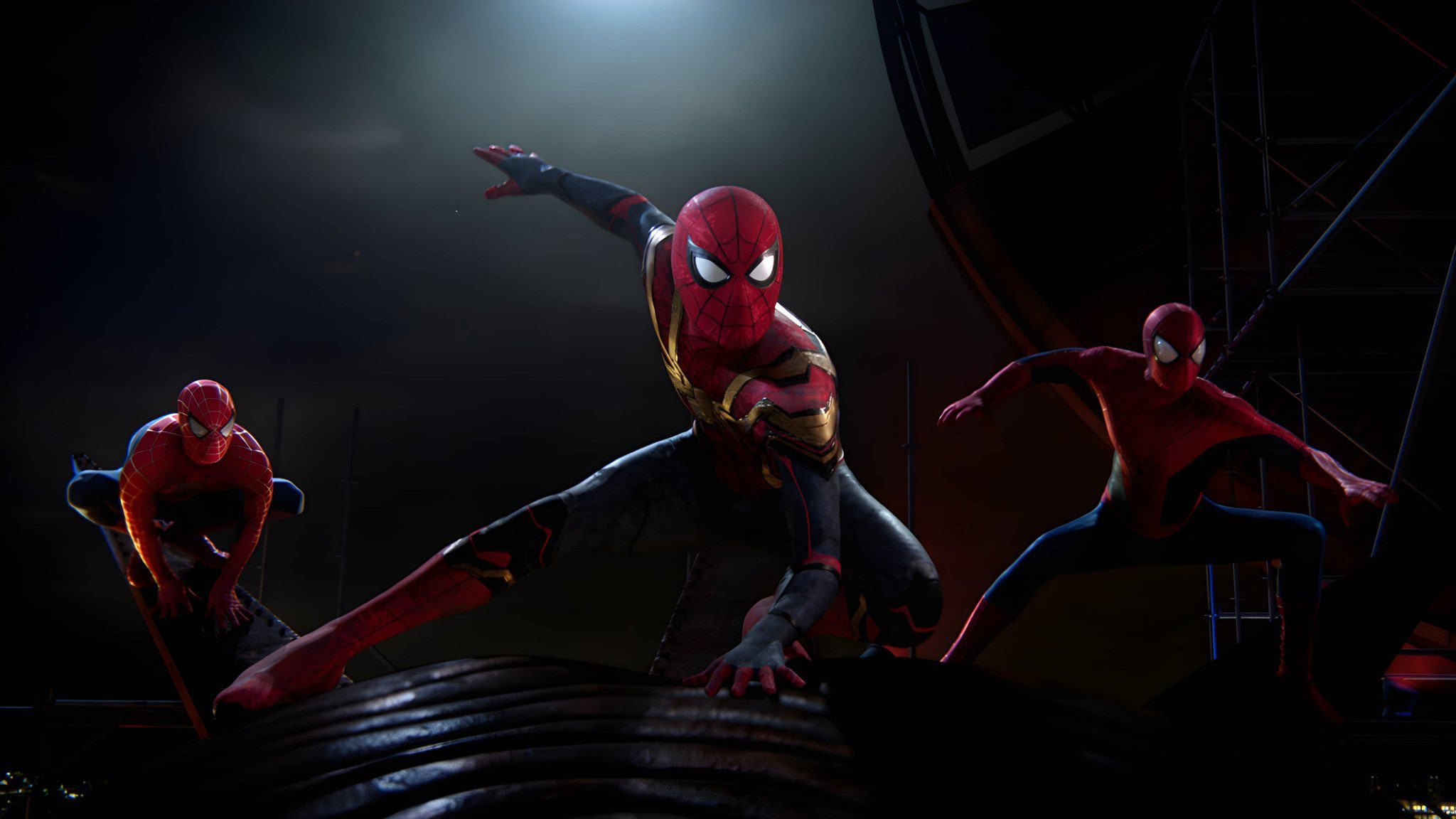
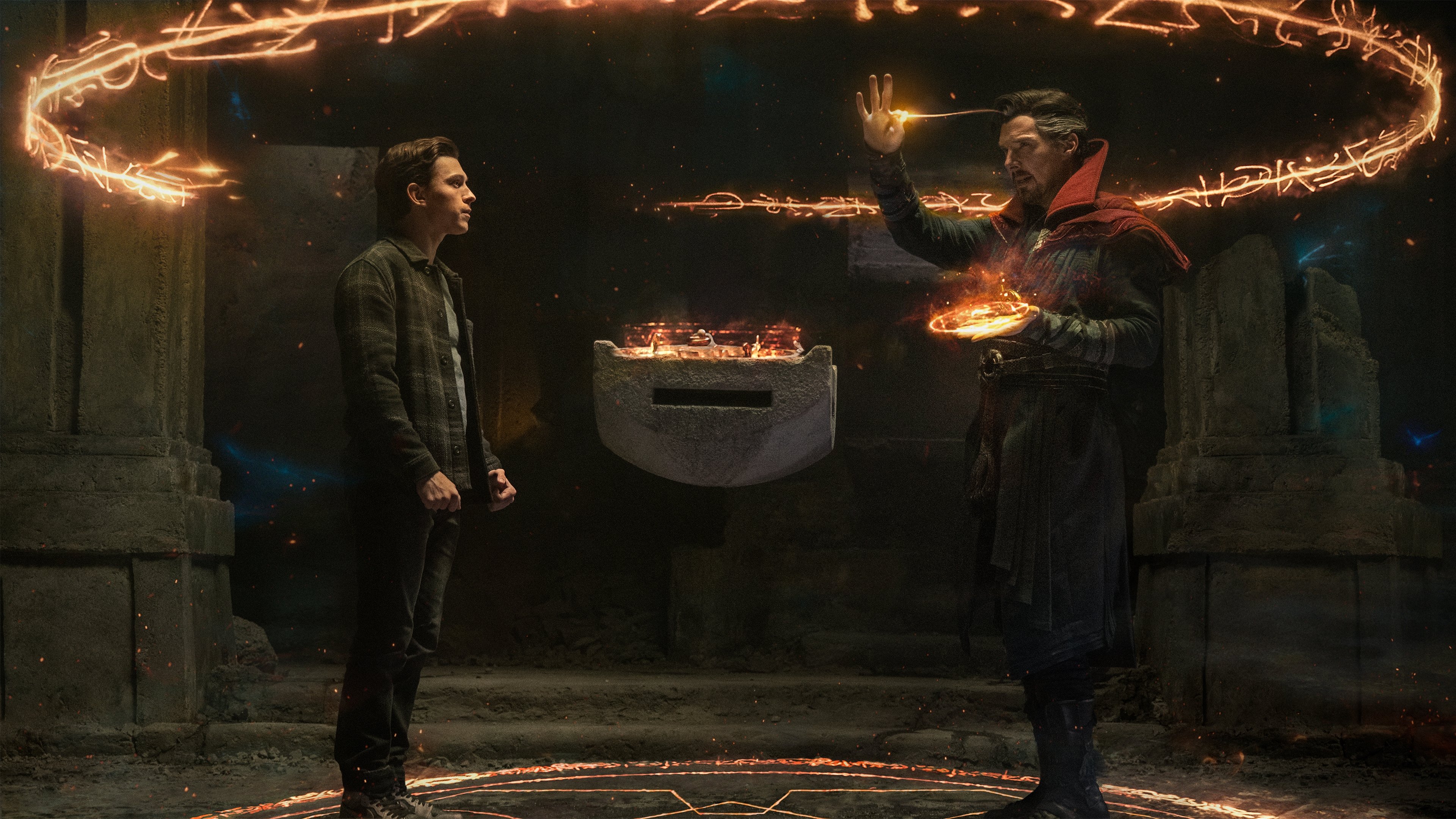
Jon Watts has made a superhero sequel for people who remember other superhero films, sometimes rather too fondly. Spider-Man: No Way Home is overfilled and visually ordinary, but Tom Holland gives it enough warmth and worry to make the evening worthwhile. The multiverse brings familiar antagonists into Peter Parker’s story, with all the pleasures and obligations that returning characters entail. There is considerable enjoyment in seeing them again, although the film sometimes takes recognition as permission to linger. Its strongest scenes keep Peter’s difficulty in doing the right thing in view.
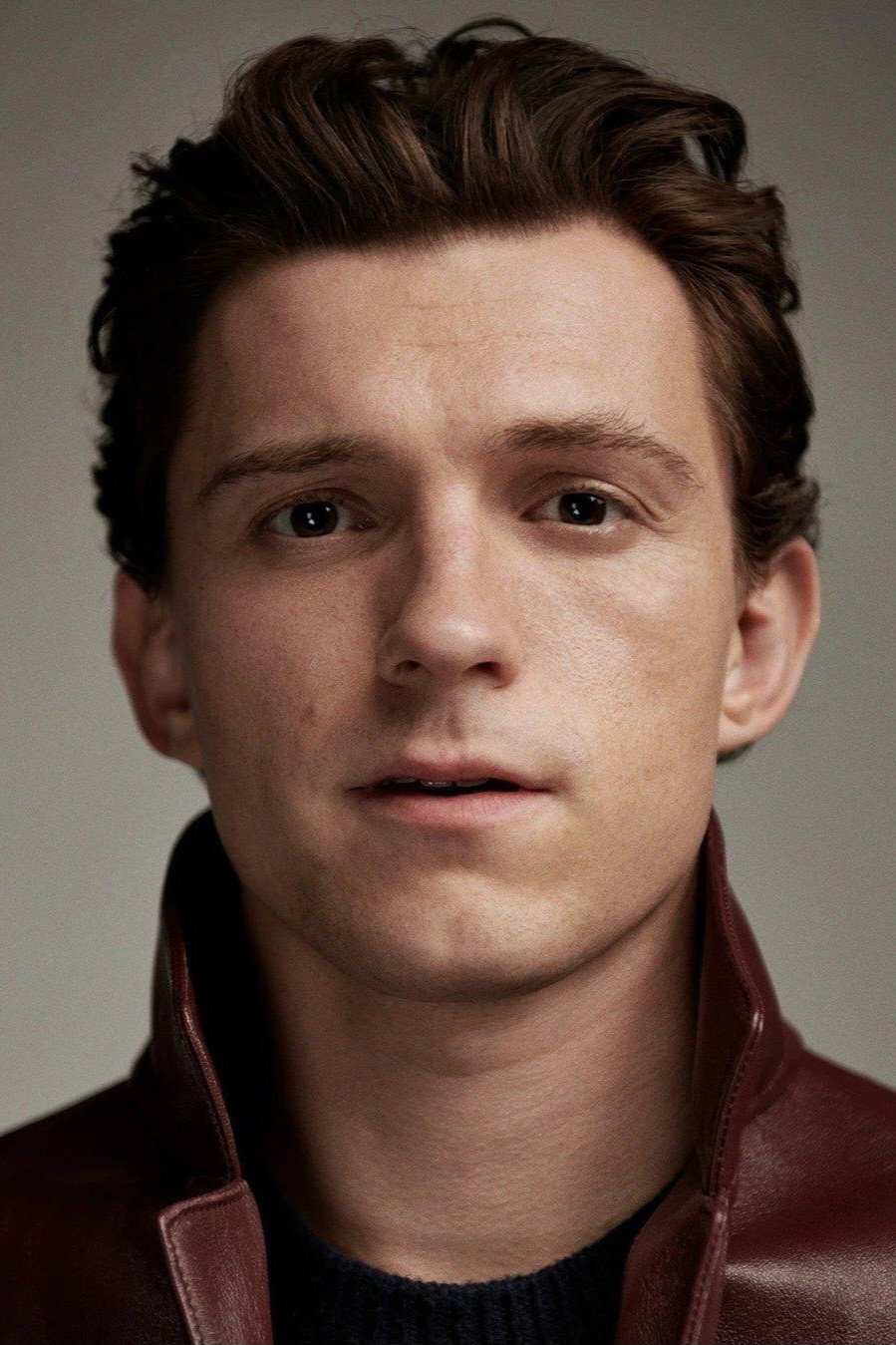
Holland makes Peter’s wish to help look sincere, then lets us see how ill-equipped the boy feels for the task. We were moved by the strain on Holland’s face as that responsibility became harder to bear. He allows Peter to look young and uncertain without making his goodness seem foolish. Zendaya’s MJ and Jacob Batalon’s Ned Leeds help here: Peter has people worth paying attention to when nobody is fighting. Watts gives these relationships enough space to matter, even while the larger cast competes for it.
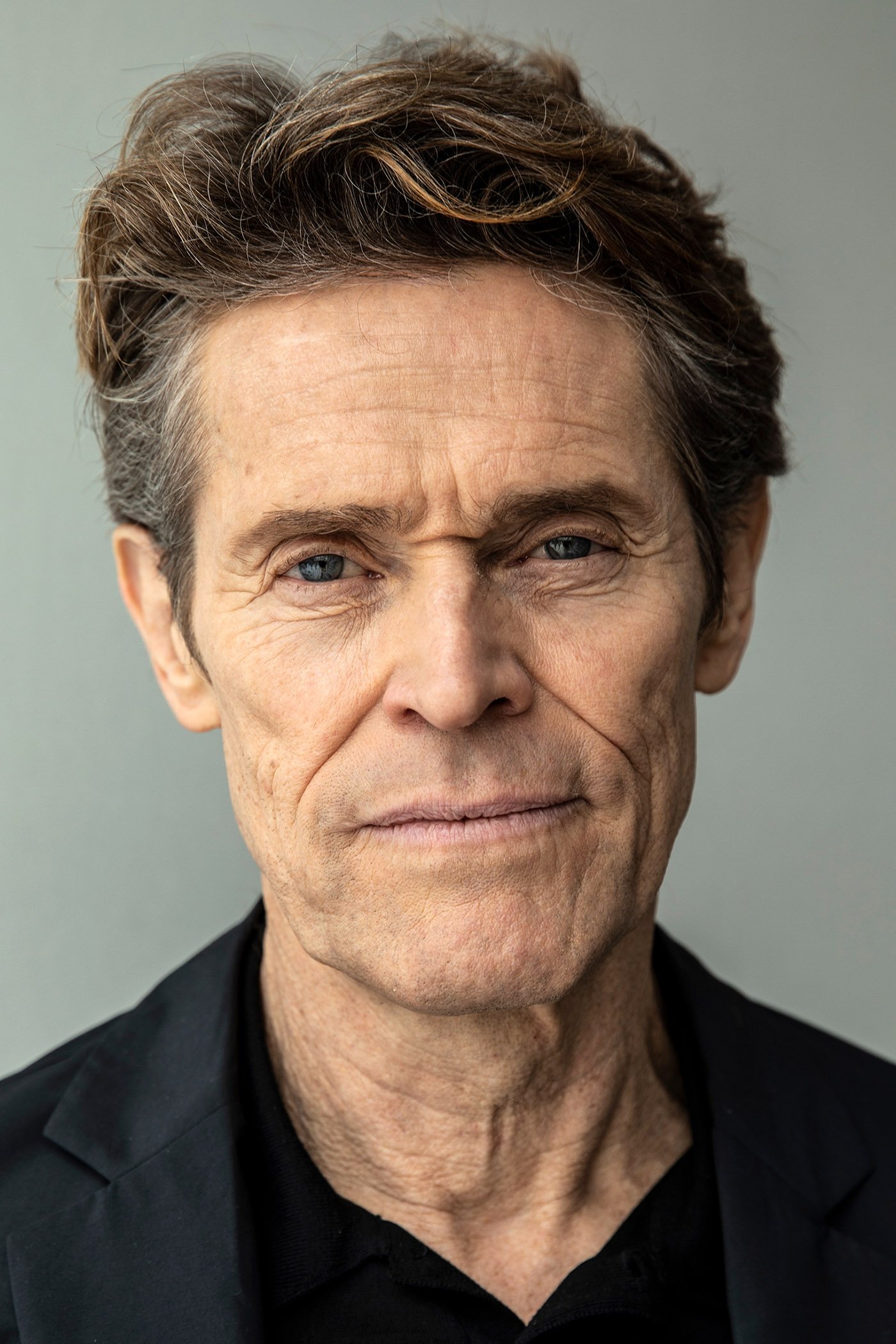
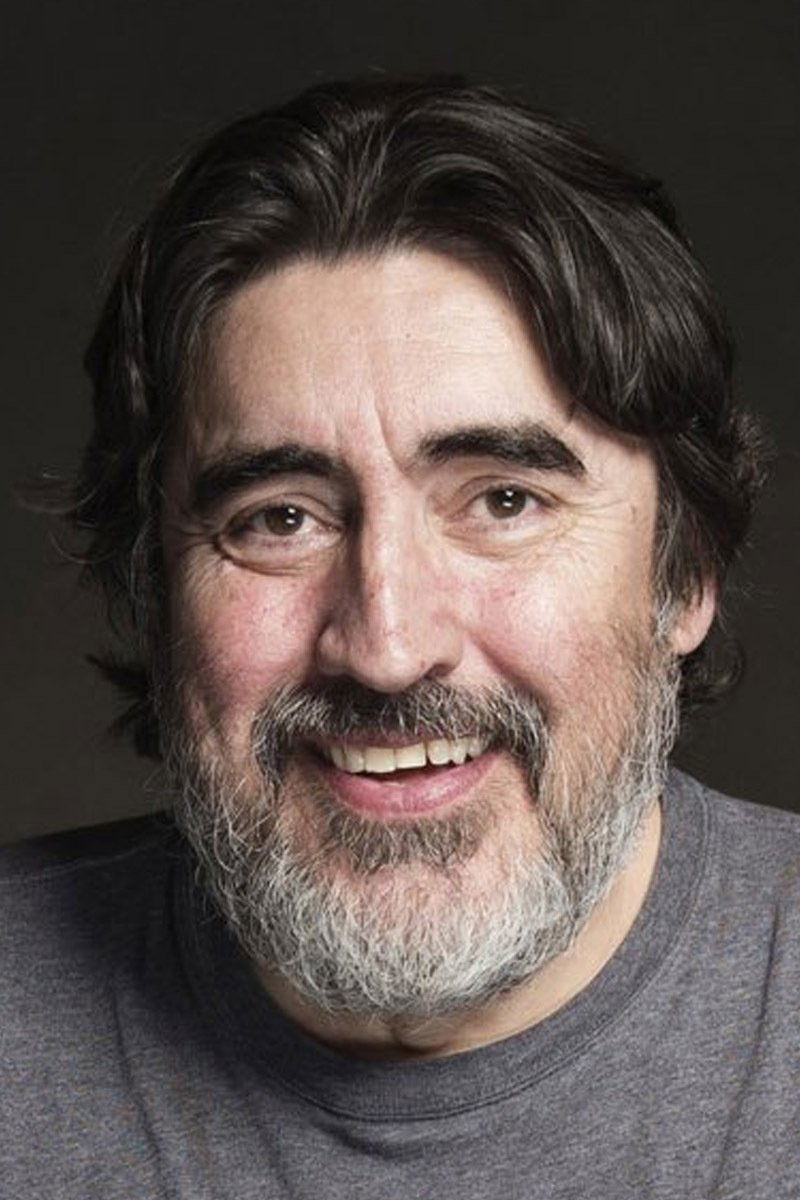
Willem Dafoe’s Norman Osborn, the Green Goblin, supplies the threat that the film’s computer-generated fights often lack. His enjoyment of being dangerous is unsettling, and Watts gives that performance room rather than treating the character as a familiar costume. Alfred Molina’s Dr Otto Octavius, or Doc Ock, can make an exchange of dialogue feel like a confrontation. These are actors making something of a return visit, and their performances remain enjoyable even when the surrounding story feels busy for its own sake.
The screenplay by Chris McKenna and Erik Sommers is less sure of itself when arranging all these encounters. Peter’s coming-of-age story keeps having to wait while the film attends to another familiar face, and some decisions needed to set things moving are difficult to accept. His wish to do the right thing deserves a less contrived set of obstacles. There are also shifts between joking and distress that arrive before the preceding scene has settled. At 148 minutes, the film has enough time to make those transitions less abrupt.
Mauro Fiore’s cinematography does its most useful work in the close-ups, where Holland’s expressions can hold our attention without much assistance. The action gives the eye less to enjoy, with computer-generated movement that too often lacks a convincing sense of weight. Darren Gilford’s production design makes too little impression amid the effects, so the encounters depend heavily on who has arrived. The multiverse ought to offer more visual variety than this.
Editors Jeffrey Ford and Leigh Folsom Boyd are better at giving the actors time than at keeping the whole film moving. They allow emotional exchanges to continue without always cutting away to a gag, a decision that gives Holland’s sincerity a chance. Michael Giacchino’s score can be too insistent about how much we should care, particularly when Holland has already shown us how Peter feels. Those passages would benefit from letting the performance do more of the work.
As a superhero film, this is most persuasive when it asks what kindness might cost someone still learning how to be responsible. That concern gives the returning characters something worthwhile to do, even if the film spends too long enjoying their entrances. Anyone starting here will have to tolerate scenes whose chief attraction is familiarity. We recommend it if Peter Parker already matters to you; allow some patience for the crowded stretches.