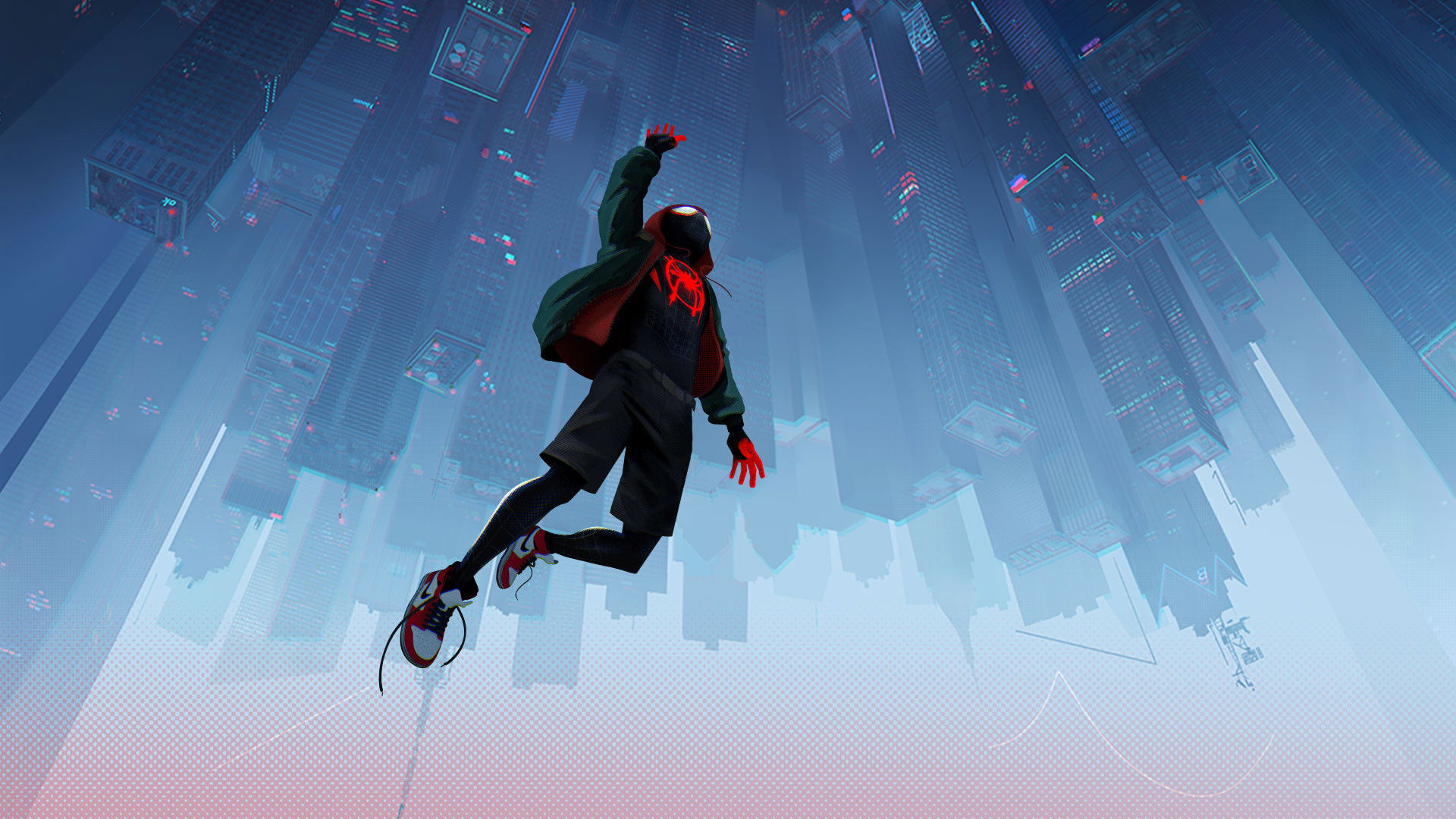
Spider-Man: Into the Spider-Verse is funny, moving and unusually interested in how comic books look. We recommend it warmly, with one reservation: the busiest action sometimes crowds out the people we want to follow.
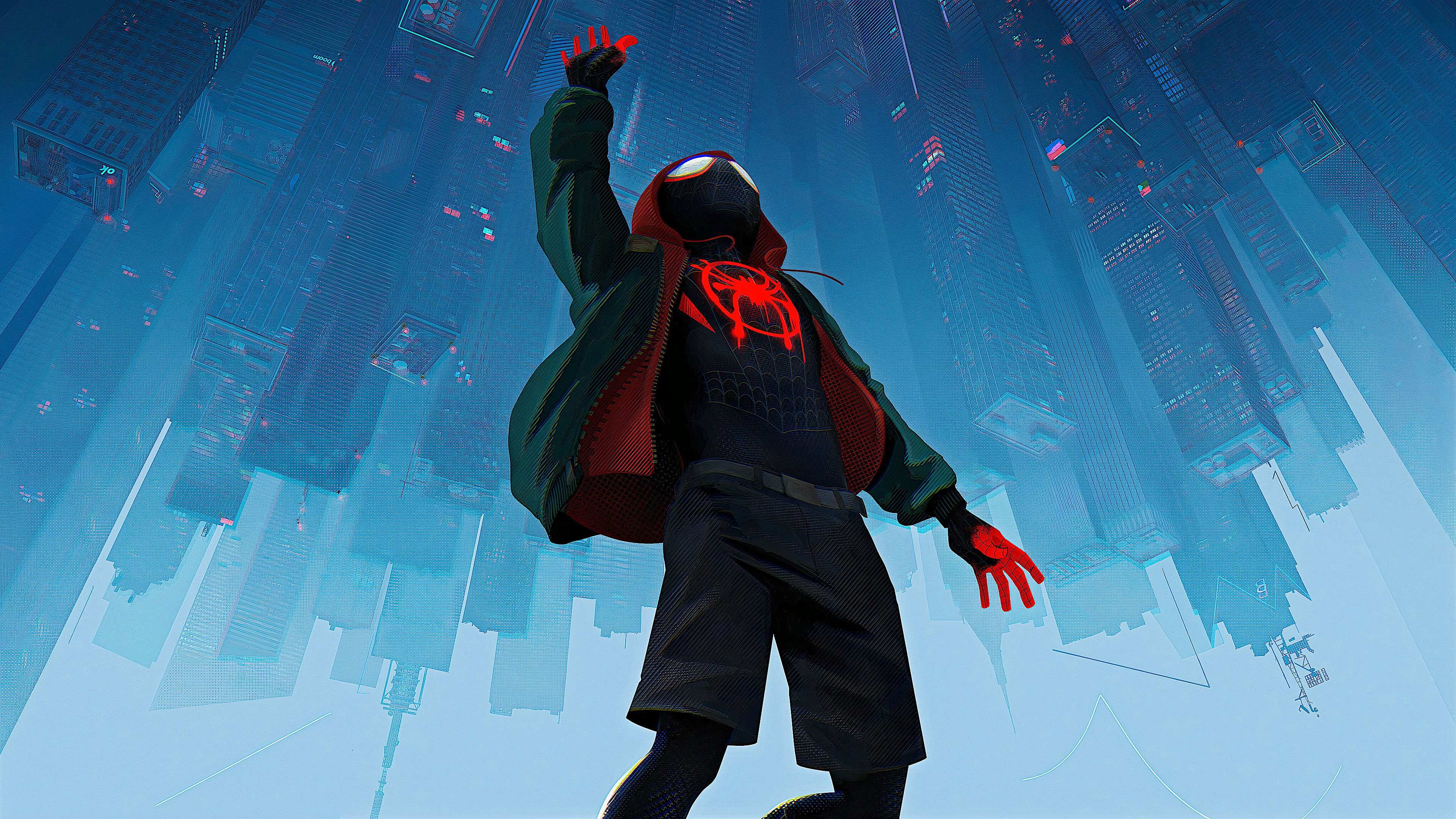
Spider-Man: Into the Spider-Verse has a sensible answer to the problem of telling another superhero origin story: give us someone worth spending time with. Miles Morales, voiced by Shameik Moore, supplies that reason before the film’s competing animation styles have finished introducing themselves. Directors Bob Persichetti, Peter Ramsey and Rodney Rothman let the pictures get complicated while keeping his efforts to become a hero easy to understand. The film is funny, affectionate and well worth an evening, even when its action grows too busy. Miles makes the repeated business of learning to be Spider-Man matter.
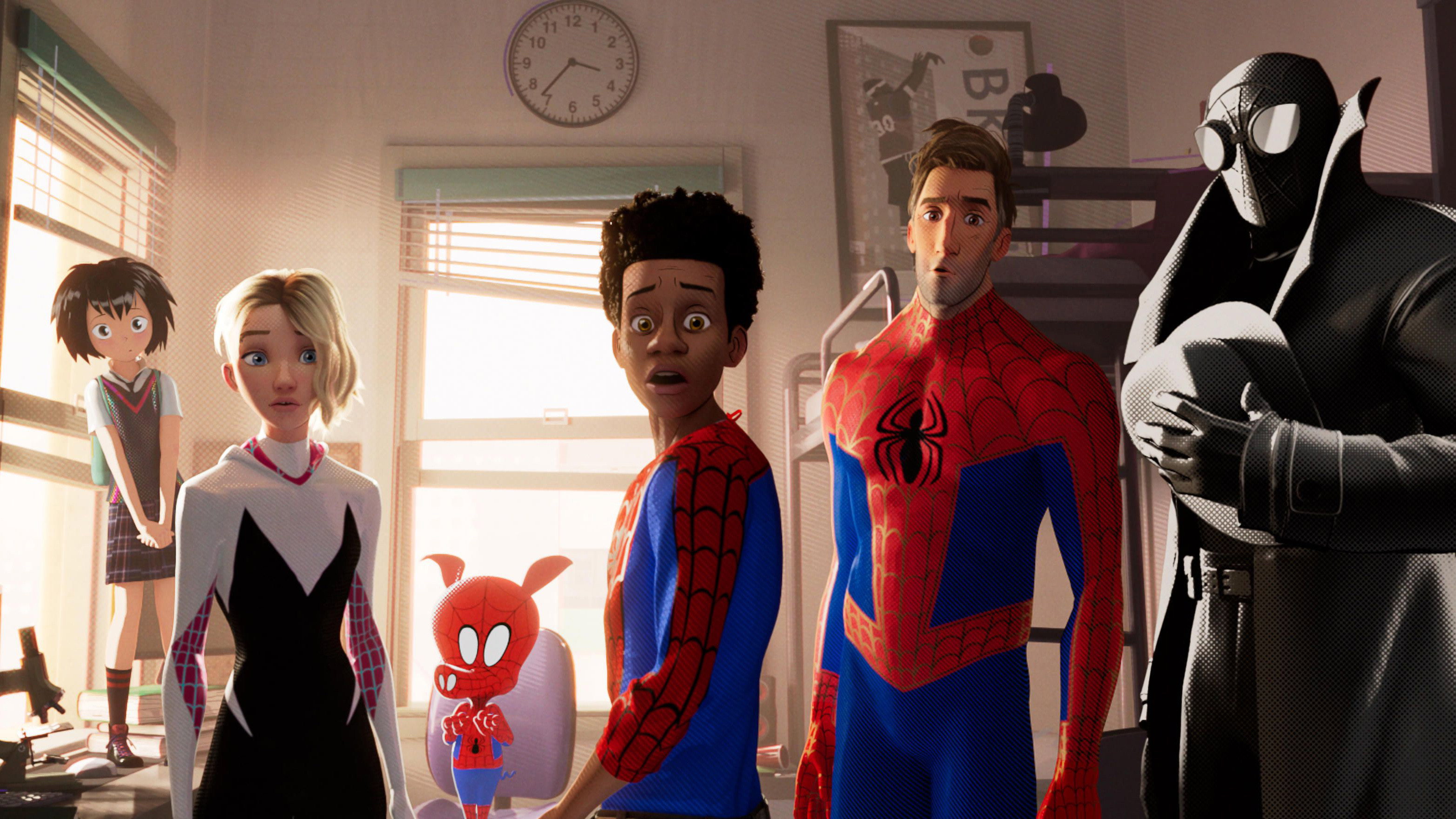
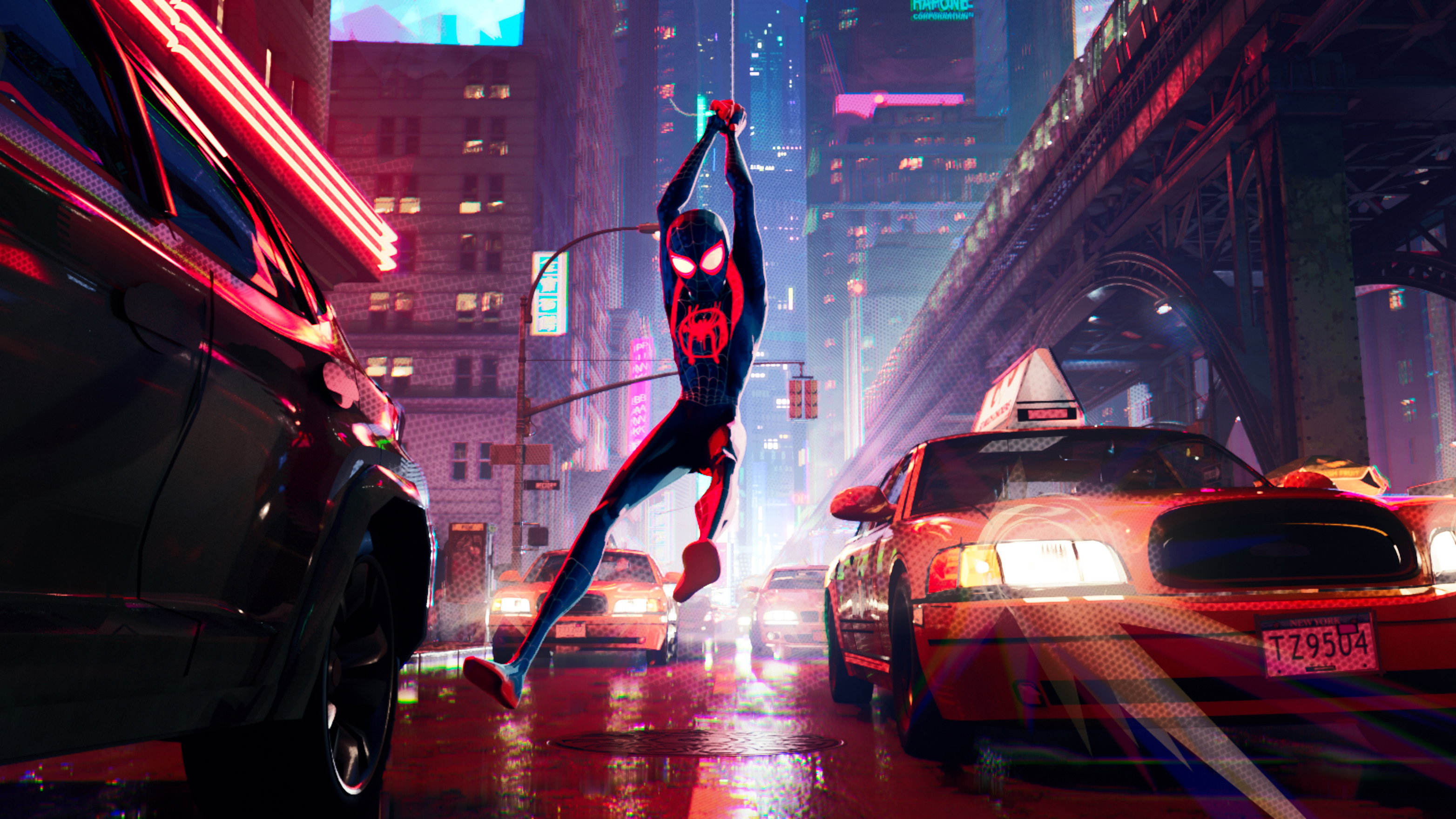
Production designer Justin K. Thompson helps make the comic-book look more than decoration. Printed dots remain visible, different drawing styles share the screen, and computer animation has the graphic bluntness of marks on a page. The images can be dense without looking polished into the same smooth finish. The mismatches help distinguish the visitors from parallel universes in an already crowded film.
Editors Arthur D. Noda, Matthew Landon and Robert Fisher Jr. keep the competing images readable. We laughed aloud at the split-screen gags. The cuts give us time to catch each joke before another image competes for attention. That precision matters when the story is already asking us to accept several Spider-People at once. Daniel Pemberton’s score adds to the film’s hip-hop energy, although the combination of music, movement and densely packed frames can become tiring.
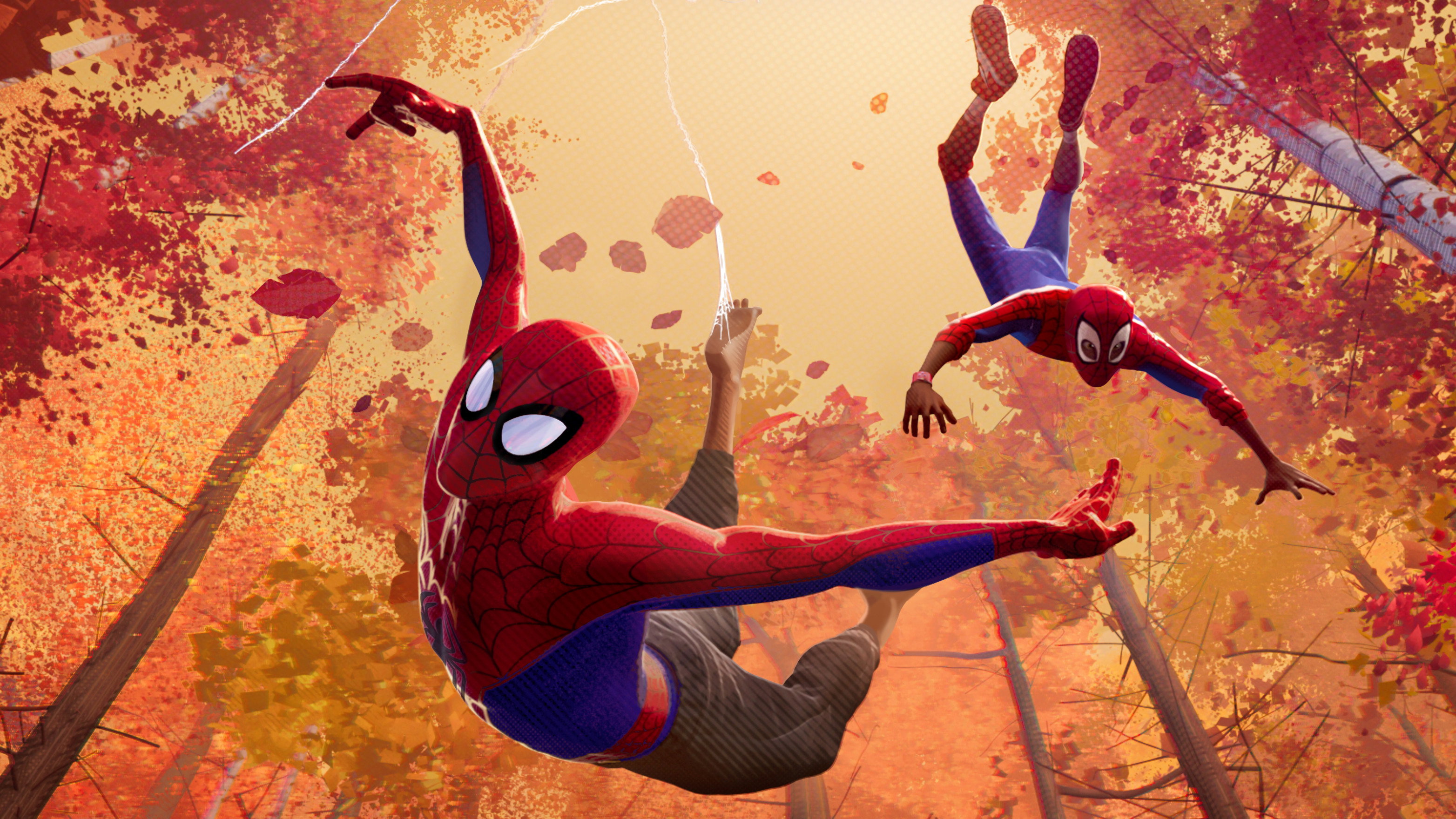
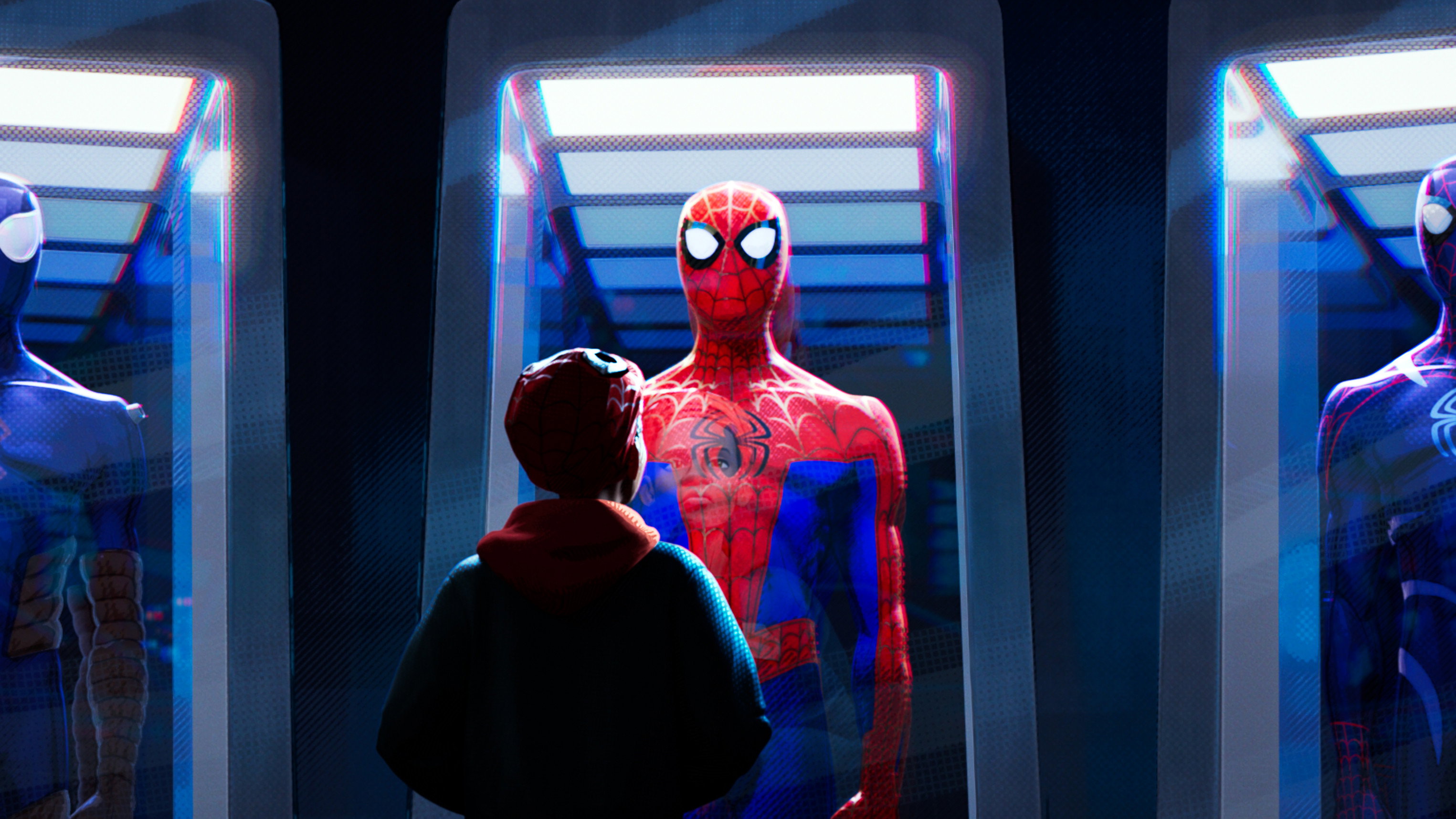
Moore makes Miles’s uncertainty engaging without turning him into a collection of adorable hesitations. Jake Johnson gives Peter B. Parker the right comic weight beside him, so the teaching is entertaining before it becomes touching. Phil Lord and Rothman’s screenplay allows the mentor and pupil to develop a relationship worth following through all the other introductions. Their scenes give the film room to be patient with a beginner. Their humour depends on how they get on with each other, so the quieter exchanges hold our attention too.
Miles also has a life beyond instruction in superheroism, and the family scenes give it some weight. Brian Tyree Henry voices his father, Jefferson Davis, with Mahershala Ali as Uncle Aaron; the relationship between the three helps keep Miles’s choices personal. These are the passages that make the noisy ones worth caring about. The film takes his attachments seriously, rather than treating family as something to mention before the next action sequence.
The weakness is the amount of business competing with those relationships. At 117 minutes, the film has time for its characters, yet the piling up of action and alternative Spider-figures can make it seem impatient with them. Rothman and Lord are good at finding jokes in the repeated origin stories, but repetition still takes time, however knowingly it is handled. Trimming some of the introductions would help. The busiest action is exciting at first and then increasingly hard to take in.
This is where animation earns its place in a genre so often concerned with making impossible things look physically plausible. Putting visibly different kinds of drawn character together is funny in itself, and the film does not have to explain away their appearance. Miles remains recognisable through the changing styles, which is a substantial part of the achievement. Give it a large screen, and do not plan on doing anything else while it is on.