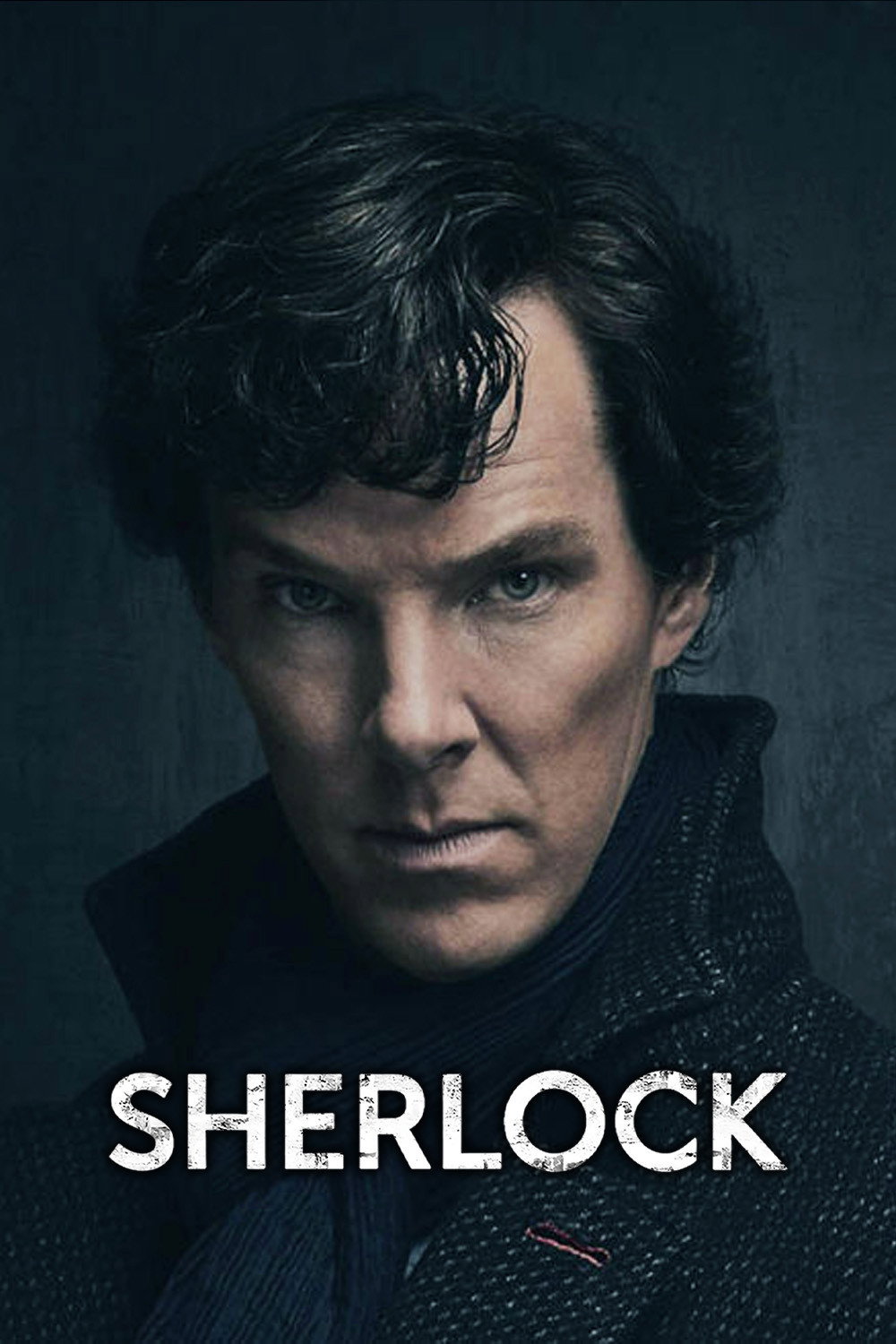
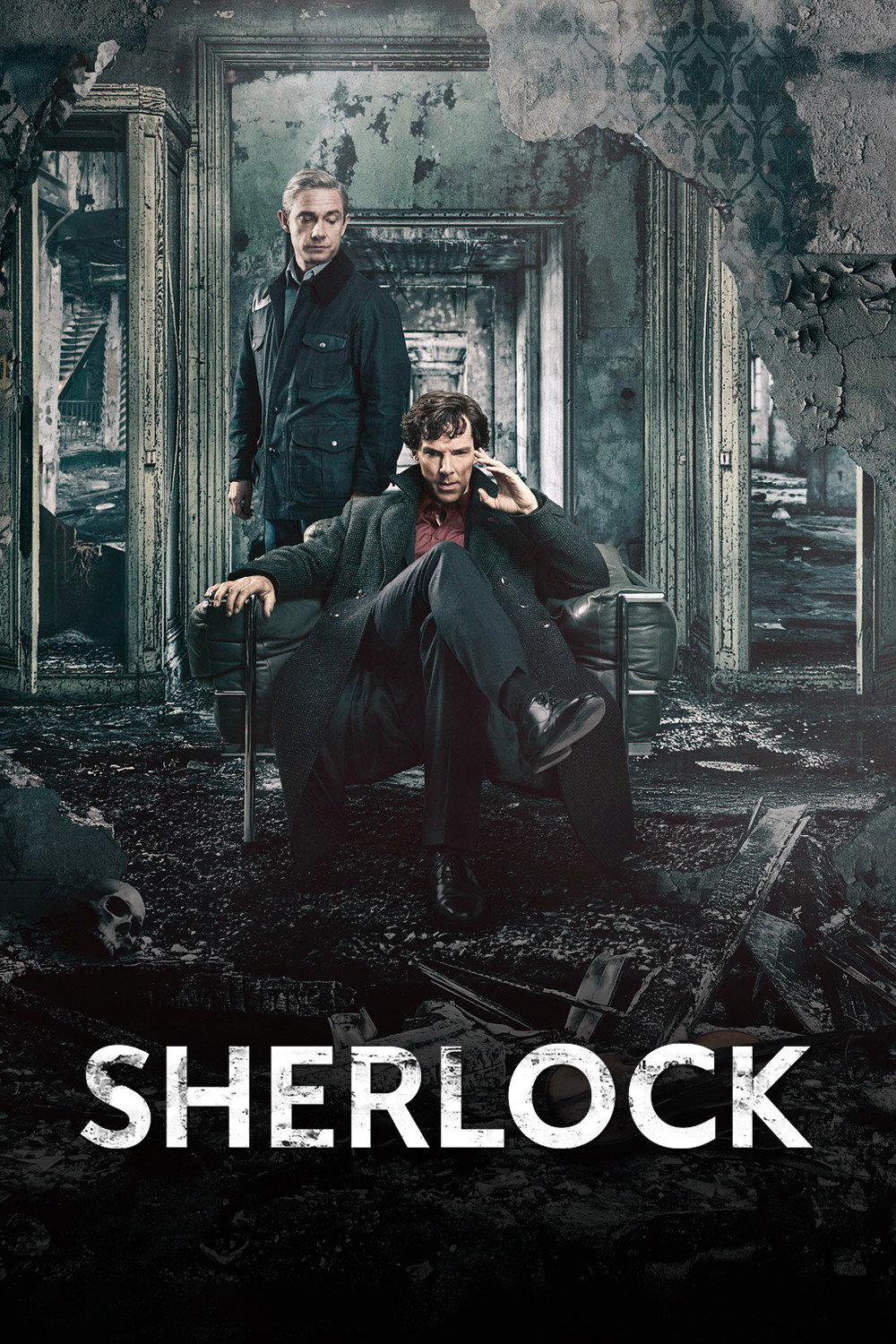
Moffat and Gatiss’s present-day Holmes is quick, funny and better made than most British television of its size, and Cumberbatch and Freeman are why it works. See the first two series. After that the show falls in love with its own detective.
Steven Moffat and Mark Gatiss have taken Arthur Conan Doyle’s detective out of the fog and put him in a London of cab ranks, cash machines and mobile phones, and the surprise is how little they had to change. Holmes always read people off their cuffs; now he reads them off their screens. Each episode runs 90 minutes and there are only three to a series, so the show arrives in short, expensive bursts, four of them between 2010 and 2017. The first two are as good as British detective television gets. The last two are something else, and we will come to that.
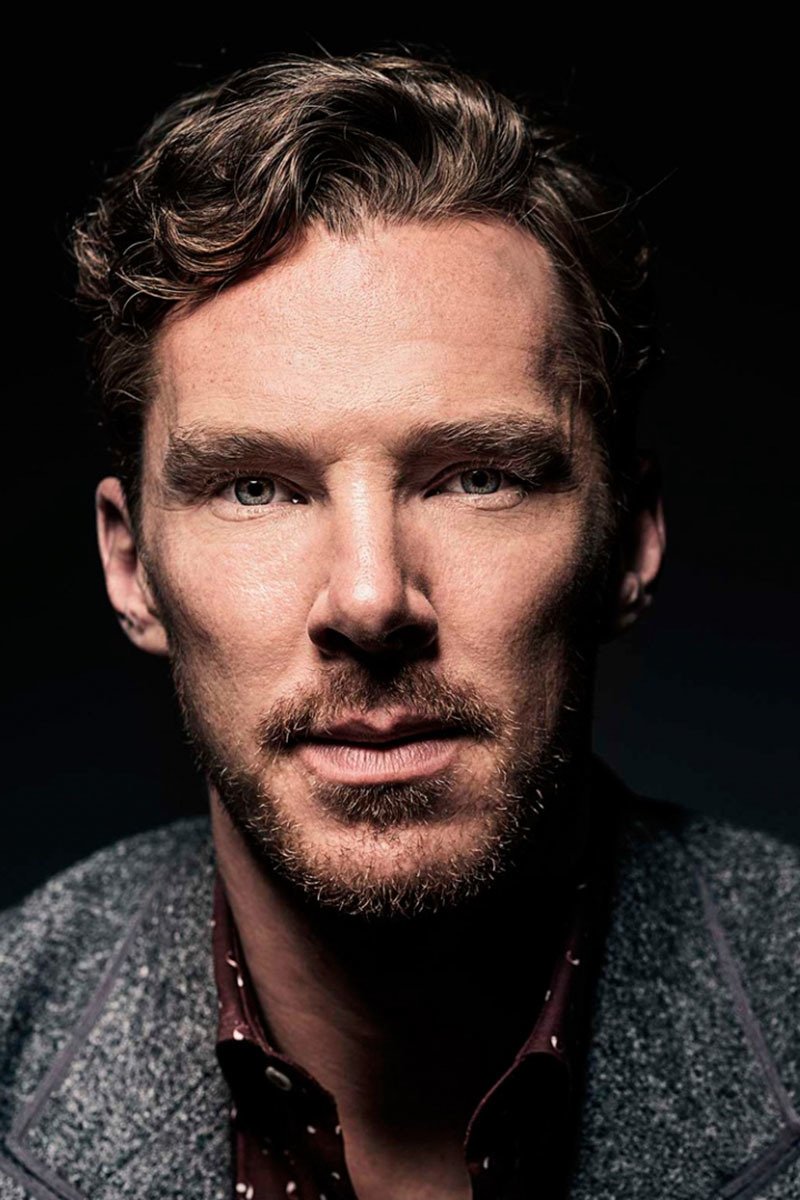
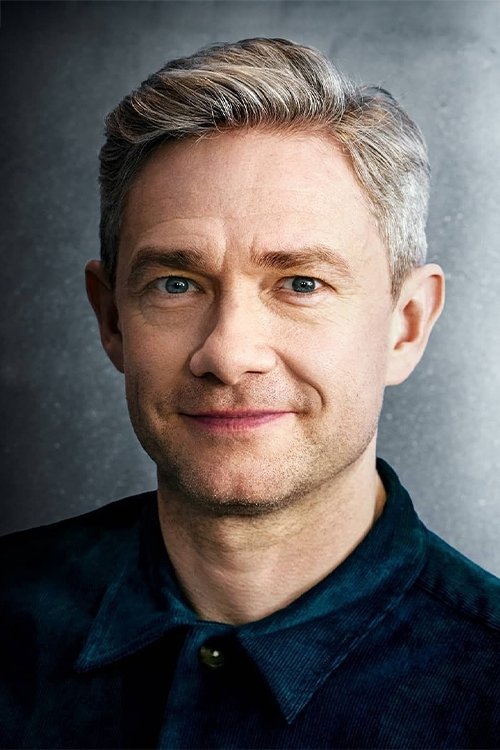
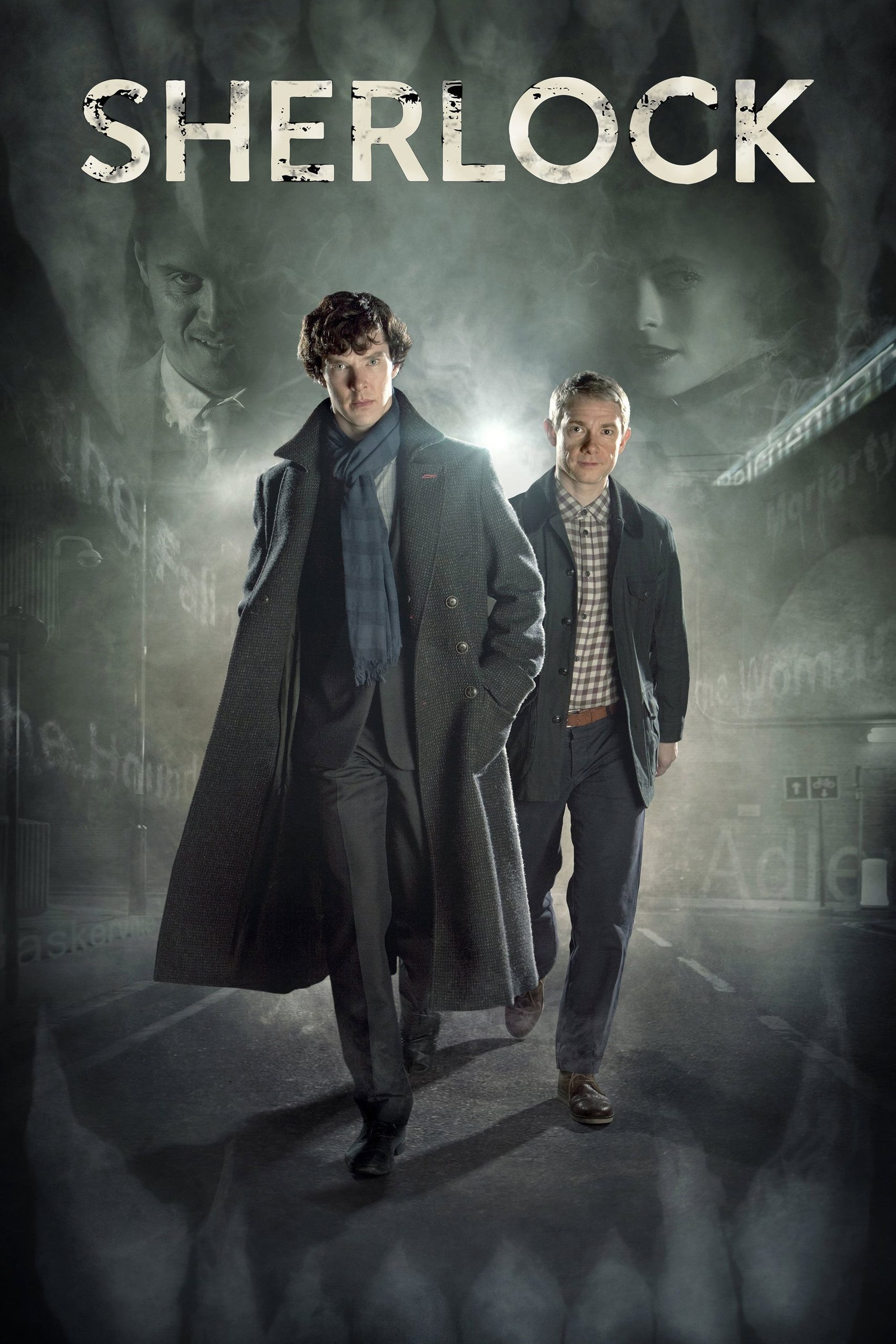
Benedict Cumberbatch plays Holmes as a man who talks faster than anyone can listen and treats the people around him as furniture that occasionally speaks. He is rude, quick and pleased with himself, and the show lets us find him funny before it asks us to find him sad. Martin Freeman’s John Watson is the reason we can stand him. Freeman does almost nothing: a look, a pause, a flat word of praise delivered while Holmes insults a corpse. It is the job he did in The Office, standing beside someone impossible and letting us watch him decide whether to laugh, and it is the best thing in the series.
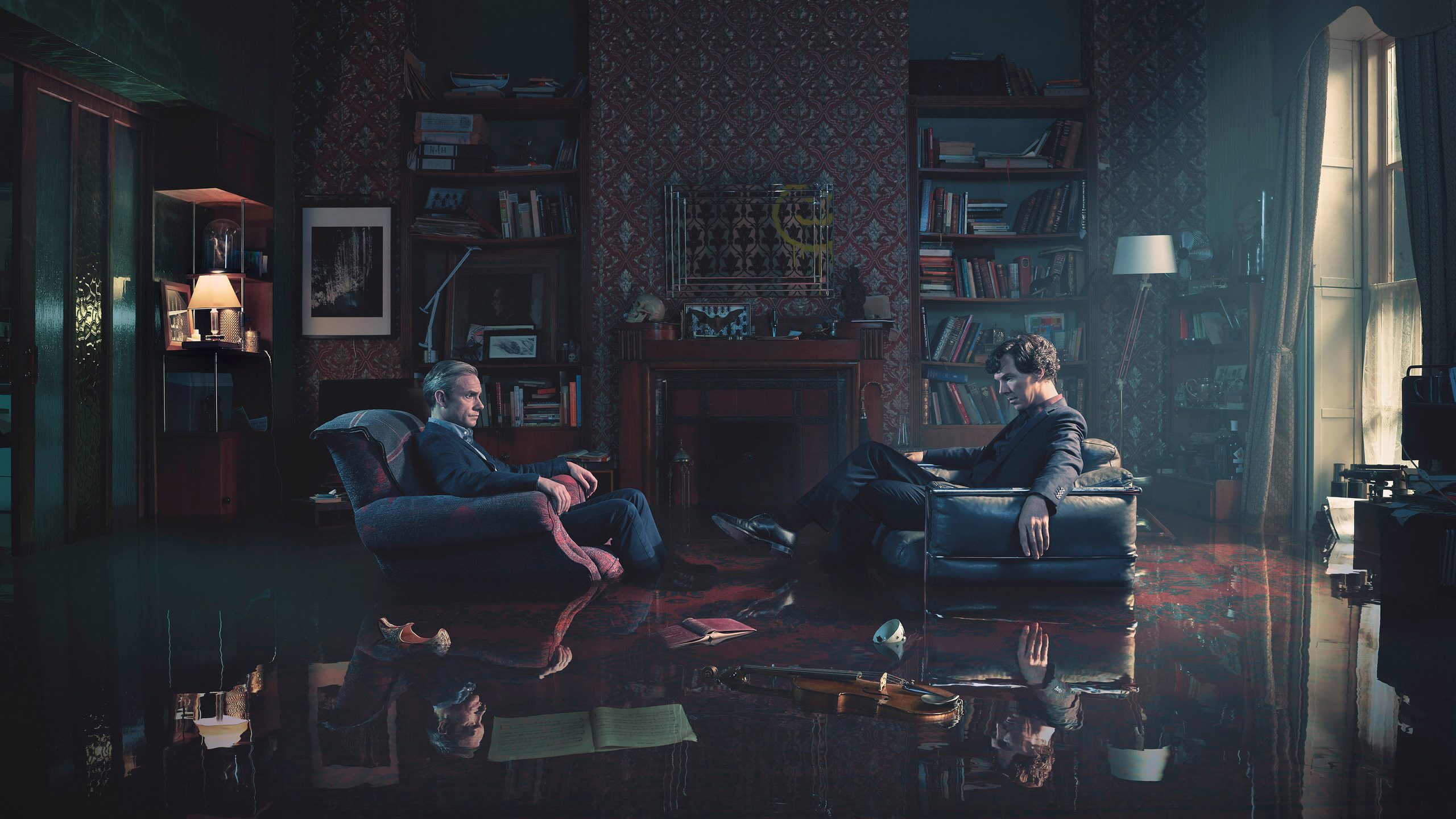
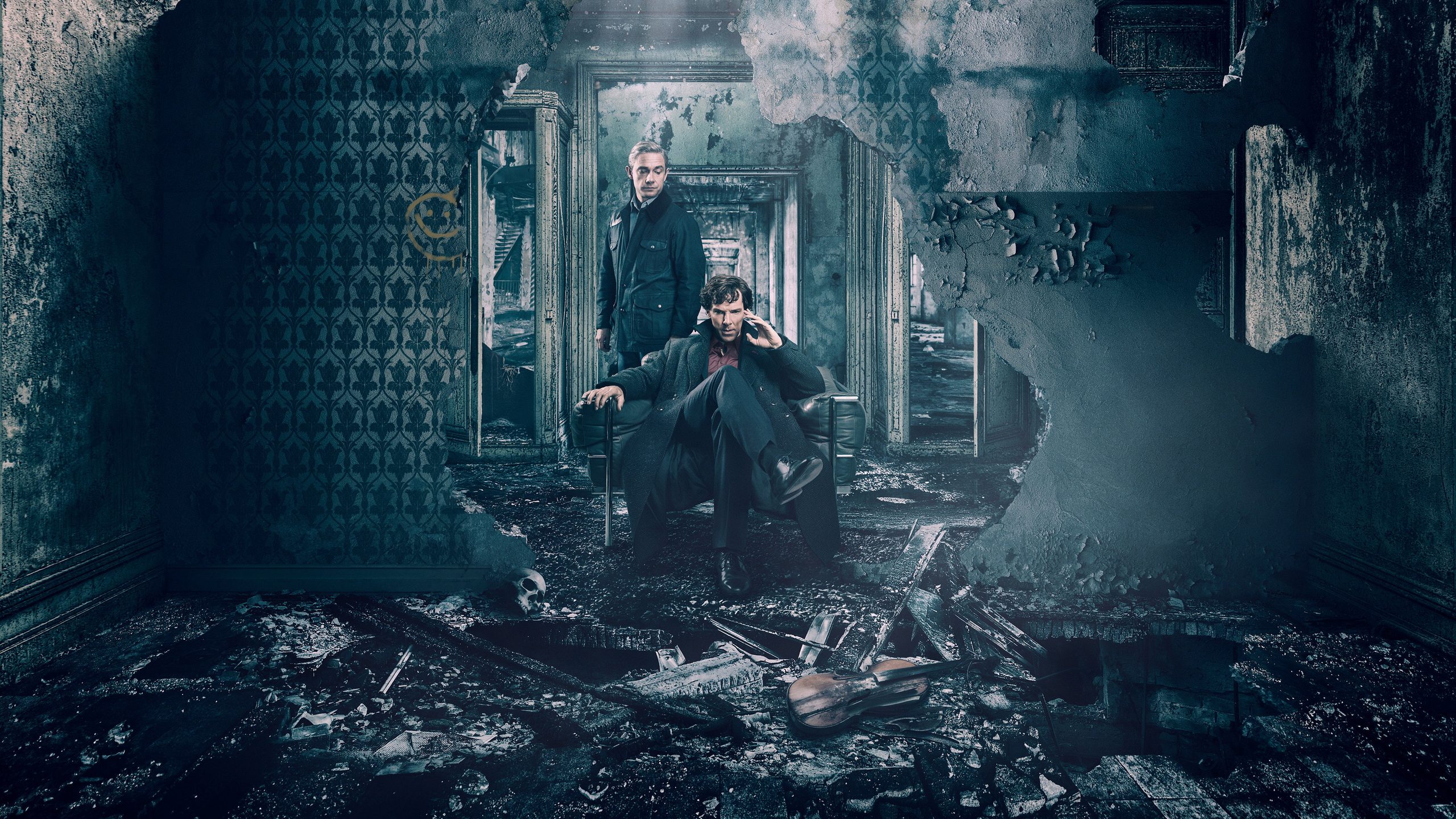
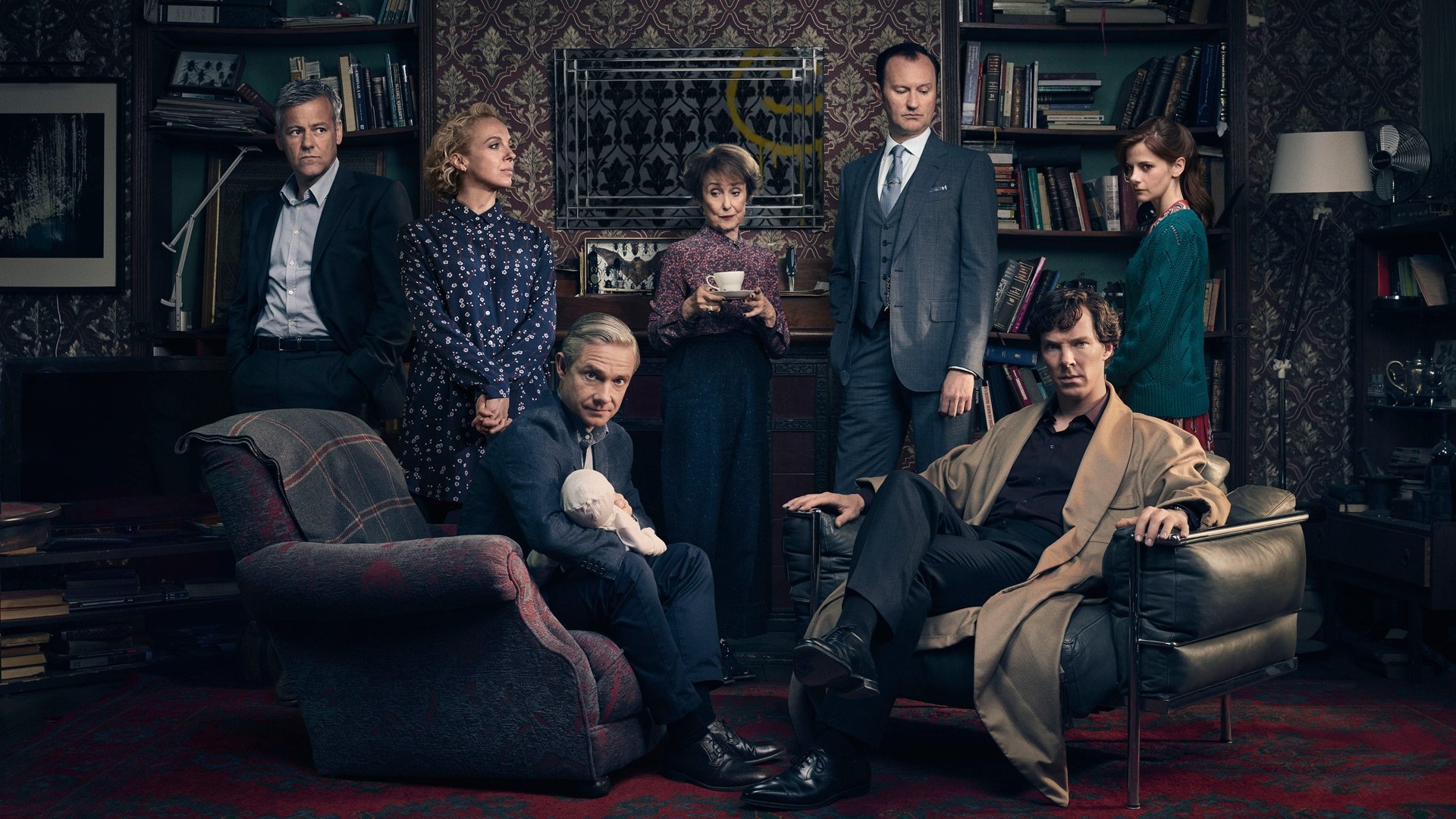
Paul McGuigan directs the opening episode and sets the look everyone after him keeps. Deductions appear as words floating beside the thing being deduced, so we see a tan line and the word for where it came from at the same moment Holmes does. Charlie Phillips cuts these at a clip that lets us feel we are keeping up, which is flattering, and is meant to be. Steve Lawes, and the cinematographers who followed him, shoot London from above at night, orange sodium light on wet tarmac. Production designer Arwel Jones builds 221B Baker Street with a skull on the mantelpiece and paper on every surface, a flat we would know from the wallpaper alone. Sarah Arthur gives Holmes the long coat and the turned-up collar and Watson the jumpers, and the two costumes tell you the whole relationship. David Arnold and Michael Price’s theme is plucked strings and a fiddle, jaunty with something sour underneath.
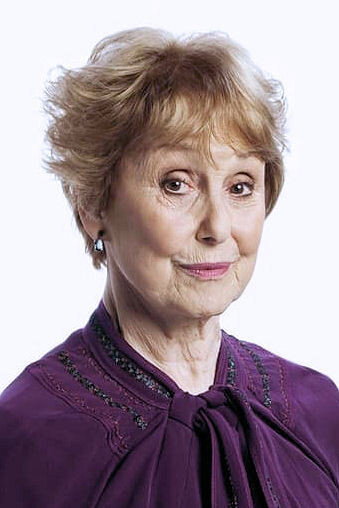
We laughed a great deal in the first series, mostly at Cumberbatch being unbearable to Rupert Graves’s decent, exhausted Lestrade and to Una Stubbs’s Mrs Hudson. The supporting cast is deeper than the format needs. Louise Brealey’s Molly Hooper, at the mortuary, is quietly in love with a man who does not notice. Vinette Robinson and Jonathan Aris play the officers who cannot abide him. Gatiss himself is Mycroft, a civil servant with an umbrella and no friends. Andrew Scott’s Jim Moriarty, when he arrives, is a sing-song child with a temper, and the show is more frightening once he is in it. Lara Pulver’s Irene Adler, in the second series, is the one person Holmes cannot read, and hers is the best single episode of the run.
The mysteries were never quite the point. The second episode of the first series is the weakest of the three, a chase after a cipher that could belong to any detective programme, and it shows what is left when the jokes thin out. That is a small complaint. The large one is what happens later.
By the third series, which brings in Amanda Abbington as Mary Morstan, the cases have become excuses and the real subject is the detective: his brother, his past, his feelings. By the fourth we were shouting at the television. A show that once trusted us to keep up with a deduction now expected us to be moved by twists it had not earned, and we will not describe any of them. The gaps between series, two and three years apiece, did not help. Each return had to be bigger than the last, and it got bigger.
Most critics scored it higher than we do, but most of them were writing in 2010, about the first three episodes, and about those they were right. Our score is for the whole run. Watch the first six, one a night, in order. Then decide whether you want to know what happens to these people, because the show wants that far more than it wants to know who did it.