Colm McCarthy gives actors room to make genre stories feel human. We rate that approach, though Black Mirror also exposes a danger for this sort of drama: carrying on tormenting people after the point is clear.
Fi1m perspective
In the second series of Peaky Blinders (2014), Colm McCarthy’s agitated camera suits the characters’ ambition. He favours long rehearsals and multi-camera coverage so actors can play scenes fully, a practical choice that helps explain his interest in character. We rate that attention to performance, and the effort to make camera movement express something specific. The movement has a job beyond keeping the picture busy.
His first feature, the supernatural horror Outcast (2010), which he also co-wrote, sits within a career built largely in television. After soaps and procedurals came the six-episode second series of Peaky Blinders, working with writer and creator Steven Knight. That sustained work with an ensemble gives a clearer sense of his strengths than a list of prestigious programme titles. The Girl with All the Gifts (2016) brought his interest in people under genre pressure to post-apocalyptic fiction.
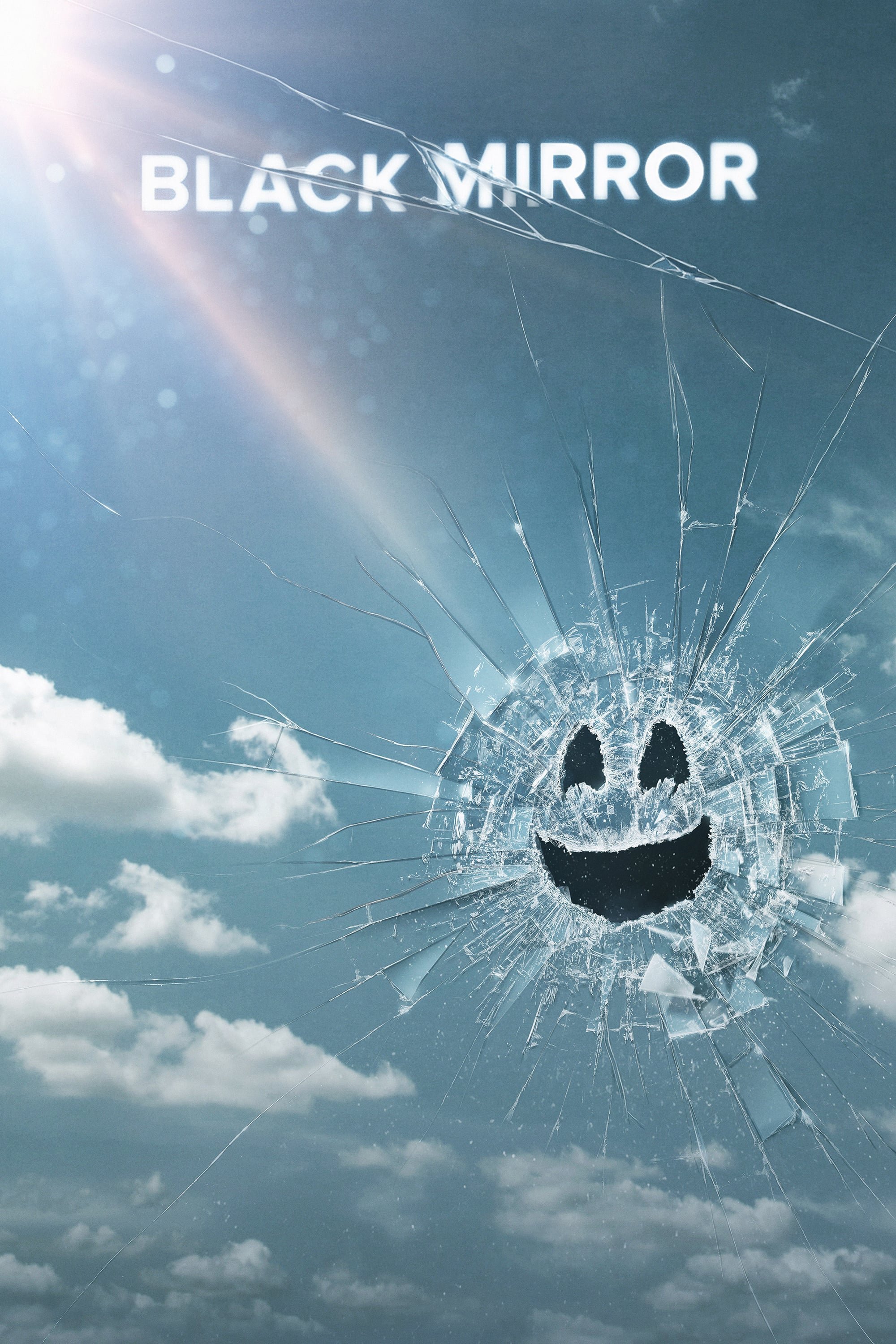
We recommend Black Mirror (2011), though that is a judgement on the series, not on McCarthy alone. His contribution is Black Museum (2017). We were distressed by Black Mirror because its performances make the suffering matter even when the premise is absurd. Its straight-faced delivery helps, too: it does not need to keep signalling how strange everything is. The reservation is that it sometimes carries on tightening the screws after the point is clear, leaving us with more suffering but little more to think about.
Our interest in Black Museum is in the way its separate stories are organised and made visually distinct. That calls on McCarthy’s concern with how shooting and cutting reflect the emotional tone of a scene. His preference for giving actors time is especially welcome in this kind of material, where an elaborate premise can easily become more interesting than anyone caught inside it. Start with Black Museum, but leave some breathing space before another episode.
Biography
Colm McCarthy is a Scottish television and film director. Born on 16 February 1973 in Edinburgh, he has directed episodes of numerous British drama series, including six episodes of the second series of Peaky Blinders (2014), one episode of Sherlock (2014), one episode of Black Mirror (2017), and episodes of Doctor Who (2013) and Endeavour (2012–2013).
McCarthy's feature films include The Girl with All the Gifts (2016) and Bagman (2024). He also directed episodes of The Tudors (2008) and Krypton (2018), among other series. He began his career directing short films before moving into television.