Russell T Davies’s revival of the BBC’s time traveller gave Britain back a programme it had not known it missed. Across thirteen series the peaks are as high as anything on television and the troughs are real; start at the start.
When Russell T Davies brought Doctor Who back on 26 March 2005, the programme had been off air for sixteen years and was remembered mainly for wobbly sets and a long scarf. His job was to make a Saturday-night family serial that a 2005 audience would not laugh at, and he did it. Across thirteen series and 153 episodes the revival has been magnificent, silly, moving and occasionally dreadful, sometimes inside the same hour. It is good television more often than not, and at its best it is as good as British television gets.
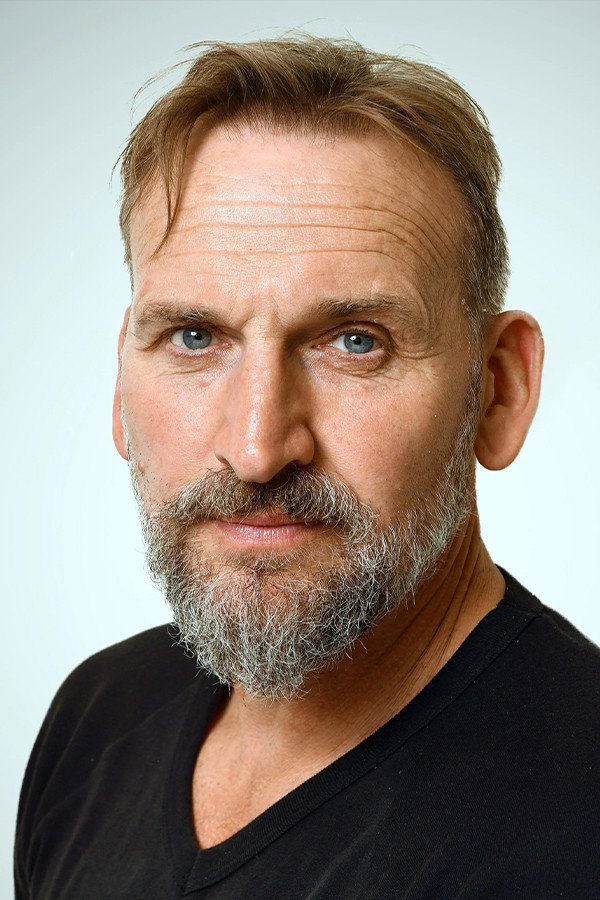
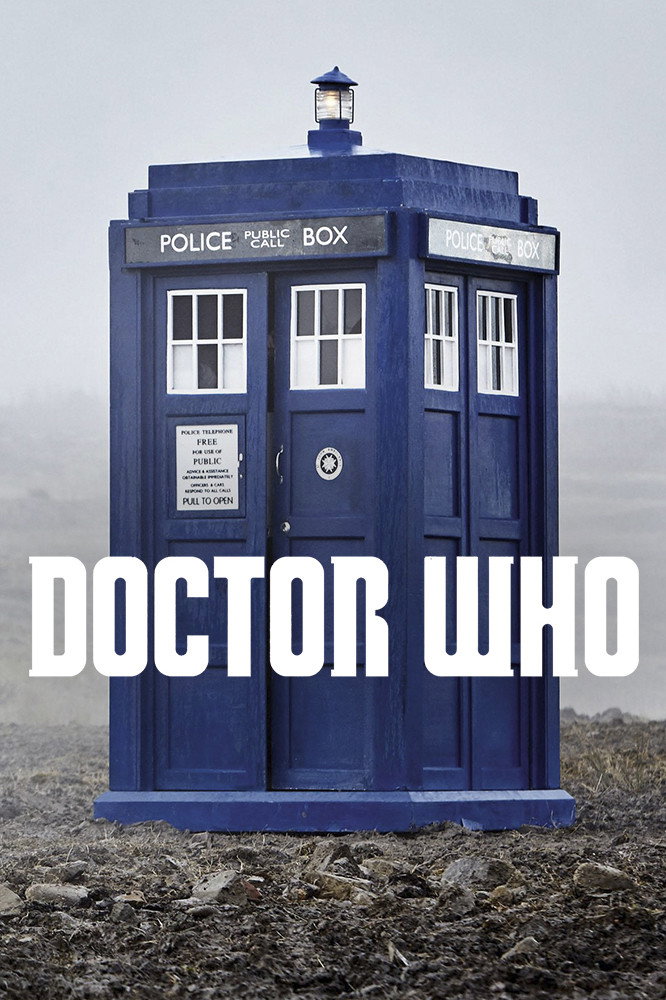
The first series is still the model. Christopher Eccleston plays the Doctor as a northerner in a leather jacket who grins too wide and goes quiet too fast, a man carrying something he will not name. Ernie Vincze shoots London in flat, overcast daylight, so a walking shop dummy looks like something that might happen on the way to the bus. Edward Thomas gives the TARDIS an interior of coral struts and amber light, a machine that looks grown rather than built. Robert Shearman’s Dalek puts one of the old enemies in a cage and makes it frightening again.
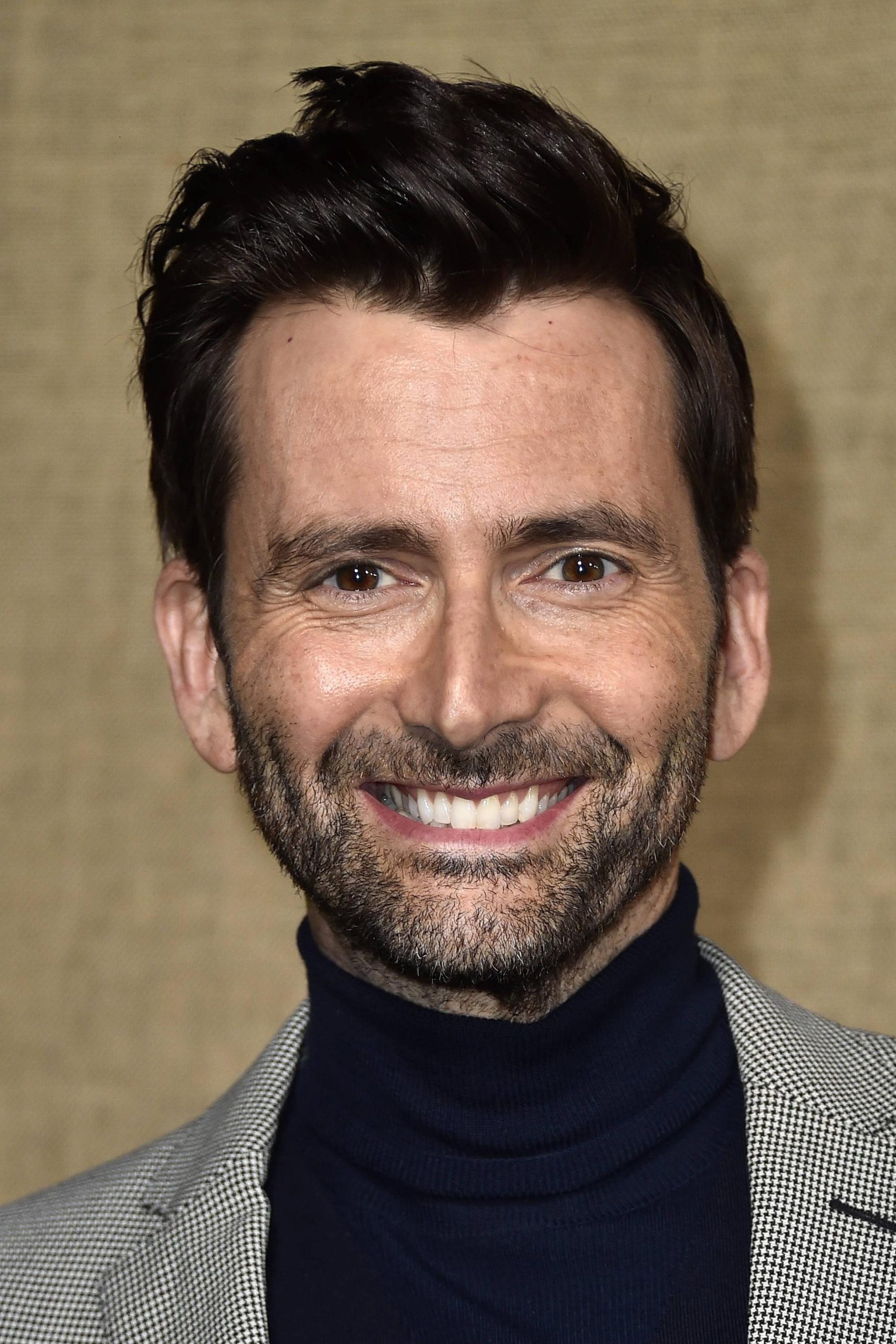
Eccleston made one series and David Tennant took over, and the programme grew louder. Tennant talks faster than anyone has a right to, and Davies wrote him bigger stakes every year, until whole planets hung on whether a man in a pinstripe suit would stop talking and act. Murray Gold’s score rose with him, choir and brass on every farewell, and it tells us what to feel at the exact moment the acting has already done it. We cried anyway. Graeme Harper and Euros Lyn directed the best of these hours, and the partings, prepared over a whole series, land.
Here is what we felt most sharply. Steven Moffat’s Blink, from Series 3 in 2007, is an hour in which stone angels move only when nobody is looking. We were well past the age at which this should work, and we watched it with our knees drawn up on the sofa. Hettie Macdonald directed it, and the trick is done in the cutting: the statues are never once seen to move.
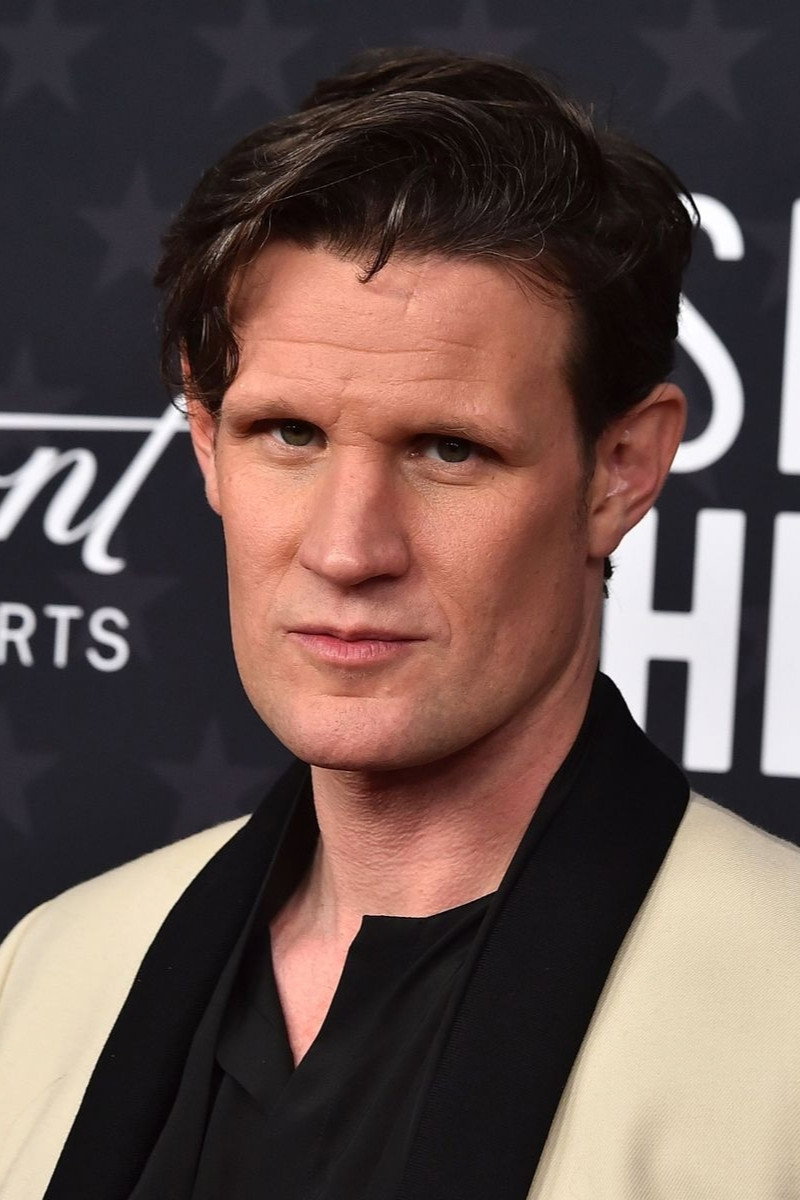
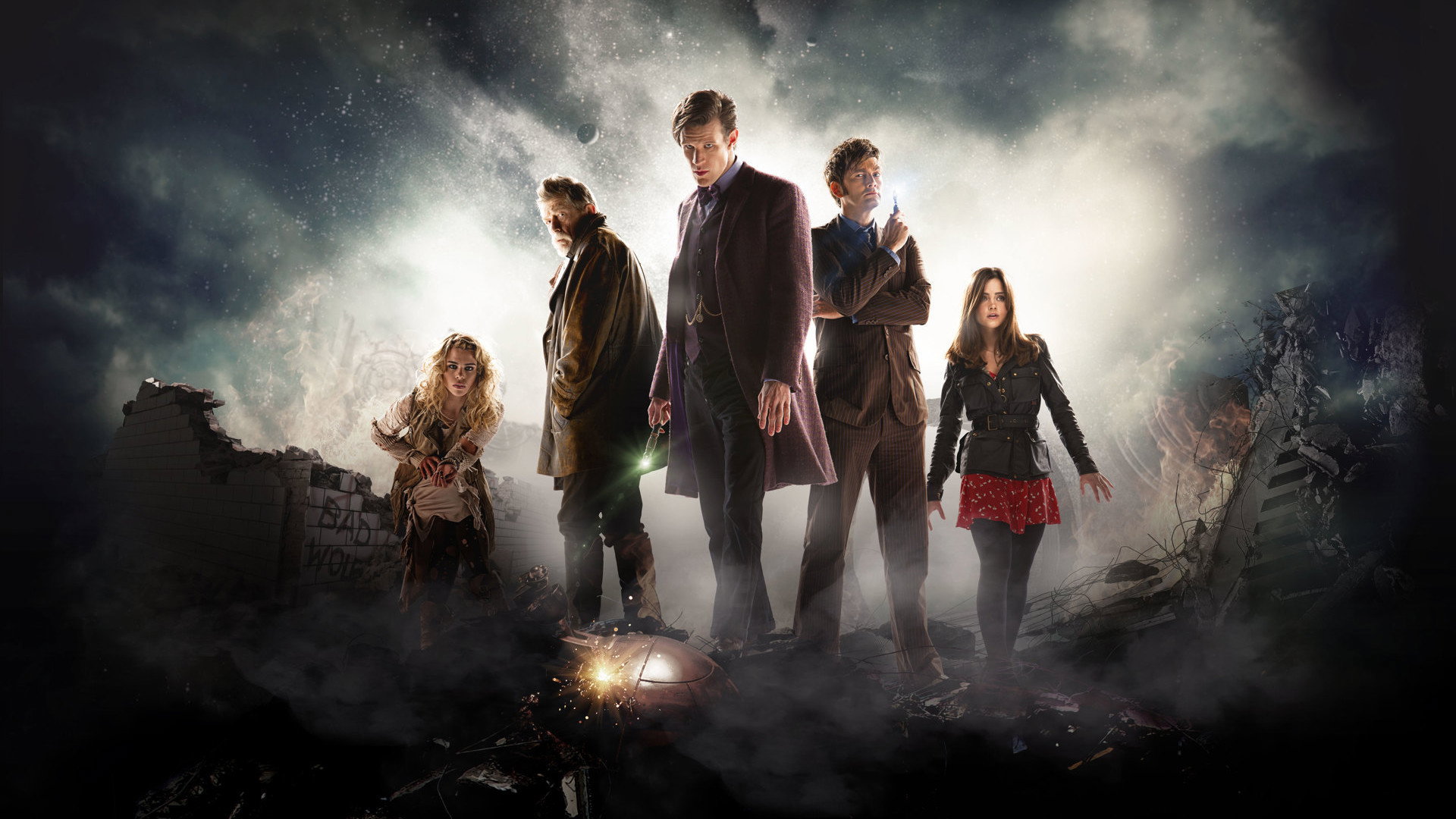
Moffat took charge from Series 5 in 2010 and gave the part to Matt Smith, who plays an old man in a young man’s body and moves like a giraffe learning to skate. Moffat’s plots run on puzzles; on a good night they click shut so neatly that you forgive the setup, and on a bad night they are all setup. Arthur Darvill’s Rory Williams is the most decent man in the whole run and the one companion who seems to have a life the Doctor is interrupting. Michael Pickwoad’s redesigned TARDIS traded coral for copper and clockwork, and Toby Haynes shot Series 5 with a confidence the earlier years had not attempted.
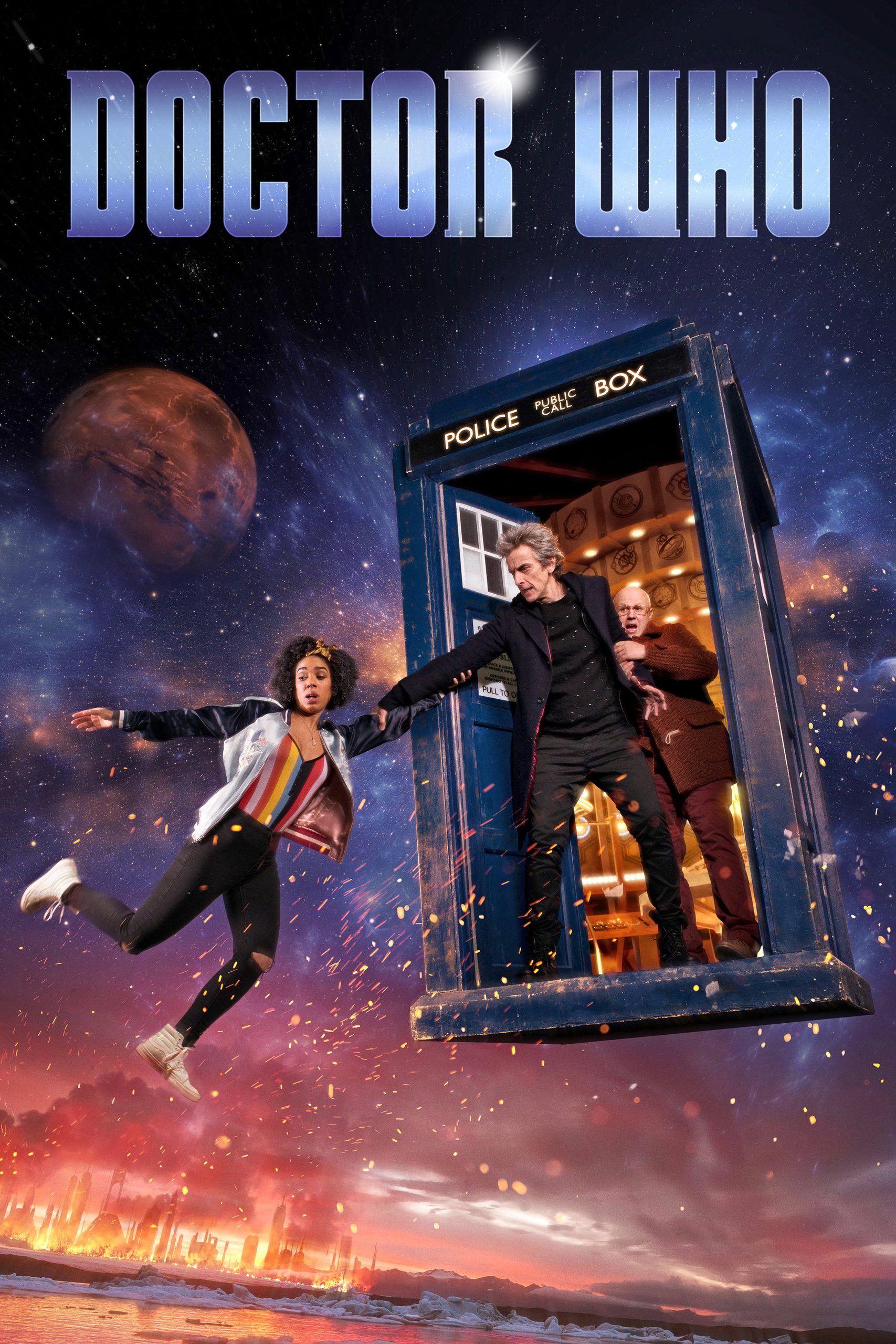
Jenna Coleman’s Clara Oswald arrives as a riddle to be solved and takes a series to become a person, which is the script’s fault and not hers; once she is allowed to be a schoolteacher who lies to everyone, including the Doctor, she is one of the show’s best. Pearl Mackie’s Bill Potts and Matt Lucas’s Nardole make Series 10 the lightest company the programme had kept in years, and Rachel Talalay directs the later finales with a steadiness the writing does not always earn.
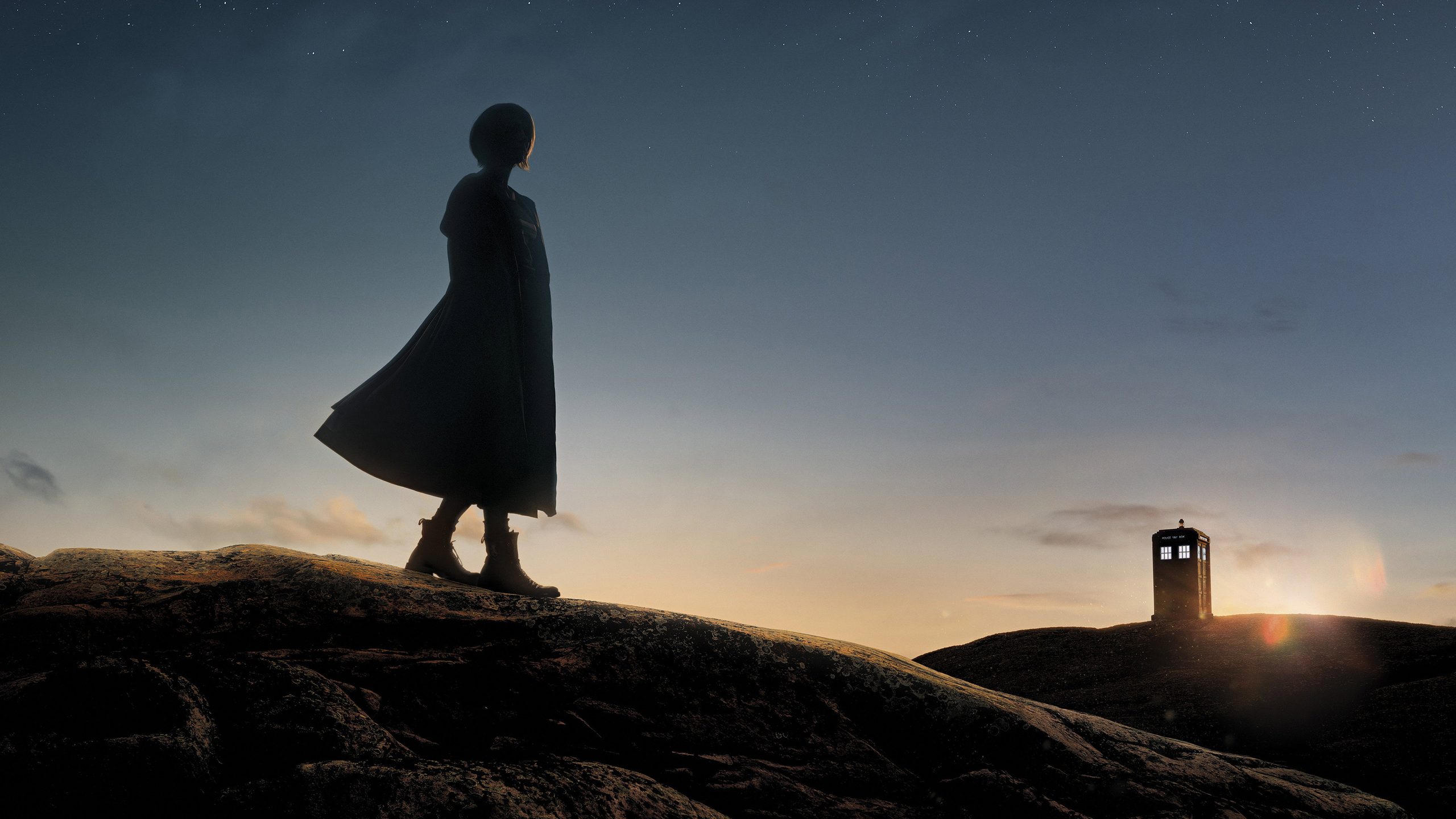
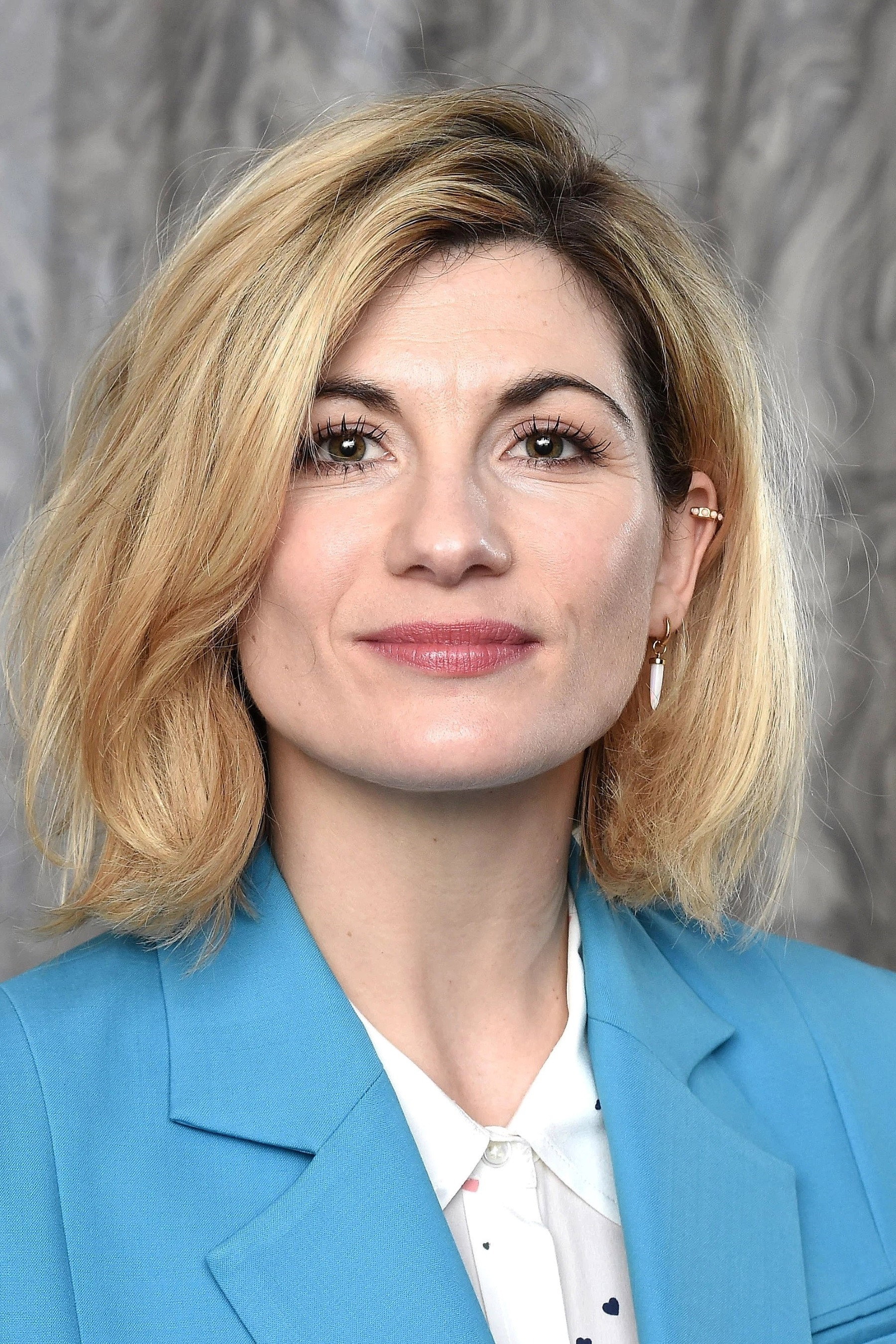
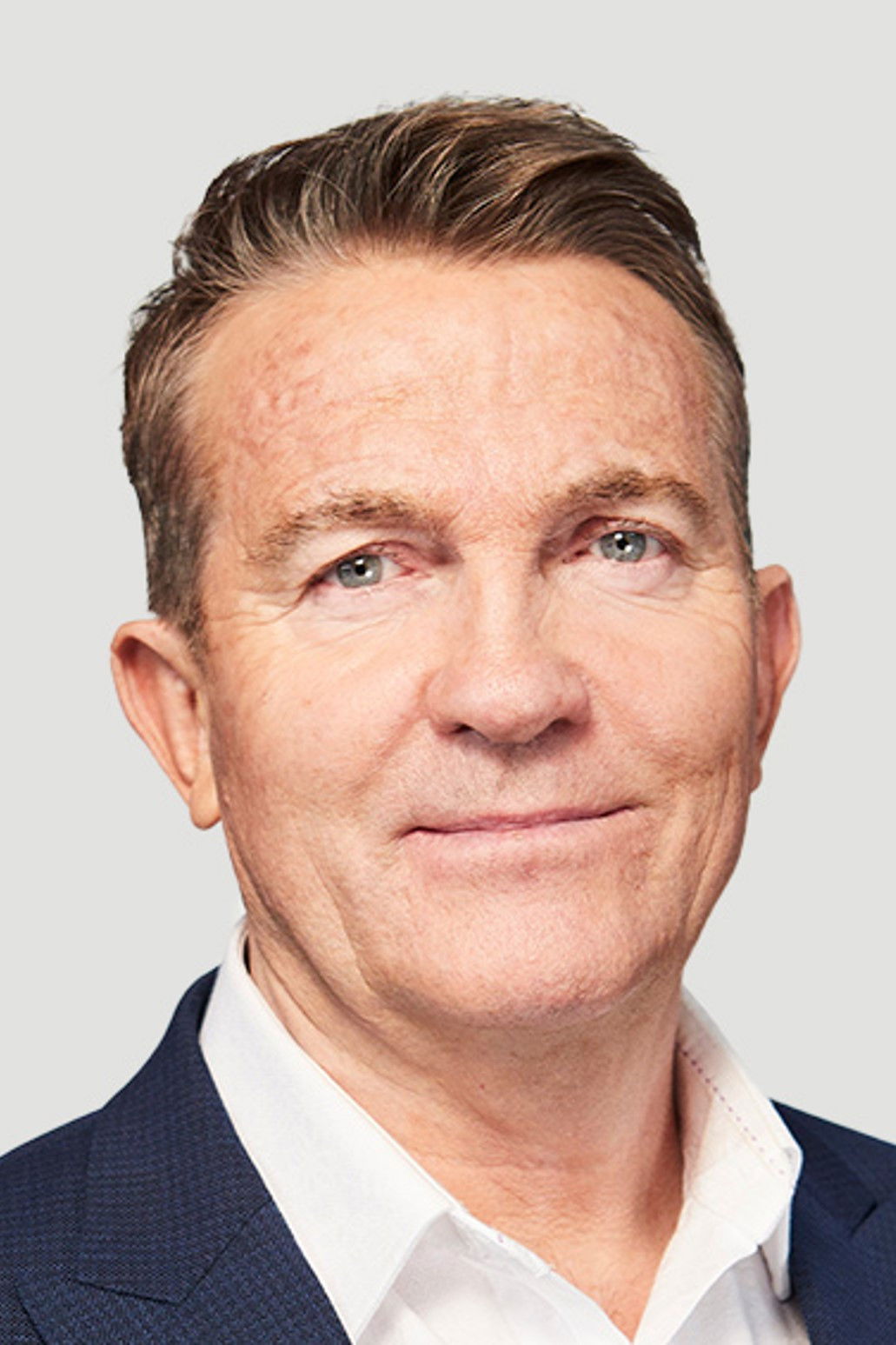
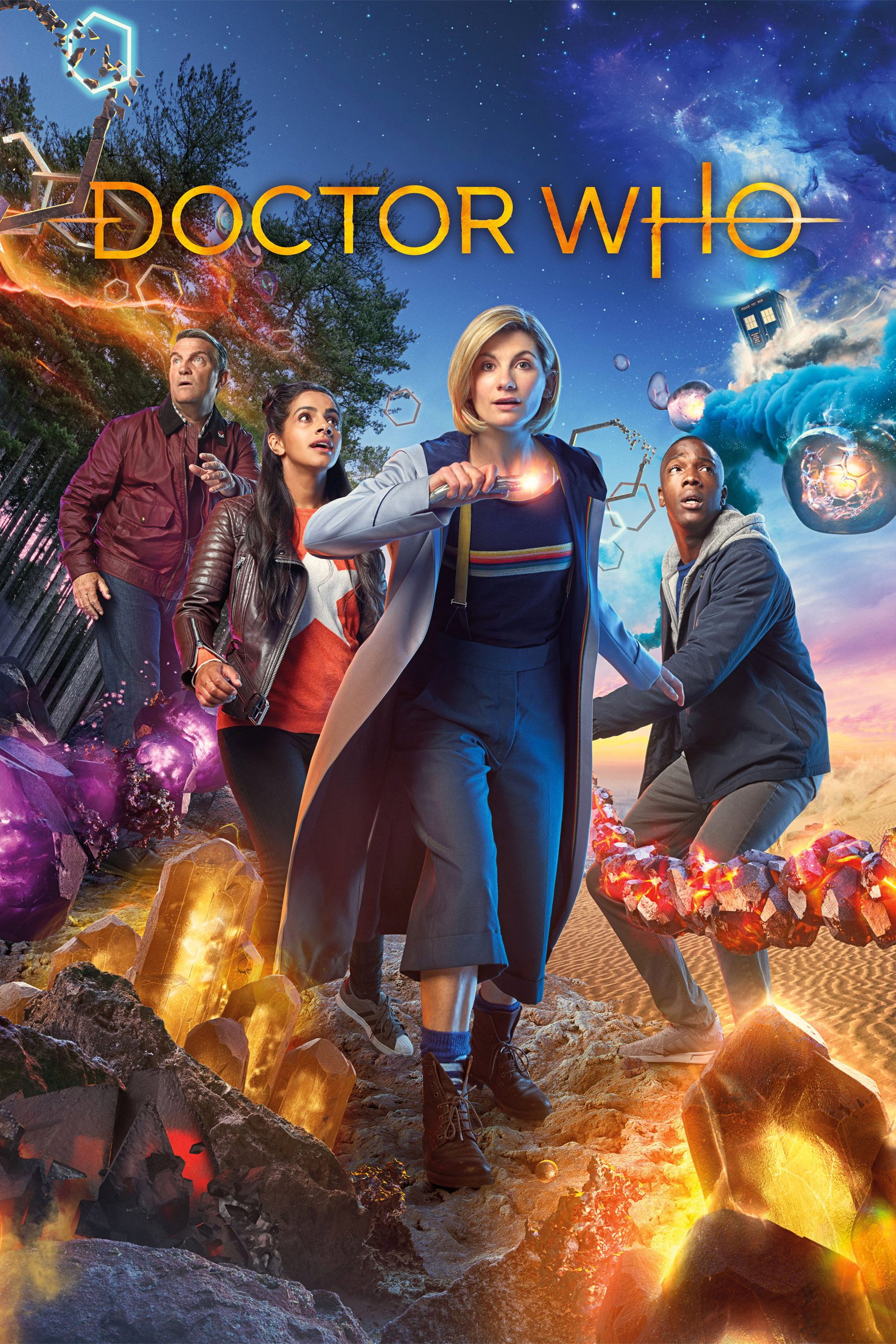
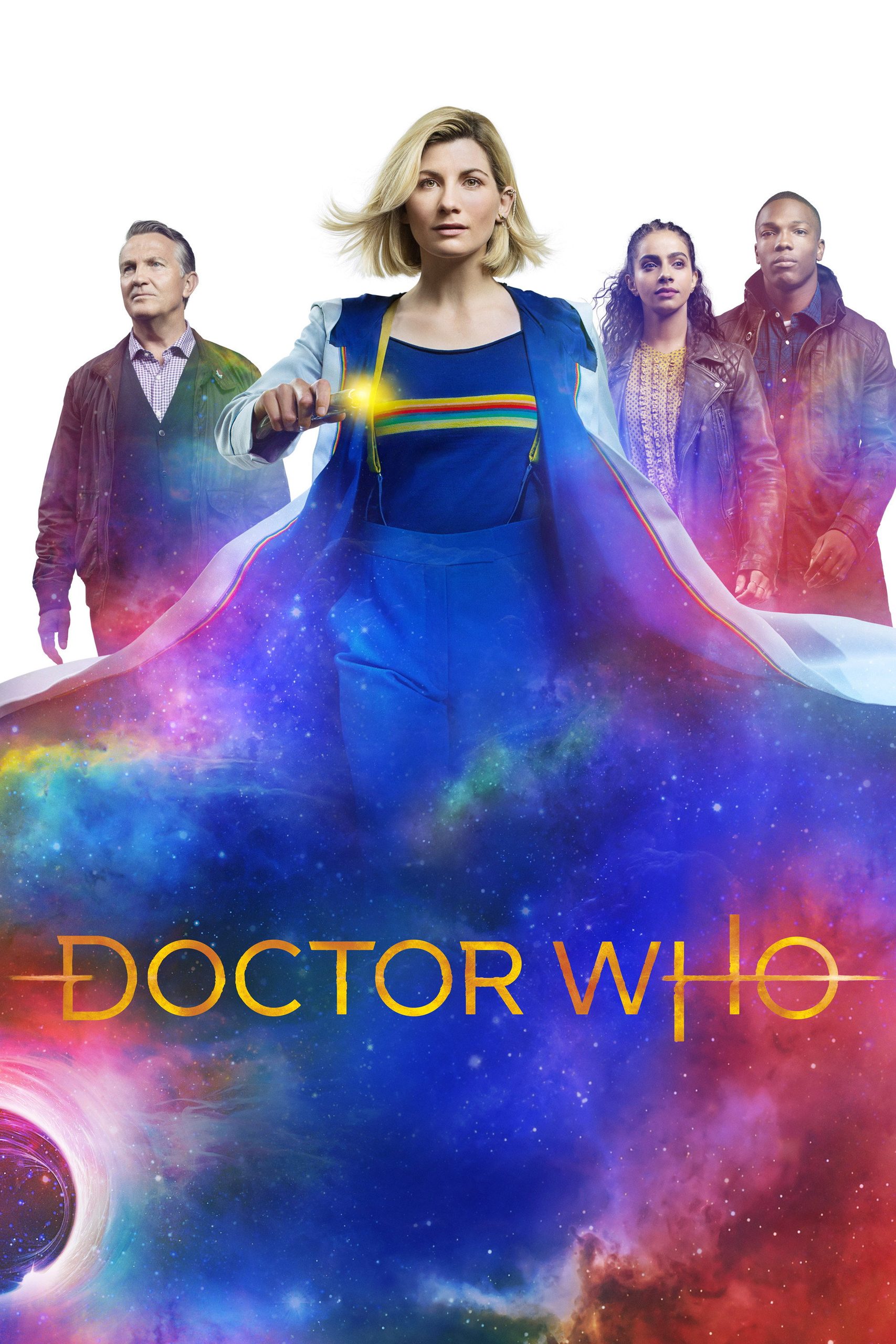
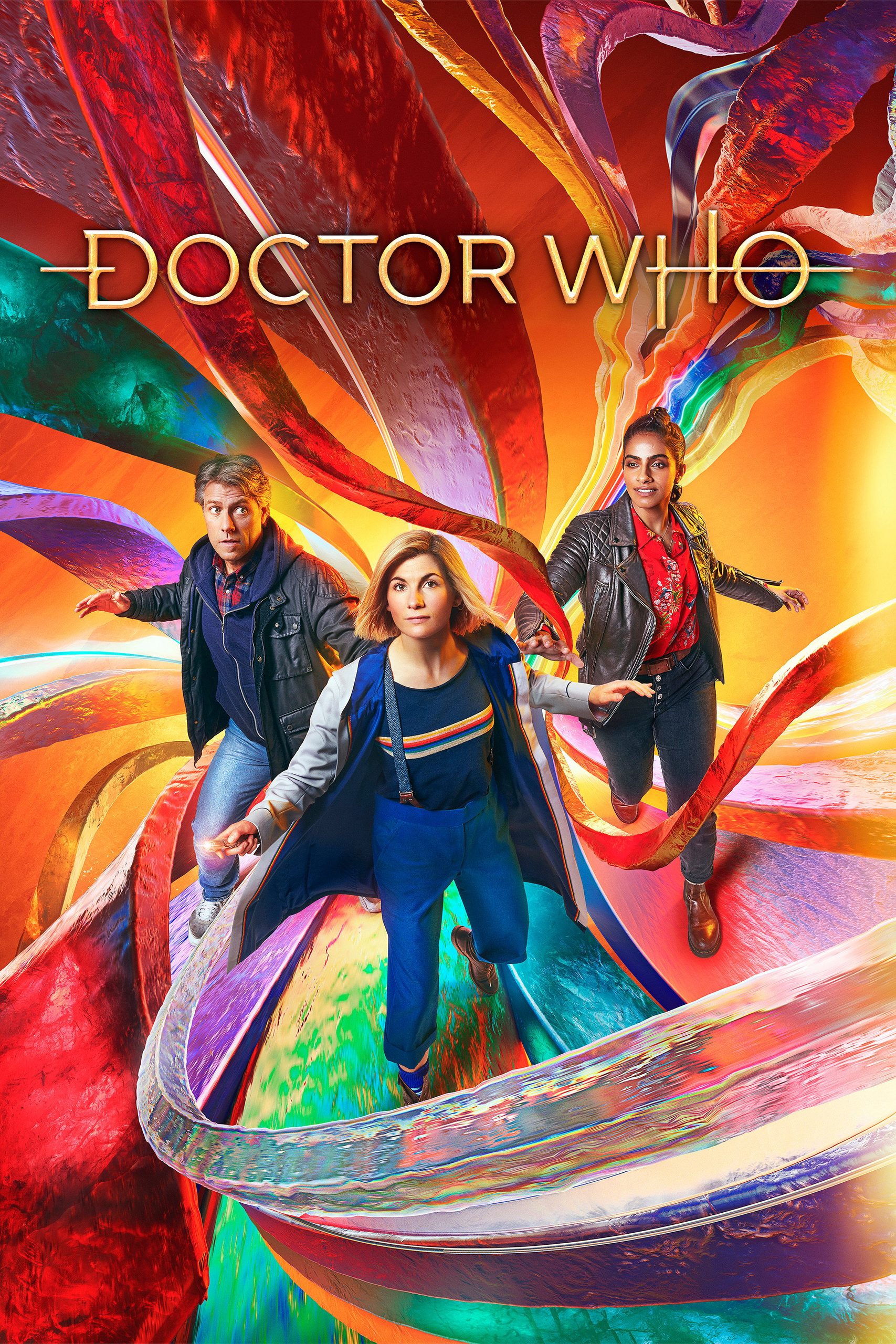
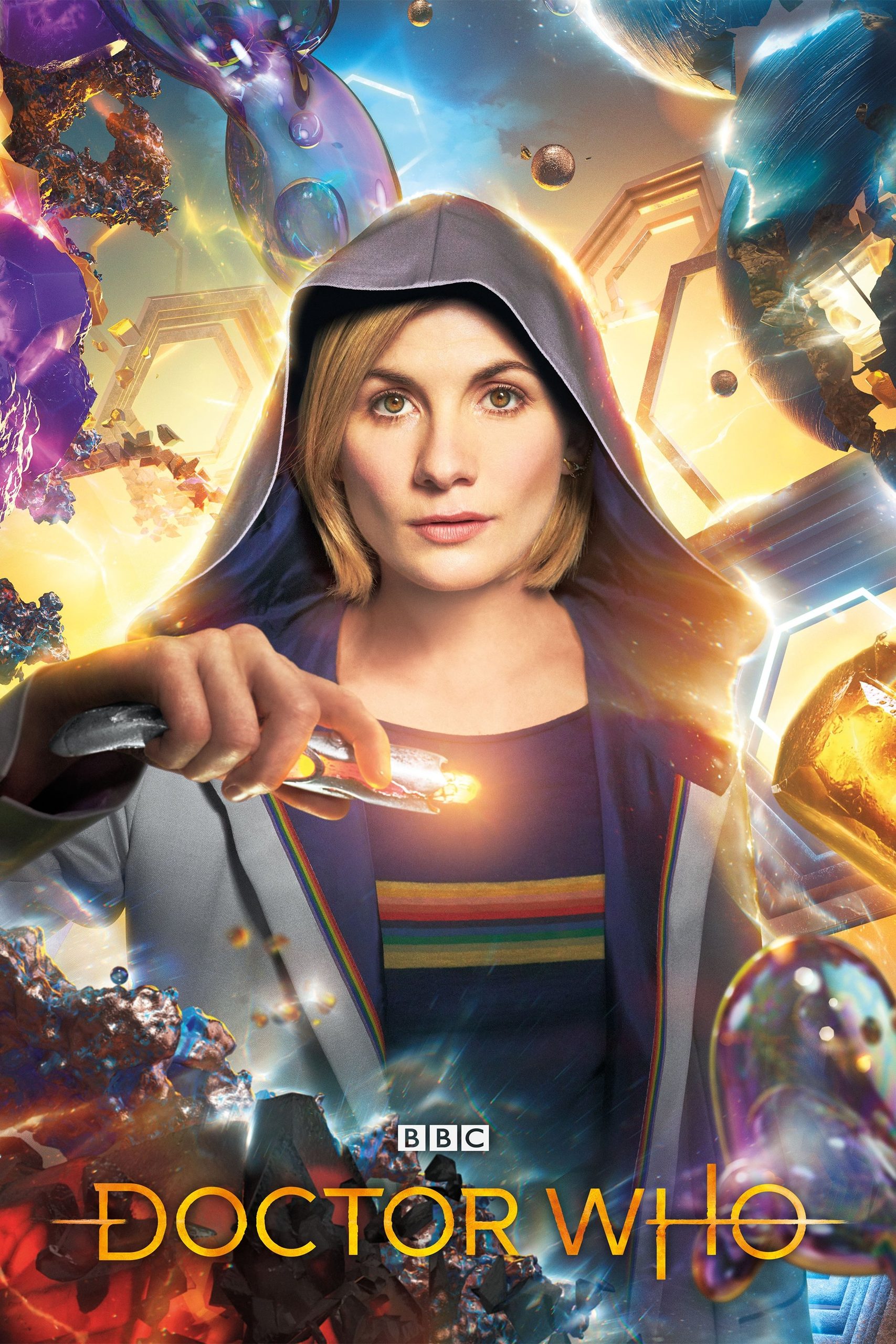
Chris Chibnall’s run, from Series 11 in 2018 to the six-part Flux in 2021, is the weakest stretch. Jodie Whittaker is a warm, quick, physically funny Doctor, and the scripts hand her explanations where earlier Doctors got jokes. Bradley Walsh’s Graham O’Brien, a widower who keeps asking sensible questions, is the era’s best idea. Mandip Gill and Tosin Cole are given too little to do, and Flux piles up so many threads that we lost track of who was where, and then stopped minding, which is worse. Segun Akinola’s score, sparer and stranger than Gold’s, is the one department that improved.
Under all of it is Delia Derbyshire’s theme, realised in 1963 from oscillators and tape, and no arrangement since has bettered it. The revival carries a 12 and earns it: children will be frightened and will come back the following week, which was always the point. Start with the first series. If Eccleston has not got you inside the hour, nothing later will; if he has, there are 152 more episodes waiting.