A director who came up through factual television and never lost the habit: real rooms, real light, actors barely rehearsed. When the material is a true story or a sealed space, it serves him well; when the plot starts twisting, it does not.
Fi1m perspective
Watch a James Strong episode and the first thing you notice is what is missing. No sheen. The rooms look like rooms somebody uses, the light comes from the window, and the actors sound as if they have not had time to polish the lines. That is deliberate. Strong has said that the film and television he watched while trying to get his break struck him as "too artificial, too slick and unrealistic", and he set out to make the opposite: location shooting, little rehearsal, available light, and a frame kept wide enough that it still feels like cinema.
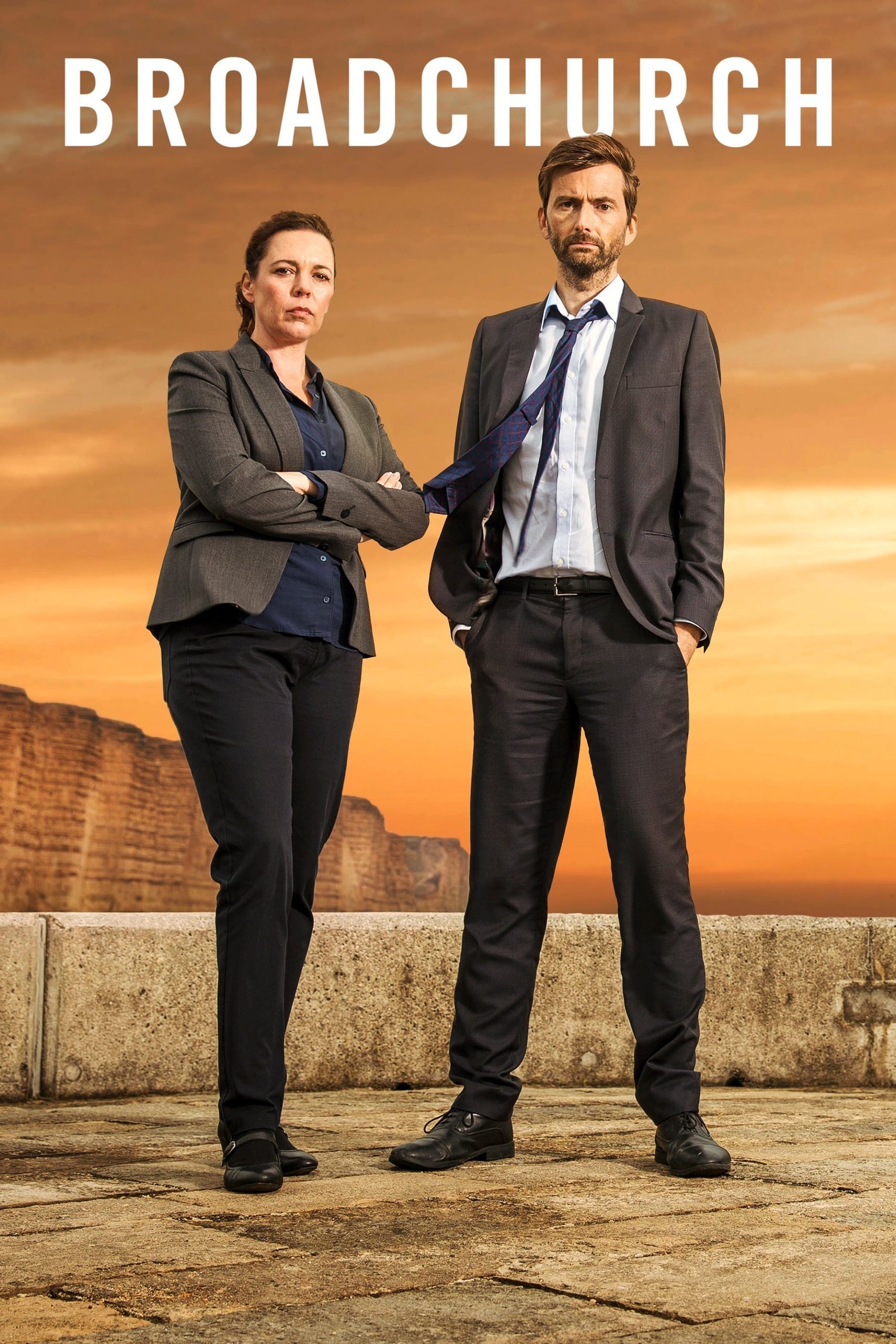
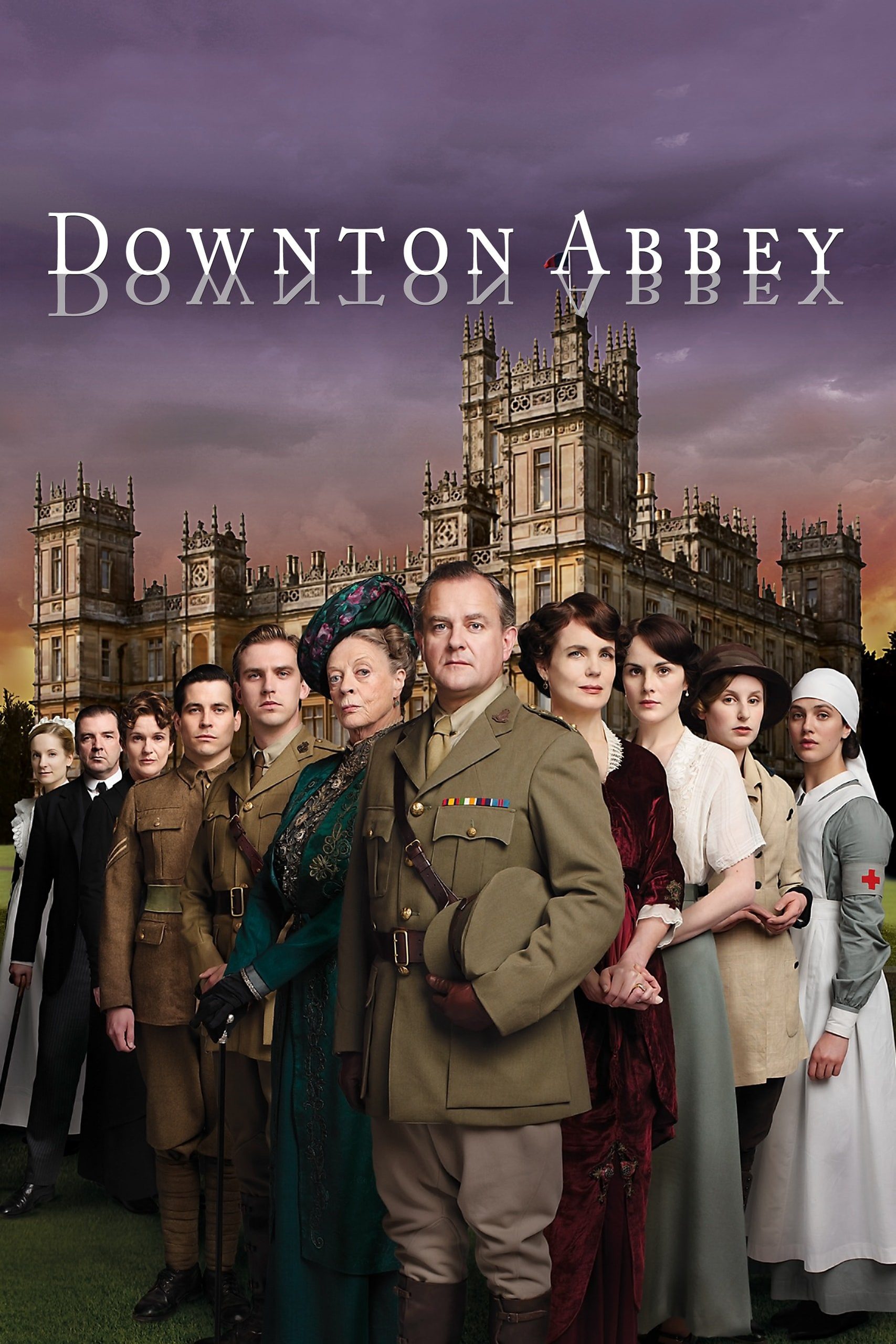
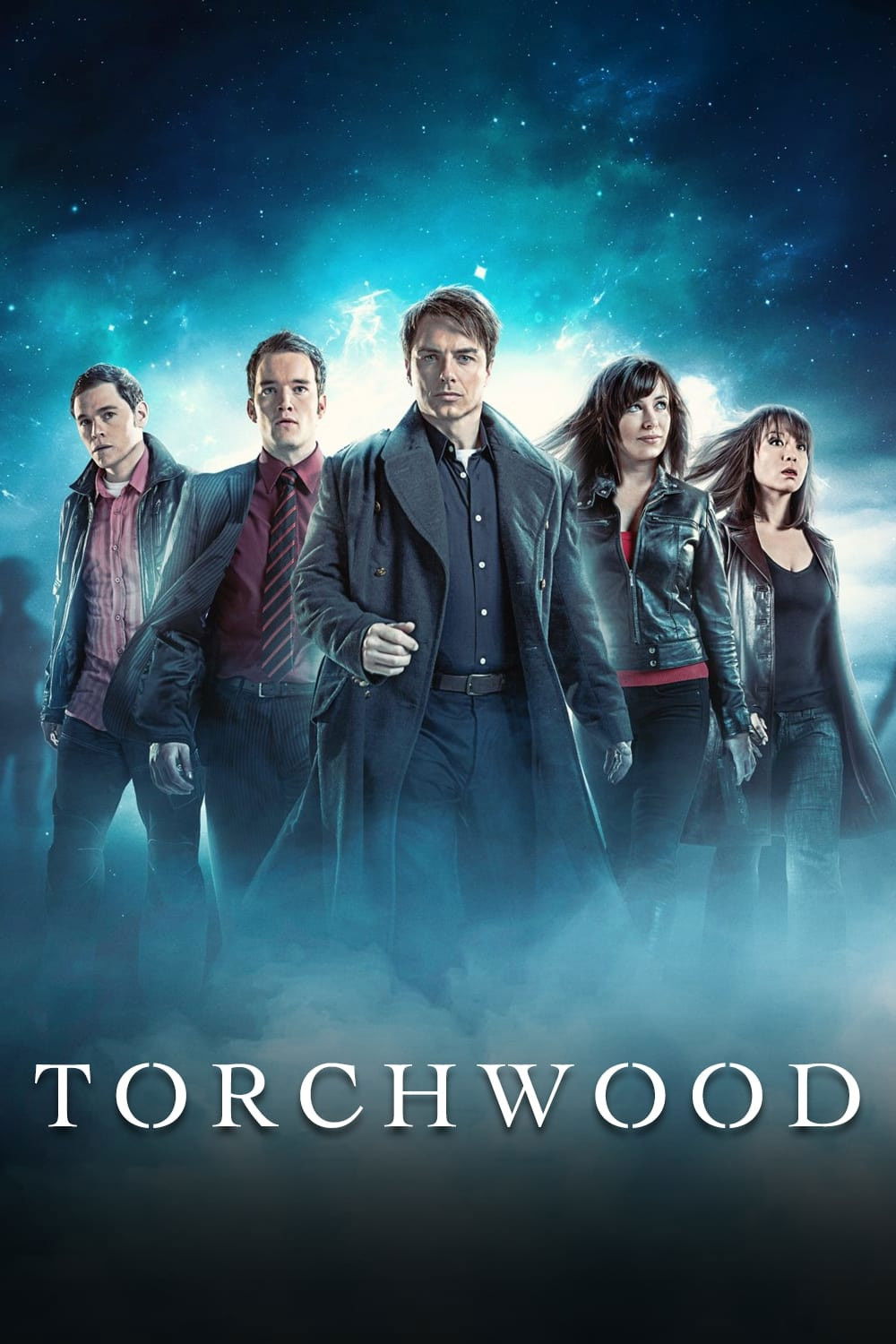
He came to drama sideways, through factual programmes and documentaries and then Granada's director training scheme, which is where those habits set. Daytime followed, Doctors and Holby City, and then in 2006 Doctor Who, where he directed The Impossible Planet, The Satan Pit and Voyage of the Damned, and the first series of Torchwood. His first feature, United (2011), took the Munich air disaster of 1958. There were episodes of Downton Abbey. Then came Broadchurch (2013–2015), where he was lead director and associate producer, and where the way he shoots a small town and a large cast became the thing people attach to his name.
Since then the pattern has been true stories and sealed rooms: 11.22.63 (2016), Liar (2017), Vanity Fair, Vigil (2021), Fire Country (2022), Mr Bates vs The Post Office (2024) and Words of War (2025), about the journalist Anna Politkovskaya. Critics keep noticing the same two things. He gives a place a solid, particular existence, and he can run a large set piece without letting the air back in. Vigil is the case in point, a Trident submarine built on a stage because a real one was out of the question, and built to be big enough to work in while still feeling airless. The one recurring complaint is that his thrillers sometimes reach for a late, soapy twist that a tighter show would have refused; Liar drew that note.
Our own record with him is Torchwood, and the first series is the weaker end of that show. We spent much of it irritated, because it kept announcing how grown-up it was instead of getting on with being good, and no amount of grounded direction can steady a programme that will not stop posing. That is not Strong's fault, and it is not a point in his favour either. A director who prizes the real is at a disadvantage on material that prefers the pose.
Chris Chibnall is the writer he has worked with most often, five times, and the fit is easy to understand: ordinary people in trouble, shot where they actually stand. Strong is the director you hire when you want a true story to look true. Whether he can hold that nerve when a script would rather cheat is the open question, and it is the one worth watching him for.
Biography
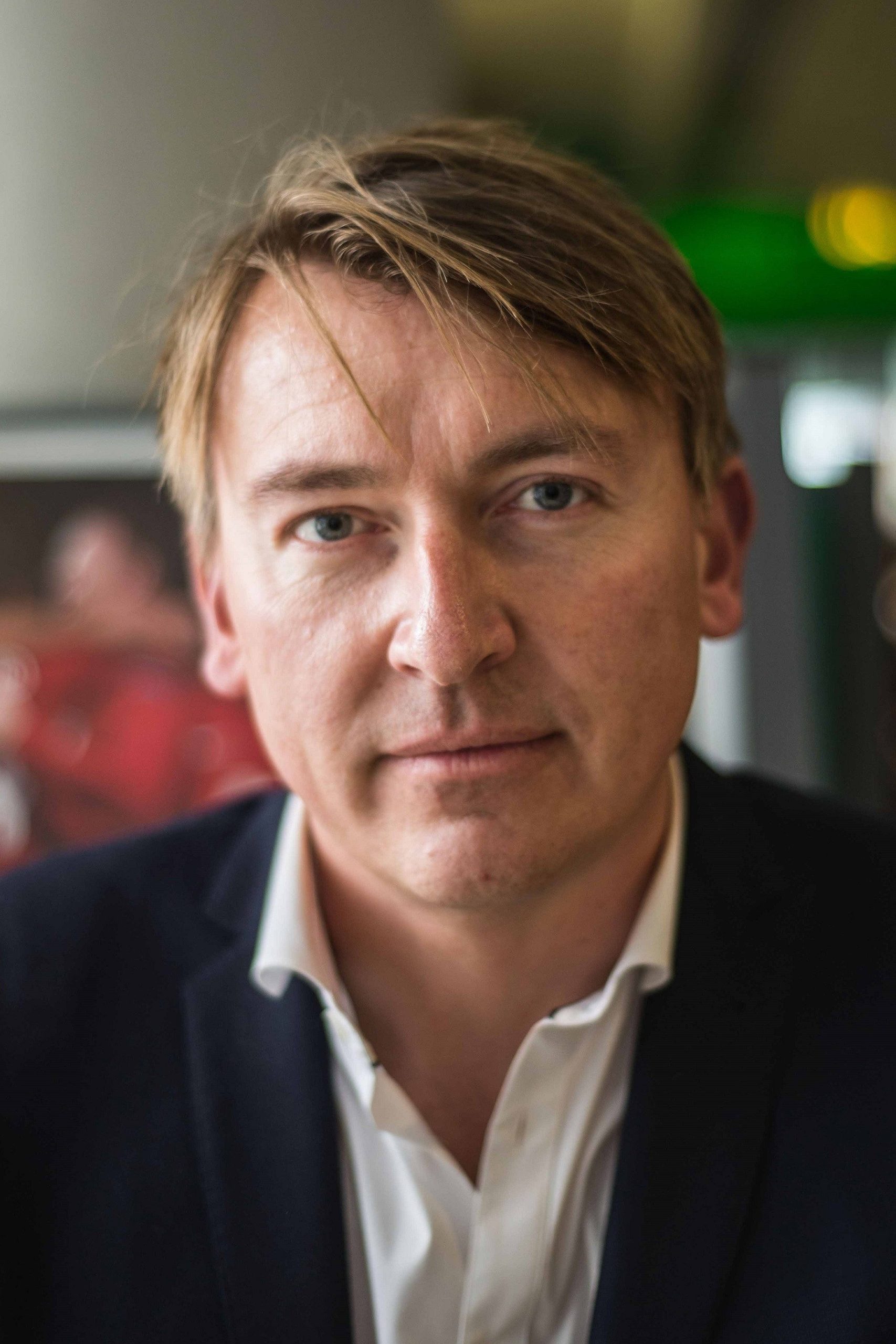
James Strong is a British television and film director. He trained at Granada TV and began directing scripted drama on series including Doctors and Holby City.
Strong has directed multiple episodes of Doctor Who (2005), including the specials Voyage of the Damned (2007) and Planet of the Dead (2009), as well as episodes of its spin-off Torchwood (2006). He directed episodes of Downton Abbey (2010) and served as lead director and associate producer on Broadchurch (2013), for which he received a BAFTA nomination for Best Director Fiction. His work on Voyage of the Damned won a BAFTA Cymru award for Best Director in 2008. Other credits include the feature film United (2011) and the series 11.22.63 (2016).