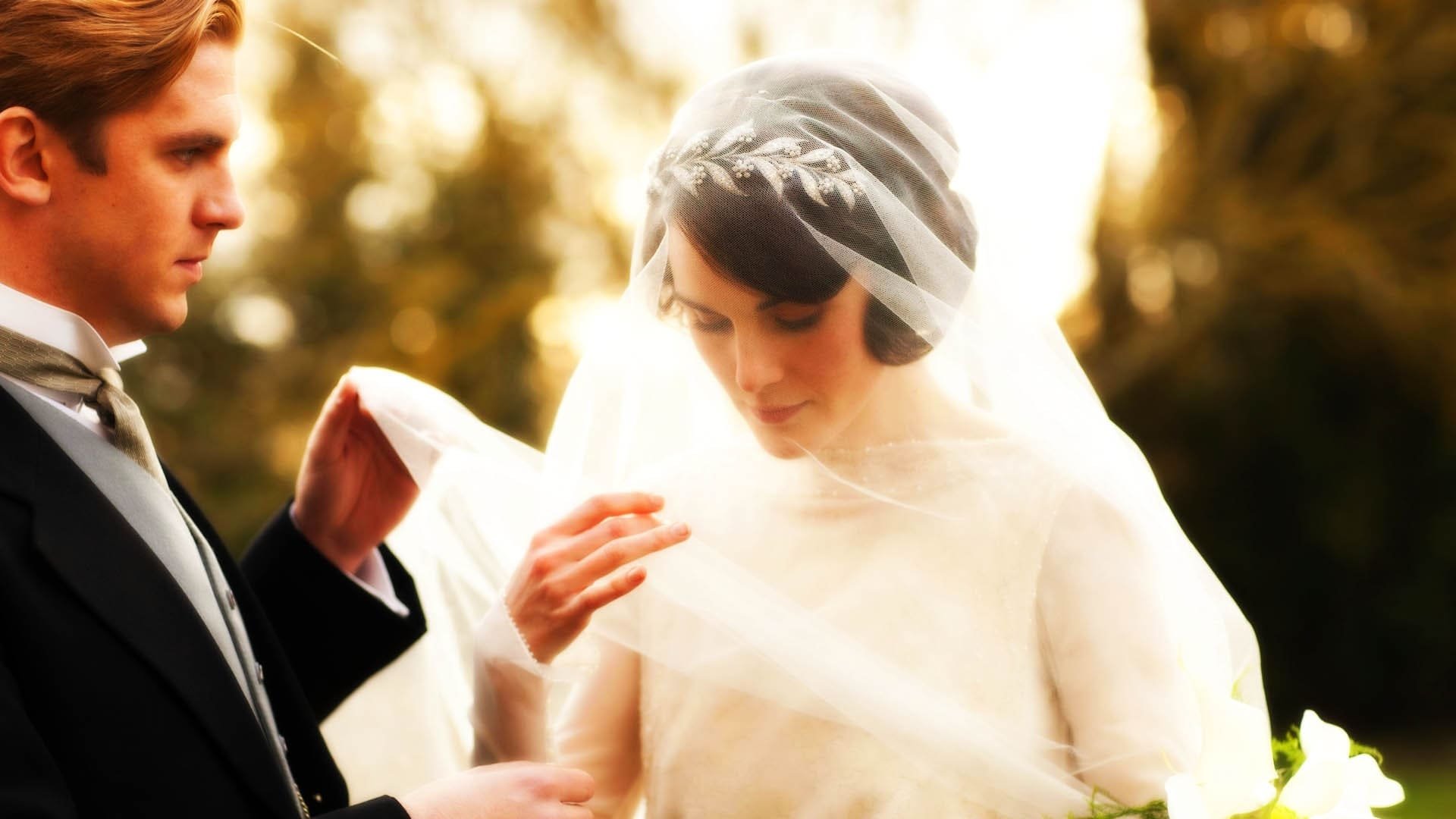
Julian Fellowes’s country-house drama is soap opera with excellent manners: lines people repeat, a cast that never lets it down and a house that does half the acting. It explains itself too often and goes soft on its masters, but the first two series are proper Sunday-evening television.
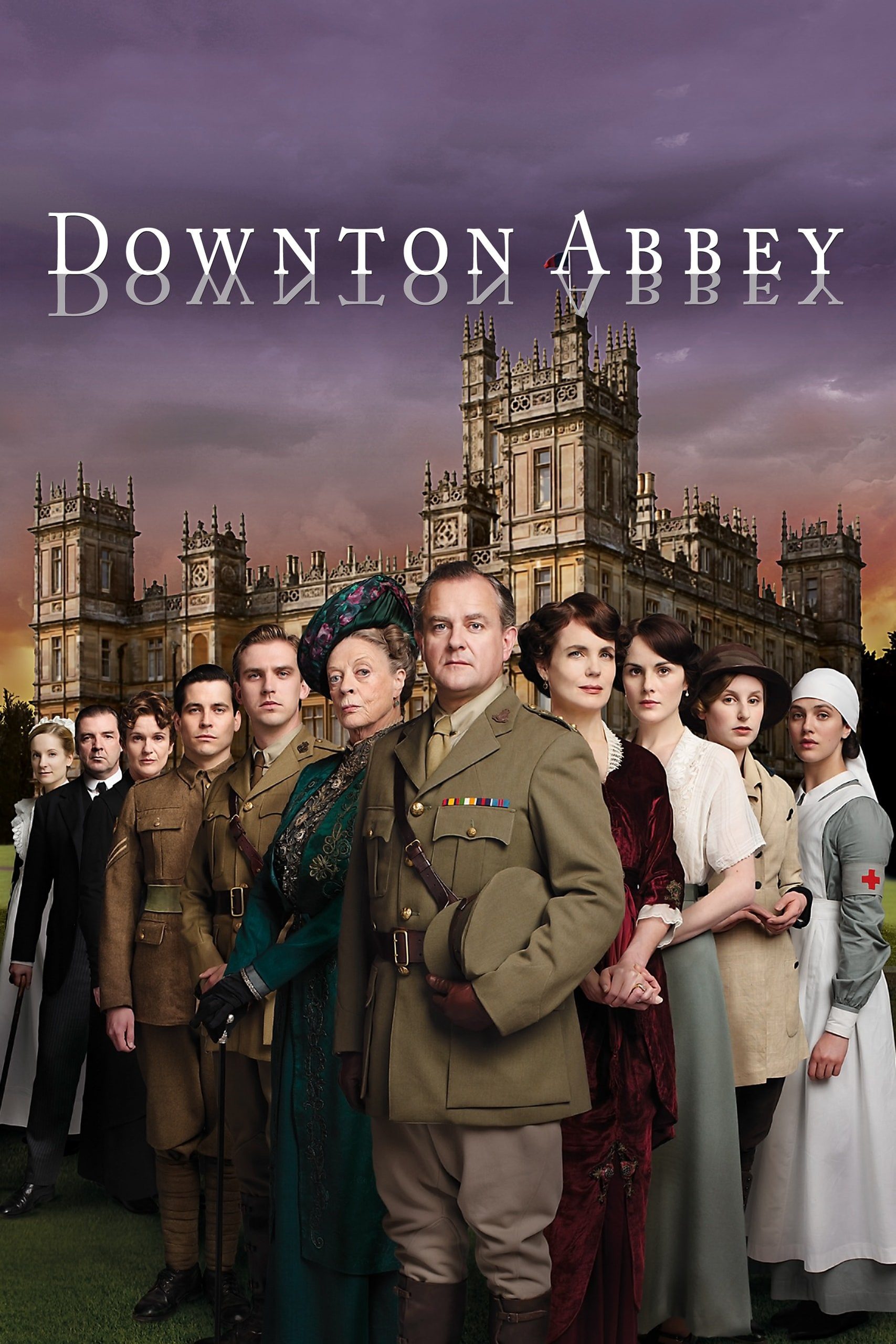
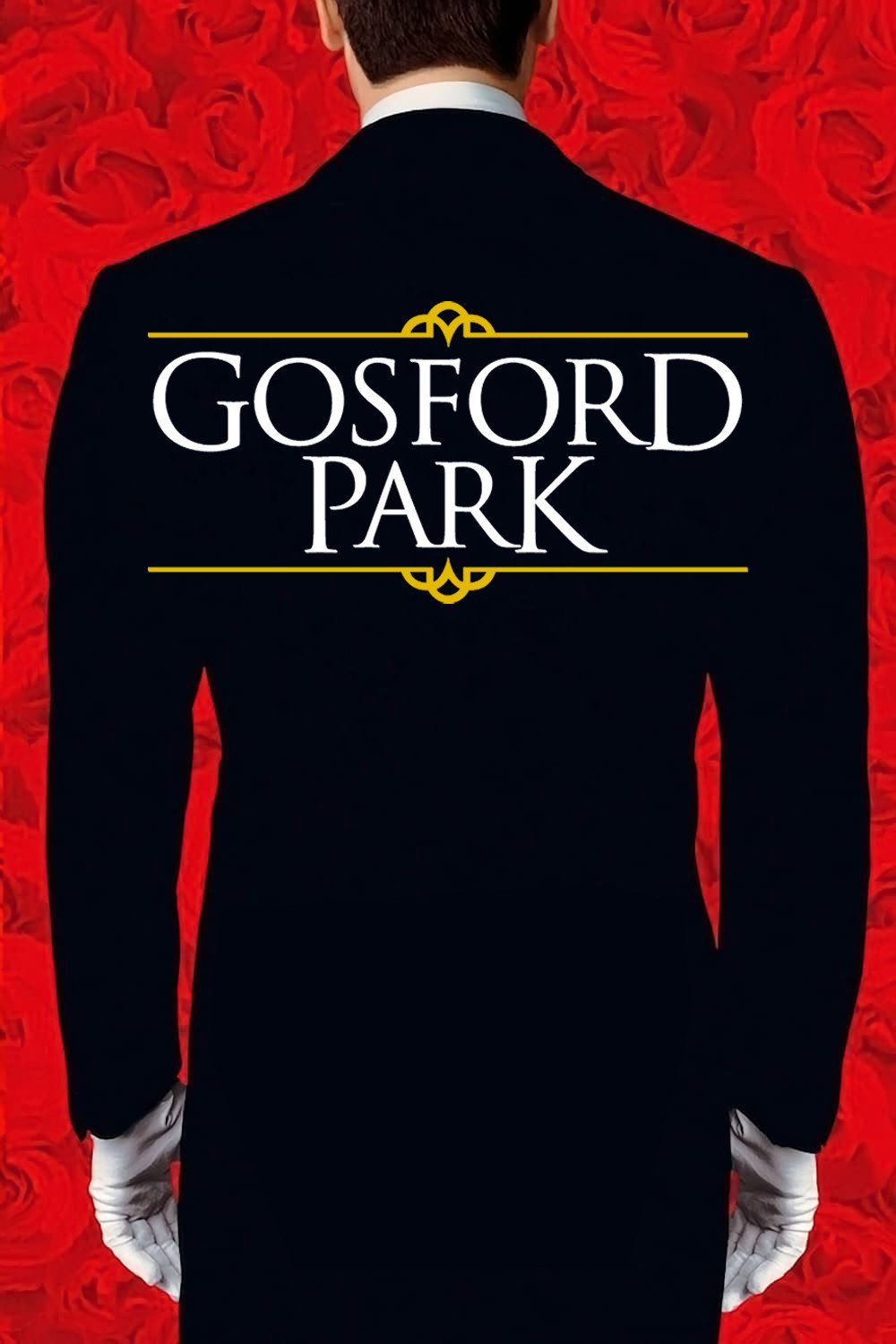
Julian Fellowes had written one country house already, Gosford Park in 2001, and Downton Abbey is that film given six series and a change of sympathies. The film was told from the servants’ hall. The series is told from both floors, but its heart is upstairs, with a family that would rather nothing changed and is about to watch everything change. It opens in April 1912, the morning the news of the Titanic arrives, and it follows the house through the war and out the other side. The first series ran to seven episodes from 26 September 2010; the sixth and last finished in 2015.
It is a soap opera with excellent manners, and we mean that kindly. The plots are about wills, marriages, secrets in bedrooms and letters that should not have been sent. What lifts it is that Fellowes writes lines people want to repeat, and he has a cast that can land them. We would put the first two series in front of anyone with a Sunday evening to fill and no strong objection to the aristocracy. The later ones we would hand over with a shrug.
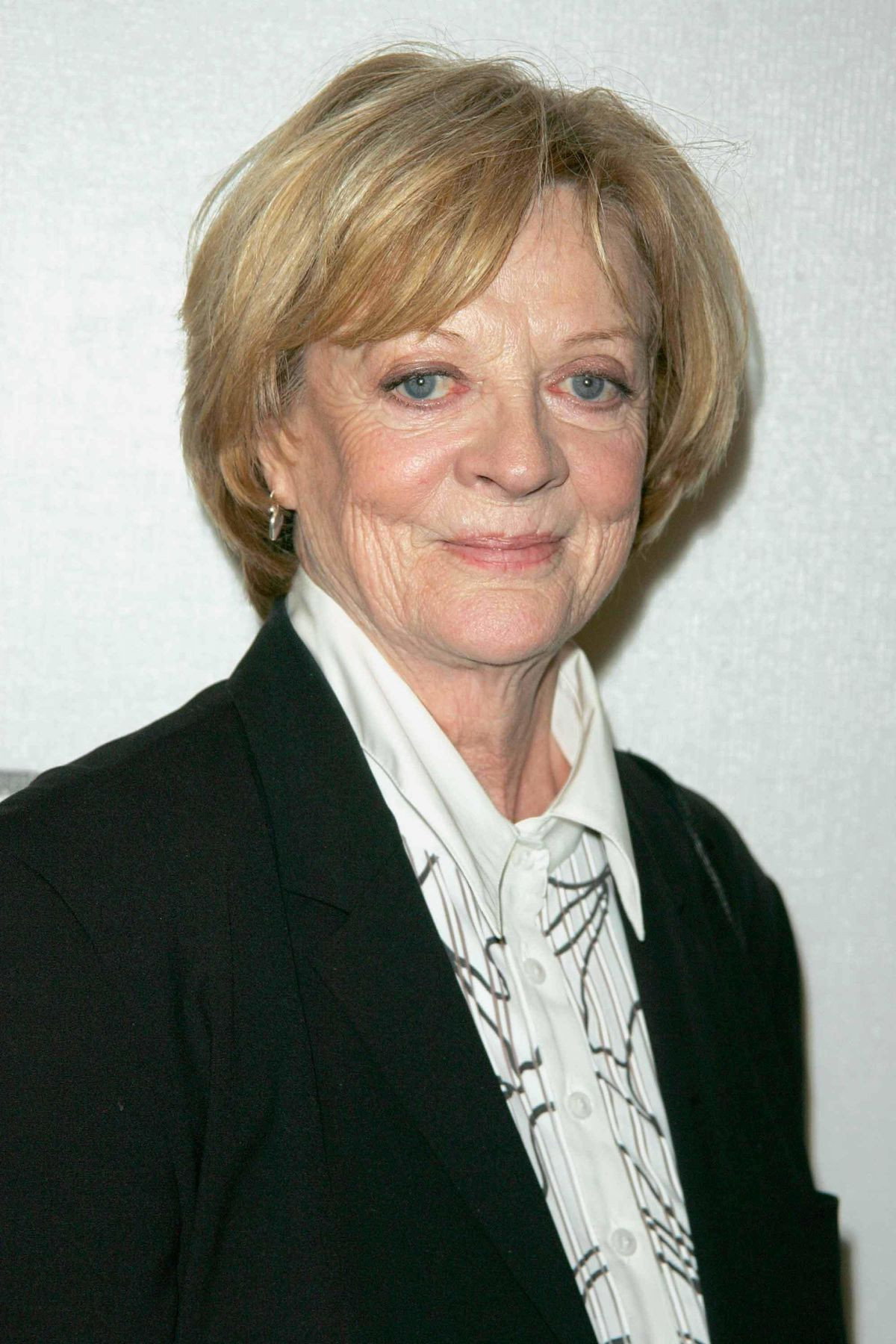
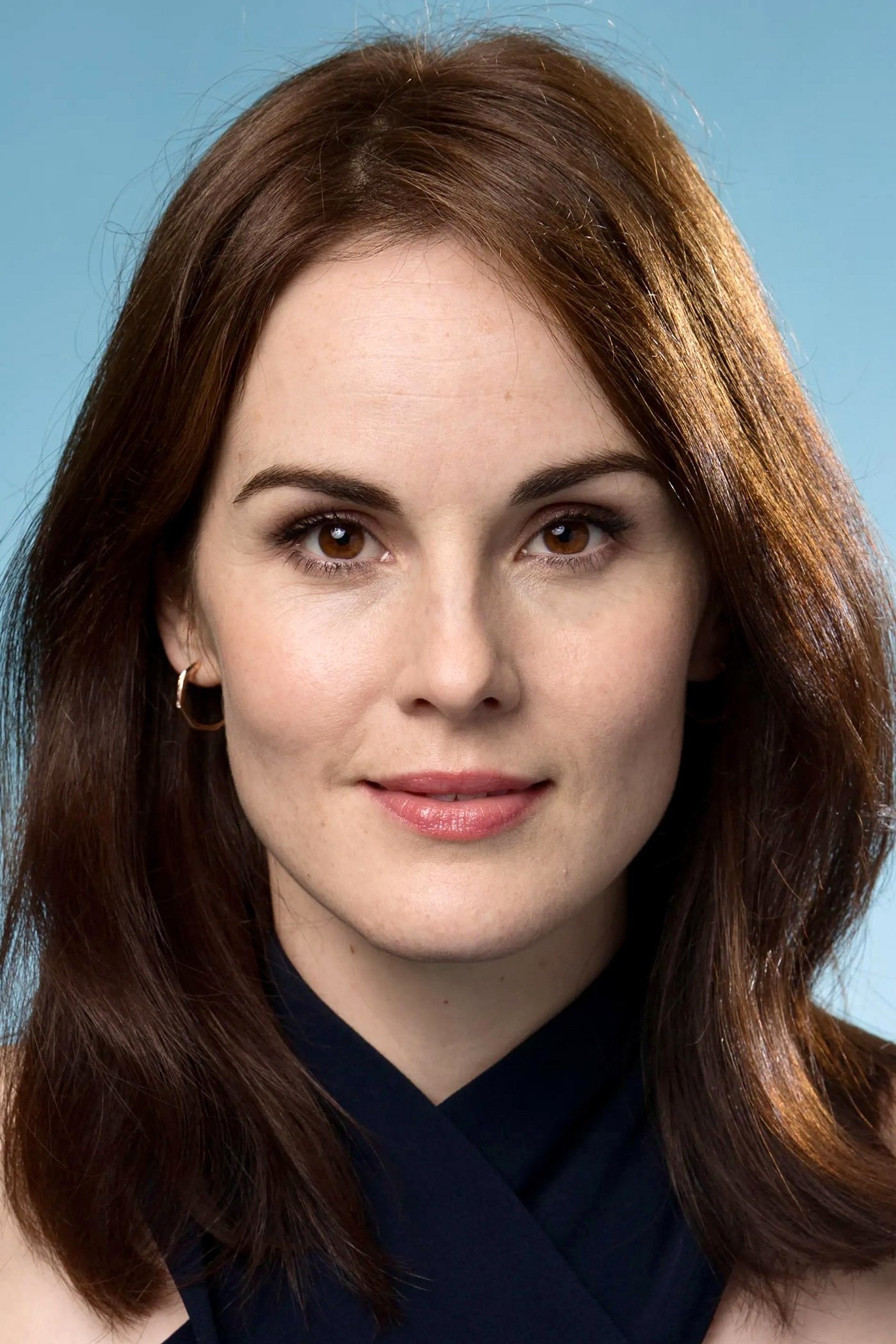
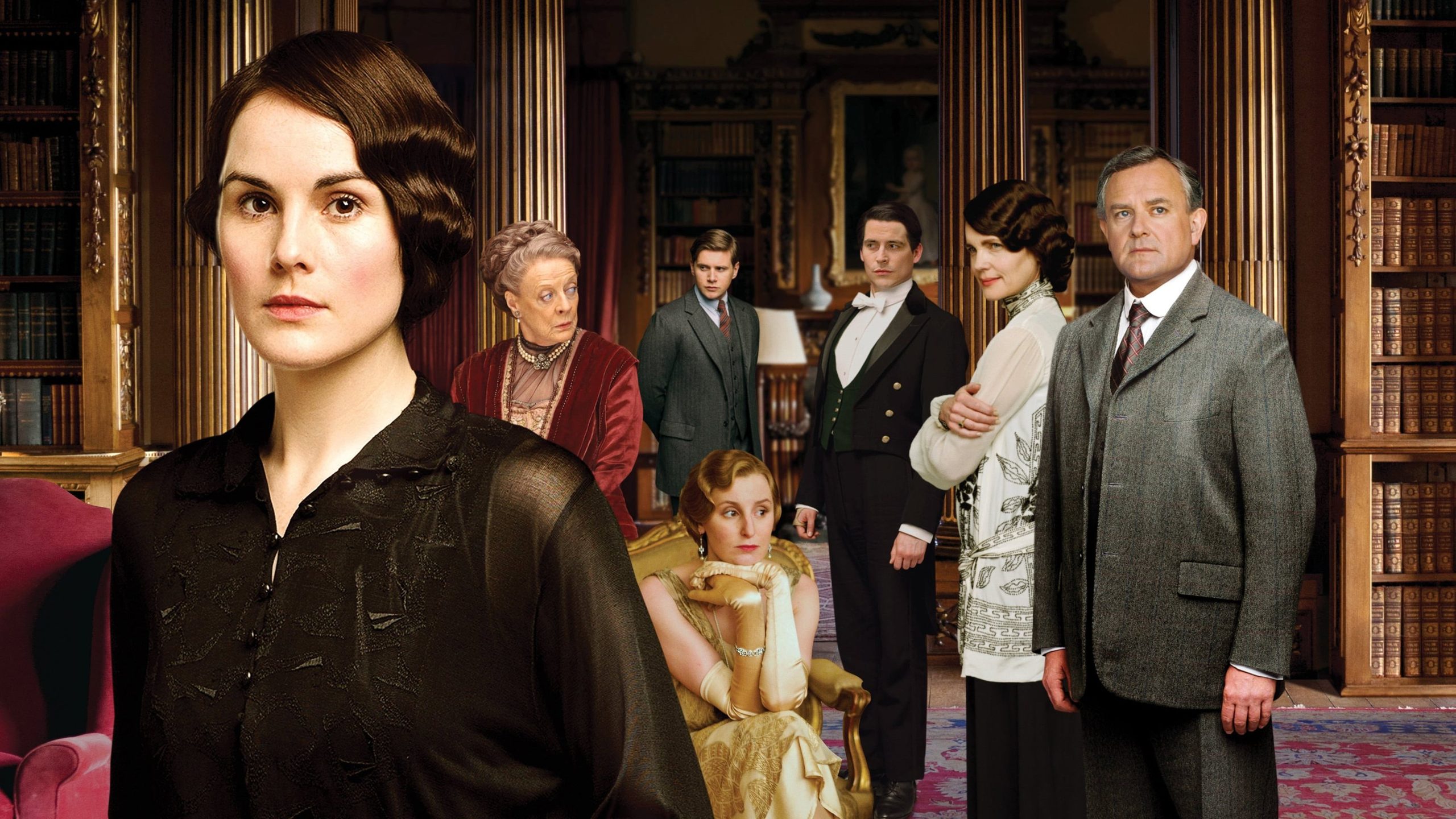
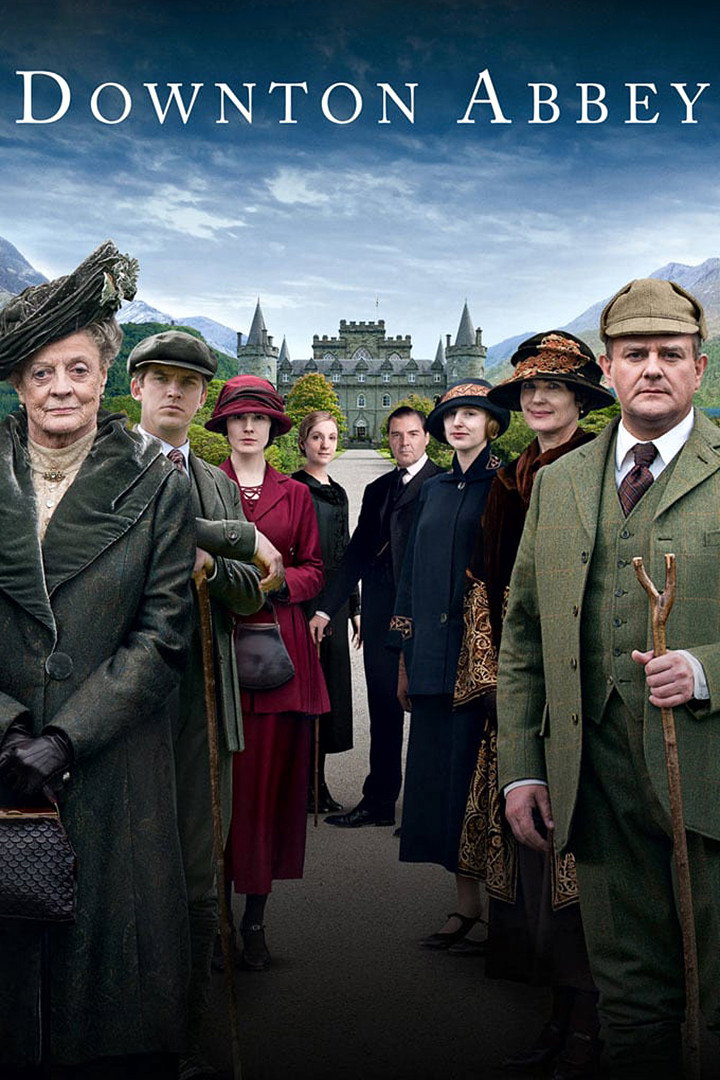
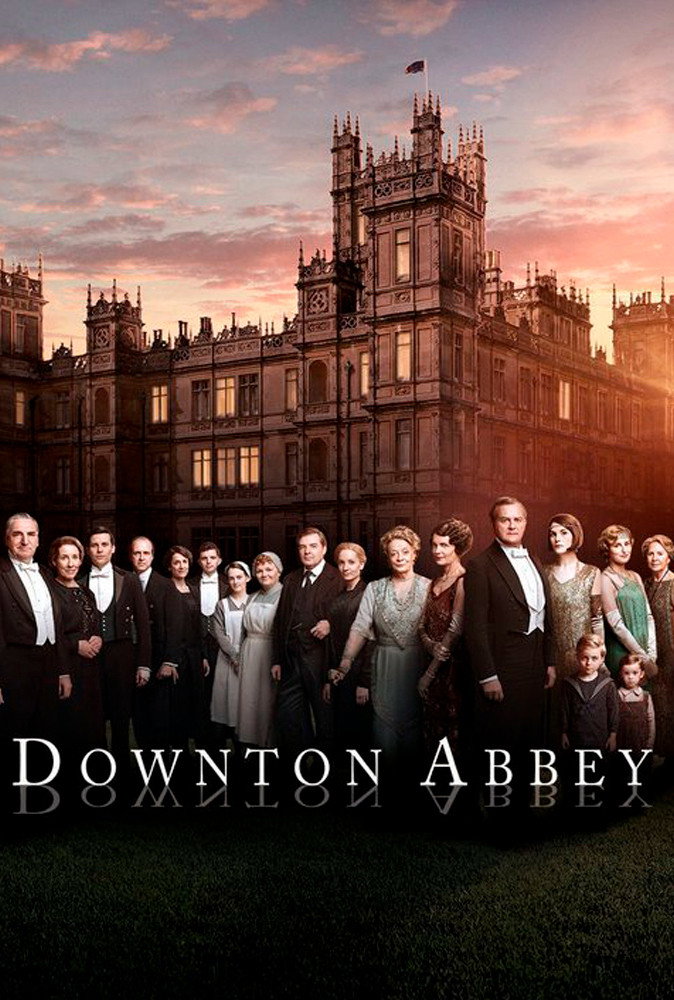
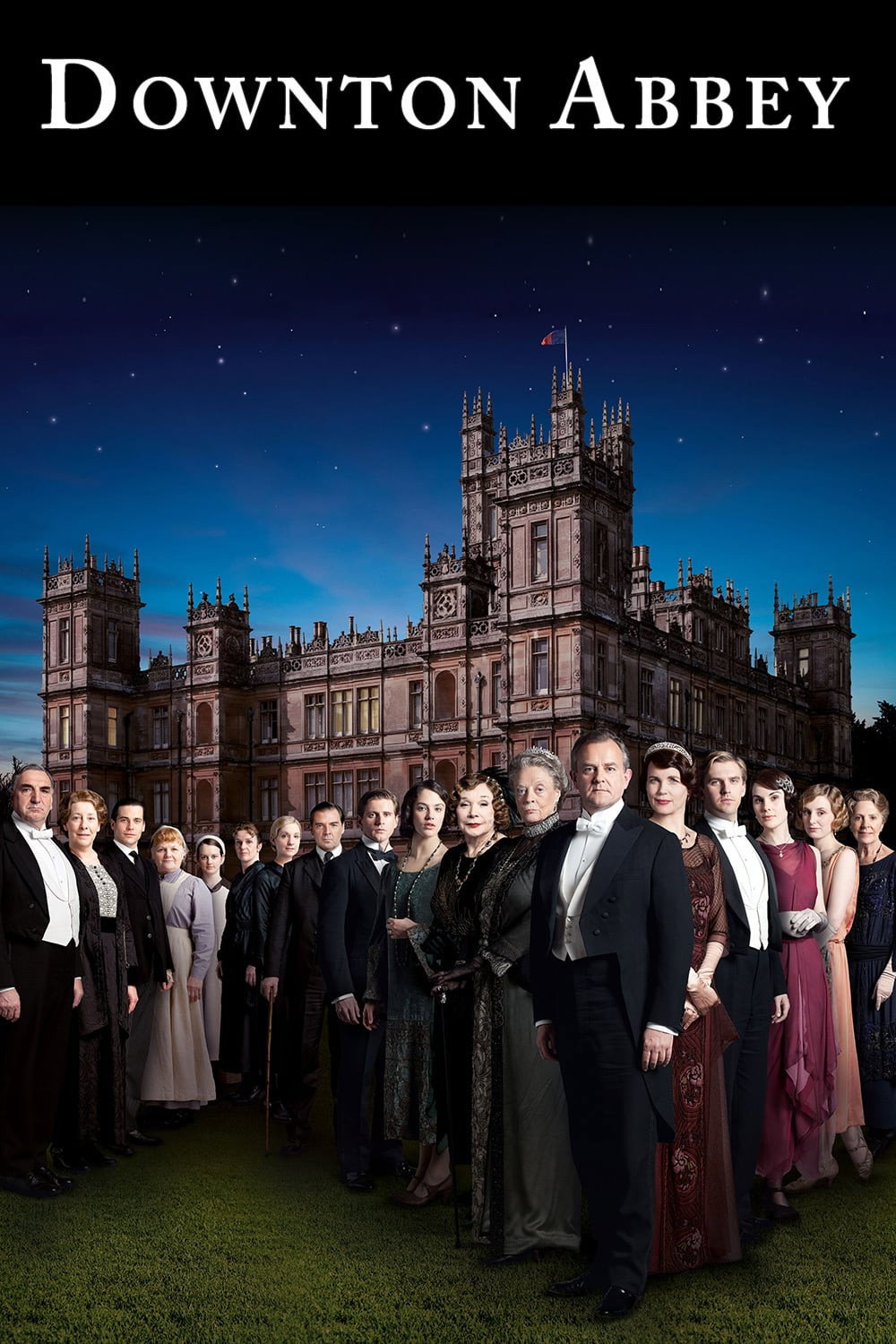
Maggie Smith’s Violet Crawley, the dowager countess, is the reason most people came and the reason most stayed. She enters rooms as if they have disappointed her and leaves them having won. We laughed out loud, in the second episode, at her asking what a weekend is, and we laughed because Smith does not play it as a joke; Violet has simply never needed the word. Michelle Dockery’s Mary is the harder part and the better performance, a clever young woman who knows exactly how narrow her options are and is furious about it in the only way the period allows, which is quietly. Hugh Bonneville makes Robert decent, a little slow and easily hurt, which is the right way to play a man whose whole job is to own a house.
Downstairs, Jim Carter’s Carson believes in the family more than the family does, and Phyllis Logan’s Mrs. Hughes is the only adult in the building. Joanne Froggatt gives Anna Smith a steadiness the later series lean on. The scene that got us, more than a scene about a valet keeping his job has any right to, comes at the end of the first episode, when Brendan Coyle’s Bates, a man with a limp whom the household has decided is a liability, is put in a car for the station and Robert runs down the drive after it. Bonneville plays the run as embarrassment rather than heroism, and that is why it works.
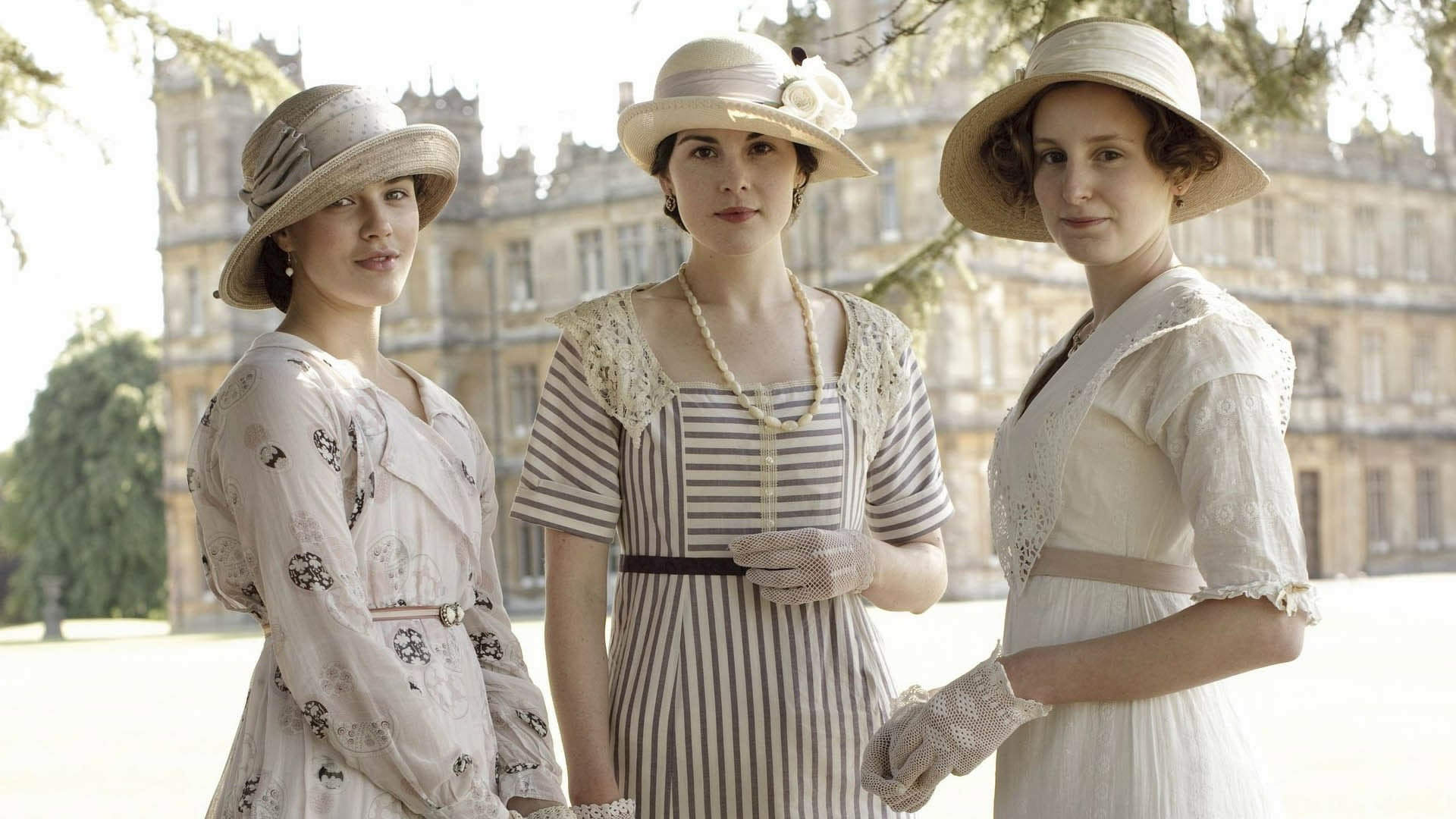
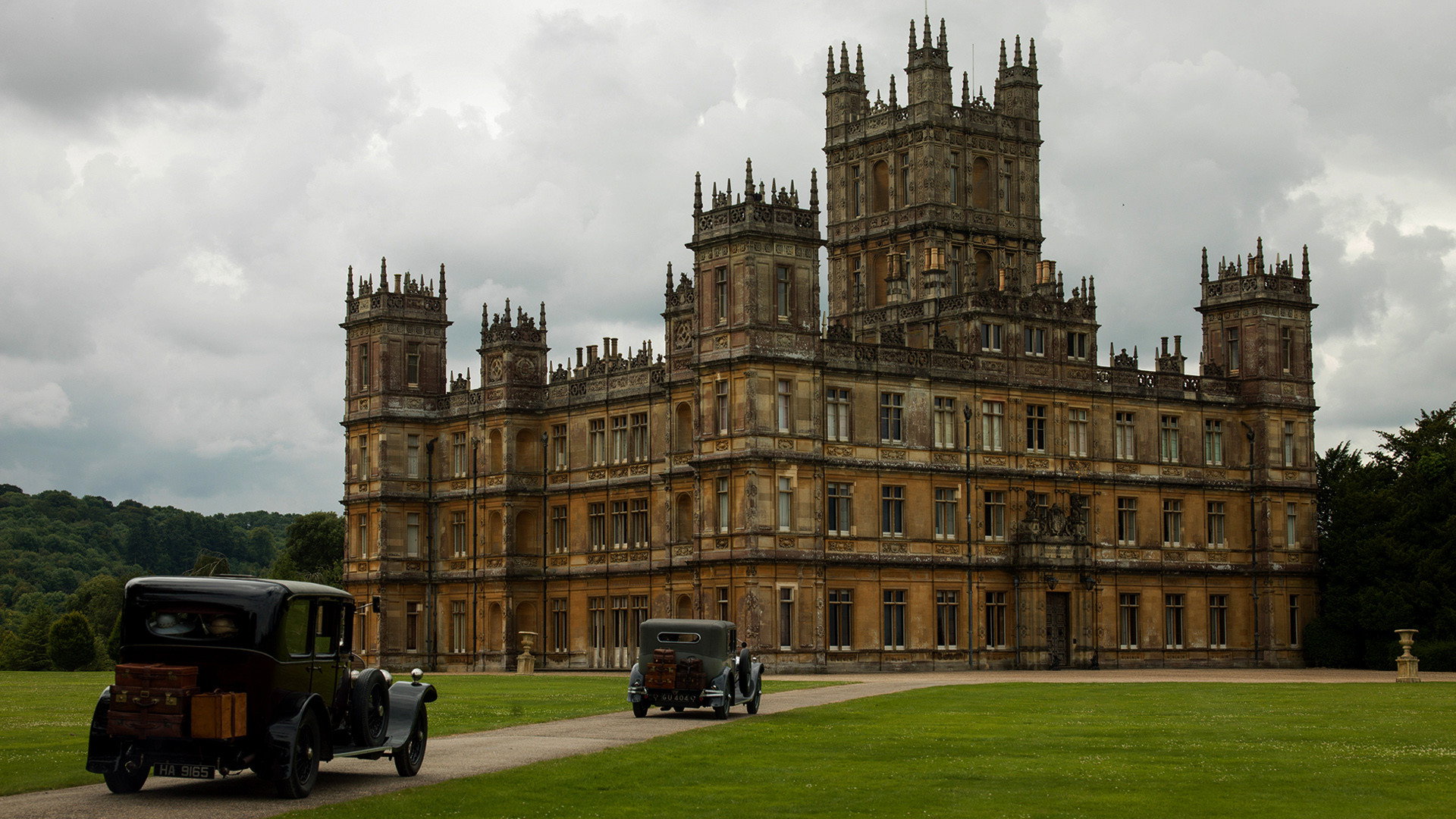
The house is Highclere Castle in Hampshire, standing in for Yorkshire, and the three cinematographers, David Katznelson, David Marsh and Gavin Struthers, shoot it two ways. Upstairs is high, pale and far apart. Downstairs is lamps, stoves and a camera that hurries along the corridor behind whoever is carrying the tray. The editors, Nick McPhee, Alex Mackie, John Wilson and Steve Singleton, cut between the two floors dozens of times an hour, and that cut is the programme’s rhythm: a remark at dinner, then the kitchen hearing about it. John Lunn’s score is a piano figure that climbs and never quite arrives, played over a title sequence that opens on the back end of a Labrador walking towards the house.
The faults are real. The entail, which stops the estate passing to a daughter, is explained so often in the first two episodes that we could have sat an exam on it. Fellowes cannot help liking his masters: the servants who love the family are good, the two who resent it are schemers, and the programme never wonders whether the second lot have a point. The plotting reaches for the lurid when it gets nervous, and a turn in the third episode that we will not describe belongs in a farce and is played dead straight. It works anyway, which tells you how sure the cast are.
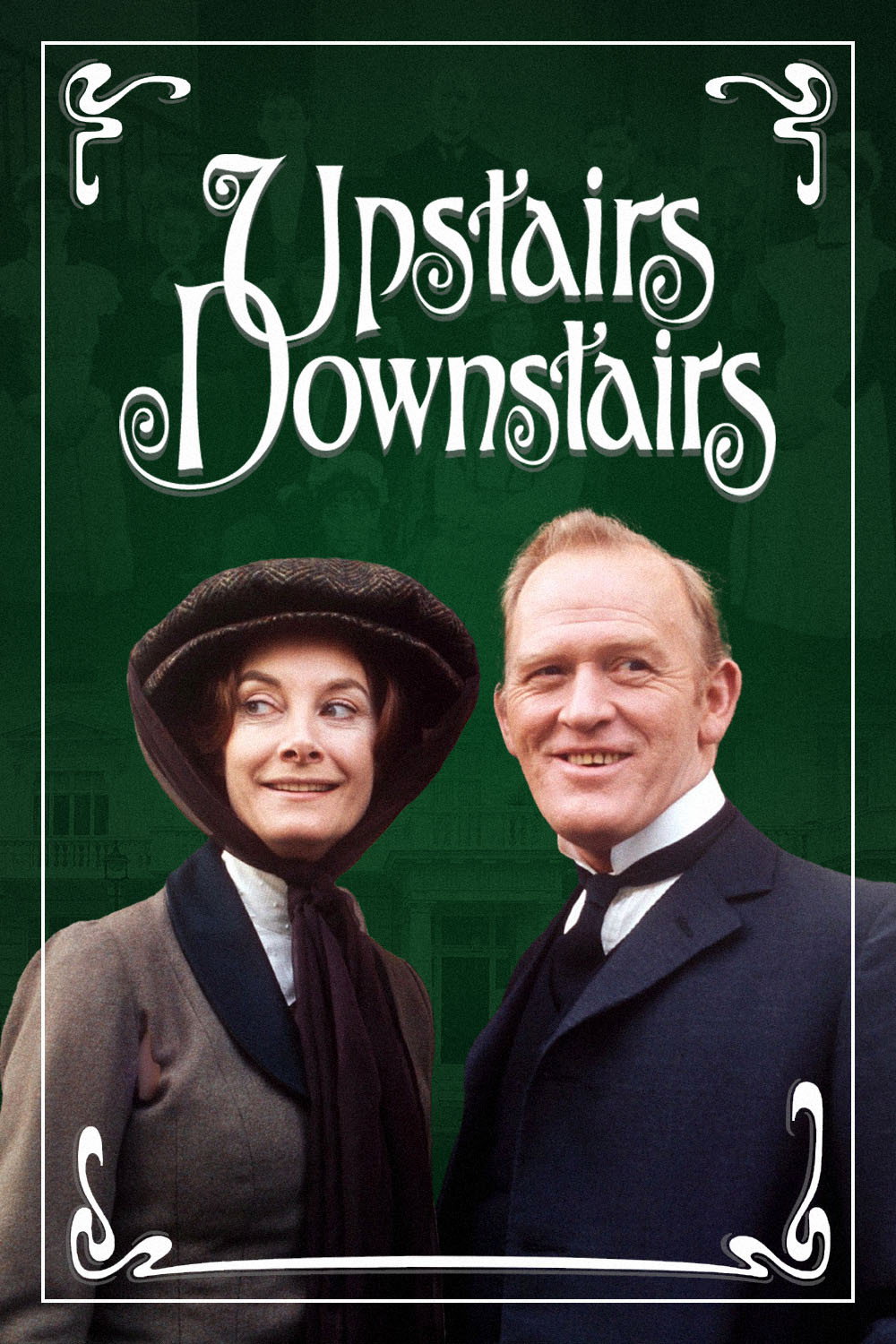
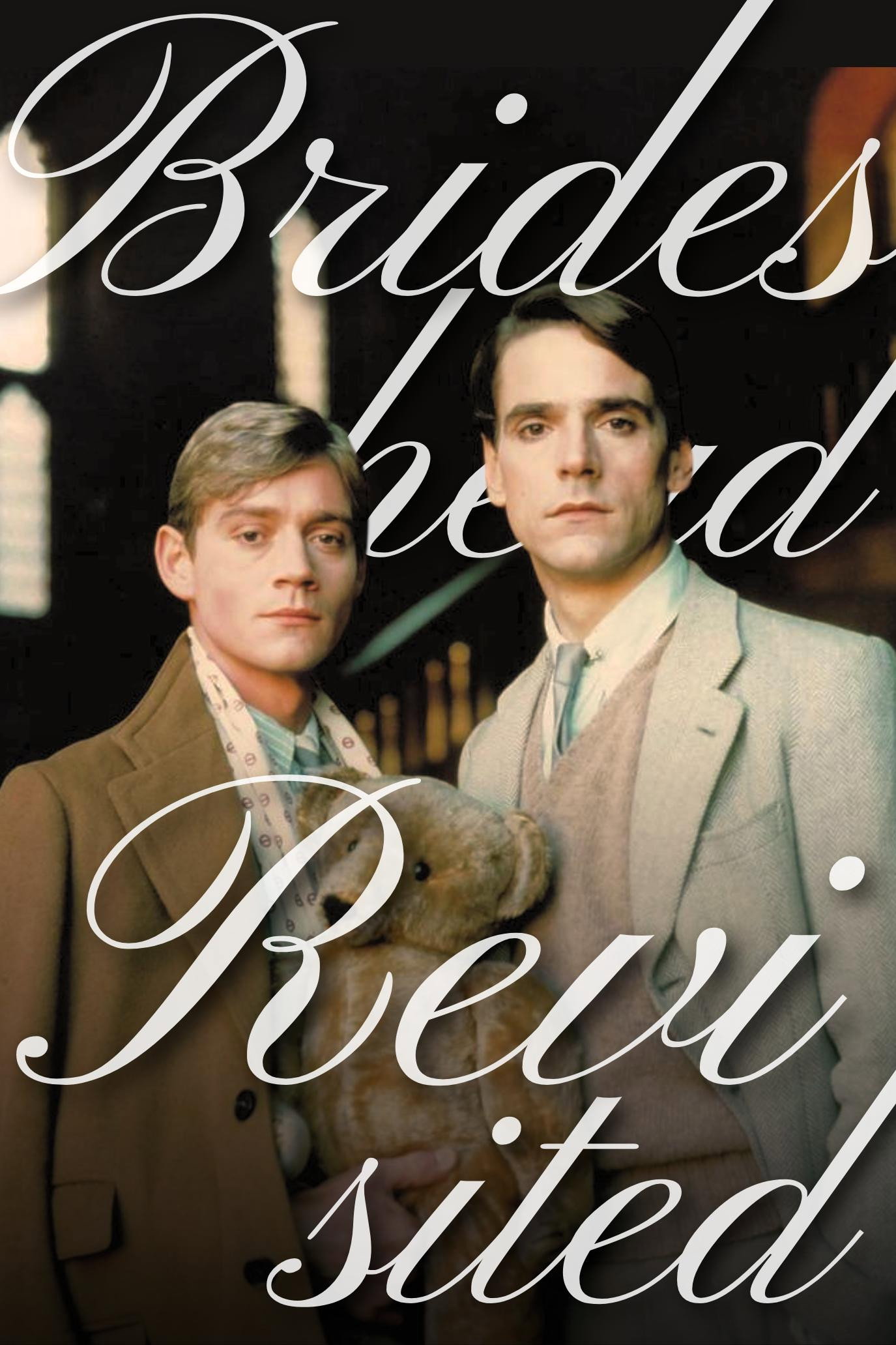
Against Upstairs, Downstairs it is glossier and less interested in the servants as people; against Brideshead Revisited it is not trying, and does not pretend to be. It is a PG, and at 66 minutes an episode it is the length of a pot of tea. Start at the beginning, watch two, and stop when the Christmas specials begin to feel like obligations.