Film review

Gosford Park

2001 · Directed by Robert Altman · 2h 17m · MPA R

In a sentenceA house full of people far too well brought up to be kind

DramaMysteryThriller

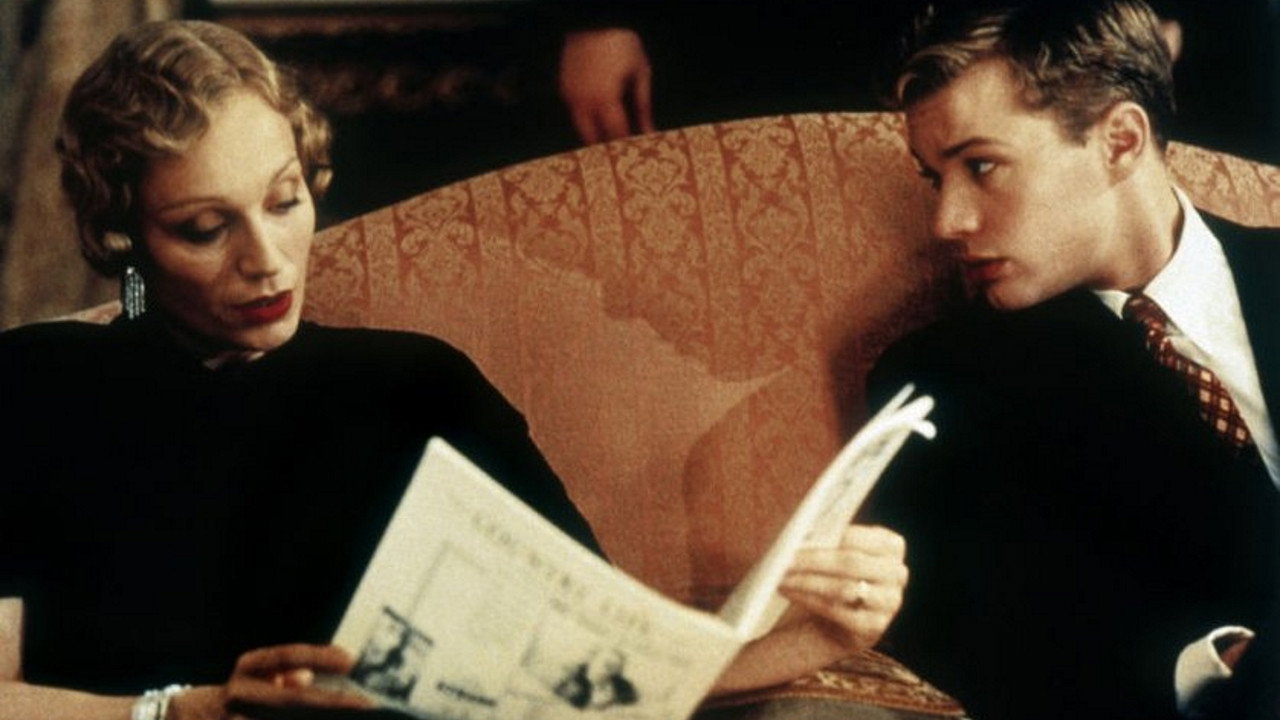
A gathering at an English country house brings guests and servants into close quarters, with separate rules for the people being waited on and those doing the work. Michael Gambon plays William McCordle, Kristin Scott Thomas plays Sylvia McCordle, and Maggie Smith plays Constance Trentham. Beneath the social formalities are differences of class and power, observed from the servants’ perspective as well as the guests’. A murder mystery develops around the household. Directed by Robert Altman and written by Julian Fellowes, the film also features Jeremy Northam as Ivor Novello and Bob Balaban as Morris Weissman.

Plays from YouTube when you press play; nothing loads from them until then.

Fi1m review

Robert Altman’s country-house mystery is a sharp, funny study of class, carried by an ensemble worth watching closely. Maggie Smith’s casual scorn is a particular pleasure, though the plotting can get muddled.

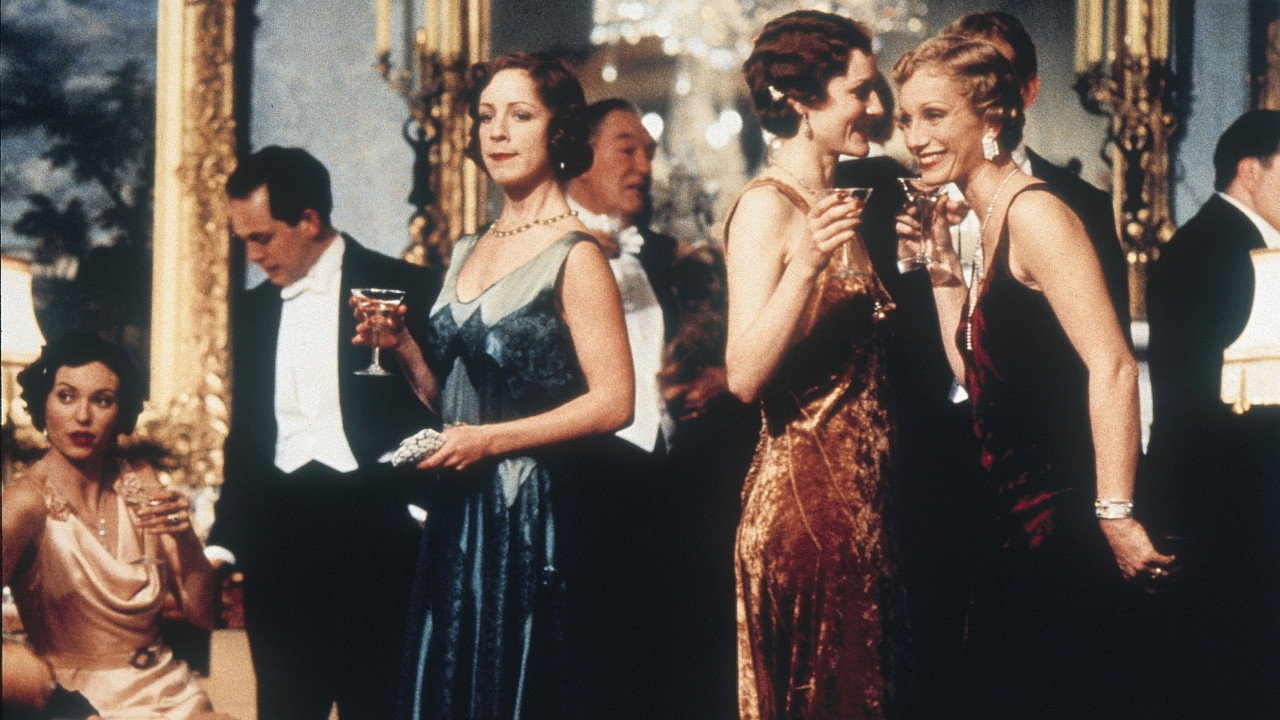
Robert Altman’s Gosford Park is a sharp, funny country-house mystery, and we recommend it despite some muddled plotting. Julian Fellowes’s screenplay is especially alert to the business of getting through a gathering without offending the wrong person. The servants’ perspective helps us notice behaviour that the guests take for granted. Altman gives us time to learn how these people deal with one another. Much of the pleasure comes from noticing who is allowed to be rude and who has to remain pleasant.

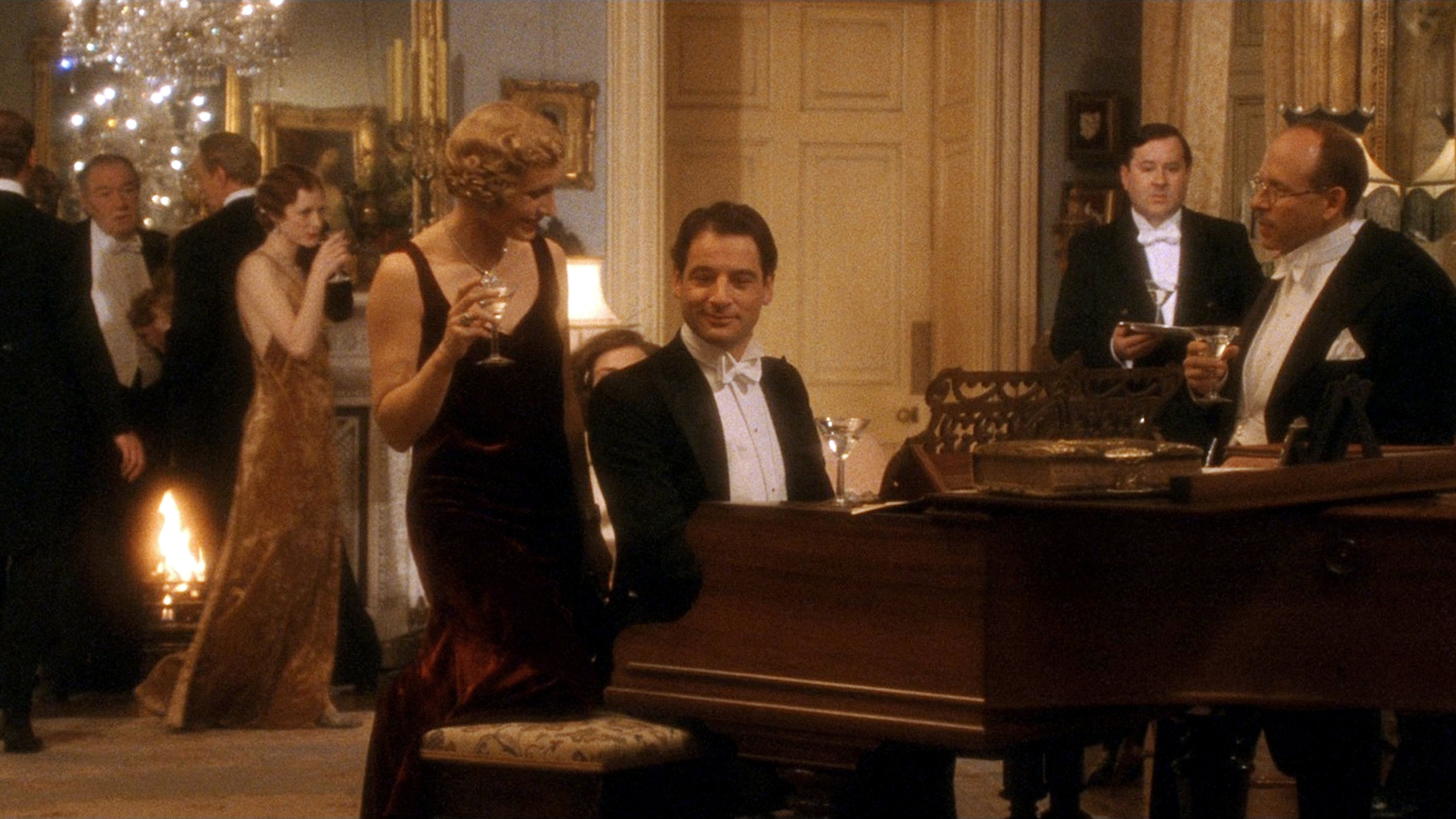
The opening is busy enough to make introductions feel like work, but Altman quickly teaches us where to look. Andrew Dunn’s cinematography uses mirrors and tight framing to keep us aware of people beyond the immediate exchange. We watch for reactions, including those of people nobody seems to be addressing. Stephen Altman’s production design makes the period setting convincing, and the crowded compositions stop the house becoming something to admire while ignoring those who work in it.

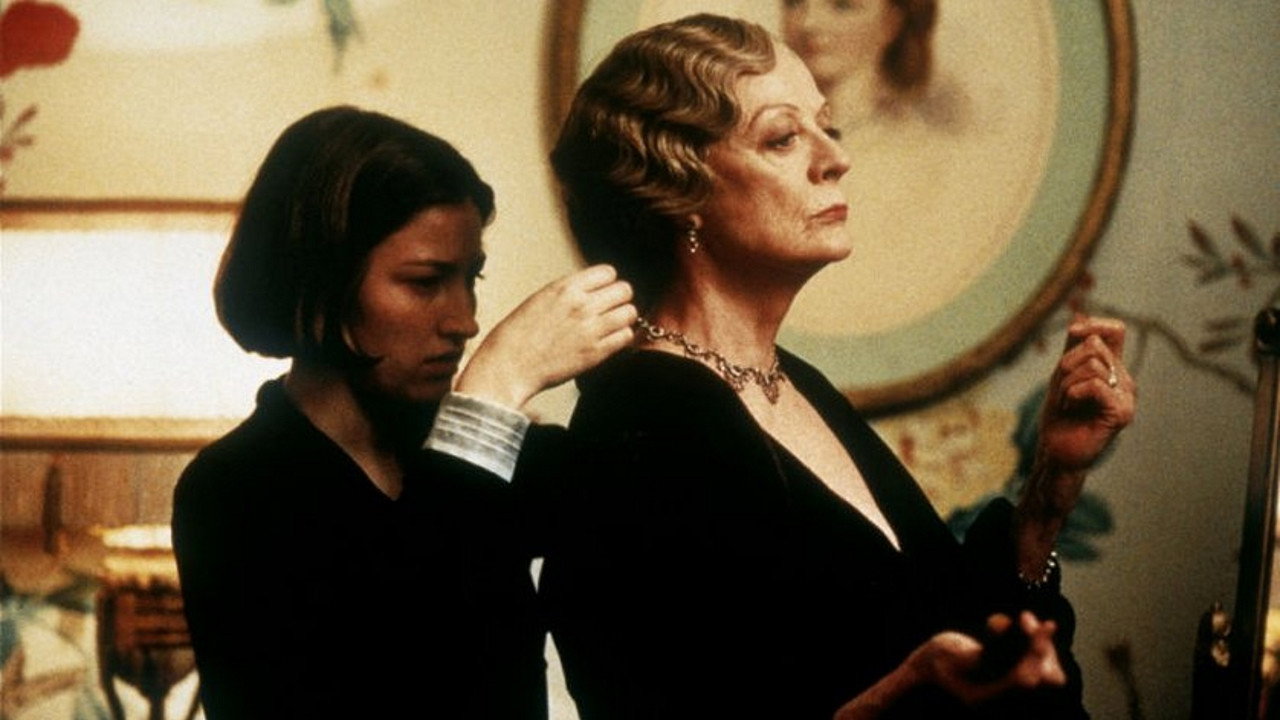
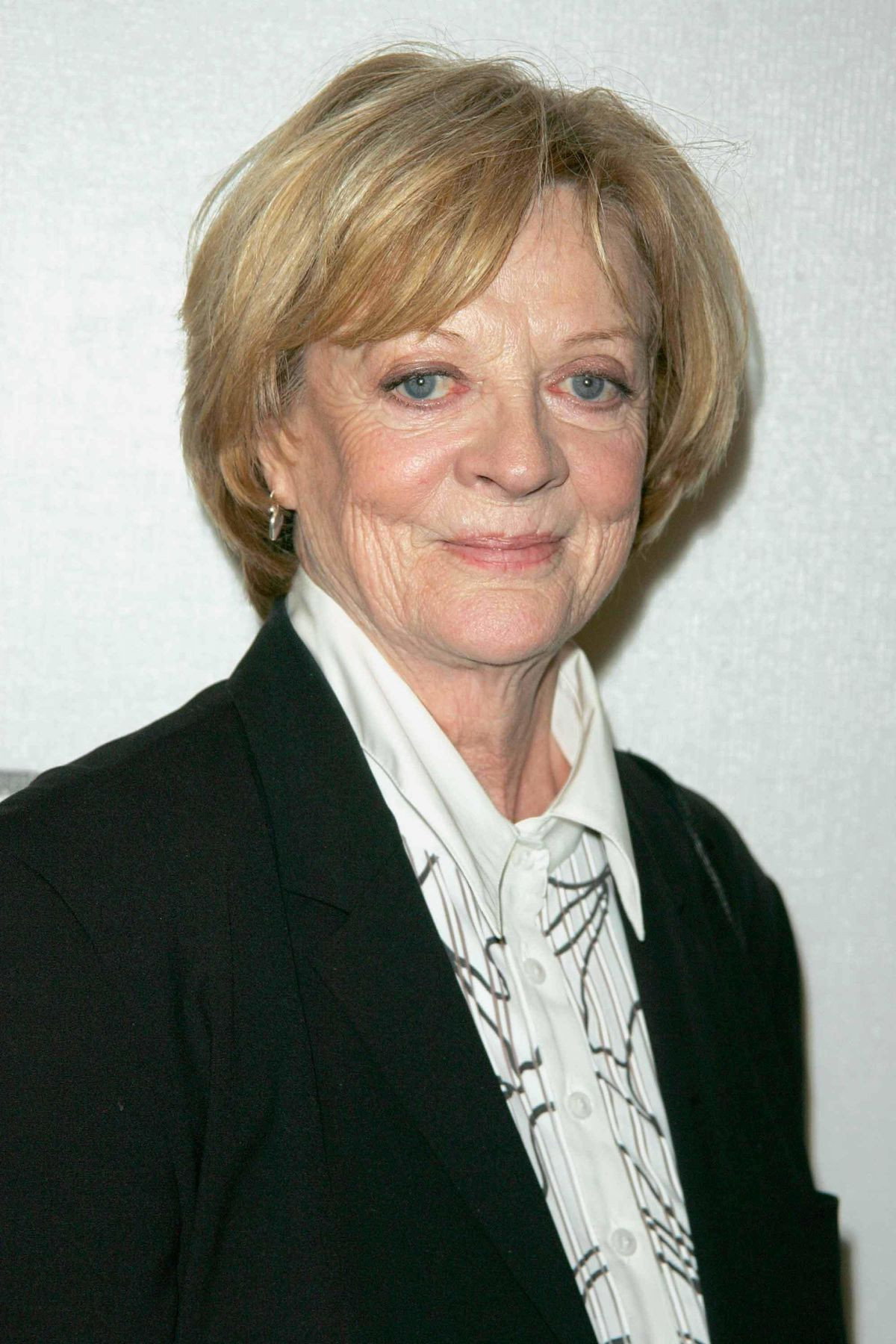
Maggie Smith, as Constance Trentham, is the performance we kept watching for. Her imperious delivery makes judgement sound like an ordinary social duty, with no need for an open quarrel. We laughed at her dismissals, then felt slightly uncomfortable. It is the lack of effort that does it: Smith makes humiliating someone seem entirely routine. Fellowes gives her the lines, but she lets us hear how accustomed this woman is to having her opinions go unchallenged.

Michael Gambon’s William McCordle is coarse enough to make some of the surrounding politeness look distinctly flimsy. Kristin Scott Thomas, as Sylvia McCordle, is more guarded, and her restraint is welcome among so many people prepared to pronounce. Altman makes room for these differences without stopping the gathering each time a performance deserves attention. Even the smaller roles give us something to attend to beyond the immediate needs of the mystery.

Tim Squyres’s editing makes the large ensemble surprisingly easy to follow, even when the plot itself is less obliging. The movement between characters has purpose, though a few stretches linger over distinctions we have already understood. At 137 minutes, the film could lose some of that repetition without making the household less convincing. Patrick Doyle’s music helps the gathering feel civilised enough for the rudeness to register, although it leaves less of an impression than the dialogue.

As a whodunit, it is only intermittently gripping. The plot occasionally needs untangling, and we would not choose it chiefly for the pleasure of solving the crime. Its stronger claim on our attention is the way ordinary conversation exposes who can afford to be careless about another person’s feelings. Altman keeps that interesting without making everyone equally sympathetic or giving every character a plea in mitigation. Watch it with someone who enjoys bad behaviour and will save their own conversation for afterwards.

Critical consensus AI synthesised

77
Positive
7
Mixed
0
Negative
1

Most critics warmly welcome Gosford Park, with praise clustering around Altman’s handling of the ensemble and Julian Fellowes’ witty, detailed screenplay. The performances, particularly Maggie Smith’s, make the country-house gathering amusing while exposing the cruelties and habits of the English class system. Across the positive reviews, the film’s attention to servants and employers gives it more substance than a murder puzzle alone, while the carefully choreographed action keeps its many characters distinct.

Reservations concern pace and the mystery itself, though the spread extends from strong enthusiasm to outright disappointment. The Guardian finds the murder plot less rewarding than the satire and acting, while Radio Times argues that Stephen Fry’s detective and excess irony weaken the mood. The Independent is the clear dissenter: it admires the cast but finds the film plodding and its characters insufficiently developed, rejecting the depth that most critics praise.

Empire
· Angie Errigo
90*

The critic calls it Altman's best movie in years, praising the richly nuanced screenplay, ensemble cast and multi-layered exploration of British class and culture.

Read the full review →
The AV Club
26 December 2001 · Scott Tobias
85*

Altman delivers his most confident and accomplished work in nearly a decade by reconfiguring Renoir's Rules of the Game for pre-WWII Britain. The critic praises the director's skill at orchestrating large ensembles and capturing the sinister social codes of the rigid class system.

Read the full review →
The New Yorker
7 January 2002 · David Denby
85*

Altman crafts a high-style, witty genre entertainment rooted in social reality that reveals class and sex dynamics beyond Christie. The organic form and ensemble performances create a marvellous, bitter yet amusing portrait of English manners.

Read the full review →
Los Angeles Times
26 December 2001 · Kenneth Turan
80*

The film is an amusing amalgam of Agatha Christie plotting and Upstairs, Downstairs setting, with Altman’s large ensemble working effectively. Style, snarky dialogue and Maggie Smith’s imperious performance are the main attractions despite some length issues.

Read the full review →
Radio Times
★★★★ · Andrew Collins
80

Altman turns the country-house murder mystery on its head with a multilayered, impeccably choreographed opening and sparkling dialogue from Fellowes' script, viewed from the servants' perspective. The critic praises the fine performances and huge cast but notes that Stephen Fry's detective and excess irony somewhat deflate the mood.

Read the full review →
Slant Magazine
17 November 2001 · Ed Gonzalez
80*

Altman's film is a light yet biting study of the English class system that filters Agatha Christie through Upstairs Downstairs. The critic singles out the director's camera work—wayward close-ups, mirrors, and cramped framing—for making the hierarchical divisions vivid and implicating.

Read the full review →

Cast

Stills

Awards

Academy Awards, 2002

Nominated
Best Costume Design
Nominated
Best Director
Nominated
Best Picture
Nominated
Best Production Design
Nominated
Best Supporting Actress
Won
Best Writing, Original Screenplay

Jameson People's Choice Award for Best Actress, 2002

Nominated
Jameson People's Choice Award for Best Actress

If you liked this, try…

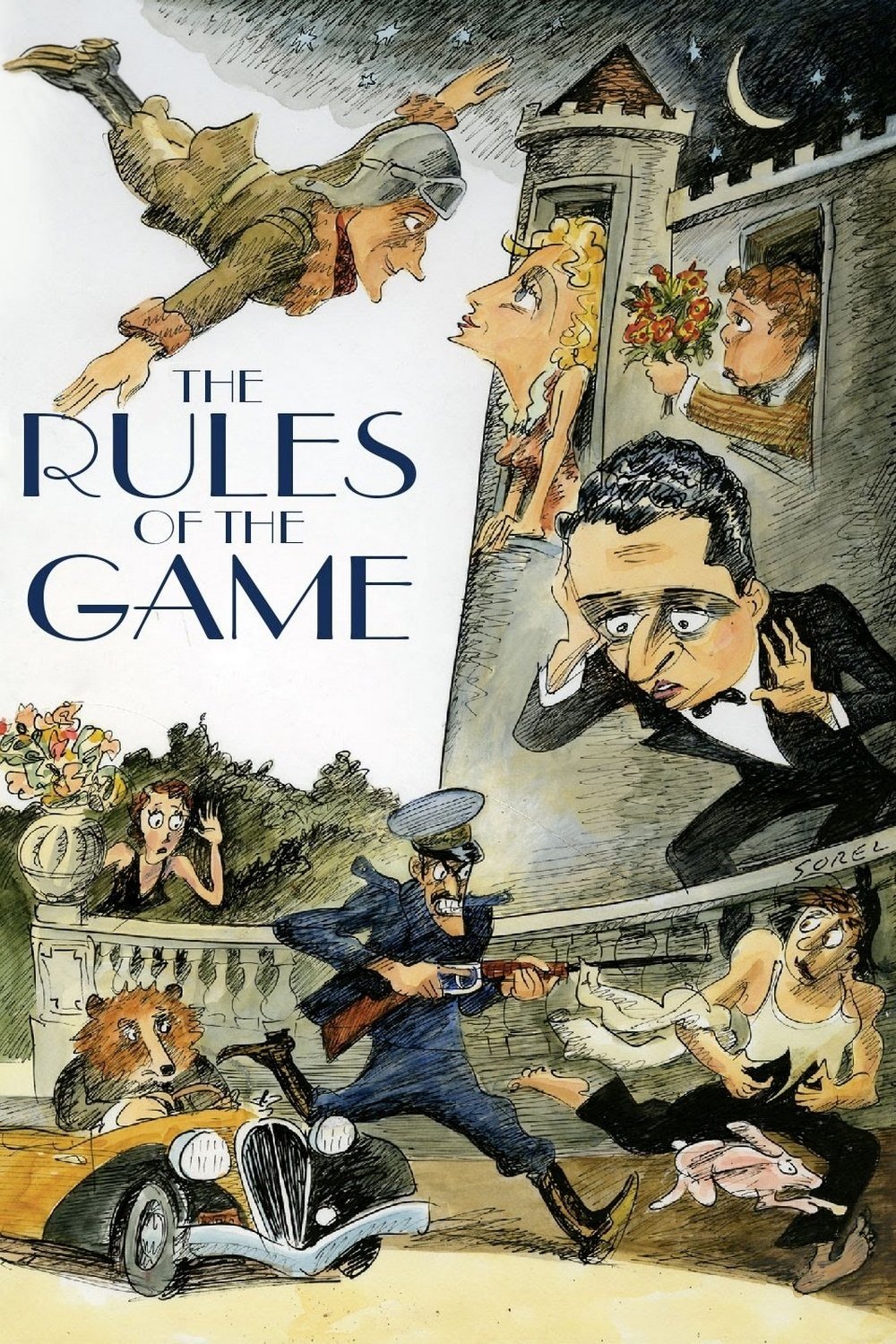
The Rules of the Game poster

The Rules of the Game

1939 · Another country-house gathering where manners offer scant protection from cruelty.

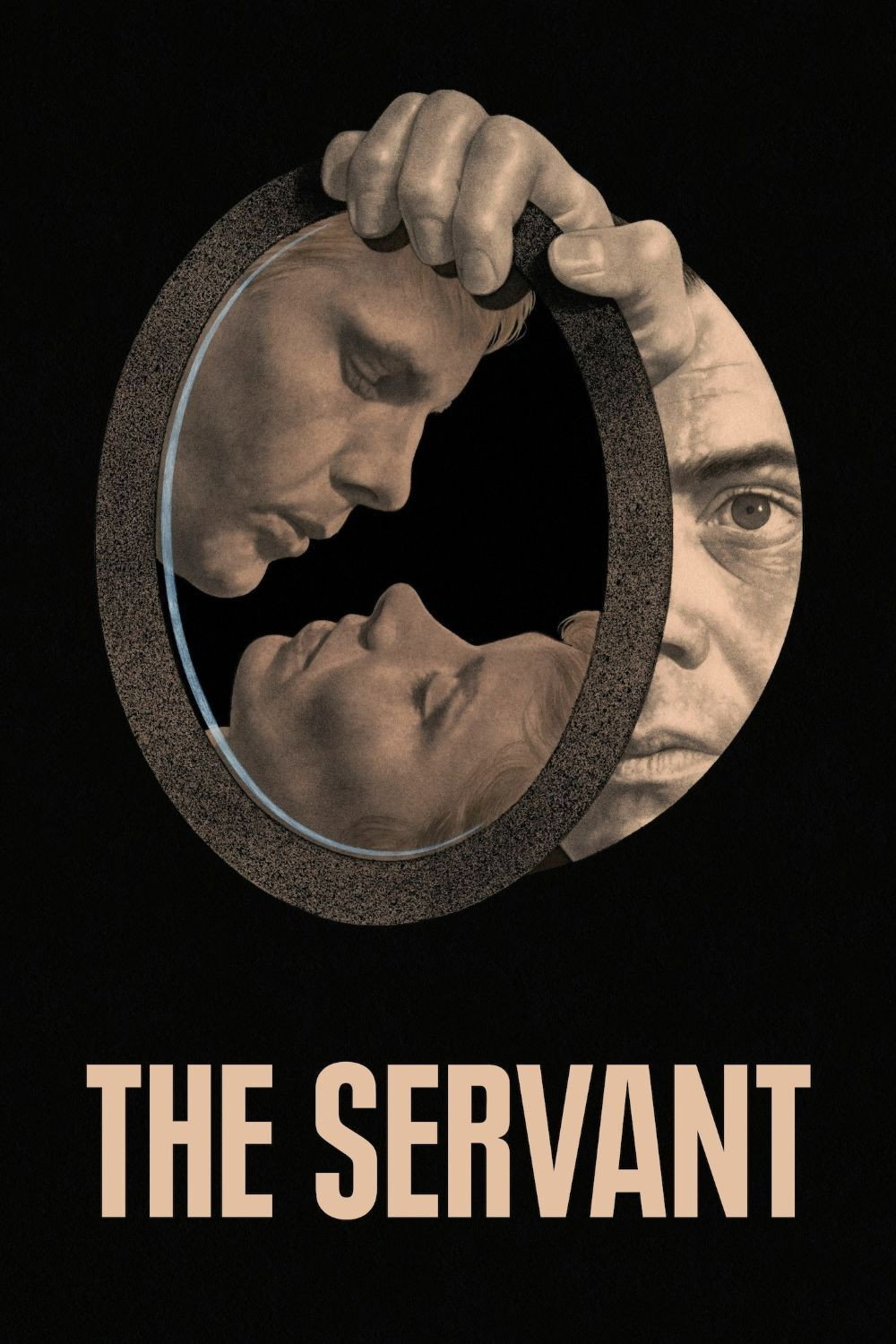
The Servant poster

The Servant

1963 · Domestic service becomes a contest of wills inside an increasingly uncomfortable house.

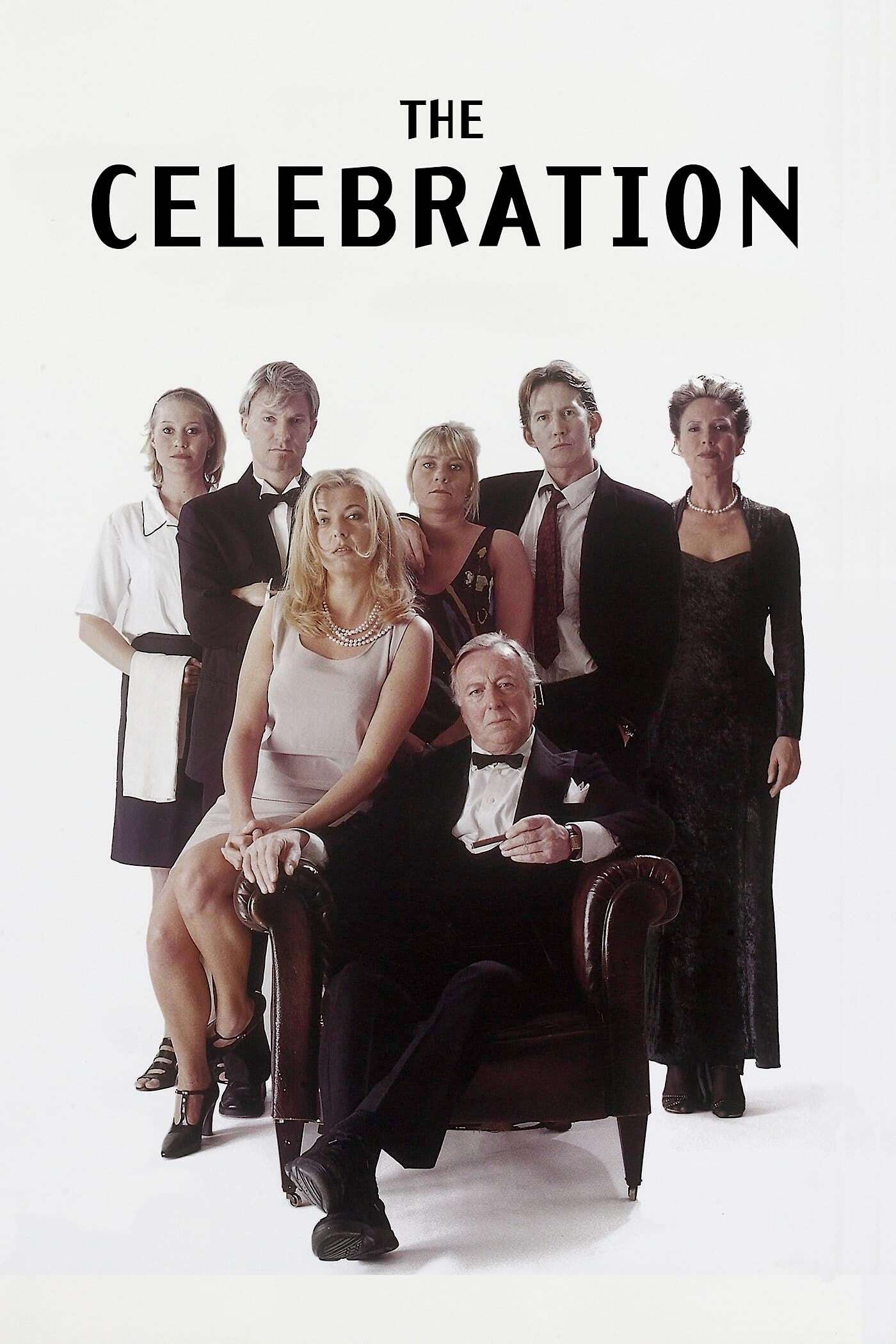
The Celebration poster85

The Celebration

1998 · A family gathering makes painfully clear who is permitted to speak.

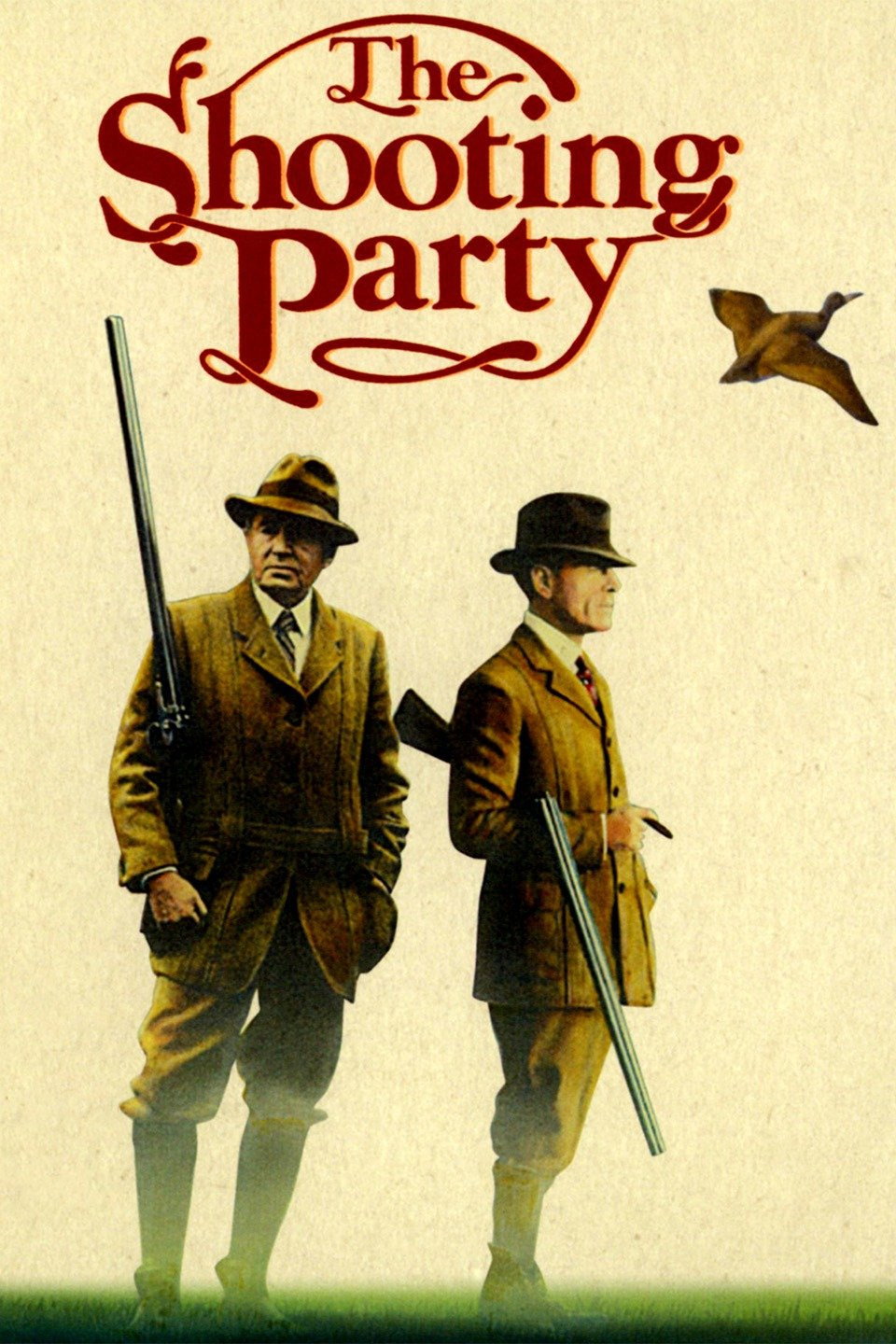
The Shooting Party poster

The Shooting Party

1985 · A shooting weekend gives English privilege plenty of room to incriminate itself.

Knives Out poster

Knives Out

2019 · A more puzzle-driven option, with another wealthy household behaving badly under scrutiny.