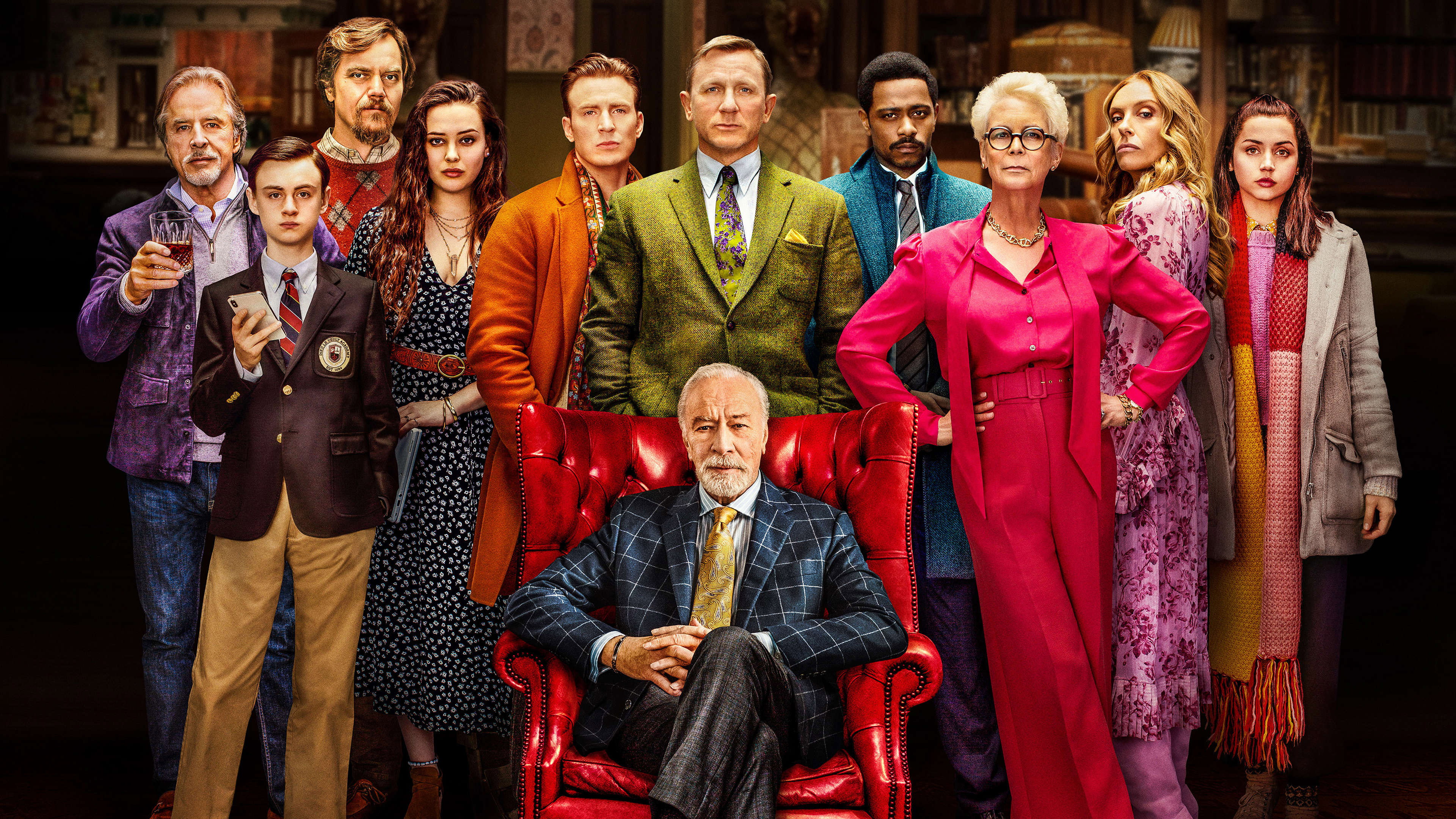
Rian Johnson’s country-house mystery is funny, carefully plotted and anchored by Ana de Armas. We recommend it warmly, though some family members are drawn too broadly and the dialogue occasionally seems to wait for applause.
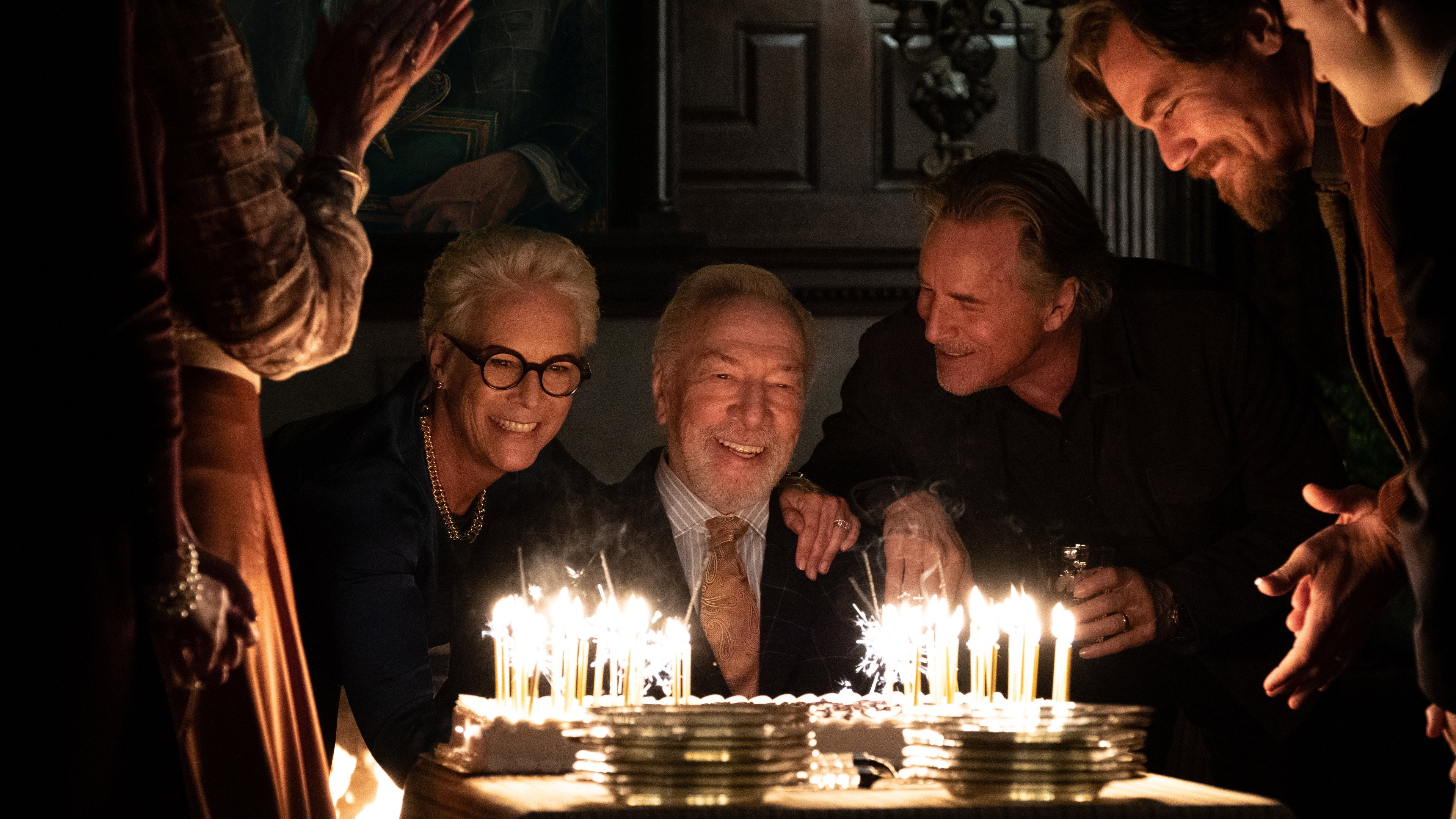
Rian Johnson’s Knives Out is a funny, carefully organised whodunnit that we recommend with a small reservation about its fondness for showing off. It takes the country-house mystery seriously enough to give the detective work proper attention. It also recognises how much comedy there is in wealthy people explaining why their money has nothing to do with their behaviour. The actors make this family’s grievances entertaining enough that we are happy to hear them out.
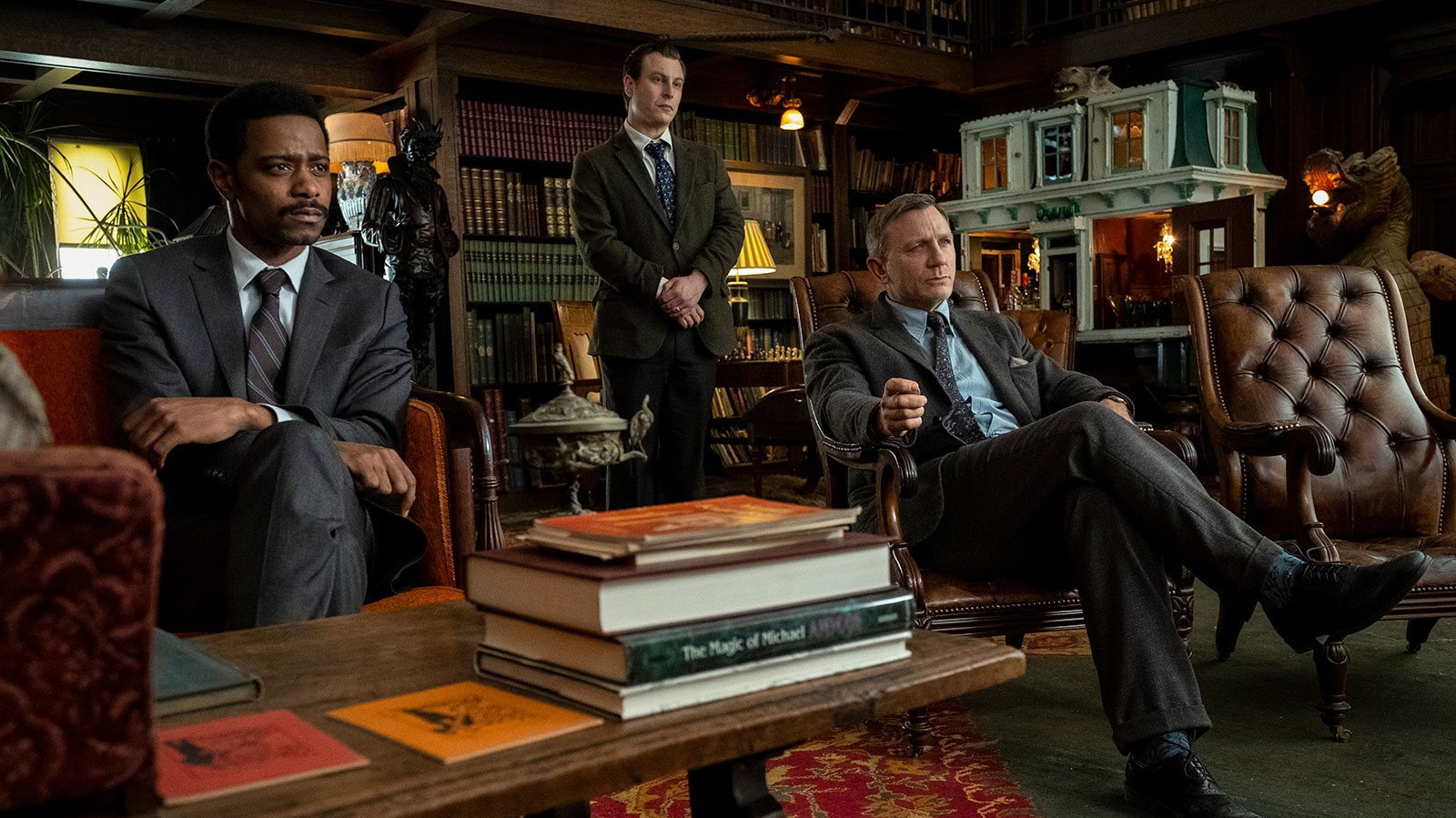
Daniel Craig gives Benoit Blanc enough eccentricity to risk becoming a distraction, but the detective’s curiosity keeps the performance useful. We enjoy the suggestion that he is listening for the thing a person wishes they had not said. His manner lets the comedy run without making the investigation seem disposable. Against an ensemble this eager to be noticed, giving the detective permission to be peculiar is a practical decision, and Daniel Craig judges how far to push it.
Ana de Armas gives Marta Cabrera the most important thing in a crowded mystery: a life we can care about beyond the case. We were more worried about her than we expected to be. Her unease feels immediate beside the family’s elaborate complaints about money, and she never seems to be waiting for the next joke. Chris Evans, as Ransom Drysdale, brings a welcome edge to the comedy without pulling attention away from her for long.
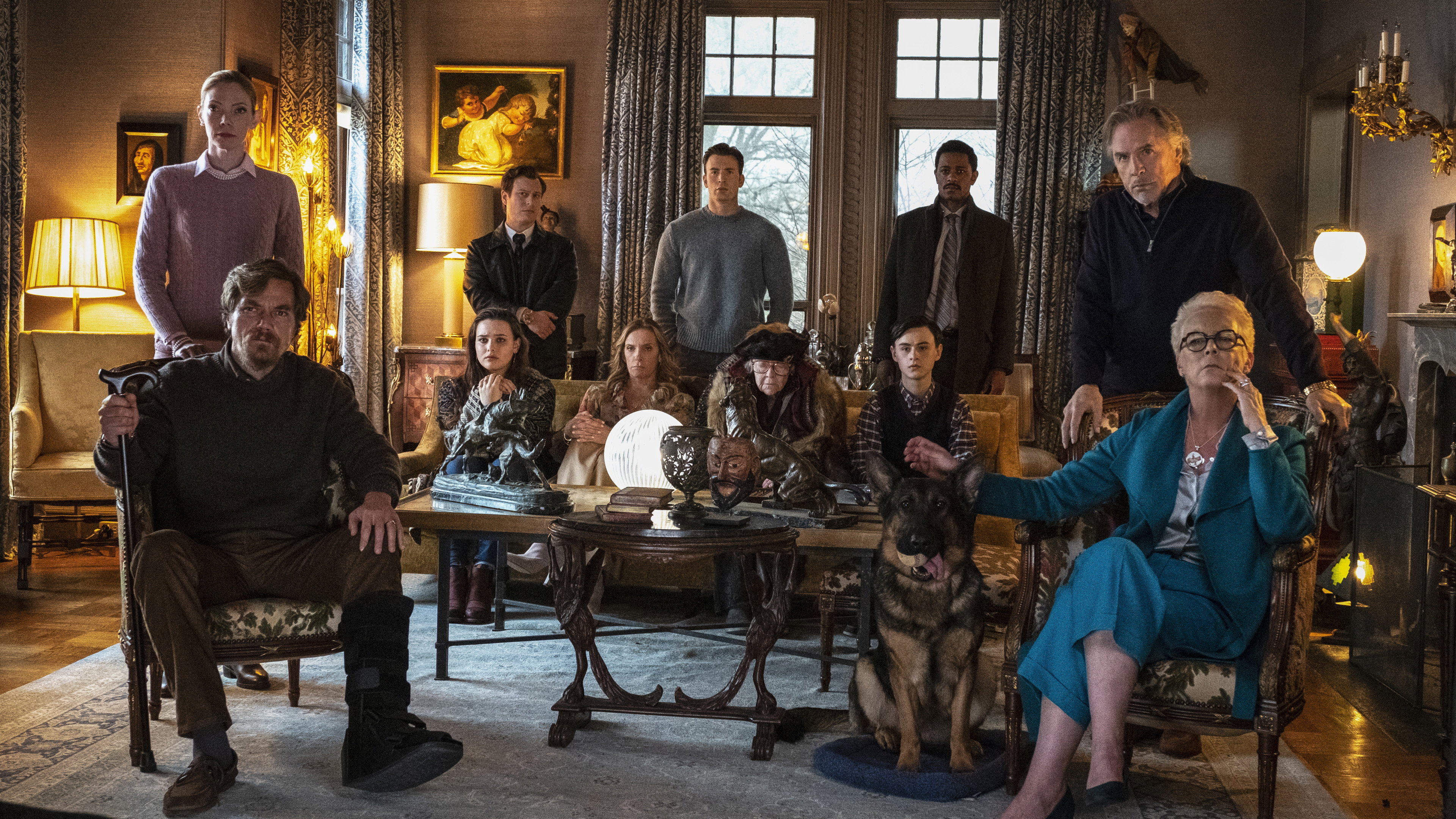
David Crank’s production design makes the country house persuasive as a place people would be reluctant to give up. The rooms give the cast something to compete with, and occasionally we would welcome more time to look around. Steve Yedlin’s cinematography suits that expensive, slightly over-arranged setting, keeping its polish without making the people seem any more respectable. The house makes the family’s attachment to wealth easy to understand, even when their explanations are less convincing.
Bob Ducsay’s editing keeps the flashbacks from feeling like repeated explanations of the same business. Returning to an event is pleasurable when there is another detail to weigh, and the film generally knows when to move on. Nathan Johnson’s score contributes to the sense of play without making the case feel trivial. At 131 minutes, though, the film leaves room for a few exchanges that have already made their point, particularly when another family member gets a turn to complain.
The main irritation is Rian Johnson’s dialogue, which sometimes sounds too carefully prepared for people supposedly speaking under pressure. Jamie Lee Curtis and Michael Shannon give their lines bite, but even they cannot always disguise how firmly the family members have been assigned their faults. The satire on inherited wealth is clear early, then repeated rather more often than it needs to be. Some of these people could have been allowed an unguarded moment without weakening the comedy or making them any more likeable.
We expect a country-house whodunnit to give us suspects worth watching and a case worth following. Knives Out supplies both, with enough interest in the family’s money to make their quarrels matter beyond the investigation. Its less subtle stretches do not spoil the considerable pleasure of watching this cast question one another’s motives. Watch it with someone who enjoys comparing suspicions, and agree not to pause every time one of them changes.