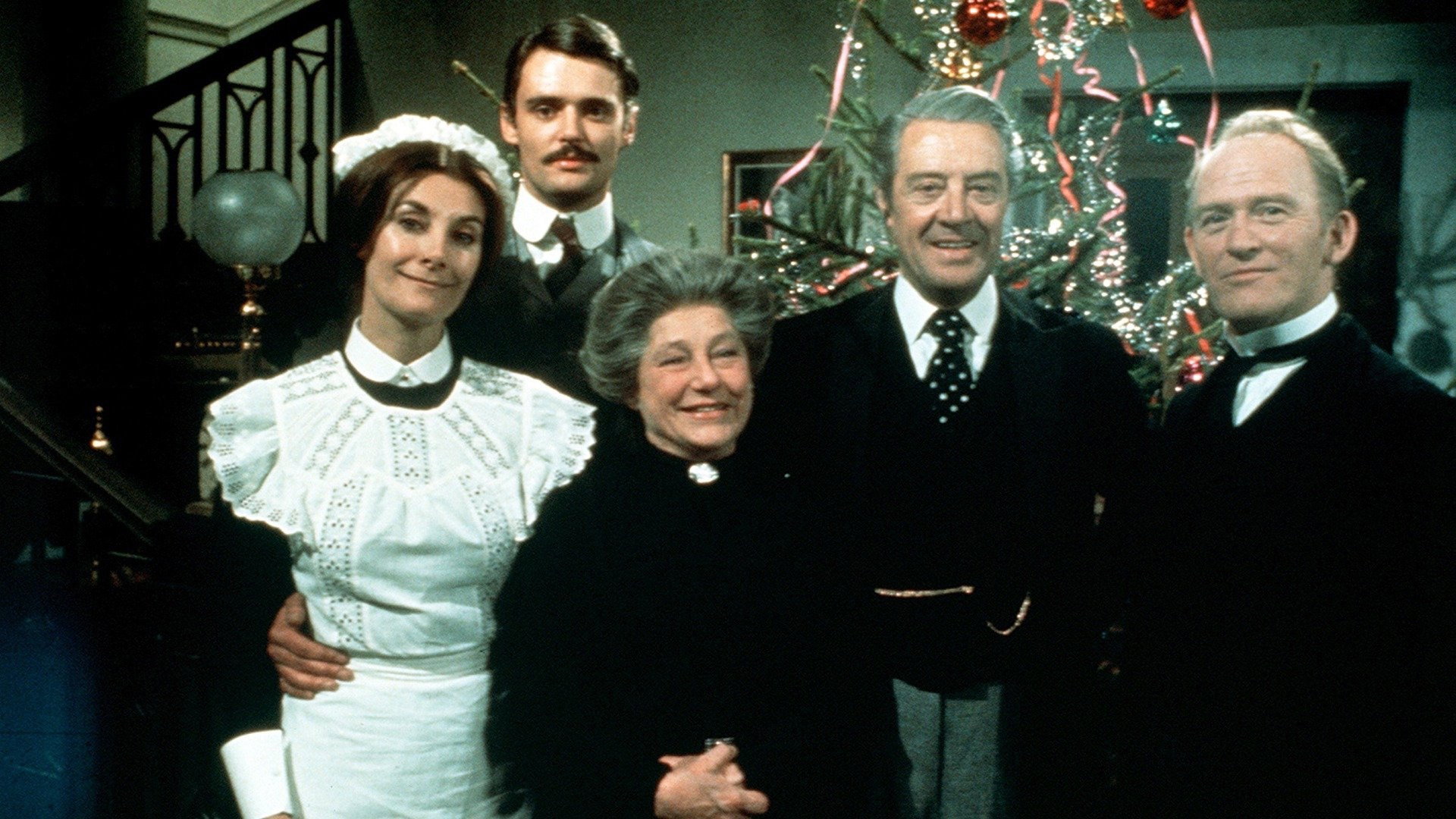
Upstairs, Downstairs earns our affection by taking the servants’ lives seriously and letting characters develop over time. The staging can be stiff, but the class tensions keep this household drama from becoming too comfortable.
Upstairs, Downstairs is absorbing television with a harder view of household life than its period setting might suggest. We recommend it, with a caveat about the stiffness of some of the staging. Creators John Hawkesworth, Eileen Atkins and Jean Marsh make room for the people who do the work, giving their concerns enough time to become important to us. The series asks for an investment in a large company of characters, then rewards it through the steady accumulation of detail.
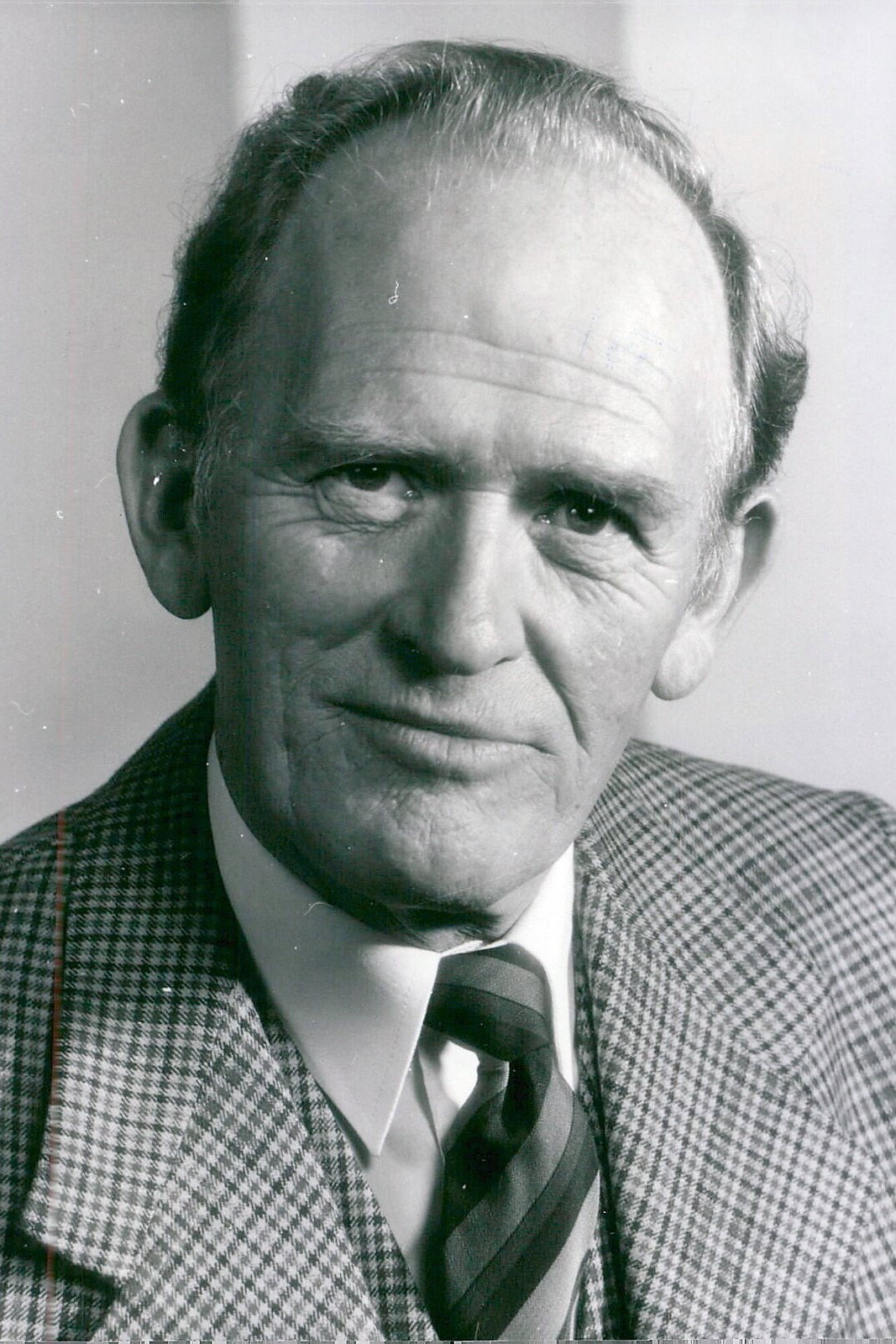
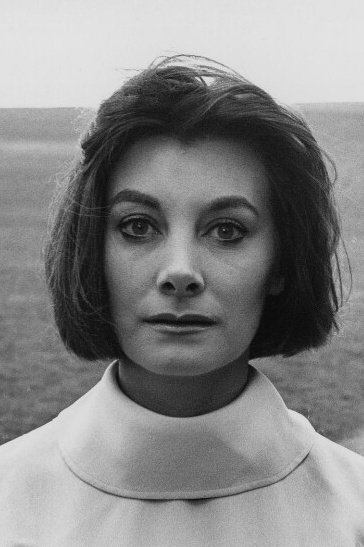
Jean Marsh also plays Rose Buck, and she is central to the appeal of an ensemble that makes sustained attention worthwhile. Gordon Jackson as Angus Hudson and Angela Baddeley as Mrs. Bridges give the downstairs company considerable authority. Their characters hold our interest without needing the household’s social rank to tell us whose troubles matter most. David Langton’s Richard Bellamy and Simon Williams’s James Bellamy belong to the same broad account of domestic life, though the people below stairs are often the stronger reason to return.
The theatrical presentation is the main qualification. Directors including Joan Kemp-Welch and Bill Bain sometimes leave us too aware of the drama being arranged, and the dated passages require a little patience. Geoff Beames’s editing helps the stories keep moving, with enough pace to prevent all that character detail from becoming a burden. Even so, anyone looking for a period drama to supply a succession of handsome images will find that the pleasure here depends much more heavily on the writing and performances.
We were angrier than we expected at the ordinary unfairness of this household. The attention to daily work does it: somebody’s ease depends on somebody else remaining available, and the programme keeps the working people in view. Class is present in the practical business of employment, not confined to declarations about how society ought to behave. That makes the domestic detail more involving, because earning a living affects how much room these people have for a private life.
The writing credits include Fay Weldon, Elizabeth Jane Howard and Alfred Shaughnessy, and the material has interests beyond maintaining order in a household. Its treatment of sexuality helps to disturb the impression that this is merely reassuring period entertainment. Affection for familiar characters can make some of those household arrangements seem easier to accept. We sometimes wanted the programme to press harder, though its attention to work and differences in income keeps the discomfort alive.
Within period drama, its strength is the time it gives to lives that might otherwise be reduced to household duties. Across five series, the cumulative storytelling allows concerns to grow instead of requiring each episode to manufacture a fresh crisis. It can be dated, and we would not pretend that patience cures every stiff passage. But there is ample reward in a programme prepared to make working life a substantial part of its entertainment. Give it several episodes; this is a household worth getting to know.