Herbert Wise trusted actors to make complicated drama clear and compelling. We rate him highly for I, Claudius, where that trust survives dated sets and occasional overplaying, and gives the conversations their force.
Fi1m perspective
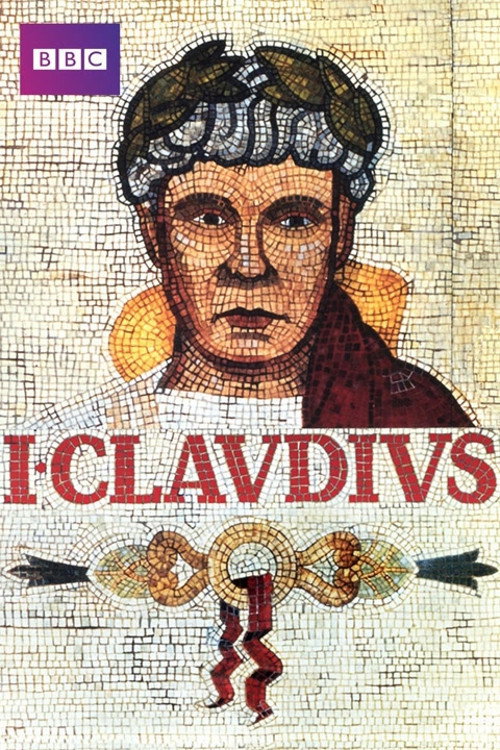
In I, Claudius (1976), people can behave appallingly and remain a pleasure to listen to. Herbert Wise gives their conversations enough weight that following an exchange feels like following an event. We found the cruelty more disturbing because the dialogue had made us laugh first. This is the work on which we rate him highly: he makes complicated drama involving a large cast clear without making everyone behave respectably. Directing all 13 episodes also gave him the chance to sustain that attention across the whole series.
His move from repertory theatre to television in 1956 helps explain the emphasis on performance, though it should not be mistaken for indifference to directing. He often worked close to the actors on set rather than from the gallery, a practical choice consistent with what we see in I, Claudius. The ensemble adaptations continued with Alan Ayckbourn’s trilogy, The Norman Conquests (1977).
The limitations are there to see in I, Claudius, and affection does not oblige us to overlook them. The sets look dated, and some actors press the wickedness harder than the writing needs; we would rather be allowed to notice it ourselves. Yet Wise knows how to make listening matter, while David Hillier’s editing keeps the exchanges clear. With Derek Jacobi leading the cast, the series repeatedly justifies its reliance on actors and dialogue. The theatrical emphasis can become too insistent, but it also helps make spending so much time with these people rewarding.
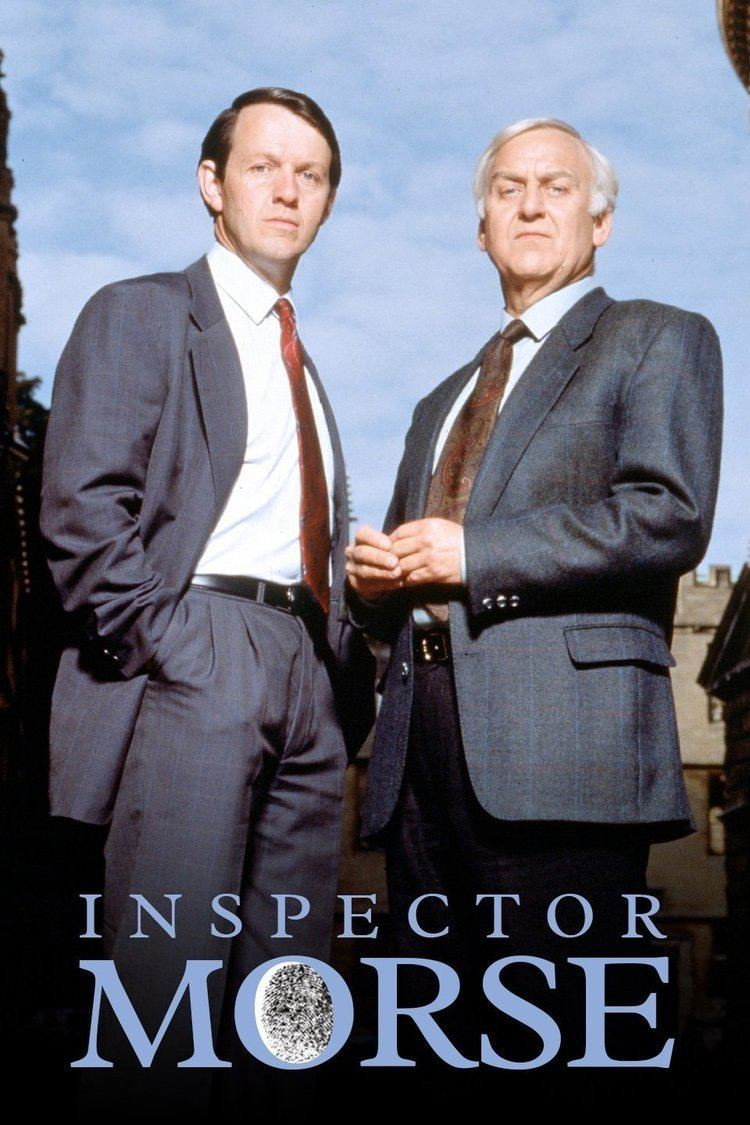
His later career included episodes of Inspector Morse (1989–1996), but television films remained part of the work. Breaking the Code (1996) reunited him with Jacobi, a collaboration worth following beyond I, Claudius. The familiar crime-series titles should not obscure how much skill it takes to keep a long, crowded drama intelligible. Start with I, Claudius, and give the conversations more attention than the scenery.
Biography
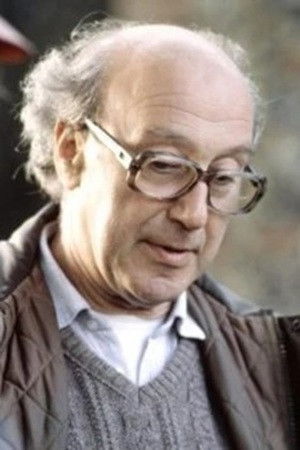
Herbert Wise was an Austrian-born television and film director. Born Herbert Weisz in Vienna in 1924, he arrived in Britain in 1939 as a Kindertransport refugee. He began his career directing at Shrewsbury Repertory Company in 1950, later working at Hull Rep and as Director of Productions at Dundee Rep from 1952 to 1955. He moved into television in 1956.
Wise directed the BBC series I, Claudius (1976), for which he received a BAFTA, and episodes of Inspector Morse. Other television work included The Norman Conquests (1977), The Woman in Black (1989), Tales of the Unexpected, The 10th Kingdom (2000), Cadfael, Rumpole of the Bailey and A Touch of Frost. He also directed the television films Skokie (1981) and Breaking the Code (1996). His two theatrical features were To Have and to Hold (1963) and The Lovers! (1973).
Wise was married to actress Moira Redmond from 1963 to 1972 and to actress Fiona Walker from 1988.