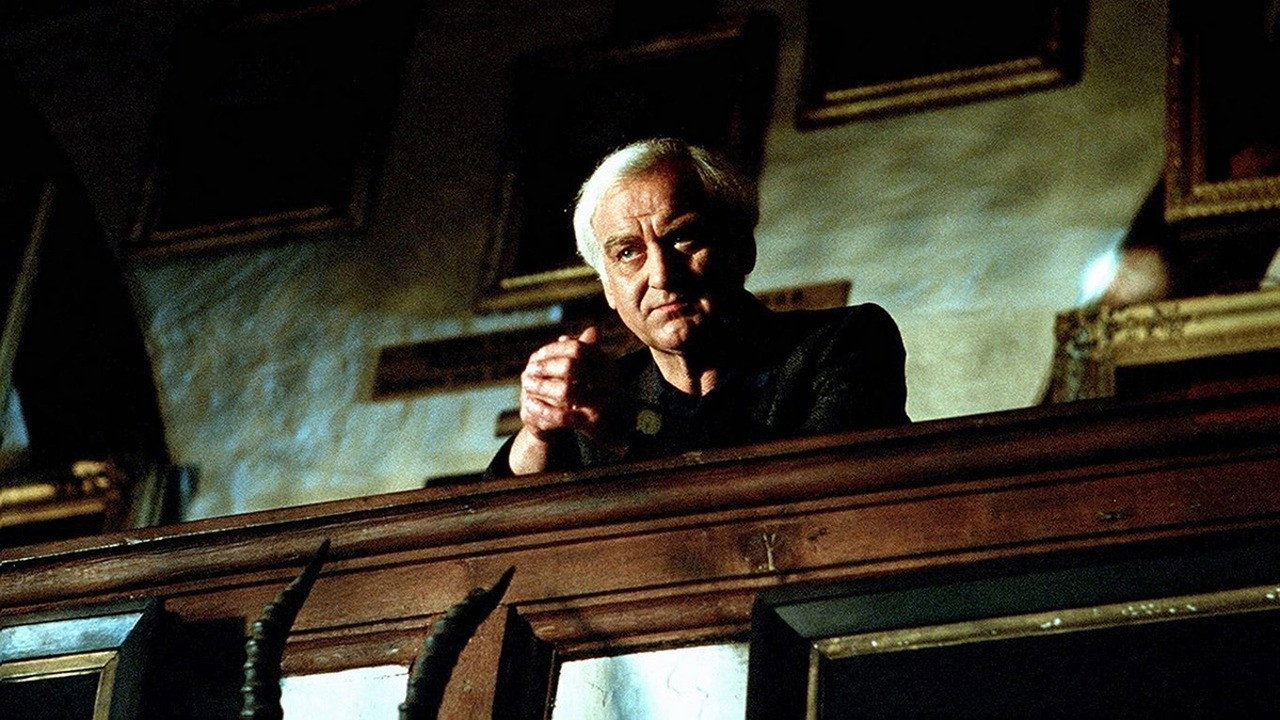
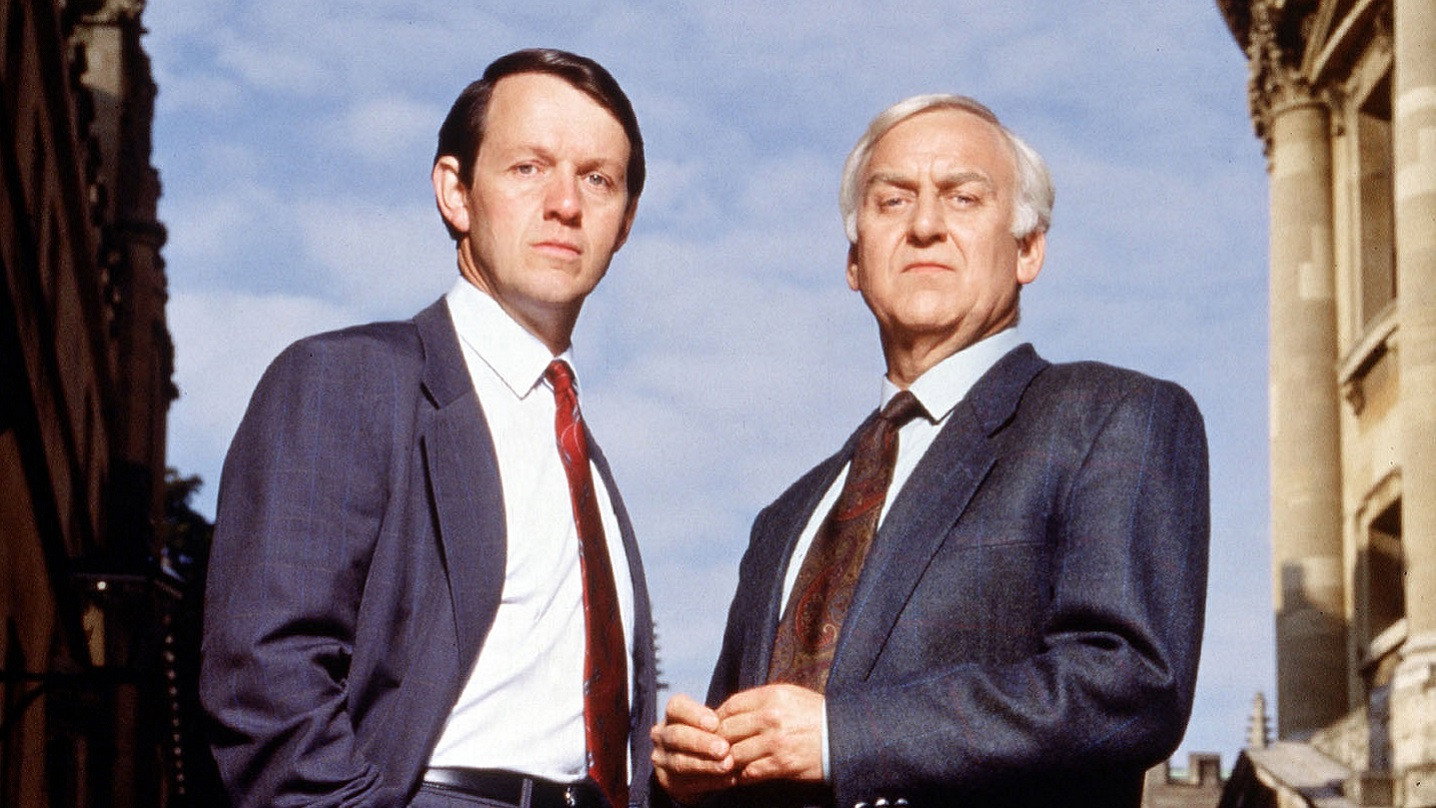
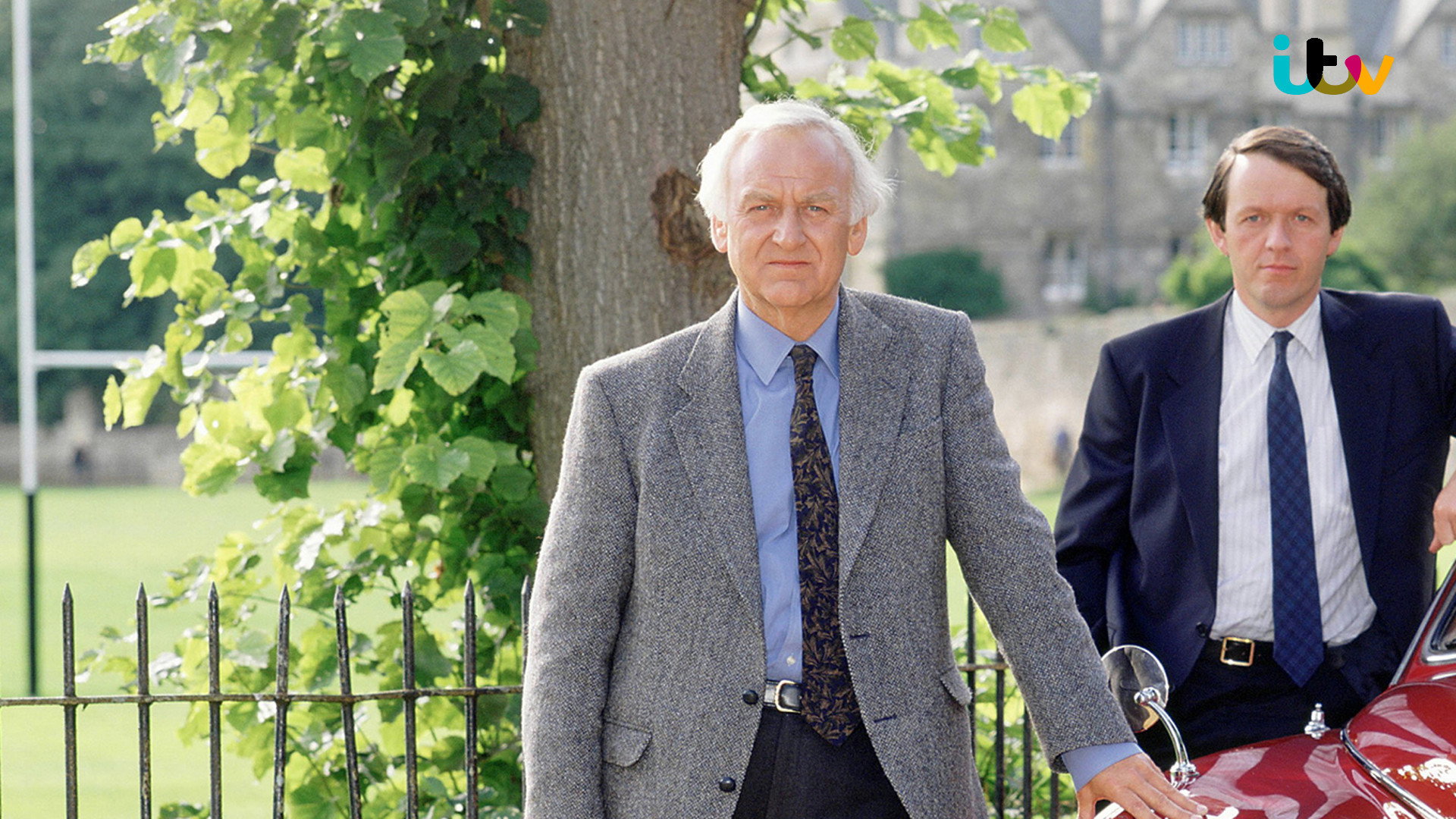
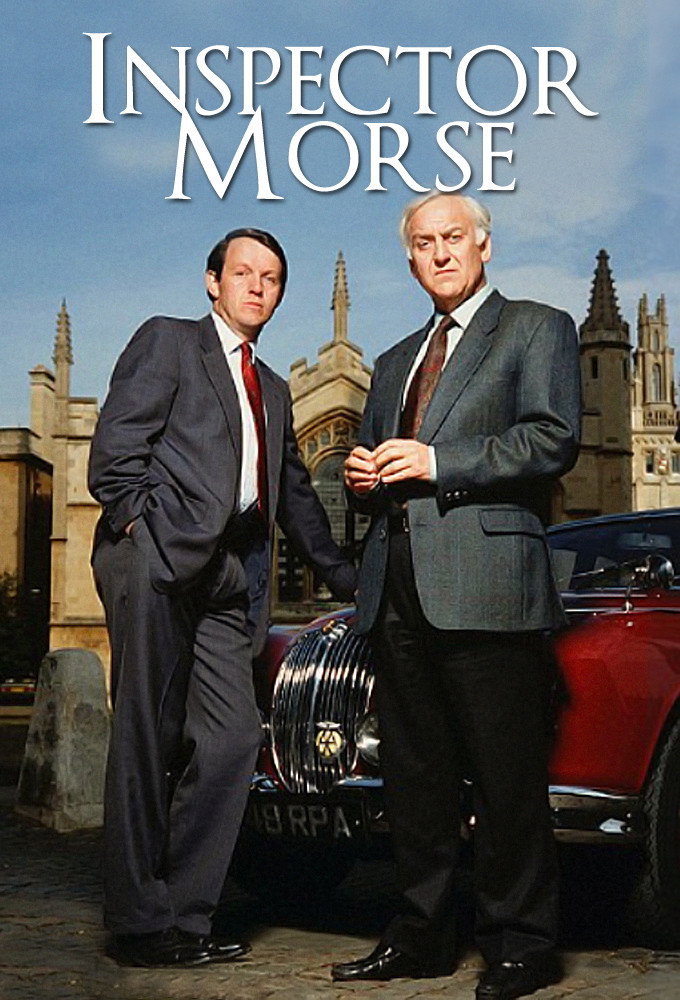
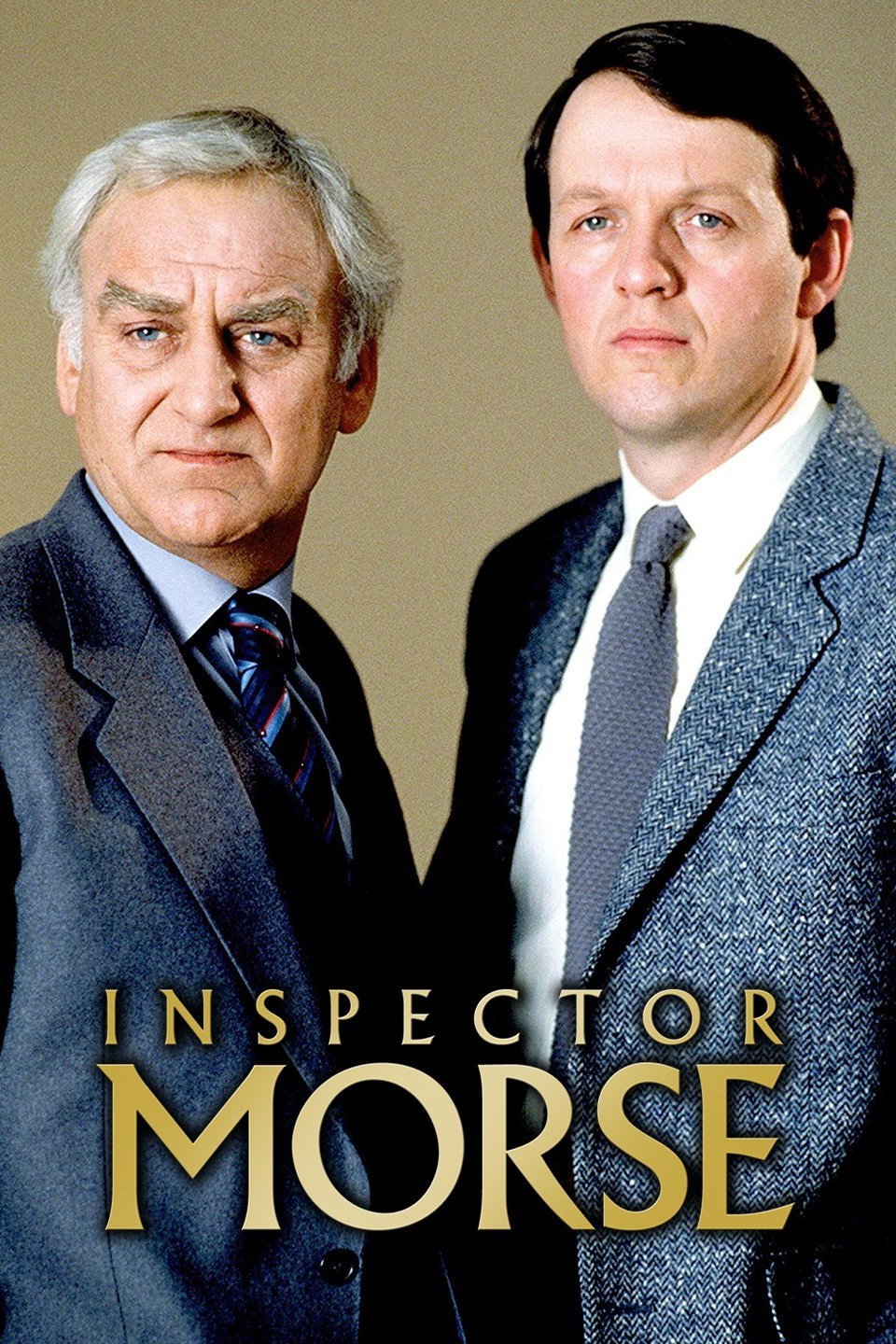
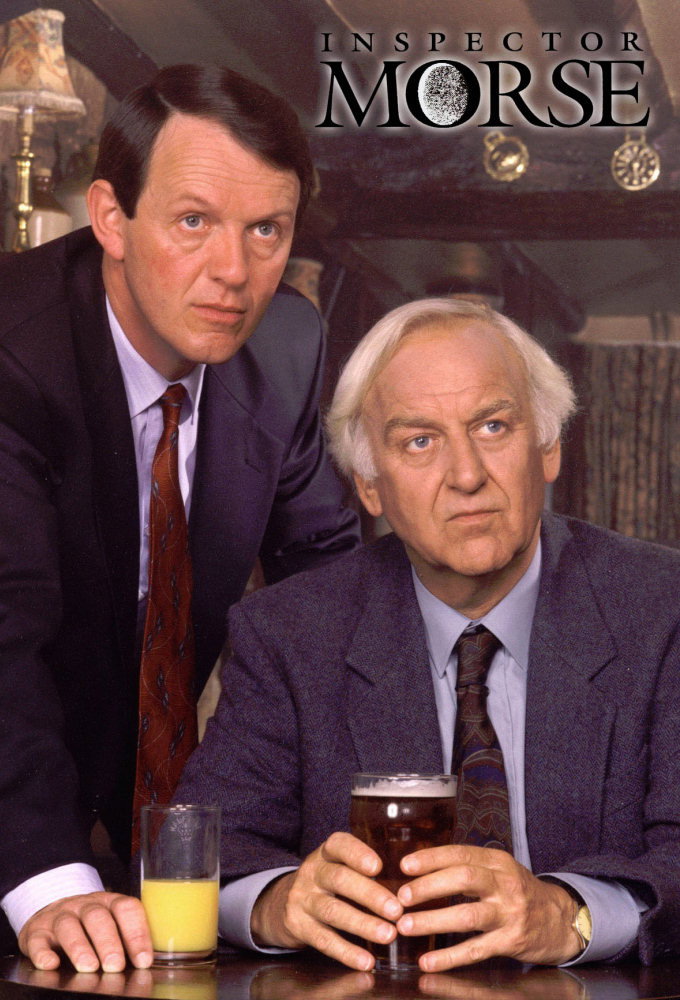
John Thaw and Kevin Whately make these slow Oxford mysteries worth settling into. The cases can take too long to untangle, but the prickly company and quiet humour earn our patience.
Inspector Morse is good company for a long evening, though the cases sometimes ask for more patience than they earn. The programme gives its detective time to be difficult and expects us to remain interested. John Thaw justifies that confidence, making Chief Inspector Morse’s gruffness something we can put up with without pretending it is always charming. The mysteries matter, but the reason to return is the uneasy warmth between Morse and Kevin Whately’s Detective Sergeant Lewis.
John Thaw understands how much a romantic streak can change our response to a bad-tempered man. Morse is allowed to seem susceptible as well as difficult, and that keeps the performance from becoming a demonstration of superior intelligence. We need to believe there is something in his life beyond getting the answer right. The performance supplies that suggestion without making the character so agreeable that the gruffness ceases to matter.
Lewis is just as important to the pleasure. The banter gives Morse somebody to answer to in the moment, and Kevin Whately makes the exchanges sound like part of a working day. We laughed because the humour comes from the familiarity between these colleagues; neither needs to announce that a joke has arrived. That ease is harder to achieve than the writing can make it look. It helps us stay with the detectives while the case takes its time.
The Oxford setting helps with that patience. It gives the investigations a place we want to spend time in, without requiring a new attraction every few minutes. Barrington Pheloung’s music suits the romantic side of Morse and encourages us to hear some sadness beneath his manner. The measured pacing also gives the two leads room to make an exchange count. These are sensible choices for a programme whose chief attraction is the experience of being with its detectives.
Writers including Anthony Minghella, Julian Mitchell and Alma Cullen have to keep those exchanges alive while sustaining complicated investigations. The partnership is the more dependable pleasure. A case can take a long time to untangle without every delay feeling necessary, and the series sometimes leans too heavily on our willingness to wait. That is where the slow pace becomes a weakness. We can enjoy the company and still wish the investigation would move along.
Directors including John Madden, Peter Hammond and Antonia Bird contribute to a programme that makes a useful choice about its central character. Morse’s difficult manner does not have to fill every available minute. For a detective drama, that restraint matters: an investigator’s personality can become exhausting when it is the only thing being offered. Here the setting, the cases and Lewis’s presence give us other reasons to stay, even when Morse is being hard work.
The 100-minute running time is worth taking seriously when choosing an evening’s viewing. The pleasure depends on having enough patience for the case as well as the conversation. Give it an evening when the slow work of detection is part of the attraction.