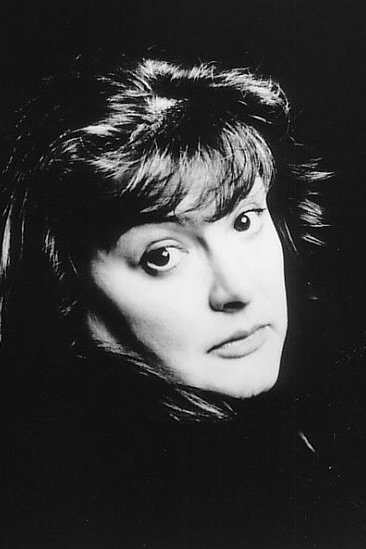
Antonia Bird made difficult subjects approachable through actors who behaved like people. We rate her restraint and her care with performance, though her attempts to bring social concerns into genre films could be less assured.
Fi1m perspective
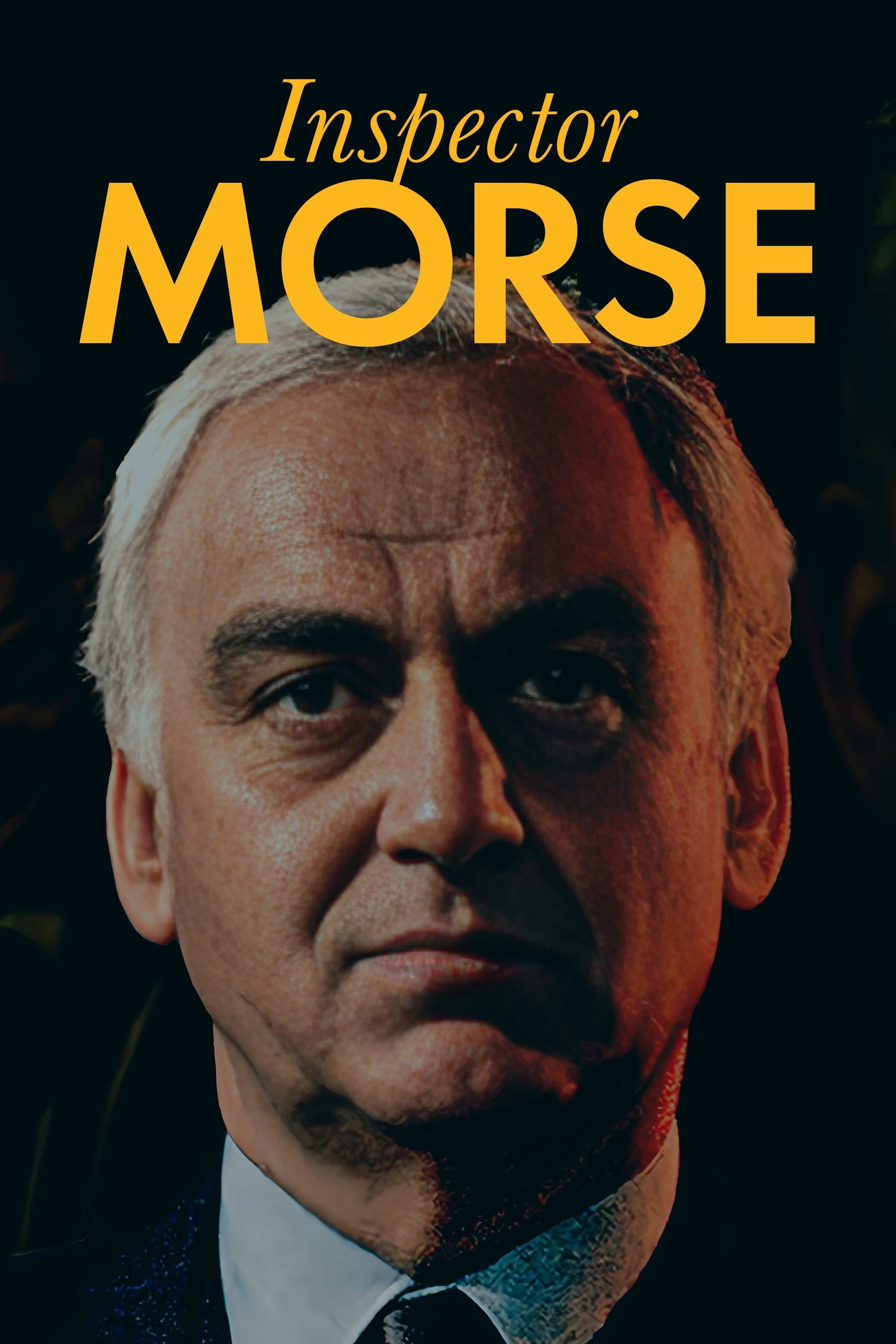
In Inspector Morse (1987), the detective’s difficult manner does not have to fill every available minute. The Oxford setting, the cases and Lewis’s presence leave us something else to enjoy when Morse becomes hard work. We warmed to the programme because John Thaw and Kevin Whately’s prickly company came with quiet humour, rather than an unbroken demand that we admire a difficult man. Bird was one of its directors, alongside John Madden and Peter Hammond; that restraint belongs to a shared undertaking. It also suits what we value in her work: attention to people without letting one personality exhaust a drama.
Her work on EastEnders and Casualty preceded Safe (1993). That breakthrough drama about homeless young people puts her skill with social realism at the centre of the career. But the move into features did not confine her to one kind of film. Priest (1994) dealt with faith, sexuality and abuse, while Ravenous (1999) was a cannibal western. Across intimate dramas and genre films, she favoured naturalistic performances.
Robert Carlyle connects those films, having worked with Bird on Safe, Priest, Face (1997) and Ravenous. The gangster film Face is also a caveat: its genre story and social commentary sit uneasily together. We value her willingness to try these combinations, but the difficult subjects do not excuse the awkward fit. Her return to television with Care (2000), made with producer Ruth Caleb and concerned with abuse in care homes, brought her back to stronger ground.
Our enthusiasm for the single dramas does not make the quieter television work negligible. Inspector Morse sometimes takes too long to untangle a case, but its setting and supporting company keep the detective from becoming exhausting. Bird’s contribution should be understood within that collective achievement, rather than treated as proof that every good decision was hers. Settle into it for the company, and allow the cases longer than seems strictly necessary.
Biography
Antonia Bird was an English television and film director. She began her career in theatre as an assistant stage manager at Coventry Rep in 1968 and later worked at the Royal Court Theatre in London before moving into television in the mid-1980s.
She directed episodes of series including EastEnders (1985–1986), Casualty (1986–1987), Inspector Morse (1992) and Spooks (2005). Her television dramas Safe (1993) and Care (2000) each won a BAFTA for Best Single Drama. Feature films include Priest (1994), Face (1997) and Ravenous (1999), several of which starred Robert Carlyle.
Bird died in London on 24 October 2013.