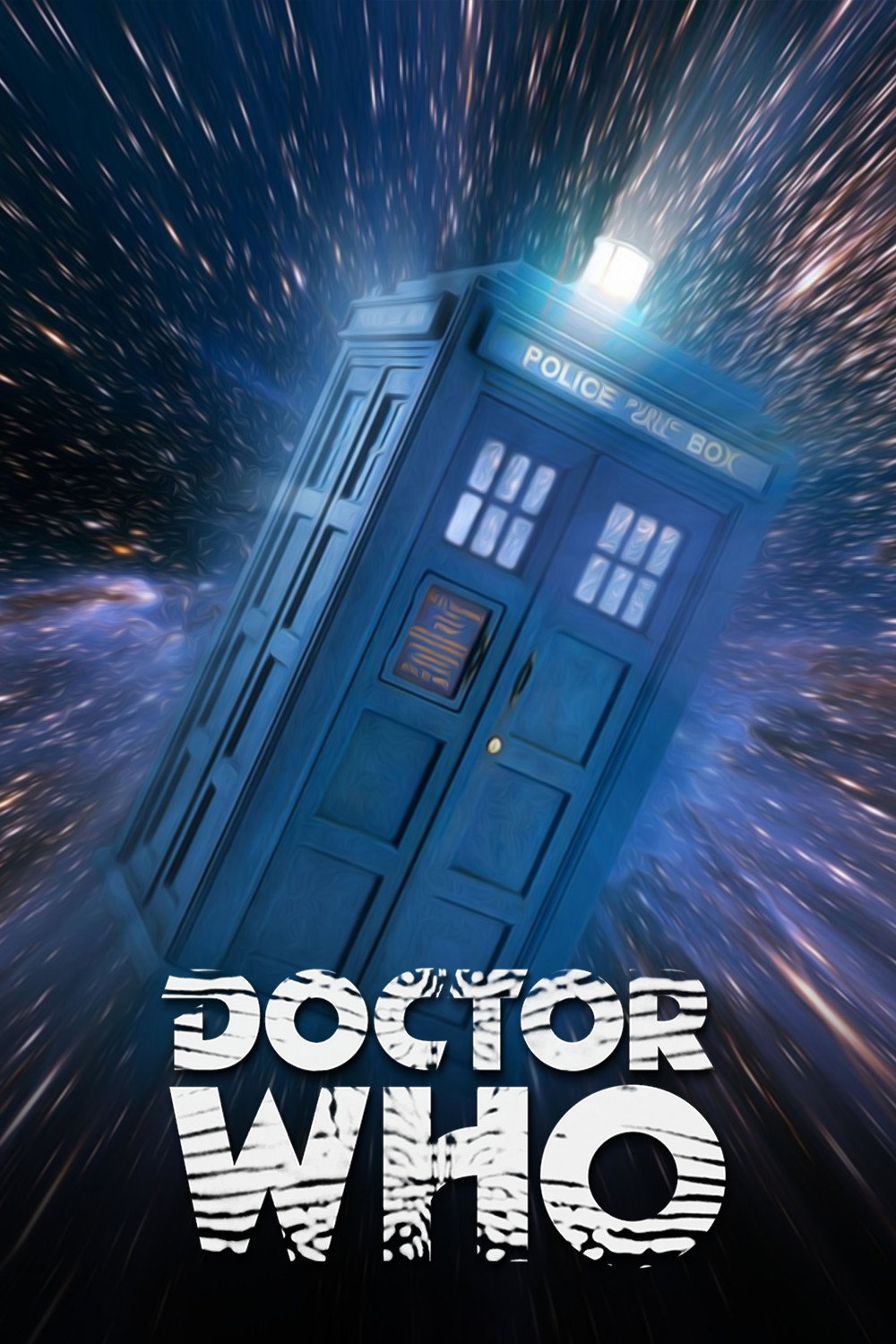
Graeme Harper gives television science fiction pace and committed performances, with a taste for distorted faces and energetic action. We recommend his Doctor Who work, with the familiar caveat that urgency alone cannot make every scene matter.
Fi1m perspective
A face caught in a reflection or enlarged through a magnifying glass is the sort of image Graeme Harper returns to. These distortions are a useful way of making a familiar character look strange, and we like his willingness to disturb an ordinary view. His attention to actors is equally practical: he directs from the studio floor rather than the booth, giving instructions directly. The combination suits science fiction, which needs performers prepared to take an unlikely situation seriously.
His first Doctor Who serial as director, The Caves of Androzani (1984), put that emphasis on performance to work with Peter Davison. Revelation of the Daleks (1985) followed, continuing his taste for dynamic direction. We were frightened by Doctor Who (1963) because its actors made the absurd situations matter. That remains our reason for recommending the programme, despite pacing that can be stubborn. Harper’s preference for speed is welcome within it, though we still want the actors to have room to talk.
He returned to Doctor Who in 2006 under writer and executive producer Russell T Davies, bringing the same appetite for pace to a different phase of the programme. Army of Ghosts / Doomsday (2006), featuring Daleks and Cybermen, gave him action and effects for which careful storyboarding was part of the work. That preparation matters: excitement is harder to sustain when the audience is busy trying to work out what it is looking at. His run also includes The Waters of Mars (2009), whose adult science-fiction tone makes it a useful companion to the earlier serials.
His wider television work takes in Coronation Street and Casualty, but The Devil of Christmas (2016), an episode of Inside No. 9, offers a useful change of emphasis. It deliberately uses the multi-camera video style of 1970s television drama, a welcome departure from his more cinematic habits. We value that willingness to let the programme determine how it should look. Start with The Caves of Androzani for the urgency, then try The Devil of Christmas for a different use of his studio experience.
Biography
Graeme Harper is a British television director. Born on 11 March 1945 in St Albans, he began his career as a child actor before joining the BBC as a floor assistant in 1965. He later completed the BBC's director's course and worked as a production assistant on several Doctor Who serials in the 1970s.
Harper directed two stories for the original run of Doctor Who (1963): The Caves of Androzani (1984) and Revelation of the Daleks (1985). He is the only person to have directed episodes of both the classic series and the revived Doctor Who (2005), including episodes in 2006–2009 and the 2009 special The Waters of Mars. His other directing credits include episodes of EastEnders, Coronation Street, Inside No. 9, The Sarah Jane Adventures, House of Anubis and Robin Hood.