Series review

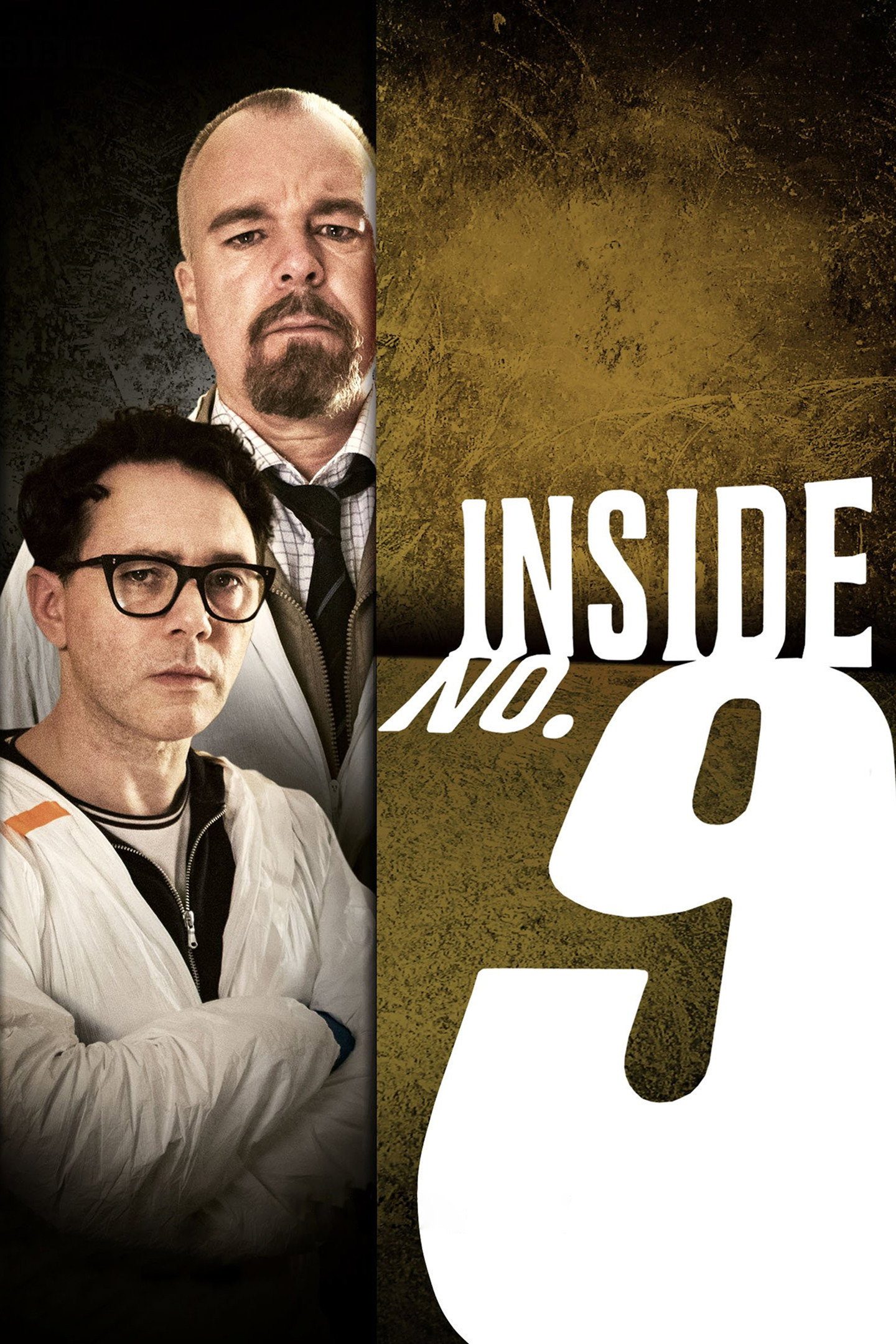
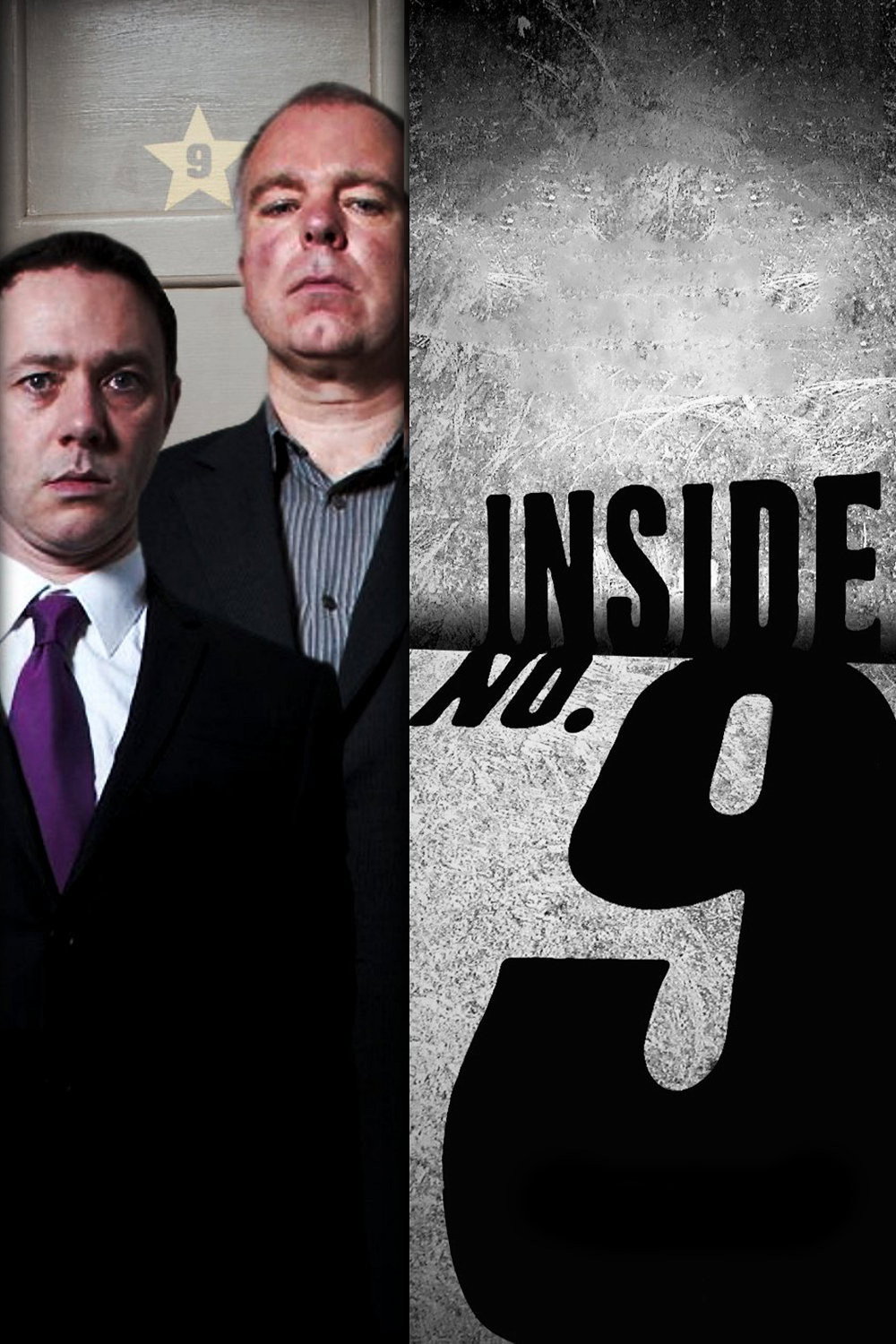
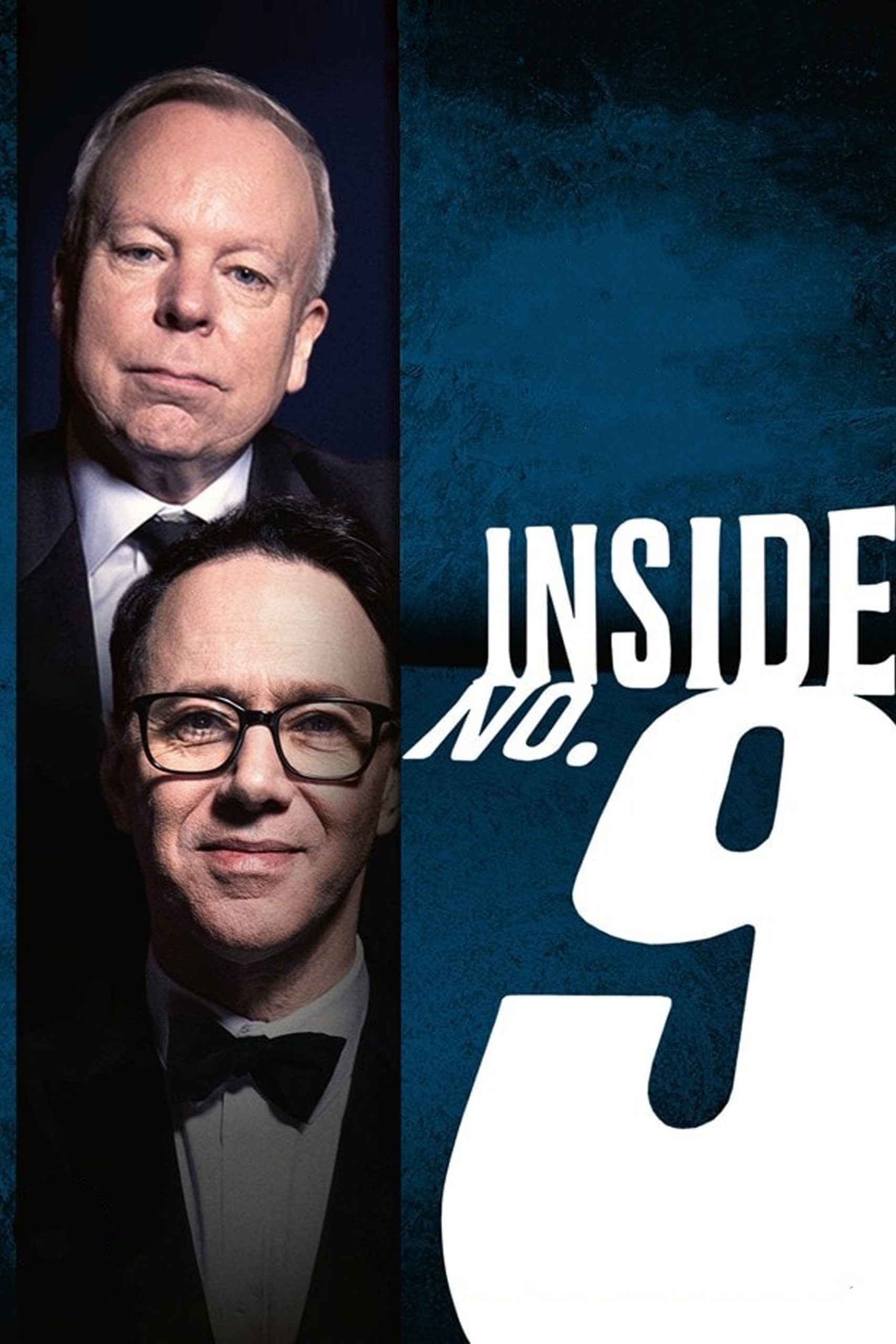
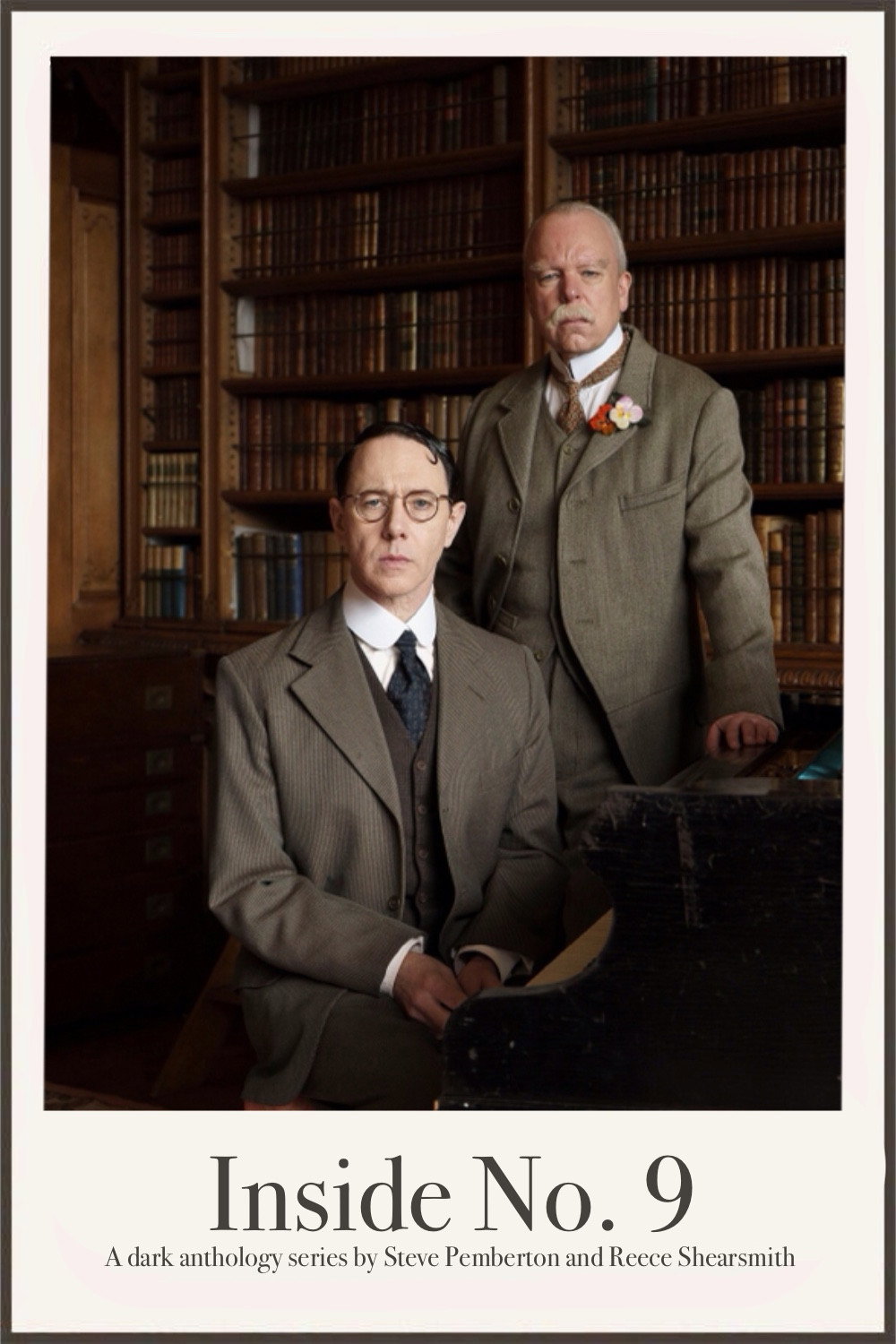
Inside No. 9

2014 · Created by Reece Shearsmith, Steve Pemberton · Series · 29m · MPA TV-MA

In a sentenceThirty minutes, one front door, and at least one guest who should never have been let in

ComedyMysteryCrimeSci-Fi & Fantasy

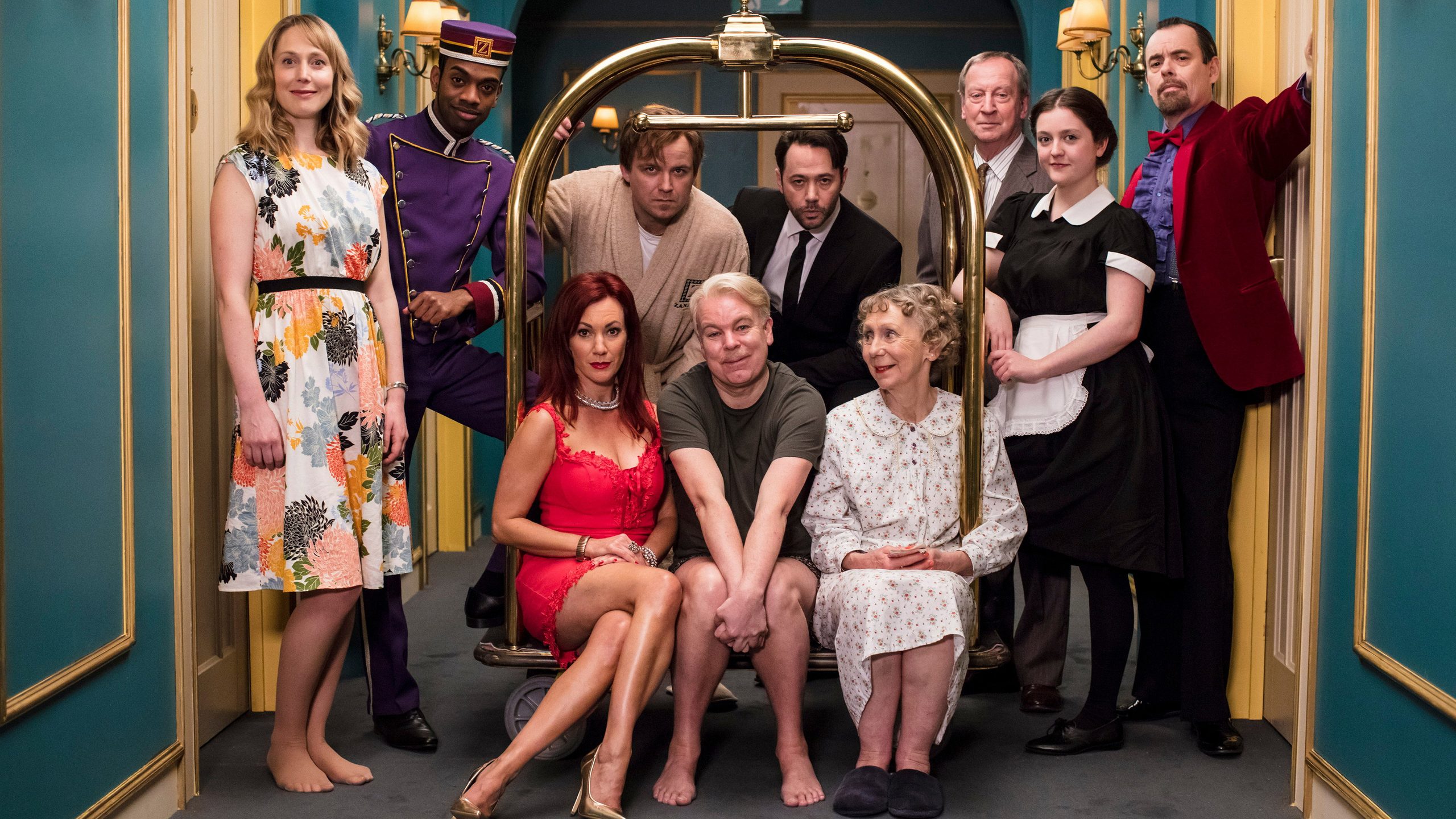
Every episode is a self-contained half hour set behind a door numbered nine, written by Reece Shearsmith and Steve Pemberton, with a new cast and a new story each time. The first is an engagement party in a large country house, where a game of sardines sends the guests one by one into a single wardrobe: the host, Andrew (Timothy West), Mark (Julian Rhind-Tutt) and Elizabeth (Anna Chancellor), Rachel (Ophelia Lovibond), Lee (Luke Pasqualino) and John (Marc Wootton) among them. The second is a burglary without a word of dialogue, in the glass-walled house of Gerald (Denis Lawson) and Sabrina (Oona Castilla Chaplin). Gemma Arterton and Kayvan Novak turn up before the first series is out.

Plays from YouTube when you press play; nothing loads from them until then.

Fi1m review

Shearsmith and Pemberton set themselves a hard brief, a new story every half hour, and meet it far more often than they miss. Tight, cruel, funny and unexpectedly sad; the weakest episodes are the ones that exist only to reach their final shot.

Reece Shearsmith and Steve Pemberton have been writing together since The League of Gentlemen, and Inside No. 9 is the best thing they have made. Each episode lasts 29 minutes, takes place behind a door numbered nine, and has nothing to do with the one before. They wrote all 53 episodes across nine series, from the first on 5 February 2014 to the run that began on 8 May 2024, and most of them are good.

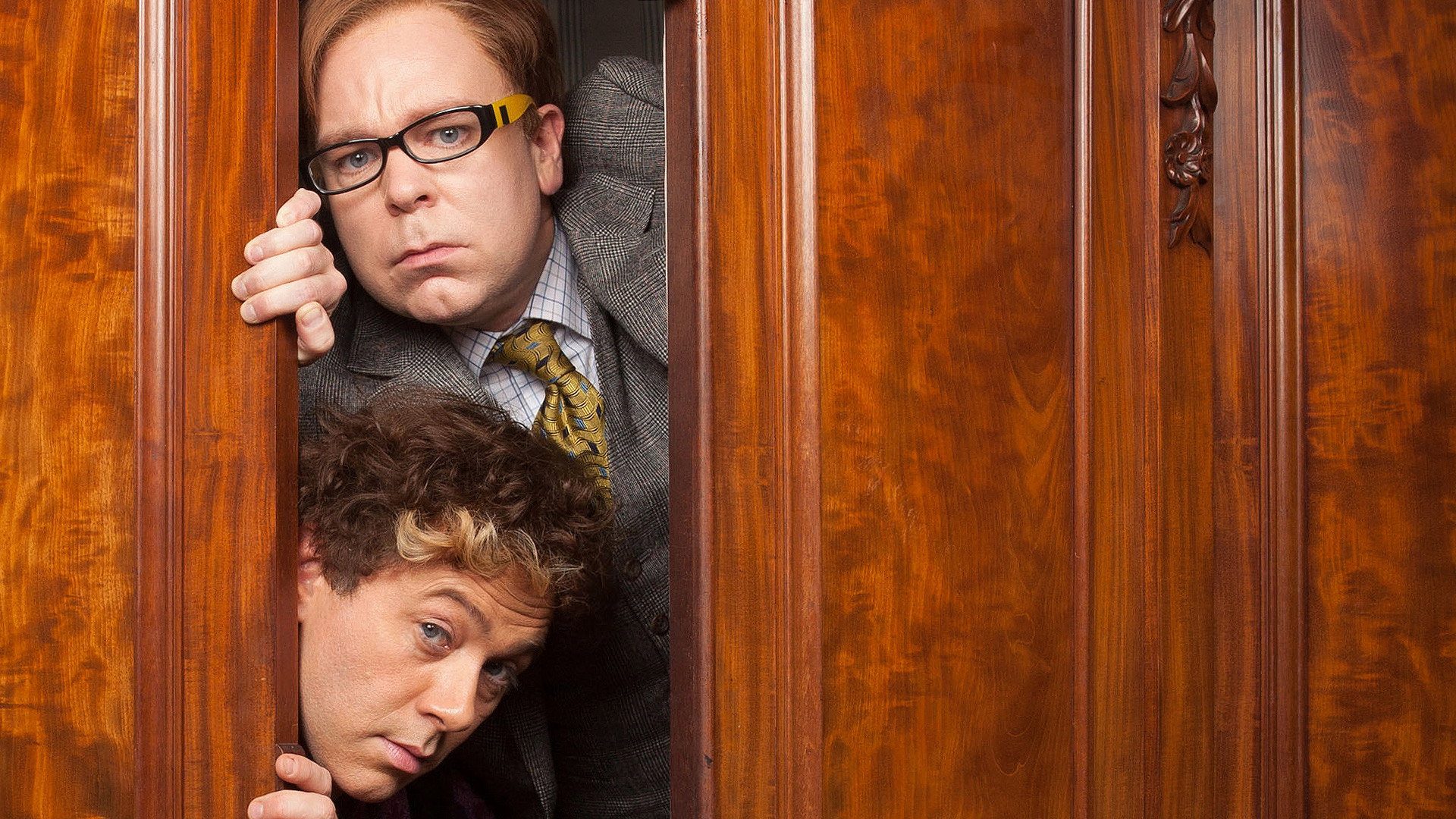
The first episode puts a dozen people in a wardrobe. It is an engagement party, somebody suggests a game of sardines, and the guests squeeze in beside the coat hangers. David Kerr directs it as a room that keeps getting smaller: every new arrival brings a grievance, and we knew something in that house was wrong before anyone said so. The second episode is a burglary without a word of dialogue, two thieves after a painting in the glass house of Gerald (Denis Lawson) and Sabrina (Oona Castilla Chaplin). Between them they tell you what the programme is for: a format so tight that each episode has to find a new way to be a television play.

The cinematographers change (John Sorapure, Mattias Nyberg, James Mather and Stephan Pehrsson) but the frame is nearly always a room: a hotel corridor, a dressing room, a parlour with the curtains drawn. Simon Rodgers, Brian Sykes and the other production designers build a world into a single set and then let the script take it apart. Christian Henson’s title music is the one constant, a nursery tune that sounds as if the clockwork is running down. Cat Gregory and Joe Randall-Cutler cut to the half hour without fat; we cannot name an episode that would be better at forty minutes.

Shearsmith and Pemberton act in almost every episode, usually as men too pleased with themselves or too frightened to say what they mean. The first series has Timothy West, Anna Chancellor, Julian Rhind-Tutt, Denis Lawson, Gemma Arterton and Kayvan Novak, and none of them plays it as a favour to friends. West, sitting in the wardrobe with a lifetime of dignity and nowhere to put it, is the reason the opener plays as drama rather than sketch.

The programme is sold on its twists, and that undersells it. The best half hour in the second series, The Twelve Days of Christine, follows one woman through twelve days of her adult life, and we knew something was coming. It came anyway. We sat through the closing credits without speaking, and what did it was not the ending but everything before it: a hallway, a party, a Christmas tree, none of it staged as important, all of it mattering by the end.

The weakest episodes are the ones you can feel being written backwards from their final shot, where the people are arranged rather than alive and the last thirty seconds are the only reason the first twenty-eight minutes exist. The later series have more of them, because the audience now expects to be fooled and the writers know it. The verse episode Zanzibar, which most critics loved, struck us as too pleased with its own scansion; we admired it and did not laugh much.

Set against Psychoville and The League of Gentlemen, this is the pair’s most controlled work. There are no recurring grotesques and no prosthetics; when either of them is funny here it is because of a line, not a nose. Underneath the horror dressing, these are plays about English people in rooms, being polite to one another for as long as they can manage, which is never quite long enough.

Watch it one episode at a time, and never two in a row. Taken in bulk the twists start to look like a habit; taken singly they still work, nine series on. Start with the wardrobe.

Critical consensus AI synthesised

82
Positive
5
Mixed
0
Negative
0

With only 5 reviews in so far, the verdict is uniformly warm. Every critic calls the anthology format a success, praising the tight writing, the inventive single-setting premises and the macabre humour; the wardrobe-bound opener draws particular admiration for its structure. Empire places the series high in its creators’ output, and Digital Spy, reviewing the fourth run, prefers it to the earlier series. Reservations are almost absent: The Times is the coolest, at four stars, though it too welcomes the return to form. The spread is narrow and the praise clusters on script and direction rather than any single performance.

Empire
3 April 2014 · William Thomas
90*

The critic praises the dark anthology series as the latest twisted brainchild of its creators, highlighting episodes like a silent comedy about burglars and a queasy Macbeth update. It is described as beautifully written, performed and directed, ranking among their finest work.

Read the full review →
The Guardian
31 July 2014
80*

The critic finds the anthology series a stylish and entertaining resurrection of the short-story TV format, full of twists, misery and macabre humour across its six episodes. They single out the strong characters and inventive setups like the wardrobe-bound opener and the horror-tinged finale for particular praise.

Read the full review →
The Times
6 February 2014 · ★★★★☆ · Andrew Billen
70*

The critic enjoys the debut episode's tight, almost Aristotelian structure set in a single wardrobe during a game of sardines, noting it deals with dark themes in an Ayckbourn-like manner without prosthetics or excess fantasy. They highlight the inventive premise and cast as a welcome return to form for the creators.

Read the full review →
Digital Spy
2 January 2018 · Ian Sandwell
90*

The critic calls series four the best run yet, praising its macabre, inventive and emotional stories that deliver satisfying twists in the half-hour format. They single out the Shakespearean gimmick episode 'Zanzibar' and the moving 'To Have and to Hold' for particular praise.

Read the full review →
Den of Geek
6 February 2014 · Ryan Lambie
80*

The critic praises the series premiere for its bold, refreshingly different approach with top-notch writing and clever direction in a confined space, evoking classic TV drama and black comedy with hints of macabre.

Read the full review →

Cast

If you liked this, try…

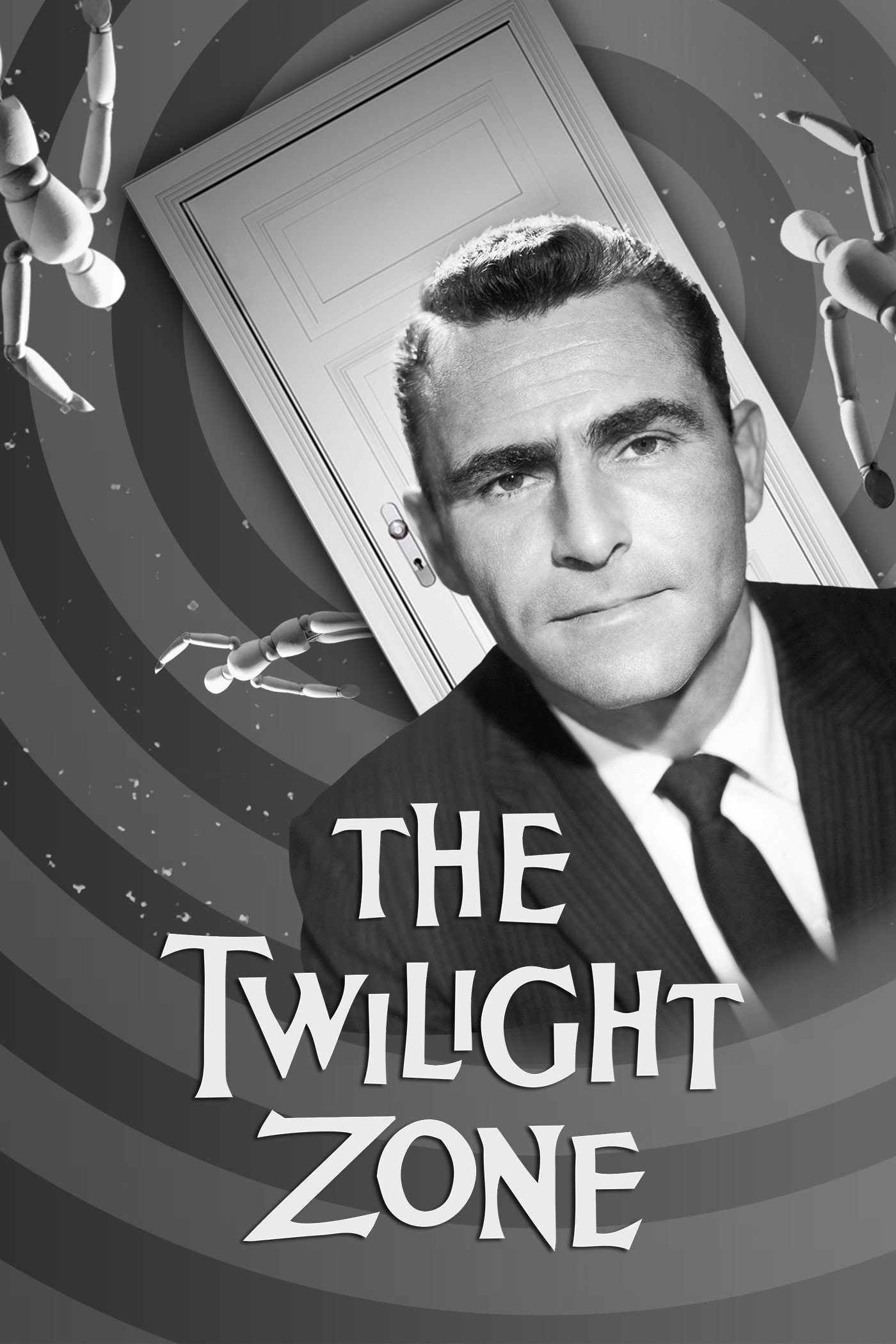
The Twilight Zone poster84

The Twilight Zone

1959 · Rod Serling’s half hours with a sting in the tail; the ancestor of every anthology since.

Tales of the Unexpected poster

Tales of the Unexpected

1979 · Roald Dahl’s nasty little stories, told at a quarter of the speed, with better cardigans.

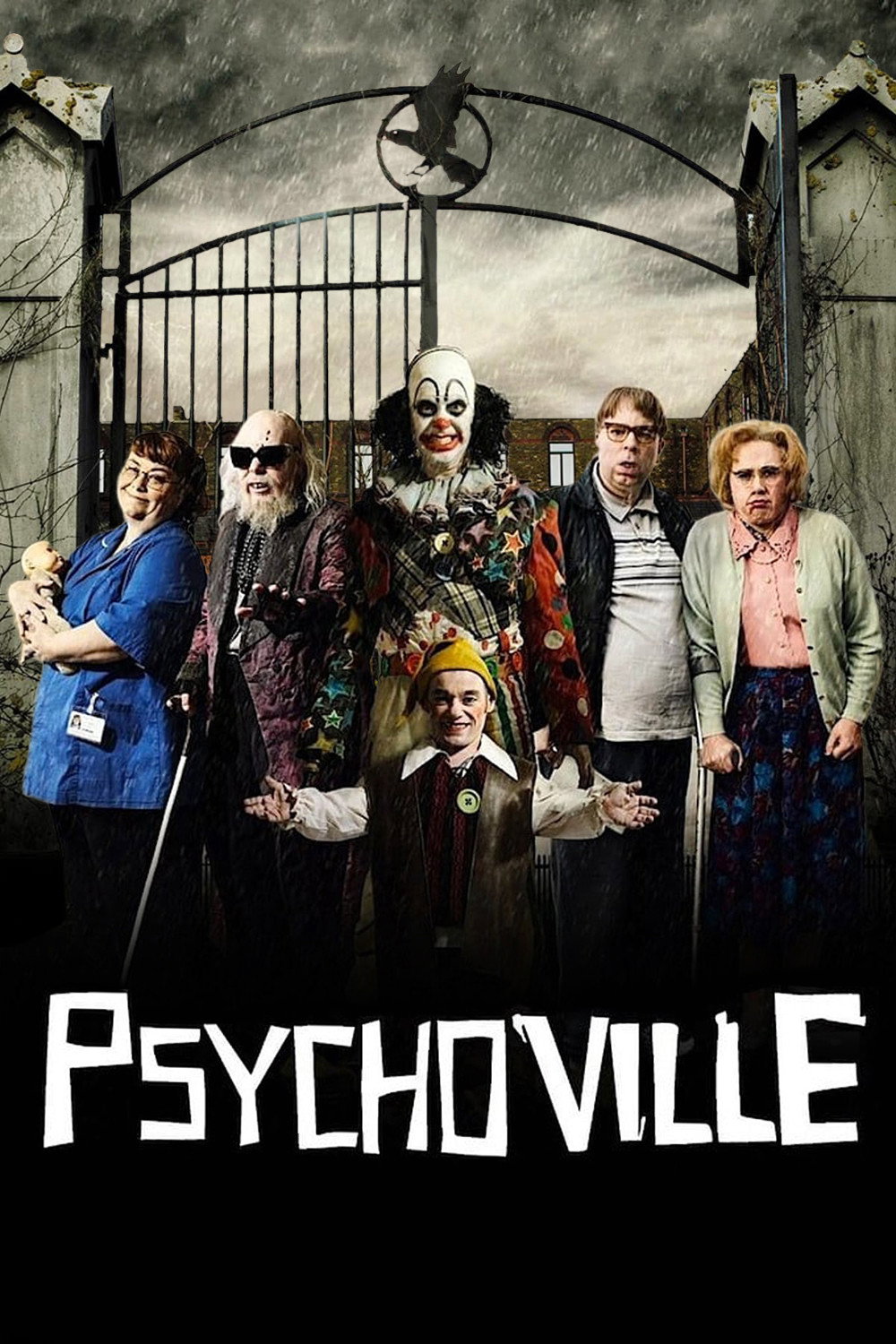
Psychoville poster

Psychoville

2009 · Shearsmith and Pemberton’s previous outing: longer, messier and every bit as unkind.

Black Mirror poster

Black Mirror

2011 · Charlie Brooker’s anthology has bigger budgets and bleaker endings; start with the early series.

Dead of Night poster

Dead of Night

1945 · The Ealing portmanteau that taught British screens how a ghost story should end.