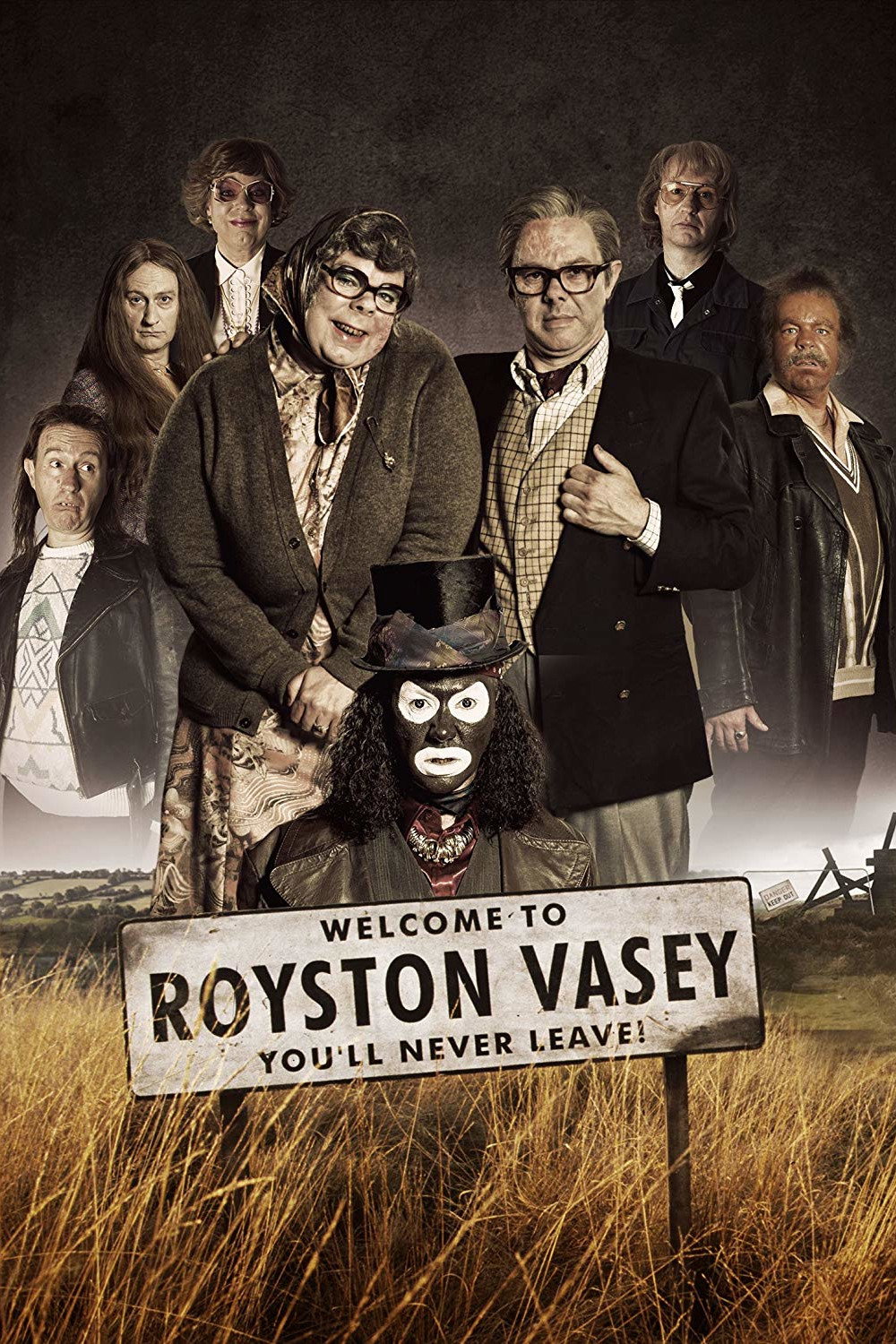
A sketch comedy that behaves like a horror film, set in a town where the shopkeepers kill visitors and the butcher’s sausages are not discussed. The first two series repeat themselves and some jokes were old on arrival, but nothing else in British comedy sounds like it.
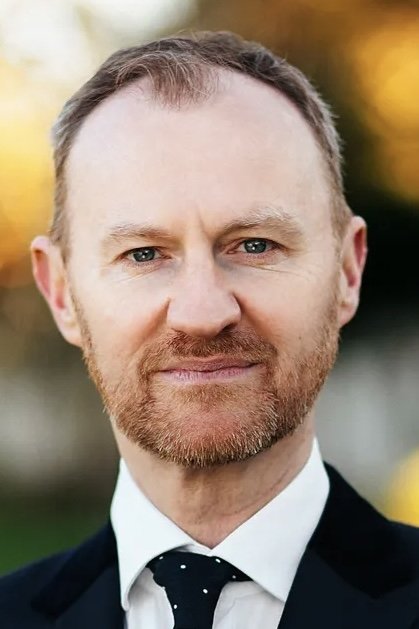
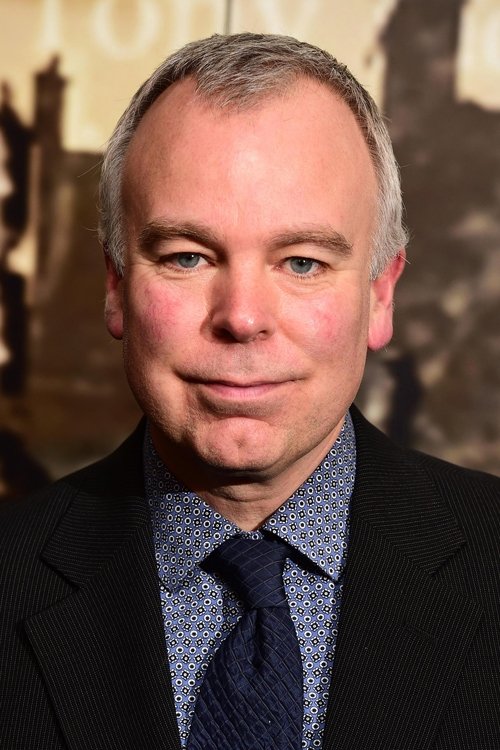
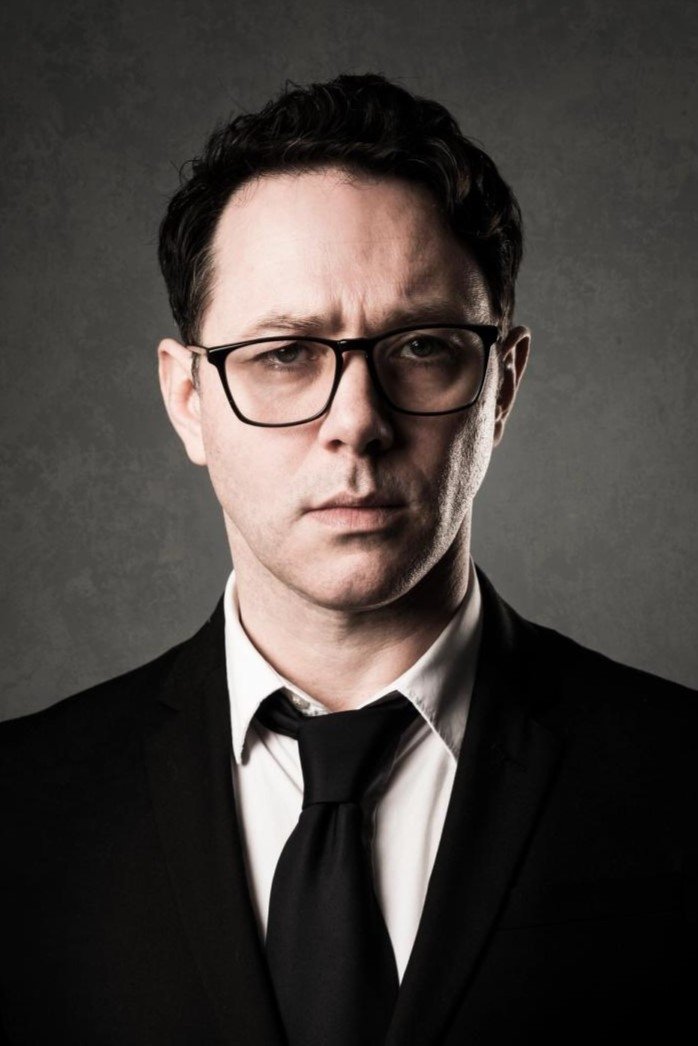
Four men who had been a stage act brought a sketch show to BBC Two in January 1999, and the odd thing about it was that it was frightening. Mark Gatiss, Steve Pemberton and Reece Shearsmith play nearly everyone in Royston Vasey, a made-up town somewhere in the north with a moor above it and nothing much below. Jeremy Dyson, the fourth member of the League, co-writes and produces. The result is very good, funnier and stranger than a sketch format usually allows, and we recommend it with one caveat: the first two series go back to the same beats more often than they should, and it takes some patience.
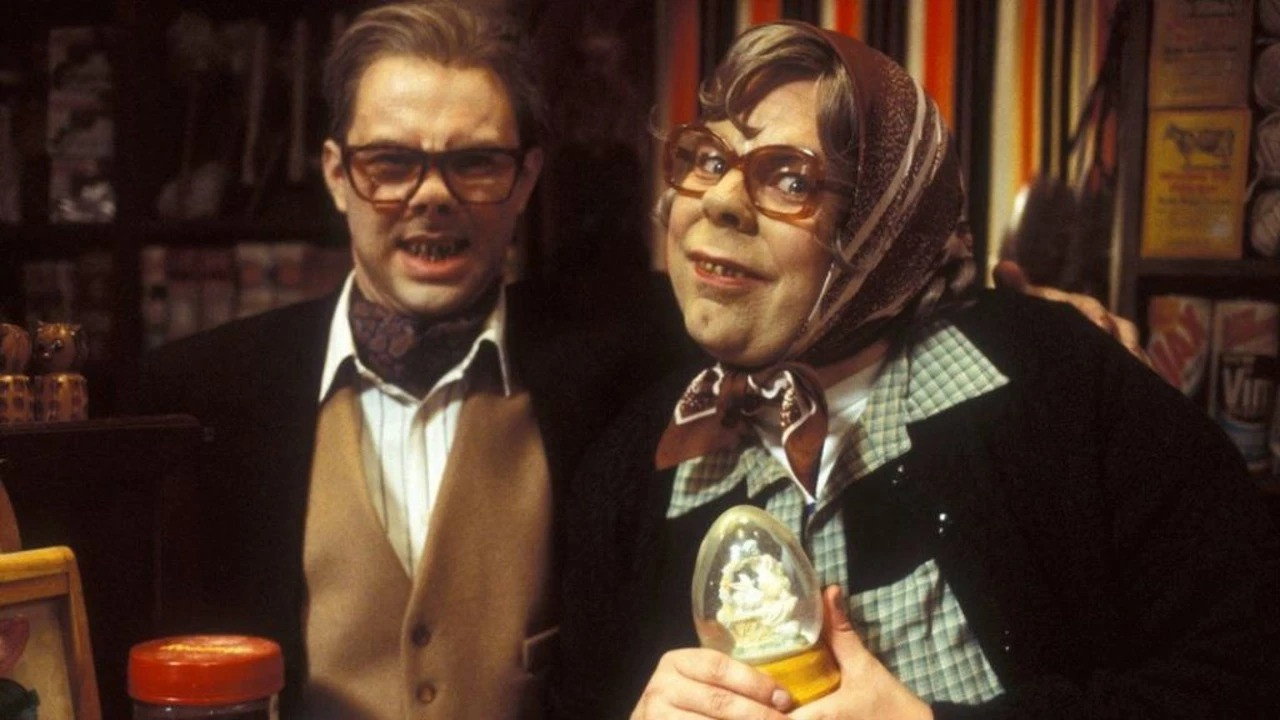
The characters are the whole show, and the writers understood that sketch comedy works when a character wants something. The two who run the local shop want it to stay local, which means anyone who wanders in off the moor does not wander out. The woman who runs a restart course at the job centre wants her dole claimants to stay exactly where they are so she has someone to bully. The butcher wants his special customers kept special and his special stuff kept quiet. The vet simply wants to help an animal, once, before he retires, and every consultation ends with a small corpse and a stricken owner. None of these people is a joke. Each is a person with an appetite, and the show sits with them long enough for the appetite to become alarming.
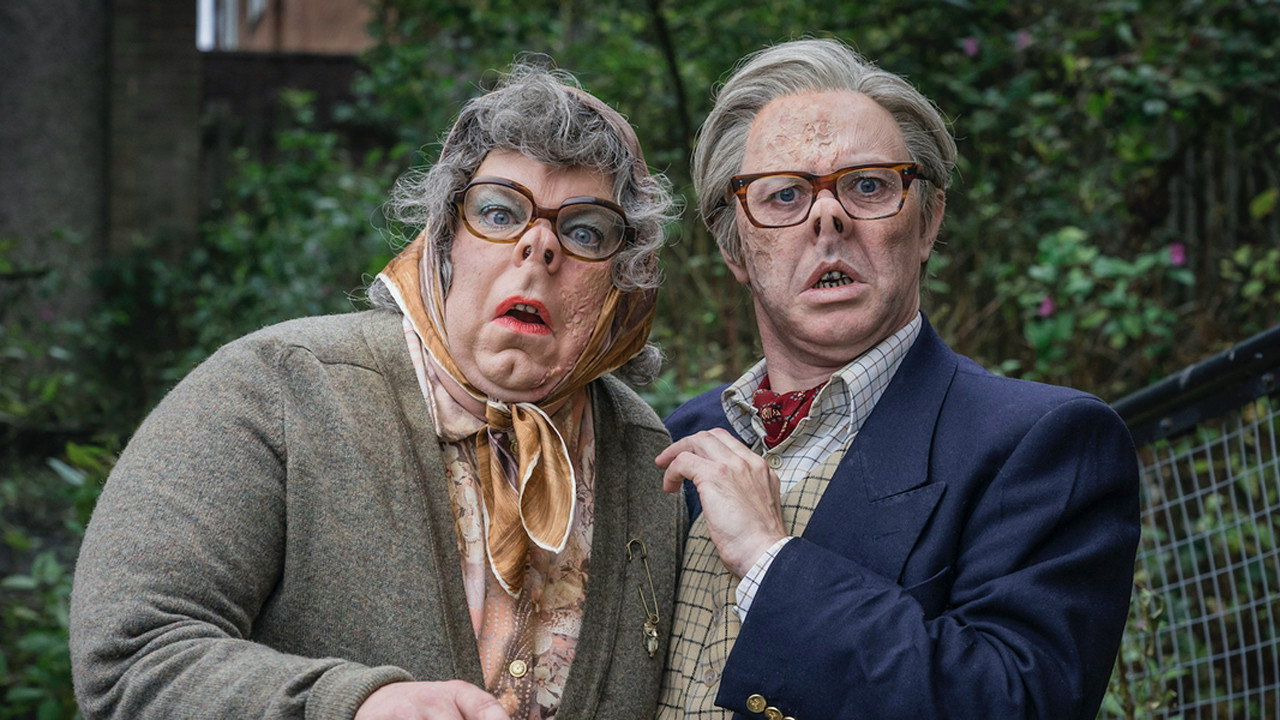
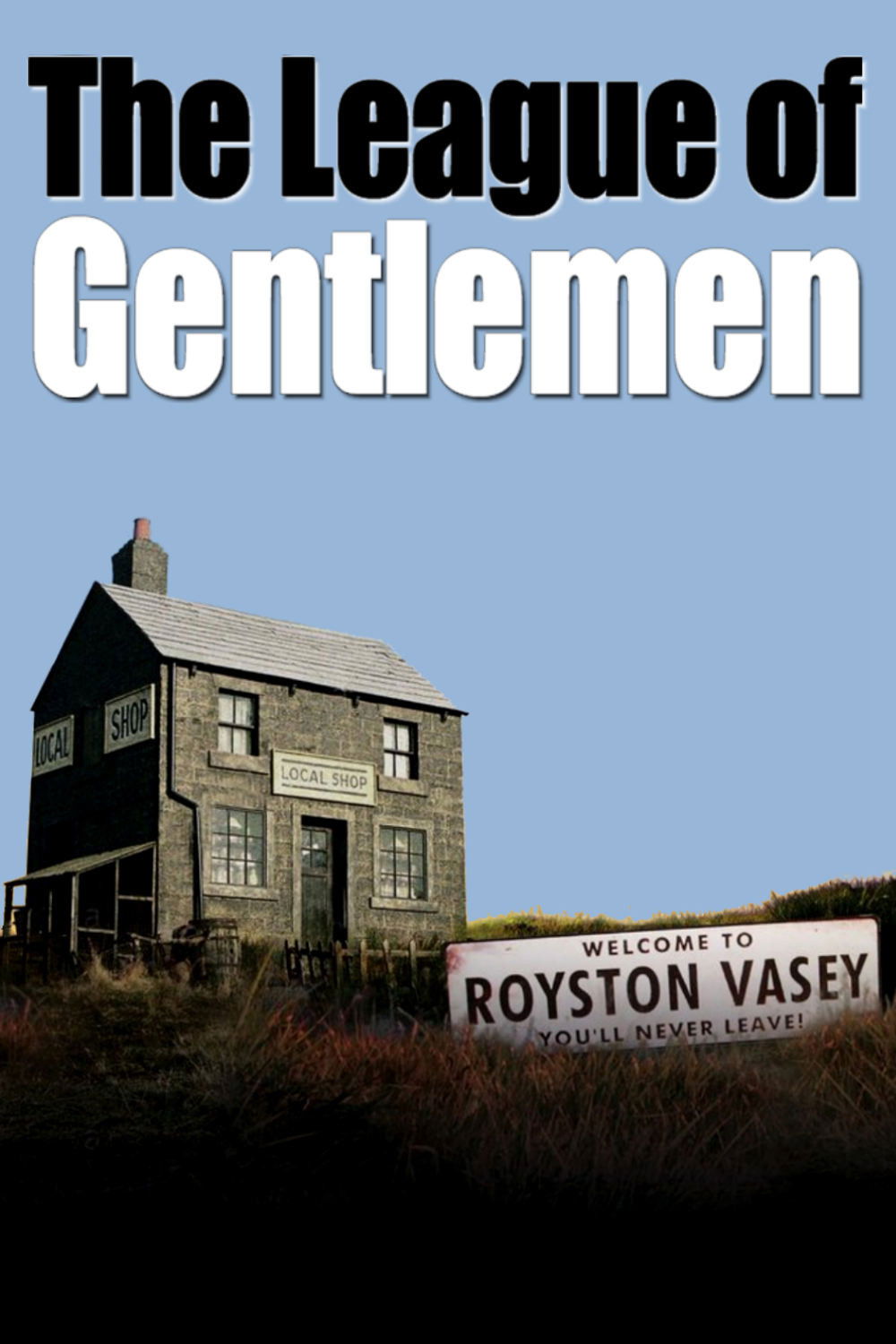
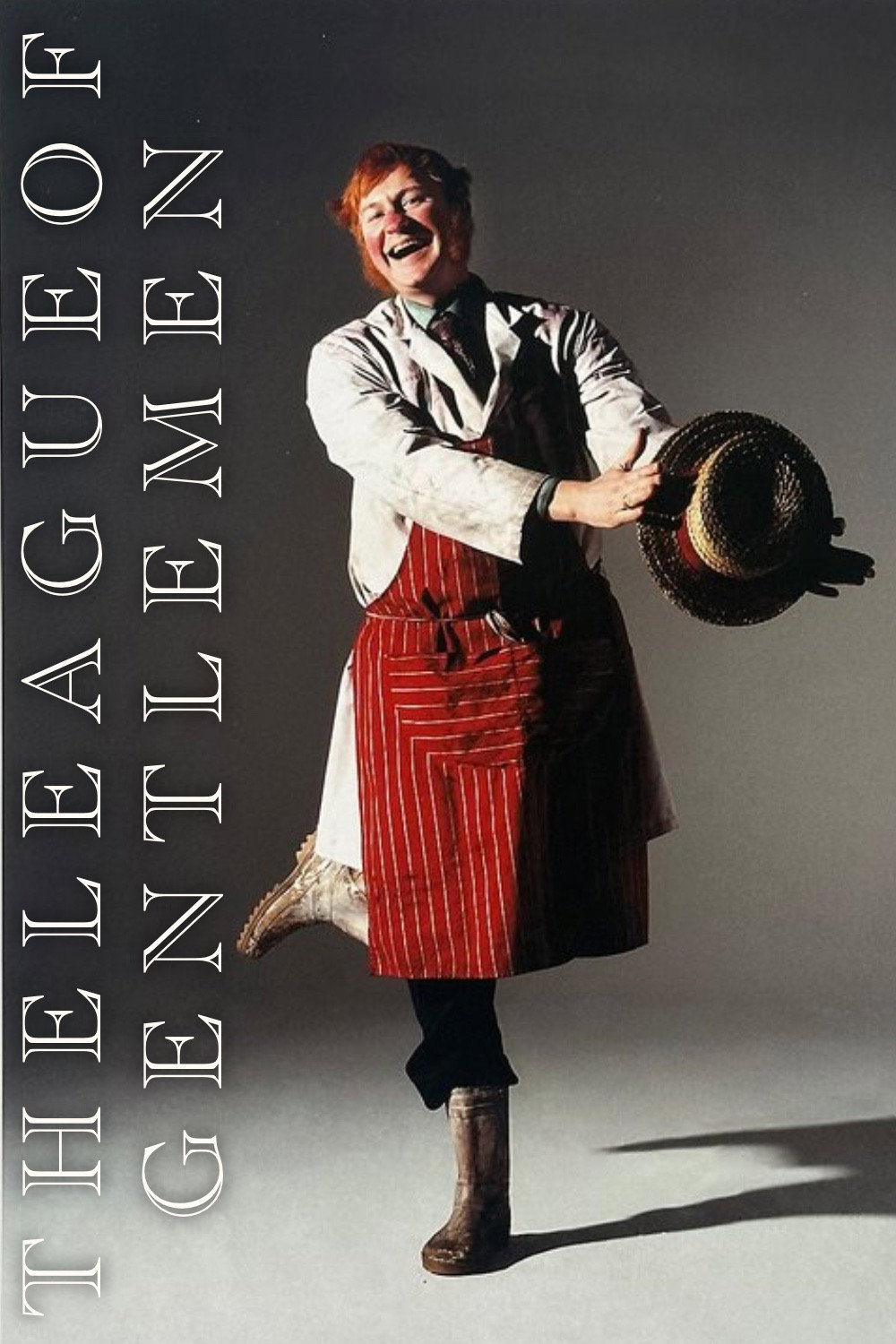
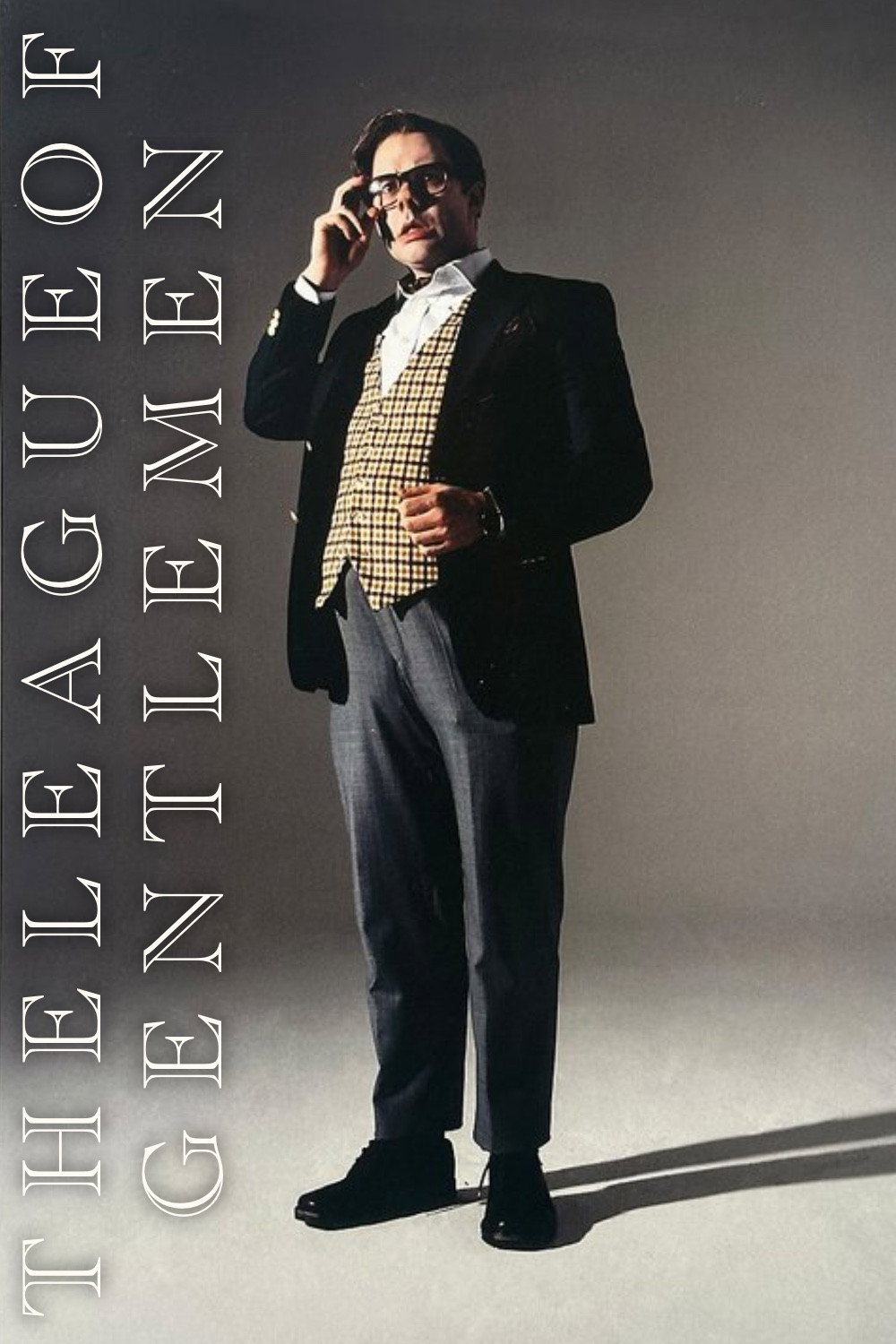
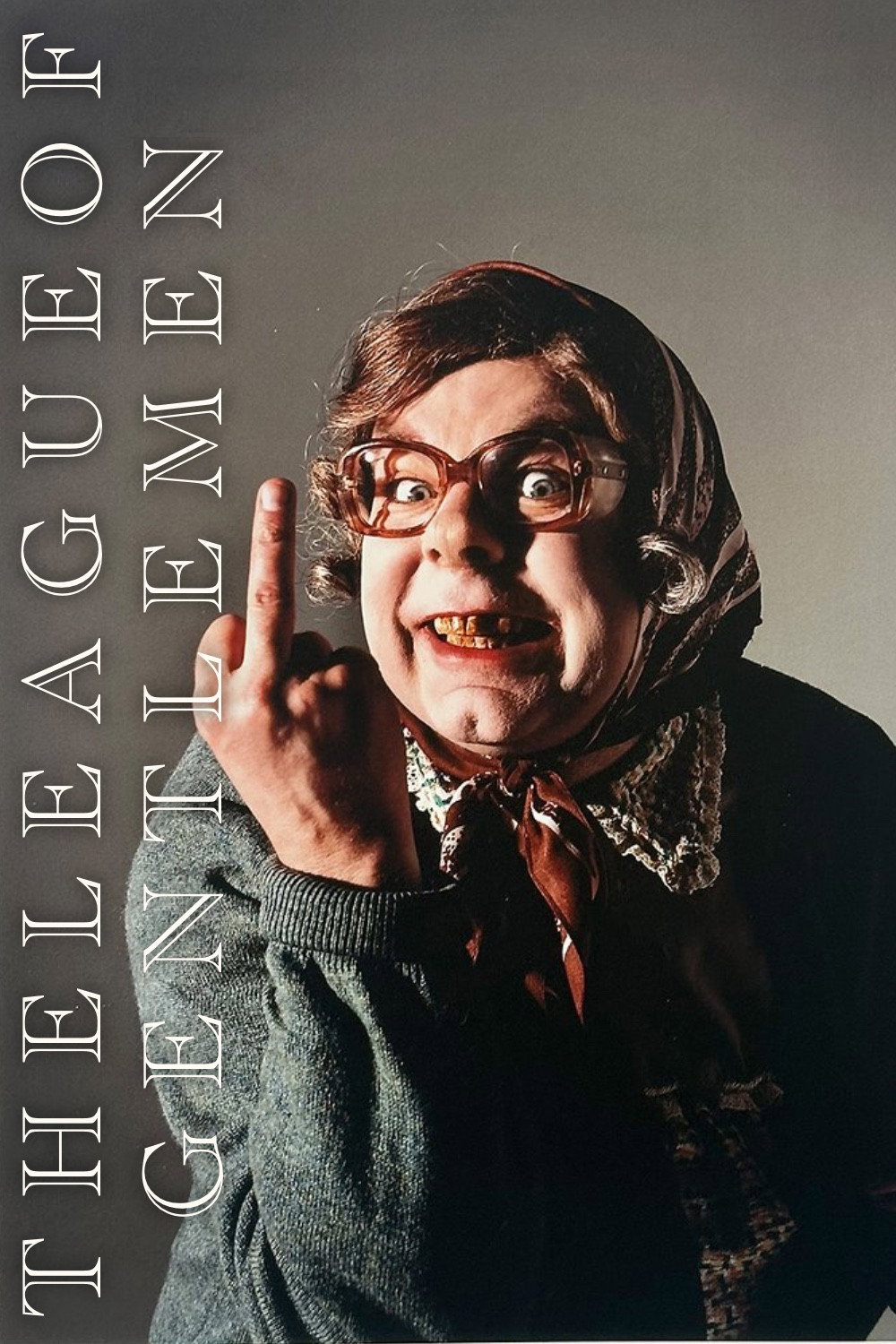
Steve Bendelack directs, and the terraces, the wet pavements and the bare hills all look real; only the people are wrong. The shop stands alone on the moor with its windows papered over. The make-up and prosthetics, the false noses and wigs and a greying moustache, are thick enough to be visible and that is a choice: you are always aware of three men underneath, which is somehow worse. Dyson’s share of the writing shows in the structure. Sketches recur across an episode and pick up mid-sentence, and running stories, a nephew trying to leave the Dentons’ house among them, thread through six half-hours until they feel like a place rather than a set of turns.
We laughed, a great deal, and then there was a moment in the first series when the shopkeeper pressed her face to the glass and whispered to a customer that they were not local, and we stopped laughing and were frightened. Not amused-frightened; frightened. It was the whisper that did it, and the way Bendelack held the shot on her without cutting to the reaction. We had been laughing a moment before. We were not now, and that gap between what a sketch is supposed to do and what this one does is where The League of Gentlemen lives.
The flaws are real. Series 1 and 2 return to the same beats too often: the vet kills the animal, the job-centre woman throws a pen, the Dentons produce another towel. Some of the sketches were dated on arrival and have not improved, and a run of gags about a German exchange leader and a woman’s weight land now as the easy option in a show that elsewhere refuses easy options. And 30 minutes is a long time to spend in Royston Vasey; two episodes in one sitting is plenty.
Series 3, first shown on 26 September 2002, drops the sketch format and tells six plotted half-hours, each following one character through the same week. It is braver, colder and quieter, and we think it is the best thing the League made under this name. It is also where the show stops being a sketch programme and turns into the thing Pemberton and Shearsmith would go on to make in Inside No. 9, which is to say a horror anthology that happens to be funny.
Set against The Fast Show, which came before it, this is the darker and the more ambitious programme, and the less reliable. Watch one episode at a time, with the curtains drawn, and do not be surprised if the next town you drive through looks slightly different.