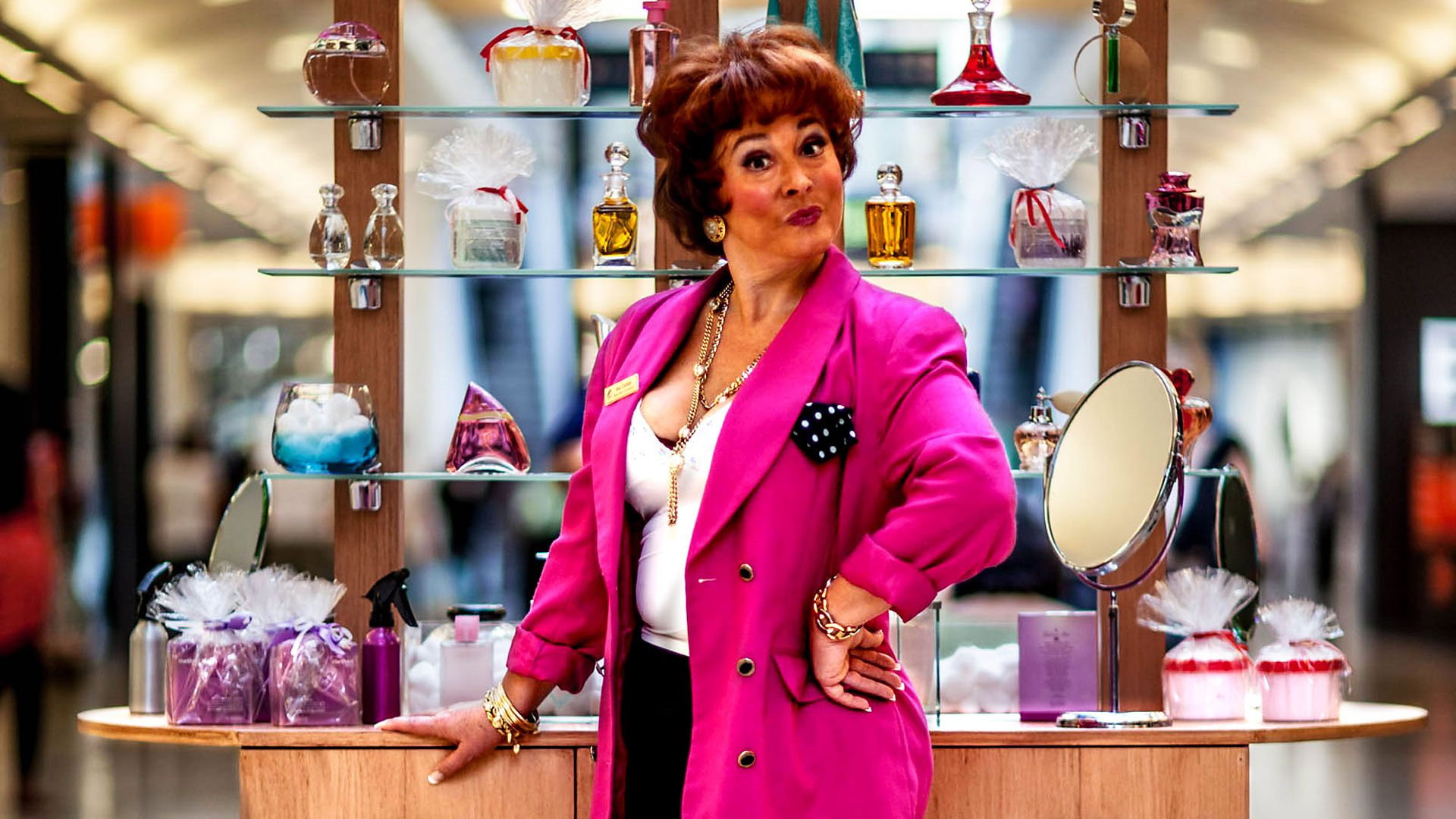
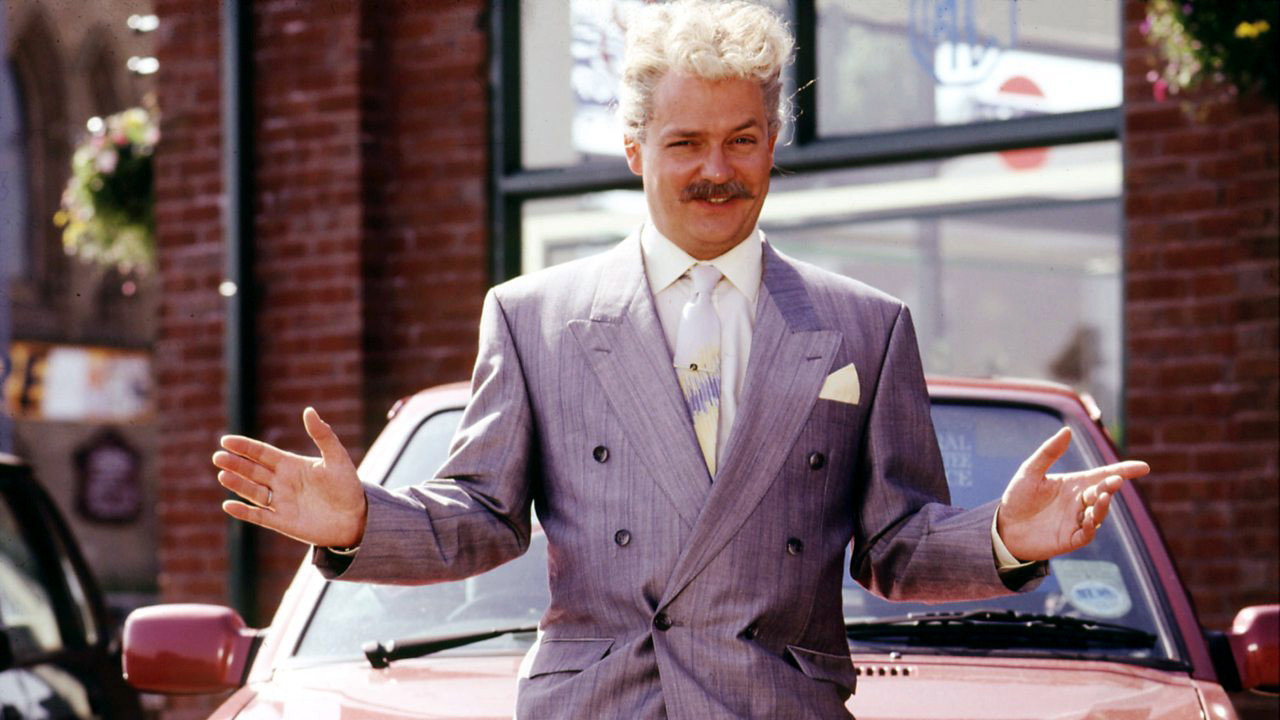
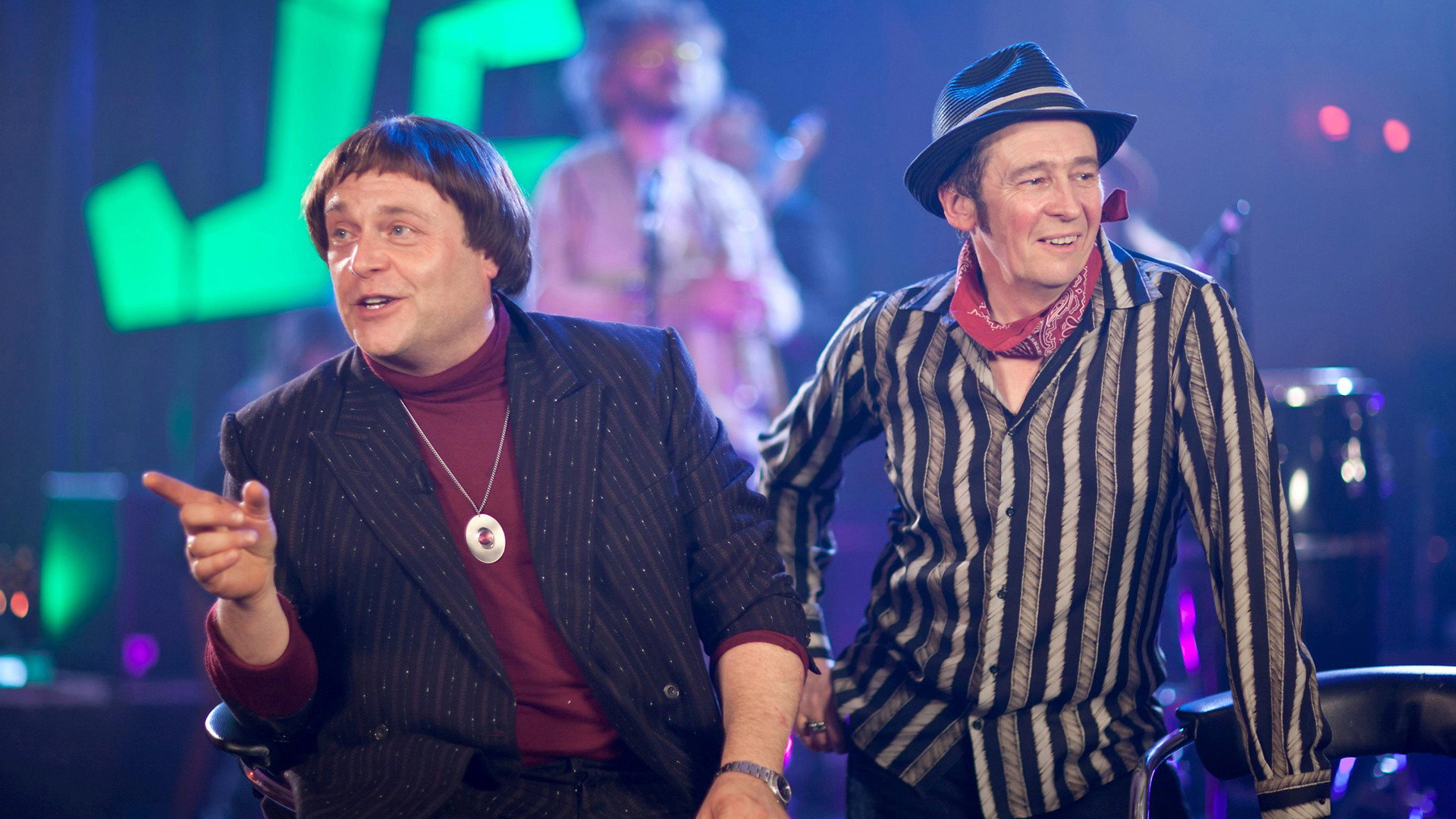
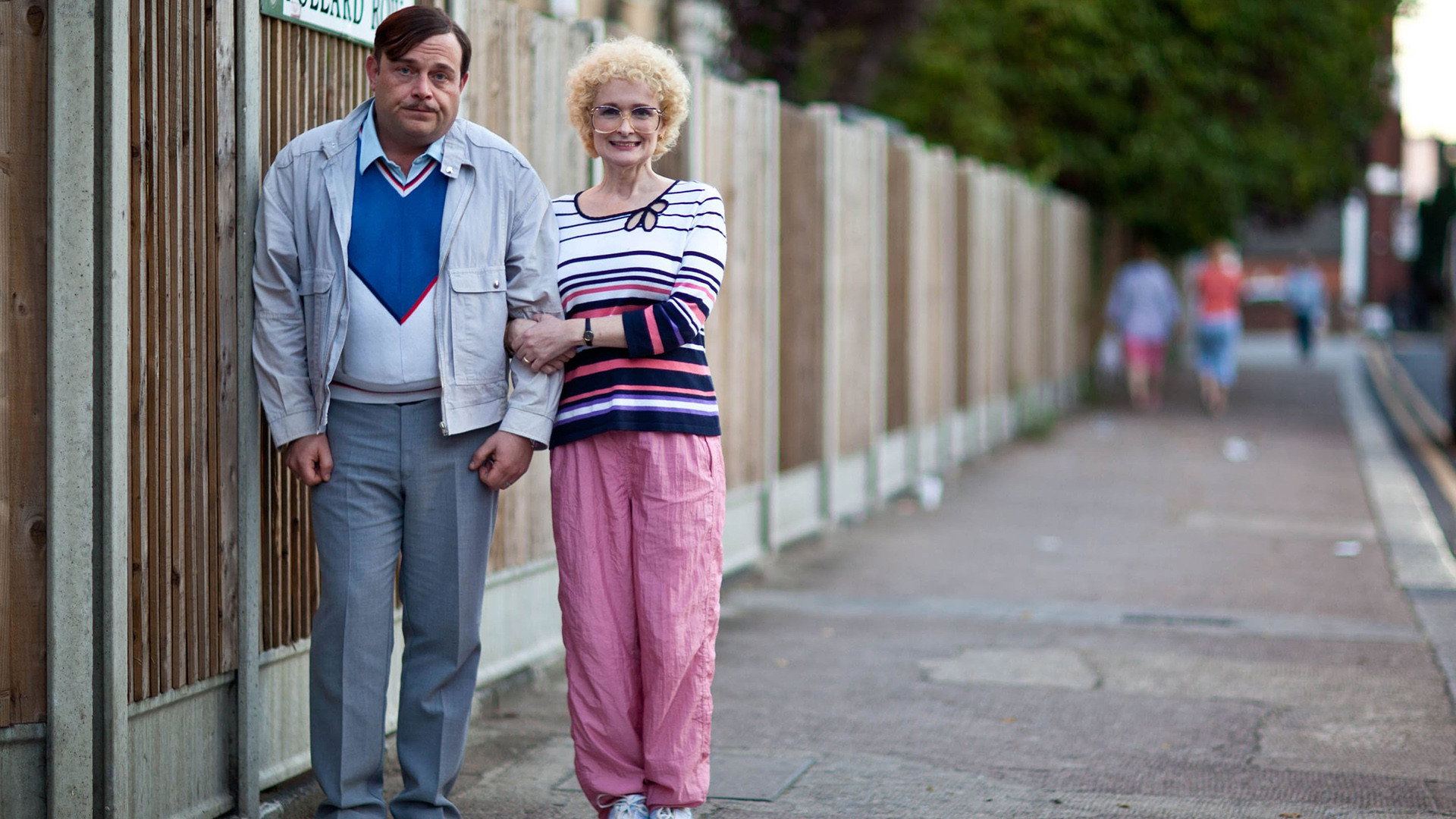
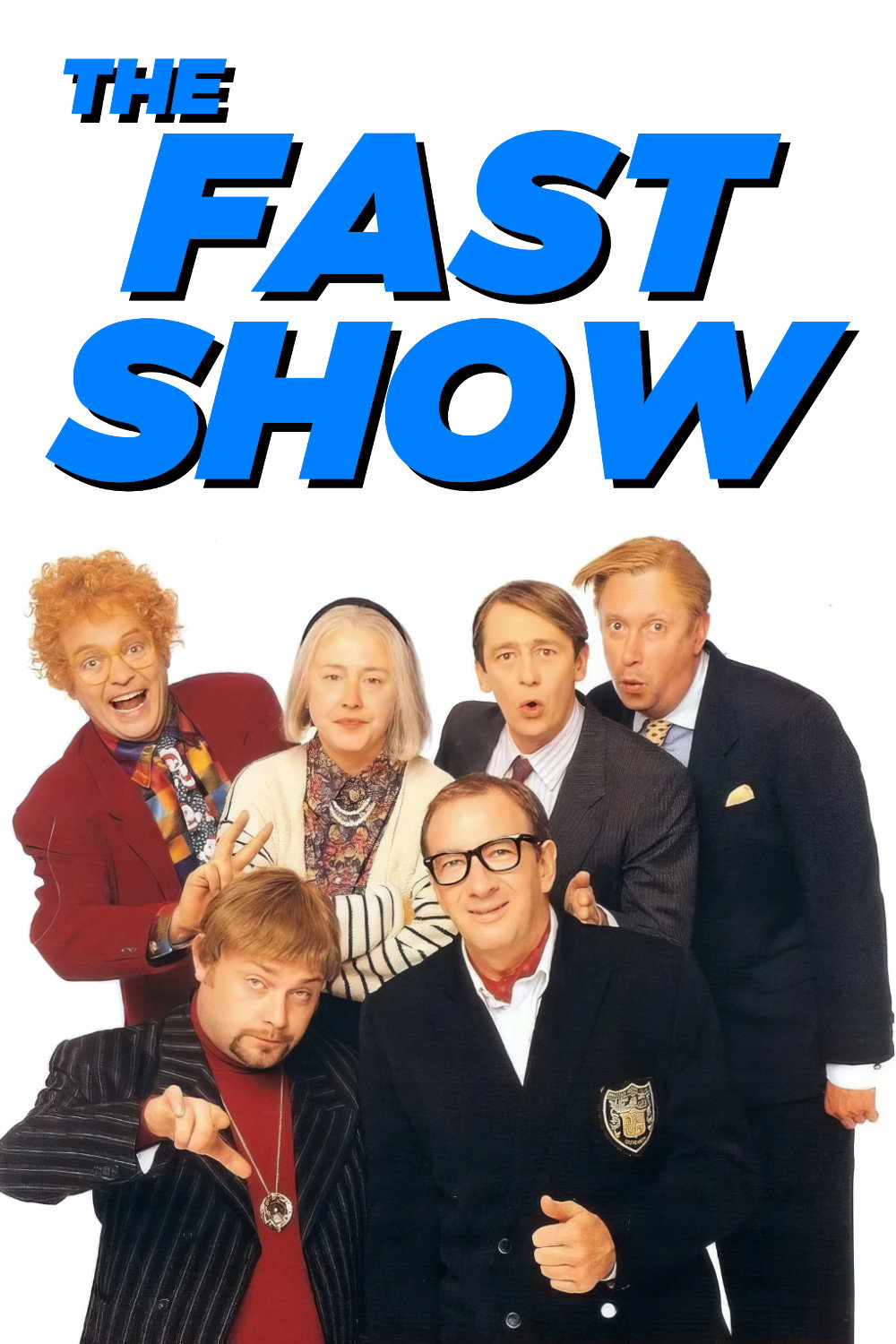
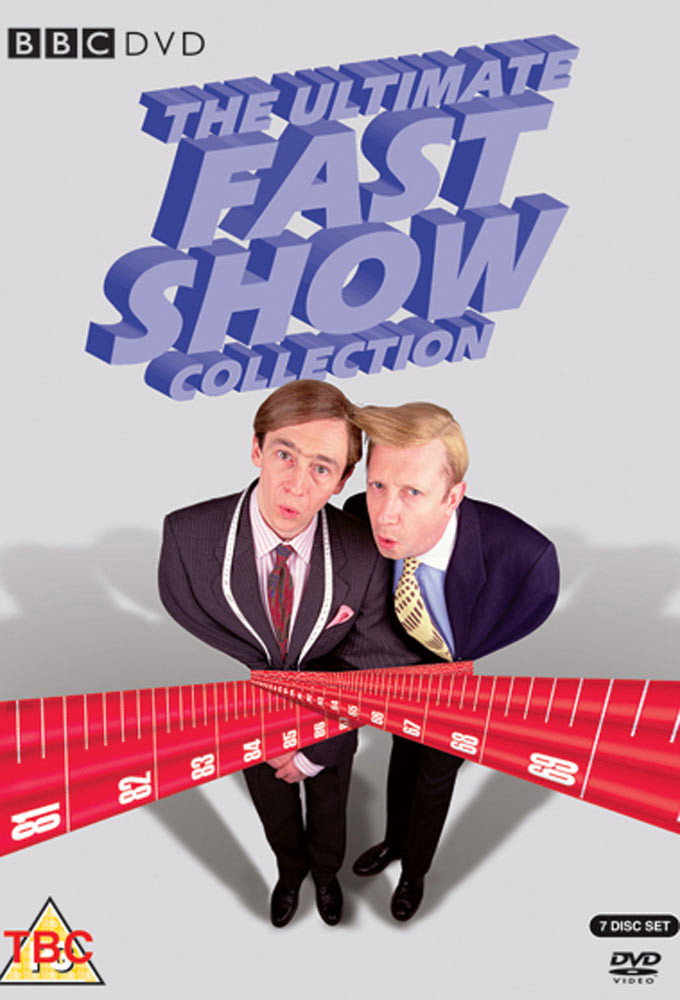
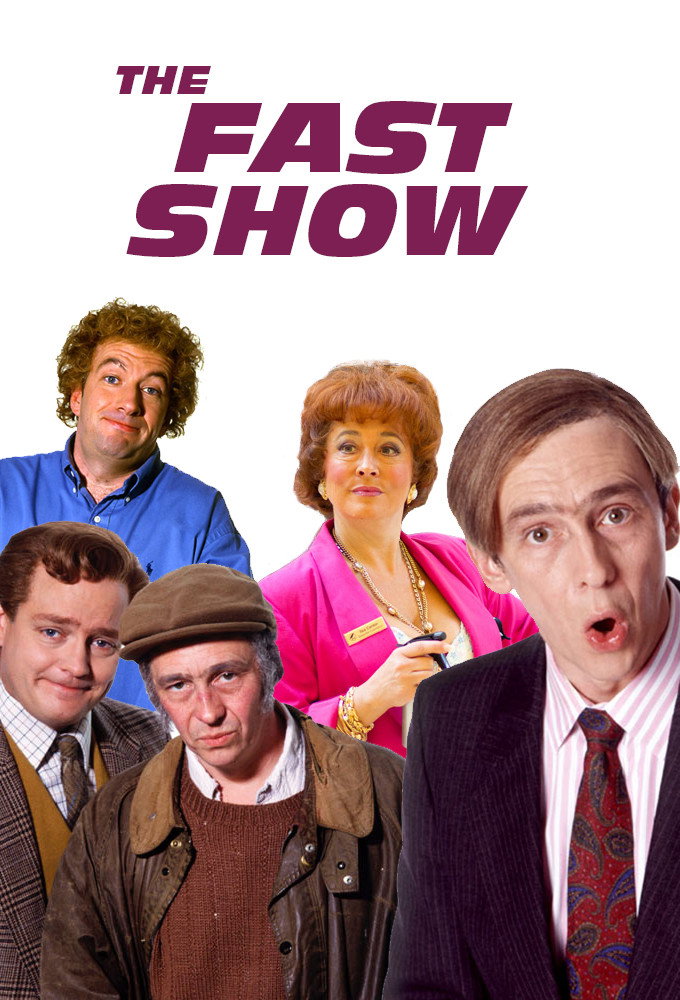
The Fast Show makes excellent company: quick sketches, sharply played characters and more feeling than the catchphrases suggest. Repetition sometimes turns recognition into the whole joke, but the cast usually gives us something worth coming back for.
Creators Paul Whitehouse and Charlie Higson make The Fast Show a funny, brisk and unexpectedly affectionate sketch programme, though repetition sometimes gets the better of it. Its half-hour length helps: irritation rarely has time to settle before another character appears. A familiar face can arrive, establish the joke and leave without being asked to sustain a small play. There is considerable pleasure in comedy that trusts us to catch up.
Director Mark Mylod keeps the short sketches from feeling like fragments of something longer. A voice or a bit of behaviour can establish enough for the joke, and the programme moves on without insisting that every character explain themselves. That pace matters most when an idea is thin: it is gone before it becomes a test of endurance. Broad caricature and more realistic observation can sit close together because neither has to fill the episode.
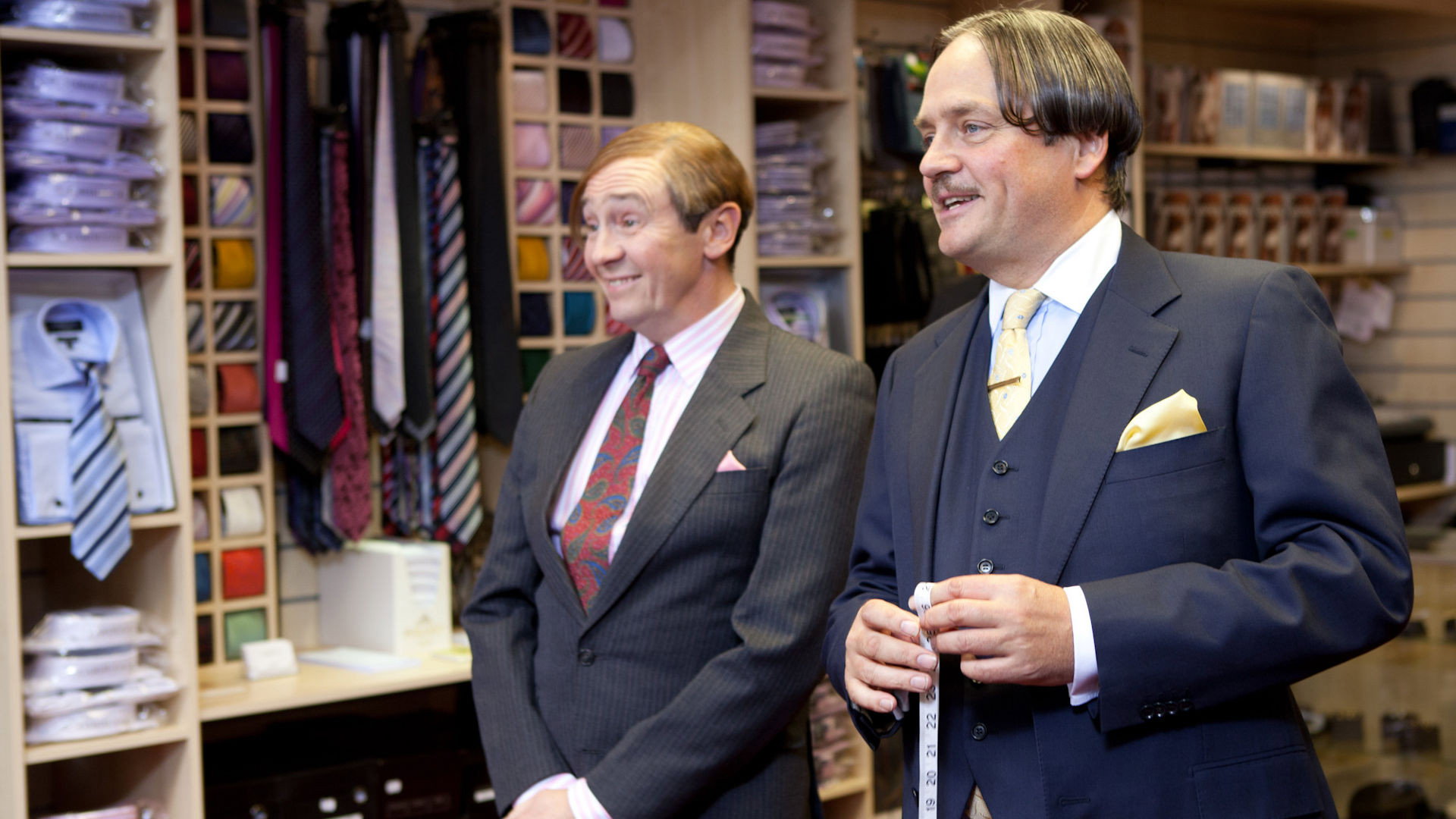
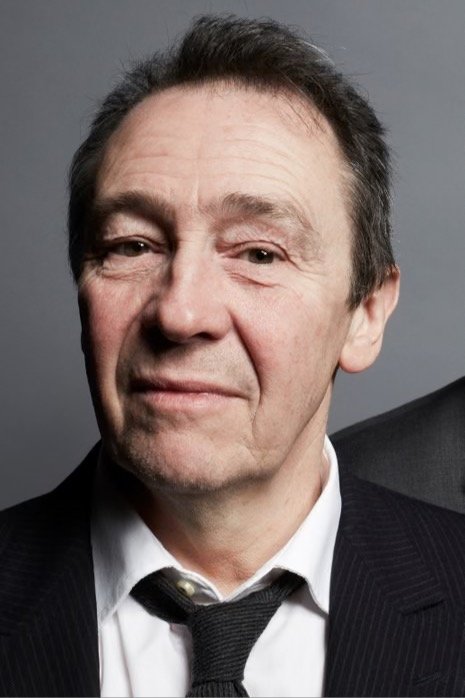
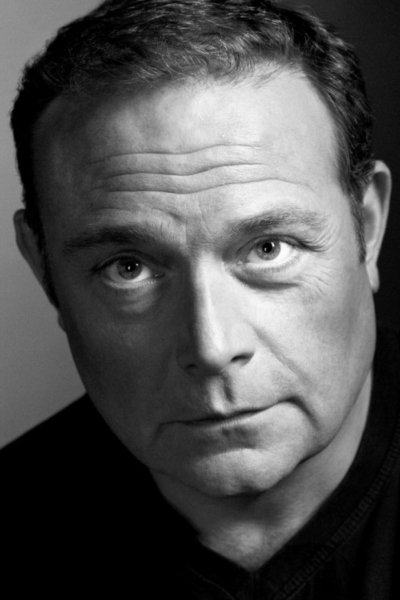
Mark Williams, John Thomson and Caroline Aherne are among the performers making that brevity work. The acting often supplies a joke that would look meagre written down: an incomplete phrase, an uncertain delivery, the effort of trying to say anything at all. We laughed hardest at the mumbling, before we could have repeated a word of it. The hesitation is funny because the person struggling to speak remains recognisable beneath the exaggeration.
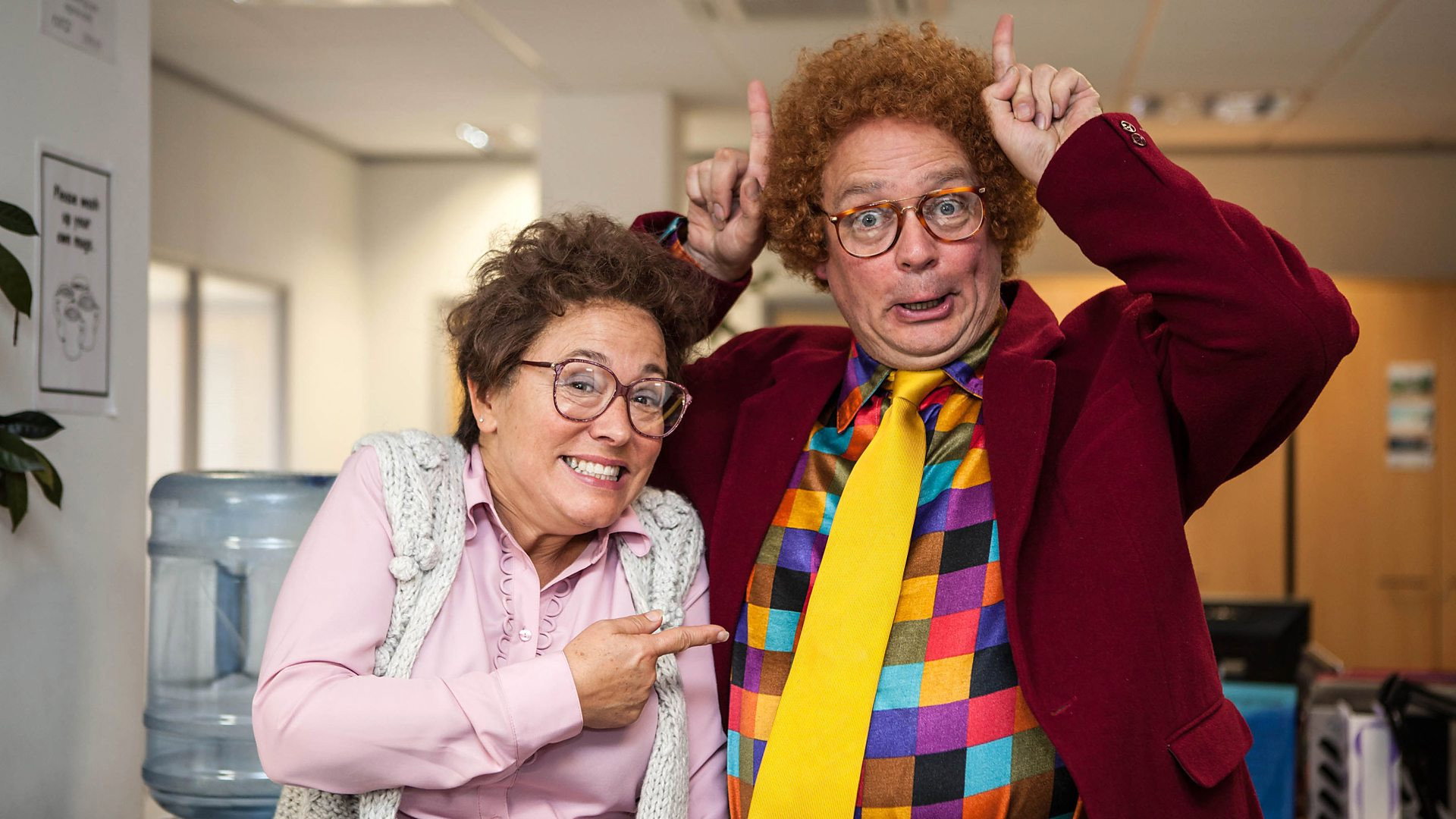
The recurring characters benefit from that care. Familiarity lets the actors begin further into a joke, because we already know something about the person delivering it, and a small change of emphasis can be enough. At its most enjoyable, repetition makes us listen closely instead of merely waiting for the words we know. Arabella Weir and Simon Day help give the ensemble enough variety to keep the quick succession of sketches from becoming monotonous.
The programme also allows its characters to be sad without treating every difficult moment as an invitation to stop the comedy. The more realistic performances make that possible: once someone seems recognisable, their unhappiness needs little explanation. These passages give the returning faces something to do beyond prompting us to remember a line. The warmth matters because a cast of people reduced entirely to verbal habits would be exhausting company.
The weakness comes when the familiar line is asked to be the entire sketch. There are routines where the expected words arrive and little else has happened; recognition is doing work the writing should have done. The speed makes this easier to forgive, although it cannot make the joke better. We occasionally found ourselves waiting for the next character rather than enjoying the one already there, which is a small but persistent cost of the format.
A sketch programme needs performances worth returning to once the surprise has gone, and there are plenty here. Compared with comedy that keeps labouring over a weak premise, its willingness to move on is welcome, even if some familiar routines could have been left behind altogether. Give the catchphrases a little space between episodes. Half an hour is a good introduction; an evening of imitation afterwards is entirely your own responsibility.