Mackenzie Crook’s comedy about two friends and their metal detectors is small on purpose and exactly written. The plots barely matter and sometimes show it; the fields, the silences and Toby Jones carry it.
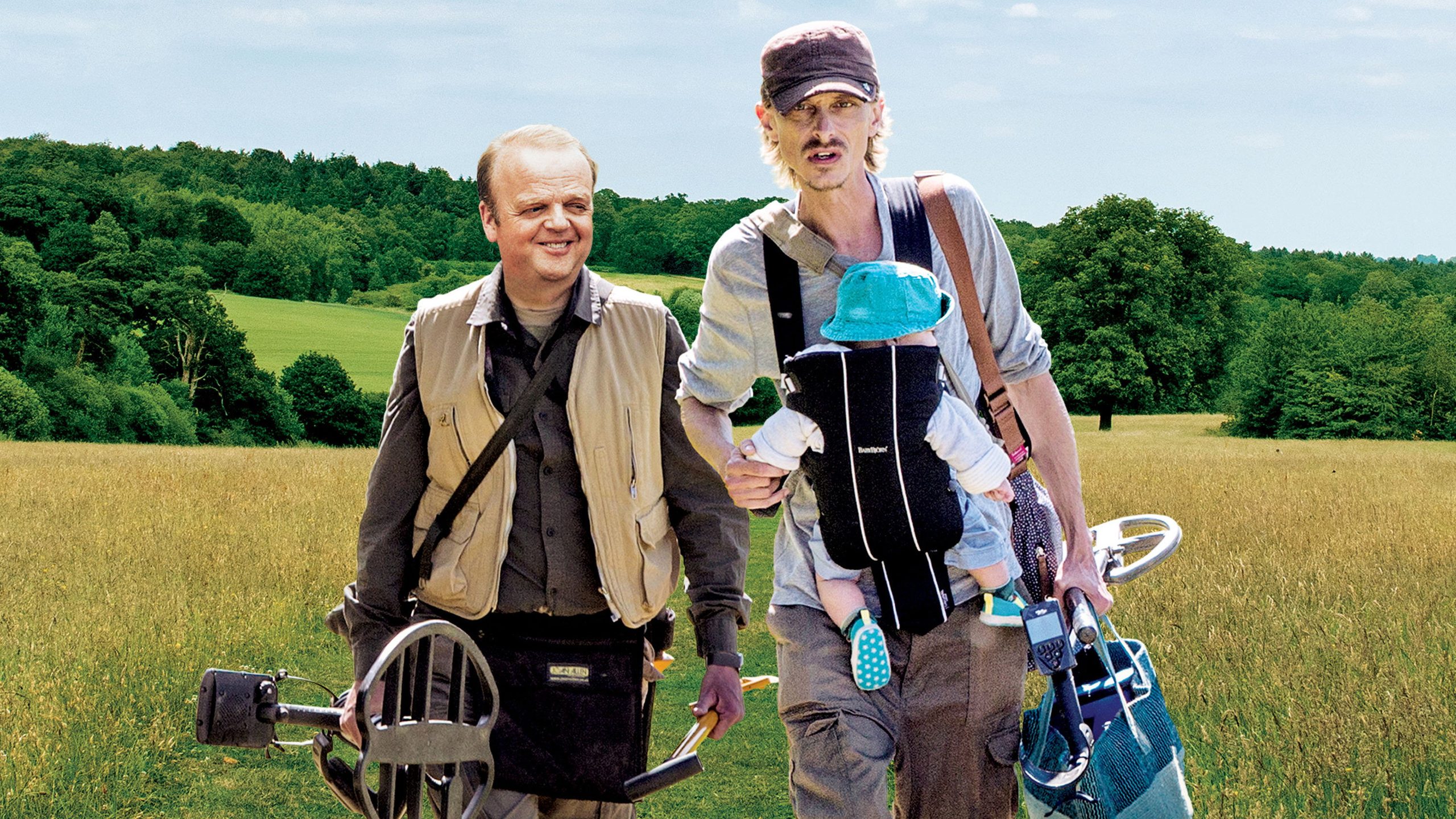
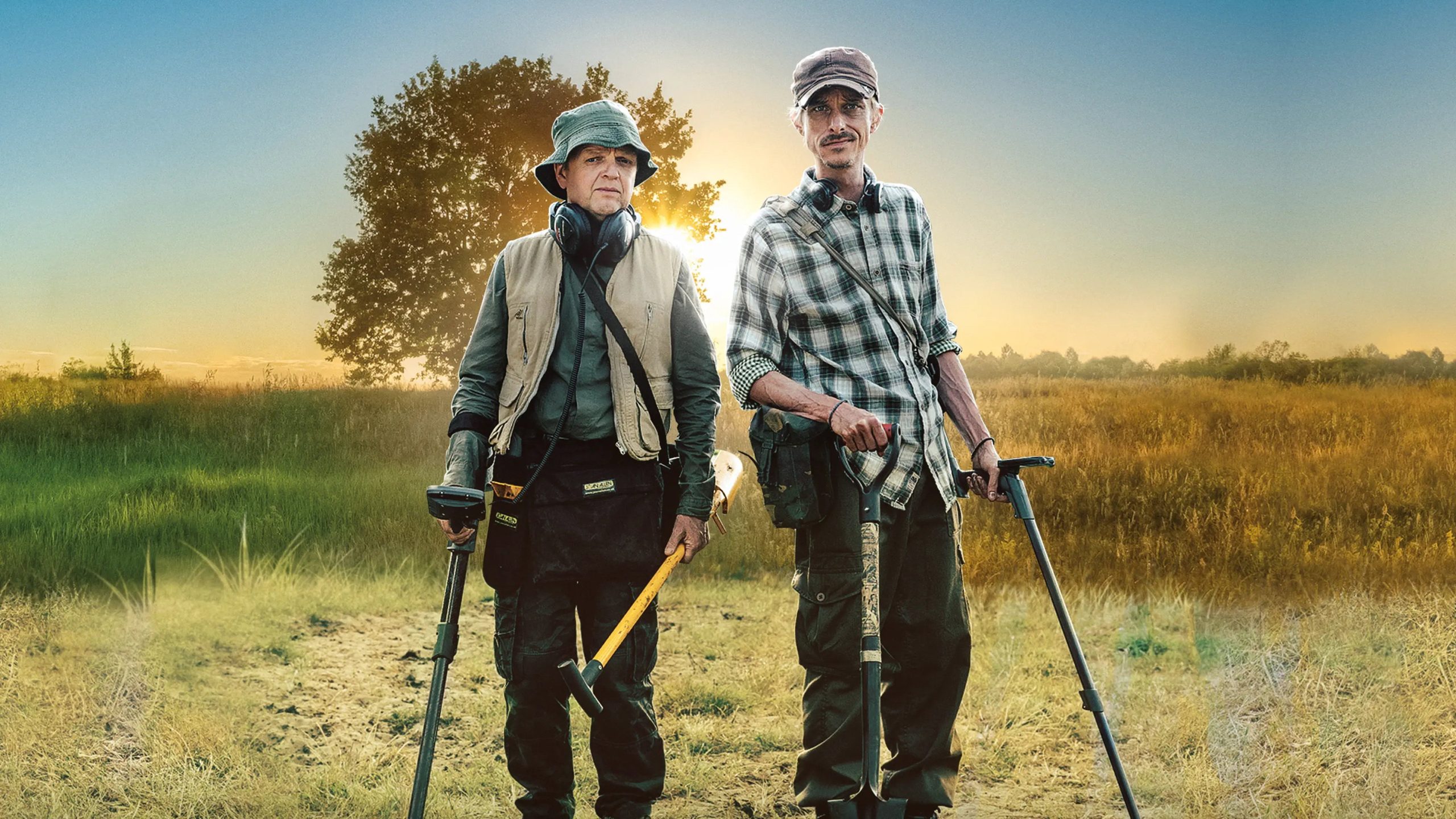
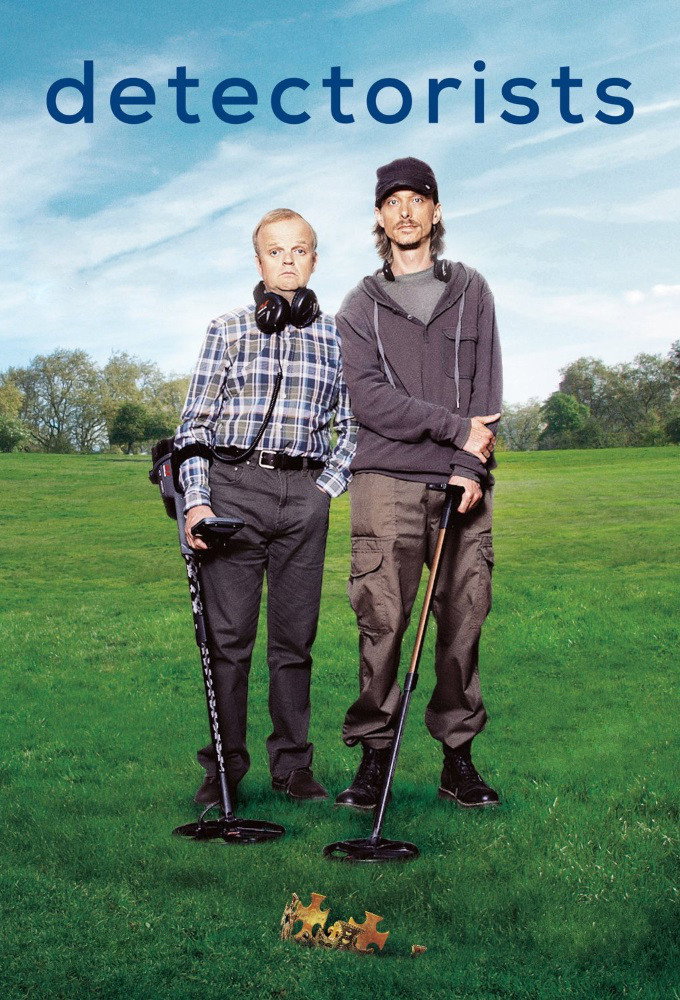
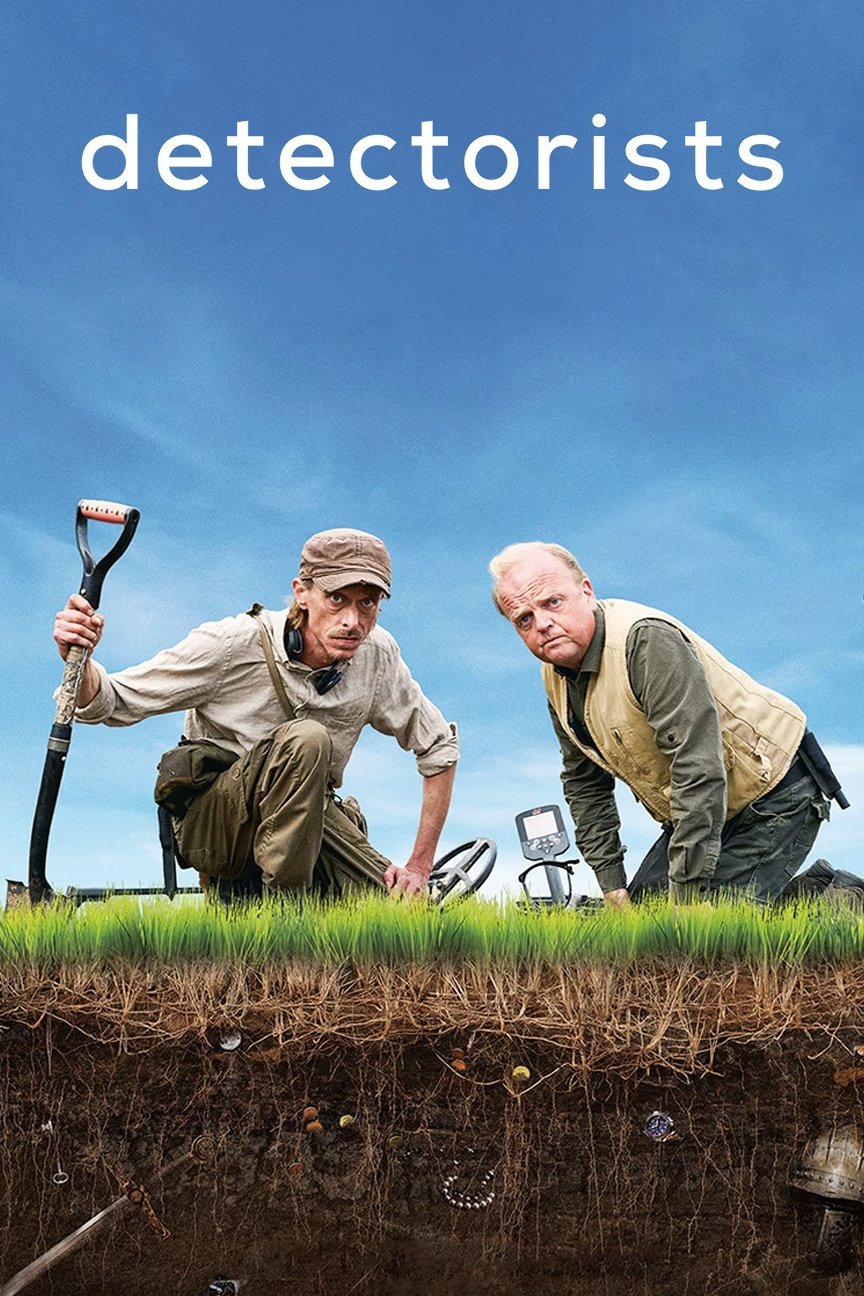
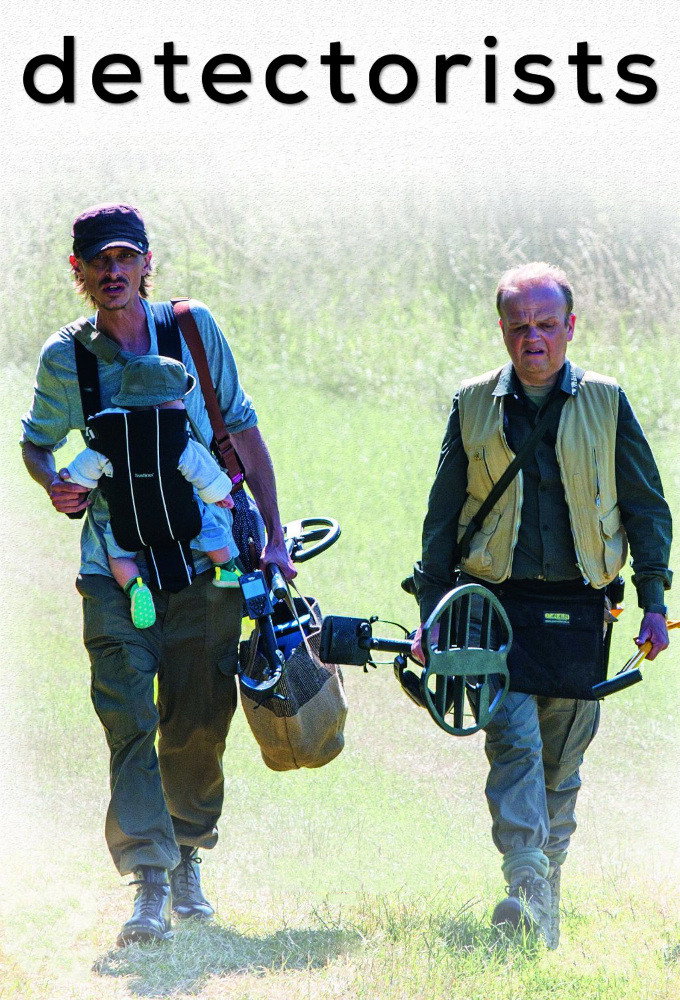
Mackenzie Crook wrote and directed every episode of Detectorists, three series of six, each half an hour, and all of it is about two men walking fields in Essex with metal detectors and finding almost nothing. Andy Stone (Crook) and Lance Stater (Toby Jones) want Saxon gold. What they get, week after week, is ring-pulls and buttons, and the series is about why they go out anyway. We think it is as good as British comedy has been in years, and our reservations are real and small.
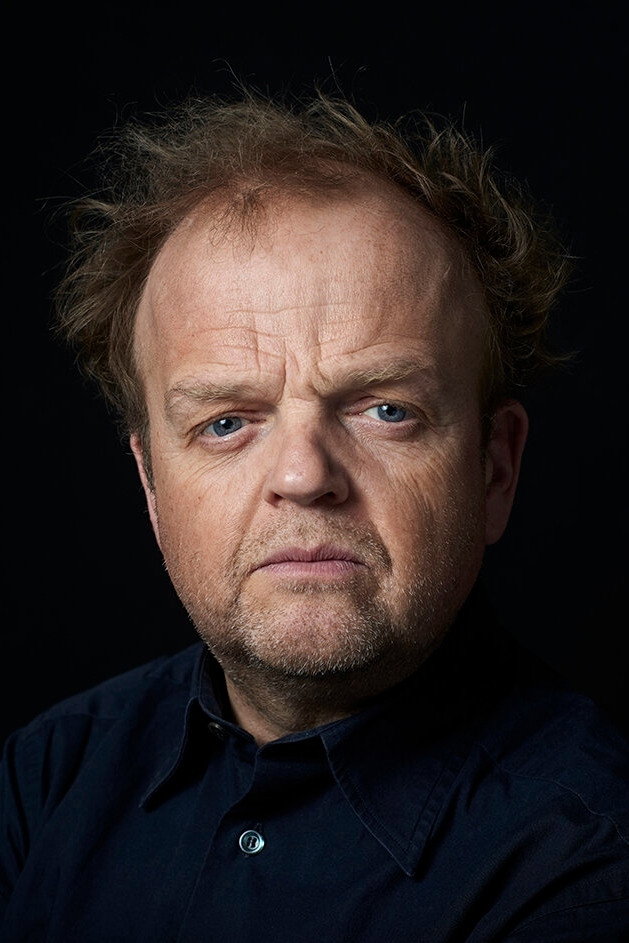
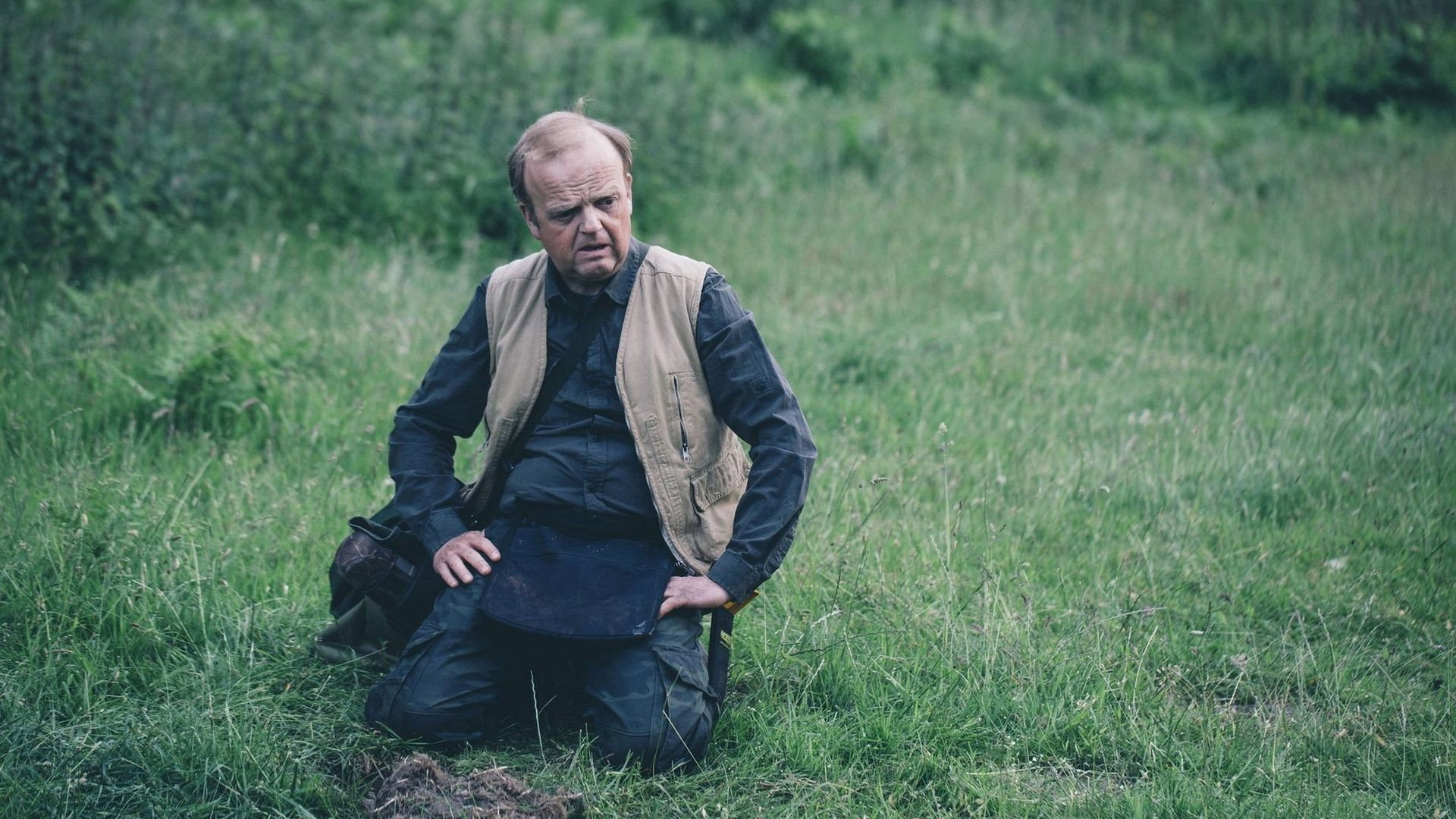
Jones does the harder job. Lance still hopes his ex-wife Maggie (Lucy Benjamin) will come back, and she knows it. Jones plays him as a man who has built his life around the hobby so he never has to look at the rest of it, and he is funny without once asking to be pitied. Crook’s Andy is the worrier, living with Becky (Rachael Stirling), who loves him and would like him to earn something. Crook writes their talk in the field so that neither man says what he means and both know what the other meant.
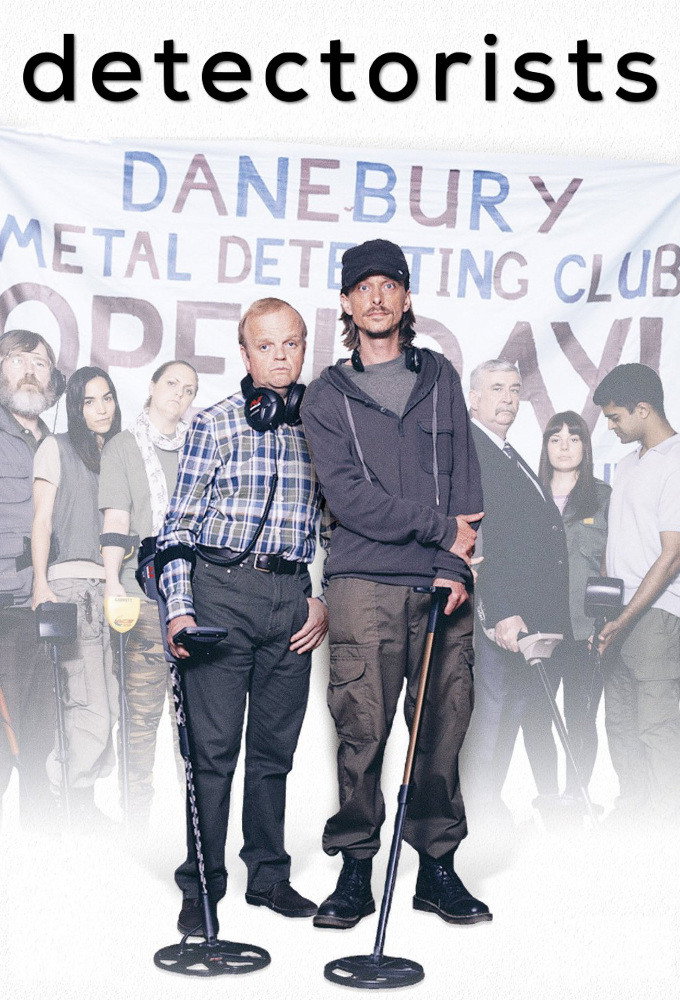
The club meets under Terry Seymour (Gerard Horan), who runs the meetings as if the minutes mattered, and his wife Sheila (Sophie Thompson) sits at the edge of the meeting and says one thing per episode that stops it. Hugh (Divian Ladwa) and Russell (Pearce Quigley) never find anything and never stop coming. A rival pair, Paul (Paul Casar) and his partner, turn up on the same fields with better kit. It is committee comedy, done with affection.
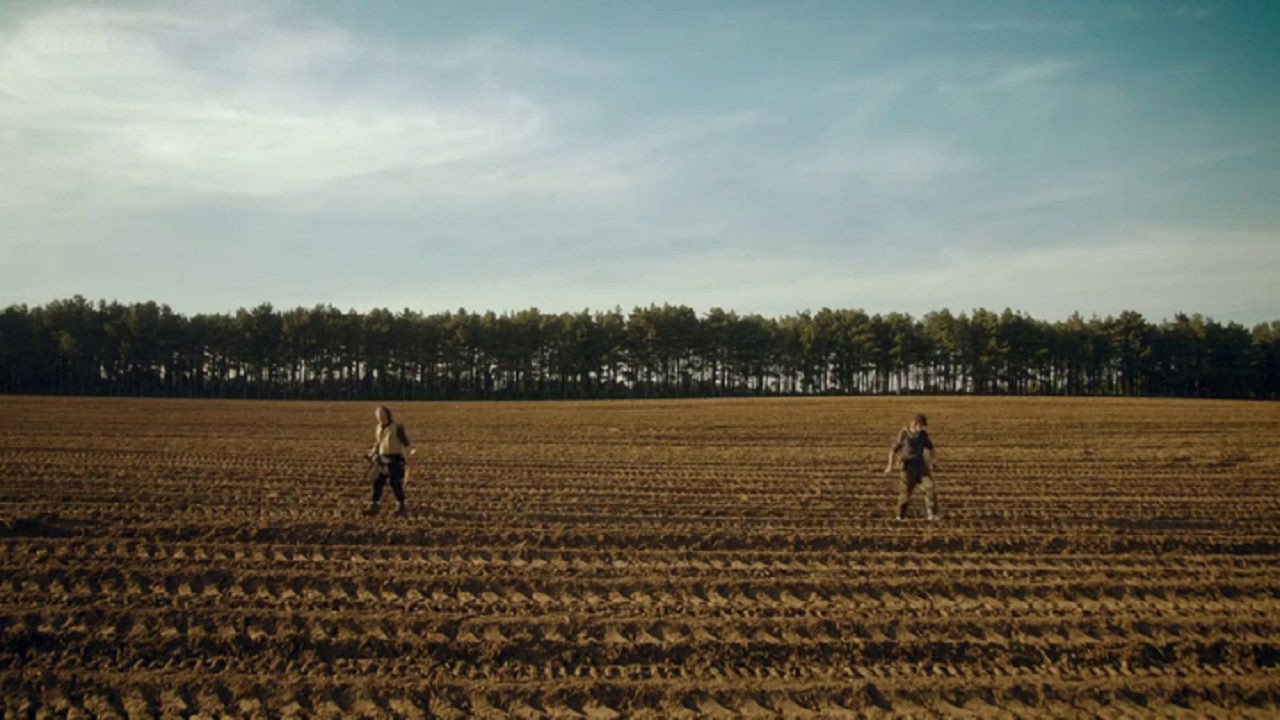
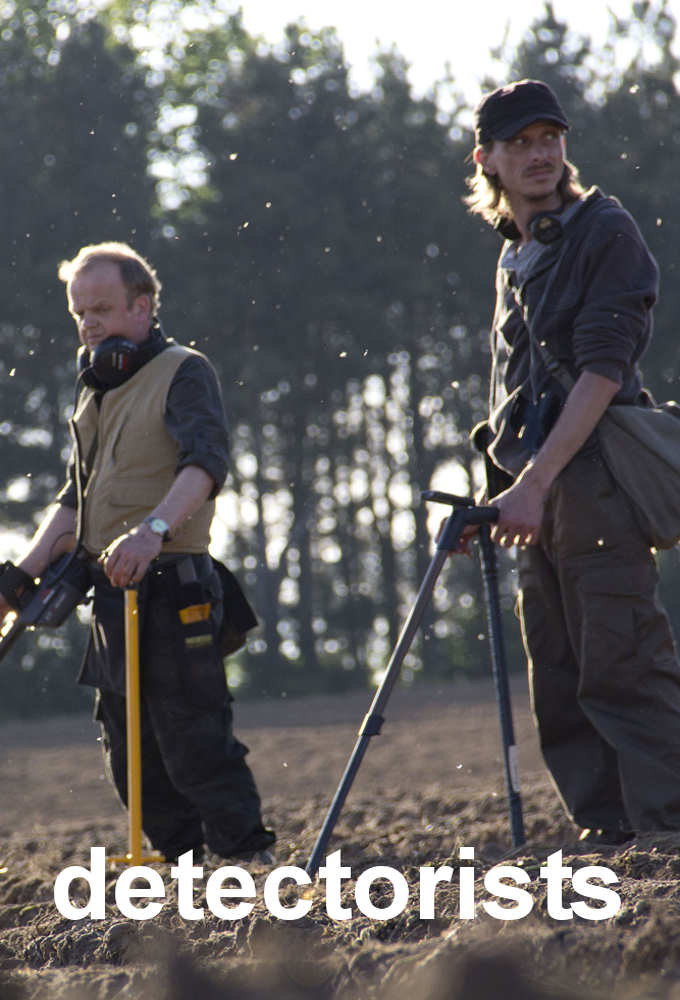
Jamie Cairney shoots the fields from a distance and low, so two men in anoraks are a pair of dots against a hedge and the sky takes most of the frame. Colin Fair, the editor, holds those shots past the point where a comedy would cut, and you start to hear what the men hear: skylarks, a tractor a field away, the whine of the detector. Johnny Flynn’s theme song is a finger-picked folk tune about searching the earth for someone; Dan Michaelson’s score seldom rises above a guitar. Samantha Harley gives Lance a flat where the finds outnumber the furniture, and Jackie Vernon dresses everyone in the fleece and cargo trousers you would see in any Essex car park on a Sunday.
There is a shot in the first series of the two of them sitting under a tree, saying nothing, while the camera stays wide and a breeze moves the wheat, and it moved us more than a comedy about ring-pulls has any right to. What did it was the stillness. Fair does not cut, nobody speaks, and Crook trusts that two contented friends are enough to look at for half a minute. More than once the camera also goes where the men cannot, into the soil below where they stopped, and we will not say what it finds.
The plots are the weakest thing in it. The rival detectorists, who has permission for which field, a lost find and who has it: all of this is broader than the people, and now and then Crook leans on it to get to the end of a half-hour. Maggie is written closer to a sketch than a person, and Benjamin does what she can with a woman who exists mainly to be unkind to Lance. Over eighteen episodes none of this costs much.
There is a version of Detectorists that would have been a mockumentary about men in anoraks, shot to make us feel superior. Crook chose the opposite. The series never stands outside its people to laugh at them.
Watch it from the beginning and in order, because it is one story told slowly. It carries a 15 certificate, which seems stern for a series whose worst offence is the occasional swearword and a great deal of sitting down. If you need a plot, look elsewhere. If you would like nine hours with two people who are happy, it is here.