Julia Davis’s sitcom about a woman who treats her husband’s cancer as an inconvenience is as cruel as its reputation and funnier than it has any right to be. It is not for everyone, and the second series sags, but Jill Tyrrell is one of the great comic monsters.
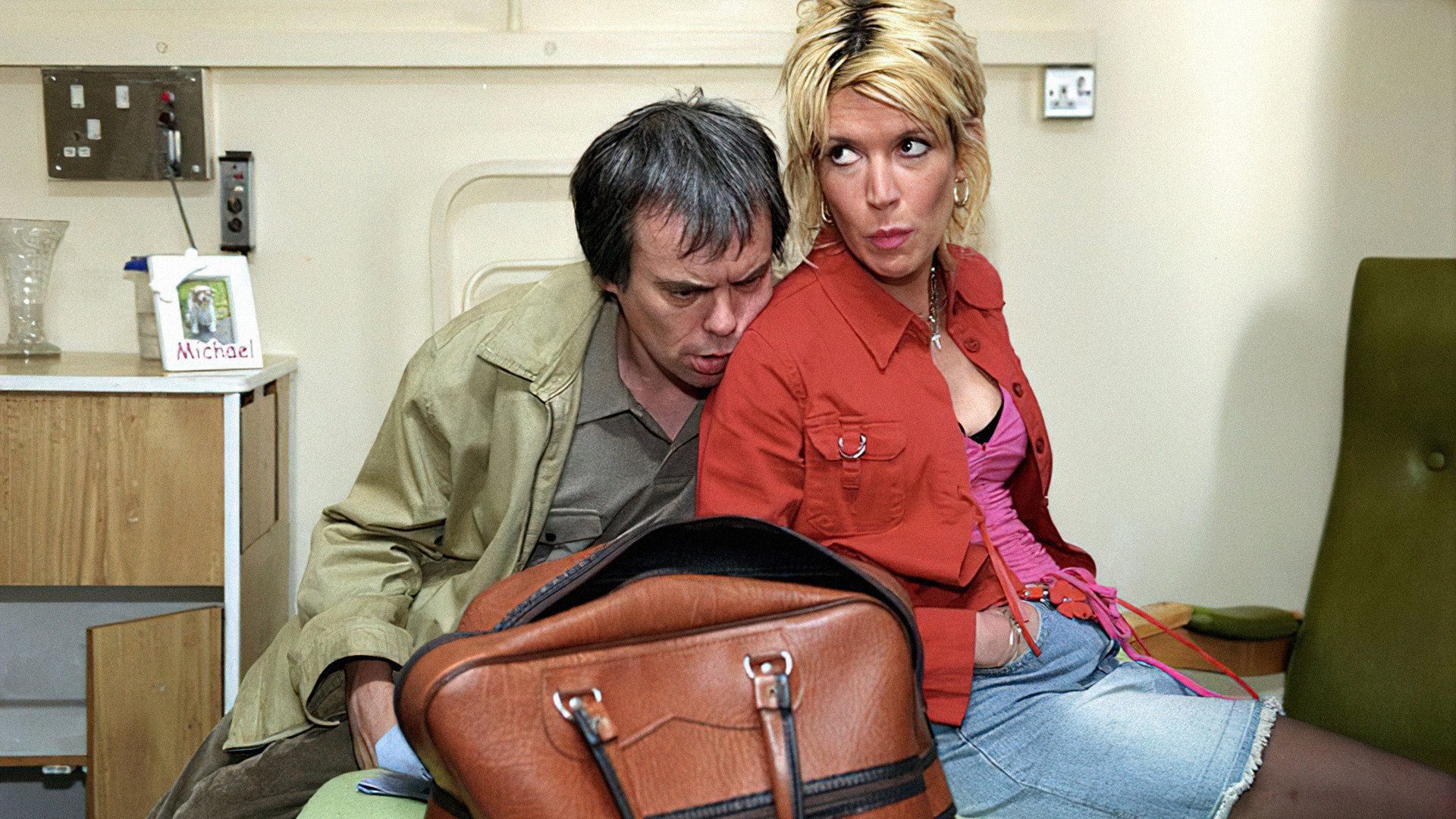
Julia Davis created Nighty Night, produced it and plays its lead, and the programme is entirely hers in the way that only the best and worst sitcoms are. Jill Tyrrell runs a beauty salon. In the first episode her husband Terry is diagnosed with cancer, and she begins to mourn him, loudly and in public, while he is still well enough to argue about it. Two series of six half-hour episodes followed, the first in January 2004 and the second in September 2005, and both carry an 18 certificate, which for a sitcom is a kind of warning label. The question the show asks is whether a comedy can survive a lead with no redeeming feature at all. The answer, most of the time, is yes.
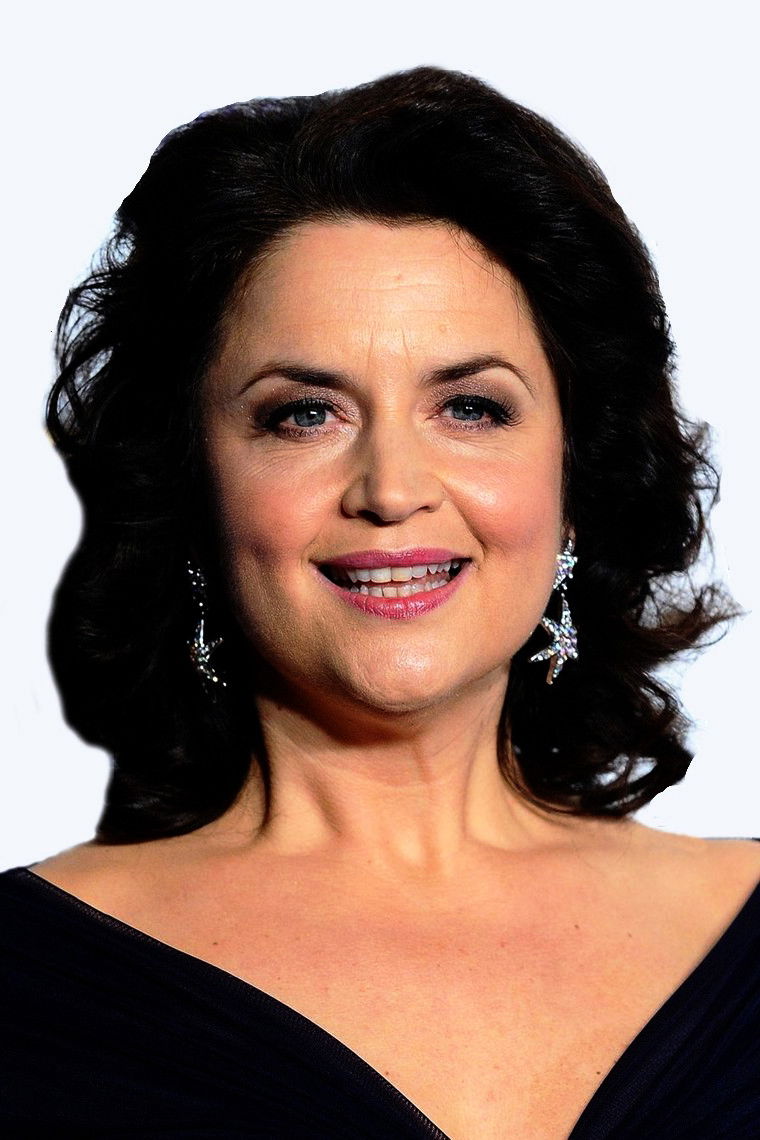
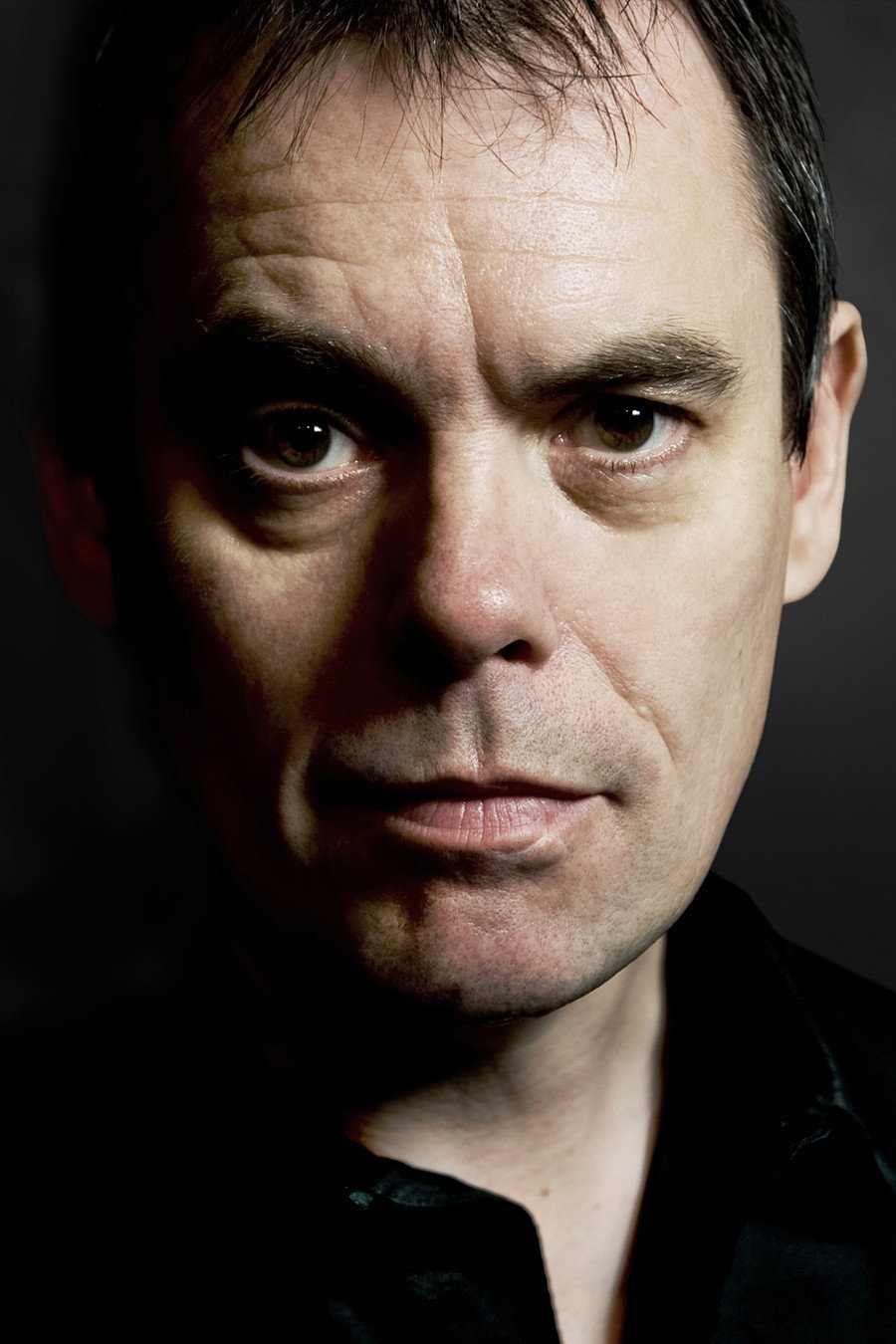
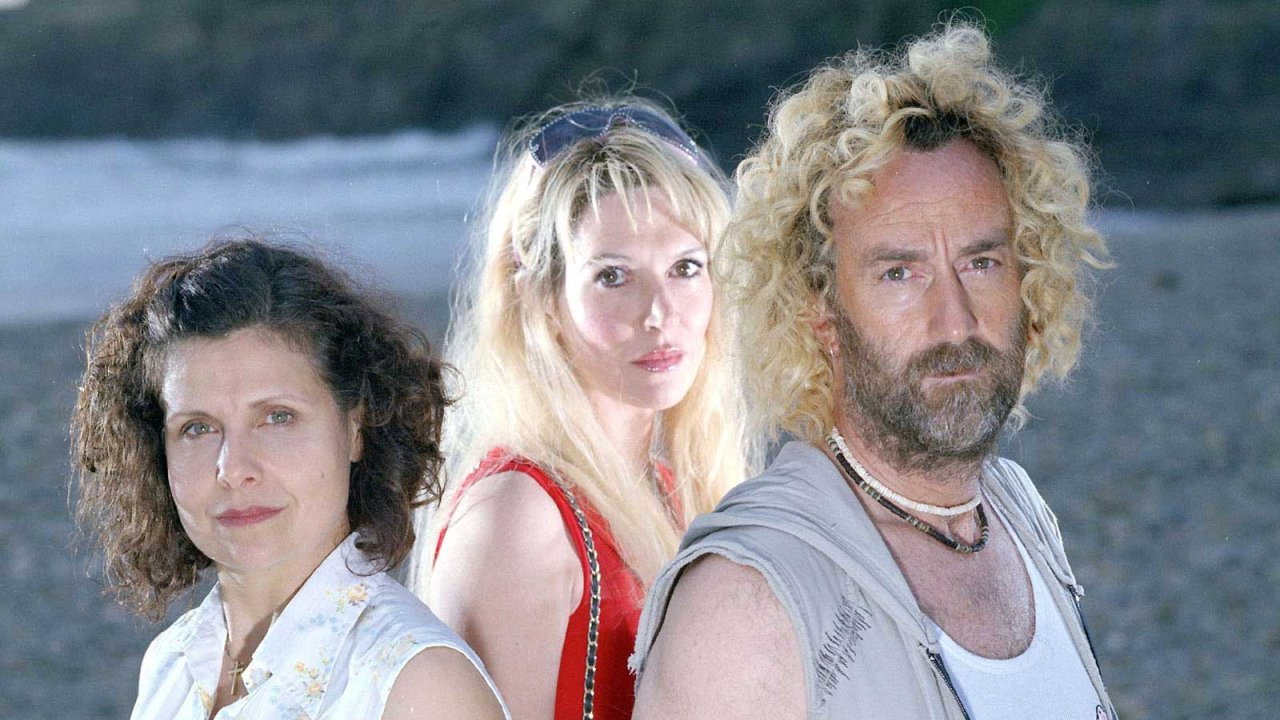
Davis’s performance is the reason. Jill tilts her head, lowers her voice to the pitch people use at funerals, and says things that would empty a room. She is never angry and never raises her voice; the cruelty comes out as concern. Kevin Eldon plays Terry as a decent, baffled man who keeps being told he is dying by the one person who ought to be on his side, and he gets some of the biggest laughs by doing almost nothing. Ruth Jones’s Linda, bullied about her weight from the first scene, takes it with a patience that is funnier and sadder than any comeback would be.
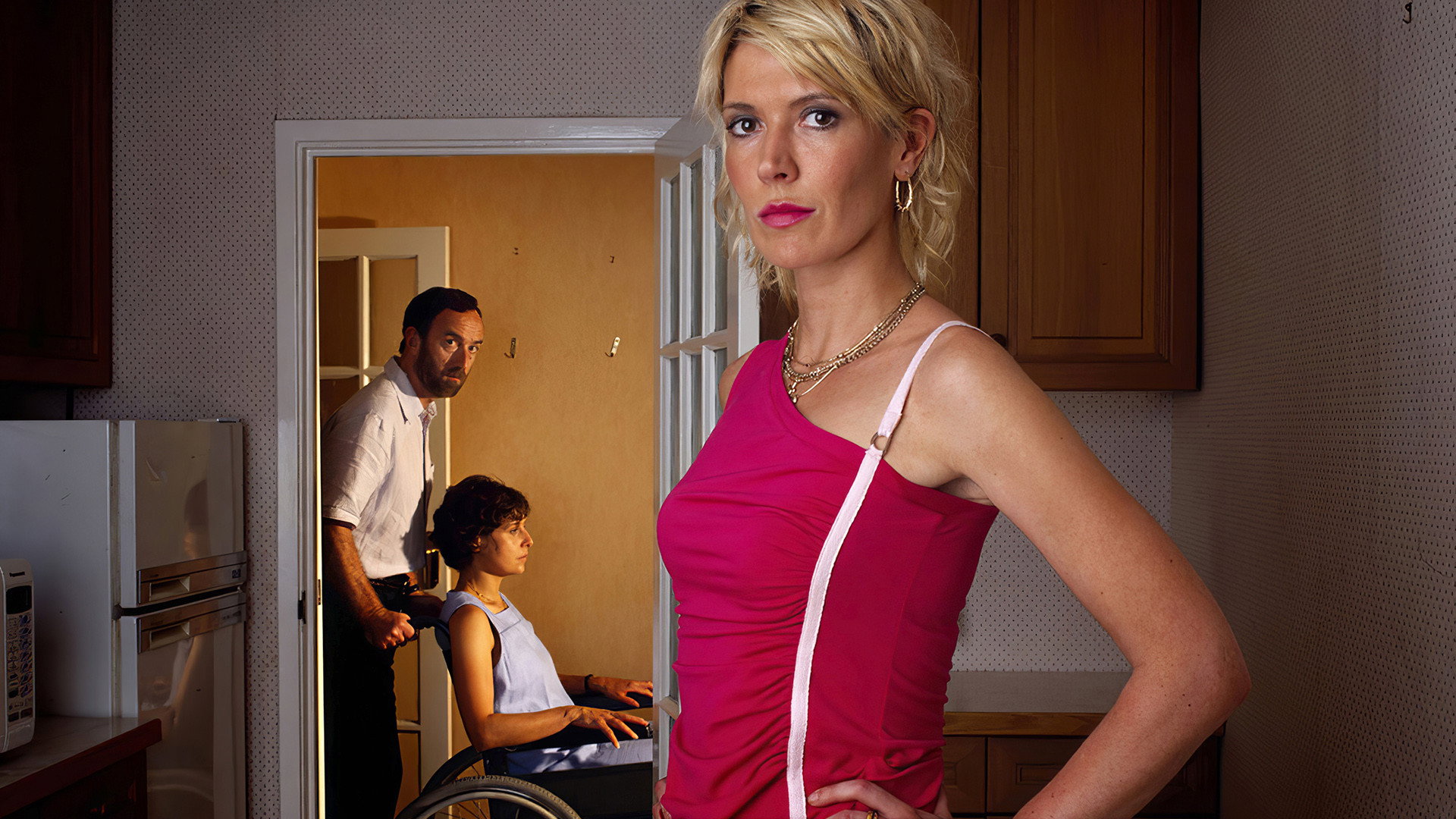
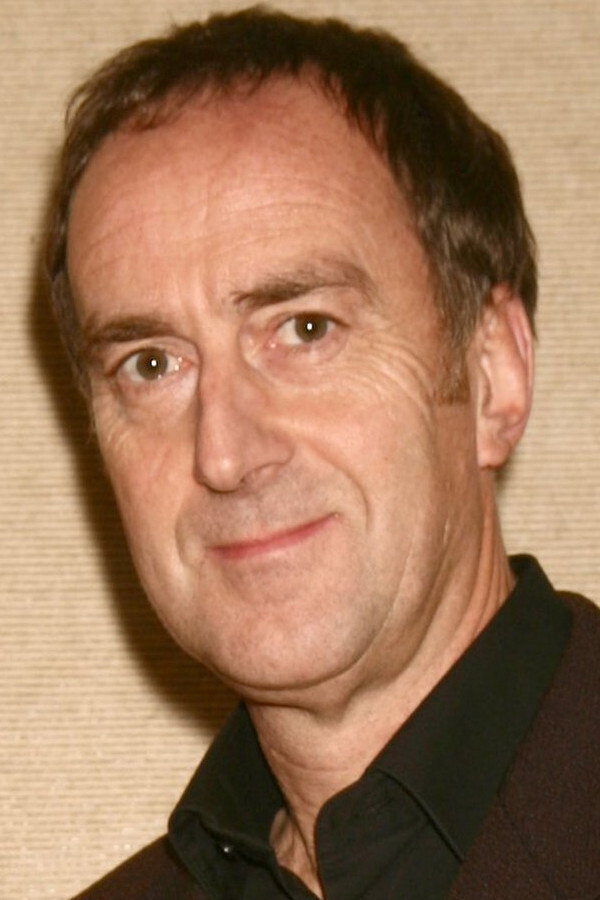
The Coles next door are where the programme finds its nerve. Rebecca Front plays Cathy with real kindness and a slightly prim faith in other people, so that every time Jill does something appalling to her, Cathy’s first instinct is to apologise. Angus Deayton’s Don is a mild, drifting GP who cannot quite see what is in front of him, and Deayton plays the blankness straight. We laughed hardest, and felt worst about it, whenever Jill knelt to wheelchair height and spoke to Cathy in that soft voice before doing something to her that would get most people arrested. The laugh comes first and the shame a half-second later, and Davis times it so that there is no gap in which to feel comfortable.
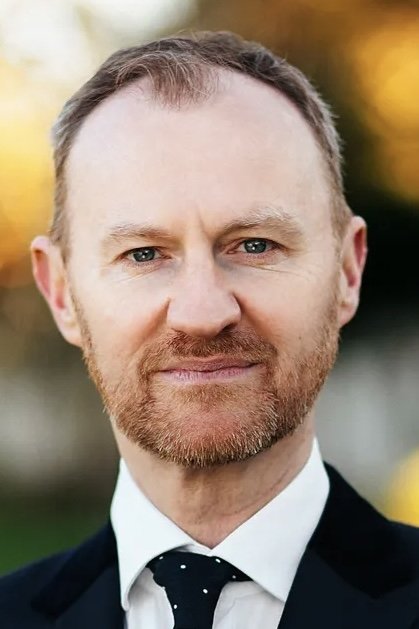
Mark Gatiss’s Glenn Bulb is the other great creation, a man so lonely that Jill’s contempt reads to him as flirting. Gatiss plays him with a stunned tenderness, and his scenes are the only ones where Jill is not quite in control, because Glenn cannot be insulted into leaving. Felicity Montagu’s Sue Forks, all cardigans and church rotas, is the show’s idea of goodness and is treated accordingly. Ralph Brown turns up as Jacques and is briefly, gloriously seedy.
Dewi Humphreys and Tony Dow direct it flat and bright, like a daytime programme, with no laughter track and no music telling us how to take it. They hold on faces a second longer than is comfortable, so the awkwardness has nowhere to go. It is the right choice. Shot any other way, with any wink at all, the whole thing would be unbearable.
It is not without faults, and they matter. Every character exists to be a victim, and once you have grasped that, the only shape the writing has is escalation: each episode must find something worse for Jill to do than the last. Nobody in this town ever rings the police. The second series moves Jill somewhere new, still in pursuit of Don, and repeats the pattern with less surprise and less room for Front. By its middle we were tired, and slightly cross with a programme that had begun to confuse tiredness with shock.
British comedy has a long line of monsters, from Alan Partridge to David Brent, and nearly all of them are given a moment of vulnerability so we can pity them. Davis refuses. Jill has no wound and no excuse, and the show never softens to explain her. That is either its bravest decision or its most limiting one; it is certainly the thing that separates it from everything around it.
Watch the first episode. If you are laughing at the end of it, you will watch all six tonight. If you are not, stop there, because it does not get kinder, and the 18 is earned.