Larry David makes everyday disagreement painfully funny, with a supporting cast who know precisely how long to let him talk. The repeated quarrels can become wearing, so this is a comedy best taken an episode at a time.
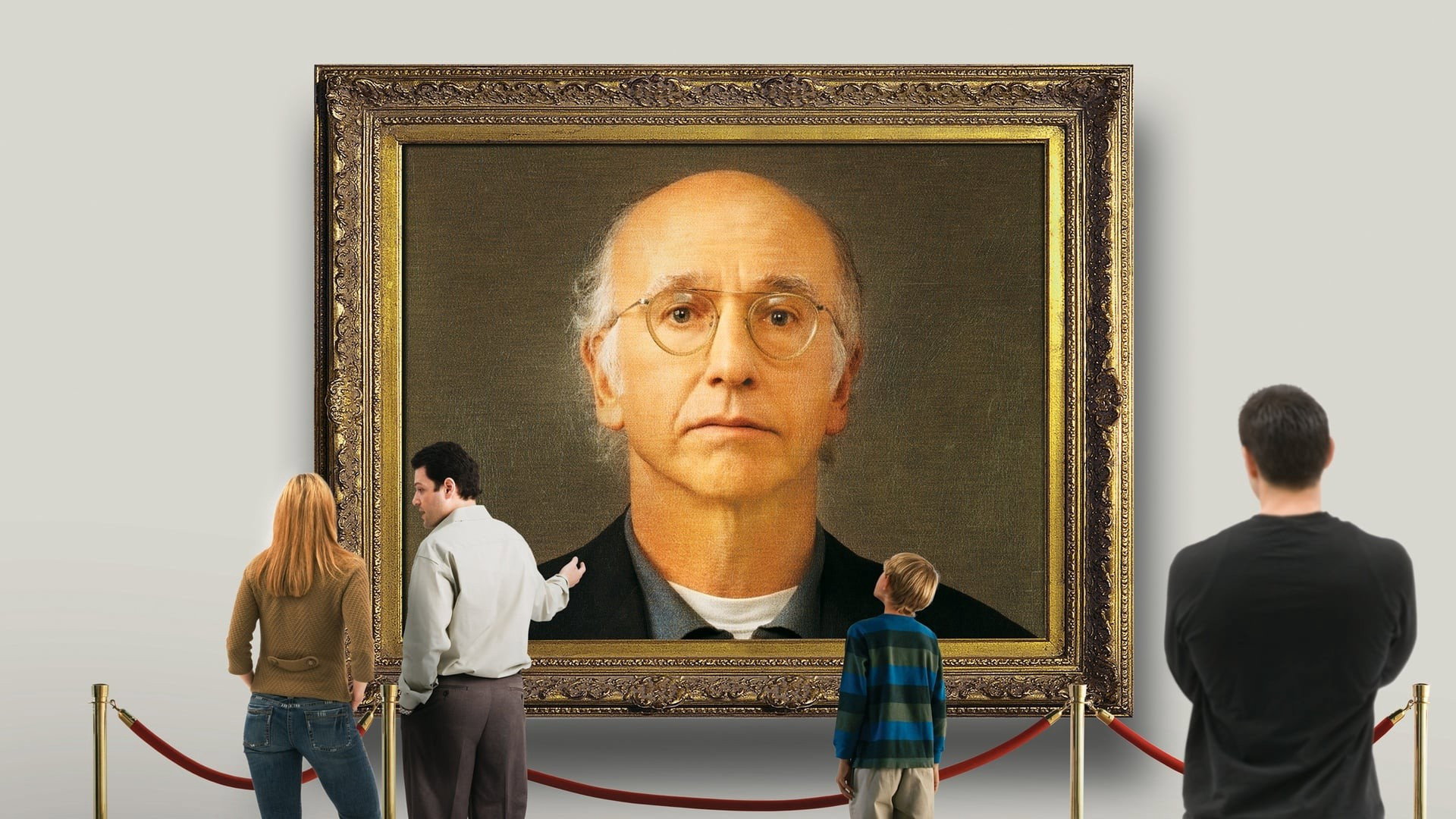
Curb Your Enthusiasm is an excellent comedy about a man who can make an ordinary conversation unbearable by refusing to leave it alone. Larry David plays Larry David, and his chief comic weapon is the conviction that one more explanation will clear everything up. The programme takes the small irritations most people swallow and gives them far more attention than they deserve. We recommend it warmly, provided prolonged social embarrassment counts as entertainment in your household.
David is particularly good at making an objection sound reasonable at first. He gives Larry enough certainty to keep a disagreement going, and little apparent awareness of how exhausting he has become. We laughed at David’s persistence, then wanted him to stop talking. He keeps explaining his objection after the other person’s patience has plainly gone, and the extra explanation is what makes us squirm. His irritation remains intelligible even when his behaviour has become ridiculous.
Cheryl Hines gives Cheryl David a steadiness that helps measure just how unreasonable Larry is being. Jeff Garlin’s Jeff Greene feels comfortably at home in these disagreements. Susie Essman, as Susie Greene, brings a force that David cannot simply talk around. JB Smoove’s Leon supplies a different comic rhythm, his confidence making room for exchanges that would otherwise risk sounding much alike. These actors allow conversations to become awkward without signalling that a joke is about to arrive, which keeps the embarrassment plausible.
Directors including Robert B. Weide and Jeff Schaffer keep the improvised exchanges close to the untidiness of an actual quarrel. People appear to be working out what they mean while saying it, which makes the offence harder to anticipate. Cinematographers including Patrick Alexander Stewart favour a watchful, documentary-like approach that makes us feel uncomfortably close to the disagreement. David Maturana’s production design does its job without competing for attention, a sensible choice when a distraction could let us escape the people talking.
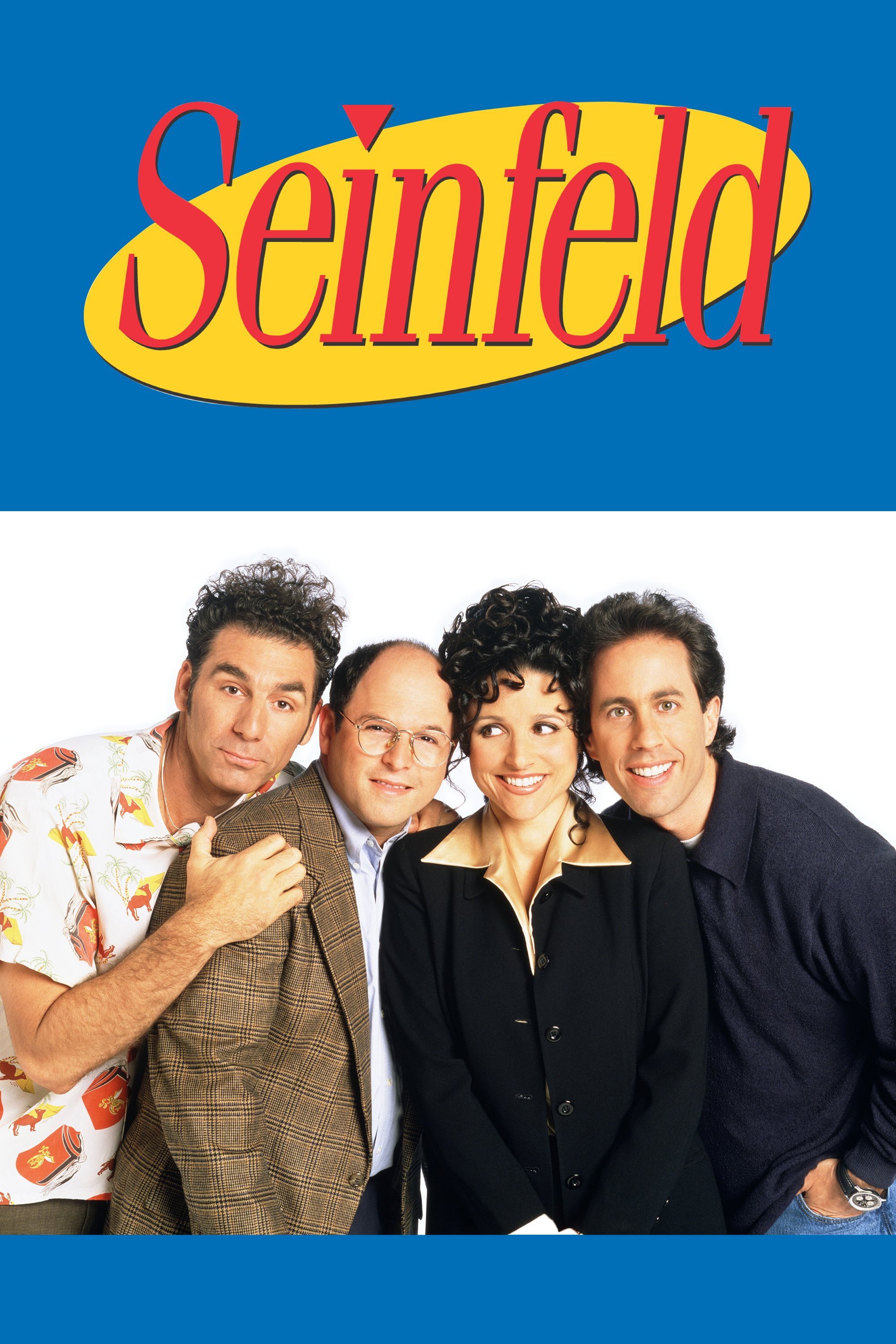
The plotting is more deliberate than the loose exchanges initially suggest. Separate grievances gather complications and cross one another, using the multi-strand sitcom construction familiar from Seinfeld. Editors including Steven Rasch and Jonathan Corn give conversations enough room to become uncomfortable while keeping those strands legible. There is pleasure in watching a petty objection acquire consequences, though the construction becomes easier to spot once we start expecting each detail to matter later. The improvised speech helps because a scene can sound unplanned even when it has a clear job to do.
The weakness is repetition, and David’s performance cannot always disguise it. Once the likely shape of a disagreement becomes apparent, another round of explanations can prolong a scene without making it funnier. The surrounding characters sometimes seem unusually touchy even by this programme’s standards, which makes the embarrassment feel arranged. Across twelve seasons, the formula also offers limited relief from Larry’s company; watching several episodes together can turn a comic pleasure into a fairly wearing acquaintance.
Against the usual comedy of manners, this is unusually willing to let an awkward exchange remain unresolved. There is no reassuring hurry to make everyone pleasant company again. That gives the actors time to make a hesitation or a renewed objection funny, without needing a fresh incident to move things along. Try an episode with someone whose minor habits annoy you, but perhaps keep those habits to yourself.