Alec Berg brings a writer's care for structure to television comedy, giving unreasonable people room to make themselves understood. We value that discipline, though the repeated quarrels in Curb Your Enthusiasm can be wearing.
Fi1m perspective
In Curb Your Enthusiasm (2000), Larry David keeps an everyday disagreement going long enough to make the company suffer. The supporting cast know when to leave him talking, and when to let the discomfort register. We laughed, then grew uncomfortable as they let an ordinary disagreement become painfully prolonged. This is the television comedy we rate Berg for: carefully organised, sharply played and willing to test our patience.
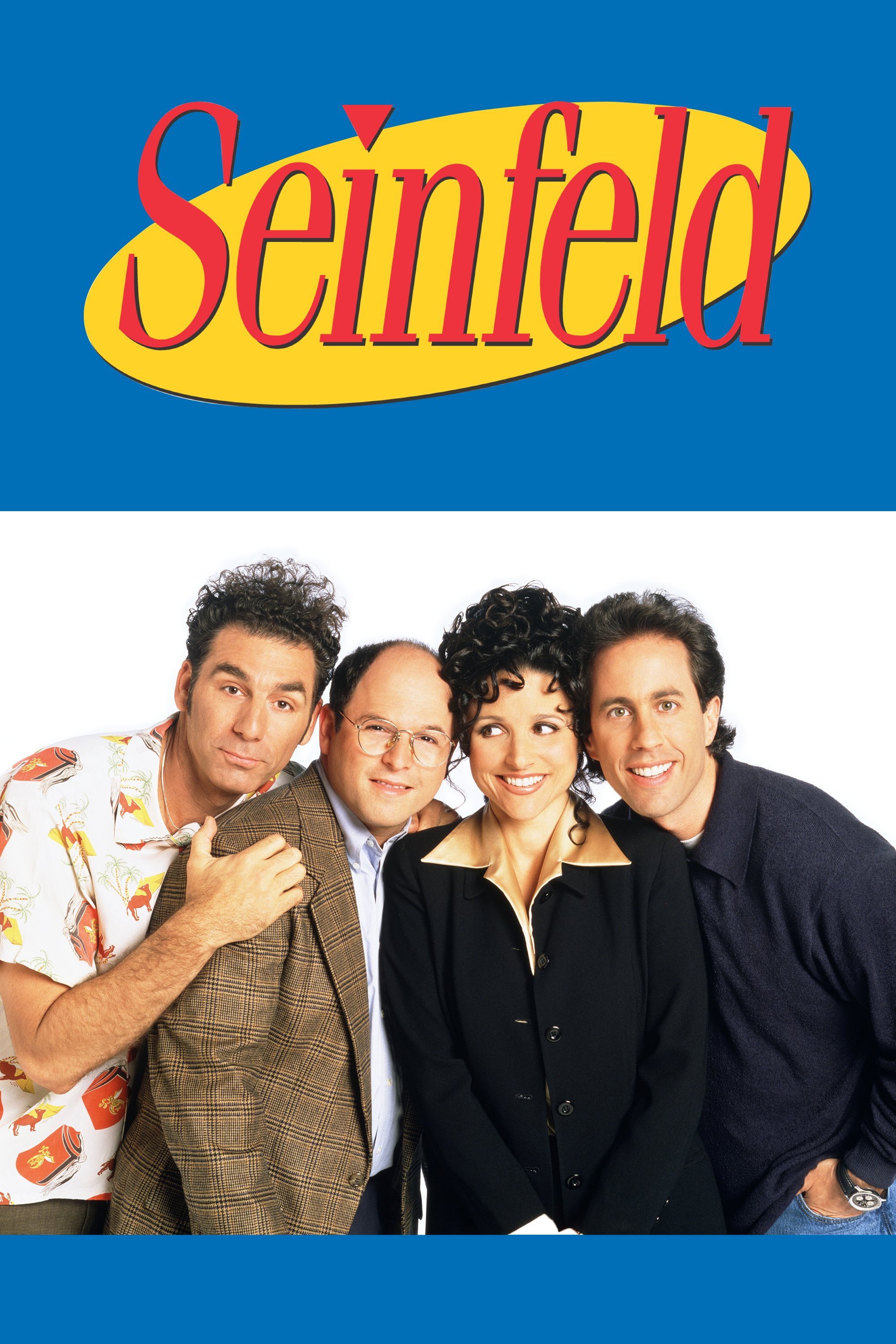
Seinfeld (1989) came first, with Berg joining the writing staff in 1994 for its final four seasons. Its selfish quartet and tightly connected plotting make a strong case for taking trivial grievances seriously enough to build an episode around them. Larry David taught Berg to settle the structure before the dialogue, a lesson he carried into Curb Your Enthusiasm. We would not give one writer credit for an ensemble comedy's success, but his stated working method fits what we admire about the programme.
Berg began producing and directing Curb Your Enthusiasm in 2005, applying that outline-based approach to its disputes. The value of the method is that an argument can tell us who someone is while also getting the episode to its next scene. It does not make every quarrel equally rewarding, and the repetition can become tiring. We recommend the programme an episode at a time; the people on screen have more appetite for another dispute than we do.
The later work takes those habits into more specialised workplaces: technology start-ups in Silicon Valley (2014), and acting in Barry (2018). Berg served as showrunner, writer and director on the former, and co-created the latter with Bill Hader, also writing and directing episodes. He favours recognisable motives even in absurd situations, treating criminal or professional activities as mundane jobs. That gives the actors something more useful to play than the oddness of a premise. Start with Seinfeld, and allow its tentative opening episodes a little time before deciding how much company these people deserve.
Biography
Alec Berg is an American screenwriter, producer and director. He wrote for the final four seasons of the sitcom Seinfeld (1989) and has directed episodes and contributed stories to Curb Your Enthusiasm (2000).
Berg graduated from Harvard University, where he wrote for The Harvard Lampoon. He co-created the series Barry (2018) with Bill Hader and has served as executive producer and writer on Silicon Valley (2014). His film credits include co-writing EuroTrip (2004), The Dictator (2012) and The Cat in the Hat (2003).