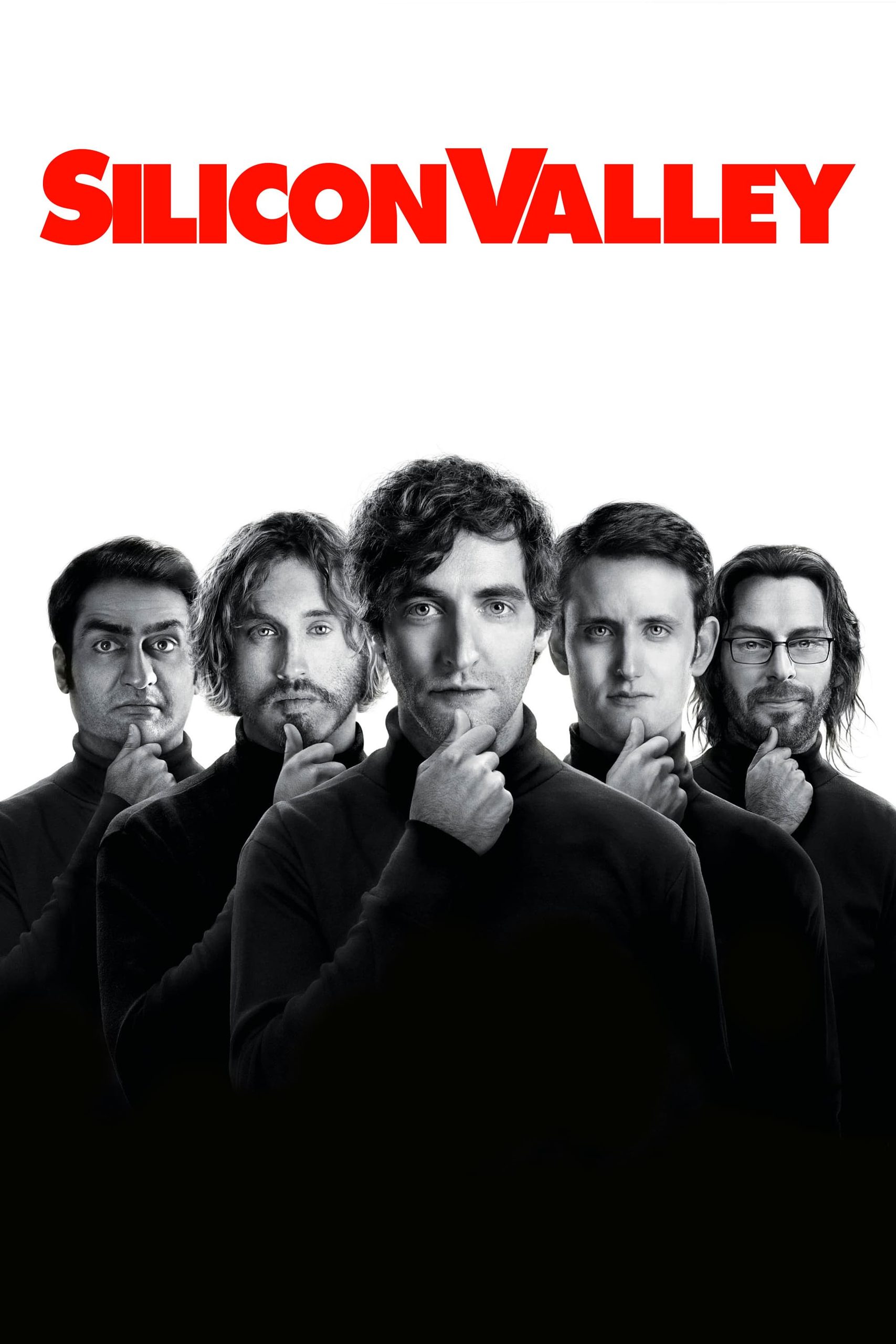
Mike Judge’s start-up comedy is the sharpest thing written about the tech industry, and Thomas Middleditch’s flinching Richard Hendricks holds it together for six years. It also has one plot and tells it every season, and the later runs feel it.
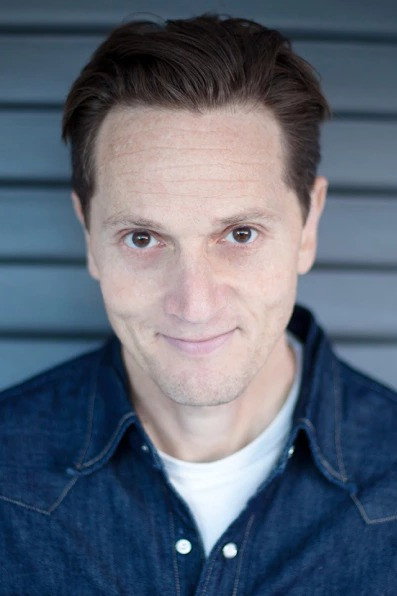
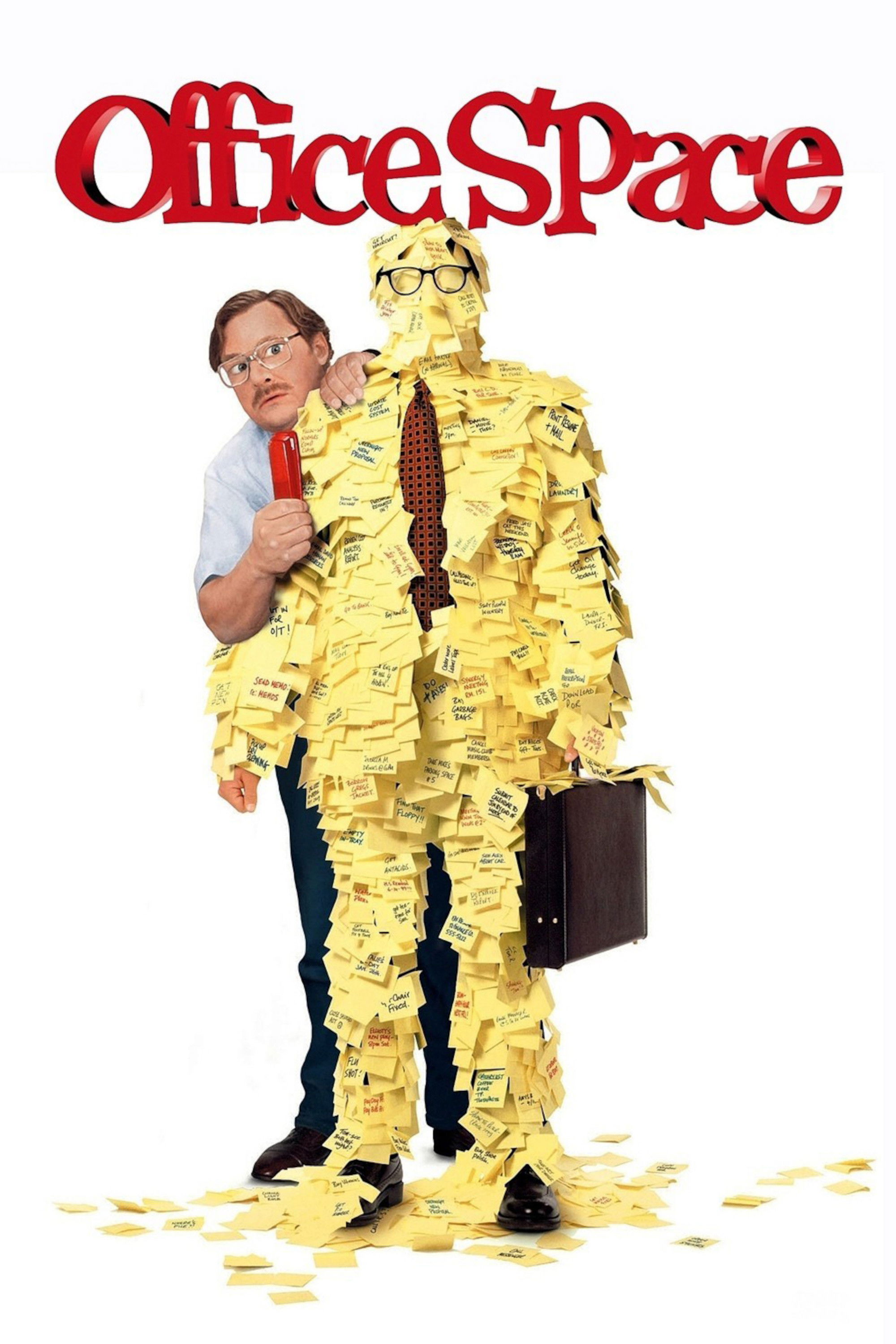
Mike Judge made Office Space about people who hated their jobs. Fifteen years on, with John Altschuler and Dave Krinsky, he made Silicon Valley about people who love theirs and are no happier for it. Richard Hendricks (Thomas Middleditch) writes code at Hooli, a firm of the Google sort, and has built a compression algorithm without noticing what he has done. Gavin Belson (Matt Ross), who runs Hooli, offers to buy it outright; Peter Gregory (Christopher Evan Welch), a venture capitalist who speaks as though each word were billed, offers far less for a stake. Richard takes the stake. It is a fine comedy and we recommend it, with the caveat that it has one story and tells it six times.
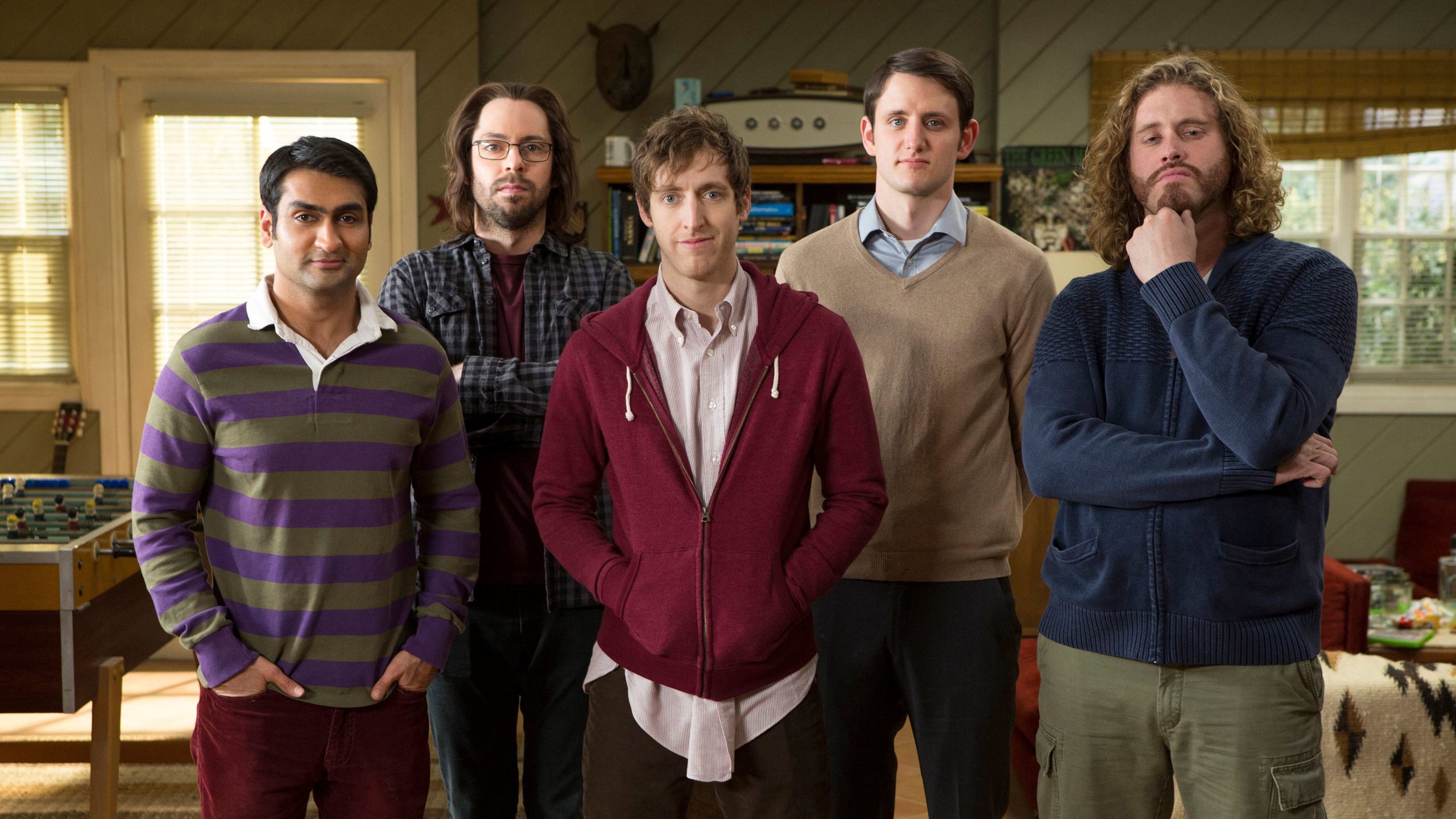
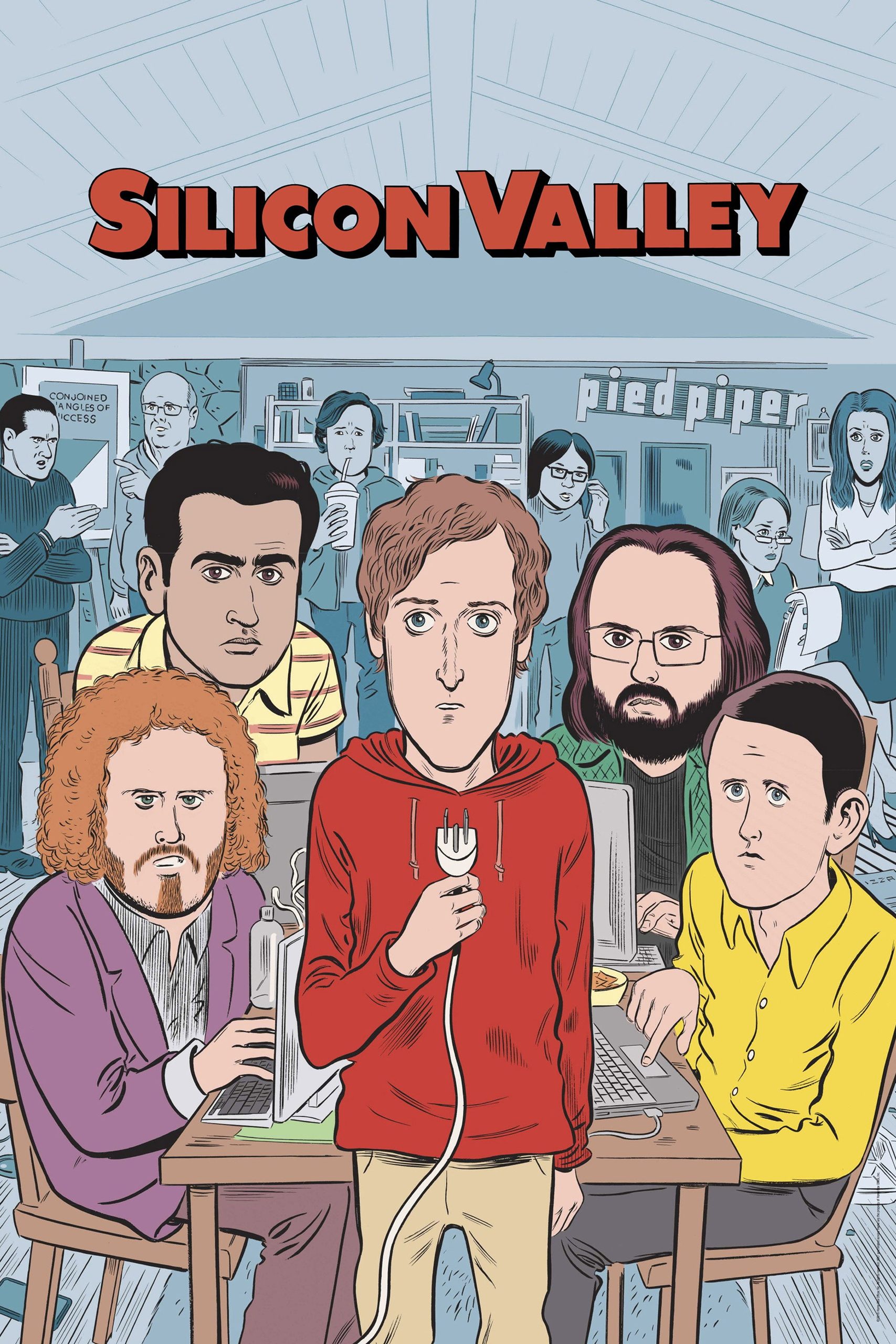
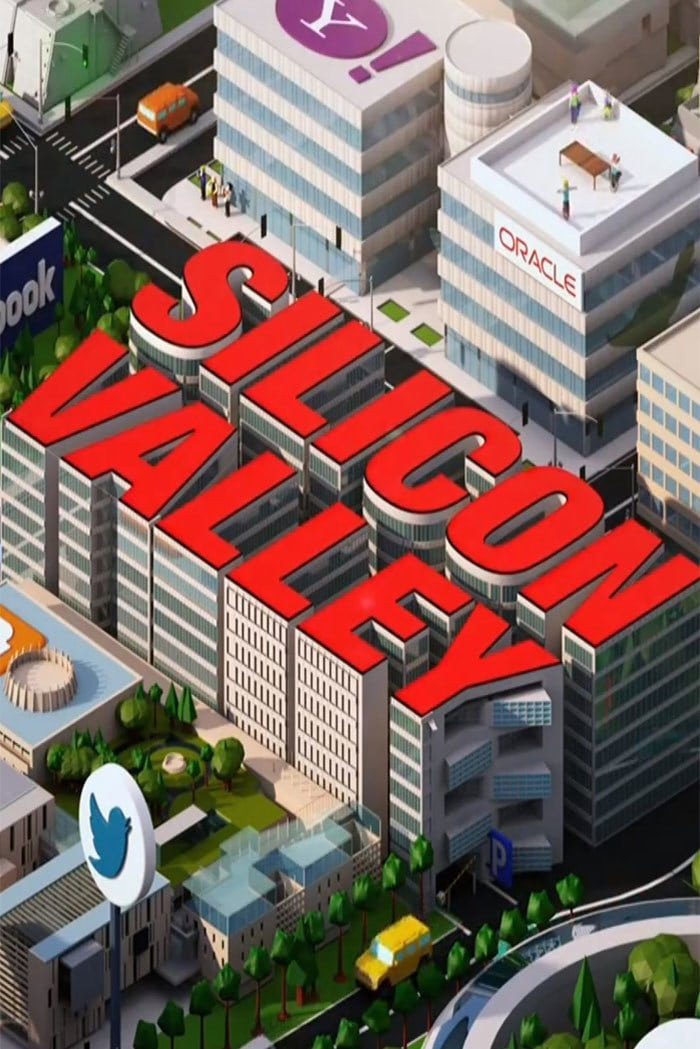
Most of it happens in a Palo Alto bungalow that Erlich Bachman (T.J. Miller) calls an incubator and everyone else calls a house. Richard Toyon’s production design gets it right: a pool nobody swims in, a monitor on every flat surface, server racks humming in the garage beside the recycling. The Hooli campus is glass, lawn and free bicycles. Jim Denault and Tim Suhrstedt shoot both in flat Californian daylight and never move the camera for a joke. Suzanne McCabe, Christina Mongini and Daniel Orlandi put the house in the fleeces of rich people who want you to know they do not think about clothes, and put Belson in collarless shirts that cost more than Richard’s car.
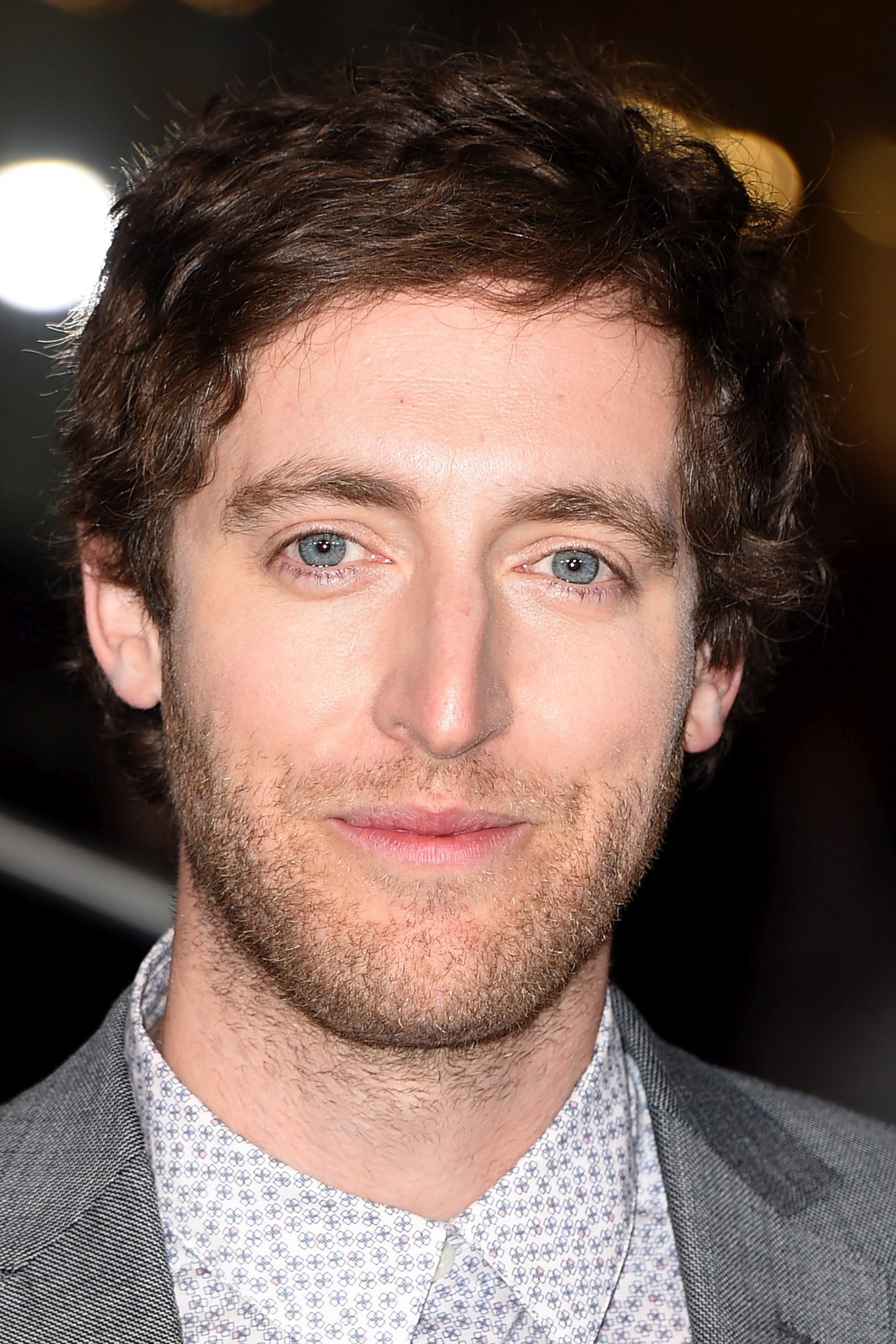
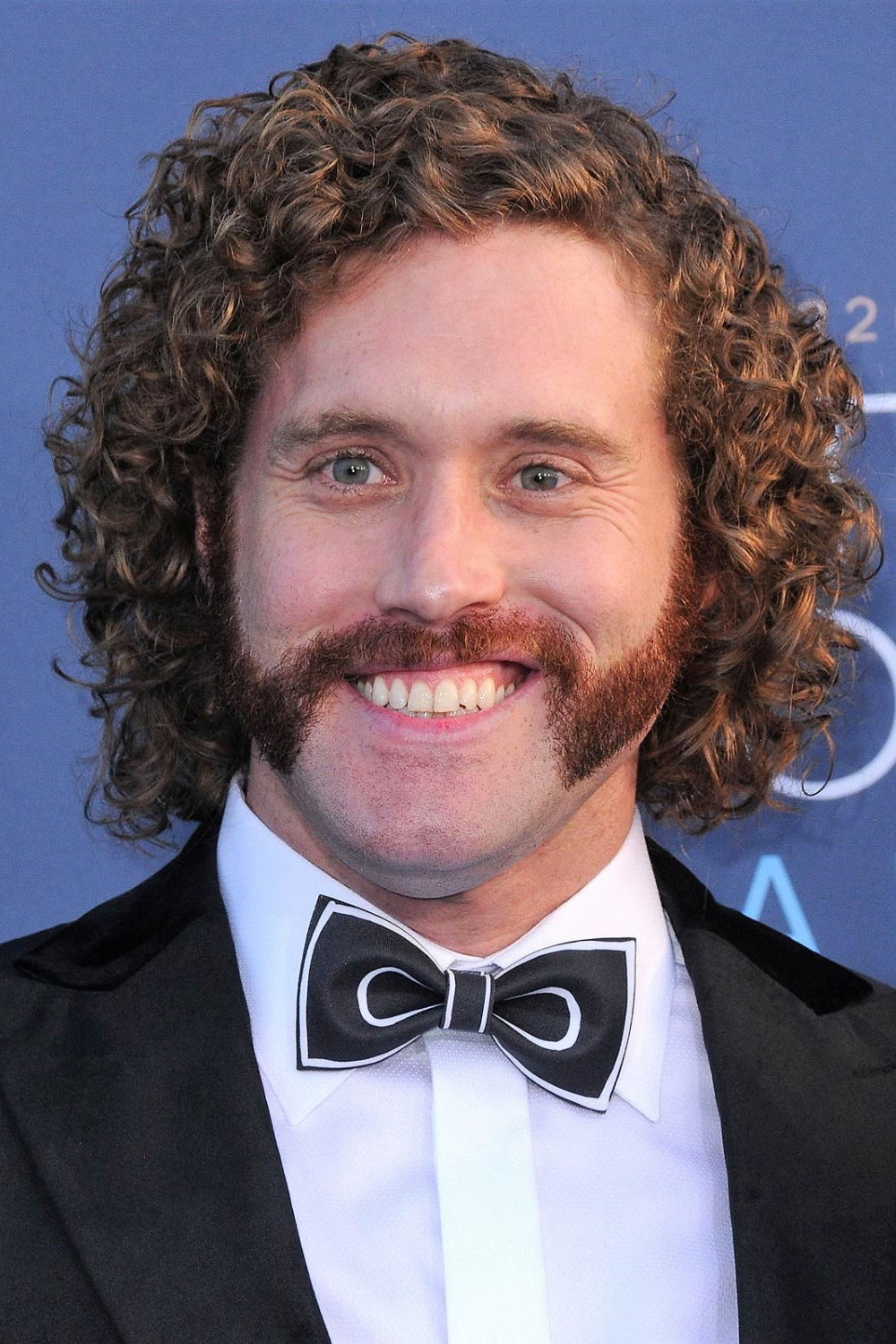
Middleditch plays Richard as a man whose body objects to every decision his mind makes; he sweats, he stammers, he is sick in bins. Miller’s Erlich sold one company years ago and has been living off the sentence since. Kumail Nanjiani and Martin Starr, as Dinesh Chugtai and Bertram Gilfoyle, sit two feet apart for six years and despise each other with real dedication. Zach Woods’s Jared, who leaves Hooli to manage their business, is the only person in the house who has read a contract, and Woods plays him so eager to be useful that it is faintly frightening; his passing references to a dreadful childhood are the series’ best running joke. Welch, who does not last beyond the first season, makes Gregory a billionaire who thinks in silences, and Suzanne Cryer’s Laurie Bream, who takes over his firm, is if anything odder.
The first season ends with a scene at a whiteboard, which we will not describe, in which the house applies proper mathematics to an indecent problem. We laughed until we were a little ashamed of ourselves, which is the effect Judge has been after since Beavis and Butt-Head. It works because Alec Berg and the writers take the maths seriously and nobody winks. The same goes for the language: every founder at every conference promises to make the world a better place, and the writers let the phrase fall flat by itself.
The flaw is the shape. Every season Pied Piper is about to succeed, and every season it is humiliated, usually by its own founders. That works twice. By the fourth run we could feel the loop closing again, and we were tired, and being tired of something we liked made us cross. Miller leaves after the fourth season and the house is quieter without Erlich, though Jimmy O. Yang’s Jian-Yang, the incubator’s lodger, becomes the funniest person in the later years by refusing to do anything anyone asks. Amanda Crew’s Monica Hall is the one woman with a permanent chair, and she is given a job, worrying about Richard, where a character should be.
Against Judge’s own standard, Office Space had one target and hit it in one film. This has a bigger target and fifty-three episodes, and the extra time goes on plot. What lasts is the observation: the terror of men who have won at maths and lost at everything else. The editors, Gina Sansom, Paul Zucker, Brian Merken and Tim Roche among them, keep each episode to 28 minutes and never let a scene explain itself twice.
Watch the first two seasons straight through. Take the rest one at a time, as they were made, and stop when you find you know what is coming. The series ran from 2014 to 2019, and nothing it mocked has gone away.