The first season is a nervous Mad Men imitation with keyboards, but stay with it: by the third and fourth, Cantwell and Rogers have made a rare, patient drama about work, failure and friendship, and Mackenzie Davis and Kerry Bishé carry it.
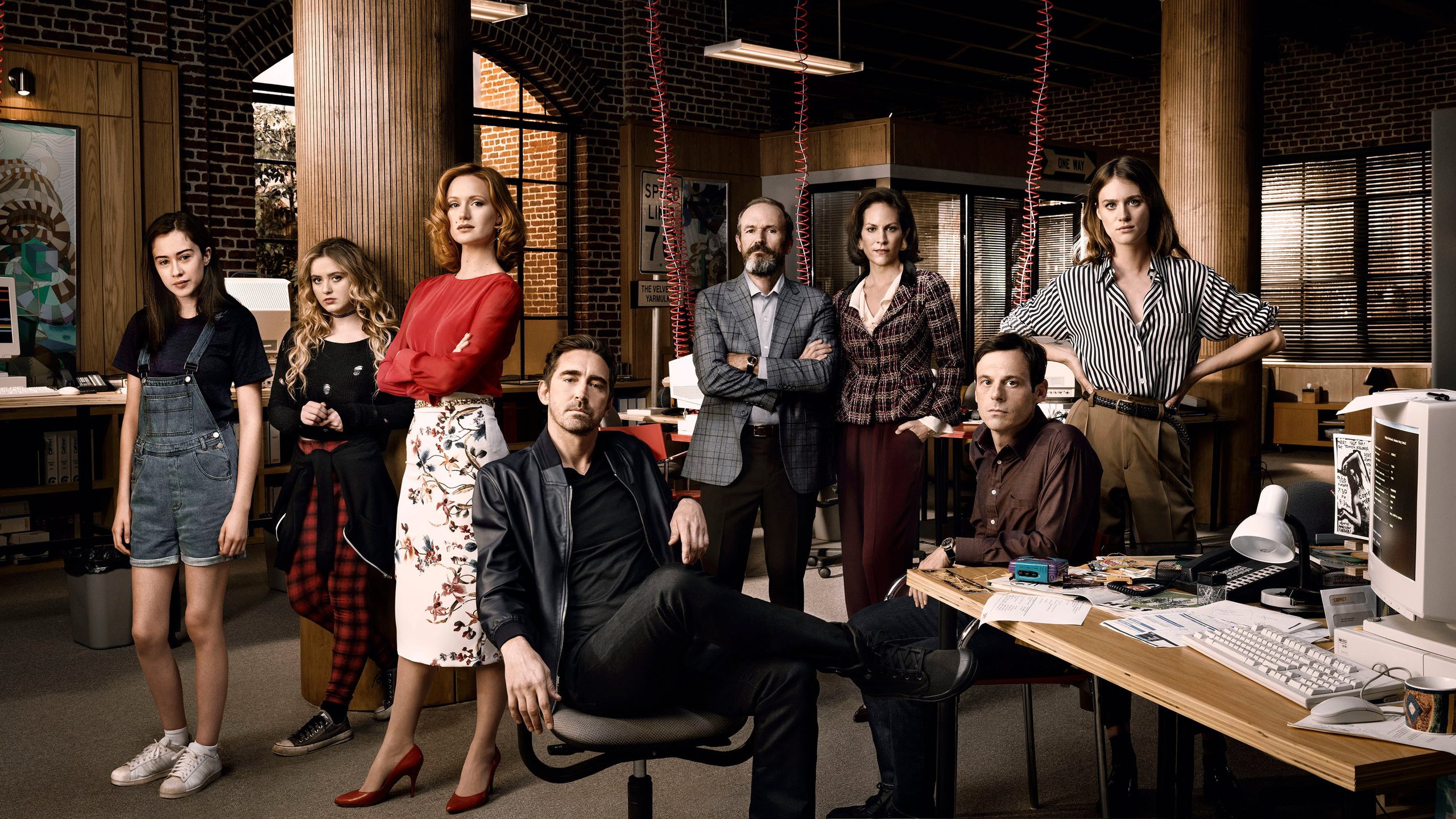
Halt and Catch Fire begins in Dallas in the early 1980s, at a small software company called Cardiff Electric that has never built a machine of its own. Joe MacMillan (Lee Pace), a salesman in a suit too good for the building, talks his way into a job and persuades Gordon Clark (Scoot McNairy), an engineer who has stopped trying, to help him copy the IBM PC. The title is an old machine-code joke, an instruction that makes a processor seize up and do nothing. Chris Cantwell and Christopher C. Rogers’ series ran for four seasons of ten episodes, from 2014 to 2017, and it is one of the few dramas we know of that got better every year it was on.
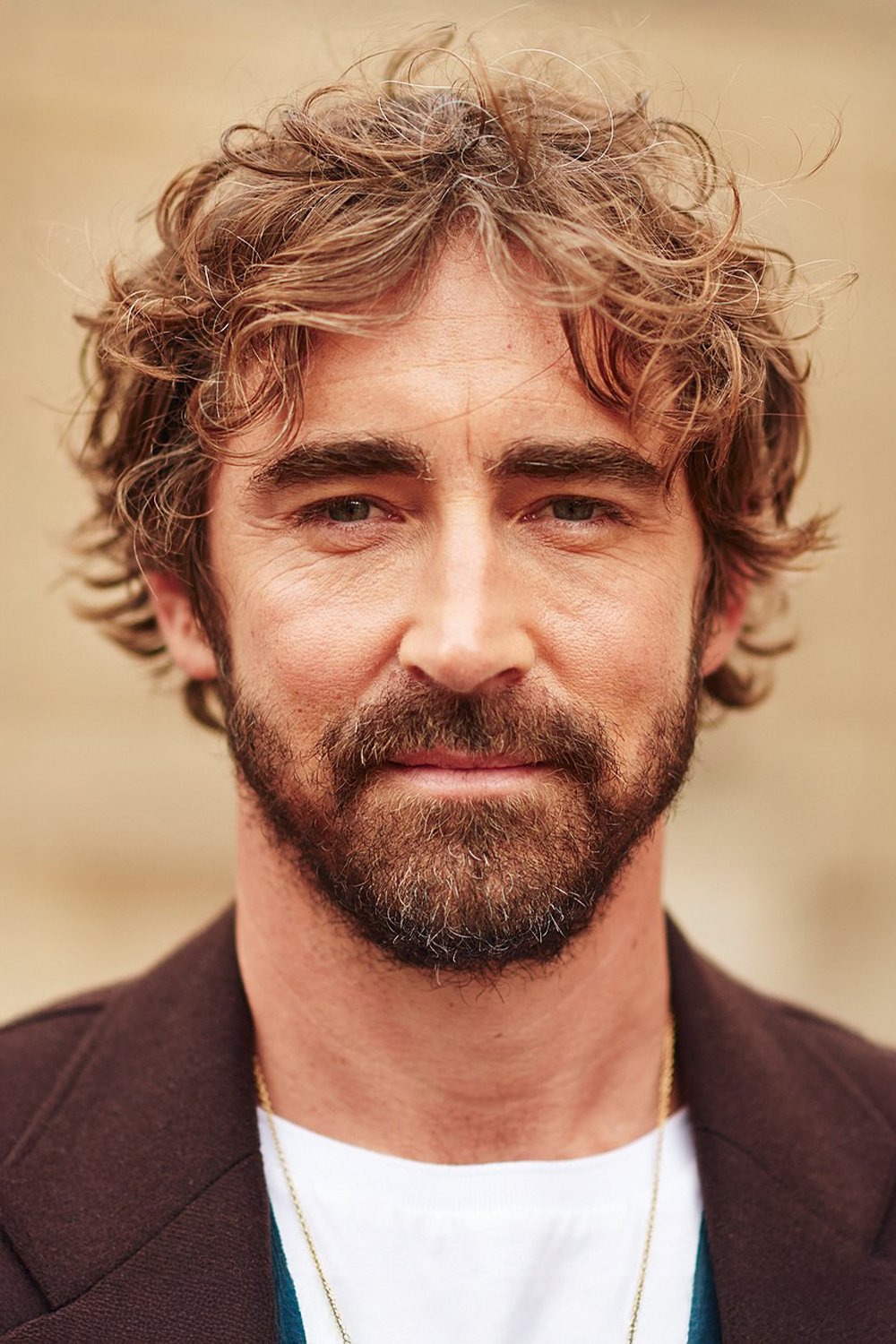
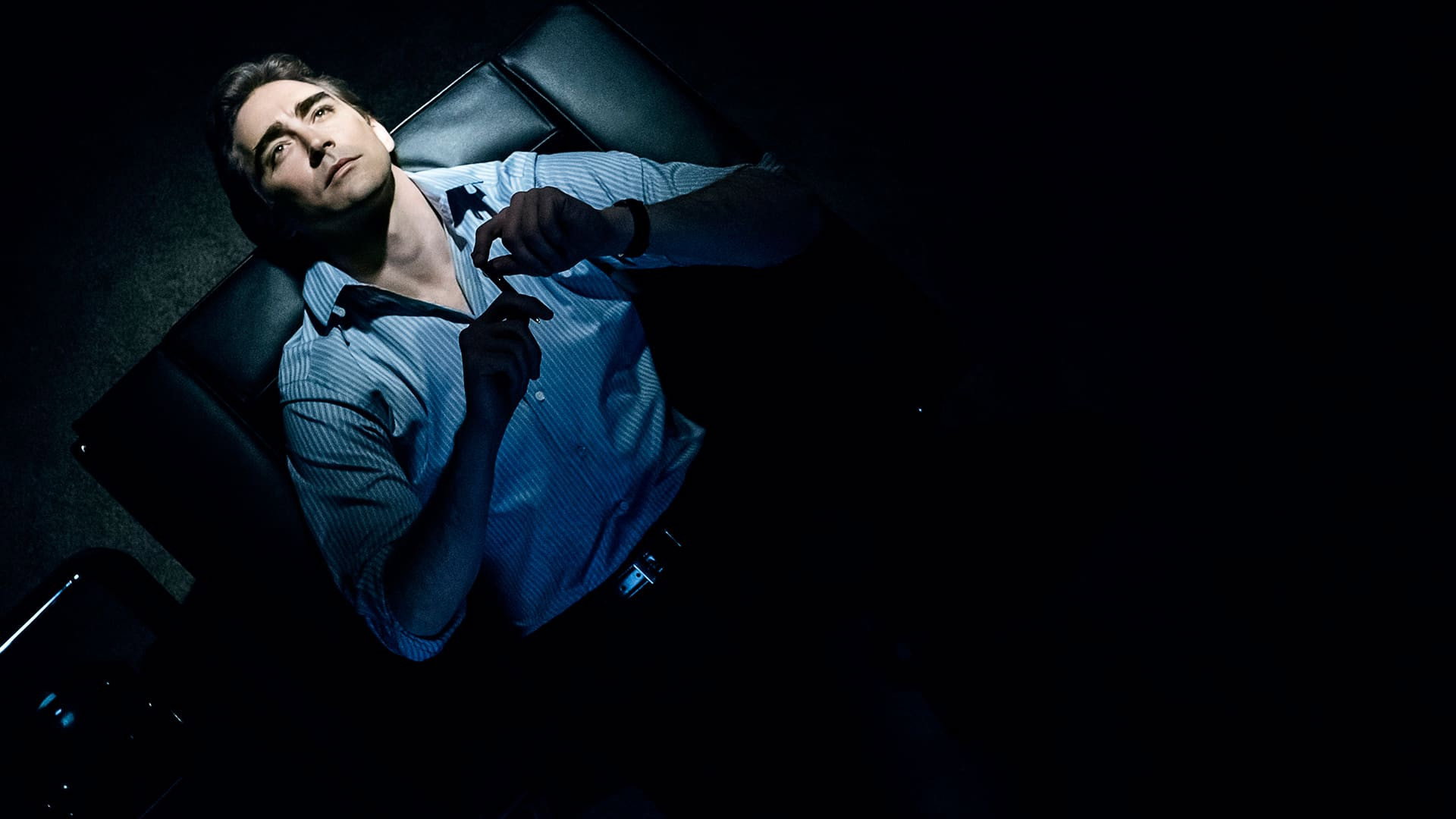
That is a compliment with a cost, because the first year is a trial. Juan José Campanella’s pilot is handsome, all beige partitions and orange light, and the people in it are types: the brilliant salesman with a secret, the failed genius, the wife who worries. Pace plays Joe the way an actor plays a man he has been told is fascinating, and the writers keep handing him speeches about the future to prove it. By the third such speech we sighed, and by the sixth episode we were counting how many were left. The debt to Mad Men is obvious and the show does not hide it.
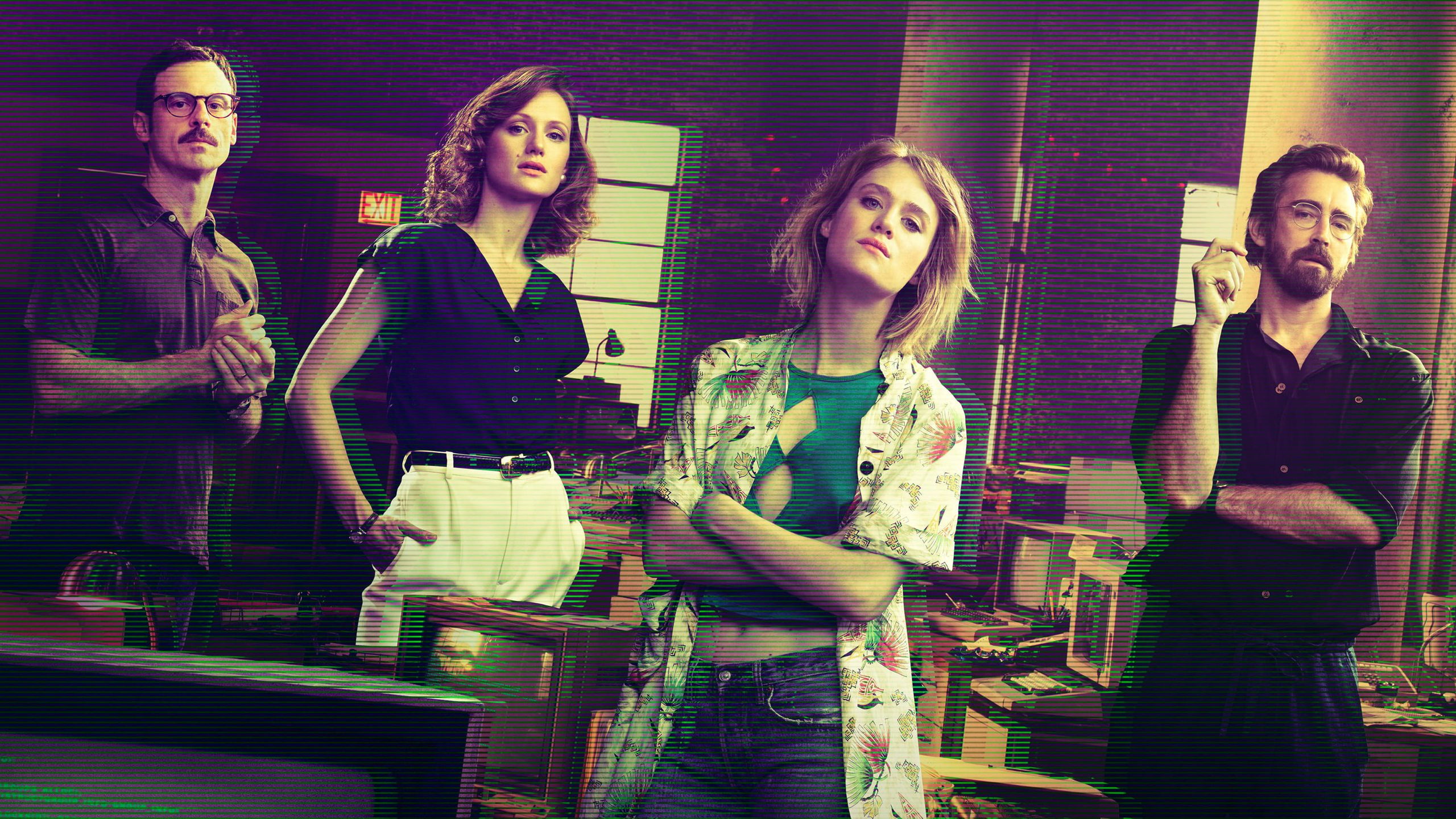
Two things save it, and both are women. Cameron Howe (Mackenzie Davis) is the college programmer Joe hires to write the new machine’s software, and Davis plays her all elbows and contempt, headphones on, asleep under a desk. Donna Clark (Kerry Bishé) is Gordon’s wife and an engineer herself, and Bishé plays her as the only adult in every room while slowly showing what that costs. Somewhere in the second season the writers, among them Dahvi Waller, Angelina Burnett and Zack Whedon, notice that these two are the series. From then on Joe is a character in it rather than the reason for it.
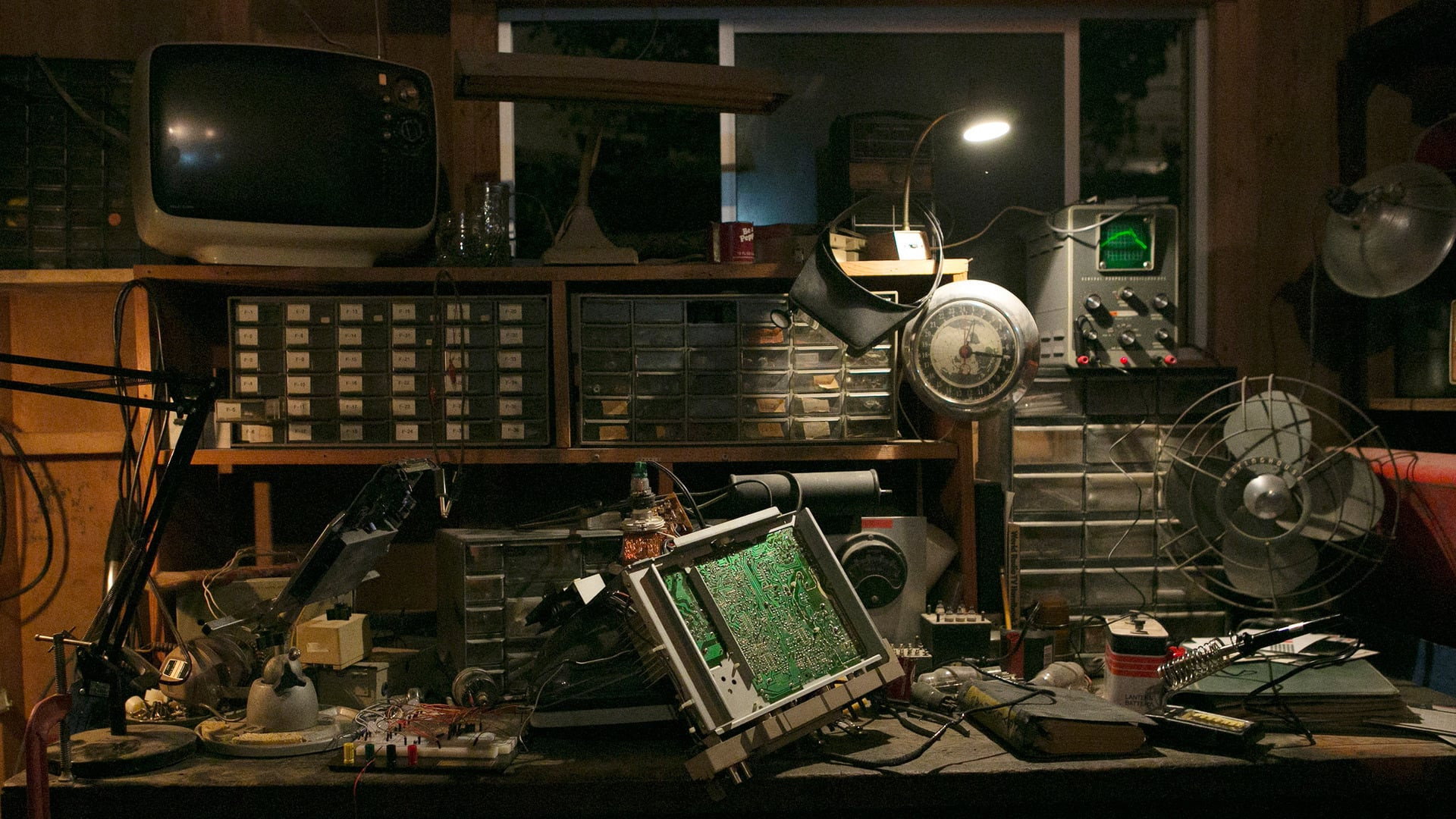
The look is patient and a little drab, which is right. Jeffrey Jur, Evans Brown and Nelson Cragg shoot the Cardiff office under fluorescent tubes so that everyone is the colour of old carpet, and at night the monitors throw green onto faces in dark rooms. Christopher Brown, Craig Stearns and Ola Maslik build cubicles, dot-matrix printers and a garage full of circuit boards, and never once make any of it look like a museum. Jennifer Bryan, Kathryn Morrison and Kimberly Adams put Joe in grey suits among short-sleeved shirts and give Cameron a cropped bleached head and a vest, so you can tell who does not belong from across a car park. Paul Haslinger’s synthesiser score stays low and warm under all of it.
Most critics disagree with us. Nearly every review we read was of the first episode, in 2014, and found it polished and derivative, and the reviewers had a point. What they could not know was what Cantwell and Rogers would do with three more years, or that directors as different as Karyn Kusama, Reed Morano and Johan Renck would be given episodes and allowed to slow them down. Kelley Dixon and the other editors let scenes of people typing run for as long as the typing matters.
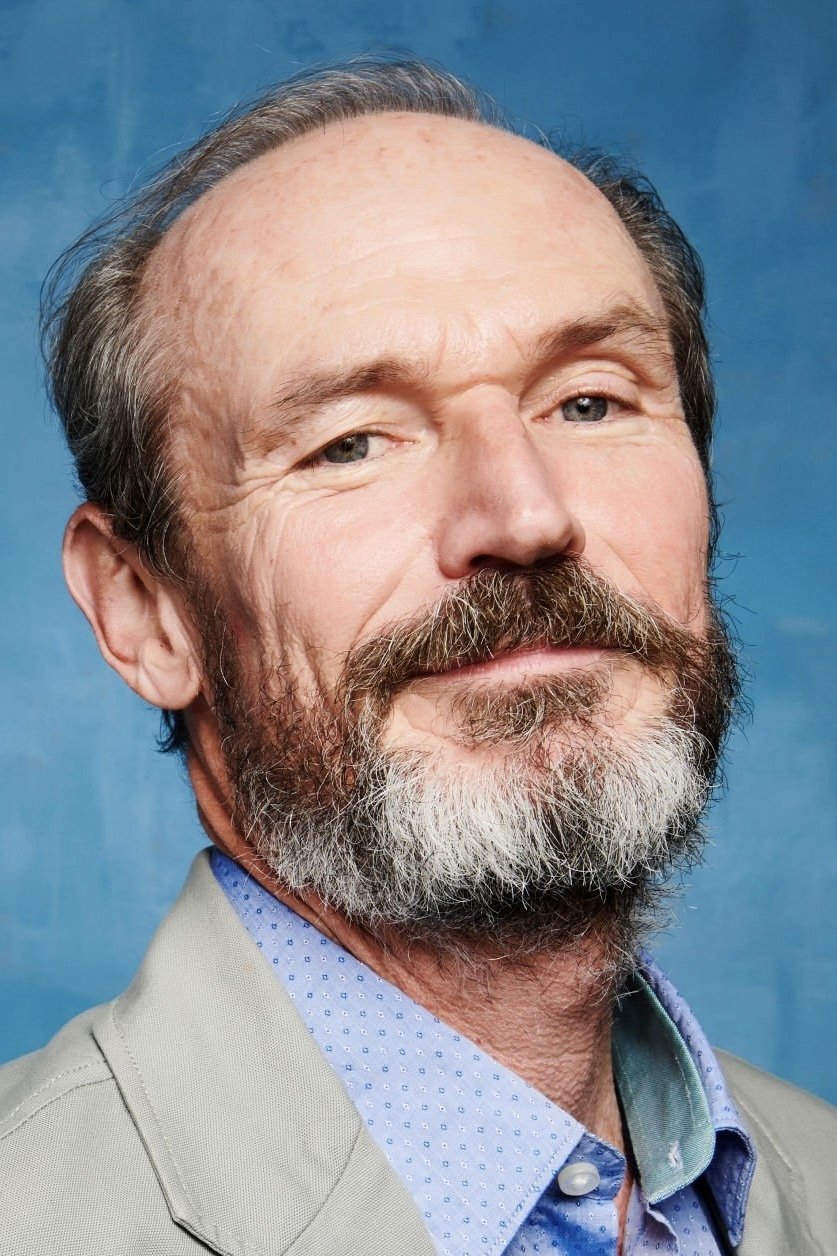
Late in the fourth season there is a scene we will not describe, two people at a kitchen table not quite saying what they mean, and it moved us more than we thought a programme about beige boxes could. It works because we had watched those two fail each other, and forgive each other, for three seasons, and we knew exactly what was going unsaid. McNairy’s Gordon is the programme’s sad centre, a man who is right about the engineering and wrong about almost everything else. Toby Huss’s John Bosworth, the Texan who runs Cardiff, starts as an obstacle and becomes the person everyone rings when things go wrong, and Huss makes the change look like nothing at all.
The Social Network (2010) is about one man winning. This is about four people losing, repeatedly, over a decade, and going back into the garage anyway, and we found that the more grown-up story. The caveat is plain: you must pay for it with ten episodes that are merely competent. Pay. It carries a 12 certificate, and it is worth a fortnight of your evenings.