Mad Men makes the advertising world of 1960s New York funny, ugly and absorbing through exact performances and patient storytelling. Its occasional smugness about the past is the price of an otherwise richly rewarding series.
Mad Men is excellent television, patient about people and exact about the ways they hurt one another. Its 1960s New York advertising setting gives Matthew Weiner and his fellow writers ample opportunity for period amusement, but the serious business is watching people make selfish conduct sound reasonable. The dialogue is funny enough to tempt us into accepting the excuse. We laughed, then felt unpleasantly complicit, because a cruel remark can arrive with all the ease of ordinary office conversation.
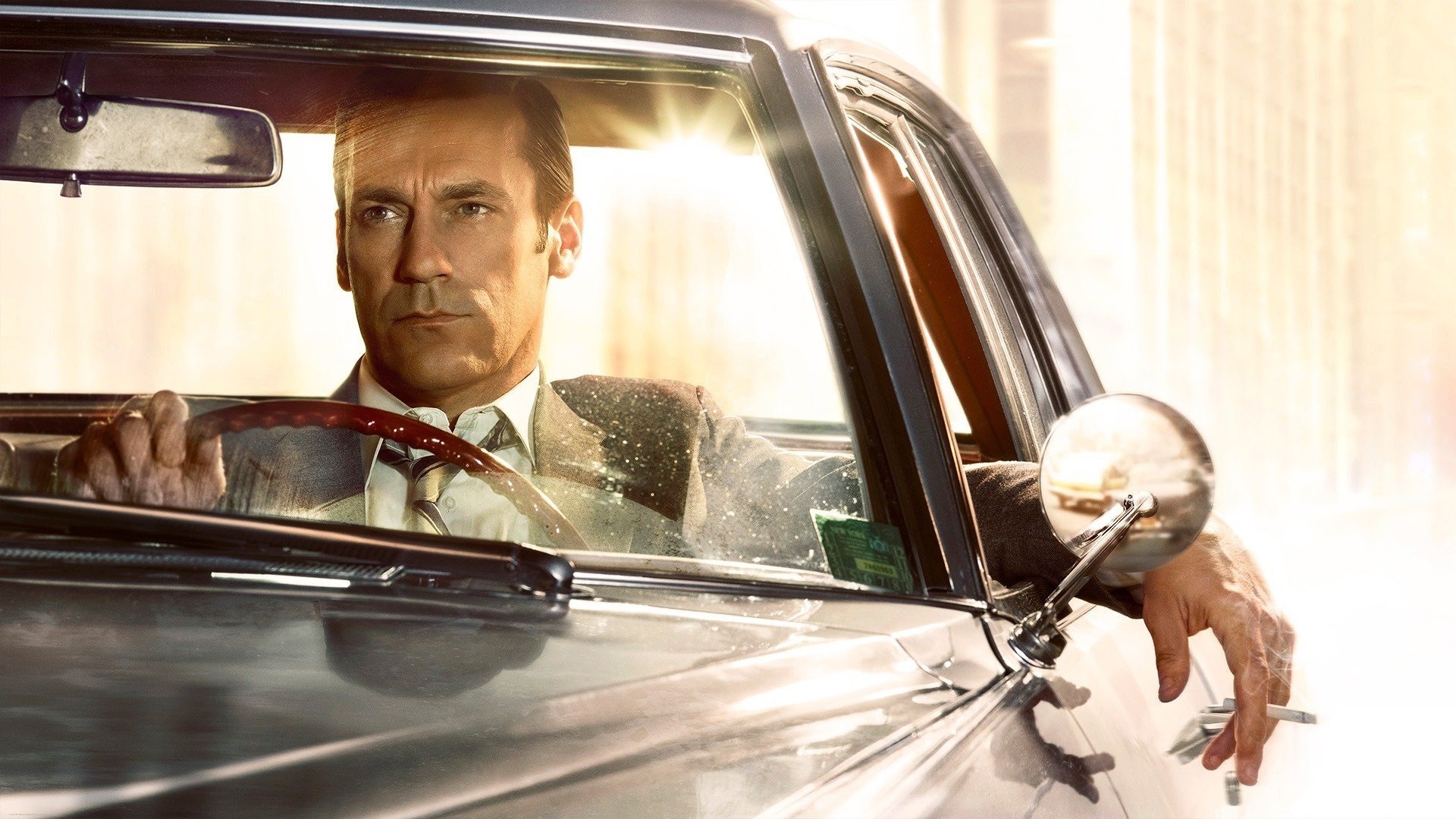
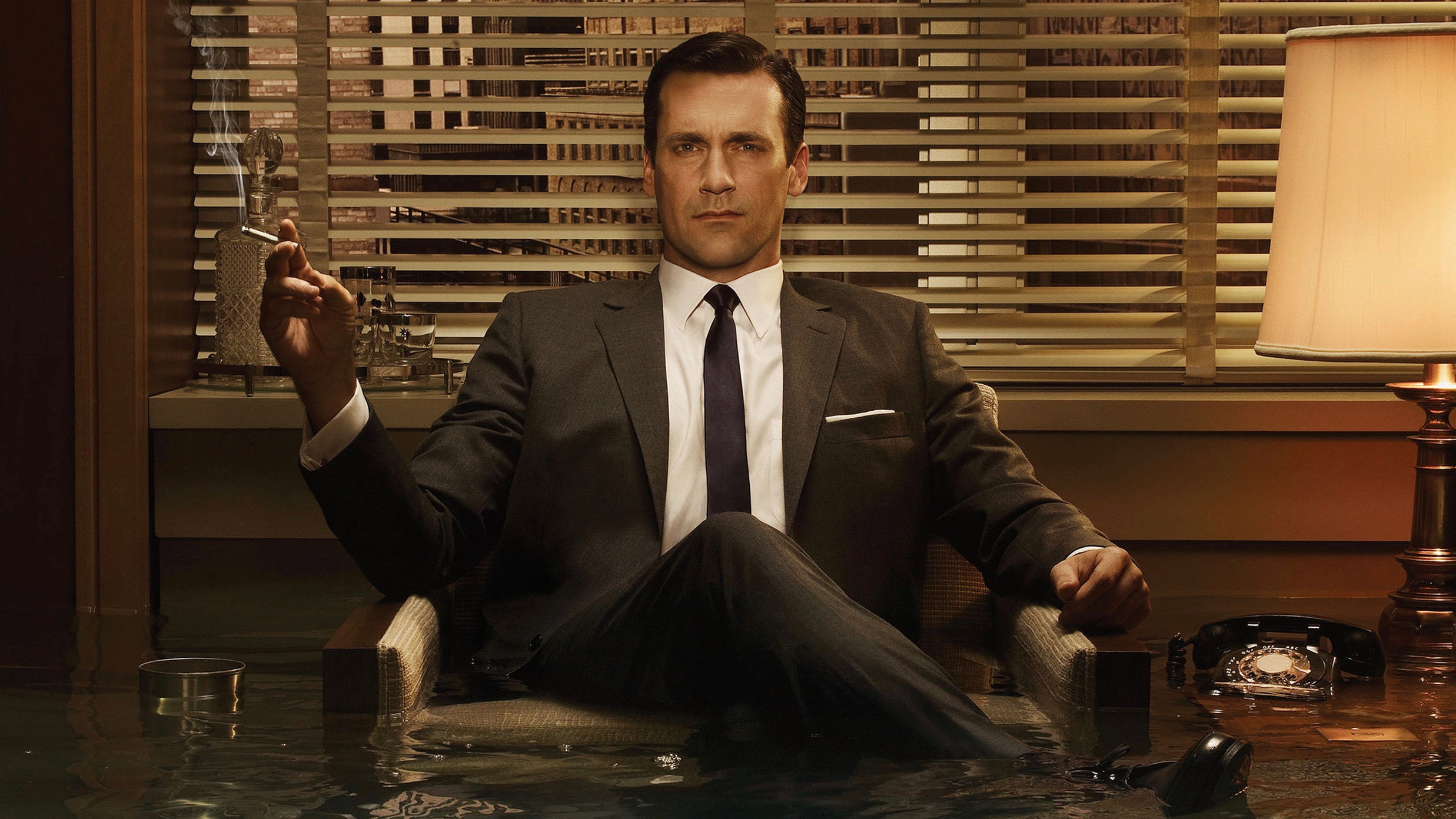
Jon Hamm’s Don Draper is worth watching even when he gives us little to like. Hamm’s measured delivery keeps us listening for what Don is trying to conceal, and the pauses suggest someone choosing a useful answer with care. It is an absorbing performance because the effort stays visible beneath the composure. The writing gives him plenty of opportunities to be impressive, but Hamm is equally good at making charm feel like hard work.
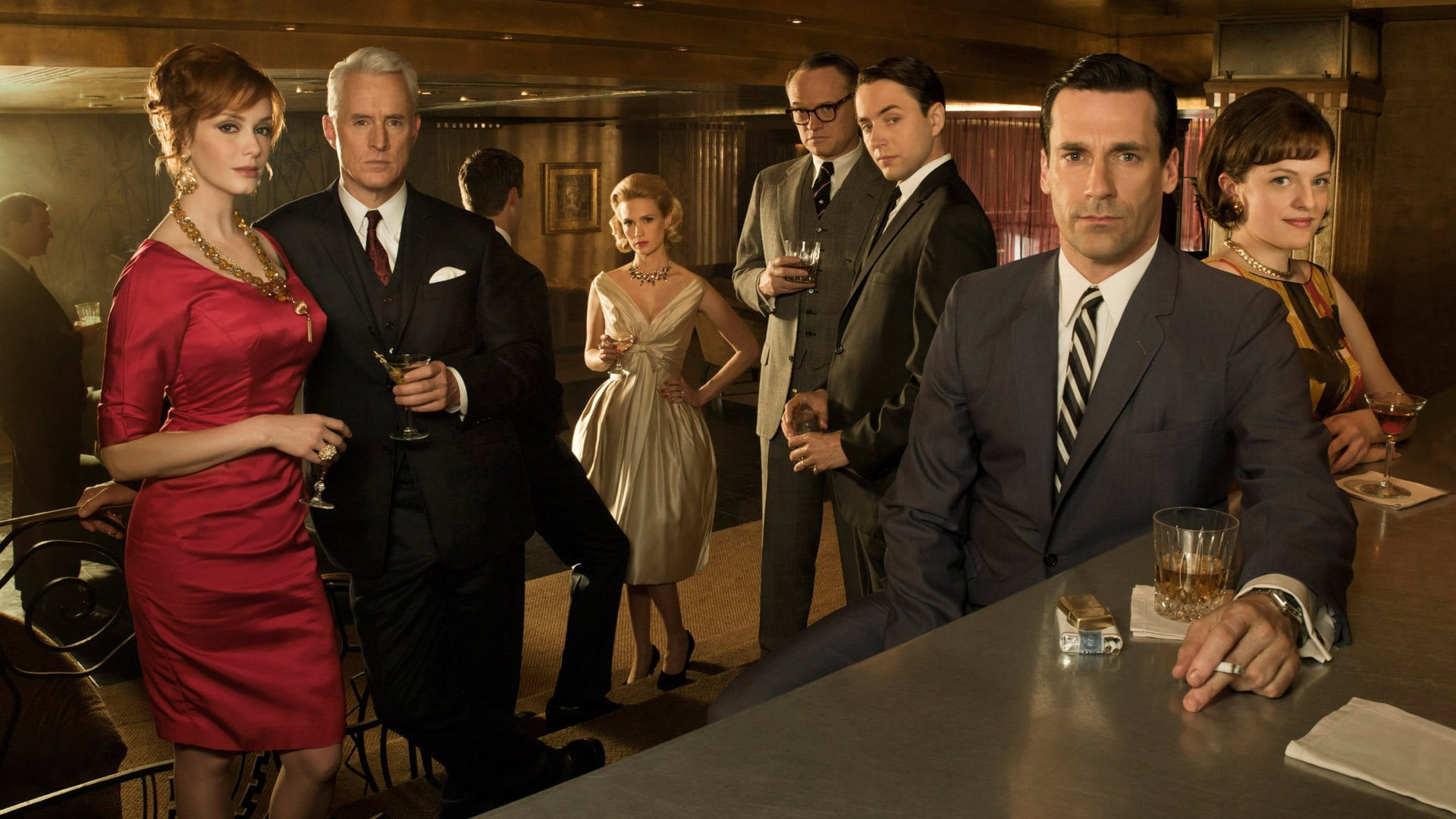
Elisabeth Moss’s Peggy Olson listens with a watchfulness that makes listening an active part of a scene; we can see her deciding what to say and what to keep back. Christina Hendricks’s Joan Holloway has a practised assurance, with a sharpness that prevents charm from softening everything she says. January Jones, as Betty Draper, is effective precisely where she can seem least inviting. Her stiffness makes unhappiness difficult to dismiss as merely bad temper.
Phil Abraham and Christopher Manley are among the cinematographers who give the series its controlled, carefully composed look. The frames make us notice how people occupy a room. Their confidence seems to depend on everyone else accepting their place in it. Production designers Dan Bishop, Christopher Brown and Bob Shaw make the surroundings persuasive without turning each scene into an inventory of period objects. John Dunn and Janie Bryant’s costumes help us judge how these people expect to be treated before they speak.
Editors including Christopher Nelson and Malcolm Jamieson give awkward exchanges room to develop rather than rushing towards the next disclosure. That patience matters when a response can tell us more than the speech that prompted it. David Carbonara’s music is most effective when it leaves the actors room, adding feeling without settling every uncertainty for us. The programme trusts a conversation to hold our attention, and the editing helps it do so.
The reservation is that Weiner and his fellow writers occasionally seem too pleased to know better than the people they have written. The period’s accepted prejudices can come with an implied invitation to congratulate ourselves for recognising them. That is the least interesting way to watch these characters, and the programme sometimes encourages it. The cast usually makes the invitation harder to accept, since the person being appalling is rarely left as a convenient example.
The temptation with a period drama is to admire the rooms and judge everyone inside them. We would suggest resisting both habits here, particularly when the characters seem most certain of themselves. The series needs close attention, and its measured pace will frustrate anyone who wants each exchange to announce its importance. Give it an evening when there is time for a conversation to become a problem.