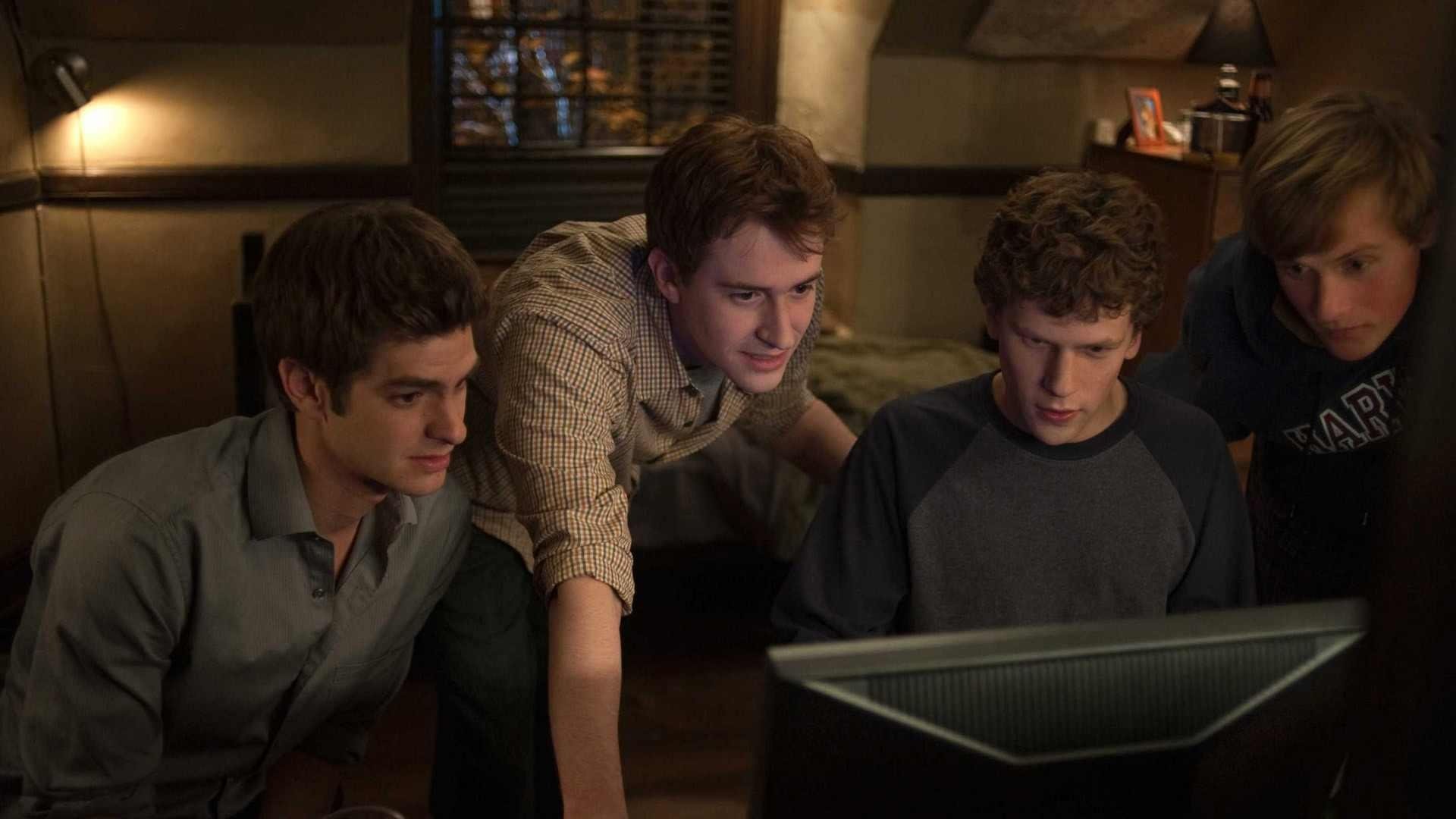
David Fincher makes Facebook’s beginnings into a gripping, bitterly funny drama about people who need to win. Jesse Eisenberg gives it an unsettling centre; Aaron Sorkin’s occasional showiness is a small price for dialogue this good.
The Social Network is a superb drama about ambition, and we would recommend it even to anyone with no interest in Facebook. David Fincher and screenwriter Aaron Sorkin understand the appeal of watching clever people compete, especially when their urge to win makes them careless with other people. The company’s beginnings supply the story, but the reasons to keep watching are smaller and uglier: resentment, vanity and the need to be recognised. The film allows Mark Zuckerberg to be difficult without pretending that this explains everything about him.
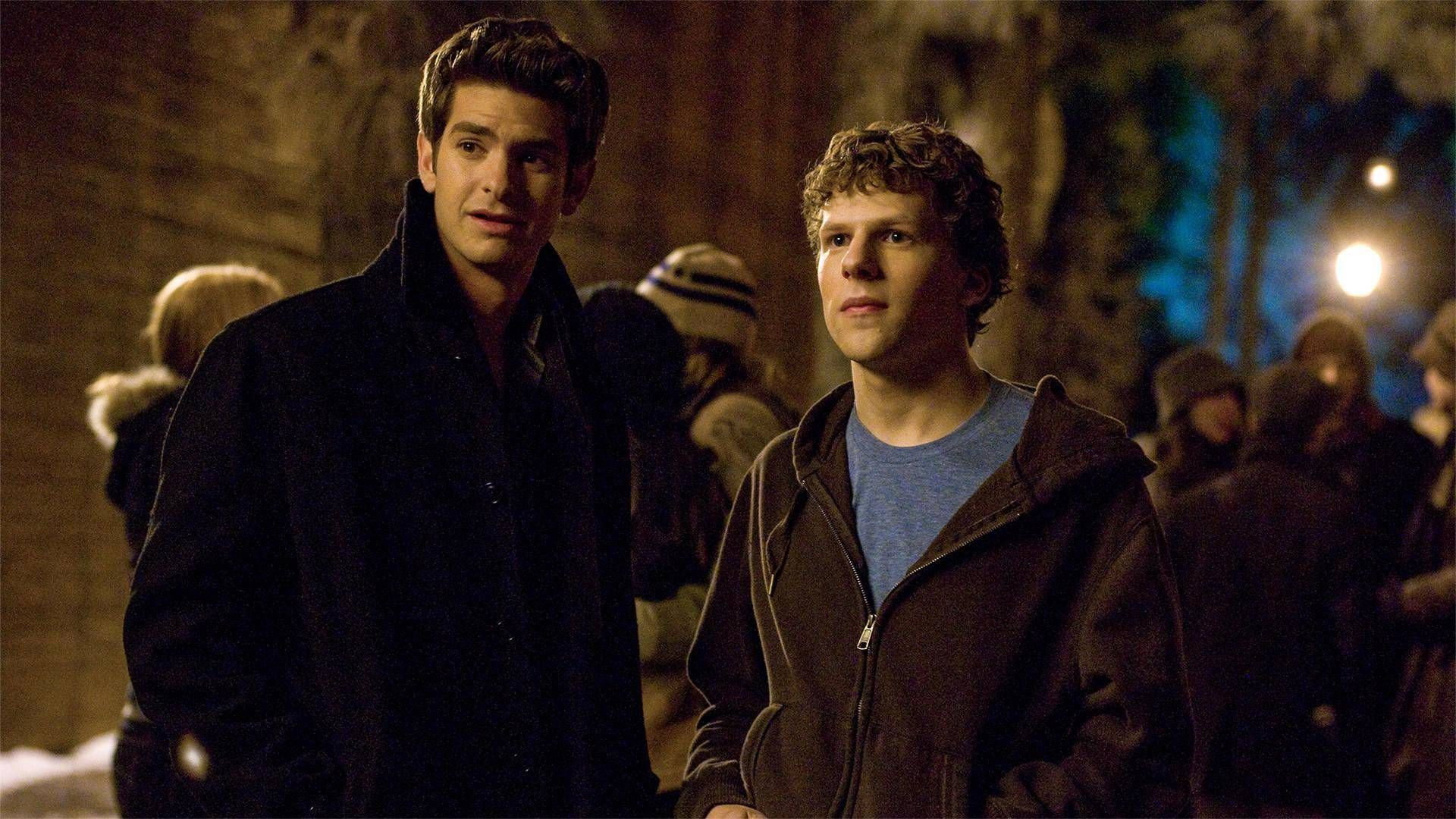
Jesse Eisenberg makes Zuckerberg’s intelligence immediately persuasive and his company increasingly difficult to enjoy. He makes Sorkin’s fast dialogue sound like an irritation with having to explain anything at all. We laughed at his impatience, then felt uncomfortable about how readily we had accepted it. Eisenberg makes the dismissal of other people entertaining enough that we briefly mistake it for a reasonable way to behave. He also leaves enough loneliness visible for the character to hurt without asking us to forgive him.
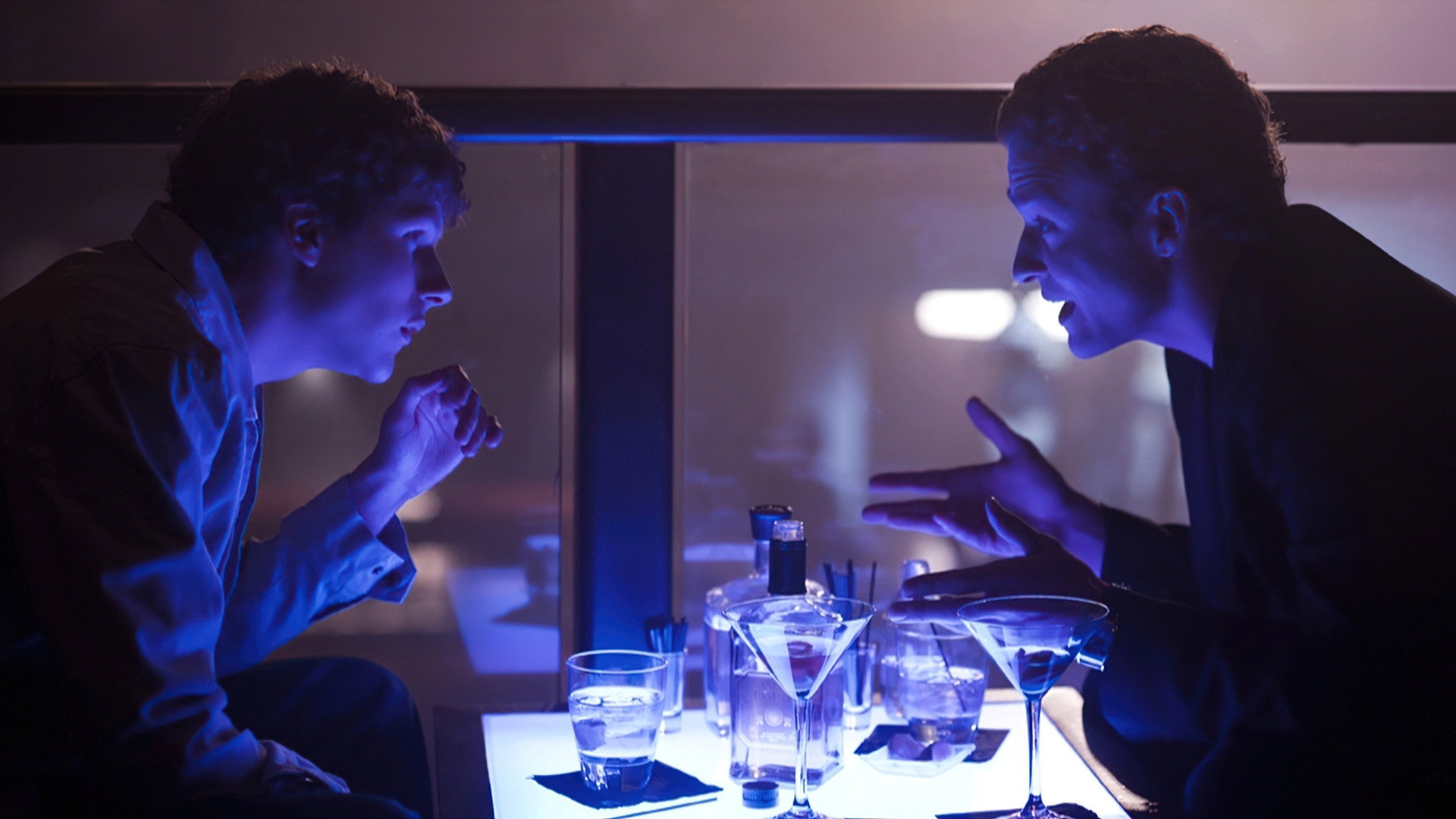
Andrew Garfield’s Eduardo Saverin gives us someone whose feelings we can read without having to decode a competitive manoeuvre first. That directness matters alongside Eisenberg, whose smallest responses seem liable to become a contest. Justin Timberlake plays Sean Parker with an ease that makes the swagger persuasive: we can understand why somebody would listen to him for longer than was sensible. Between these performances, loyalty becomes something we care about before the script asks us to consider its cost.
Fincher keeps all this talk legible, helped by the clarity of Jeff Cronenweth’s cinematography. The images give us room to study the performances without making the conversations feel slow. Editors Kirk Baxter and Angus Wall make the movement between timelines brisk without blurring the competing accounts. Each return encourages us to reconsider what we have already heard. For a film so dependent on people talking, it rarely feels caught waiting for the next speech.
Trent Reznor and Atticus Ross’s score keeps us uneasy even when the dialogue is at its funniest. It helps Fincher stop the excitement of achievement from becoming an invitation to celebrate. Production designers David E. Scott and Donald Graham Burt give the concern with privilege a convincing physical setting. Their work helps us sense how much social position matters to these people before the dialogue spells it out.
Sorkin does occasionally make us hear the writer working. Some exchanges are so determined to land the sharpest possible reply that a conversation starts to sound like an audition for the next quotable line. The pace carries us past most of these moments, but the same cleverness that makes the film pleasurable can narrow its people. We wanted, once or twice, a little less verbal certainty, especially in a story whose competing accounts otherwise leave useful space for doubt.
Business dramas can become dutiful when they start explaining why their subject matters. This one trusts that we will want to watch people pursue something, and that their behaviour will be enough to hold us. Fincher lets us follow the competing perspectives and decide how much we believe, without making the uncertainty a chore. Give it an evening when the conversation will not have to compete with your phone.