John Altschuler writes, with Dave Krinsky and Mike Judge, about people who love their jobs and are no happier for it. Two of the results ran for years and we rate both; he stayed for all of one and the start of the other.
Fi1m perspective
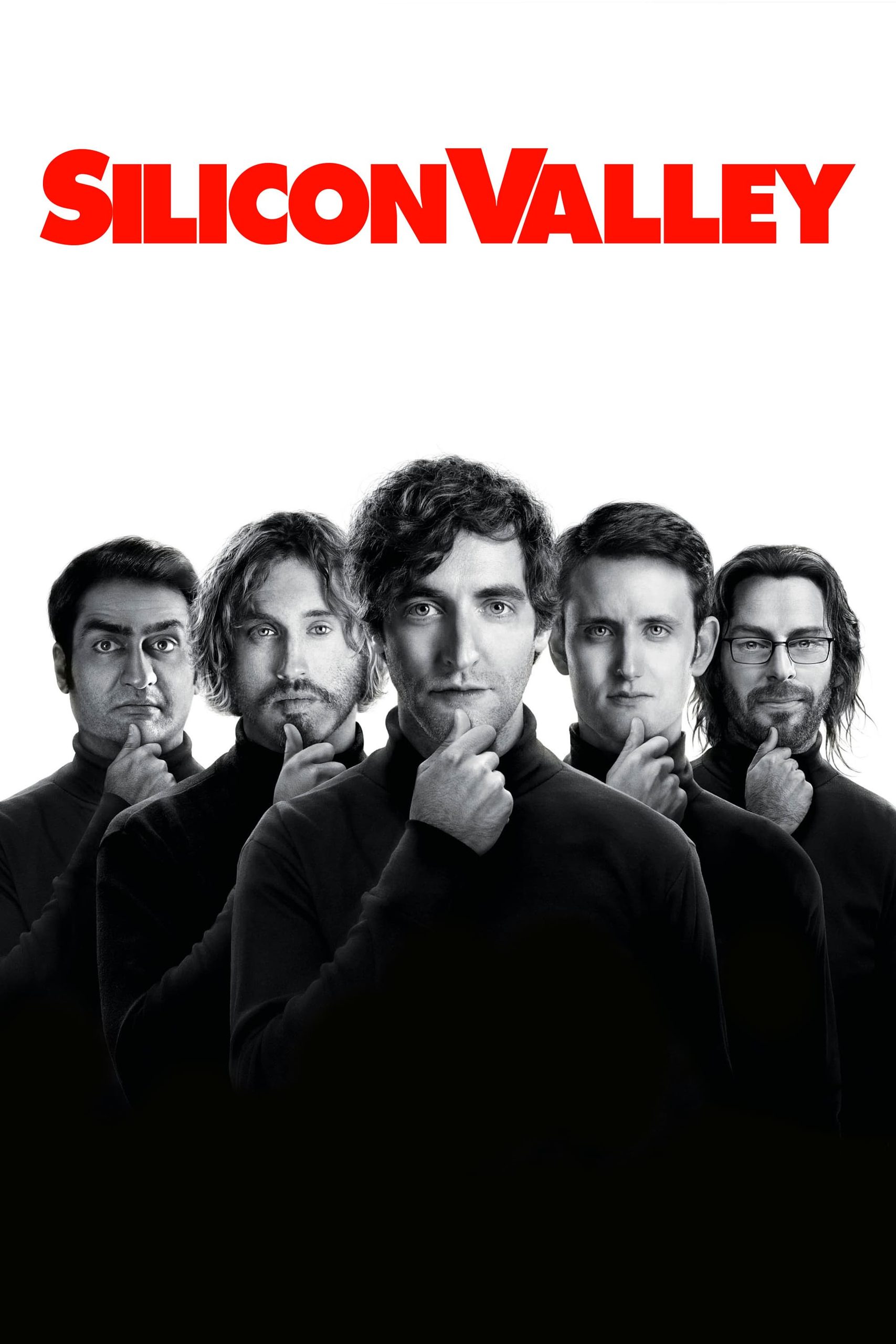
In the first episode of Silicon Valley (2014), Richard Hendricks is offered a great deal of money for his compression algorithm by Gavin Belson, who runs the company he works for, and a great deal less for a stake in it by Peter Gregory, a venture capitalist who speaks as though each word were billed. Richard takes the stake. Thomas Middleditch plays the moment with the flinch he brings to everything, and we winced with him, because Richard has built something without noticing what he has done and is now being asked to price it. That is the joke John Altschuler, Dave Krinsky and Mike Judge built the series around: people who love their work and are no happier for it.
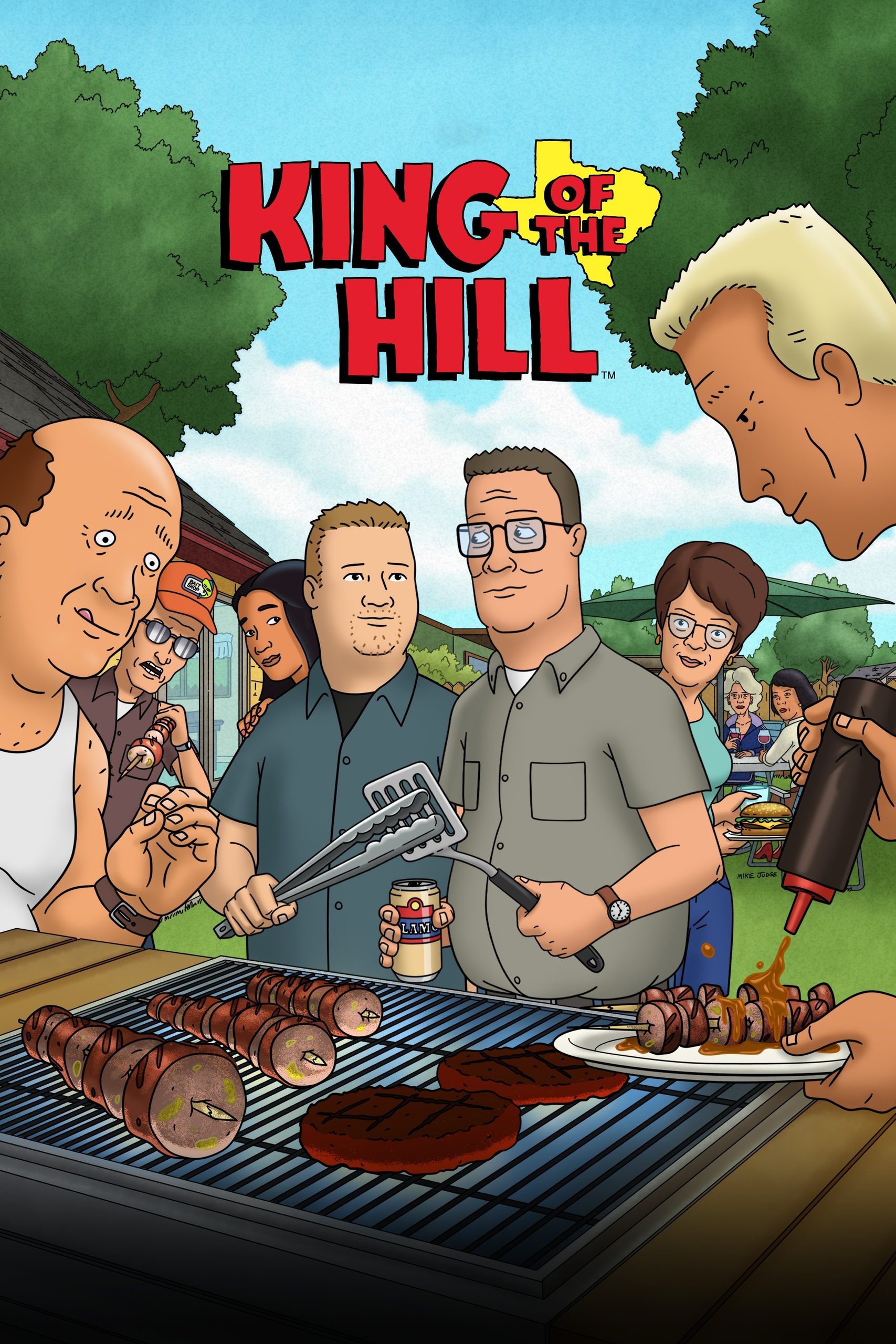
Altschuler and Krinsky came up through National Lampoon and a short-lived HBO series, The High Life (1996), before joining King of the Hill as writers in 1997. They ran it for its final seven seasons, through 2010. We think it the kindest and most patient animated sitcom of its kind, funny because nothing in it is exaggerated, and we also think it runs long and a few of its stories wear thin; in fairness, the years it ran long are the years they were running it. With Judge they then formed Ternion Productions and co-created The Goode Family (2009), which critics found rough at the edges and over-stuffed with passing pop-culture references, revived Beavis and Butt-Head (2011), and made Silicon Valley. After the first season Altschuler and Krinsky stepped back from the day-to-day to work on other Ternion projects, which means the season that set the show's one story going was theirs, and the five that told it again were not.
What he brings is a method rather than a style. He studied anthropology, and his own account of preparing Silicon Valley is a field trip: he went up there, found it funny, and, having studied anthropology, began to realise he was looking at a subculture. The result is satire that does not need to exaggerate, because it has taken notes. Peter Gregory is funny for the same reason Hank Hill is: both are drawn at life size. The features, Blades of Glory (2007) and Action Point (2018), both written with Krinsky, are a different trade and we have not reviewed them.
The complaint we have about both series is the same one: they know what they are doing and keep doing it. Six seasons of Richard taking the stake is at least a couple more than the story needs, and thirteen years in a small Texas town is a few too many. Altschuler finds a subculture, learns its language and writes it down accurately, which is a rarer skill in television comedy than it sounds. It also does its best work early. If he starts another series, we would want the first season and would be prepared to be told when to stop.
Biography
John Altschuler (born 1963) is an American screenwriter and television and film producer. He attended the University of North Carolina at Chapel Hill, where he co-created the first student-produced comedy show on UNC Student Television with Dave Krinsky. After working for National Lampoon, the pair moved to Hollywood and began writing for television.
Altschuler is known for his long collaboration with Krinsky and Mike Judge. He wrote for and served as showrunner on the Fox animated series King of the Hill (1997) for thirteen years. In 2013, he co-created the HBO series Silicon Valley (2014) with Judge and Krinsky, also writing episodes. Other credits include the screenplay for Blades of Glory (2007) and writing on Beavis and Butt-Head (1993).
Altschuler received five Primetime Emmy Award nominations for his work on King of the Hill and Silicon Valley. He has also co-written the book The Gangster's Guide to Sobriety (2022) with Krinsky.