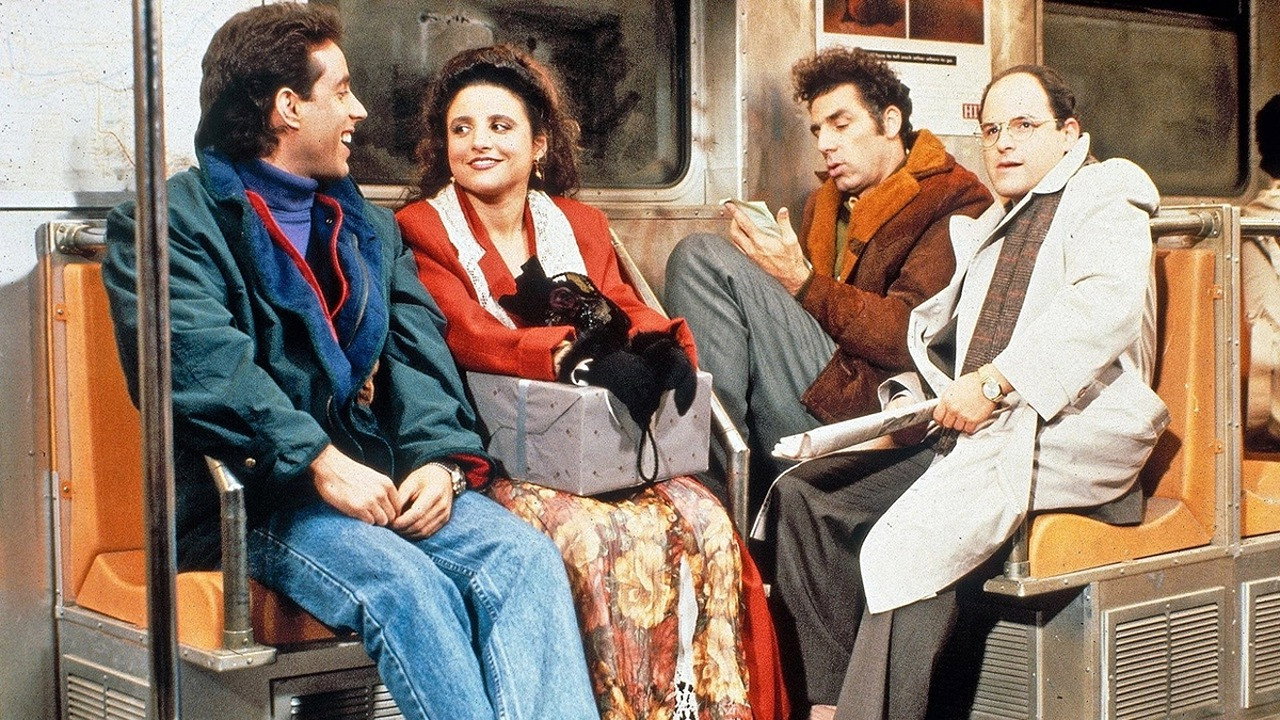
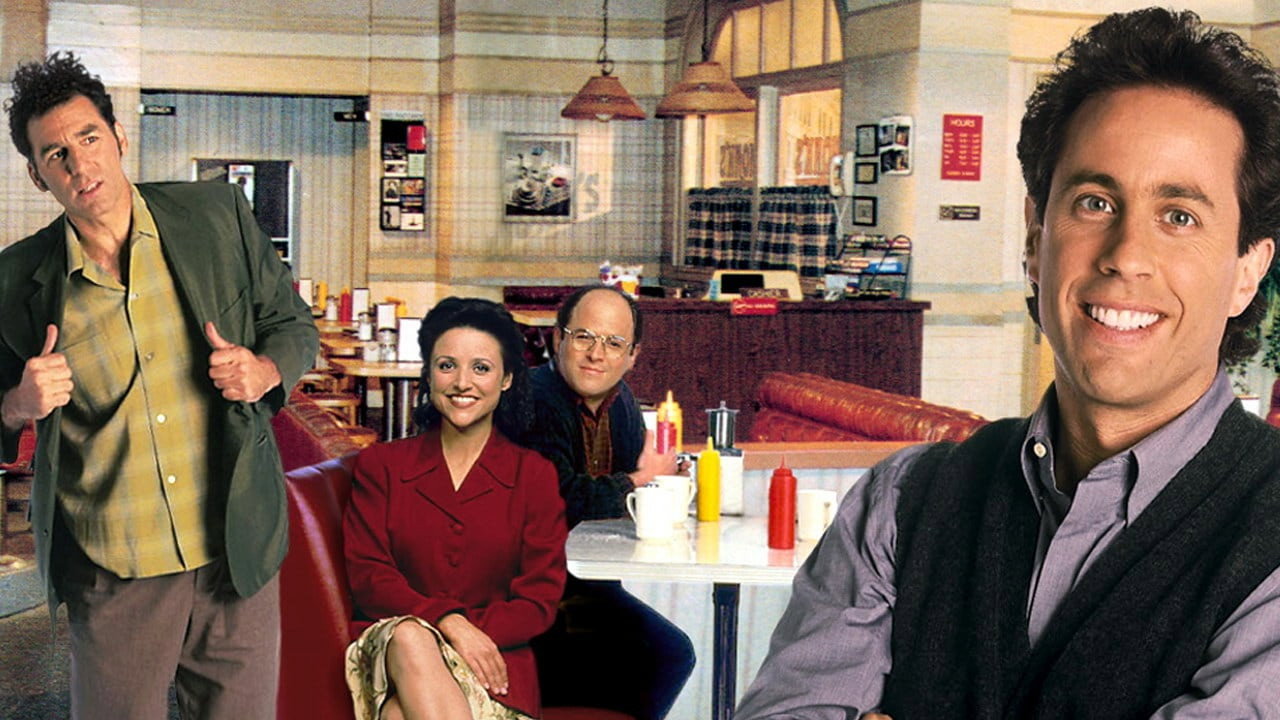
The plotting and ensemble acting make Seinfeld an exceptional comedy about people behaving badly over almost nothing. The opening episodes are tentative, but we would gladly spend another evening with this selfish quartet.
Seinfeld is an unusually exact comedy about the effort people put into getting their own way over things that scarcely matter. We recommend it warmly, with patience for a tentative opening season. Writers Jerry Seinfeld, Larry David and Peter Mehlman, among others, take minor social disputes seriously enough to follow every excuse and objection. The characters can discuss a small grievance until it seems to justify almost any behaviour. A person’s certainty that a problem is somebody else’s fault can carry a whole scene.
The plotting deserves more attention than the description of a programme about nothing. Separate problems become connected through decisions that seemed convenient at the time, and the pleasure is in noticing how carefully the writers have prepared the trouble. Even an apparently idle exchange can give somebody a reason to make a bad choice. Compared with sitcoms that require a quarrel to end in affection, the refusal to stop for a lesson is a relief. The scripts keep following what the characters do to each other, without making them apologise for our benefit.
Jason Alexander’s George Costanza is the clearest demonstration of how much acting this requires. Alexander makes an excuse sound as though George has spent hours preparing it, then looks injured when it meets the smallest resistance. We laughed hardest at those offended pauses, because George seems affronted by the existence of an objection. The effort to appear reasonable is plainly visible, and painfully familiar. Alexander keeps George’s humiliation close enough to his aggression that the performance remains funny even when he is being thoroughly unpleasant.
Julia Louis-Dreyfus gives Elaine Benes sharp control over her irritation, so that a look can finish an exchange before the next line arrives. Michael Richards gives Cosmo Kramer a headlong physical confidence that makes an entrance part of the joke. Jerry Seinfeld has a narrower range, and occasionally seems more amused by a scene than involved in it. That can weaken the pretence that these disputes matter. It also leaves room for the others to get angrier and stranger without everybody competing at the same volume.
Cinematographers Robert Berry and Charles W. Short make the listener worth watching even while somebody else speaks, which matters when disbelief is often the better joke. David Sackeroff’s production design keeps the surroundings ordinary enough that a petty argument never looks out of place. Editors Robert Souders and Bill Lowe give the objections and interruptions enough space to be heard, without making the pauses feel dutiful. Jonathan Wolff’s music has a brisk, impudent bounce that suits people so pleased with the sound of their own opinions.
The five-episode first season is tentative, and there are stretches when conversation seems to wait for a joke instead of producing one. That makes the beginning a less reliable introduction than we would like. The cast already gives reasons to continue, but the later confidence in connecting their separate troubles takes time to develop. Once it does, the pleasure of watching a small complaint become everybody’s problem is considerable. Watch it with someone who will admit when George has a point.