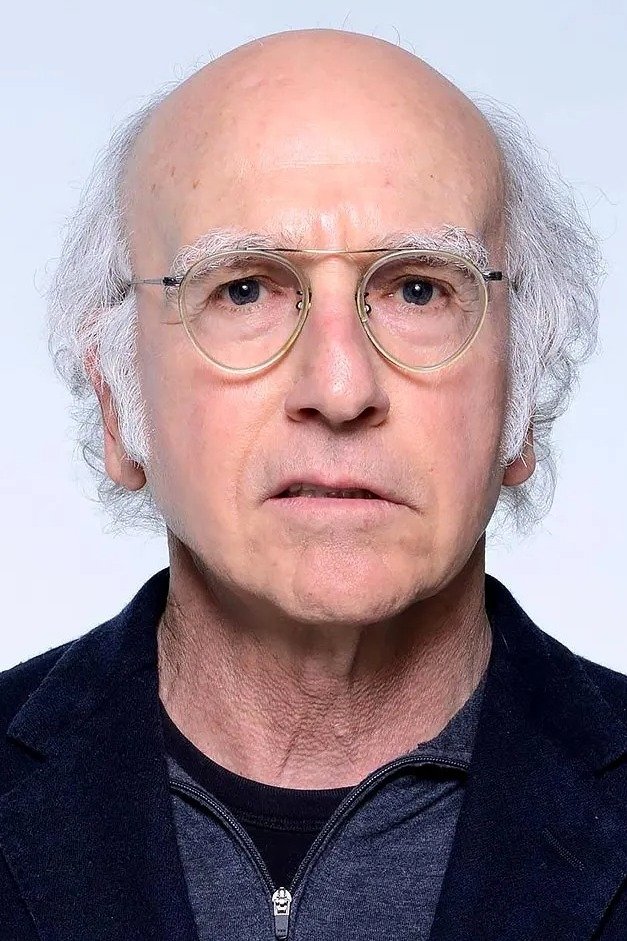
Larry David makes a reasonable objection become an ordeal by continuing to explain it. We rate him highly as a comic actor, with a particular gift for making irritation intelligible even when his behaviour has become ridiculous.
Fi1m perspective
In Curb Your Enthusiasm (2000), Larry David keeps talking after the other person's patience has gone. He plays a version of himself who believes that another explanation will settle the dispute, even as it makes things worse. We laughed at his persistence, then began to dread the next clarification. The performance works because his original objection still makes sense; David lets us follow him into behaviour we would not defend.
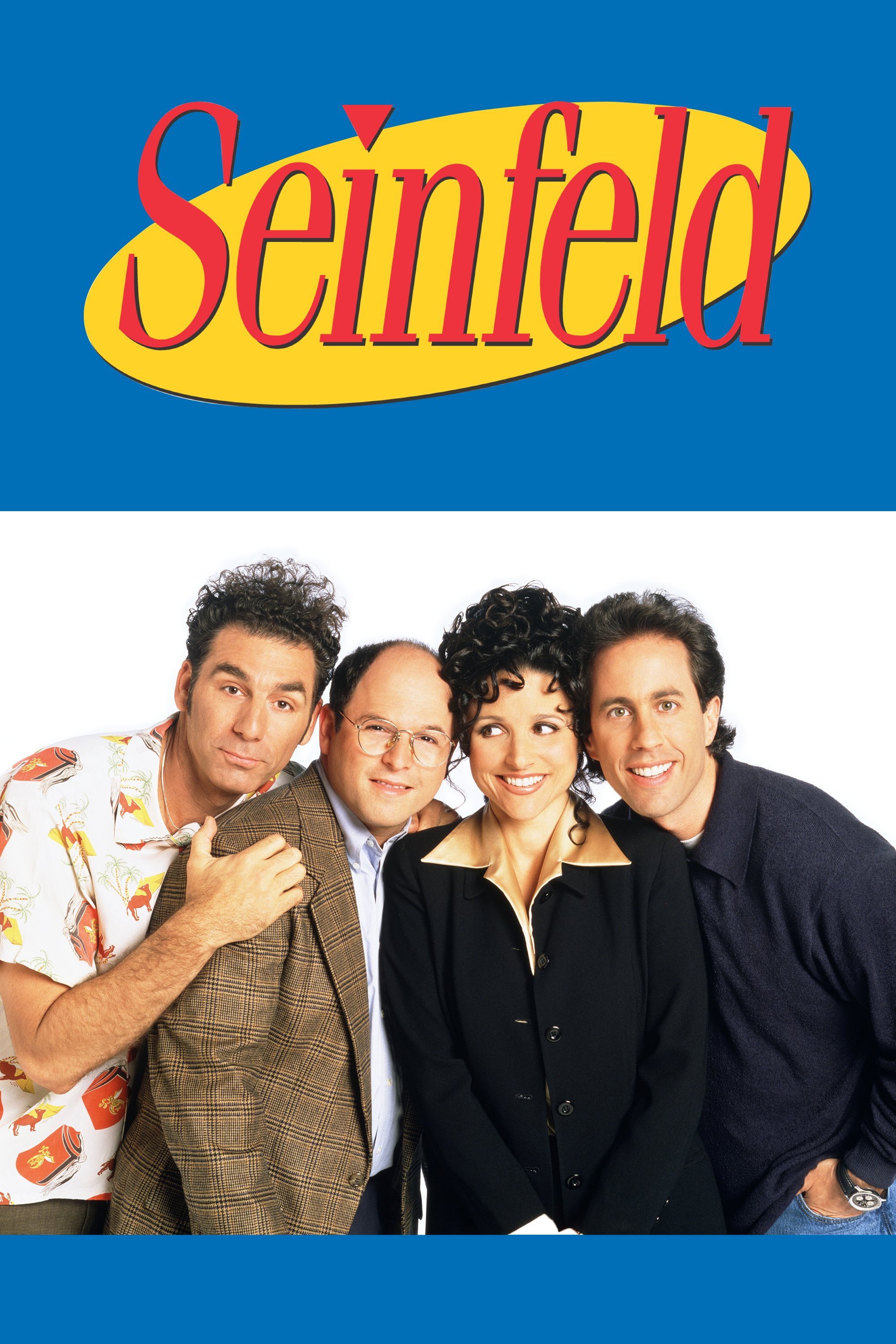
The habit was there in the writing of Seinfeld (1989), which he co-created with Jerry Seinfeld. Alongside writers including Peter Mehlman, they made minor grievances substantial enough to occupy people who scarcely questioned their right to be aggrieved. Editors Robert Souders and Bill Lowe give those objections room without making the pauses feel laboured. David's move to creating, writing and starring in Curb Your Enthusiasm put his own performance at the centre of that comedy. With dialogue improvised from short outlines, he could let an objection grow awkwardly, rather than hurry towards a tidy punchline.
He needs people who will not merely stand there and be annoyed. Cheryl Hines's steadiness gives us a measure of how unreasonable Larry has become, while Jeff Garlin makes his participation in the quarrels seem entirely natural. Susie Essman gives David opposition he cannot explain away. JB Smoove's confidence changes the rhythm of their exchanges, preventing every conversation from becoming another version of the same argument.
Directors Robert B. Weide and Jeff Schaffer leave the exchanges untidy enough for people to sound as though they are discovering their complaints while speaking. Patrick Alexander Stewart's watchful cinematography keeps us close to the discomfort. David Maturana's unobtrusive production design helps: there is little invitation to inspect the surroundings instead of attending to the people talking. David's certainty is funnier when nothing around him insists that a joke is being performed.
The limitation is repetition. Once we know Larry will pursue the point beyond anyone's willingness to hear it, another quarrel can feel like more time in the same company than we wanted. The supporting actors vary the pace, but they cannot make the central habit inexhaustible. Start with Curb Your Enthusiasm, and leave an evening between episodes if the irritation begins to outlast the laughter.
Biography
Larry David is an American writer, producer and actor, also credited as Lawrence Gene David. Born on 2 July 1947 in Brooklyn, New York, he attended the University of Maryland and began performing stand-up comedy in New York nightclubs in 1974. He wrote for and performed on the sketch show Fridays from 1979 to 1982 and later worked as a writer on Saturday Night Live.
In 1989, David co-created the sitcom Seinfeld with Jerry Seinfeld. He served as writer and producer on the series until 1996 and returned to write the 1998 finale. David created the HBO series Curb Your Enthusiasm in 2000, starring as a fictionalised version of himself. He wrote and directed the feature film Sour Grapes (1998).