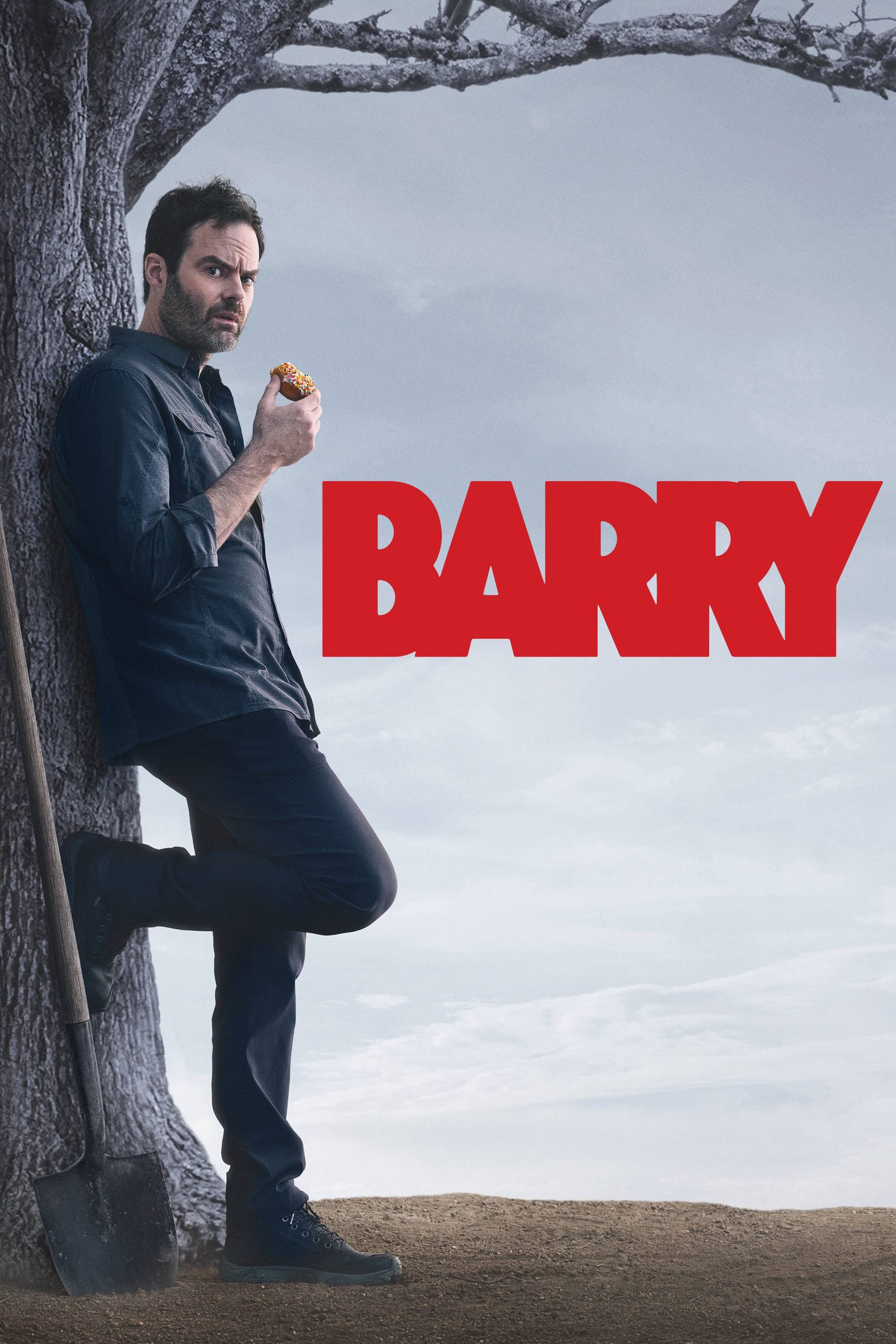
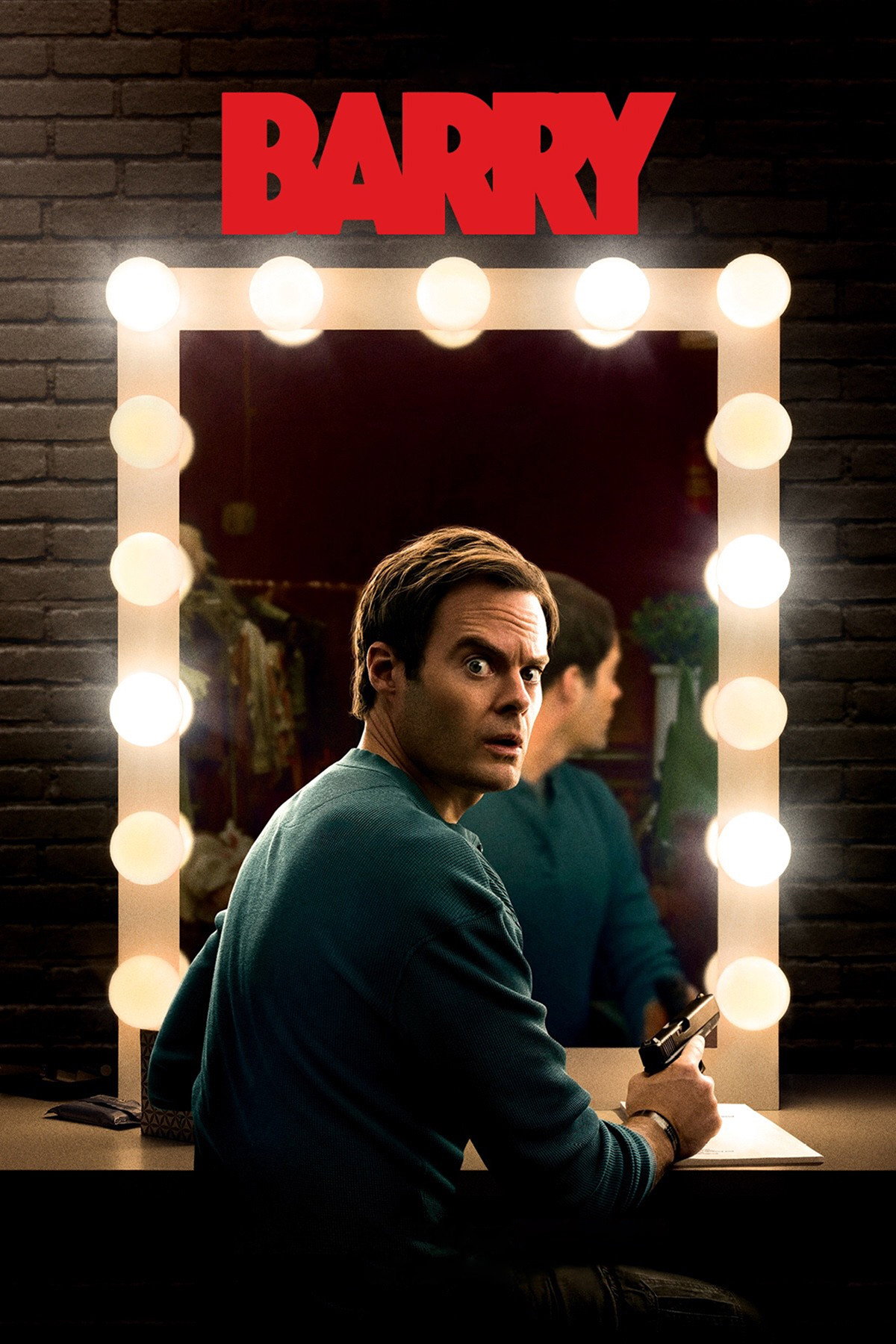
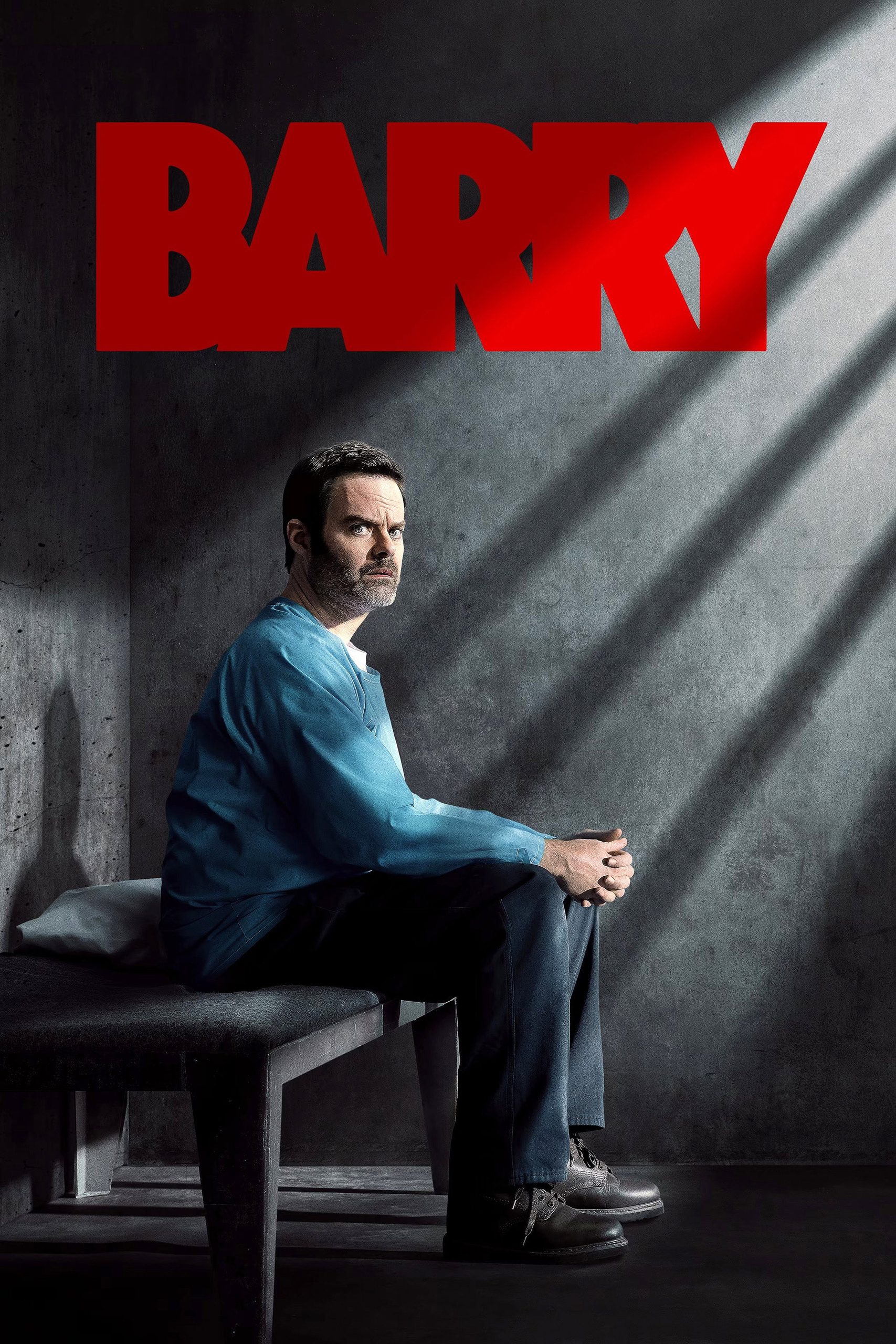
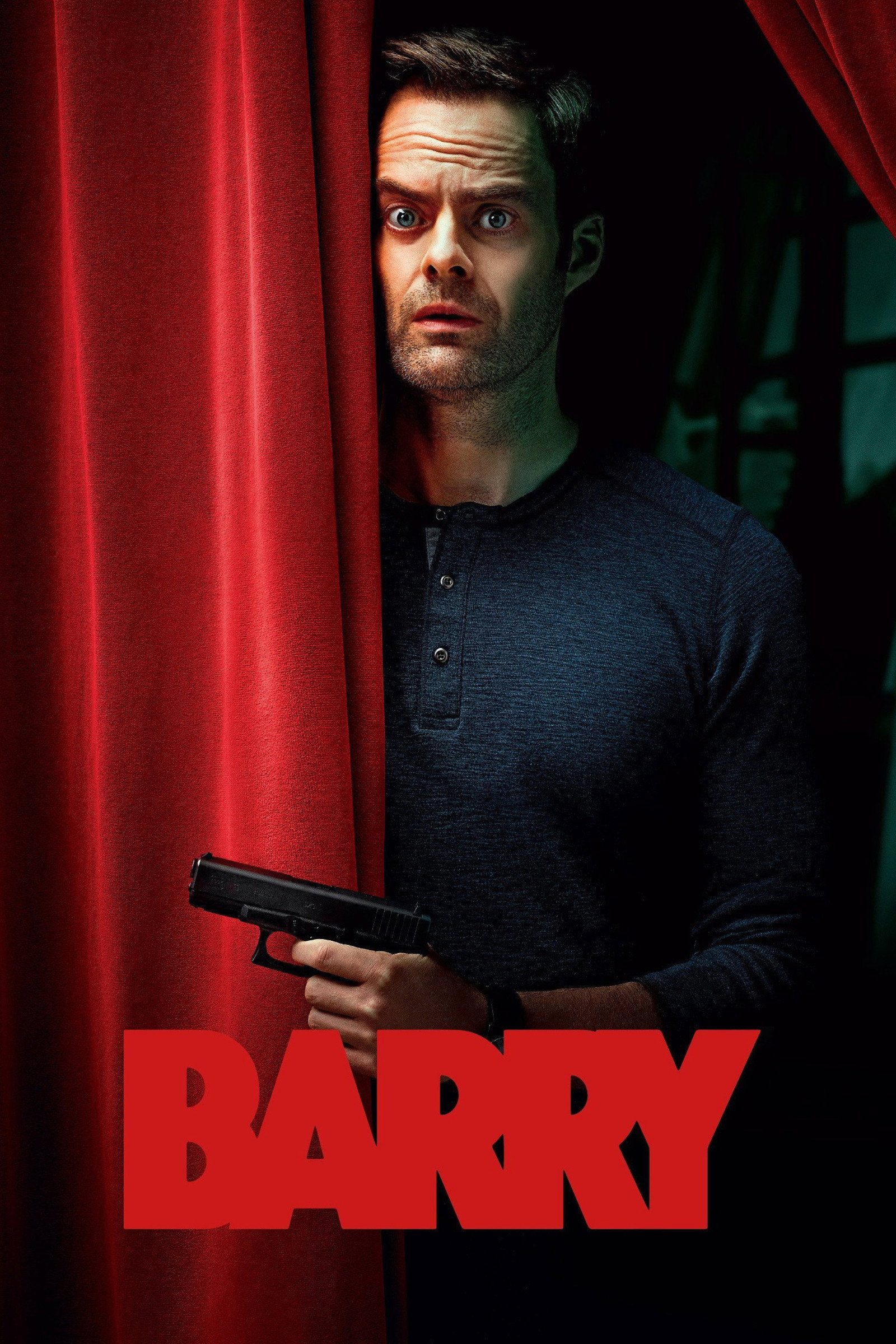
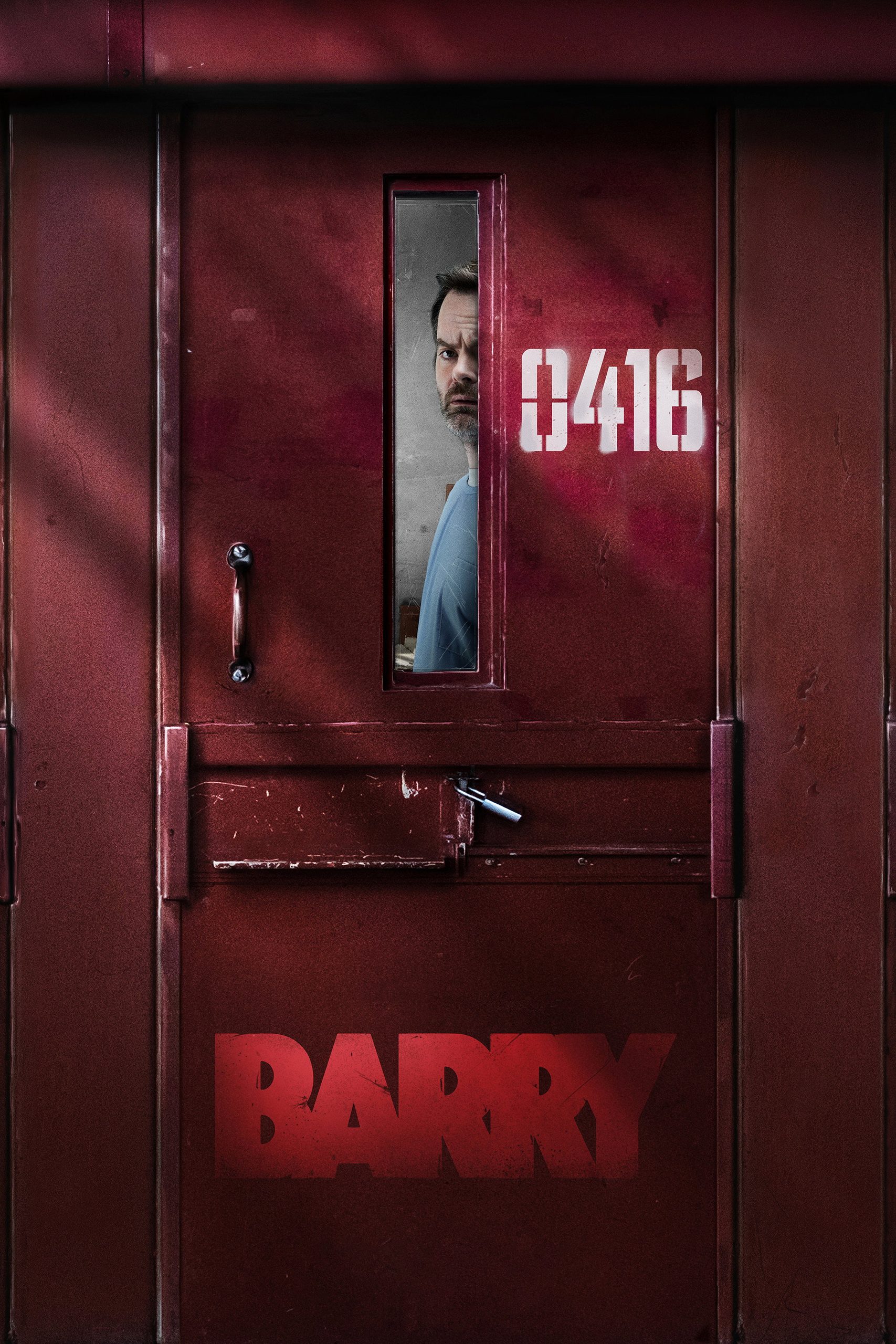
Bill Hader and Alec Berg’s series about a hitman who wanders into an acting class starts as a joke and ends somewhere much darker, and earns the change. By the fourth season the laughs have mostly gone, and the show means them to have.
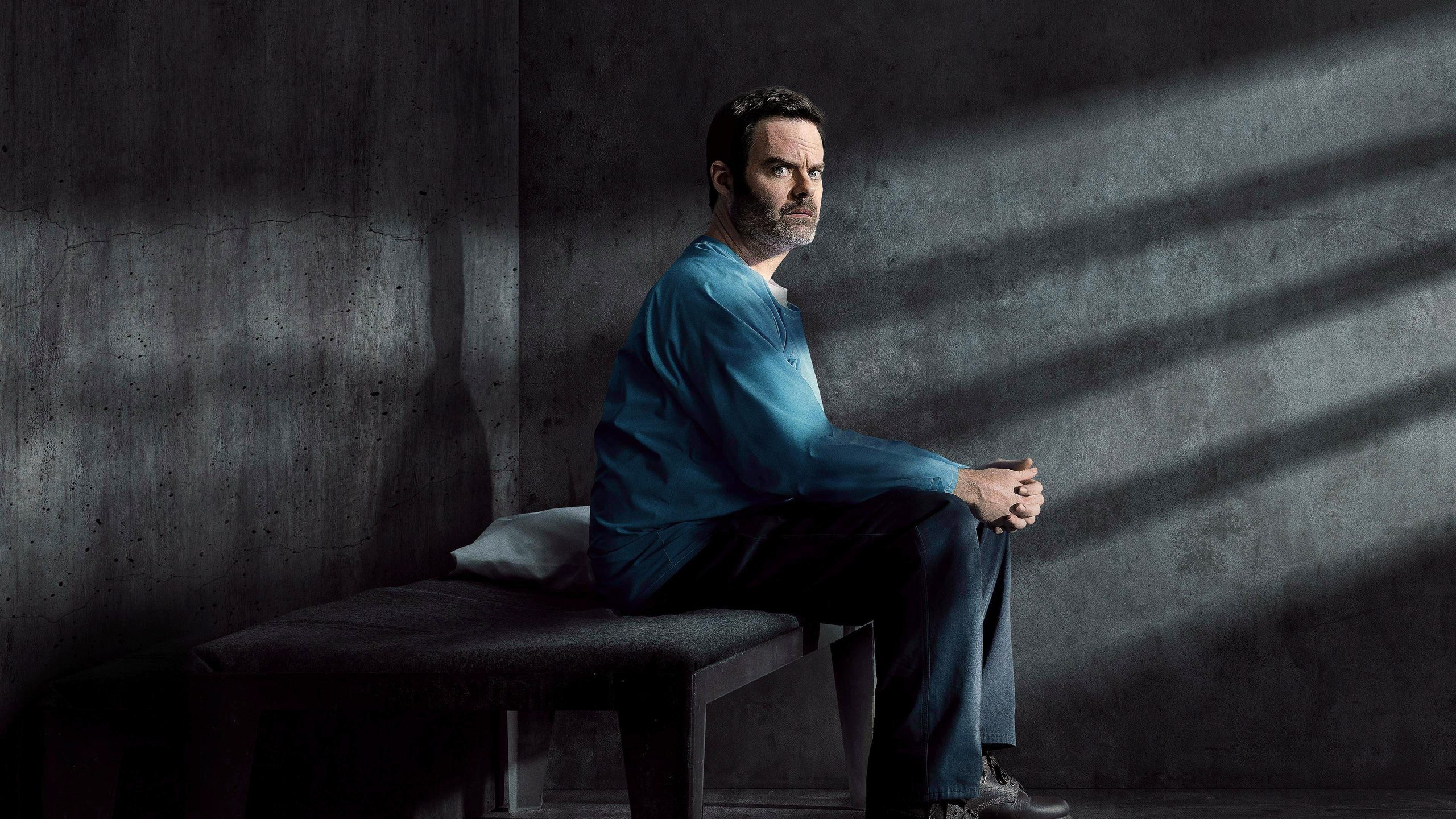
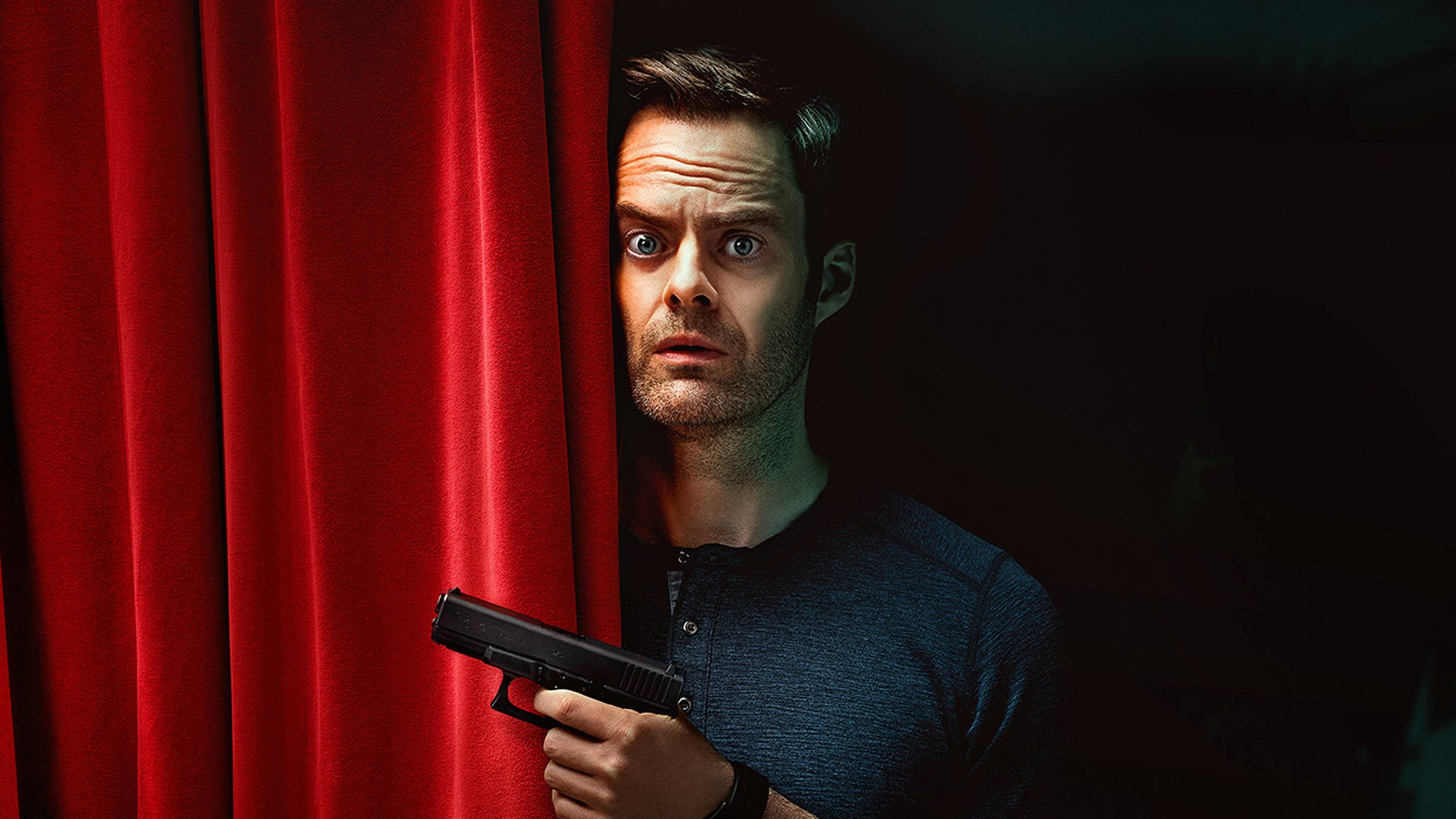
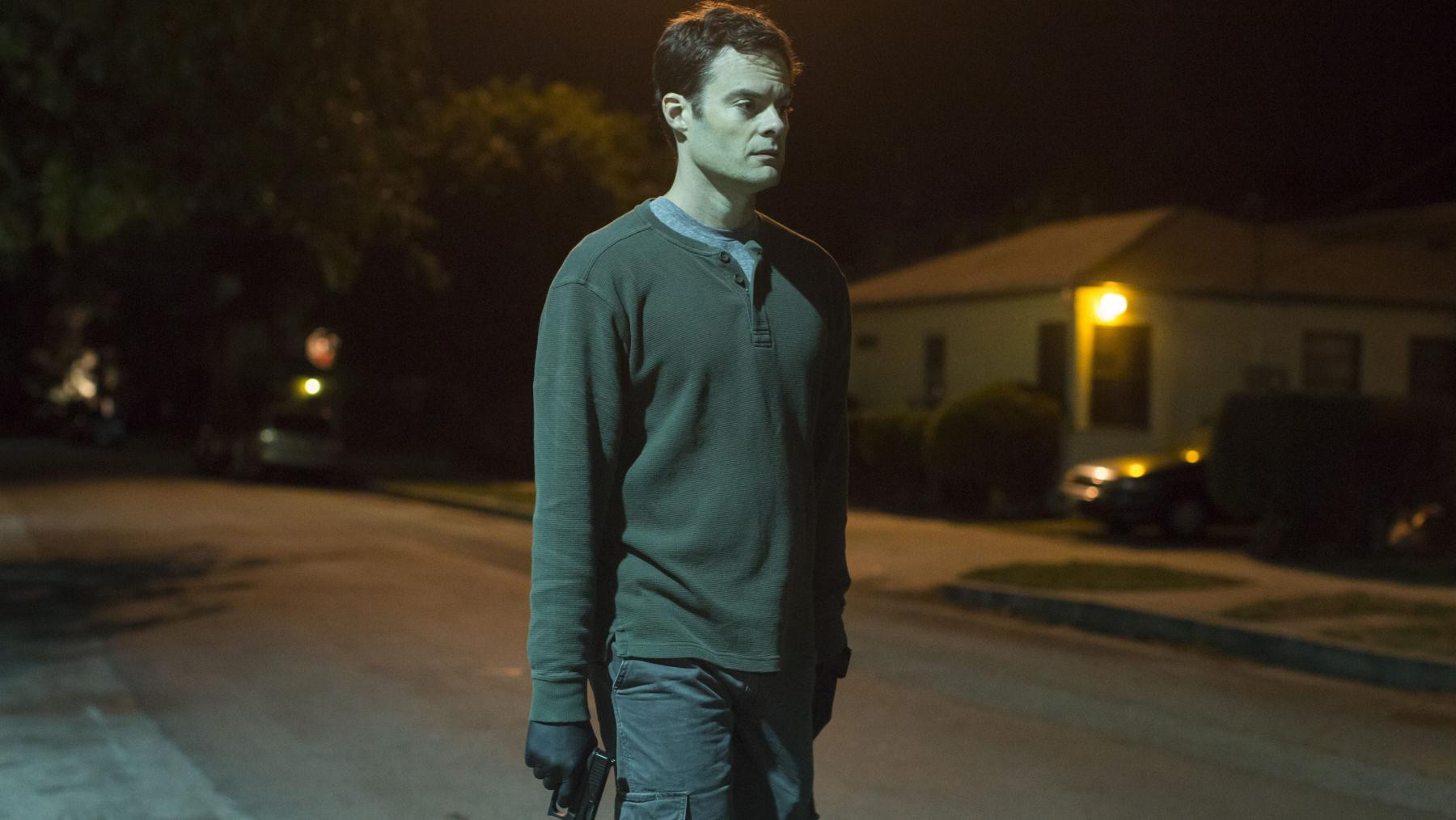
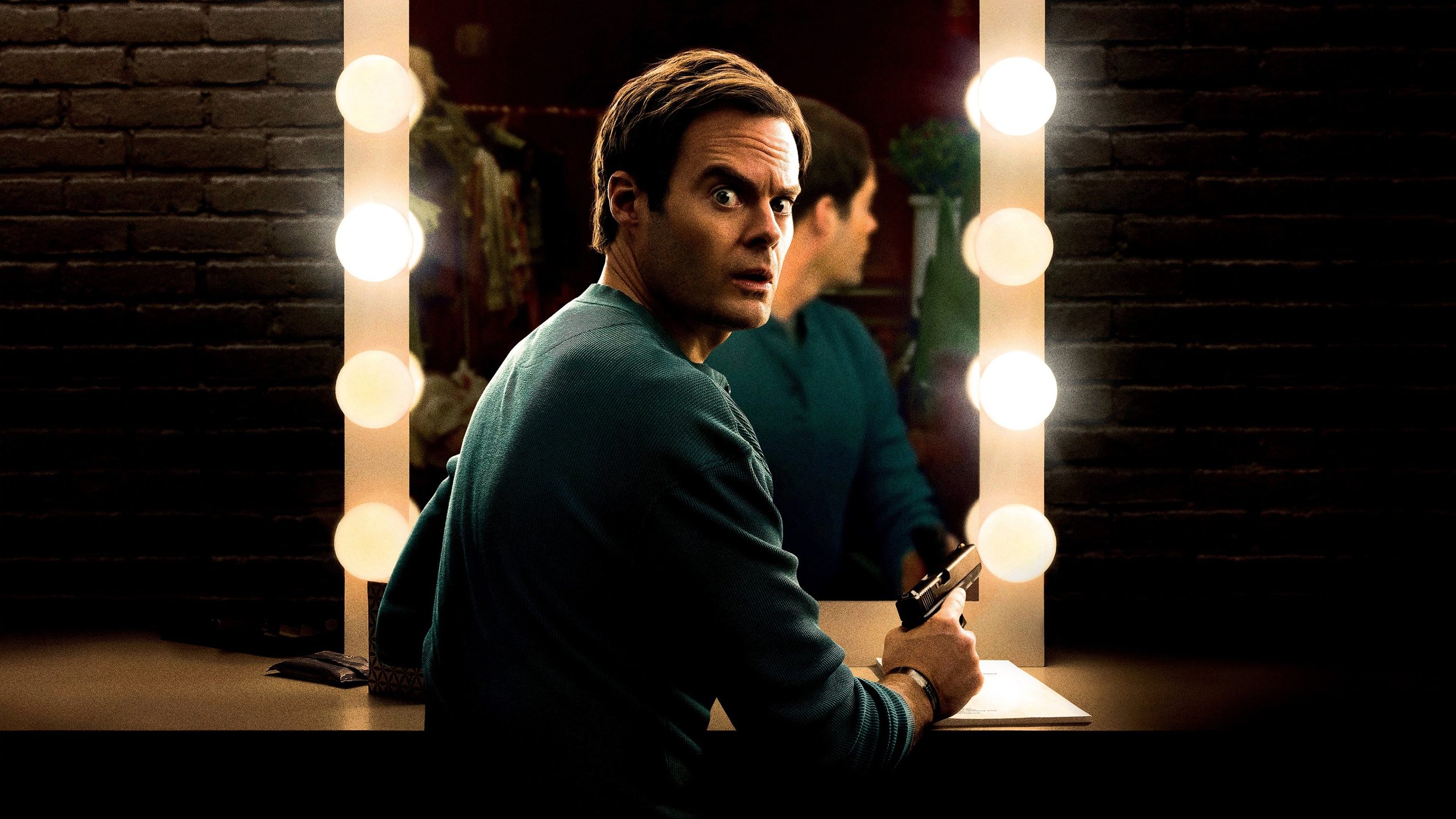
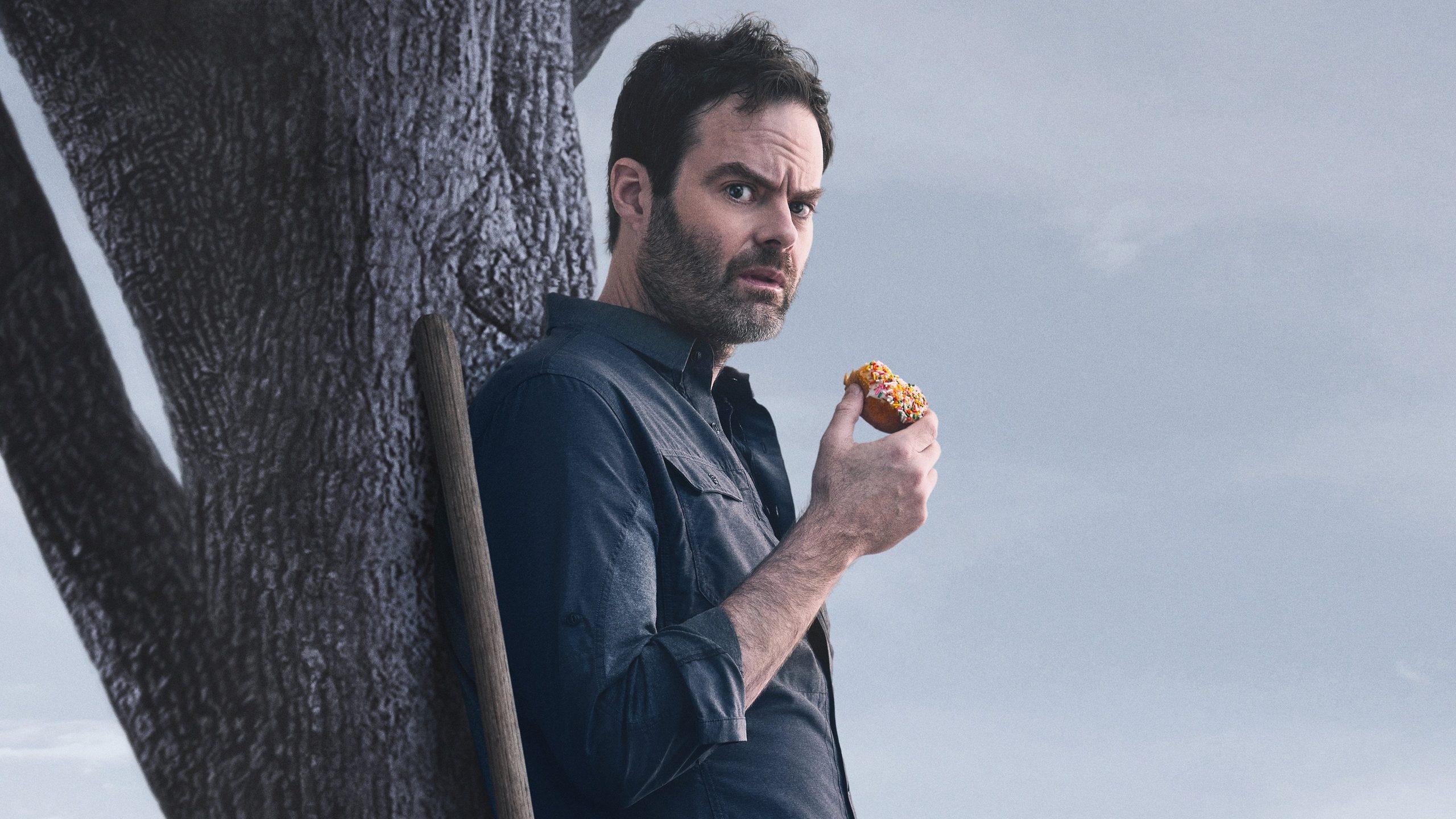
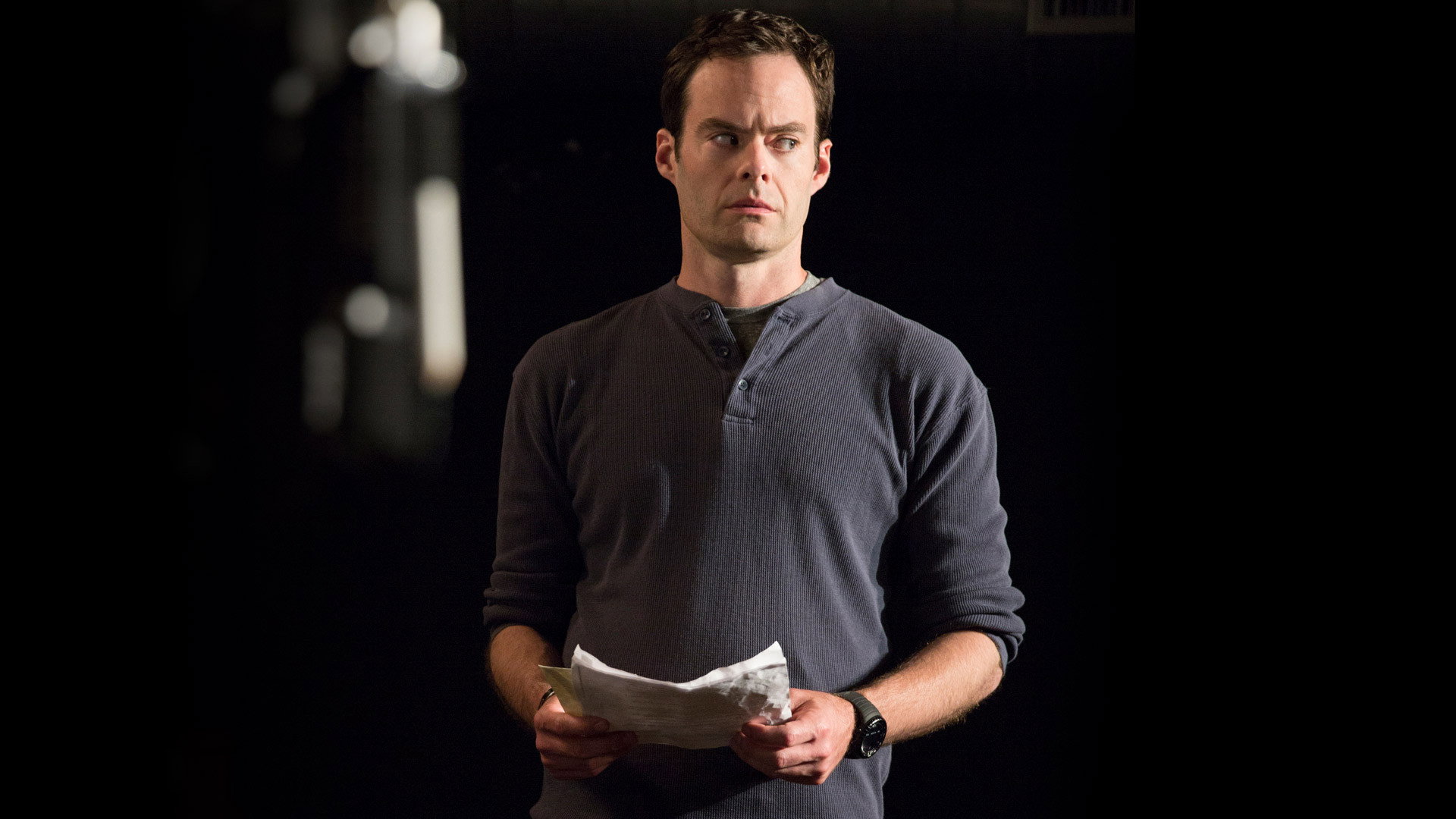
Barry Berkman (Bill Hader) has been told he is good at one thing, and he has stopped feeling anything about it. Monroe Fuches (Stephen Root), the family friend who runs him, sends him to Los Angeles to kill an actor, Ryan Madison (Tyler Jacob Moore), and Barry follows the man into Gene Cousineau’s (Henry Winkler) acting class, sits down, and finds he does not want to leave. That is the whole premise, and Hader and Alec Berg, who created the show, know it will not carry 32 half-hour episodes. So they let it stop being funny, slowly, on purpose. We recommend it warmly, with the caveat that by the last season you will not be laughing much and are not meant to be.
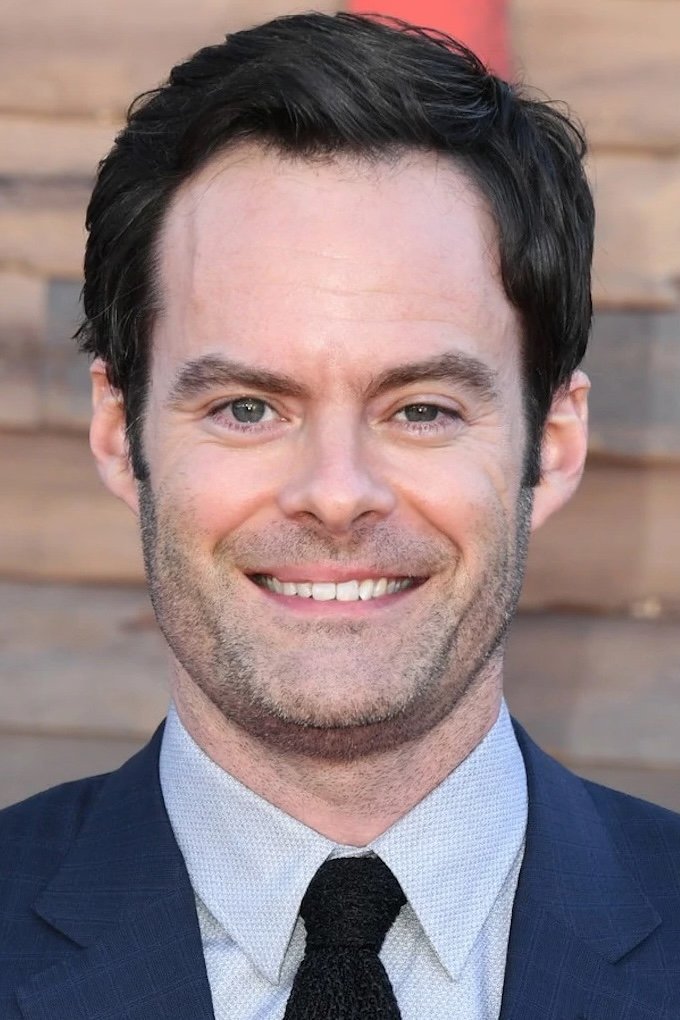
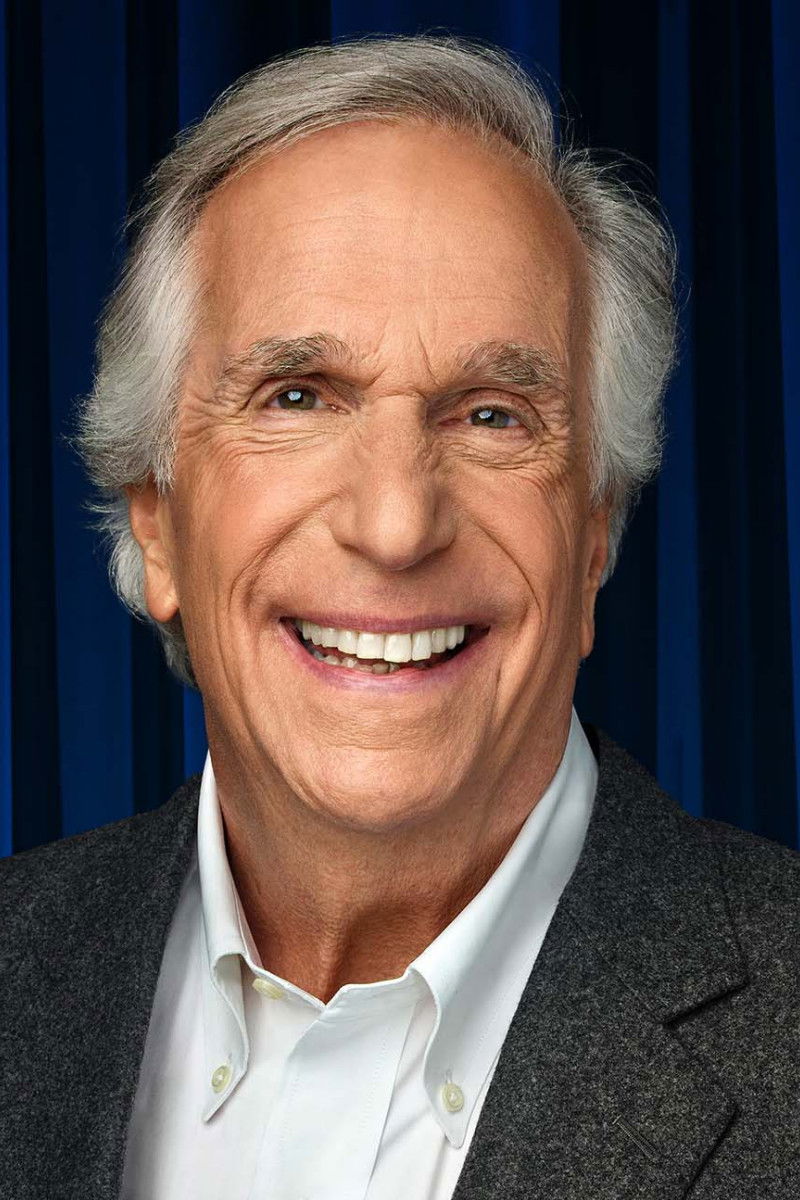
Hader is the reason it works. He plays Barry with a face that barely moves and a voice that seems to be arriving from another room, and the comedy of the early episodes is in watching a man who does terrible things be unable to perform them. The class is full of people desperate to be looked at; the one person with something to hide is the one who cannot act. Winkler’s Gene is a great creation, a teacher selling his own method to students who cannot afford it, and Winkler never asks us to like him, which is why it lands when the show eventually does. Sarah Goldberg’s Sally is ambitious in a way the writers take seriously and do not always approve of, and Goldberg makes her tiring and true at the same time.
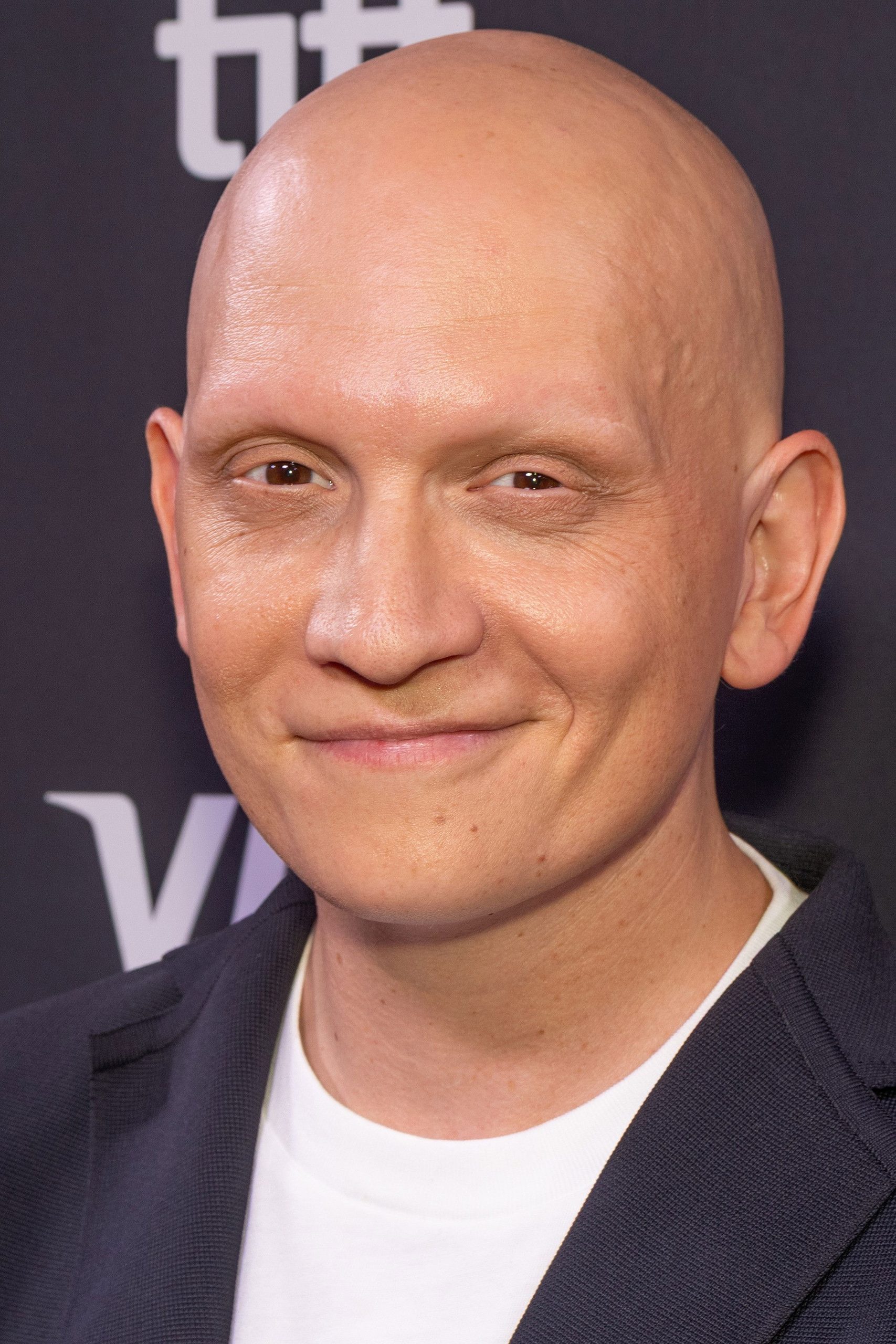
Then there is NoHo Hank. Anthony Carrigan plays Goran Pazar’s second-in-command as a gangster who behaves like a hospitality manager, thanking people for coming, apologising for the inconvenience of a shooting. We laughed at him more than at anyone else in the show. Then, in a later season, a scene we will not describe made us feel sick about having done so, and Carrigan got there without changing the performance at all. That is the show’s method in one character: it lets you enjoy something and then makes you look at it.
It is shot, by Carl Herse and later Paula Huidobro among others, in flat Los Angeles daylight: car parks, strip malls, kitchens under fluorescent tubes. Nothing is made handsome, so a killing happens in the same dull places as a lunch. Hiro Murai directs episodes in the first season and brings the stillness he uses on Atlanta, long holds on people not saying what they mean. Hader directs more and more of it himself and turns out to have a taste for staging action from where a camera would least like to be. David Wingo’s music stays out of the way; many scenes are left unscored, so that after a gun goes off you hear the hum of the strip lights. The editors, Jeff Buchanan, Kyle Reiter, Ali Greer and Franky Guttman, cut away from punchlines a beat early, which is why the jokes feel like something you were not supposed to catch.
The flaws are real. The Hollywood satire is the weakest strand: auditions, agents, executives who speak in slogans, and a long storyline about Sally’s own series that the show keeps returning to when we wanted to be elsewhere. Gene’s vanity is given one beat too many in most seasons. There are episodes in the later seasons we admired without enjoying. Paula Newsome’s Detective Janice Moss, investigating the class, is one of the few people in it who seems to be having a life, and the show could have used more of that.
The last season takes a turn we will not describe. It lost some viewers, and we understood why. We went with it, but there were moments when the show seemed to have made up its mind about Barry before we had, and it stopped arguing with itself. Most critics rated the first season highly and we would go a little further, because what happens after it is braver than the pilot promised.
Watch two episodes at a time and no more. They are half an hour each and heavier than that sounds. It is not a comedy about actors, whatever it looks like at the start; it is about a man who has killed people, and it stops letting that be funny.